Kettlebell Set Prices: Wholesale Sourcing & Bulk Specs
Vetting Manufacturers for High-Volume Kettlebell Production
Many procurement officers fall into the trap of prioritizing low unit costs over material longevity, only to face massive replacement cycles and client dissatisfaction. A common mistake is ignoring the metallurgical standards of the foundry, whereas a sophisticated sourcing approach treats kettlebell set prices as a calculation of total cost of ownership. Instead of chasing the lowest commercial kettlebell bulk pricing, savvy distributors vet manufacturers based on their ability to maintain consistent density and finish quality across massive production runs.
Material Integrity and Finish Longevity
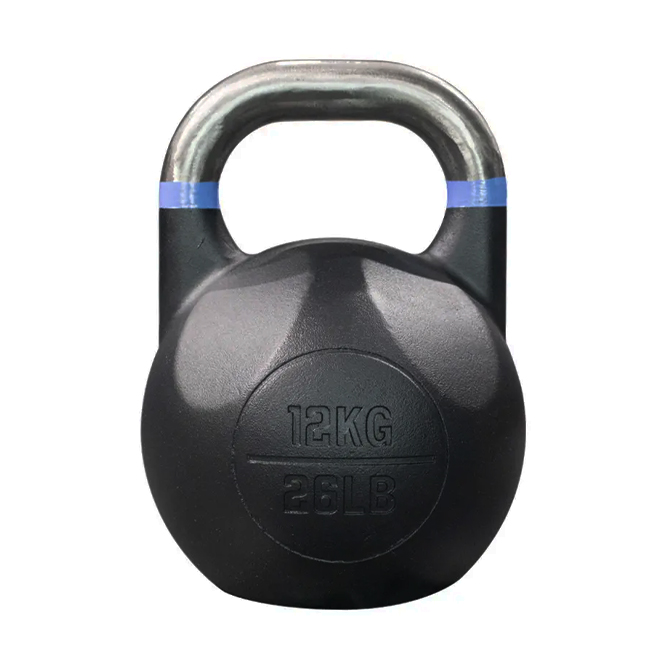
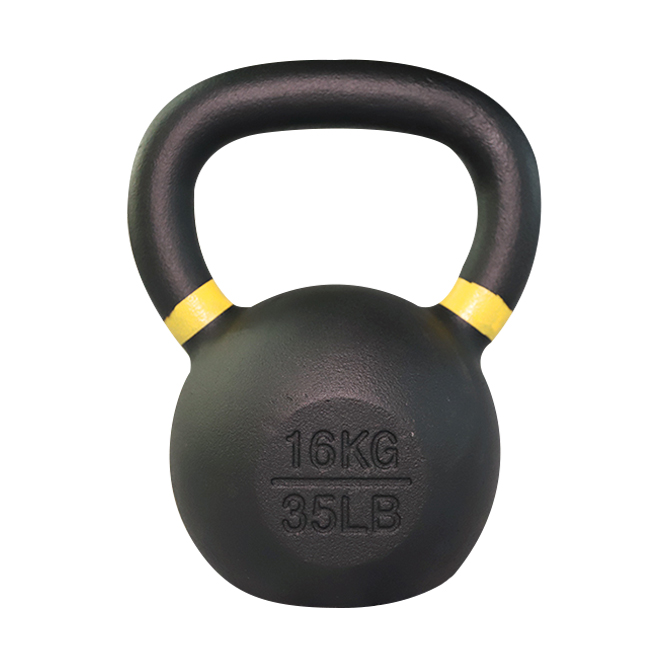
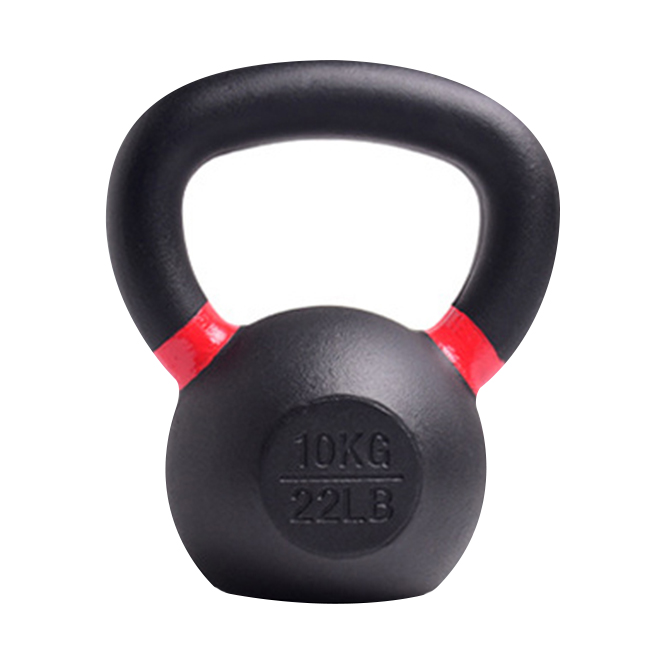
The debate between cast iron vs. powder coating is not merely aesthetic; it is a matter of structural integrity. High-grade cast iron ensures a balanced center of gravity and prevents internal cracking under heavy use, while premium powder coating protects against oxidation in humid gym environments. When negotiating wholesale fitness weight sets, ensure your supplier adheres to high-volume production standards that include rigorous stress testing. Investing in superior construction reduces the long-term overhead associated with faulty gym equipment export specifications and ensures your inventory remains a durable asset for your end-users.
To mitigate the risk of high return rates, procurement specialists must demand rigorous QC documentation that goes beyond basic visual inspections. A reliable manufacturer should provide verified reports on weight tolerance, ensuring that each unit within a wholesale fitness weight sets order deviates by no more than a negligible percentage from the labeled mass. This level of precision is critical for maintaining professional gym standards and preventing disputes regarding kettlebell set prices versus actual weight value.
Furthermore, high-volume sourcing requires strict adherence to gym equipment export specifications regarding surface durability. Request evidence of coating adhesion tests to ensure the finish will not chip during high-intensity training, alongside impact resistance testing to verify the cast iron's resilience against drop damage. Before finalizing any large-scale purchase, conduct a thorough factory audit to confirm the supplier possesses the testing equipment necessary to guarantee consistency. Verifying these technical benchmarks protects your margins from the costs of shipping defective, low-quality inventory across international borders.
Technical Durability Benchmarks for Procurement
Evaluating kettlebell set prices requires a granular look at technical specifications that dictate product lifespan. A failure to verify coating thickness or handle ergonomics can lead to high replacement rates and damaged brand reputation. To assist in your vendor selection, use the following benchmark table to audit your potential suppliers' wholesale fitness weight sets against global commercial standards.
| Feature | Standard Requirement | B2B Impact |
|---|---|---|
| Coating Thickness | Min. 150-200 microns (Powder Coat) | Prevents chipping and oxidation in high-traffic gyms. |
| Handle Ergonomics | Smooth, seamless casting/uniform finish | Redizes friction-related injury claims and wear. |
| Weight Tolerance | ±1% to ±3% deviation maximum | Ensures compliance with gym equipment export specifications. |
| Cast Integrity | Zero porosity/voids in iron core | Prevents structural cracking during heavy impact. |
By demanding these specific metrics during the factory audit phase, distributors can justify premium commercial kettlebell bulk pricing through superior product durability and reduced long-term liability.
Standardizing Quality Control and Weight Tolerance Audits
When sourcing wholesale fitness weight sets, the most frequent point of contention between distributors and manufacturers is weight discrepancy. Relying solely on low kettlebell set prices without auditing production accuracy often leads to costly returns and damaged brand reputations. In the commercial sector, a kettlebell is not just a piece of iron; it is a precision-engineered tool. If your shipment lacks strict deviation limits, you risk receiving a batch that fails to meet the expectations of professional strength facilities.
To ensure long-term reliability, procurement specialists must demand precision casting protocols. High-tier commercial grade equipment should adhere to a standardized weight tolerance—typically within a +/- 1% to 3% margin. Neglecting this technical specification during the RFQ stage can result in inconsistent training loads and legal disputes regarding contract compliance. Always verify that your supplier’s factory capability includes calibrated testing to maintain these strict standards across large-scale orders.
| Material Type | Durability Profile | Maintenance Requirement | Procurement Suitability |
|---|---|---|---|
| Cast Iron | High Impact Resistance | Low (Powder Coated) | Standard Commercial |
| Competition Steel | Extreme Longevity | Minimal | Premium/Professional |
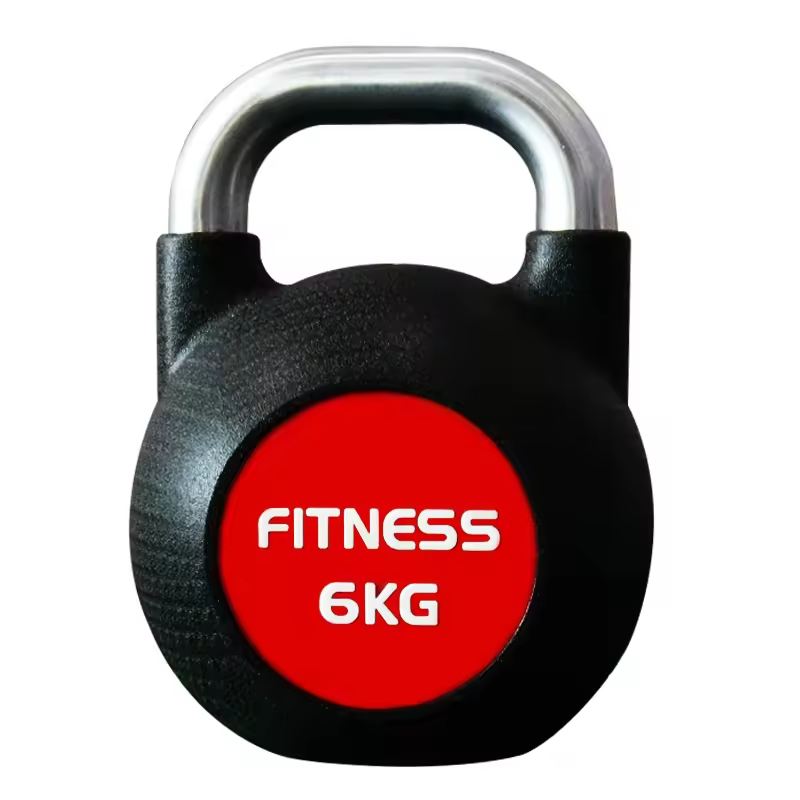
| Rubber Encased | Surface Protection | Moderate | High-Traffic Gyms |
To mitigate the risks of inconsistent quality during large-scale procurement, buyers must implement a rigorous inspection checklist. Relying on visual inspection alone is insufficient when negotiating commercial kettlebell bulk pricing; you must demand documented technical compliance. Establishing these benchmarks during the pre-shipment inspection (PSI) phase ensures that the gym equipment export specifications align with international commercial standards, protecting your investment from sub-par manufacturing defects.
Use the following technical reference to audit your next shipment and ensure the integrity of your wholesale fitness weight sets.
| QC Inspection Parameter | Acceptable Standard (Commercial) | Inspection Method |
|---|---|---|
| Weight Deviation | ±1% to ±3% of declared mass | Calibrated Digital Scale |
| Surface Finish | No burrs, pits, or uneven casting | Tactile & Visual Audit |
| Handle Diameter | Consistent grip ergonomics | Vernier Caliper |
| Coating Thickness | Uniform powder coat/rubber coverage | Dry Film Thickness Gauge |
Beyond physical inspections, securing a reliable supply chain requires rigorous documentation to clear customs and satisfy commercial insurance requirements. Professional procurement teams should never finalize an order based solely on kettlebell set prices; instead, demand a full technical dossier that proves manufacturing compliance. This includes a formal Certificate of Analysis (CoA) for raw materials, ensuring the iron or steel meets specific density and durability benchmarks. Furthermore, a robust batch testing report must accompany each production run to confirm that every unit within a specific SKU adheres to the agreed-upon gym equipment export specifications.
Logistical transparency is equally critical to prevent hidden costs during transit. Before the container is sealed, request a formal shipping weight verification. This document cross-references the actual gross weight against the packing list, preventing discrepancies that trigger port delays or unexpected surcharges. For distributors managing high-volume wholesale fitness weight sets, requiring these data-backed credentials ensures that the technical integrity of the shipment matches the commercial value of the contract.
Managing Warranty Claims and Defect Protocols in Bulk Orders
When evaluating kettlebell set prices, many procurement officers focus solely on the initial unit cost, overlooking the hidden expenses of poor manufacturing. A low entry price becomes a liability if the shipment arrives with uneven weight distribution or coating failures. To protect your margins, you must treat commercial kettlebell bulk pricing as a total cost of ownership metric rather than a simple line item.
True ROI is secured through rigorous QC documentation and strict factory inspection standards. Relying on a manufacturer's word is insufficient for high-volume B2B transactions; you must demand verified reports on material density and casting integrity. Implementing these protocols ensures effective defect rate mitigation, preventing the profit leakage typically caused by high warranty claim rates and costly reverse logistics. By prioritizing quality-verified wholesale fitness weight sets, distributors can stabilize their long-term revenue and maintain brand reputation in competitive markets.
To safeguard your investment, you must establish a clear replacement policy before finalizing any purchase order. High-volume distributors should negotiate MOQ-based warranty tiers, where higher order volumes unlock extended coverage for structural defects or coating degradation. This tiering allows you to balance upfront kettlebell set prices against long-term operational security. Furthermore, a robust procurement strategy must include documented shipping damage protocols. This ensures that any transit-related issues—such as cracked cast iron or damaged handles—are addressed through immediate credit or replacement rather than absorbing the loss.
Use the following framework to categorize issues during your initial inspection and subsequent claims process:
| Defect Classification | Description | Resolution Protocol |
|---|---|---|
| Critical (Structural) | Weight imbalance or hairline fractures | Immediate full unit replacement |
| Cosmetic (Surface) | Paint chipping or minor surface irregularities | Percentage-based credit on invoice |
| Logistics (Transit) | Crushed packaging or bent handles | Verified shipping damage protocols claim |
By integrating these standards into your wholesale fitness weight sets procurement, you mitigate the risk of unexpected overhead and ensure consistent product reliability.
Beyond the inspection table, maximizing your ROI requires a deep understanding of gym equipment export specifications and the legalities of international transit. A failure to align on technical standards before the container is sealed often leads to catastrophic revenue loss. To mitigate these risks, procurement professionals must mandate a formal pre-shipment inspection (PSI) conducted by a certified third party. This step is non-negotiable for ensuring batch consistency across thousands of units, guaranteeing that the tenth kettlebell in a set matches the precision of the first.
Furthermore, high-volume buyers must clearly define logistics liability within the Incoterms of the contract. Whether you are negotiating FOB or CIF, knowing exactly where the risk of damage transfers from the factory to the carrier is essential for protecting your capital. Without these rigorous oversight mechanisms, the competitive kettlebell set prices you secured at the factory level can be quickly erased by the high costs of unrecovered transit damages and substandard manufacturing discrepancies.
Technical Specifications for International Export Compliance
When calculating kettlebell set prices, many procurement officers overlook the hidden costs associated with international compliance. While budget-tier options exist, professional distributors must account for the certification overhead required to clear customs in North America. High-quality manufacturing that adheres strictly to ASTM/ISO standards ensures that every unit meets structural integrity and safety requirements, preventing costly shipment rejections or liability issues.
Investing in commercial kettlebell bulk pricing that includes comprehensive quality control documentation is a strategic move for long-term scalability. Factories that provide detailed material composition reports and stress-test certifications offer greater value than low-cost alternatives lacking transparency. For a serious gym equipment importer, the slight premium for verified compliance is a necessary safeguard against the logistical headaches of non-compliant wholesale fitness weight sets. Prioritizing these technical benchmarks ensures your inventory meets the rigorous demands of the professional fitness market.
Optimizing Shipping Logistics and Volume Efficiency
Beyond material quality, your total landed cost is heavily dictated by the relationship between volumetric weight vs. actual weight. Because kettlebells are high-density items, the way a factory handles container optimization can significantly impact your margins. If your wholesale fitness weight sets are packed inefficiently, you may pay for excessive empty space, effectively increasing your per-unit shipping logistics costs. Professional manufacturers mitigate this by utilizing specialized nesting techniques and high-density stacking configurations to maximize every cubic meter of a sea container.
Furthermore, robust export packaging standards are non-negotiable for overseas transit. To protect your investment, ensure your supplier utilizes heavy-duty, reinforced corrugated boxes and moisture-resistant palletization. This level of structural integrity prevents damage during long-haul maritime transport and ensures that your shipment arrives at the distribution center ready for immediate inventory integration. For large-scale distributors, optimizing these physical dimensions is as critical as negotiating the initial unit price.
Technical Benchmark & Compliance Data
To accurately forecast your landed costs, procurement teams must move beyond surface-level quotes and analyze the granular gym equipment export specifications. Discrepancies in material density or coating durability can lead to high return rates and diminished brand reputation. The following table provides a standard technical framework used by high-tier manufacturers to ensure all wholesale fitness weight sets meet North American commercial durability expectations.
| Technical Parameter | Cast Iron Standard (Standard Tier) | Steel/Competition Standard (Premium Tier) |
|---|---|---|
| Material Grade | High-Density Cast Iron | Solid Carbon Steel |
| Coating Thickness | Powder Coat (approx. 0.5mm - 1.0mm) | Premium Vinyl or High-Gloss Polyurethane |
| Weight Tolerance | ±3% to ±5% | ±1% (Competition Grade) |
| HS Code Requirement | 8471.90 or 9506.99 (Verify by region) | 9506.99 (Standardized Fitness Gear) |
Utilizing these benchmarks during your RFQ process allows for a true comparison of kettlebell set prices. When sourcing, always demand a Certificate of Analysis (CoA) to confirm that the weight tolerance and coating specifications align with your specific contract requirements.
Optimizing Container Loadability and Packaging Durability
For high-volume distributors, the true cost of kettlebell set prices is often determined by volumetric efficiency and transit damage. Efficient packaging design directly impacts your landed cost per unit by maximizing container density while ensuring stacking integrity during long-haul ocean freight. To maintain competitive commercial kettlebell bulk pricing, manufacturers must balance box dimensions with high-grade corrugated strength to prevent crushing under heavy weight loads.
Furthermore, internal protection is non-negotiable for premium wholesale fitness weight sets. Utilizing specialized protective internal cushioning prevents metal-on-metal friction, which is essential for preventing surface scratches and maintaining a showroom-ready finish upon arrival. Neglecting these gym equipment export specifications leads to high RMA rates and diminished profit margins.
| Packaging Configuration | Load Density | Protection Level | Procurement Value |
|---|---|---|---|
| Standard Single Box | Moderate | Basic | Lower Initial Cost |
| Reinforced Multi-Set Kit | High | Advanced | Optimized Shipping ROI |
| Heavy-Duty Export Crate | Maximum | Industrial | Premium Asset Safety |
Beyond individual unit protection, professional procurement teams must prioritize container load optimization to minimize dead space. When ordering large-scale inventory, maximizing CBM (Cubic Meters) efficiency is critical to lowering the freight-to-value ratio. High-density loading strategies ensure that every inch of a 20ft or 40ft container is utilized, effectively reducing the landed cost per kilogram of your shipment.
To achieve this, we implement rigorous palletization standards tailored for heavy-duty iron and cast iron goods. By utilizing standardized pallet dimensions and precision-engineered stacking patterns, we facilitate shipping volume reduction without compromising structural safety. This systematic approach allows distributors to scale their orders while maintaining predictable logistics costs. Whether you are sourcing a single variety or a full range of weights, optimizing the physical footprint of your shipment is the most effective way to protect your bottom line and ensure high-volume commercial kettlebell bulk pricing remains competitive in your local market.
To mitigate the risks of transit damage and ensure compliance with international customs, procurement officers must verify the technical gym equipment export specifications before finalizing any purchase order. Relying on substandard packaging for heavy iron goods can lead to catastrophic failure during sea freight. We provide comprehensive documentation to guarantee that all wholesale fitness weight sets arrive in factory-fresh condition, fully compliant with global shipping standards.
The following technical breakdown outlines our standard protocols for high-density export shipments, ensuring structural integrity and efficient palletization for large-scale distributors.
| Specification Component | Export-Grade Standard | Procurement Benefit |
|---|---|---|
| Box Material | Double-Wall Corrugated (BC Flute) | High Crush Resistance |
| Inner Protection | EPE Foam + Polybag Wrapping | Zero Surface Abrasion |
| Pallet Type | Heat-Treated ISPM-15 Wood/Plastic | International Compliance |
| Max Load Weight | Up to 1,000kg per Pallet | Optimized Container Density |
Every shipment includes full QC documentation compliance, including weight verification certificates and pre-loading inspection reports. This level of transparency ensures that your kettlebell set prices reflect not just the cost of the product, but the value of a reliable, low-risk supply chain.
Calculating Total Landed Cost for Wholesale Weight Sets
Many procurement managers make the mistake of focusing solely on the initial kettlebell set prices provided in a factory quote. While a low unit price looks attractive on a spreadsheet, failing to account for the total landed cost can lead to severe budget overruns during the final audit. In high-volume B2B sourcing, the price per unit is merely the starting point of your capital expenditure.
To maintain healthy margins, you must factor in the secondary expenses that follow the commercial kettlebell bulk pricing agreement. This includes freight forwarder fees for port-to-door logistics, customs duties specific to fitness ironware, and local import taxes. Relying on a basic quote without calculating these variables ignores the reality of international trade. A professional procurement strategy requires a deep dive into unit price vs. landed cost to ensure that shipping containers, insurance, and brokerage fees do not erode your projected ROI. By auditing these hidden variables upfront, distributors can secure predictable wholesale fitness weight sets that fit both the gym's budget and the long-term operational scale.
Beyond standard freight rates, the most significant variable in your landed cost calculation is the relationship between material density and shipping volume. Because iron and steel are exceptionally dense, the physical dimensions of your order can trigger high volumetric weight charges if not managed correctly. Unlike lighter equipment, wholesale fitness weight sets are often subject to strict gym equipment export specifications regarding weight-to-volume ratios. If your order occupies significant space without reaching the maximum weight capacity of a container, you are essentially paying to ship air, which drastically increases your per-unit cost.
To mitigate these expenses, professional buyers must prioritize container optimization during the negotiation phase. Working with a factory that understands high-density palletization standards is critical. Efficient stacking and optimized box dimensions ensure that your kettlebell set prices remain competitive by maximizing the payload of every 20ft or 40ft HC container. Ensure your supplier provides detailed packing lists that detail both gross weight and cubic measurements, allowing you to audit the efficiency of the shipment before it leaves the port.
To streamline your budgeting, we recommend using a structured model to account for every variable from the factory floor to your warehouse. The following framework allows procurement officers to estimate the true impact of kettlebell set prices on their total capital expenditure.
| Component | Description | Formula/Example | Estimated % of Total |
|---|---|---|---|
| Ex-Works (EXW) Price | Base manufacturing cost per unit | Unit Price × Quantity | 65% - 75% |
| Logistics & Freight | Ocean freight and port handling | Sea Freight + Fuel Surcharge | 15% - 20% |
| Duties & Taxes | Import tariffs and local VAT | HS Code Specific Duty % | 5% - 10% |
| QC & Compliance | Third-party inspection/certification | Fixed Inspection Fee | 2% - 5% |
When negotiating commercial kettlebell bulk pricing, always account for the Minimum Order Quantity (MOQ) impact. Higher MOQs typically lower the unit price but increase the complexity of shipping logistics and warehousing costs. Additionally, do not overlook QC inspection costs; investing in a pre-shipment audit is a non-negotiable expense that protects your wholesale fitness weight sets from arriving with substandard casting or incorrect weight tolerances, ultimately saving your business from costly returns and reputation damage.
Implementation checklist for buyers
When evaluating kettlebell set prices, procurement officers must look beyond the immediate invoice to calculate the true total cost of ownership (TCO). A low-cost entry point often masks hidden expenses related to frequent replacements and high maintenance cycles. In a high-traffic commercial environment, the durability vs. initial cost equation is the primary driver of long-term profitability. Investing in high-grade cast iron or rubber-encased steel ensures the equipment withstands rigorous daily use, preventing the rapid depreciation common with budget-grade alternatives.
To maximize your return on investment, focus on MOQ optimization during the sourcing phase. By strategically adjusting your commercial kettlebell bulk pricing tiers through larger volume orders, you can reduce per-unit landed costs and mitigate shipping overhead. Efficiently managing wholesale fitness weight sets involves balancing stock depth with logistical agility. A robust procurement strategy prioritizes factory-direct reliability and strict quality control, ensuring that your capital is tied up in high-performing assets rather than disposable gear that requires constant restocking.
Technical Verification & Export Compliance
To protect your margins, procurement teams must implement a rigorous technical verification process. Relying solely on a quote is insufficient; you must mandate a comprehensive factory audit checklist to validate manufacturing capabilities before finalizing any wholesale fitness weight sets order. Failure to verify gym equipment export specifications can lead to catastrophic customs delays or costly returns due to non-compliance with North American safety standards.
Your QC documentation requirements should include verified material certification (specifically for cast iron or high-density rubber coatings) to ensure structural integrity. Most critically, demand proof of adherence to strict weight tolerance standards. In commercial settings, even minor deviations in mass can compromise training accuracy and professional branding. By requiring detailed material certification and pre-shipment inspection reports, you mitigate the risks associated with kettlebell set prices that appear too low to be true. This level of scrutiny ensures that your commercial kettlebell bulk pricing reflects a high-value, durable asset rather than a logistical liability.
Logistical Optimization & Freight Impact
Understanding the relationship between weight density and shipping overhead is vital for maintaining a healthy margin. For distributors, the freight cost impact is often more significant than the unit price itself. To optimize your budget, you must align your order volume with container capacity to minimize the "dead weight" or "empty space" ratio during transit. High-density wholesale fitness weight sets allow for better container load optimization, effectively lowering the landed cost per unit.
The following table illustrates how volume and weight tiers influence the overall kettlebell set prices and logistical efficiency:
| Weight Tier (Total Load) | Shipping Volume Profile | Container Optimization Strategy | Impact on Unit Cost |
|---|---|---|---|
| Low Volume (LCL) | High Volume / Low Density | Manual palletization; higher risk of space waste | Higher per-unit freight overhead |
| Mid-Tier (Partial FCL) | Moderate Density | Optimized stacking of wholesale fitness weight sets | Balanced cost-to-shipping ratio |
| High Volume (Full FCL) | Maximum Density | Precision loading to meet gym equipment export specifications | Lowest landed cost per unit |
Strategizing your procurement around these commercial kettlebell bulk pricing tiers ensures that your capital is spent on high-quality inventory rather than inefficient shipping logistics.