Adjustable Kettlebell: China Factory OEM and Engineering
Adjustable Kettlebell Engineering and Commercial Sourcing
Distributors often face high replacement costs by sourcing low-grade fitness gear that lacks mechanical stability. A common procurement mistake is prioritizing low unit prices over structural integrity, leading to broken weight mechanisms and high return rates. For professional importers, a superior sourcing strategy involves partnering with a adjustable kettlebell manufacturer that utilizes precision engineering to ensure long-term durability and safety in high-traffic environments.
The engineering of a professional adjustable kettlebell requires much more than simple weight increments; it demands a sophisticated weight mechanism that can withstand repetitive impact and rapid transitions. In a high-volume gym, a malfunctioning mechanism is not just a maintenance burden—it is a significant procurement risk. High-tier China factory production lines focus on the seamless integration of the internal locking systems and the outer shell to ensure the structural integrity remains intact even under heavy use.
When evaluating commercial-grade equipment, buyers must look beyond the surface aesthetics. True quality is found in the tolerances of the moving parts and the density of the housing materials. A reliable wholesale adjustable kettlebell supplier will provide technical specifications regarding the impact resistance of the casing and the precision of the weight selection interface to ensure the product meets international safety standards for commercial deployment.
Technical Standards for Procurement Evaluation
To mitigate the risk of high maintenance overhead and product failure, procurement officers should utilize a technical comparison framework. Evaluating a commercial adjustable kettlebell requires looking beyond the initial unit price to understand the total cost of ownership (TCO). A professional adjustable kettlebell manufacturer will provide transparency regarding internal component durability and assembly precision, whereas low-end traders often obscure these critical engineering details.
| Technical Specification | Standard Commercial Grade (Factory Direct) | Low-End / Non-Commercial Grade |
|---|---|---|
| Weight Transition Smoothness | Precision-engineered, seamless, and fluid movement | Stuttering, friction-heavy, or jerky transitions |
| Material Thickness | High-density, impact-resistant reinforced shell | Thin-walled, lightweight, or brittle plastic/metal |
| Mechanism Locking | Dual-stage or multi-point heavy-duty locking | Single-point or unreliable mechanical engagement |
| QC Inspection Protocol | Rigorous pre-shipment testing and batch sampling | Minimal or no standardized quality control |
| Sourcing Advantage | Direct factory oversight and technical support | Unverified third-party trader or retail-focused stock |
Selecting the right adjustable kettlebell depends on verifying these mechanical tolerances during the sample approval stage. For large-scale distribution, it is vital to confirm that the wholesale partner can guarantee consistent material thickness and mechanism reliability across every batch. We recommend requesting a detailed technical spec sheet or scheduling a factory audit to ensure the production standards align with your brand's reputation for quality and safety.
Beyond mechanical performance, professional procurement teams must evaluate the scalability of the manufacturing process. A high-tier adjustable kettlebell manufacturer provides more than just a finished product; they offer a reliable supply chain capable of meeting strict lead time requirements for large-scale gym fit-outs or global distribution. Whether you are managing a single high-end studio or a multi-location fitness chain, the ability to secure consistent batches is critical for maintaining inventory stability and meeting market demand.
For distributors and large-scale importers, the value of a wholesale partnership is often determined by the flexibility offered during the development phase. High-quality production goes beyond standard stock items, offering deep customization options for handle ergonomics, shell materials, and color palettes to align with a client's specific brand identity. This level of technical versatility allows for the creation of specialized product lines that differentiate your catalog in a competitive market. When planning your next shipment, ensure your supplier can provide transparent documentation regarding their manufacturing capacity and the specific MOQ required for customized technical specifications.
Ultimately, the decision to source a commercial adjustable kettlebell should be driven by a commitment to long-term ROI. While entry-level options may offer lower initial costs, the hidden expenses of frequent replacements, shipping damages, and customer dissatisfaction can quickly erode profit margins. By prioritizing engineering-led sourcing and rigorous quality control, professional buyers secure a more durable asset that enhances the total cost of ownership and strengthens their reputation as a provider of premium fitness solutions.
Structural Integrity and Weight Mechanism Standards
Maintaining high structural durability is the primary requirement for any adjustable kettlebell intended for high-traffic fitness environments. For professional distributors and gym procurement leads, sourcing from a reliable China factory ensures that each unit can withstand repetitive impact without mechanical failure. Unlike residential models, a commercial adjustable kettlebell must feature a reinforced chassis and a precision-engineered weight mechanism to prevent internal shifting or external casing cracks during rigorous training sessions.
The engineering necessity of a robust weight mechanism cannot be overstated when managing long-term TCO (Total Cost of Ownership). If the internal locking system or weight selection components fail, the resulting downtime and replacement costs can erode distributor margins. Therefore, a rigorous quality control protocol is essential during the manufacturing process. A professional adjustable kettlebell manufacturer must implement strict QC standards, testing the seamless transition between weight increments and the impact resistance of the outer shell to ensure every batch meets international commercial standards.
Mechanism Comparison for Commercial Durability and Maintenance
Selecting the correct mechanism is a critical decision for a professional wholesale adjustable kettlebell order. Different engineering approaches offer varying levels of longevity and operational complexity, which directly impact your long-term maintenance load and service intervals. For large-scale facility deployments or high-volume distribution, understanding these technical trade-offs is essential to optimize the total cost of ownership and ensure user safety.
The following table outlines the primary mechanism types commonly produced by a leading adjustable kettlebell manufacturer. This comparison assists procurement leads in evaluating which technical specification aligns best with their specific commercial application and budget requirements.
| Mechanism Type | Durability Level | Maintenance Requirement | Commercial Use Suitability |
|---|---|---|---|
| Pin-Lock Plate System | High | Low (Periodic inspection) | High-traffic strength training facilities |
| Selector Pin/Dial System | Moderate | Medium (Mechanical calibration) | Boutique studios and functional training zones |
| Slide-and-Lock Plate | High | Low (Visual check) | Commercial gyms and professional training centers |
| Modular Weight Stack | Extreme | High (Component monitoring) | High-end specialized strength environments |
When finalizing your adjustable kettlebell specifications, consider that more complex mechanisms may offer greater weight versatility but can increase the frequency of replacement parts. For distributors seeking the highest ROI and lowest after-sales support burden, the pin-lock or slide-and-lock systems are often the preferred choice for bulk wholesale orders. We recommend requesting a technical spec sheet or a physical sample to evaluate the mechanical resistance and fitment quality before proceeding with large-scale procurement or OEM production. Contact our team to confirm the MOQ and discuss your custom branding requirements for your next shipment.
Evaluating the long-term reliability of a adjustable kettlebell requires looking beyond the initial price point to the engineering of the internal weight distribution. For professional importers, the risk of receiving batches with inconsistent weight stability or poor impact resistance can lead to high return rates and damaged brand reputation. High-quality production ensures that the center of gravity remains consistent even during high-velocity movements, which is a non-negotiable standard for any commercial adjustable kettlebell used in professional strength training environments.
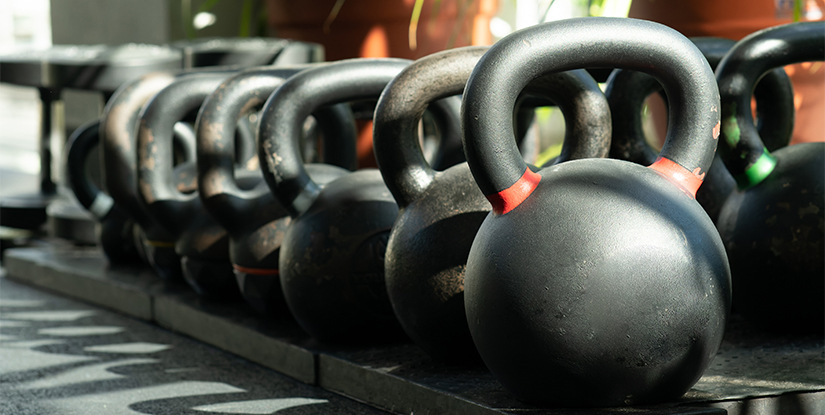
To mitigate these risks, a professional adjustable kettlebell manufacturer must utilize advanced stress testing protocols. These tests typically include drop tests from standardized heights and repeated impact cycles to simulate the heavy usage found in commercial gyms. By prioritizing these rigorous QC measures at the source, a factory-direct supplier helps buyers reduce the total landed cost by minimizing the need for future replacements or warranty claims. When you engage in large-scale sourcing, ensuring the factory follows these structural validation steps is the most effective way to protect your long-term margins and ensure product longevity.
Comparing Sourcing Models for Adjustable Kettlebell Procurement
When managing a fitness facility or distribution network, professional buyers must look beyond the initial purchase price to understand the true TCO. A low-cost adjustable kettlebell from an unverified trader may offer immediate savings, but frequent mechanism failures and replacement costs often erode long-term margins. For distributors and gym operators, a strategic procurement strategy focuses on durability and long-term operational efficiency rather than just the lowest upfront invoice.
Sourcing directly from a China factory provides a distinct advantage in controlling these long-term variables. By bypassing intermediaries, importers can secure higher engineering standards for the weight-selection mechanisms, ensuring the units withstand the high-frequency use typical of commercial-grade environments. This direct-to-source model stabilizes the landed cost and protects your brand reputation from the fallout of premature equipment degradation.
| Procurement Model | Initial Unit Cost | Maintenance/Replacement Frequency | Long-term TCO | Best For |
|---|---|---|---|---|
| Local Retail/Small Trader | Highest | High (due to lower build specs) | High | Small studios or low-volume boutique orders |
| International Trading Company | Medium | Moderate | Medium | Buyers requiring low MOQ and varied product mixes |
| adjustable kettlebell manufacturer | Lowest | Low (engineered for durability) | Lowest | Distributors, large-scale gym chains, and OEM partners |
Selecting a reliable wholesale adjustable kettlebell supplier allows you to optimize your capital expenditure. While the logistical complexity of international sourcing requires more rigorous oversight, the ability to implement strict QC protocols at the source ensures that every unit delivered meets the rigorous demands of a professional training environment.
The technical divergence between a standard commercial adjustable kettlebell and a generic consumer model is most visible in the precision of the weight-selection mechanism. For high-volume distributors, the risk of sourcing from a non-specialized supplier involves more than just mechanical failure; it involves the systemic cost of product returns, damaged brand reputation, and increased maintenance labor. A professional adjustable kettlebell manufacturer mitigates these risks by implementing specialized engineering for weight-plate stability and selector pin durability.
To ensure long-term profitability, professional buyers should evaluate the technical capacity of their partner. A specialized factory can offer deep customization through OEM or ODM workflows, allowing you to differentiate your product line with custom handle textures, specific colorways, or proprietary weight increments. When managing large-scale inventory, understanding the relationship between production scale and quality control is essential for maintaining a stable supply chain.
Before finalizing your next bulk order, we recommend requesting a detailed technical specification sheet and discussing your specific MOQ requirements. Our team can provide documentation regarding material grades and mechanism testing protocols to ensure the units meet your market's durability standards. Contact us to confirm current production lead times or to initiate a sample evaluation for your upcoming project.
To ensure long-term profitability, professional buyers should evaluate the technical capacity of their partner. A specialized factory can offer deep customization through OEM or ODM workflows, allowing you to differentiate your product line with custom handle textures, specific colorways, or proprietary weight increments. When managing large-scale inventory, understanding the relationship between production scale and quality control is essential for maintaining a stable supply chain.
Before finalizing your next bulk order, we recommend requesting a detailed technical specification sheet and discussing your specific MOQ requirements. Our team can provide documentation regarding material grades and mechanism testing protocols to ensure the units meet your market's durability standards. Contact us to confirm current production lead times or to initiate a sample evaluation for your upcoming project.
China Factory Manufacturing and OEM Capabilities
Professional importers and distributors require more than just a basic product; they need a reliable adjustable kettlebell manufacturer capable of meeting rigorous engineering standards. When sourcing high-end gym equipment, the ability to transition from standard stock to specialized, high-performance units is critical for maintaining a competitive edge in the premium fitness market.
Our China factory specializes in high-precision production, ensuring that every adjustable kettlebell meets strict commercial-grade specifications. We provide comprehensive OEM and ODM solutions that allow distributors to implement custom branding or private label programs, effectively building their own brand identity through superior hardware. By controlling the entire manufacturing process, we guarantee that technical specifications regarding structural durability and the weight mechanism are consistently met across all bulk orders.
Technical Engineering and Customization Standards
The complexity of a commercial adjustable kettlebell lies in its internal mechanics. Unlike consumer-grade models, a commercial-grade unit must withstand high-frequency use without mechanical failure or weight drift. Our professional engineering approach focuses on precision engineering of the internal locking systems and the external shell integrity. This attention to detail reduces long-term maintenance loads for gym operators and enhances the total cost of ownership (TCO) for the end user.
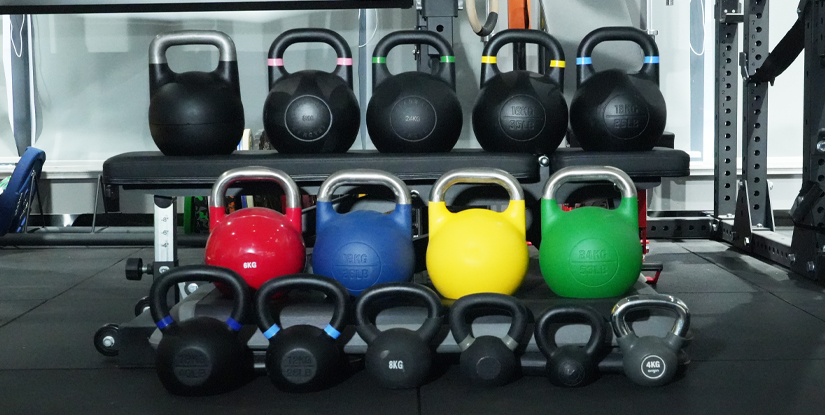
For partners looking for specialized customization, we offer various tiers of production. Whether you require specific colorways for a wholesale contract or a unique handle diameter for specialized training, our production capacity is designed to scale with your business needs. We manage everything from initial design consultation to final quality control (QC) to ensure your landed cost is optimized through efficient factory-direct shipping and high-quality output.
| Procurement Dimension | Standard Wholesale Model | Full OEM/ODM Customization |
|---|---|---|
| Product Specification | Standardized weights and colors | Custom weight increments and materials |
| Branding Options | Generic or existing manufacturer label | Full private label and custom branding |
| Design Control | Pre-set industrial design | Tailored engineering standards and geometry |
| Minimum Order Quantity | Lower MOQ for standard SKUs | Higher MOQ for bespoke designs |
| Lead Time | Short, based on current factory stock | Extended, based on manufacturing process |
When planning your next shipment, we recommend contacting our team to confirm the current MOQ for specialized designs and to request a detailed technical spec sheet. We can also provide guidance on lead time management for bulk orders to ensure your inventory levels remain optimized for your market demand.
Evaluating the difference between a standard wholesale adjustable kettlebell order and a specialized production run is essential for long-term profitability. While trading companies offer convenience, a direct adjustable kettlebell manufacturer provides the technical oversight necessary to mitigate risks associated with mechanical failure and inconsistent weight increments.
For distributors and large-scale importers, the choice of sourcing strategy directly impacts the final landed cost and the reliability of the brand identity. Working with a factory-direct partner ensures that every technical variable—from the tolerance of the internal locking pins to the durability of the external coating—is strictly managed under a single point of accountability. This level of control is vital when scaling a product line across international markets where quality consistency is the primary driver of repeat orders.
To assist in your procurement planning, we have outlined the core distinctions between standard procurement and customized manufacturing below. This comparison highlights how different OEM and ODM pathways affect your MOQ, timelines, and overall product differentiation.
| Procurement Factor | Trading Company / Distributor Model | Direct Factory-Direct Sourcing |
|---|---|---|
| Product Control | Limited to existing catalog items | Full control over engineering and materials |
| Branding Capability | Minimal; often limited to packaging | Comprehensive private label and custom identity |
| Technical Support | Dependent on third-party communication | Direct access to factory engineers and QC teams |
| Pricing Structure | Includes intermediary markup/margin | Optimized for high-volume wholesale |
| Customization Speed | Subject to trader availability | Directly managed through the manufacturing process |
| Risk Management | Higher risk of inconsistent quality | Rigorous, direct quality control oversight |
Whether you are looking to refresh your existing inventory or develop a new flagship product, we invite you to reach out for a formal quote. Our team can provide detailed documentation regarding current MOQ requirements, technical drawings for custom ODM requests, and comprehensive shipping timelines to support your global distribution strategy.
Quality Control and Pre-Shipment Inspection Protocols
For distributors and gym equipment importers, a single defective unit can escalate into significant liability issues and high return rates. When sourcing an adjustable kettlebell in bulk, the cost of failure extends beyond the individual item to include damaged brand reputation and increased customer service overhead. Rigorous quality control is essential to ensure every unit meets the high standards required for professional environments.
A professional adjustable kettlebell manufacturer must implement a multi-stage inspection process that focuses on both the external shell and the internal mechanical components. This includes testing the structural integrity of the casing to ensure it can withstand high-impact drops common in commercial settings. Furthermore, verifying weight mechanism precision is critical; any deviation in weight increments can lead to user dissatisfaction and disputes regarding product accuracy. By prioritizing these technical benchmarks, a China factory can provide a reliable supply chain solution that minimizes the risk of defective shipments and protects the wholesale margins of its international partners.
Technical Inspection Standards for High-Volume Orders
Reliability in a commercial adjustable kettlebell depends on the precision of the internal locking system. During the pre-shipment phase, a professional adjustable kettlebell manufacturer must conduct rigorous tolerance testing on every weight increment. This ensures that the internal plates or moving components align perfectly within the casing, preventing mechanical jams or unintended shifts during movement. Discrepancies in weight accuracy can lead to high return rates and diminished trust among professional distributors, making standardized calibration a non-negotiable requirement for any reputable factory.
Beyond weight precision, mechanism durability must be validated through repeated cycling tests. This involves testing the ease of adjustment and the strength of the locking pins to ensure they remain secure under heavy use. For large-scale wholesale orders, batch consistency is the ultimate benchmark of quality. Every unit in a single container must demonstrate identical performance and build quality to prevent uneven wear across a client's entire facility. By adhering to these strict QC protocols, a China factory ensures that the final landed cost is not inflated by future replacement needs or warranty claims.
| Inspection Category | Standard/Retail Grade Specifications | Commercial-Grade adjustable kettlebell Requirements |
|---|---|---|
| Weight Tolerance | ± 5% deviation allowed | Strict ± 1% to 2% precision per increment |
| Mechanism Testing | Basic functionality check | High-cycle stress testing of locking pins and plate alignment |
| Coating Durability | Standard powder coat or paint | High-impact resistance and anti-corrosion industrial finish |
| Structural Integrity | Lightweight casing for home use | Reinforced high-density housing for heavy-duty impact |
| Batch Consistency | Variable tolerances per unit | Uniformity across full wholesale shipment |
To ensure a seamless sourcing process, procurement managers should utilize a formal B2B checklist during the sample approval and pre-shipment stages. We recommend requesting a detailed technical spec sheet and a video of the weight mechanism cycling under load. Before finalizing a large container order, it is prudent to confirm the MOQ for custom branding and schedule a factory audit or a third-party inspection to verify these commercial-grade standards. Proactive verification of these mechanical benchmarks prevents unexpected landed costs and ensures your inventory meets the rigorous demands of professional fitness facilities.
Logistics and Export Packaging for Bulk Orders
Optimizing the landed cost of high-density fitness equipment requires more than just low unit prices; it demands sophisticated logistical planning. For distributors and gym equipment importers, the total cost of ownership is heavily influenced by how efficiently a wholesale adjustable kettlebell shipment is packed and loaded into a container. A failure to optimize shipping volume or manage weight distribution can result in excessive freight charges and damaged inventory upon arrival.
A professional adjustable kettlebell manufacturer must prioritize specialized export packaging to protect the integrity of the internal weight-adjustment mechanisms during long-transit maritime shipping. Standard retail packaging is insufficient for the stresses of international sea freight. Instead, we implement heavy-duty, reinforced corrugated cartons and palletization strategies designed to withstand stacking pressures and movement within a shipping container. This focus on shipping volume optimization ensures that every cubic meter of container space is utilized effectively, maximizing the number of units per shipment and lowering the per-unit freight expense for the buyer.
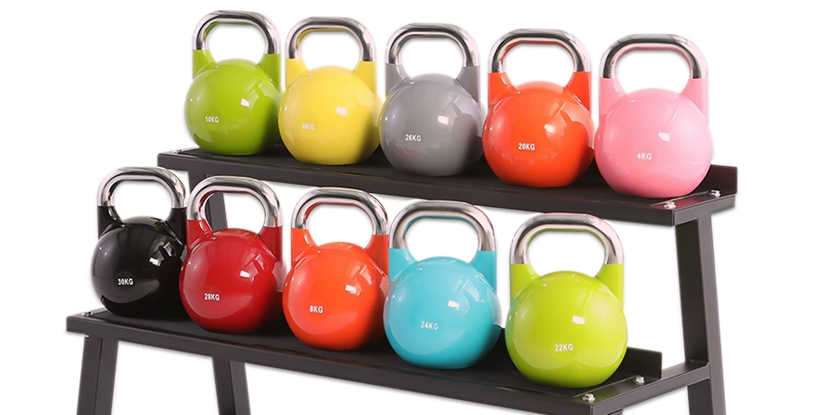
Strategic weight distribution is equally critical when managing bulk orders of heavy steel components. Improper loading can lead to container imbalance, causing safety risks and potential cargo shifts. Our China factory logistics team utilizes precision loading protocols to ensure that even high-density shipments remain stable. By coordinating closely with freight forwarders, we provide detailed packing lists and dimensions that allow procurement leads to calculate exact shipping costs and manage warehouse receiving schedules with precision. This rigorous approach to China factory logistics minimizes unexpected surcharges and ensures your inventory arrives in professional, resale-ready condition.
| Packaging Configuration | Shipping Method | Volume Efficiency | Cost Impact |
|---|---|---|---|
| Individual Retail Box (Retail-Ready) | LCL or FCL Air/Sea | Low (High volume per unit) | Higher per-unit shipping cost |
| Bulk Protective Carton (Standard Wholesale) | FCL Sea Freight | Medium (Optimized for pallets) | Balanced for distributor margins |
| Heavy-Duty Export Master Carton (High Density) | FCL Sea Freight | High (Maximum container density) | Lowest per-unit landed cost |
Selecting the right configuration for your adjustable kettlebell order directly influences your final margin. For instance, while retail-ready packaging is convenient for direct-to-consumer models, a commercial adjustable kettlebell destined for a large-scale gym installation is often more cost-effective when shipped in high-density master cartons. This approach reduces the total cubic volume required per unit, allowing more inventory to fit within a single 40HQ container. When managing a wholesale adjustable kettlebell procurement, we recommend consulting with our logistics team to align your packaging choice with your specific warehouse receiving capabilities and local distribution needs.
Ensuring product integrity during the final stage of the supply chain is vital for maintaining the reliability of your inventory. A professional adjustable kettlebell manufacturer must implement rigorous protocols during the loading phase to mitigate the risk of transit-related damage. We prioritize comprehensive pre-shipment inspection and strict container loading supervision to ensure that every unit meets your quality standards before leaving the factory. This oversight is essential for preventing mechanical failure or surface damage caused by improper stacking or movement during sea freight.
Effective damage prevention strategies are integrated into our standard operating procedures for all large-scale orders. This includes the use of edge protectors, heavy-duty strapping, and precise weight distribution to stabilize the load within the container. By managing these variables, we help you avoid the high costs associated with damaged goods and subsequent replacement claims. Whether you are managing a single large shipment or recurring wholesale orders, our focus on quality control ensures that the precision engineering of each adjustable kettlebell is preserved from our production line to your warehouse. This disciplined approach to QC and logistics planning helps stabilize your lead time and protects your distributor margins by ensuring a high percentage of first-pass arrival success.
Optimizing Inventory with Wholesale Adjustable Kettlebell Solutions
For distributors and large-scale gym operators, the logistical burden of managing multiple fixed-weight units can significantly impact bottom-line margins. Transitioning to a high-quality adjustable kettlebell allows for a streamlined inventory management strategy, replacing dozens of individual items with a single, versatile unit. When sourcing from a reliable China factory, buyers can drastically improve space efficiency within both transit containers and local warehouses.
Traditional fixed-weight sets require extensive floor space and high SKU reduction efforts to maintain a diverse product catalog. By integrating a commercial adjustable kettlebell into your product lineup, you provide a high-value solution that covers a wide weight range without the massive footprint of a full set. This wholesale advantage enables distributors to offer more utility per square foot, optimizing both shipping landed cost and retail showroom layouts.
For those managing a commercial gym setting, the ability to swap weights quickly reduces equipment clutter and improves user flow. Choosing a professional adjustable kettlebell manufacturer ensures that these units meet the rigorous durability standards required for high-traffic environments, ensuring that your wholesale procurement remains a long-term asset rather than a maintenance liability.
| Metric Comparison | Traditional Fixed Kettlebell Stock | Professional Adjustable Kettlebell |
|---|---|---|
| Weight Coverage per Unit | Single fixed weight (e.g., 16kg or 20kg) | Multiple increments (e.g., 12kg to 32kg) |
| Storage Density | Low; requires large racks for full sets | High; one unit replaces multiple SKUs |
| Shipping Volume (CBM) | High; large volume per unit weight | Optimized; compact footprint for container loading |
| Inventory Complexity | High; dozens of individual SKUs to track | Low; streamlined SKU management |
| Landed Cost Efficiency | Variable; high shipping costs for heavy volume | Superior; higher value-to-volume ratio |
| B2B Sourcing Advantage | Standardized bulk ordering | High-margin, versatile product offering |
The transition from traditional models to a wholesale adjustable kettlebell model represents a strategic shift in how distributors manage capital. While fixed weights are industry standards, the high shipping volume and massive footprint often lead to increased warehousing overhead. By partnering with a specialized adjustable kettlebell manufacturer, importers can leverage superior storage density, allowing more functional utility to be shipped within a single 40HQ container.
When evaluating your next batch, consider the long-term impact on your landed cost. A single unit capable of multiple weight adjustments significantly reduces the number of individual units required to complete a professional set. This optimization not only simplifies your B2B sourcing process but also maximizes the profit margin per cubic meter of freight space. For distributors looking to scale, moving toward these high-utility products is a proven method to enhance warehouse efficiency and product versatility.
Scaling a product line requires a balance between catalog diversity and operational complexity. For distributors seeking to expand their premium offerings, leveraging OEM and ODM capabilities is essential for maintaining a competitive edge. Rather than simply reselling generic stock, working directly with a China factory allows you to integrate specific engineering refinements or proprietary weight-adjustment mechanisms that differentiate your brand in a crowded market.
The ability to offer custom branding on a professional adjustable kettlebell transforms a standard commodity into a signature product. This level of customization, supported by a flexible MOQ, enables distributors to build brand equity without the massive capital requirements typically associated with high-volume manufacturing. Whether you are refining the grip texture, the color of the housing, or the specific weight increments, these ODM solutions allow for a highly tailored product roadmap that aligns with your specific target demographic.
Strategic procurement is not just about the initial purchase price, but about the scalability of the partnership. A reliable supplier provides more than just equipment; they provide a foundation for growth through predictable lead times and scalable production tiers. By focusing on high-utility products that offer significant profit margin potential through specialized features, distributors can transition from simple importers to established market leaders with a distinct, high-performance product identity.