Barbell Plate Sourcing: Global Export Factory Partner
Strategic Barbell Plate Sourcing for Global Distributors
For large-scale fitness distributors and international gym chains, managing inventory consistency is a critical operational challenge. Relying on fragmented supply chains often leads to discrepancies in weight tolerance and finish durability, which ultimately erodes professional brand trust. Establishing a professional barbell plate sourcing strategy allows importers to secure standardized, high-volume inventory directly from a reliable China factory. By bypassing multiple intermediaries, procurement leads can better control their landed cost and ensure that every batch of wholesale barbell plates meets the rigorous demands of high-traffic commercial environments.
Transitioning from small-batch retail purchasing to professional barbell plate manufacturing requires a fundamental shift in how you evaluate technical specifications and logistics. Instead of focusing on single-unit availability, successful distributors prioritize long-term production stability, MOQ flexibility, and the ability to scale orders based on market demand. A direct partnership with a specialized commercial weight plate supplier provides the necessary transparency into the production timeline and the capacity to implement custom branding for a more competitive market position.
Technical Comparison of Plate Materials and Durability
Selecting the appropriate material profile is essential for optimizing the total cost of ownership in commercial facilities. While standard cast iron is a staple for budget-conscious gym setups, professional distributors often demand higher-tier finishes to extend the product lifecycle and reduce maintenance frequency. Understanding the relationship between the casting process and the surface coating determines how well a product withstands high-impact use in heavy-duty environments.
| Material | Coating Type | Process | Key QC Point | Commercial Duty | MOQ Impact |
|---|---|---|---|---|---|
| Cast Iron | Paint or Enamel | Sand Casting | Weight tolerance spot-check | Standard Commercial | Low |
| Carbon Steel | Powder Coating | Machined Finish | Coating adhesion | High-Traffic Gyms | Medium |
| Steel Core | Rubber/PU Coating | Molding/Dip | Edge bonding integrity | Premium/Competition | High |
When conducting barbell plate sourcing, technical scrutiny must extend beyond the visual finish. For high-performance distribution, a commercial weight plate supplier should provide documentation regarding the concentricity and weight calibration of each batch. A reliable wholesale barbell plates partner will utilize CNC machining or precision casting to ensure that the weight tolerance remains within industry-standard limits, preventing the uneven wear that can damage expensive barbell sleeves over time.
Quality Control and Export Logistics Excellence
To mitigate the risks associated with long-distance international shipping, professional barbell plate sourcing must prioritize a manufacturer with a robust pre-shipment inspection protocol. A high-tier China factory does not merely pack products; they execute a multi-stage verification process that includes weight spot-checks, bore fit precision testing, and coating adhesion evaluations. This rigorous approach ensures that the shipment arriving at your warehouse matches the approved sample perfectly, protecting your distributor margins from the costs of defective or non-compliant inventory.
Efficiency in the global supply chain is further determined by specialized export packaging and container loading strategies. To maximize container utilization and reduce the landed cost per unit, an experienced commercial weight plate supplier will employ heavy-duty, reinforced cartons and optimized palletization. Whether you are pursuing wholesale barbell plates for standard retail replenishment or requiring barbell plate manufacturing with OEM or ODM specifications for your own private label, the logistics framework must be scalable. From managing MOQ requirements to coordinating complex sea freight schedules, a professional partner ensures that your bulk orders arrive securely, intact, and ready for immediate commercial deployment.
Material Standards and Casting Processes in Commercial Production
Effective barbell plate sourcing requires a deep understanding of how raw material integrity dictates long-term commercial durability. For high-volume distributors and gym operators, the distinction between low-grade casting and precision-engineered units determines the total cost of ownership and replacement frequency.
In professional strength environments, most wholesale barbell plates rely on high-density cast iron produced through refined sand casting techniques. A reputable China factory utilizes these methods to ensure structural density and uniform weight distribution, which are critical for reducing maintenance loads in heavy-use facilities. When engaging in barbell plate manufacturing, procurement leads must verify that the supplier utilizes high-grade gray iron to prevent cracking under extreme temperature shifts or high-impact scenarios.
Selecting a wholesale partner that prioritizes these material standards ensures that your inventory maintains its value and physical form despite the rigorous demands of commercial lifting. This technical focus on casting quality directly impacts your sourcing efficiency and long-term distributor margins.
Comparing Production Finishes and Surface Treatments
Beyond the initial casting, the surface finish determines how the equipment interacts with flooring and how it withstands oxidation in high-humidity gym environments. For a commercial weight plate supplier, offering a variety of specialized coatings is essential to meeting different market segments, from budget-friendly strength clubs to premium studio environments. The choice of finish significantly affects the landed cost and the long-term maintenance requirements of the end-user facility.
When conducting barbell plate sourcing, professional buyers should evaluate the specific application of coatings. While basic painted finishes offer a standard solution, advanced treatments like powder coating provide superior adhesion and impact resistance, making them ideal for high-traffic commercial settings. For facilities prioritizing floor protection and noise reduction, PU coating or high-grade rubber encapsulation is the industry standard. Understanding these nuances allows importers to better align their product catalogs with specific client needs, whether they are targeting budget-conscious distributors or premium boutique operators.
| Material | Coating Type | Process Detail | Commercial Duty | MOQ Impact | Factory QC Point |
|---|---|---|---|---|---|
| Cast Iron | Paint/Enamel | Standard Spray | Budget Strength Clubs | Lower | Coating Adhesion |
| Cast Iron | powder coating | Electrostatic Application | High-Traffic Commercial | Standard | Surface Uniformity |
| Steel/Iron | PU coating | Polyurethane Dip | Premium Studio/Boutique | Higher | Encapsulation Integrity |
| Steel | Machined/Chrome | weight calibration | Competition/Precision | High | Concentricity & Tolerance |
Each production path offers unique advantages for your supply chain. For example, a China factory specializing in wholesale barbell plates can often provide customized coating options through OEM/ODM services to help you build a unique brand identity. Before finalizing a bulk order, we recommend requesting a sample to inspect the thickness and durability of the coating under physical stress. A thorough pre-shipment inspection focusing on these surface details will ensure your inventory arrives ready for immediate commercial deployment, protecting your distributor margins and enhancing your reputation for quality.
Precision QC and Technical Inspection Protocols
A critical phase in professional barbell plate manufacturing involves rigorous technical verification to ensure every unit meets strict commercial tolerances. For importers, a single batch of unevenly weighted or poorly finished plates can lead to significant replacement costs and diminished brand trust. Therefore, a high-tier supplier must implement a multi-stage inspection process that moves beyond basic visual checks to technical validation.
During the quality control sequence, the first priority is the concentricity check. This process ensures that the center bore is perfectly aligned, preventing any wobbling or uneven weight distribution when loaded onto a barbell. Following this, a specialized coating adhesion test is performed to verify that the surface treatment—whether it be paint, powder, or PU—can withstand the friction and impact of daily commercial use without chipping or peeling. This step is vital for long-term durability and maintaining a professional aesthetic in high-traffic gyms.
Finally, a comprehensive pre-shipment QC protocol must include weight spot-checks and packaging durability tests. For large-scale wholesale orders, verifying that each plate falls within the acceptable tolerance band is essential for maintaining professional standards. We advise all procurement leads to confirm the specific inspection checklist used by the factory and to discuss the MOQ and lead time requirements for any custom OEM or ODM specifications. By requesting detailed inspection reports or arranging a third-party audit, you can secure a reliable supply chain that minimizes landed cost volatility and maximizes your commercial ROI.
Comparing Material and Manufacturing Specifications
Optimizing your long-term TCO (Total Cost of Ownership) requires a strategic approach to barbell plate sourcing. For distributors and gym operators, the initial purchase price is only one component of the total expenditure; the real cost is realized through replacement cycles and maintenance needs. Selecting the correct material standards and manufacturing processes ensures that your inventory remains durable under high-volume commercial use, protecting your profit margins and reducing the frequency of restock orders.
When managing wholesale barbell plates, procurement professionals must evaluate the trade-off between initial capital expenditure and long-term durability. For example, choosing between basic cast iron and high-grade urethane coatings significantly impacts both the landed cost and the replacement frequency. A high-quality commercial weight plate supplier provides the technical documentation necessary to justify these choices based on your specific facility's usage intensity and client demographic.
| Material Type | Primary Coating | Manufacturing Process | Commercial Duty | MOQ Impact | Factory QC Point |
|---|---|---|---|---|---|
| Cast Iron | Paint or Enamel | Sand Casting | High-traffic/Budget | Lower | Base Flatness |
| Carbon Steel | Powder Coating | Machined Calibration | Standard Commercial | Medium | Coating Adhesion |
| Urethane/Rubber | PU Injection | Compression Molding | Premium/High-end | Higher | Encapsulation Layer |
Understanding the nuances of barbell plate manufacturing allows a buyer to mitigate risks such as uneven weight distribution or premature coating failure. For instance, while sand casting is a cost-effective method for standard commercial plates, precision-machined steel offers superior concentricity for high-performance environments. Professional sourcing strategies should prioritize a factory that maintains rigorous weight calibration and surface finishing standards to ensure every unit meets international commercial specifications before export.
Technical Evaluation of Weight Calibration and Surface Integrity
The distinction between a standard product and a high-performance asset lies in the precision of the manufacturing process. During the barbell plate manufacturing phase, the most critical factor for long-term reliability is the calibration of the weight. A professional supplier must ensure that the weight tolerance remains within industry-standard margins to prevent uneven loading on bars, which can lead to premature equipment wear and increased maintenance costs for your facility.
Beyond weight accuracy, the integrity of the surface finish dictates the replacement cycle. For example, in high-volume environments, the strength of the coating adhesion is vital. When you engage in bulk sourcing, you should verify the specific finishing method—such as the difference between a standard paint application and a high-durability powder coating line. A robust factory will conduct pre-shipment inspections that include checking the base flatness and the uniformity of the encapsulation layer to ensure that the plates can withstand the mechanical stress of constant commercial use.
To maximize your ROI, we recommend requesting a detailed specification sheet and a sample evaluation from your chosen factory. Confirming the specific weight calibration protocols and the thickness of the coating will allow you to better predict the lifecycle of your inventory and manage your long-term replacement planning effectively.
Optimizing TCO Through Rigorous China Factory QC
A successful barbell plate sourcing strategy must account for the hidden costs of poor manufacturing, such as uneven weight distribution or surface degradation. For large-scale distributors, the value of a commercial weight plate supplier is determined by their ability to maintain strict weight tolerance and concentricity standards. Inconsistent weights do more than just affect training; they create mechanical imbalances that can damage high-end barbells, increasing your long-term maintenance expenditure and lowering the overall ROI of your facility's equipment package.
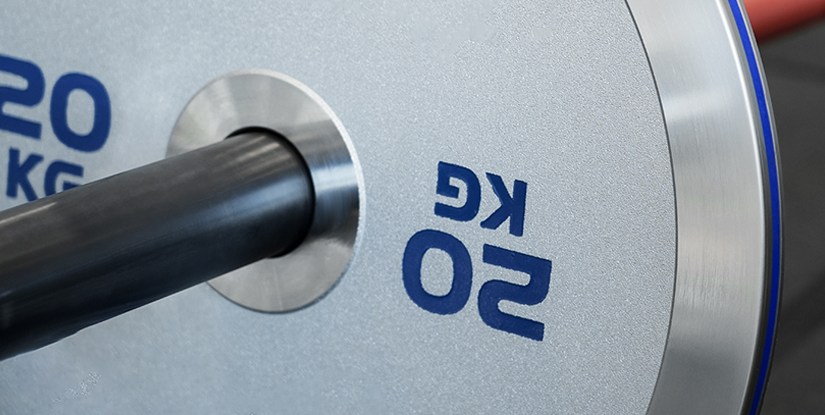
When conducting a China factory audit or pre-shipment inspection, procurement leads should look beyond the surface. A professional factory must demonstrate a multi-stage quality control process that includes checking the coating adhesion of the powder coating or PU layer to prevent peeling under heavy use. Furthermore, verifying the thickness of the internal filler and the precision of the bore fit ensures that the plates remain compatible with standard commercial bars over years of high-intensity rotation. By prioritizing these technical specifications during the initial wholesale order, you effectively reduce the frequency of replacement cycles and optimize your total landed cost.
Optimizing Inventory with Wholesale Barbell Plates
Effective barbell plate sourcing requires a strategic balance between inventory breadth and logistical speed. For distributors and gym operators, the goal is to maintain high stock turnover without incurring excessive holding costs. By partnering directly with a China factory, importers can bypass middleman markups and gain direct access to high-volume production lines, ensuring that specialized weight increments are always available for client orders.
Managing a diverse SKU profile—ranging from standard cast iron to premium urethane finishes—demands a reliable commercial weight plate supplier who understands international shipping constraints. Optimizing your warehouse efficiency depends on more than just shelf space; it relies on predictable lead time management and clear MOQ structures. A direct-to-factory model allows you to synchronize your replenishment cycles with global shipping schedules, effectively reducing the total landed cost per unit while maintaining a competitive edge in your local market.
When procuring wholesale barbell plates, procurement professionals must evaluate the entire supply chain, from raw material stability to the final container loading process. A professional supplier will provide transparent data regarding production capacity and seasonal fluctuations, allowing you to plan your capital expenditure with precision. This level of visibility is essential for maintaining a lean, responsive distribution network that can adapt to the shifting demands of the commercial fitness industry.
Technical Material and Storage Density Comparison
Selecting the appropriate plate type is a critical decision that impacts both your upfront procurement budget and long-term warehouse management. While cast iron remains a staple for high-volume strength training, the transition to bumper plates often addresses different operational needs regarding durability and floor protection. For professional buyers, understanding the interplay between material density and the manufacturing process is essential for optimizing the ROI of a bulk order.
The following comparison highlights the structural differences between common commercial options to assist in your barbell plate sourcing strategy. Each option offers unique advantages depending on whether your priority is cost-efficiency or high-impact durability in high-traffic commercial environments.
| Material | Primary Process | Key Component/Finish | Commercial Duty | MOQ Impact | Factory QC Point |
|---|---|---|---|---|---|
| Cast Iron | Sand Casting | Powder Coating | Strength & Weight Focus | Lower per unit | Weight tolerance spot-check |
| Bumper (Rubber/PU) | Compression Molding | Encapsulated Layer | High-Impact/Drop Tolerance | Higher per unit | Coating adhesion test |
| Steel (Competition) | CNC Machining | Precision/Standardization | Premium/Specialized | Strict tolerances | Concentricity check |
When evaluating a commercial weight plate supplier, technical specifications such as weight calibration and surface finish quality are paramount. For instance, a high-quality barbell plate manufacturing process must include a rigorous concentricity check and a reliable powder coating application to prevent oxidation during sea freight. For importers, selecting the right combination of material and finish ensures that the arrived shipment meets the expected commercial grade standards without excessive replacement needs.
Ensuring Reliability Through Export-Ready QC and Packaging
Logistical failures during transit can instantly erode your distributor margins. To protect your investment during barbell plate sourcing, it is vital to verify that your partner utilizes specialized export packaging designed for heavy-duty sea freight. A standard shipment of heavy plates requires more than just basic boxes; it demands reinforced outer cartons and precision palletization to prevent shifting and damage within the container.
A professional barbell plate manufacturing facility must implement a multi-stage pre-shipment inspection. This process should include a rigorous weight tolerance verification to ensure every unit meets the specified commercial grade, alongside a coating adhesion test to prevent surface chipping during long-distance transit. By prioritizing these technical QC steps, importers can minimize replacement costs and ensure that the landed quality of their wholesale barbell plates remains consistent across every bulk order.
China Factory QC and Export Packaging Standards
Effective barbell plate sourcing requires more than just finding a low unit price; it demands a rigorous verification of the entire supply chain to protect your landed cost. For distributors and gym equipment importers, the risk of receiving non-calibrated or damaged inventory from a China factory can devastly impact profit margins and client trust. A professional commercial weight plate supplier must implement a multi-stage inspection process that addresses both technical precision and logistical durability.
To ensure long-term commercial utility, a reliable supplier focuses on two critical pillars: weight tolerance consistency and shipping damage prevention. During the pre-shipment stage, the factory must conduct a weight tolerance spot-check to ensure each unit meets the specified commercial-grade deviations. Furthermore, specialized export packaging is mandatory to prevent structural deformation or coating chips during long-haul sea freight. By prioritizing these QC protocols, professional buyers can secure high-quality wholesale barbell plates that arrive at their warehouse in pristine, ready-to-sell condition.
The logistical complexity of international shipping necessitates a standardized approach to protection. To maintain high logistics efficiency and minimize the risk of return-related losses, a professional barbell plate manufacturing facility utilizes reinforced packaging protocols. High-volume bulk orders are typically organized into heavy-duty, double-walled corrugated cartons or custom-sized wooden crates, depending on the specific shipment volume and weight distribution. This structural reinforcement is essential to prevent the crushing effect often seen in standard freight when heavy iron components shift during transit.
Beyond outer protection, internal stability is critical for maintaining a low landed cost by avoiding replacement fees. We implement multi-layer moisture protection using industrial-grade plastic film wraps and desiccants to prevent oxidation or rust on bare iron or powder-coated surfaces during long sea voyages. For large-scale shipments, the palletizing process involves high-tensile shrink wrapping and steel strapping to secure the entire load to heat-treated pallets. This ensures that the center of gravity remains stable within the shipping container, protecting the integrity of the plates from the vibration and movement inherent in global maritime logistics.
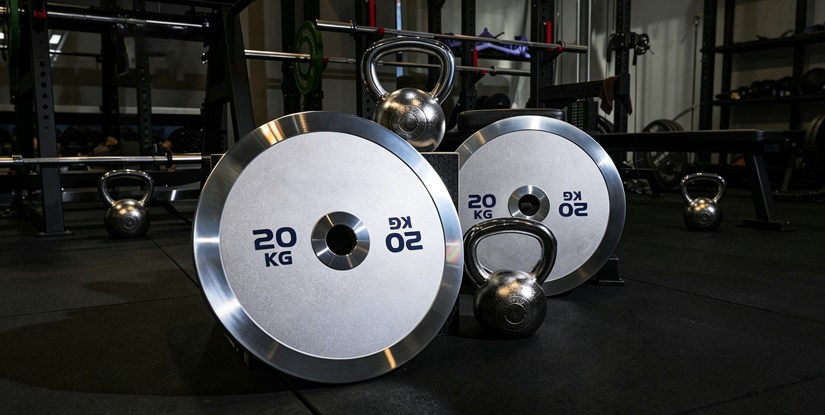
To assist procurement managers in calculating the most efficient shipping ratios, the following table outlines standard packaging configurations used during professional barbell plate sourcing. Selecting the correct method based on your specific inventory needs can significantly optimize container utilization and reduce the risk of transit-related damage.
| Plate Type | Packaging Standard | Protection Level | Logistics Optimization | B2B Sourcing Context |
|---|---|---|---|---|
| Cast Iron / Painted | Reinforced Corrugated Cartons | Standard Commercial | High density stacking | Ideal for high-volume wholesale barbell plates |
| Bumper / Rubber Coated | Heavy-duty Double-walled Box | High Impact Resistance | Optimized for weight distribution | Protects surface integrity for premium orders |
| Bulk / Unbranded Iron | Custom Heat-treated Wooden Crates | Maximum Structural Support | Maximizes container volume efficiency | Best for large-scale barbell plate manufacturing orders |
| Premium / PU Coated | Multi-layer Film + Rigid Box | High Surface Protection | Controlled moisture/oxidation prevention | Standard for high-end distributor replenishment |
When finalizing your barbell plate sourcing strategy, we recommend requesting a detailed packaging specification sheet and a sample of the palletizing method. For large-scale wholesale contracts, you may also request a custom configuration to better suit your local warehouse storage capabilities or specific regional shipping constraints. Our team is available to confirm the MOQ for custom crate dimensions and provide a comprehensive quote that includes all pre-shipment inspection and export packaging costs to ensure your total landed cost remains predictable and transparent.
Custom Branding and OEM/ODM Capabilities
Transitioning from generic wholesale barbell plates to a specialized product line requires a strategic shift toward high-value barbell plate sourcing. For distributors and gym owners, the ability to move beyond unbranded inventory to a unique product identity is a critical driver of long-term market positioning and customer loyalty.
Professional OEM and ODM services allow importers to integrate their unique brand identity into every unit, transforming a standard commodity into a signature product. By utilizing a China factory with advanced manufacturing workflows, buyers can specify everything from custom logo embossing on cast iron surfaces to specialized color-coded powder coating. This level of customization is essential for establishing commercial gym branding that stands out in competitive procurement environments.
Effective private label development involves more than just adding a logo; it requires precise control over the entire manufacturing chain. Whether you are requesting a custom wholesale batch of rubber-coated plates or specialized steel weight sets, working with an experienced supplier ensures that your brand standards are met during the weight calibration and surface finishing stages. This strategic approach helps mitigate the risks of inconsistent quality, ensuring that your branded equipment maintains a professional reputation across all global export markets.
To achieve high-end market positioning, buyers must understand the technical distinction between structural and surface branding. For high-volume barbell plate manufacturing, the most durable method for permanent identification is structural casting or embossing. This involves integrating the logo directly into the mold during the sand casting process, ensuring the brand identity is part of the physical weight. This method is highly recommended for heavy cast iron plates where long-term durability is a priority, as it cannot be worn away by friction or heavy usage.
Alternatively, for a more colorful or high-contrast aesthetic, manufacturers offer surface-level customization. This includes precision logo placement via powder coating or specialized PU coating. While powder coating provides a rugged, industrial finish that resists chipping, PU coating offers a smoother, premium texture often seen in high-end studio equipment. When evaluating your next commercial weight plate supplier, it is vital to confirm whether the branding is a structural element or a surface application, as this directly impacts the long-term maintenance load and the visual longevity of your branded inventory.
Selecting the right customization tier is a fundamental part of professional barbell plate sourcing, as it directly influences your landed cost and long-term inventory value. To assist in your procurement planning, the following table outlines the technical differences between standard and customized production models.
| Material | Branding Method | Process | Durability | MOQ Impact | Commercial Duty |
|---|---|---|---|---|---|
| Cast Iron | Embossed/Raised Logo | Sand Casting | Extremely High (Permanent) | Higher | Standard Commercial |
| Carbon Steel | Powder Coating | Surface Finishing | High (Resistant to Chipping) | Moderate | High-Traffic Gyms |
| Steel/Iron | Color-Coded Paint | Enamel/Paint Application | Moderate (Wear over time) | Lower | Budget/Standard Sets |
| Steel Core | PU/Rubber Coating | Injection/Dip Molding | High (Impact Protection) | High | Premium/Studio Grade |
When managing a wholesale barbell plates order, transparency regarding these processes is vital for maintaining consistent margins. For instance, a commercial weight plate supplier specializing in barbell plate manufacturing can often offer tiered options—ranging from simple color-coded paint for budget-conscious projects to high-end PU coating for premium studio lines.
For distributors looking to scale, we recommend requesting a detailed specification sheet and a sample approval process before finalizing any large-scale OEM or ODM contract. This ensures that your chosen branding method—whether it is a deep-mold casting or a precision powder coating—aligns perfectly with your brand's durability standards and shipping requirements.
Streamlining Your Next Procurement Cycle
Effective barbell plate sourcing requires moving beyond simple transactional ordering toward a structured procurement model. For distributors and gym operators, managing a professional procurement cycle ensures that inventory replenishment aligns with market demand without the risk of unexpected stockouts or quality inconsistencies. By establishing a direct relationship with a China factory, buyers can gain better control over the entire supply chain, from initial specification to final arrival.
Transitioning to a high-volume wholesale model allows professional buyers to optimize their landed cost through economies of scale. Rather than purchasing sporadic batches, a structured approach allows you to manage MOQ requirements and lead time expectations more predictably. This strategic foresight is essential when coordinating large-scale shipments or preparing for seasonal inventory expansions in the commercial fitness sector.
Partnering with a reliable commercial weight plate supplier provides more than just physical products; it provides a scalable framework for growth. Whether you are managing a single facility or a global distribution network, understanding the nuances of production schedules and shipping logistics is critical to maintaining a competitive edge in the commercial market.
Execution Checklist for Professional Importers
To mitigate risk during high-volume barbell plate sourcing, implement a standardized validation framework. Before finalizing any wholesale barbell plates order, initiate a formal sample evaluation phase. This step is non-negotiable for verifying weight calibration accuracy, powder coating adhesion, and the precision of the center bore fit against your standard barbell diameter.
Once samples are approved, move to the technical oversight stage. We recommend requesting a detailed production timeline to manage your lead time and ensure OEM or ODM custom branding requirements are met without delaying the shipment. For complex orders involving private label specifications, confirm that the factory has integrated your branding into the casting or coating process at the earliest production stage.
Before the container is sealed, mandate a rigorous pre-shipment inspection. A professional QC protocol should include a random weight spot-check, an assessment of export packaging durability (to prevent damage during sea freight), and a visual audit of the logo plate or embossed areas. This structured approach ensures that your landed cost remains predictable and that the received inventory meets the high standards expected by commercial gym clients.
Procurement Model Comparison Matrix
Choosing the correct supply route is a fundamental decision in your barbell plate sourcing strategy. Selecting between a direct factory model and traditional trading routes will directly impact your profit margins, MOQ flexibility, and long-term inventory stability. The following comparison outlines the technical and economic variables inherent in professional barbell plate manufacturing to assist in your decision-making process.
| Material | Process | Key Component | Commercial Duty | MOQ Impact | Factory QC Point |
|---|---|---|---|---|---|
| Cast Iron | Sand Casting | Center Bore Precision | Standard Commercial Use | Lower MOQ threshold | Bore fit & concentricity |
| Carbon Steel | Machining / CNC | Surface Finish / Coating | High-Frequency Training | Mid-range wholesale tier | Powder coating adhesion |
| Steel / Alloy | Precision Molding | Edge/Bumper Thickness | Premium/Competition | High MOQ requirements | Weight tolerance spot-check |
| Customized Steel | OEM / ODM Production | Embossed Brand Logo | Full Brand Identity | Strict factory minimums | Pre-shipment branding audit |
When evaluating a commercial weight plate supplier, prioritize partners who provide transparency across these variables. A direct China factory relationship typically offers the highest efficiency for wholesale barbell plates, as it allows for direct oversight of the weight calibration and export packaging stages, ultimately protecting your distributor margins.