Barbell Plate Trade Manufacturer: OEM Manufacturing
Barbell Plate Trade Manufacturer: Strategic Sourcing for Global Importers
Many importers mistakenly focus solely on the lowest initial unit price, only to face rising costs through frequent replacements and high maintenance. A professional barbell plate trade manufacturer shifts the focus from simple procurement to optimizing the Total Cost of Ownership (TCO). By prioritizing high-standard casting and rigorous weight calibration during the China factory sourcing process, distributors can secure a much higher Return on Investment (ROI) through extended product lifecycles and reduced replacement frequency.
When managing large-scale gym builds or distribution networks, the landed cost of a product is only one part of the equation. A wholesale barbell plate supplier provides value by ensuring that the commercial weight plate OEM specifications meet the demands of high-traffic environments. This approach minimizes long-term operational expenses and protects your brand reputation by delivering products with consistent commercial durability.
Evaluating TCO Through Manufacturing Standards
To maximize distributor margins and long-term profitability, procurement professionals must evaluate how material and process variations impact the total cost of ownership. Selecting a barbell plate trade manufacturer that offers tiered production options allows importers to align their inventory with specific market segments, whether they require budget-friendly cast iron for general fitness centers or high-performance coated options for premium studio environments.
| Material | Coating | Process | Key Component / QC Point | Commercial Duty | MOQ/Customization |
|---|---|---|---|---|---|
| Cast Iron | Paint or Enamel | Sand Casting | Base Flatness / Logo Emboss | Standard Commercial / High-Volume Gyms | Standard MOQ / High |
| Carbon Steel | Powder Coating | Machining & Coating Line | Coating Adhesion / Rim Thickness | Premium Strength / High-Traffic Studios | Medium / Custom Branding |
| Steel Hub | PU or Rubber Coating | Injection / Dip Molding | Encapsulation Layer / Weight Tolerance | Professional / Competition-Grade Use | High MOQ / Full ODM |
Understanding these variables is essential when calculating the final landed cost and long-term value of a bulk shipment. For instance, while a standard cast iron plate may offer a lower initial price, a specialized production method involving precision weight calibration and superior coating adhesion ensures fewer returns and higher client satisfaction. We recommend that buyers request a detailed specification sheet and confirm the specific inspection protocols for the inner ring and surface finish before finalizing any bulk order.
Mitigating Hidden Costs via Export Quality Control
Logistics efficiency and product integrity are the two most significant variables in the final landed cost. A reliable barbell plate trade manufacturer understands that shipping damage or weight discrepancies can instantly erase a distributor's margin. This is why a rigorous QC process is mandatory before any container loading. From verifying the concentricity of the center hole to testing the coating adhesion of the outer rim, every step is designed to ensure the shipment arrives in perfect condition.
Furthermore, professional export packaging is a critical component of the sourcing strategy. Utilizing reinforced corner protection and heavy-duty palletization prevents structural damage during sea freight, reducing the need for costly replacements. When you partner with a specialized supplier, you are not just buying weight; you are investing in a streamlined supply chain that optimizes both lead time and product reliability. We encourage importers to request a sample approval and a detailed pre-shipment inspection report to confirm that all manufacturing standards align with their specific market requirements.
Material Composition and Casting Standards for Commercial Weight Plates
Selecting a reliable barbell plate trade manufacturer requires a deep understanding of how raw material integrity affects long-term commercial utility. For professional distributors and gym operators, the choice between cast iron and carbon steel determines not only the initial landed cost but also the total cost of ownership (TCO) regarding durability and maintenance. High-volume sourcing from a China factory must prioritize consistent density and structural homogeneity to prevent cracks or uneven wear during high-frequency commercial use.
Precision in the casting and machining stages is what separates premium commercial weight plate OEM products from low-grade alternatives. A professional wholesale barbell plate supplier ensures that every unit undergoes strict weight calibration and concentricity checks. This technical rigor minimizes vibration and ensures a smooth rotation, which is essential for maintaining the reputation of your brand in high-end fitness facilities.
Technical Specifications for Bulk Procurement
| Material | Primary Process | Key Component/Detail | Commercial Duty | MOQ Impact | Factory QC Point |
|---|---|---|---|---|---|
| Cast Iron | Sand Casting | Base Flatness | Standard Commercial/Strength Training | Lower MOQ for standard molds | Density consistency |
| Carbon Steel | CNC Machining | Concentricity | High-Frequency/Performance Training | Higher MOQ for precision specs | Weight tolerance spot-check |
| Steel Hub | Welding/Assembly | Inner Ring Fit | Bumper/Hybrid Plate Use | Customization availability | Welding integrity |
When evaluating a barbell plate trade manufacturer, buyers should request specific details regarding the surface finishing and the thickness of the powder coating or phosphate treatment. These layers are critical for preventing oxidation and ensuring long-term aesthetic appeal in humid or high-traffic environments. A qualified supplier will provide documentation on the coating adhesion and the precision of the machining process to guarantee that the plates meet international commercial standards.
Technical Comparison of Surface Finishes and Durability
For distributors managing high-volume inventory, the surface finish of a plate directly impacts both the durability of the product and the maintenance load for the end-user. While a standard powder coating offers excellent resistance to oxidation and a professional aesthetic for strength training environments, specialized coatings like rubber coated or PU coated finishes are required for high-impact bumper applications. Choosing the correct finish is a strategic decision that affects the long-term durability and the perceived quality of your brand identity in the commercial market.
A professional barbell plate trade manufacturer will offer various levels of protection based on the intended training environment. For instance, a wholesale barbell plate supplier can provide high-density cast iron with a thin phosphate treatment for cost-effective strength training, or advanced polyurethane (PU) encapsulation for high-performance facilities where floor protection and noise reduction are critical. Understanding these material-to-process relationships allows procurement leads to better calculate the total cost of ownership and optimize their landed cost through smarter bulk ordering.
Critical QC Checkpoints and Export Standards
For professional importers, the risk of receiving non-compliant batches is a significant concern that can damage distributor margins and reputation. A reliable barbell plate trade manufacturer mitigates these risks through a rigorous pre-shipment inspection protocol that targets specific mechanical vulnerabilities. Rather than relying on superficial visual checks, a high-standard commercial weight plate OEM facility implements technical audits at several critical stages of the production line.
The inspection process must prioritize the structural integrity of the central bore. We focus on verifying the concentricity of the inner ring to ensure the plate remains perfectly balanced during high-velocity use. Furthermore, the base flatness of the casting is evaluated to prevent wobbling on barbell sleeves, a common failure point in low-tier production. These technical benchmarks are essential for maintaining the high performance expected in professional training environments.
Surface durability is another non-negotiable metric during our wholesale barbell plate supplier quality audits. We conduct strict coating adhesion tests to ensure that the powder coating or rubber layer will not peel or crack under heavy usage or temperature fluctuations. This level of detail in the factory ensures that the finished product arrives in pristine condition, ready for immediate commercial deployment. To protect the integrity of the order during long-distance transit, we utilize specialized export packaging designed to withstand container loading stresses and prevent impact damage. By aligning these strict QC checkpoints with your specific MOQ and lead time requirements, we ensure a seamless transition from our China factory to your local warehouse, optimizing your total landed cost and supply chain reliability.
Comparing Plate Specifications: Cast Iron vs. Rubberized Options
When sourcing for large-scale gym installations or distributor stock, understanding the distinction between material types is critical for calculating long-term TCO. A professional barbell plate trade manufacturer provides various options to balance initial landed costs against long-term durability. Selecting the wrong specification can lead to increased maintenance overhead or premature floor damage, impacting your overall ROI.
For high-volume procurement, the choice between cast iron and rubberized/bumper plates depends heavily on the intended commercial environment. While iron offers a lower entry price for weight coverage, rubberized options provide essential shock absorption for high-impact training areas. A reliable wholesale barbell plate supplier will assist in matching these materials to your specific facility requirements to optimize your capital expenditure.
| Material Type | Primary Process | Commercial Duty | Maintenance Profile | TCO Impact |
|---|---|---|---|---|
| Cast Iron | Sand Casting | Standard Strength Training | Low; requires surface inspection | Lowest initial cost; high durability |
| Rubber Coated | Molding/Encapsulation | High-Impact/Crossfit | Moderate; monitor coating adhesion | Higher initial cost; protects flooring |
| PU (Polyurethane) | Precision Injection | Premium/Competition | Minimal; high resistance to wear | Highest upfront; lowest long-term replacement |
When evaluating a commercial weight plate OEM request, consider that rubberized/bumper plates typically require more complex production lines, which can influence lead times. Whether you are looking for high-density cast iron for traditional weightlifting or premium PU coatings for high-end studios, ensuring strict weight tolerance and concentricity through a China factory is essential for maintaining professional standards across your entire inventory.
Technical Comparison for Procurement Planning
To assist in your sourcing decision, the following table outlines the technical differences between common plate types. This comparison is designed to help procurement officers evaluate the trade-offs between initial purchase price and long-term operational efficiency. A professional barbell plate trade manufacturer will provide detailed specifications for each to ensure your order meets the specific load and impact requirements of your facility.
| Material | Process | Key Component/Detail | Commercial Duty | Floor Protection | MOQ/Customization | Factory QC Point |
|---|---|---|---|---|---|---|
| Cast Iron | Sand Casting | Raised Embossed Logo | Standard Strength Training | Low (Requires Mats) | Low MOQ for Standard | Weight Calibration |
| Rubber Coated | Molding/Encapsulation | Internal Steel Hub | High-Impact/Crossfit | High (Impact Absorption) | Moderate MOQ for Custom | Coating Adhesion |
| PU (Polyurethane) | Precision Injection | High-Density Core | Premium/Competition | Highest (Minimal Bounce) | High MOQ for Private Label | Concentricity Check |
When negotiating with a wholesale barbell plate supplier, it is vital to clarify if the weight tolerance is achieved through precision machining or standard casting. For high-end studio projects, requesting a commercial weight plate OEM service that utilizes precision injection for PU plates can significantly reduce your long-term replacement costs. Always confirm the specific QC protocols regarding the internal steel hub or the thickness of the outer coating to ensure the finished product aligns with your brand's quality expectations before the final shipment.
Precision Machining and Weight Calibration Processes
For high-volume distributors and gym equipment importers, the technical integrity of a barbell plate trade manufacturer determines the long-term reliability of a product line. Standard casting often lacks the dimensional accuracy required for seamless barbell loading, which can lead to uneven wear or mechanical friction in premium commercial settings. To mitigate these risks during bulk sourcing, professional buyers must prioritize facilities that utilize advanced CNC machining to ensure perfect concentricity and a smooth inner ring profile.
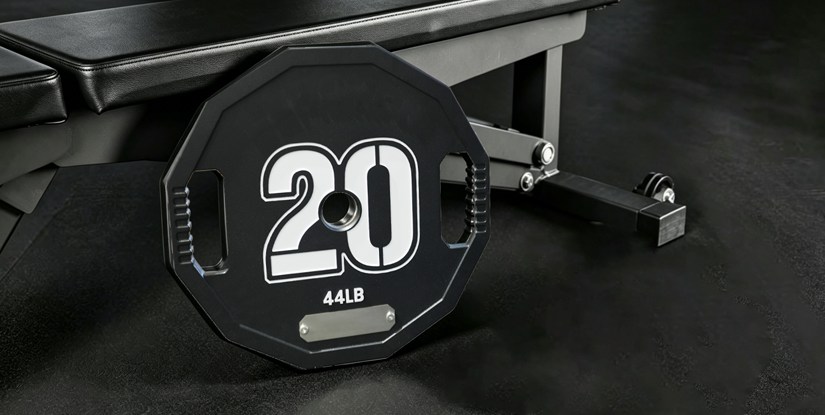
A professional commercial weight plate OEM integrates rigorous weight calibration protocols to meet strict international standards. Instead of relying solely on raw casting weights, a high-tier China factory employs secondary machining stages to refine the thickness and density of each unit. This ensures that the weight tolerance remains within a tight, predictable margin, preventing discrepancies that could compromise the balance of a barbell during heavy compound lifts. This level of precision is essential for maintaining the professional reputation of your brand when supplying high-end fitness facilities.
Achieving these standards requires a controlled QC environment where every batch undergoes systematic verification. From the initial sand casting phase to the final powder coating application, the manufacturing workflow must account for both structural density and surface uniformity. For wholesale buyers, selecting a supplier that emphasizes these technical details reduces the likelihood of returns and ensures the durability required for high-traffic commercial environments.
Technical Specifications for Commercial-Grade Procurement
When evaluating a wholesale barbell plate supplier, procurement officers must distinguish between basic casting and high-precision manufacturing. The following comparison outlines the technical variations in production methods and how they impact your total cost of ownership and long-term distributor margins.
| Material | Primary Process | Key Component/Detail | Commercial Duty | MOQ Impact | Factory QC Point |
|---|---|---|---|---|---|
| Cast Iron | Sand Casting | Standard Inner Ring | Standard Gyms | Lower | Base Flatness |
| Carbon Steel | CNC Machining | Precision Inner Diameter | High-End Commercial | Medium | Concentricity |
| Steel/Rubber | Compression Molding | Protective Rim/Edge | High-Traffic/Bumper | Higher | Coating Adhesion |
The distinction between a standard barbell plate trade manufacturer and a high-tier partner lies in the refinement of the inner ring. While basic sand casting provides a cost-effective solution for high-volume wholesale orders, it may result in slight diameter variations. In contrast, incorporating CNC machining ensures that the center hole is perfectly circular and smooth, which is a critical requirement for professional-grade bar-to-plate interfaces. This precision reduces mechanical friction and extends the lifespan of the barbell, a key selling point for your clients.
Furthermore, the reliability of your sourcing depends on the manufacturer's ability to manage the transition from raw material to finished goods. A robust factory will implement a multi-stage QC process that includes a weight tolerance spot-check and a surface finish inspection. For large-scale orders, we recommend confirming the specific MOQ and lead time for customized OEM requests to ensure your distribution schedule remains uninterrupted. Before finalizing a bulk shipment, we suggest requesting a sample approval or a pre-shipment inspection report to verify that the export packaging and product specifications meet your exact commercial standards.
OEM and ODM Capabilities for Private Label Branding
For distributors looking to build long-term equity, a professional barbell plate trade manufacturer provides much more than just bulk inventory; they offer a platform for brand differentiation. Relying on generic, unbranded stock limits your ability to command premium margins in the commercial fitness market. By leveraging specialized OEM and ODM services, you can transition from a simple importer to a recognized equipment brand.
A high-tier China factory enables you to move beyond standard white-label products by integrating custom branding into the core manufacturing process. This level of customization ensures that your private label identity is embedded directly into the product through precision casting or high-durability powder coating, rather than just temporary stickers that peel over time. This strategic approach increases the perceived value of your catalog and strengthens your position as a specialized supplier for premium gym chains and studio operators.
Strategic Value of Customization for Distributors
The primary challenge for many importers is the lack of product uniqueness, which often leads to price wars among distributors. Utilizing a commercial weight plate OEM partner allows you to control the aesthetic and functional specifications of your line. Whether you require specific weight markings, unique embossed logos on the iron surface, or specialized color-coded finishes, these details are essential for establishing a professional brand identity. This capability is particularly vital when managing wholesale accounts for large-scale commercial projects where visual consistency across all equipment is a requirement.
Furthermore, effective sourcing involves more than just selecting a product; it involves defining the technical standards that will represent your brand. A dedicated wholesale barbell plate supplier can assist in refining these specs—from the texture of the knurled center hole to the thickness of the protective coating—ensuring that your branded plates meet the rigorous demands of high-traffic commercial environments. This level of control over the manufacturing output helps mitigate the risks of brand dilution and ensures a higher return on investment for your initial MOQ investment.
Navigating the technical nuances of production is critical to maintaining a high-quality catalog. When you partner with a barbell plate trade manufacturer, you are not just buying a product; you are selecting a production standard that impacts your long-term reputation. Selecting the correct material and finishing process is a strategic decision that dictates the durability of your brand and the total cost of ownership for your clients.
Technical Specification Comparison for Commercial Sourcing
To assist procurement managers in selecting the optimal product mix for different market segments, the following table outlines the standard differentiation between common commercial-grade options. Choosing the right combination of material and process directly impacts your landed cost and your ability to meet specific client demands.
| Material | Coating/Finish | Process Detail | Commercial Duty | MOQ Impact | Factory QC Point |
|---|---|---|---|---|---|
| Cast Iron | Black Enamel/Paint | Sand Casting | High-traffic/Standard Gyms | Lower MOQ requirements | Surface flatness & weight calibration |
| Cast Iron | Powder Coating | Precision Casting | Premium/Boutique Studios | Moderate MOQ for color variety | Coating adhesion & color consistency |
| Steel Hub/Core | Polyurethane (PU) | Injection Molding | High-end/Olympic Training | Higher MOQ for specialized colors | Bumper edge thickness & density |
| Steel Hub/Core | Rubber Coating | Rubber Dip/Molding | Commercial Strength Training | Standard MOQ for bulk orders | Material density & odor control |
When evaluating a commercial weight plate OEM, it is essential to verify how these processes affect the final product's performance. For instance, while sand casting is a cost-effective method for mass-market distribution, precision machining or advanced coating lines provide the high-end finish required for premium studio brands. A professional wholesale barbell plate supplier will provide detailed specifications for each layer—from the base iron density to the micron thickness of the protective coating—to ensure your procurement decisions align with your target market's expectations.
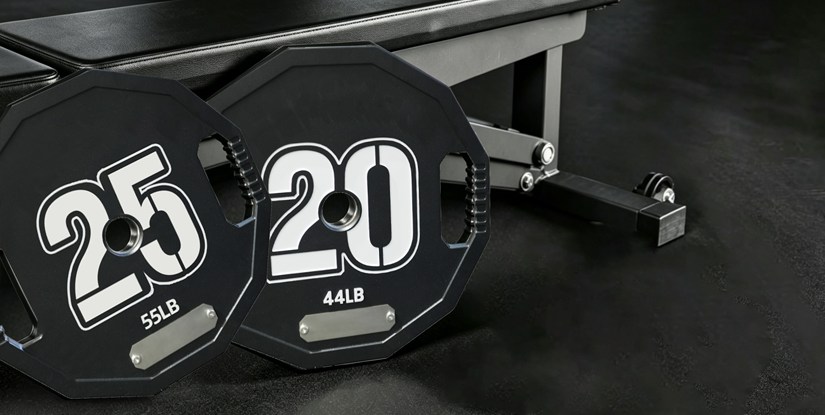
Before finalizing a bulk order, we recommend requesting a technical spec sheet or a physical sample to verify the weight tolerance and surface texture. Our team is available to discuss your specific requirements regarding custom branding, lead times, and factory-direct pricing to ensure your project meets all commercial standards.
Navigating the technical nuances of production is critical to maintaining a high-quality catalog. When you partner with a barbell plate trade manufacturer, you are not just buying a product; you are selecting a production standard that impacts your long-term reputation. Selecting the correct material and finishing process is a strategic decision that dictates the durability of your brand and the total cost of ownership for your clients.
Factory QC and Export Packaging Protocols for Bulk Orders
Maintaining a consistent barbell plate trade manufacturer standard is essential for distributors who rely on predictable margins and low return rates. When sourcing high-volume orders, the risk of receiving non-compliant weight increments or damaged surfaces can significantly increase your landed cost and disrupt your supply chain. A professional commercial weight plate OEM must implement a rigorous multi-stage quality control system that addresses both technical precision and logistical durability.
Reliable wholesale barbell plate supplier operations prioritize two critical factors: weight tolerance and structural integrity. For commercial-grade cast iron or rubber-coated units, even a minor deviation in calibration can lead to customer dissatisfaction and costly replacements. By implementing a strict pre-shipment inspection protocol, a China factory ensures that every unit meets the specific density and concentricity requirements of your brand before it leaves the warehouse.
Beyond product accuracy, optimized export packaging is a non-negotiable requirement for bulk sea freight. High-density weight plates are prone to impact damage and surface abrasion during long-distance transit. Professional manufacturers utilize reinforced pallets, heavy-duty corner protectors, and moisture-resistant wrapping to ensure that the MOQ you order arrives in factory-fresh condition. This attention to detail protects your landed cost by minimizing damage-related claims and ensuring your inventory is ready for immediate distribution upon arrival.
Technical Inspection and Shipping Standards for Global Distribution
A professional barbell plate trade manufacturer must bridge the gap between production precision and logistical resilience. For importers, the primary concern is not just the weight accuracy, but how the product survives the rigors of international sea freight. To mitigate the risk of damaged coatings or warped surfaces, a tier-one wholesale barbell plate supplier implements a strict inspection checklist that covers every critical dimension of the product and its packaging.
The technical inspection process begins with metallurgical and dimensional verification. Quality control teams focus on weight calibration to ensure every plate falls within the industry-standard tolerance band, alongside a strict concentricity check to prevent wobbling during use. Furthermore, we conduct a coating adhesion test to ensure that the powder coating or rubber encapsulation remains intact under physical stress. This level of scrutiny is vital for a commercial weight plate OEM, as it directly impacts the long-term durability and perceived value of your private label brand.
To ensure maximum efficiency during shipping, we prioritize shipping container optimization and robust palletization. Every bulk order is organized to maximize volume utilization while maintaining structural stability. We utilize heavy-duty wooden pallets and reinforced edge protectors to prevent crushing. This disciplined approach to export packaging ensures that your shipment remains secure through multiple handling points, protecting your margins and ensuring the integrity of your inventory from the factory floor to your warehouse.
To assist procurement managers in evaluating technical specifications, the following comparison outlines how different plate types require distinct manufacturing and logistical approaches. Selecting the correct specification based on your target market—whether it be high-end commercial gyms or high-traffic strength facilities—is a critical step in the sourcing process.
| Plate Type | Primary Material | Surface Finish | QC Focus Point | Export Packaging Standard | Commercial Use Case |
|---|---|---|---|---|---|
| Cast Iron Plate | Gray Iron | Powder Coating | Weight Calibration & Concentricity | Reinforced Pallets & Moisture Wrap | Standard Commercial Gyms |
| Bumper Plate | High-Density Rubber | Vinyl or PU Coating | Edge Integrity & Density Uniformity | Heavy-Duty Crating & Corner Guards | CrossFit & High-Impact Facilities |
| Steel Plate | Carbon Steel | Chrome or Enamel | Surface Smoothness & Coating Adhesion | Protective Film & Secure Palletizing | Premium Strength Training Studios |
Understanding these nuances allows a barbell plate trade manufacturer to better align production with your specific market positioning. For instance, while cast iron offers a stable wholesale solution for general strength areas, bumper plates require more intensive QC regarding impact resistance to prevent premature degradation. When you finalize your MOQ, ensure your specifications clearly define the required tolerance and finish durability to protect your long-term distributor margins.
Optimizing Your Sourcing Strategy with a Professional Supplier
Selecting a reliable barbell plate trade manufacturer is a critical decision for distributors looking to maximize profitability and supply chain stability. For importers, the goal is to move beyond simple procurement and toward a strategic partnership that optimizes the landed cost of every container. By working directly with a China factory, professional buyers can mitigate the risks of inconsistent weight tolerances and poor surface finishes that often plague low-tier wholesale options.
A professional barbell plate trade manufacturer provides more than just physical products; they offer a controlled environment for high-standard commercial weight plate OEM production. This ensures that your private label or branded sets meet the rigorous durability requirements of commercial gyms while maintaining a healthy distributor margin. Whether you are managing a single warehouse or a global distribution network, sourcing through an established wholesale barbell plate supplier allows for better management of MOQ requirements and predictable lead time schedules.
Strategic Sourcing: Factory-Direct vs. Traditional Trading
Understanding the structural differences in the supply chain helps procurement leads justify their sourcing decisions. While traders offer convenience, a direct factory relationship provides the transparency needed for high-volume wholesale orders and specialized OEM requests.
| Sourcing Model | Primary Material Focus | Primary Process | QC Control Point | MOQ Impact | Commercial Advantage |
|---|---|---|---|---|---|
| Trading Company | Mixed Materials | Assembly Only | Final Inspection | Lower | Ease of diverse SKUs |
| barbell plate trade manufacturer | Cast Iron / Steel | Sand Casting & Machining | Weight Calibration | Higher | Optimized landed cost |
| commercial weight plate OEM | Custom Alloy / PU | Precision Molding | Coating Adhesion | Customized | High Brand Identity |
Technical Specifications and Procurement Benchmarks
When evaluating a wholesale barbell plate supplier, technical precision determines the long-term durability of your inventory. Professional procurement leads must distinguish between standard casting and precision-machined units to ensure consistent performance in high-traffic commercial environments. A reliable barbell plate trade manufacturer will provide clear documentation regarding the material composition and the specific finishing processes used to protect the metal from oxidation and wear.
For distributors, the choice between cast iron and advanced coatings involves balancing the initial landed cost against the total cost of ownership. While basic cast iron plates offer high density and low cost, specialized finishes like high-grade powder coating or polyurethane provide the necessary protection for premium gym environments. Choosing the right specification during the OEM stage prevents future replacement costs and ensures your brand reputation remains intact.
| Material | Coating/Finish | Process Detail | Commercial Duty | MOQ Impact | Factory QC Point |
|---|---|---|---|---|---|
| Cast Iron | Powder Coating | Sand Casting & Machining | High-Volume Gyms | Standard | Weight Calibration |
| Carbon Steel | Enamel/Paint | Precision Casting | Standard Commercial | Moderate | Surface Smoothness |
| Steel Hub | PU/Rubberized | Injection Molding | Premium/Bumper Use | High | Coating Adhesion |
To ensure seamless integration into your supply chain, we recommend requesting a technical spec sheet and confirming the specific MOQ for your desired customization level. Our team is available to facilitate sample approval, factory audits, or discussions regarding custom branding to align with your specific market positioning. Contact us today to discuss bulk pricing or to initiate a formal sourcing inquiry for your next container shipment.