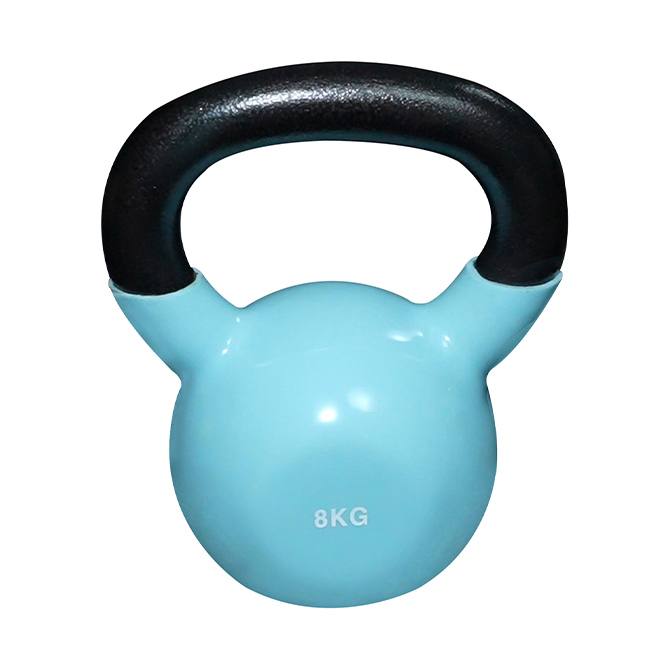
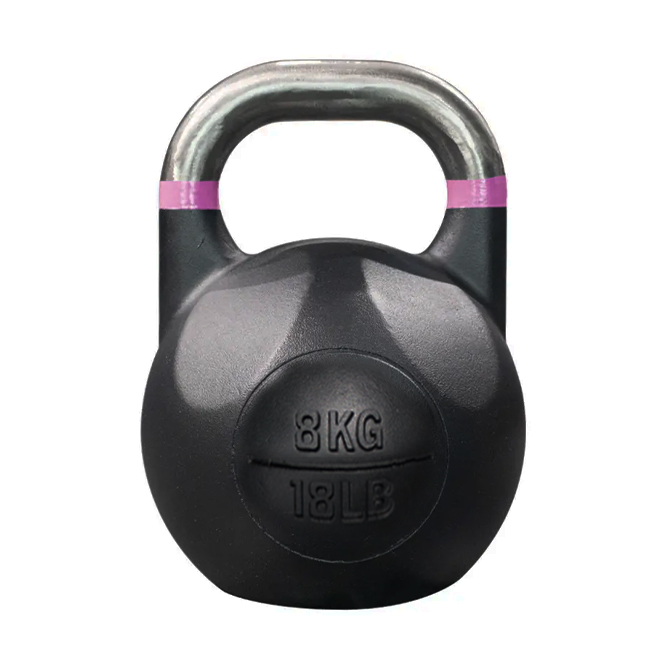
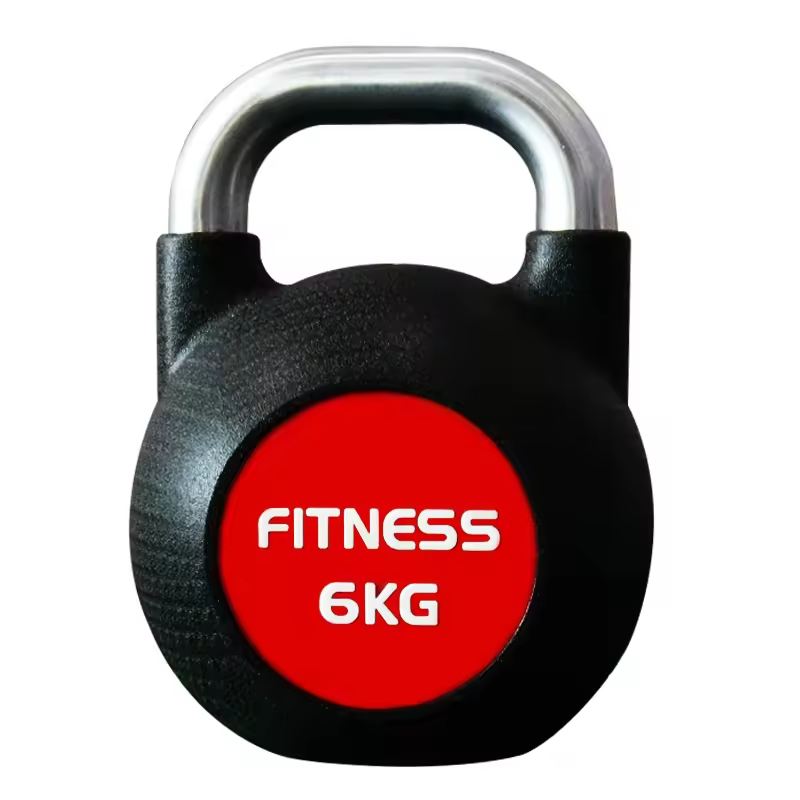
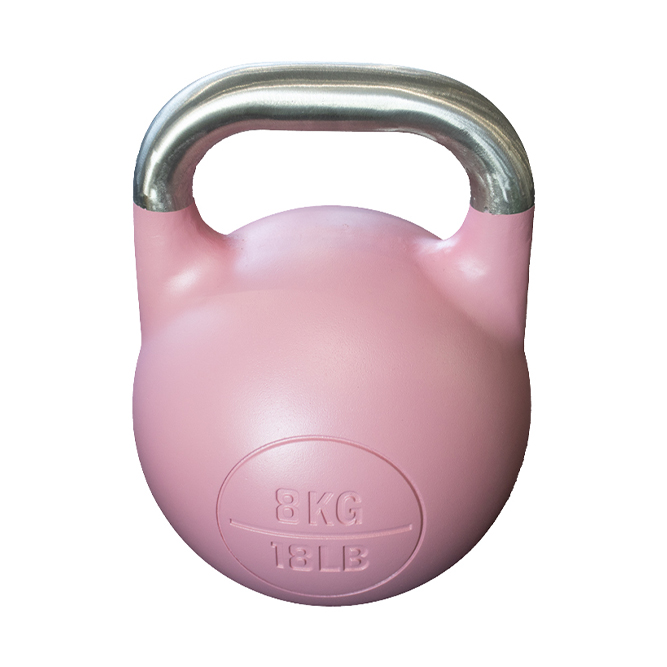
Best Kettlebells: Top Tier China Factory OEM and Sourcing
Best Kettlebells: Establishing Commercial Standards and Sourcing Protocols
When sourcing the best kettlebells for high-traffic commercial environments, procurement professionals must validate three critical pillars: structural integrity, material consistency, and logistical reliability. Selecting a subpar commercial kettlebell manufacturer often results in hidden costs related to premature surface degradation or weight inaccuracies. A professional sourcing strategy requires moving beyond surface aesthetics to evaluate the density of the iron and the precision of the casting process to ensure long-term asset value.
Material Integrity and Long-Term ROI
The durability of your inventory is directly tied to the quality of the cast iron quality provided by your factory. In a commercial setting, kettlebells undergo constant impact and environmental exposure. Low-grade iron often suffers from internal air pockets or structural brittleness, leading to cracks under heavy use. By partnering with a reliable China factory, distributors can ensure that each unit meets industry-standard density requirements, effectively reducing long-term replacement costs and maintaining a stable inventory for end-users.
High-quality wholesale cast iron kettlebells must also feature a consistent powder coating or high-gloss finish that resists chipping. This is not merely an aesthetic concern but a functional one; a durable finish prevents oxidation and maintains the grip integrity over thousands of repetitions. For gym owners, this level of durability translates to a lower total cost of ownership (TCO) and higher client satisfaction, as the equipment retains its professional appearance despite rigorous daily use.
Manufacturing Precision: Factory-Direct vs. Generic Trade Stock
To optimize your procurement ROI, it is essential to differentiate between professional-grade production and low-standard generic stock. High-performance bulk gym equipment sourcing requires a strict comparison of manufacturing tolerances and finish durability. While generic traders may offer lower initial unit prices, the lack of standardized quality control often leads to weight discrepancies and surface failures that damage your brand reputation. A direct partnership with a professional supplier ensures that every unit adheres to strict commercial specifications, providing the consistency required for professional training environments.
| Technical Specification | Standard Factory-Direct Production | Generic Trader / Low-Tier Stock |
|---|---|---|
| Material Density | Homogeneous cast iron with zero internal voids | Inconsistent density with potential air pockets |
| Weight Tolerance | Strict +/- 1% to 3% industry-standard margin | High variance often exceeding 5% margin |
| Coating Durability | High-adhesion powder coating or premium enamel | Thin paint prone to chipping and oxidation |
| Handle Ergonomics | Smooth, precision-molded casting for grip | Rough edges or inconsistent handle diameters |
| Bulk Sourcing Reliability | Consistent batch-to-batch quality via QC | High variability between different shipments |
When evaluating your next batch, prioritize vendors that provide transparent manufacturing data. For distributors looking to scale, requesting a formal specification sheet or a sample approval process is a mandatory step in mitigating risk. Establishing a clear protocol for pre-shipment inspection and confirming the exact MOQ for custom branding can significantly improve your landed cost and long-term distribution margins.
Mitigating Risk Through Rigorous Quality Control
The greatest risk in large-scale procurement is the arrival of defective batches that compromise your professional reputation. Effective bulk gym equipment sourcing must include a mandatory quality control (QC) protocol to prevent these logistical failures. A professional factory does not merely produce units; they implement multi-stage testing to ensure every piece of equipment meets commercial-grade expectations before it leaves the floor.
Standardized pre-shipment inspection is vital for verifying two critical factors: weight consistency and structural integrity. In professional training, even a minor deviation in weight can disrupt a client's training rhythm or cause uneven wear on gym flooring. A high-tier China factory utilizes calibrated testing equipment to ensure that every kettlebell within a shipment adheres to the exact weight specifications promised. This level of precision prevents the common issue of "weight drift," where batches vary significantly from one another, a problem that often plagues low-tier wholesale orders.
Beyond weight, structural durability is non-negotiable. Rigorous testing must include crack prevention protocols, such as thermal shock testing and impact resistance checks. This ensures that the cast iron components can withstand the rigors of a high-traffic commercial gym without developing structural flaws or surface fractures. By prioritizing these technical validation steps, importers can leverage the factory-direct advantage to secure high-performance assets that minimize maintenance overhead and maximize the lifecycle of their inventory.
Evaluating Material Integrity and Casting Precision for Bulk Orders
Selecting the best kettlebells for a high-traffic facility requires more than just aesthetic appeal; it demands a deep understanding of material density and structural integrity. When managing bulk gym equipment sourcing, procurement professionals must prioritize units that withstand high-frequency impact and heavy usage without surface degradation or weight fluctuations.
Substandard casting often leads to uneven weight distribution or structural weak points, which increases the total cost of ownership through premature replacement cycles. A professional commercial kettlebell manufacturer mitigates these risks by utilizing high-grade iron and rigorous casting precision protocols. Ensuring consistent material density across an entire shipment is vital for maintaining the professional standards of your facility or distribution network.
To achieve long-term durability, especially when managing large-scale wholesale cast iron kettlebells orders, strict QC standards must be integrated at the factory level. This includes verifying the uniformity of the iron pour and the smoothness of the handle transition to prevent user injury and equipment fatigue. Relying on a specialized China factory with established OEM capabilities ensures that every unit meets the dimensional tolerances required for professional commercial environments.
Technical Comparison of Casting Methods and Material Standards
Procurement officers must distinguish between standard production methods to ensure long-term ROI and safety. The choice between sand casting and precision casting directly impacts the weight tolerance and surface finish of the final product. For distributors managing high-volume inventory, understanding these technical nuances is essential for successful sourcing and minimizing replacement costs due to defective units.
| Technical Specification | Sand Casting Method | Precision Casting Method |
|---|---|---|
| Surface Texture | Granular and slightly rough | Smooth and highly consistent |
| Weight Tolerance | Standard commercial deviation | High-precision strict tolerance |
| Handle Ergonomics | Basic functional grip | Optimized smooth transition |
| Production Speed | High volume / Low cost | High precision / Controlled cost |
| Best Use Case | Standard commercial gym use | Premium studio or professional competition |
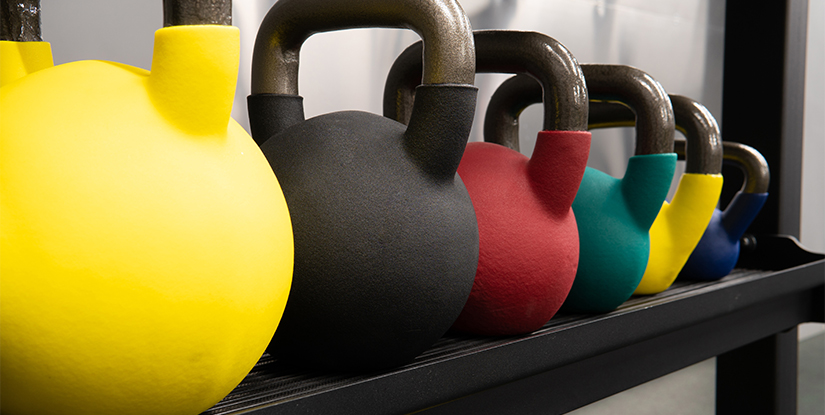
When negotiating with a supplier, clarify the specific casting process used for your SKU. While sand casting is a cost-effective solution for general wholesale orders, precision casting offers the superior surface integrity required for high-end boutique studios. We recommend requesting a technical spec sheet or a physical sample to verify that the weight tolerance and handle smoothness align with your brand identity and quality expectations before finalizing your bulk order.
Optimizing the landed cost of your shipment requires a strategic balance between manufacturing precision and logistical efficiency. For distributors and large-scale gym operators, the value of a partnership with a professional China factory extends beyond the physical product to the reliability of the entire supply chain. When managing high-volume bulk gym equipment sourcing, even minor deviations in weight or surface finish can lead to significant inventory discrepancies and increased return rates, ultimately eroding your distributor margins.
To maximize long-term ROI, procurement teams should leverage OEM and ODM services to align product specifications with specific market demands. Whether you require custom color coatings for brand identity or specific handle diameters for specialized training, a capable factory can integrate these requirements into the production line without compromising the structural integrity of the best kettlebells. This level of customization allows you to differentiate your product offering in a competitive commercial market while maintaining a controlled and predictable cost structure.
Finalizing a procurement contract should always involve a clear verification of technical tolerances and shipping protocols. We advise all professional buyers to confirm the specific MOQ for custom branding requests and to request a detailed pre-shipment inspection report. By validating the weight consistency and finish quality through a formal sample approval process, you ensure that your bulk order meets the rigorous durability standards required for global commercial distribution.
Comparing Wholesale Sourcing Models: Factory-Direct vs. Trading Companies
Selecting the best kettlebells for your inventory requires a strategic evaluation of your supply chain structure. For high-volume distributors and gym equipment importers, the choice between a commercial kettlebell manufacturer and a third-party trading company directly dictates your long-term profitability and product consistency.
When procurement leads prioritize wholesale cast iron kettlebells, they must weigh the immediate convenience of a trader against the technical advantages of a factory-direct relationship. A trading company often provides a broader product variety but introduces an extra layer of markup and potential communication lag, which can obscure supply chain transparency. Conversely, working with a specialized China factory allows for tighter control over metallurgical standards and casting precision, ensuring that every unit meets commercial-grade requirements.
| Procurement Factor | Factory-Direct Model | Trading Company Model |
|---|---|---|
| Landed Cost | Optimized through direct margins | Higher due to intermediary markups |
| Quality Control | Direct oversight of production | Dependent on third-party inspection |
| Customization | High capacity for OEM/ODM | Limited to existing stock variety |
| MOQ Requirements | Strictly tied to production lines | Often more flexible for small batches |
| Supply Chain Control | Full sourcing visibility | Limited transparency of origin |
For professional buyers, the goal is to optimize bulk gym equipment sourcing by minimizing the Total Cost of Ownership (TCO). While a trader might offer a lower initial MOQ for testing the market, a direct supplier relationship provides the scalability needed for large-scale distribution and the ability to implement custom private label branding without compromising the structural integrity of the iron.
Understanding these variables is essential for calculating the long-term ROI of your inventory. For instance, a distributor focusing on high-turnover, standard-weight units may find value in a trader's ready-to-ship stock, whereas a premium studio brand requiring specific handle diameters or custom color finishes must engage directly with a manufacturer to ensure technical compliance.
When evaluating your next procurement cycle, consider how these models impact your landed cost and brand identity. A direct relationship with a specialized factory allows for more predictable lead times and the ability to integrate custom branding into the casting process itself, rather than relying on secondary surface treatments that may fail under heavy commercial usage.
To maximize the long-term ROI of your inventory, your sourcing strategy must align with your business scale. Smaller studios may prioritize the lower MOQ offered by trading agents to minimize initial capital expenditure, while large-scale distributors should leverage a direct factory relationship to secure better margins and technical control. Selecting the best kettlebells is not just about the initial purchase price, but about ensuring scalability and consistent quality through every bulk order cycle.
Before finalizing your next procurement plan, we recommend requesting a detailed technical spec sheet and confirming the specific OEM capabilities for your target weight ranges. To ensure full alignment with your brand standards, professional buyers should also initiate a sample approval process and book a pre-shipment inspection to verify casting precision and packaging durability for international transit.
Optimizing OEM and Private Label Development for Brand Identity
Establishing a distinct market presence requires more than just generic inventory; it requires a strategic approach to product differentiation. For distributors and large-scale gym operators, leveraging OEM and ODM capabilities allows for the creation of a proprietary product line that aligns with a specific brand identity. By working directly with a China factory, buyers can move beyond standard off-the-shelf options to develop specialized kettlebell specifications that meet unique market demands.
The transition from a general importer to a specialized brand owner begins with custom branding. Whether it involves precision laser-etched logos on cast iron surfaces or specific handle diameters for ergonomic differentiation, these details build long-term value. When sourcing the best kettlebells, professional buyers should evaluate how a commercial kettlebell manufacturer handles technical requests, such as color-coded weight increments or customized powder coating textures, to ensure the final product reflects a premium tier of quality.
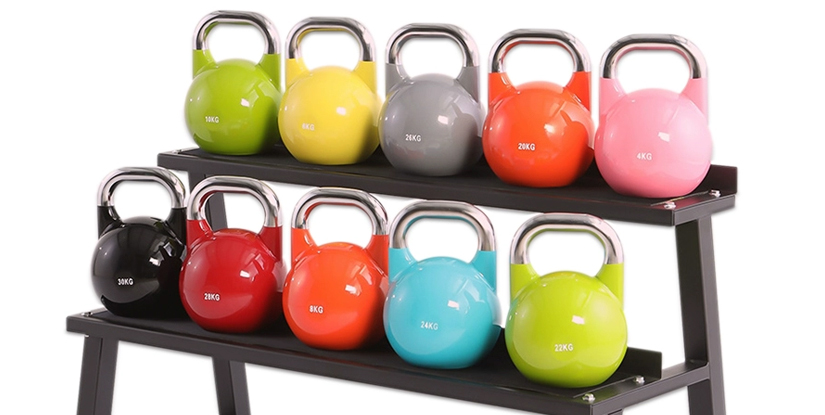
Strategic bulk gym equipment sourcing through these customized channels provides a significant competitive advantage. Instead of competing on price alone with generic goods, distributors can offer a cohesive, branded collection that fosters customer loyalty. This level of customization is highly dependent on the factory's ability to execute precise technical drawings and manage specialized production runs according to the buyer's specific branding requirements.
Strategic Comparison of Sourcing Models
Deciding between standard inventory procurement and customized development is a critical decision for any professional buyer. While purchasing wholesale cast iron kettlebells offers speed and lower initial investment, it limits your ability to differentiate in a crowded market. Conversely, a dedicated OEM or ODM approach requires a higher MOQ but provides the control necessary to build a high-margin, proprietary product line. Understanding the trade-offs in lead time and landed cost is essential for accurate inventory planning and long-term ROI.
| Sourcing Dimension | Standard Wholesale Procurement | Full OEM/ODM Development |
|---|---|---|
| Product Specification | Standardized weights and finishes | Custom weight increments and ergonomics |
| Branding Capability | Generic or minimal logo options | Full private label and custom branding |
| Typical MOQ | Lower, based on existing stock | Higher, based on specialized production |
| Lead Time | Short; ready for immediate export | Extended; includes tooling and prototyping |
| Cost Structure | Lower upfront; fixed unit price | Higher initial cost; optimized for scale |
| Market Position | Price-competitive/Generalist | Premium/Specialized Brand Identity |
For distributors looking to maximize their margins, the choice often depends on the scale of their bulk gym equipment sourcing strategy. A standard wholesale order is ideal for rapid replenishment of high-demand items, whereas a customized ODM project is a long-term investment in market authority. Before proceeding, we recommend requesting a detailed specification sheet and confirming the specific MOQ for your desired level of customization to ensure alignment with your projected landed cost and distribution timelines.
Quality Control and Pre-Shipment Inspection Protocols for Large Batches
Securing the best kettlebells for your distribution network requires more than just selecting a high-quality commercial kettlebell manufacturer; it requires a rigorous verification of production consistency. For high-volume importers, a single defective batch can jeopardize distributor margins and long-term client trust. A professional China factory must implement multi-stage inspection protocols to ensure every unit meets international commercial standards before leaving the warehouse.
Reliable bulk gym equipment sourcing depends heavily on strict quality control measures that address three critical pillars: weight tolerance, material integrity, and handle ergonomics. Without standardized testing, weight deviations can occur during the casting process, leading to non-compliant sets that fail to meet professional specifications. A reputable supplier will provide documented evidence of weight calibration and surface finish consistency to mitigate the risk of returns or client disputes.
To maintain high standards, the factory should perform inspections at three distinct stages: raw material verification, in-process monitoring, and final pre-shipment audits. This systematic approach ensures that the best kettlebells arrive at your facility with uniform density, smooth casting, and precise weight accuracy, protecting your brand reputation and reducing the total cost of ownership for your end users.
Rigorous Inspection Stages for High-Volume Orders
The inspection process begins at the foundry level to prevent structural failures in wholesale cast iron kettlebells. A professional factory conducts initial crack detection and material density testing on the molten iron to ensure no air pockets or impurities compromise the casting. This stage is critical for high-use commercial environments where equipment durability directly impacts the total cost of ownership and maintenance cycles.
Once the casting is complete, the focus shifts to the surface finish and weight accuracy. Each unit undergoes a meticulous cleaning and coating inspection to ensure the powder coating or paint application is uniform, preventing rust and providing a consistent grip. Following this, a final pre-shipment inspection is conducted where every single unit is weighed on calibrated scales. This ensures that weight deviations remain within the strict tolerances required for professional strength and conditioning programs, a non-negotiable standard for any high-tier wholesale order.
Technical Comparison: Commercial Grade vs. Standard Factory Output
When managing large-scale procurement, understanding the technical gap between standard production and professional-grade specifications is essential for protecting your investment. The following table outlines the critical parameters that differentiate high-tier wholesale cast iron kettlebells from lower-quality alternatives. For distributors, these differences directly impact product longevity, user safety, and your ability to maintain a premium brand identity in the market.
| Inspection Parameter | Standard Factory Output | Professional-Grade Commercial Standard |
|---|---|---|
| Weight Deviation | +/- 5% to 10% variance | Strict +/- 1% to 2% tolerance |
| Surface Texture | Rough casting or uneven coating | Smooth, consistent powder coating |
| Handle Ergonomics | Irregular casting or sharp edges | Seamless, smooth-flow handle design |
| Material Integrity | Potential air pockets or impurities | High-density, uniform iron casting |
| Durability Rating | Light to moderate usage | Heavy-duty, high-frequency commercial use |
A professional commercial kettlebell manufacturer will provide documented calibration reports for their scales to prove weight precision. For buyers engaged in bulk gym equipment sourcing, requesting these technical spec sheets and a sample approval process is a necessary step to ensure the best kettlebells meet the rigorous demands of professional training facilities and high-traffic commercial gyms.
Logistics Management: Export Packaging and Container Loading Efficiency
Optimizing the landed cost of heavy fitness iron is a critical variable for distributors and gym owners. When conducting bulk gym equipment sourcing, the price per unit is only one part of the equation; the efficiency of the weight-to-volume ratio during transit determines your final margin. A high-quality China factory must prioritize specialized logistics to ensure that heavy iron does not result in wasted container space or costly shipping damage.
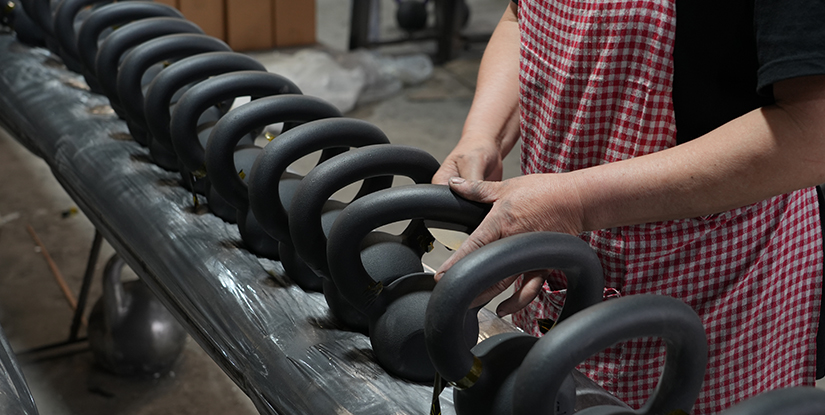
Effective export packaging involves more than just protective layers; it requires a strategic approach to container loading to maximize every cubic meter. For professional buyers, a supplier that utilizes reinforced palletizing and optimized stacking patterns helps reduce the frequency of damaged goods and lowers the total freight cost per unit. This structural efficiency is vital when importing wholesale cast iron kettlebells, where high density meets significant shipping weight.
To secure the best kettlebells for your inventory, you must evaluate the manufacturer's ability to handle complex logistics. We recommend that procurement leads request detailed packing lists and loading diagrams during the sampling phase. Confirming the specific MOQ and the dimensions of the export cartons will allow you to calculate precise shipping volumes, ensuring your budget accounts for both the product quality and the logistical overhead required for global distribution.
Packaging and Loading Strategy Comparison
Understanding how different configurations impact your freight expenditure is essential for managing the landed cost of high-density iron products. A professional commercial kettlebell manufacturer should provide clear data on how weight distribution and volume efficiency vary between standard and optimized loading methods.
| Loading Configuration | Volume Efficiency | Protection Level | Typical Use Case | Cost Impact |
|---|---|---|---|---|
| Standard Loose Loading | High (Weight-driven) | Moderate | Small-scale wholesale orders | Lower freight per unit, higher risk of surface scuffs |
| Reinforced Palletized | Medium (Space-driven) | High | Regular bulk gym equipment sourcing | Higher handling speed, reduced labor at destination |
| Optimized Export Crating | High (Precision-driven) | Maximum | Premium wholesale cast iron kettlebells | Highest safety for long-distance sea freight |
When evaluating the best kettlebells for international distribution, do not overlook the impact of carton thickness and pallet strength on your total procurement budget. We suggest requesting a formal loading plan from your supplier to verify that your specific MOQ requirements align with the most cost-effective container utilization strategies.
To mitigate the risk of damage during long-distance sea freight, a professional commercial kettlebell manufacturer must implement a rigorous pre-shipment inspection protocol. This process ensures that every unit meets weight tolerances and surface finish standards before the container is sealed. For high-volume importers, the cost of a single damaged batch far outweighs the investment in superior packaging. Therefore, verifying that your supplier utilizes high-density corrugated cartons and reinforced moisture-proof liners is essential to maintaining product integrity and protecting your profit margins upon arrival.
Beyond physical protection, effective QC must extend to the entire logistics chain, including the verification of weight distribution within the container. Improperly balanced loads can lead to structural instability during transit, potentially causing breakage or container shifting. By requesting a detailed loading report, procurement managers can confirm that the China factory has accounted for center-of-gravity requirements and weight-bearing limits. This level of technical oversight is a hallmark of a reliable partner in bulk gym equipment sourcing, ensuring that your investment in the best kettlebells arrives in retail-ready condition, ready for immediate distribution or commercial use.
Strategic Procurement: Finalizing Your Bulk Order and Lead Time Planning
Efficient bulk gym equipment sourcing requires a precise understanding of how order volume dictates the production timeline. For professional importers and distributors, managing the best kettlebells inventory involves more than just selecting weights; it requires synchronizing your procurement cycles with the China factory production capacity to avoid stockouts during peak seasonal demand.
The MOQ serves as the primary baseline for scheduling your manufacturing slots. When ordering wholesale cast iron kettlebells, a higher volume typically allows for a more optimized production cycle, as the factory can streamline the casting, cooling, and coating processes for a single continuous run. Conversely, smaller wholesale orders may face longer lead time windows due to their placement in the production queue. To maintain a stable supply chain, we recommend calculating your landed cost and storage capacity before finalizing your sourcing plan.
| Procurement Tier | Order Volume Profile | Typical Production Cycle | Supply Chain Impact |
|---|---|---|---|
| Standard Wholesale | Low to Medium | 4–6 Weeks | Faster turnover; lower warehousing requirements |
| Bulk Distribution | High Volume | 8–10 Weeks | Optimized unit cost; requires advanced seasonal planning |
| Custom OEM/ODM | Variable | 10–14 Weeks | Longer lead time due to specialized tooling and branding |
To ensure your facility or distribution network remains fully equipped, we advise initiating the sourcing process well in advance of your target launch dates. Proactive communication regarding your MOQ and desired delivery windows allows our supplier team to reserve production capacity and manage your lead time expectations accurately. Please contact us to request a detailed spec sheet, confirm current MOQ for your specific weight range, or schedule a factory audit.
Choosing between ready-to-ship inventory and customized production is a critical decision for any professional buyer. While standard stock orders offer speed, OEM and ODM solutions provide the long-term competitive advantage necessary for building a recognizable brand identity in the commercial fitness market.
Evaluating Procurement Models: Stock vs. Customization
For distributors needing immediate replenishment, purchasing from existing stock minimizes the lead time and reduces initial capital risk. However, if your goal is to establish a unique product line, working with a commercial kettlebell manufacturer for custom specifications is the superior route for market differentiation. This model allows for precise control over handle ergonomics, specialized coatings, and proprietary branding.
| Feature | Stock Procurement | Customized OEM/ODM |
|---|---|---|
| Primary Benefit | Rapid deployment and lower risk | Brand exclusivity and custom specs |
| Custom Branding | Limited to standard color options | Full private label integration |
| Production Speed | Immediate availability (subject to stock) | Requires scheduled production window |
| Cost Efficiency | Ideal for small-scale replenishment | Optimized for high-volume distribution |
When your business model shifts toward high-volume distribution, the best kettlebells are often those developed through a collaborative OEM process. This ensures that every unit meets your specific durability standards and aesthetic requirements. We recommend requesting a sample evaluation for any custom specification to ensure the finished product aligns with your brand's quality expectations before full-scale production begins.