Types of Kettlebells for Commercial Gym: China Factory OEM
Understanding the Types of Kettlebells for Commercial Gym Procurement
Distributors often fail by sourcing low-grade cast iron units that crack under high-volume use, or by overpaying for retail-branded stock that offers no margin. A professional procurement strategy requires matching specific material specifications to the intended types of kettlebells for commercial gym environments to ensure long-term durability and lower total cost of ownership. Identifying whether your facility requires high-impact rubberized coatings or precision-molded iron depends on your specific commercial use scenario and budget allocation.
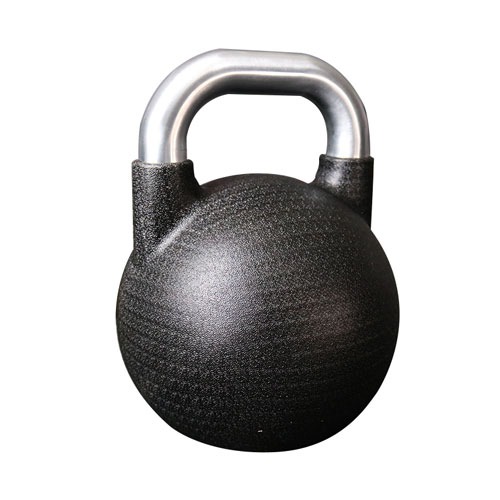
When selecting types of kettlebells for commercial gym equipment, professional buyers must evaluate the balance between material density and surface protection. For high-traffic strength zones, cast iron models provide the most cost-effective solution for weight-to-size efficiency, while competition grade units offer the precision required for sanctioned events. For studio-based training or high-end boutique settings, rubber coated options are preferred to minimize floor damage and noise, though they may impact your wholesale unit cost and landed cost calculations.
Choosing the correct commercial grade kettlebell manufacturing standard prevents premature replacement cycles. A wholesale kettlebell supplier can provide various finishes—from powder-coated steel to high-density urethane—to suit different client needs. Selecting the right types of kettlebells for commercial gym applications ensures that your inventory meets the rigorous demands of professional athletes while maintaining your distributor margins through optimized sourcing.
To optimize your inventory and prevent the logistical headaches of mismatched equipment, use the following technical comparison. This table assists in evaluating how different specifications impact your types of kettlebells for commercial gym procurement, particularly regarding durability and volume-based sourcing efficiency.
| Kettlebell Material Type | Typical Application | Durability Level | Sourcing Advantage | Typical MOQ |
|---|---|---|---|---|
| Cast Iron (Uncoated) | Traditional Strength Training | High (Impact Resistant) | Lowest unit cost for bulk orders | Standard |
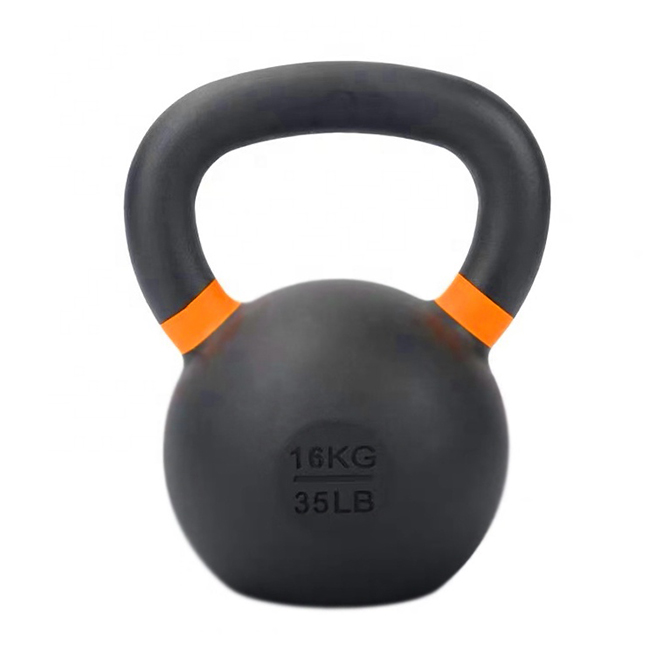
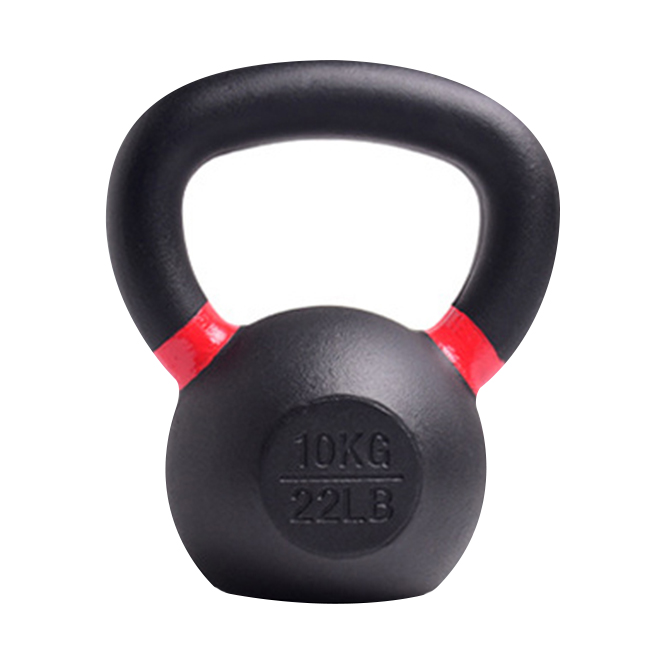
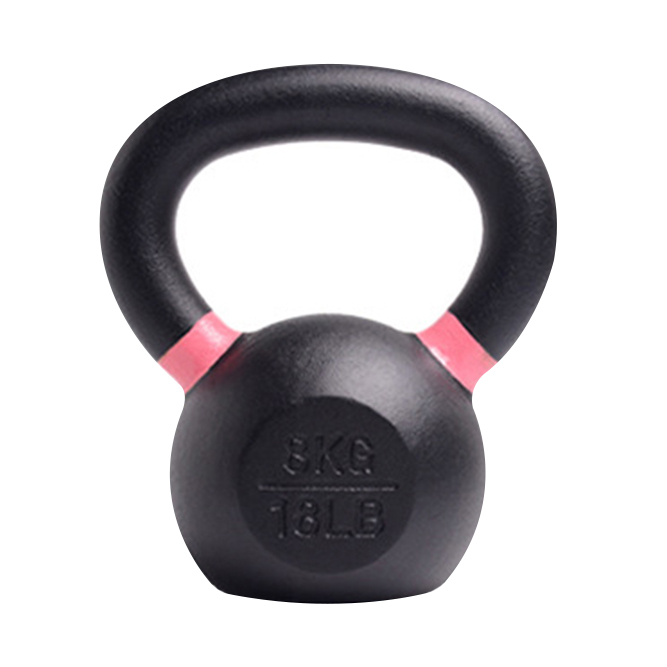
| Powder Coated Steel | General Commercial Gyms | Medium-High (Rust Resistant) | Balanced price/performance ratio | Moderate |
| Vinyl/Neoprene Coated | Boutique Studios & Yoga | Medium (Surface Sensitive) | High aesthetic/branding appeal | Low to Moderate |
| Urethane Coated | Premium High-Traffic Facilities | Very High (Abrasion Resistant) | High durability/Low maintenance | High |
| Competition Grade | Professional Training/Events | High (Precision Focused) | Specialized technical standard | Variable |
When calculating your final landed cost, consider that specialized coatings like urethane may increase the initial unit price but significantly reduce long-term replacement frequency. A reliable gym equipment OEM factory can often adjust these material specifications to align with your specific budget and commercial grade kettlebell manufacturing requirements. For example, a China factory can offer customized color schemes for coated models to support your private label branding initiatives.
Before finalizing your purchase order, we recommend requesting a detailed specification sheet and confirming the MOQ for your preferred material type. A direct consultation with your supplier regarding lead times and custom OEM capabilities will ensure your shipment arrives in optimal export packaging, ready for immediate distribution or facility deployment.
To maximize your brand identity, professional buyers should leverage the gym equipment OEM factory capabilities for full-scale customization. Beyond simple weight selection, advanced procurement involves tailoring the physical and visual attributes of the equipment to match your facility's aesthetic or your retail brand's standards. A professional wholesale kettlebell supplier can facilitate these adjustments during the production phase to ensure the final product aligns perfectly with your market positioning.
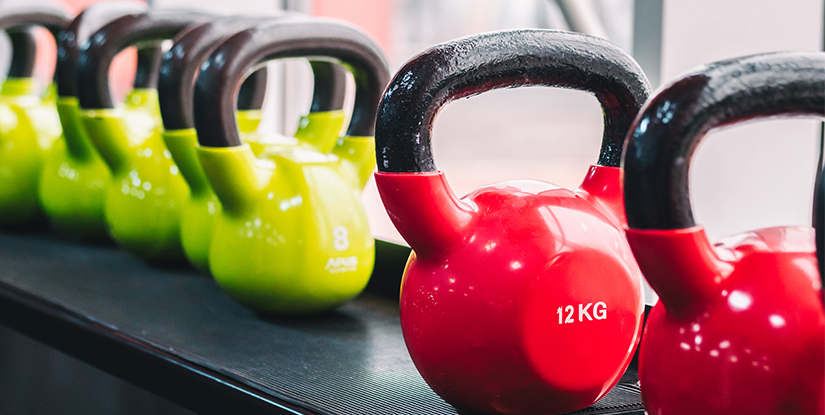
Customization and Branding Capabilities
Effective commercial grade kettlebell manufacturing extends far beyond the core weight. For distributors and large-scale gym operators, the ability to implement custom branding is a critical tool for building long-term brand equity. This includes the application of your logo via high-durability methods such as laser etching on cast iron or precision pad printing on coated surfaces. Furthermore, a China factory can provide extensive options for color coating, allowing you to offer a cohesive color palette that distinguishes your product line from generic market offerings.
Standardization is also vital for professional training environments. When negotiating a bulk order, ensure your supplier can guarantee consistent weight increments across the entire set. Discrepancies in weight precision can lead to customer dissatisfaction and high return rates in the professional sector. Whether you require standard 4kg to 32kg ranges or specialized heavy-duty increments, a specialized factory can adjust production runs to meet these specific types of kettlebells for commercial gym requirements, ensuring every unit meets your quality control standards before the final export process.
Material Selection and Durability Standards for High-Traffic Facilities
Selecting the correct types of kettlebells for commercial gym procurement requires a deep understanding of how material integrity impacts long-term operational costs. For distributors and gym owners, the distinction between residential-grade items and professional equipment determines the frequency of replacement cycles and maintenance overhead. In high-traffic facilities, equipment undergoes constant impact and friction, making material specifications a critical variable in total cost of ownership.
When sourcing from a wholesale kettlebell supplier, procurement leads must prioritize commercial grade kettlebell manufacturing processes that utilize high-density cast iron or reinforced steel. Low-quality casting often results in internal air pockets or surface imperfections that compromise durability under heavy use. By partnering with a professional China factory, importers can ensure that every unit meets rigorous density standards, reducing the risk of structural failure and ensuring a consistent wholesale value across the entire weight range.
Technical Material Comparison for Procurement Decisions
To optimize your inventory selection, it is essential to evaluate how different coatings and base materials affect the lifecycle of the product. The following table provides a technical comparison of common types of kettlebells for commercial gym use, specifically designed to assist procurement managers in calculating long-term replacement cycles and maintenance requirements.
| Material Type | Surface Finish & Texture | Durability & Impact Resistance | Best Commercial Use Case |
|---|---|---|---|
| Cast Iron | Powder-coated or painted finish | High; resistant to structural deformation | Standard strength training and heavy lifting |
| Steel (Solid) | Smooth or textured grip | Extreme; highest density for heavy weights | High-intensity interval training (HIIT) |
| Urethane Coated | Smooth, high-grip surface | Excellent; high resistance to chipping | Premium studios and high-end facilities |
| Rubber Coated | Textured, matte finish | Moderate; protects flooring from impact | General fitness zones and functional areas |
When evaluating a gym equipment OEM factory, verify the specific coating longevity and surface finish standards for each material type. For example, high-grade urethane offers superior resistance to abrasion compared to standard paint, which is a vital consideration for reducing replacement frequency in high-volume settings. We recommend requesting a material specification sheet or a sample to confirm that the material durability aligns with your facility's specific usage intensity and your target landed cost requirements.
Mitigating Risk Through Strict Quality Control and Customization
The true cost of procurement extends far beyond the initial invoice. For professional buyers, the primary risk lies in high replacement costs driven by premature wear or manufacturing defects. Utilizing a professional gym equipment OEM factory allows distributors to mitigate these risks through standardized production protocols. When sourcing at scale, a lack of oversight can lead to inconsistent weight distribution or coating failures, which directly negatively impact your TCO (Total Cost of Ownership) and brand reputation.
To ensure long-term reliability, a reputable China factory implements rigorous quality control (QC) at every stage, from raw material melting to final powder coating application. This systematic approach ensures that every bulk order meets the exact weight tolerances and structural integrity required for high-intensity commercial use. Furthermore, advanced customization options—such as specialized grip textures or bespoke branding—enable distributors to differentiate their product lines while maintaining strict adherence to industry-standard durability. By integrating these QC processes into the production cycle, buyers can minimize the frequency of equipment replacement and optimize their long-term profit margins.
Optimizing Weight Coverage and Floor Space Efficiency
Effective facility management requires a strategic approach to selecting the types of kettlebells for commercial gym procurement. For distributors and gym owners, the goal is to maximize utility while minimizing the physical footprint. A poorly planned selection of weight increments can lead to redundant stock and wasted floor space, increasing your total cost of ownership without adding proportional value to your training zones.
When sourcing through a wholesale kettlebell supplier, it is vital to balance a comprehensive weight range with high-density storage solutions. Instead of ordering excessive individual SKUs that clutter your functional training area, focus on a streamlined progression of weights. This approach ensures high utility for members while maintaining footprint optimization through standardized, stackable, or rack-compatible designs. By working directly with a China factory, you can customize these weight increments to meet specific market demands or regional training trends, ensuring your inventory remains lean and profitable.
| Procurement Strategy | Weight Increment Style | Space Efficiency | Inventory/Stocking Impact |
|---|---|---|---|
| Standardized Progression | Fixed 2kg or 4kg jumps | High | Predictable SKU management |
| High-Density Customization | Variable increments via commercial grade kettlebell manufacturing | Maximum | Optimized for specialized studio niches |
| Compact Modular Sets | Nested or rack-integrated units | Very High | Reduced floor clutter and faster turnover |
Selecting the right types of kettlebells for commercial gym environments involves more than just choosing weights; it is about space-saving procurement. A professional gym equipment OEM factory can provide solutions such as specialized nesting racks or integrated storage systems that allow you to offer a vast range of weights without expanding your facility's square footage. This strategic sourcing ensures that your capital expenditure results in a high-performing, organized, and professional-grade training environment.
Evaluating the types of kettlebells for commercial gym procurement requires a deep understanding of how material choice affects both the landed cost and long-term facility maintenance. For example, while cast iron offers a traditional feel, rubber-coated or urethane-finished options often provide superior floor protection and noise reduction, which is critical for high-traffic commercial zones. When negotiating with a gym equipment OEM factory, buyers should consider how these material specifications influence the total cost of ownership, including potential replacement cycles and floor-wear costs.
To assist in your decision-making process, the following table compares common professional-grade options based on their impact on storage density and procurement budgets. This comparison is designed for importers and distributors looking to optimize their initial investment and long-term operational efficiency.
| Kettlebell Type | Material Durability | Storage Density | Landed Cost Profile | Best Use Case |
|---|---|---|---|---|
| Cast Iron | High (Standard) | High (Stackable) | Lowest (Budget-Friendly) | Traditional strength training zones |
| Competition Grade | Very High (Precision) | Medium (Specific Racks) | Premium (Higher ROI) | Professional sports & training facilities |
| Rubber Coated | Highest (Impact Resistant) | High (Modular) | Moderate to High | High-traffic functional training areas |
For those looking to scale their product lines, engaging in commercial grade kettlebell manufacturing allows for greater control over these variables. Whether you require specific weight jumps to fill a niche market or custom branding to strengthen your own label, working with a direct supplier ensures that your specifications for durability and space efficiency are met. We recommend requesting a detailed specification sheet and confirming the MOQ for custom weight increments before finalizing your bulk order to ensure the final product aligns perfectly with your facility or distribution requirements.
Evaluating the types of kettlebells for commercial gym procurement requires a deep understanding of how material choice affects both the landed cost and long-term facility maintenance. For example, while cast iron offers a traditional feel, rubber-coated or urethane-finished options often provide superior floor protection and noise reduction, which is critical for high-traffic commercial zones. When negotiating with a gym equipment OEM factory, buyers should consider how these material specifications influence the total cost of ownership, including potential replacement cycles and floor-wear costs.
To assist in your decision-making process, the following table compares common professional-grade options based on their impact on storage density and procurement budgets. This comparison is designed for importers and distributors looking to optimize their initial investment and long-term operational efficiency.
| Kettlebell Type | Material Durability | Storage Density | Landed Cost Profile | Best Use Case |
|---|---|---|---|---|
| Cast Iron | High (Standard) | High (Stackable) | Lowest (Budget-Friendly) | Traditional strength training zones |
| Competition Grade | Very High (Precision) | Medium (Specific Racks) | Premium (Higher ROI) | Professional sports & training facilities |
| Rubber Coated | Highest (Impact Resistant) | High (Modular) | Moderate to High | High-traffic functional training areas |
For those looking to scale their product lines, engaging in commercial grade kettlebell manufacturing allows for greater control over these variables. Whether you require specific weight jumps to fill a niche market or custom branding to strengthen your own label, working with a direct supplier ensures that your specifications for durability and space efficiency are met. We recommend requesting a detailed specification sheet and confirming the MOQ for custom weight increments before finalizing your bulk order to ensure the final product aligns perfectly with your facility or distribution requirements.
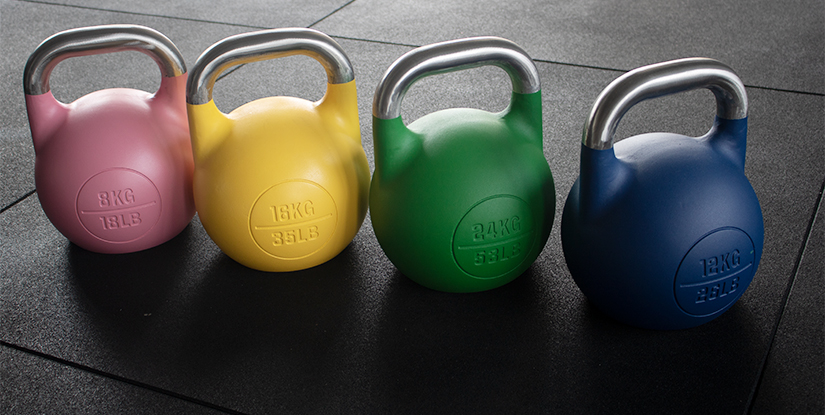
Custom Branding and OEM/ODM Capabilities for Global Distributors
For international distributors and large-scale gym chains, standard off-the-shelf products often fail to meet specific market positioning. Utilizing a professional gym equipment OEM factory allows you to move beyond generic inventory and build a proprietary product line. By leveraging high-level custom branding, you can integrate your unique logo, color schemes, and specialized weight increments directly into the manufacturing process, ensuring your equipment aligns perfectly with your established brand identity.
Establishing a distinct presence in the competitive fitness market requires more than just quality; it requires market differentiation. When you source through types of kettlebells for commercial gym procurement via OEM or ODM workflows, you gain control over the aesthetic and functional nuances that set your catalog apart from generic competitors. This capability allows for a more cohesive professional look across your entire strength training range.
Partnering with a reliable China factory provides the scalable infrastructure necessary to transition from a local distributor to a major brand owner. Whether you require specific handle diameters for ergonomic differentiation or unique powder coating textures, a specialized supplier can execute these technical requirements at scale. This strategic approach optimizes your private label development, ensuring that every unit shipped reflects your commitment to premium standards while maintaining a competitive landed cost through direct manufacturing.
Comparison of OEM and ODM Service Levels for Bulk Procurement
To assist in your procurement planning, it is essential to distinguish between standard customization and full-scale development. Choosing the correct service level directly impacts your initial investment, the complexity of your technical drawings, and your final distributor margins. A professional wholesale kettlebell supplier typically offers two distinct tiers of service to accommodate different scales of brand development.
| Specification Detail | Standard OEM Service | Full Custom ODM Service |
|---|---|---|
| Core Product Base | Existing factory molds and standard weight sets | New technical drawings and custom mold creation |
| Material Customization | Standard cast iron or vinyl coating options | Specialized alloys, bespoke handle textures, or unique coatings |
| Color and Logo Specification | Standard color palettes with logo silk-screening | Full color matching (Pantone) and 3D embossed branding |
| Technical Requirements | Standardized dimensions and grip diameters | Custom ergonomic geometry and specialized weight increments |
| Typical MOQ | Lower thresholds for standard product variations | Higher requirements due to custom tooling and mold costs |
| Lead Time | Faster turnaround via existing production lines | Extended duration for R&D, prototyping, and mold testing |
When evaluating types of kettlebells for commercial gym, your choice between these two models should be driven by your long-term market strategy. If your goal is rapid inventory turnover with minimal upfront risk, standard OEM solutions offer the fastest route to market. However, if you intend to establish a premium, high-margin product line that occupies a unique niche, investing in a full ODM process allows for total control over the product's physical identity and performance characteristics.
Regardless of the chosen path, working with a dedicated commercial grade kettlebell manufacturing partner ensures that your custom specifications undergo rigorous quality control before export. We recommend that buyers request a detailed specification sheet and confirm the specific MOQ for any custom-molded items to ensure your projected landed cost remains within your target budget.
Quality Assurance and Logistics Optimization for Global Imports
The complexity of international sourcing extends far beyond the initial manufacturing phase. For professional buyers, the true risk lies in the gap between factory production and final delivery. A high-tier commercial grade kettlebell manufacturing partner must demonstrate rigorous QC standards to prevent the high cost of returns or damaged inventory. This includes multi-stage inspections—from raw material verification to final weight tolerance checks—ensuring that every unit in a bulk order meets the strict durability requirements of high-traffic commercial environments.
Efficient export packaging is equally critical to protecting your investment during long-haul ocean freight. A professional gym equipment OEM factory utilizes reinforced, moisture-resistant packaging and optimized palletization strategies. This level of shipping optimization is not merely about safety; it is a strategic move to maximize container volume, effectively reducing your per-unit landed cost and improving your overall distributor margins. By minimizing dead space in a shipping container, you ensure that your capital is not being spent on transporting air, but on high-density, high-value inventory.
To mitigate procurement risks, we recommend a structured approach to your first engagement. Successful distributors typically begin with a formal sample evaluation to verify material density, grip texture, and branding precision before committing to a full production run. Once the sample is approved, you should confirm the exact production lead time and establish a clear pre-shipment inspection schedule. This structured workflow ensures that your types of kettlebells for commercial gym arrive on schedule, meeting both your quality expectations and your market launch deadlines.
Quality Control and Export Packaging Standards in China Factories
Ensuring consistency across large-scale orders is the primary challenge when sourcing types of kettlebells for commercial gym environments. For distributors and gym chains, a single batch of defective weights can lead to significant replacement costs and damaged professional reputations. High-standard commercial grade kettlebell manufacturing must prioritize rigorous testing protocols to ensure that every unit meets the precise weight and durability requirements expected by global fitness facilities.
A professional China factory implements multi-stage inspection processes to mitigate the risks of weight variance and structural failure. This includes verifying material durability through stress testing and ensuring that weight tolerance remains within strict industry-standard margins. Without these controls, bulk shipments may arrive with uneven distributions or coating defects, increasing the total cost of ownership for the end-user. By working with a reliable wholesale kettlebell supplier, procurement managers can secure products that withstand high-volume usage while maintaining predictable maintenance schedules.
Critical Inspection Parameters for Bulk Procurement
To maintain high standards in commercial grade kettlebell manufacturing, the factory must execute several key technical audits. These processes ensure that the types of kettlebells for commercial gym procurement remain consistent from the first unit to the last in a container.
- Weight Precision: Verifying that each unit falls within a tight tolerance range to prevent discrepancies in professional training sets.
- Surface Integrity: Testing the adhesion of powder coatings or vinyl layers to ensure long-term material durability.
- Handle Ergonomics: Inspecting cast iron or steel handles for smoothness to prevent user injury during high-intensity sessions.
- Load Capacity: Testing the structural integrity of the cast or molded components to handle repeated impact.
Effective sourcing strategies involve more than just selecting a supplier; they require a deep dive into the China factory QC standards. A robust OEM partner will provide pre-shipment inspection reports and material certifications to guarantee that the bulk order aligns with the initial sample approval. This level of transparency reduces the risk of landed cost spikes caused by receiving non-compliant goods.
Export Packaging and International Shipping Logistics
Once the quality inspection is complete, the focus shifts to protecting the investment through professional export packaging. For high-volume importers, the biggest threat to profit margins is not the product price, but the unexpected damage sustained during ocean or air freight. Poorly secured loads can result in dented coatings, cracked handles, or even container imbalances, significantly increasing the final landed cost of the shipment.
A professional gym equipment OEM factory utilizes standardized, heavy-duty packaging solutions designed for long-distance transit. This typically involves reinforced corrugated cartons, custom-fit internal dividers to prevent metal-on-metal friction, and high-strength palletization. By implementing strict shipping safety protocols, such as shrink-wrapping and edge protectors, the manufacturer ensures that the types of kettlebells for commercial gym orders arrive at the destination warehouse in pristine, retail-ready condition.
Optimizing bulk order logistics is essential for distributors looking to maximize container utilization. Efficient stacking patterns and weight distribution planning allow for a higher volume of goods per shipment, effectively lowering the per-unit freight cost. When managing large-scale wholesale procurement, we recommend confirming the specific pallet dimensions and loading capacities with your supplier during the initial quote phase to ensure compatibility with your regional warehousing and local distribution requirements.
Technical Comparison of Inspection Standards by Product Type
To assist in your procurement decision, the following table outlines the specific technical requirements used during the inspection process. Different types of kettlebells for commercial gym use require distinct quality benchmarks. For instance, competition-grade units demand higher precision in weight and dimensions compared to standard cast iron versions. Understanding these nuances helps distributors set realistic expectations for their wholesale orders and ensures the received goods meet the intended professional standard.
| Inspection Criteria | Cast Iron (Standard Commercial) | Competition Grade (Steel/Steel-Core) | Procurement Significance |
|---|---|---|---|
| Weight Accuracy | +/- 3% to 5% tolerance | +/- 1% precision tolerance | Ensures consistency for professional training sets |
| Surface Finish | Powder coated or textured paint | Smooth, high-gloss or matte finish | Impacts long-term maintenance and grip feel |
| Handle Uniformity | Standard cast shape | Consistent diameter and ergonomic profile | Critical for high-repetition commercial use |
| Packaging Strength | Heavy-duty reinforced cartons | Premium protective dividers/individual boxes | Protects against transit-related coating damage |
| Material Integrity | Solid cast iron density | Precision steel casting/welding | Reduces risk of structural failure under load |
When evaluating a gym equipment OEM factory, we recommend requesting specific tolerance documentation for each model in your SKU list. A reliable supplier should be able to provide a sample or a technical specification sheet that clearly defines these margins. This transparency is vital for managing your landed cost and ensuring that the products delivered align perfectly with your brand identity and the high-performance requirements of your commercial clients.
Sourcing Logistics and Managing MOQ for Bulk Orders
Navigating the logistics of procurement requires a clear understanding of how volume affects your landed cost and arrival schedules. When identifying the various types of kettlebells for commercial gym requirements, professional buyers must align their inventory needs with specific MOQ thresholds to optimize shipping efficiency and production costs. Working directly with a wholesale kettlebell supplier allows for better control over these variables, ensuring that your facility or distribution network receives consistent stock without unexpected delays.
Effective China factory sourcing involves more than just selecting a product; it requires synchronizing your order cycles with the production cycles of the factory. For instance, standard cast iron models may have shorter lead time windows compared to highly customized OEM or ODM orders. By understanding these commercial grade kettlebell manufacturing timelines, distributors can better manage their warehouse stock levels and fulfill client demands with precision. Planning ahead for high-volume shipments helps mitigate the risks of stockouts during peak procurement seasons.
Procurement Reference: Customization Levels and Lead Times
To streamline your procurement workflow, we have categorized common order profiles based on customization depth. Managing the balance between standard stock and bespoke branding is essential for calculating your total landed cost and managing inventory turnover. Most professional buyers utilize these tiers to decide whether to prioritize rapid replenishment or long-term brand identity through specialized manufacturing.
| Order Type | Customization Scope | Typical MOQ | Estimated Lead Time | Best For |
|---|---|---|---|---|
| Standard Stock | Standard colors and weight increments | Lower threshold | 2–4 weeks | Immediate facility replenishment |
| Private Label | Logo placement and custom color schemes | Moderate volume | 6–8 weeks | Distributors building brand identity |
| Full Customization | Unique handle geometry or specialized coatings | High volume | 10–14 weeks | Tier-one equipment manufacturers |
When managing large-scale projects, remember that commercial grade kettlebell manufacturing timelines are heavily influenced by the complexity of the specifications. For example, a standard order from a wholesale kettlebell supplier might bypass lengthy design phases, whereas an OEM request involving unique material compositions or specialized textures will require extended pre-shipment QC and testing phases. Always confirm the final shipping logistics and container loading plans with your factory well in advance to ensure your warehouse is prepared for the arrival of bulk shipments.
Quality Assurance and Export Standards
Maintaining product consistency across thousands of units is a critical concern for any professional importer. A reliable gym equipment OEM factory implements multi-stage protocols to ensure that every piece of equipment meets international safety and durability standards. This includes rigorous weight tolerance checks, coating adhesion testing, and handle ergonomics verification. For buyers managing large-scale distribution, verifying that the manufacturer utilizes standardized QC protocols is non-negotiable to prevent the high cost of returns or damaged brand reputation.
Beyond production, the final stage of the procurement process relies on professional export packaging. High-density foam, reinforced cardboard, and palletization are essential to protect heavy iron or vinyl-coated units during long-distance maritime transit. When coordinating with your gym equipment OEM factory, always request a detailed packaging specification to ensure the container loading plan maximizes volume while minimizing the risk of transit damage. This attention to detail significantly reduces the total landed cost by preventing product loss and ensuring that your bulk orders arrive in a retail-ready state for immediate deployment.