Heavy Kettlebell: OEM Contract Manufacturing and Specs
Heavy Kettlebell Procurement: Strategic Sourcing and Economic Value
For large-scale fitness distributors and regional gym equipment importers, the challenge of maintaining high stock levels without eroding margins is constant. When sourcing a heavy kettlebell for high-traffic commercial environments, the goal is to minimize the landed cost while ensuring the product meets strict durability standards. Relying on local wholesalers often leads to compressed distributor margin due to multiple layers of middleman markup. By establishing a direct relationship with a China factory, procurement leads can bypass these costs and gain direct control over the production specifications required for professional-grade inventory.
Optimizing your supply chain requires more than just finding a low price; it requires a supplier capable of delivering consistent weight tolerances and high-quality finishes. Whether you are stocking a warehouse for a national gym chain or a boutique studio distributor, the ability to scale orders based on demand is critical. Sourcing a commercial grade kettlebell directly from the source allows for better management of inventory turnover and more predictable shipping schedules, ensuring your warehouse remains a reliable hub for your clients.
Direct Sourcing vs. Traditional Wholesale Models
| Procurement Dimension | Factory-Direct Sourcing | Local Equipment Wholesalers |
|---|---|---|
| Unit Cost Structure | Optimized for high-volume wholesale | Higher markup due to domestic logistics |
| Customization Capability | Full OEM and private label support | Limited to existing stock availability |
| Landed Cost Control | Direct control over container loading | Subject to domestic distributor pricing |
| Inventory Customization | Ability to request custom branded kettlebell options | Standardized, generic product lines only |
| Minimum Order Requirements | Structured MOQ for scale | Lower volume but higher per-unit cost |
The decision to move from a local trader to a direct production model is often driven by the need for tighter control over product specifications and brand identity. For distributors managing a diverse product catalog, the difference between a generic item and a custom branded kettlebell can define market positioning. A direct manufacturer provides the technical infrastructure to execute specific branding requests, such as logo debossing or specialized powder coating, which are typically unavailable through standard trading companies.
Beyond brand identity, the strategic advantage of working with a specialized wholesale cast iron kettlebell manufacturer lies in the ability to manage long-term product lifecycles. Trading companies often lack the technical oversight required to ensure consistent casting density and handle precision, which can lead to weight discrepancies in bulk shipments. By focusing on a manufacturer with robust ODM and production capabilities, procurement officers can ensure that every unit in a large-scale shipment meets the exact commercial-grade tolerances required for professional fitness environments, thereby reducing the rate of returns and increasing client trust.
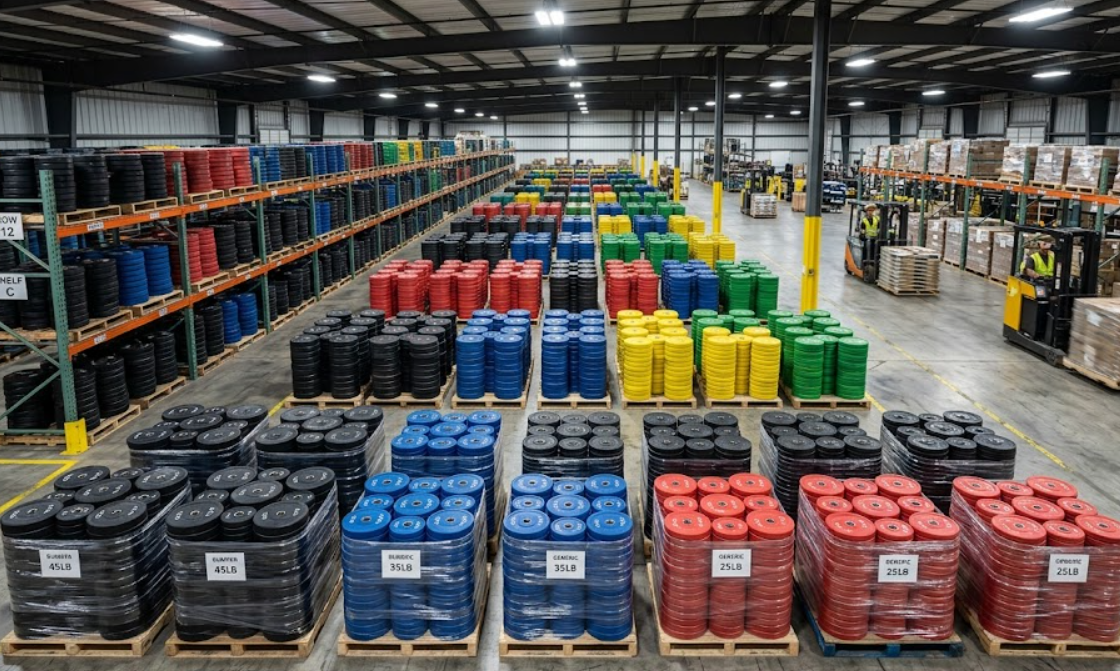
Efficient logistics and high-density loading are the final pillars of a successful procurement strategy. When managing MOQ requirements for international shipments, the way a heavy kettlebell is packaged significantly impacts the total landed cost. Professional manufacturers prioritize specialized export packaging designed to withstand the rigors of maritime transport and heavy-duty handling. This includes reinforced corrugated cartons, moisture-resistant liners, and optimized palletization patterns that maximize container utilization and reduce the risk of surface damage during long-distance transit.
For distributors, the focus must remain on long-term ROI and operational efficiency. Investing in a wholesale cast iron kettlebell that utilizes high-density casting and precision finishing reduces the frequency of replacements and minimizes maintenance-related customer complaints. By vetting a China factory that understands the nuances of export-grade durability, importers can ensure that their bulk orders arrive in a condition that meets the high standards of commercial facilities, protecting both their professional reputation and their bottom line.
Heavy Kettlebell Manufacturing: OEM and ODM Capabilities
For international distributors and fitness equipment importers, the ability to differentiate a product line through custom branded kettlebell solutions is a critical driver of market share. Transitioning from standard stock orders to a specialized OEM or ODM partnership allows you to move beyond generic commodity trading toward building a recognizable brand identity. By working directly with a China factory, you gain control over the aesthetic and functional nuances that define a premium heavy kettlebell for the professional market.
Standard wholesale sourcing often limits your ability to meet specific regional or studio-level requirements. However, leveraging professional OEM services enables a distributor to specify exact weight increments, handle textures, and color palettes. This level of customization ensures your commercial grade kettlebell lineup aligns perfectly with your target demographic, whether you are supplying high-end boutique studios or large-scale commercial fitness centers. Utilizing a factory-direct model significantly reduces the cost of development while maximizing your potential for high-margin, proprietary product offerings.
Technical Comparison: Sourcing Models for Global Procurement
Deciding between standard wholesale and specialized manufacturing depends on your volume requirements and long-term market positioning. When sourcing a heavy kettlebell, procurement leads must weigh the speed of stock fulfillment against the long-term value of a proprietary product line. A wholesale cast iron kettlebell order offers immediate availability for standard weights, whereas a specialized OEM arrangement provides the technical control necessary for high-end commercial distribution.
| Specification Detail | Standard Wholesale (Stock) | OEM / ODM Manufacturing |
|---|---|---|
| Primary Objective | Immediate inventory replenishment | Brand differentiation and market niche |
| Customization Scope | Limited to standard weight increments | Full control over handle texture, color, and weight precision |
| Branding Options | Standard unbranded or generic | Full custom branded kettlebell capabilities |
| Typical MOQ | Lower threshold for mixed pallets | Higher volume required for specialized tooling |
| Lead Time | Short (based on existing factory stock) | Extended (includes production and customization cycles) |
| Quality Control | Standard batch testing | Strict, spec-specific quality control protocols |
| Landed Cost Strategy | Optimized for low-cost, high-turnover | Optimized for premium margins and brand equity |
For distributors managing large-scale facility rollouts, selecting the correct sourcing model is essential for maintaining predictable budgets. While stock orders satisfy short-term gaps, a factory-direct ODM approach allows for the creation of unique equipment sets that meet specific commercial durability standards. We recommend that buyers request a detailed specification sheet and confirm the MOQ for any custom production run to ensure alignment with their local distributor margins and logistics planning.
Ensuring Consistency Through Factory QC and Export Logistics
A common failure in global procurement occurs when a heavy kettlebell arrives at a warehouse with inconsistent weight tolerances or surface defects. For a professional supplier, managing these risks requires more than just a basic production line; it requires a rigorous QC protocol that operates at every stage of the manufacturing cycle. From the initial casting of the iron to the final powder coating, every batch must undergo standardized testing to ensure the commercial grade kettlebell meets the strict density and balance requirements expected by high-end gym operators.
Effective sourcing also necessitates a focus on the final stages of the supply chain: export packaging and container loading. Because a wholesale cast iron kettlebell order involves significant weight and density, the packaging must be engineered to prevent friction damage and structural deformation during long-haul maritime transport. High-tier manufacturers prioritize reinforced cartons and optimized palletizing to reduce the risk of damage, thereby protecting the buyer's landed cost and ensuring that the product arrives in retail-ready condition for immediate distribution.
To mitigate procurement friction, we advise all partners to conduct a formal pre-shipment inspection or request detailed photos of the export packaging and loading plan. Confirming these technical details before the container leaves the factory ensures that your inventory management remains predictable and that your margins are protected from the unexpected costs of shipping damage or weight discrepancies.
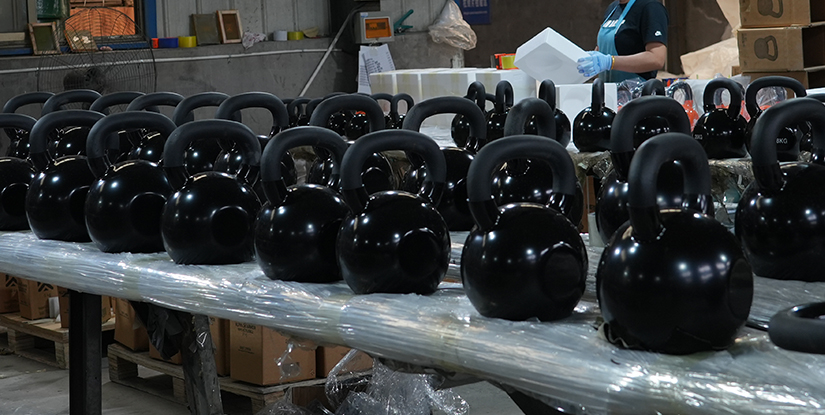
Heavy Kettlebell Material Integrity and Commercial Durability
Selecting a high-quality heavy kettlebell for professional distribution requires a deep understanding of how material density impacts long-term replacement costs. For distributors and gym equipment importers sourcing from a China factory, the focus must shift from simple unit price to the total cost of ownership (TCO) within high-traffic gym environments.
In high-intensity training facilities, equipment undergoes constant impact and environmental stress. Utilizing a low-grade wholesale cast iron kettlebell often leads to premature surface degradation or structural inconsistencies. This creates a recurring procurement cycle that erodes distributor margins and damages brand reputation. To ensure maximum ROI, procurement specialists should prioritize commercial grade kettlebell units produced with high-density casting processes that maintain structural integrity under rigorous use.
Material Density and Lifecycle Value
The durability of a heavy kettlebell is fundamentally tied to the casting precision and the purity of the iron used during production. In a professional setting, uneven weight distribution or brittle casting can lead to cracks or handle failures, necessitating frequent inventory replenishment. By selecting a reliable supplier capable of strict quality control, buyers can mitigate these risks and stabilize their long-term maintenance loads.
| Procurement Factor | Standard Cast Iron (Low Tier) | Precision Cast Iron (Commercial Grade) |
|---|---|---|
| Surface Consistency | Irregular textures and pitting | Smooth, uniform finish |
| Weight Tolerance | High variance between units | Strict adherence to weight specs |
| Impact Resilience | Higher risk of brittle fracture | High density for heavy use |
| Long-term TCO | Frequent replacement required | Extended lifecycle in high-traffic zones |
When evaluating a custom branded kettlebell for your own product line, the material integrity serves as the foundation of your brand identity. A factory that offers advanced casting techniques ensures that your custom branding is applied to a product that can withstand the physical demands of professional athletes and heavy daily turnover.
Comparative Analysis of Material Durability and Maintenance
To optimize procurement efficiency, buyers must differentiate between surface coatings and core materials. The choice between cast iron, steel, or urethane-coated options directly impacts the maintenance load and the replacement frequency for your clients. For those executing a wholesale order, understanding these technical trade-offs is essential for calculating the true landed cost versus long-term durability.
| Material Type | Impact Resistance | Surface Longevity | Maintenance Requirement | Best Sourcing Use Case |
|---|---|---|---|---|
| Cast Iron | High (Solid Core) | Moderate (Requires Powder Coating) | Low (Standard Cleaning) | High-volume wholesale distribution |
| Steel (Solid) | Very High | High (Chrome or Painted) | Low (Minimal Wear) | Standard commercial gym setups |
| Urethane Coated | High (Protective Layer) | Very High (Resists Scratches) | Very Low (Protects Floors) | Premium boutique studio lines |
While a wholesale cast iron kettlebell remains the industry standard for durability and cost-effective bulk sourcing, specialized facilities may require higher-end finishes to reduce floor maintenance. When negotiating with an OEM partner, request specific data on the thickness of the powder coating or the density of the urethane layer. This technical scrutiny ensures that the products you import maintain their aesthetic and functional integrity, protecting your distributor margins and client satisfaction over several years of heavy use.
Ensuring Brand Identity Through Quality Control and Customization
Establishing a premium presence in the fitness market requires more than just a logo; it requires a product that demonstrates consistent quality. For distributors looking to develop a custom branded kettlebell, the challenge lies in maintaining surface finish consistency across large shipments. A factory that utilizes advanced automated finishing processes ensures that every unit in a bulk order looks and feels identical, reinforcing the professional image of your brand identity.
Reliability in the supply chain is often determined by the rigor of the manufacturer's internal protocols. When sourcing a heavy kettlebell, procurement leads must verify that the production partner utilizes comprehensive QC protocols. This includes verifying weight tolerances, checking for handle smoothness, and inspecting the integrity of the coating. Without strict factory-direct quality control, a wholesale shipment may suffer from inconsistent textures or uneven weights, leading to high return rates and diminished trust from your end-users.
High-tier OEM/ODM capability allows you to move beyond generic stock items to products that serve as true assets for your business. Whether you require a specific handle diameter for specialized training or a unique color-coded system for weight identification, a professional supplier can integrate these technical requirements into the production line. This level of customization, backed by robust manufacturing standards, allows you to offer a specialized product line that differentiates your catalog from standard market offerings.
To secure the best terms for your next procurement cycle, we recommend contacting our team to request a detailed spec sheet, confirm current MOQ levels, or initiate a sample approval process. We also offer support for factory audits to ensure our production standards align with your brand's quality expectations.
Heavy Kettlebell Quality Control and Pre-Shipment Inspection Protocols
For distributors and large-scale gym procurement leads, a single batch of substandard equipment can compromise brand reputation and increase long-term liability. High-standard factory QC is the only way to mitigate B2B sourcing risks when importing from a China factory. Maintaining strict oversight ensures that every heavy kettlebell meets the rigorous physical demands of high-traffic commercial environments.
Precision in manufacturing goes beyond simple weight accuracy. A professional commercial grade kettlebell must maintain a strict weight tolerance to ensure uniform training experiences across a full set. During the inspection phase, our supplier protocols verify that the surface finish is smooth and free of casting defects or sharp edges, which prevents user injury and reduces maintenance overhead. Without these standardized checks, the durability of the unit is unverified, potentially leading to costly replacements and diminished distributor margins.
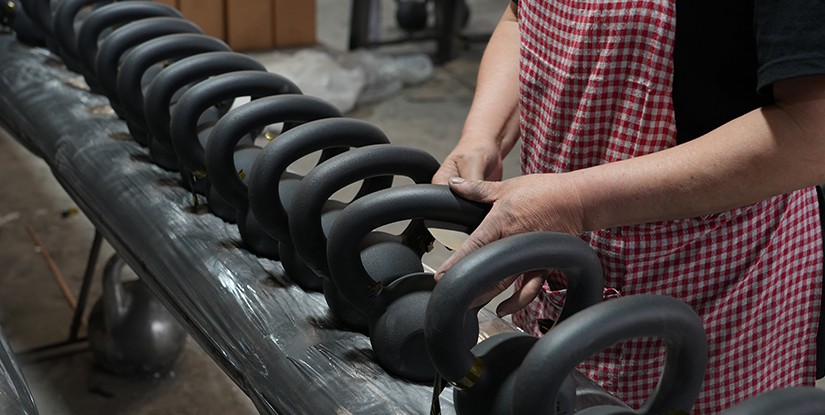
Implementing a multi-stage inspection process allows for the validation of structural integrity before the goods reach the container. This systematic approach protects your investment and ensures that the wholesale cast iron kettlebell orders you receive are consistent in both aesthetic quality and functional performance.
Standardized Inspection Protocols for Bulk Orders
To maintain high reliability in global distribution, we implement a rigorous pre-shipment inspection that targets three critical dimensions: weight precision, structural integrity, and coating consistency. For a professional custom branded kettlebell, even minor deviations in dimensions or surface texture can undermine the premium brand identity of the importer. Therefore, every unit undergoes a standardized verification process to ensure it meets the exact OEM specifications requested during the initial procurement phase.
The inspection process focuses on three primary technical pillars: weight accuracy, casting quality, and surface finish. First, we conduct a weight variance test to ensure that every single unit falls within the strictly allowed tolerance range, preventing discrepancies that could lead to customer dissatisfaction or regulatory issues. Second, the physical casting is inspected for defects such as air bubbles, cracks, or uneven edges that could compromise the longevity of the equipment in a high-use setting. Finally, the coating is checked for uniform thickness and adhesion, ensuring the finish remains durable under heavy commercial use.
By adhering to these strict protocols, we ensure that your heavy kettlebell shipment arrives ready for immediate deployment in premium fitness facilities. This level of detail reduces the risk of returns and helps maintain a high level of trust with your end-users, ultimately protecting your long-term ROI and market position.
Technical Audit Checklist for Procurement Managers
When conducting a remote or on-site factory audit, procurement professionals should utilize a standardized technical checklist to validate the production quality of each batch. Relying on verbal assurances is insufficient; a documented verification of physical properties is essential to protect your landed cost and ensure the long-term durability of the equipment. This checklist serves as a tool for evaluating the capability of your supplier to deliver consistent, high-tier units that meet international commercial standards.
| Inspection Category | Technical Requirement/Metric | B2B Procurement Validation Goal |
|---|---|---|
| Weight Precision | +/- 1% to 2% deviation tolerance | Ensures set uniformity and regulatory compliance |
| Handle Ergonomics | Seamless casting; zero burrs or sharp edges | Minimizes user injury and liability risks |
| Surface Adhesion | Cross-cut tape test; no chipping or peeling | Protects brand identity and long-term aesthetics |
| Material Integrity | Zero visible cracks, air bubbles, or voids | Reduces replacement rates and maintenance load |
| Packaging Integrity | Reinforced corrugated boxes; moisture-proof liners | Prevents damage during sea freight and long-haul transit |
| Export Standards | Standardized dimensions for container loading | Optimizes shipping volume and lowers landed cost |
A professional heavy kettlebell must withstand high-volume usage without degrading. Beyond the physical product, the inspection must extend to the export packaging. Ensuring that the wholesale cast iron kettlebell units are secured in high-density, moisture-resistant packaging is a critical step in preventing oxidation and mechanical damage during transoceanic shipping. A failure in packaging or weight consistency often results in significant distributor losses through returns and damaged reputation.
Before finalizing your next bulk order, we recommend requesting a sample evaluation or a detailed pre-shipment inspection report. This allows you to confirm that the custom branded kettlebell production aligns perfectly with your quality expectations and that the OEM specifications are strictly honored throughout the entire manufacturing cycle.
Heavy Kettlebell Logistics: Export Packaging and Container Loading Optimization
Optimizing the landed cost of a bulk order requires more than just negotiating a low unit price; it demands strategic oversight of shipping density. For distributors and importers sourcing a heavy kettlebell, the primary challenge lies in the high weight-to-volume ratio. Because these units are exceptionally dense, a container often reaches its maximum weight capacity before its volumetric capacity is filled. Efficiently managing this balance is critical to maintaining healthy margins when sourcing from a China factory.
Importers must account for volumetric weight and the physical dimensions of export cartons to prevent paying for "empty air" during transit. When ordering wholesale, working with a supplier that offers specialized palletization or nested packaging can significantly improve container loading optimization. Without these adjustments, the sea freight cost per unit rises, effectively eroding the profit margins of your commercial grade kettlebell inventory.
| Sourcing Variable | Standard Export Method | Optimized B2B Method | Impact on Landed Cost |
|---|---|---|---|
| Packaging Type | Standard Single Cartons | Reinforced Nested Crates | Reduces volumetric weight penalties |
| Loading Pattern | Manual Loose Loading | Standardized Palletization | Faster unloading and stable transit |
| Weight Distribution | Mixed Weight Containers | Single Weight SKU Focus | Maximizes weight-to-volume ratio |
To mitigate these logistics risks, professional buyers should request detailed packing lists and 3D loading diagrams during the sourcing phase. Confirming whether your custom branded kettlebell order will be shipped via LCL (Less than Container Load) or FCL (Full Container Load) allows for better planning of warehouse space and final delivery schedules.
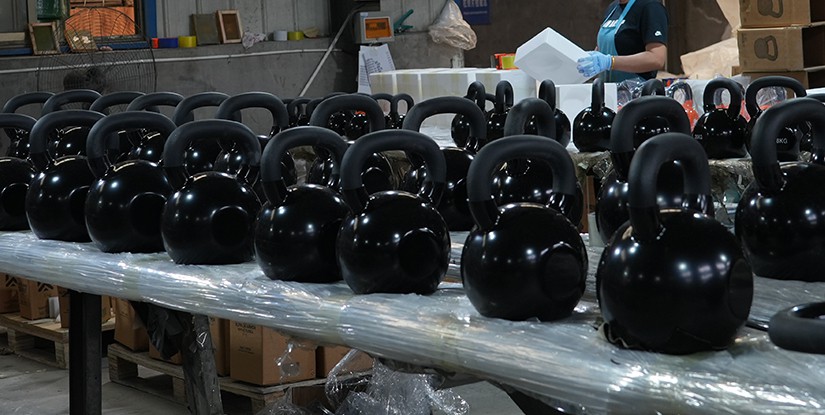
Selecting the correct export packaging method is a direct lever for controlling the total cost of ownership. For professional buyers, the decision between loose loading and palletized shipments is not merely a logistics choice, but a calculation of labor costs versus shipping density. When importing a heavy kettlebell in large volumes, the physical configuration of the cargo determines both the safety of the product upon arrival and the speed of the receiving process at your distribution center.
A commercial grade kettlebell requires ruggedized protection to prevent surface damage or structural deformation during long-haul maritime transit. Relying on standard retail-style boxing often leads to crushed outer layers and increased breakage rates. Instead, procurement teams should prioritize high-density, heavy-duty solutions that withstand the pressure of stacking and the rigors of container movement. Evaluating these options early in the wholesale negotiation process ensures that your custom branded kettlebell arrives in pristine condition, ready for immediate retail or gym deployment.
| Packaging Strategy | Loading Configuration | Typical Use Case | Efficiency Profile |
|---|---|---|---|
| Loose Loading | Manual stacking in container | Small LCL orders or low MOQ | High density but high labor cost |
| Palletized Loading | Standardized palletized units | FCL shipments for distributors | High stability and rapid unloading |
| Reinforced Crating | Heavy-duty wooden/plastic crates | Premium or ultra-heavy SKUs | Maximum protection for high-value cargo |
Before finalizing your purchase, request a formal specification sheet regarding the carton strength and pallet dimensions from your supplier. Understanding the exact stacking limits and the weight per pallet will allow your logistics team to accurately calculate the final landed cost and prepare your warehouse for efficient receiving. We recommend confirming the specific export packaging requirements during the initial sample approval stage to ensure alignment with your local import regulations and facility capabilities.
Moisture Protection and Damage Prevention Protocols
Beyond structural integrity, long-distance sea freight introduces high humidity and saline air, which can compromise the surface finish of your inventory. For a professional distributor, even minor oxidation or rust on a wholesale cast iron kettlebell can lead to high return rates and damaged brand reputation. To prevent this, your supplier should implement a multi-layer moisture protection strategy, incorporating VCI (Volatile Corrosion Inhibitor) technology or specialized desiccant packs within the inner lining of the packaging.
Ensuring high-level damage prevention requires more than just heavy-duty cartons; it requires a systematic approach to cargo stability. We recommend that procurement leads verify that all heavy kettlebell shipments utilize reinforced, double-walled corrugated boxes designed to withstand significant compressive forces. When your order involves a custom branded kettlebell, the aesthetic finish is a key part of your brand identity, making it essential to use high-grade protective coatings and specialized wrapping to ensure the product arrives in showroom-ready condition.
Before finalizing your shipping schedule, request a detailed description of the protective layers used during the QC process. A competent factory will provide documentation or photographic evidence of their palletizing and container loading procedures. Confirming these specifications during the initial consultation helps mitigate the risk of transit-related losses and ensures your total cost of ownership remains predictable and optimized for your commercial distribution needs.
Heavy Kettlebell Sourcing: Evaluating MOQ and Lead Time for Distributors
For distributors and large-scale gym equipment importers, managing the heavy kettlebell supply chain requires a precise understanding of how production volume impacts your inventory turnover. When sourcing from a China factory, the relationship between your order scale and the manufacturing lead time is a critical variable in calculating your total landed cost and ensuring consistent stock availability for your clients.
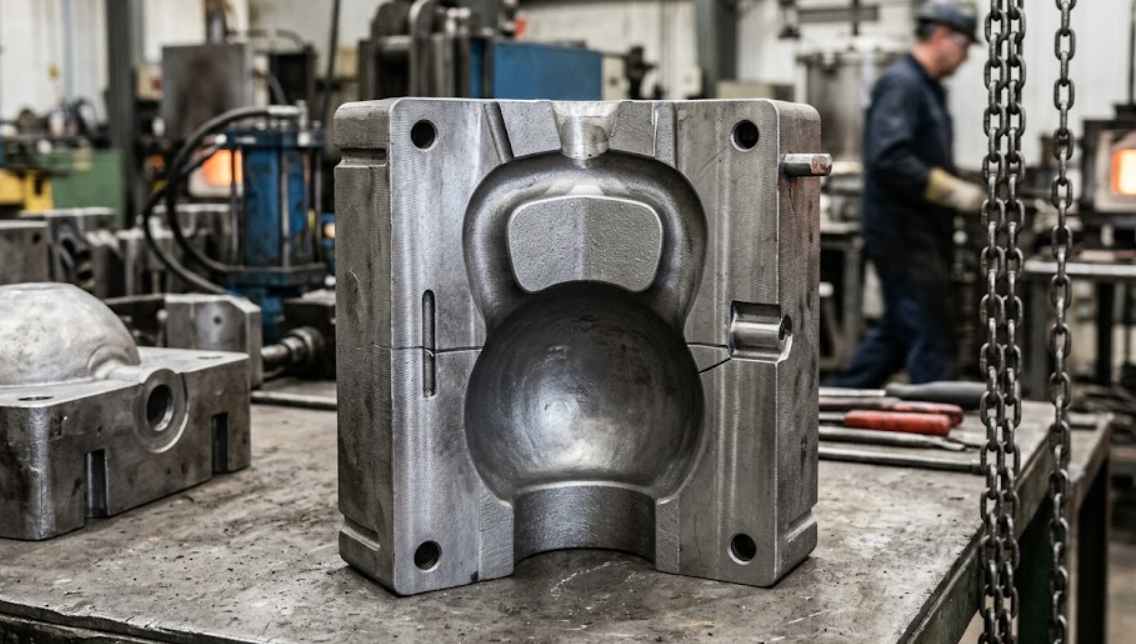
Managing a wholesale inventory involves balancing the desire for low MOQ levels against the necessity of high-margin bulk discounts. While smaller orders may offer greater flexibility for boutique studio suppliers, larger bulk shipments of a commercial grade kettlebell typically provide the best economies of scale, reducing the per-unit shipping and manufacturing overhead. Procurement professionals must account for the fact that a custom branded kettlebell involves additional steps in the production cycle, such as mold preparation and specialized coating applications, which naturally extends the timeline compared to standard stock items.
Understanding these timelines allows you to mitigate the risk of stockouts during peak seasonal demand. Whether you are managing a single SKU or a full weight range, coordinating with your supplier regarding the specific production cycle ensures that your logistics and warehousing teams are prepared for incoming containers. Proactive planning regarding MOQ and OEM requirements is the most effective way to maintain a predictable and profitable distribution model.
Comparing Procurement Models: Stock vs. Custom Orders
Distributors must decide between the speed of ready-to-ship inventory and the brand-building value of customized manufacturing. A wholesale cast iron kettlebell order from existing stock is the fastest route to market, but it limits your ability to differentiate your catalog. Conversely, pursuing OEM or ODM paths allows for complete control over your brand identity, though it requires a more rigorous planning phase regarding both budget and time.
| Procurement Dimension | Standard Stock Orders | Custom OEM Manufacturing |
|---|---|---|
| Typical MOQ | Lower (Case or Pallet level) | Higher (Full Container/Specific Weight Tiers) |
| Lead Time | Short (Immediate dispatch/Shipping transit) | Long (Production, QC, and Customization cycles) |
| Brand Identity | Generic or Unbranded | Custom Branded Kettlebell (Logo/Color/Texture) |
| Cost Efficiency | Higher per-unit cost; lower upfront risk | Lower per-unit cost; optimized for landed cost |
| Product Specification | Standard commercial weights/dimensions | Specialized weights or unique handle ergonomics |
When calculating your long-term ROI, consider that a custom branded kettlebell helps establish market presence and customer loyalty, even if the initial lead time is longer. For distributors focused on rapid turnover, maintaining a base stock of standard units while simultaneously running a specialized OEM production line for premium clients is often the most balanced strategic approach. We recommend contacting our sales team to confirm the current MOQ for specific weight ranges and to request a detailed production schedule for your next shipment.
Ensuring Product Consistency via Factory QC and Export Packaging
A significant risk in overseas sourcing is the variance in product quality between batches, which can damage a distributor's reputation. To prevent this, a robust QC protocol must be integrated into the production of every heavy kettlebell. Professional procurement teams should verify that the manufacturer conducts multi-stage inspections, focusing on weight tolerance accuracy, casting smoothness, and the structural integrity of the handle. Without strict adherence to industry-standard weight specifications, the perceived value of your commercial grade kettlebell inventory will decline, leading to increased returns and client dissatisfaction.
Beyond manufacturing precision, the logistics of international shipping demand specialized export packaging solutions. Because a wholesale cast iron kettlebell is high-density and heavy, standard packaging is insufficient for long-distance sea freight. High-quality export packaging should include reinforced corrugated boxes, moisture-resistant liners to prevent rust during transit, and heavy-duty palletization. This ensures that the product arrives at your warehouse in optimal condition, protecting your landed cost by reducing damage-related losses and ensuring that your wholesale shipments are ready for immediate distribution to gym facilities.