Kettlebell for Strength: China Factory OEM Supply Wholesale
Kettlebell for Strength: Engineering Standards for Commercial Durability
A professional-grade kettlebell for strength is a precision-engineered weight tool designed for high-frequency use in commercial environments. B2B buyers and distributors prioritize these units because they offer superior structural integrity and weight consistency, ensuring long-term value and safety compliance for professional training facilities.
When sourcing for large-scale gym fit-outs or retail distribution, the engineering specifications directly impact your total cost of ownership. Low-quality casting often leads to weight deviations and handle fractures, which can damage your brand reputation. Relying on a specialized commercial kettlebell manufacturing partner ensures that every unit meets rigorous industrial standards for density and balance.
Structural Integrity and Weight Consistency
For distributors managing high-volume inventory, the primary concern is the uniformity of the product batch. High-quality production requires precise molds and controlled cooling processes to prevent internal air pockets or surface cracks. A reliable China factory utilizes advanced casting technology to ensure that the center of gravity remains stable, which is critical for high-intensity functional training applications.
Beyond the cast iron or steel core, the handle ergonomics must be engineered for durability. The transition from the handle to the bell body must be seamless to prevent stress fractures under heavy load. For those looking into custom branded kettlebells, specifying high-grade powder coating or specialized grip textures is essential to protect the metal from oxidation and maintain a premium feel for the end-user.
Technical Specification Comparison: Commercial vs. Consumer Grade
To maximize long-term ROI for gym owners, procurement specialists must distinguish between standard retail items and professional-grade equipment. Sourcing wholesale strength training equipment requires a clear understanding of how manufacturing tolerances affect both durability and maintenance costs. Selecting a high-tier kettlebell for strength ensures that the equipment can withstand the rigors of a high-traffic commercial facility without frequent replacement.
The following table illustrates the technical differences between standard consumer-grade production and professional-grade manufacturing standards typically provided by a specialized factory.
| Technical Feature | Standard Consumer-Grade Production | Professional Commercial-Grade Manufacturing |
|---|---|---|
| Material Density & Weight Tolerance | High variance in weight distribution; potential for internal air pockets. | High-density casting with minimal weight deviation for precision. |
| Handle Surface & Ergonomics | Rough or irregular surfaces; potential for skin abrasion. | Precision-ground smoothness for consistent grip and safety. |
| Coating & Finish Durability | Basic paint or thin coating; prone to chipping and oxidation. | Industrial-grade powder coating or high-durability finish. |
| Structural Lon_term Stability | Standard casting; higher risk of stress fractures in handles. | Reinforced structural integrity for high-frequency use. |
| Maintenance & Lifecycle | High replacement rate; higher long-term operational expense. | Optimized for long-term durability and low maintenance load. |
For distributors and gym operators, the initial landed cost is only one part of the equation. Investing in superior manufacturing standards reduces the frequency of product returns and replacement cycles, directly improving the total cost of ownership. When negotiating with a supplier, we recommend requesting detailed technical specification sheets or sample approvals to verify these industrial-grade benchmarks before finalizing bulk orders.
For high-volume importers and specialized distributors, the ability to scale a product line through OEM/ODM capabilities is a significant competitive advantage. Whether you are expanding a private label line or developing a proprietary fitness series, the precision of the production process determines your market positioning. A professional China factory does not merely produce weights; they provide a scalable manufacturing platform that allows you to integrate your brand identity into high-performance tools.
The transition from a standard product to a premium, branded asset requires strict control over manufacturing tolerances and material selection. When sourcing custom branded kettlebells, the technical requirements extend to the exactness of the handle diameter and the seamlessness of the casting. These small engineering details are what separate a generic commodity from a professional-grade tool that can be marketed as a high-tier commercial solution. For distributors, these specifications are the foundation of a reliable product catalog.
To ensure your brand maintains a reputation for excellence, we recommend a structured procurement workflow. This begins with a detailed review of technical drawings, followed by a formal sample approval process. Once the design and tolerances are verified, you can proceed with bulk production, leveraging our expertise in export-grade packaging and container loading to ensure your shipment arrives in optimal condition. Please contact us to request a formal quote, confirm your specific MOQ, or initiate a factory audit to discuss your long-term sourcing strategy.
Optimizing TCO Through High-Grade Casting and Surface Integrity
For distributors and large-scale gym operators, the true cost of equipment is measured by its lifecycle, not just the initial purchase price. When sourcing a kettlebell for strength, the quality of the casting directly impacts the TCO of your inventory. Low-quality molds often result in uneven weight distribution and structural vulnerabilities, leading to premature replacement and diminished profit margins for the importer.
A professional China factory utilizes high-grade casting processes to ensure each unit meets strict weight tolerances and structural density. This level of commercial gym durability ensures that the equipment can withstand high-frequency use in rigorous training environments without developing cracks or internal defects. Furthermore, maintaining surface integrity through advanced coating methods prevents oxidation and peeling, which is critical for maintaining a premium appearance in high-end fitness facilities.
By prioritizing commercial kettlebell manufacturing standards that focus on material density and surface finish, buyers can significantly reduce long-term replacement costs. Investing in superior wholesale strength training equipment minimizes the frequency of equipment turnover and protects the reputation of your brand or distribution network.
| Procurement Factor | Standard Casting (Trader/Low-Tier) | High-Grade Casting (Our Factory-Direct) |
|---|---|---|
| Weight Consistency | Variable tolerances | Strict industrial precision |
| Surface Durability | Frequent chipping/oxidation | High surface integrity |
| Maintenance Load | High replacement frequency | Low long-term replacement costs |
| Total Cost of Ownership | Low initial, high lifecycle cost | Optimized long-term value |
When planning your next bulk order, we recommend reviewing technical specifications to ensure the kettlebell for strength meets your specific durability requirements. We can provide detailed material reports or discuss custom branded kettlebells options to align with your premium product positioning. Please contact our supplier team to request a formal quote or to discuss MOQ for your upcoming shipment.
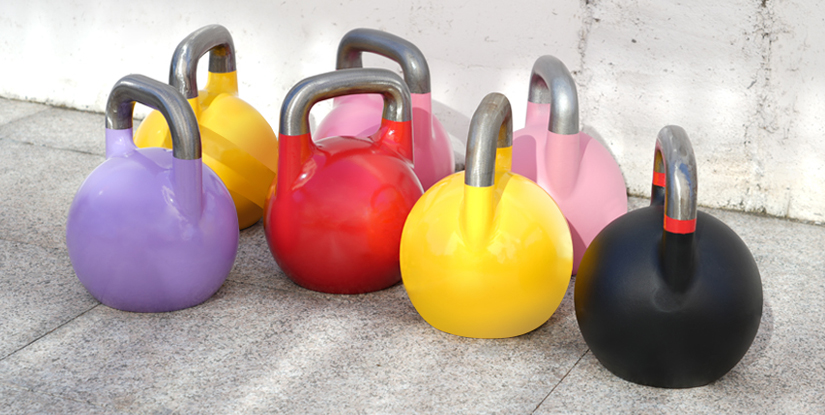
Technical Specifications and Sourcing Precision
Selecting the correct manufacturing standard is a critical step in the sourcing process. For distributors, the distinction between standard casting and high-grade production is often the difference between a one-time sale and a long-term partnership. High-grade units provide the structural reliability required for high-traffic commercial environments, ensuring that your wholesale strength training equipment maintains its aesthetic and functional value over years of heavy use.
Our China factory operates under rigorous quality control protocols to manage the technical nuances of metal density and handle ergonomics. Whether you are looking for standard iron or specialized coatings, our OEM capabilities allow for precise control over the final product'. We recommend that buyers evaluate the specific casting method to ensure it aligns with their target market's durability expectations and their own long-term profit margins.
Quality Control and Pre-Shipment Verification
For importers and large-scale distributors, the risk of receiving a shipment with inconsistent weights or defective surfaces can severely impact landed costs and client trust. A professional commercial kettlebell manufacturing workflow must include more than just basic production; it requires a multi-stage QC framework to ensure every unit in a bulk shipment meets international commercial standards. Without strict oversight, minor deviations in weight or coating thickness can lead to costly returns and logistical headaches.
Our China factory implements a rigorous pre-shipment inspection process to mitigate these procurement risks. This includes verifying surface coating consistency across all weight increments and testing the structural density of each kettlebell for strength. By conducting these checks at the source, we provide the factory-direct quality assurance necessary for distributors to maintain high reliability in their own local markets. This systematic approach ensures that your custom branded kettlebells arrive ready for immediate high-intensity use, protecting your brand reputation and minimizing the need for after-sales replacements.
Custom Branded Kettlebells: Precision in Handle and Weight Distribution
When sourcing kettlebell for strength equipment in bulk, distributors must prioritize structural integrity to mitigate commercial liability. High-performance training requires precise weight distribution and seamless handle ergonomics to ensure user safety during high-velocity movements. Relying on a professional China factory ensures that every unit meets rigorous industry-standard specifications, reducing the risk of structural failure in high-traffic commercial environments.
Imprecise casting or uneven weight centers can lead to significant operational headaches for gym owners and distributors. If the center of gravity is inconsistent, it creates an unpredictable swing, increasing the likelihood of injury and subsequent equipment replacement costs. By choosing commercial kettlebell manufacturing that utilizes advanced molding technology, importers can guarantee a consistent feel across an entire weight set, protecting their brand reputation and long-term ROI.
Furthermore, the ergonomic design of the handle is a critical factor in professional-grade custom branded kettlebells. A handle that is too narrow or lacks a smooth finish can cause friction and grip fatigue, which is unacceptable in premium training facilities. Our wholesale strength training equipment production lines focus on perfecting the internal diameter and surface texture of the handle, ensuring it remains compatible with various grip styles and hand sizes, regardless of the weight increment.
Technical Specifications for Professional Procurement
To ensure high-tier performance, procurement officers must evaluate the technical delta between standard casting and precision machining. A professional kettlebell for strength requires strict adherence to weight tolerance and handle geometry to meet international commercial standards. Inconsistent manufacturing leads to higher replacement rates and diminished distributor margins, making technical oversight a necessity during the sourcing process.
| Technical Parameter | Standard Trading Grade | Professional OEM Specification |
|---|---|---|
| Weight Tolerance | +/- 5% variance | +/- 1% to 2% precision |
| Handle Diameter | Inconsistent/Rough | Standardized/Smooth finish |
| Manufacturing Method | Basic Sand Casting | Precision Machining/Advanced Molding |
| Center of Gravity | Variable/Unstable | Centered/Balanced |
| QC Protocol | Visual Inspection Only | Full Batch Weight & Dimension Audit |
Selecting a reliable supplier involves more than just comparing unit prices; it requires auditing the factory's ability to maintain strict QC protocols. For large-scale orders, we implement rigorous pre-shipment inspections to verify that every piece within the wholesale strength training equipment shipment meets the exact weight and diameter requirements specified in the initial purchase order. This attention to detail minimizes the landed cost of defective returns and ensures your clients receive only high-durability, professional-grade tools.
When finalizing your procurement plan, we recommend requesting a detailed specification sheet or a physical sample to confirm handle ergonomics and weight consistency. Whether you require custom branded kettlebells for a private label launch or bulk replenishment for a distribution network, our team is ready to discuss your specific MOQ, lead times, and customized branding requirements to support your commercial growth.
Precision engineering in the manufacturing stage directly influences the total cost of ownership for commercial facilities. When a distributor sources kettlebell for strength units that lack structural uniformity, the resulting maintenance load and replacement frequency can quickly erode profit margins. By leveraging professional OEM and ODM capabilities, buyers can ensure that every component—from the handle's internal circumference to the outer coating's adhesion—is engineered for the rigors of high-volume commercial use.
The value of high-spec manufacturing extends beyond the physical product to the strength of your own brand identity. Utilizing a specialized China factory allows for the integration of high-durability materials that withstand heavy impact and oxidation, which is essential for maintaining a premium market position. This level of manufacturing control ensures that your custom branded kettlebells deliver a consistent user experience, fostering long-term client trust and reducing the operational friction caused by substandard equipment failure.
China Factory OEM Capabilities and Production Scalability
Securing a consistent supply of high-quality kettlebell for strength requires a partner capable of managing complex production cycles. For commercial gym distributors, the primary challenge lies in balancing high-volume demand with strict manufacturing timelines. A professional China factory provides the necessary infrastructure to scale production rapidly, ensuring that seasonal market spikes do not result in stockouts or delayed shipments for your clients.
When managing wholesale strength training equipment portfolios, understanding the relationship between order volume and production capacity is vital for maintaining healthy margins. Our OEM processes are designed to accommodate both standard weight increments and specialized requirements. By integrating commercial kettlebell manufacturing workflows directly with raw material sourcing, we minimize the risk of bottlenecks during the casting and coating phases.
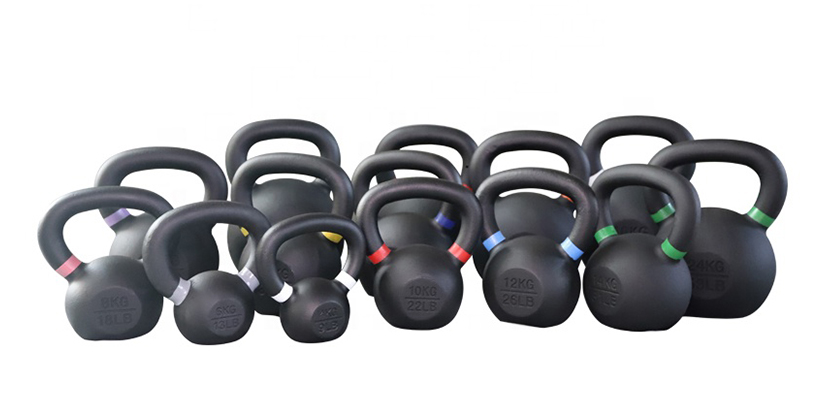
Optimizing Lead Times and Order Volumes
Effective sourcing strategies must account for the variables in lead time and shipping logistics. For bulk orders, the production schedule is highly dependent on the complexity of the custom branded kettlebells requested. Standardized iron or cast-iron models typically allow for faster turnaround, whereas specialized coatings or custom handle geometries may require additional production windows. To ensure predictable arrival dates for your facility or retail network, we provide transparent scheduling based on your specific MOQ and total volume requirements.
| Procurement Tier | Order Type | Production Focus | Typical Lead Time Context |
|---|---|---|---|
| Standard Wholesale | Stock SKU replenishment | High-speed mass production | Optimized for rapid dispatch |
| Custom Branding | custom branded kettlebells | Color, logo, and finish customization | Includes design approval and coating cycles |
| Large Scale Distribution | Full container load wholesale | Full production scalability management | Aligned with maritime shipping schedules |
By leveraging direct factory-to-distributor workflows, you can mitigate the volatility often found in the middle-market supply chain. Whether you are looking to expand a single product line or launch a complete strength training suite, our capacity to handle bulk orders ensures your inventory remains robust and your landed cost stays competitive.
Standardizing Brand Identity Through Precision Manufacturing
For distributors and premium equipment importers, the risk of inconsistent product quality can damage long-term brand reputation. Maintaining a high standard for kettlebell for strength equipment requires more than just basic casting; it requires a rigorous QC framework that governs every stage of the lifecycle. A reliable China factory must implement strict inspection protocols—from raw iron purity testing to final coating adhesion—to ensure that every unit shipped meets the professional expectations of your target market.
Our OEM and ODM solutions are specifically engineered to support your brand identity. We provide extensive private label capabilities, allowing you to differentiate your catalog through high-end finishes, proprietary handle ergonomics, or unique color palettes. This level of customization ensures that your custom branded kettlebells are not perceived as generic commodities, but as specialized, premium-tier products that command higher margins in the commercial sector.
To ensure total transparency during the procurement process, we encourage buyers to engage with our technical team early. We recommend requesting a detailed specification sheet, arranging a sample approval phase, or booking a professional third-party factory audit to verify our quality standards. By aligning your specific branding requirements with our production capabilities, you can secure a stable, high-performance supply chain for your global distribution network.
To maintain a competitive edge in the premium fitness market, procurement specialists must evaluate the total cost of ownership and the reliability of the supply chain. Choosing between standardized stock and specialized manufacturing depends heavily on your current inventory turnover and the specific branding requirements of your client base. We provide clear benchmarks to assist in your decision-making process regarding kettlebell for strength procurement.
When evaluating your next batch, consider how different sourcing models impact your long-term distributor margins. While stock replenishment offers the fastest way to resolve immediate inventory gaps, a dedicated OEM approach allows for a much more robust brand presence. Our facility is optimized to manage these distinct workflows, ensuring that whether you are ordering a standard weight set or a fully customized product line, the quality remains consistent across all shipments.
| Sourcing Model | Primary Advantage | Customization Level | Target Buyer Profile |
|---|---|---|---|
| Standard Stock | Minimal lead time | Minimal (Standard colors/weights) | Small studios and rapid replenishment |
| Private Label | High Brand Recognition | Moderate (Logo and color options) | Established gym equipment distributors |
| Full ODM | Complete Market Differentiation | High (Custom dimensions and finishes) | Large-scale commercial equipment brands |
Understanding these variables is essential for calculating an accurate landed cost and planning your seasonal marketing campaigns. By partnering with a specialized China factory, you gain access to tiered pricing structures that reward higher volume, effectively lowering your unit cost as you scale your distribution network. We recommend initiating a consultation to confirm your specific MOQ and to receive a formal quote tailored to your projected annual volume.
Wholesale Strength Training Equipment: Quality Control and Export Standards
For international distributors and gym equipment importers, the risk of high return rates or product liability stems from inconsistent manufacturing standards. Sourcing a kettlebell for strength requires more than just finding a low price; it requires a factory that implements rigorous verification at every stage of production to ensure commercial-grade reliability.
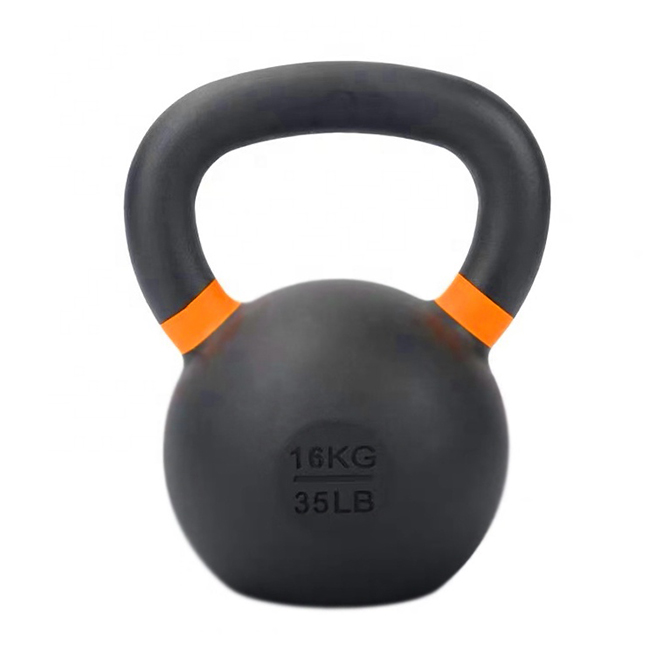
A professional commercial kettlebell manufacturing process must address three critical variables: weight tolerance, surface finish, and structural integrity. If a batch of 16kg units arrives with a significant deviation in mass, or if the cast iron surface lacks a uniform coating, the distributor faces increased customer complaints and diminished margins. Our China factory maintains strict protocols to ensure that every unit meets industry-standard specifications before it reaches the shipping container.
Standardized Verification Protocols
To maintain high standards for wholesale strength training equipment, we implement a multi-step inspection framework. This includes checking the precision of the handle diameter and the smoothness of the grip to prevent user injury. Furthermore, we prioritize shipping safety by utilizing reinforced export packaging, ensuring that heavy iron loads do not shift or damage the outer cartons during long-haul maritime transit. This attention to quality control reduces the total landed cost by minimizing the need for replacements or insurance claims due to transit damage.
For those looking to scale their product lines through custom branded kettlebells, we offer OEM solutions that include specialized powder coating and precision casting to meet your specific brand identity requirements. We recommend that buyers request a sample evaluation or a pre-shipment inspection report to verify these technical standards before finalizing a bulk order.
Technical Comparison: Commercial vs. Consumer Standards
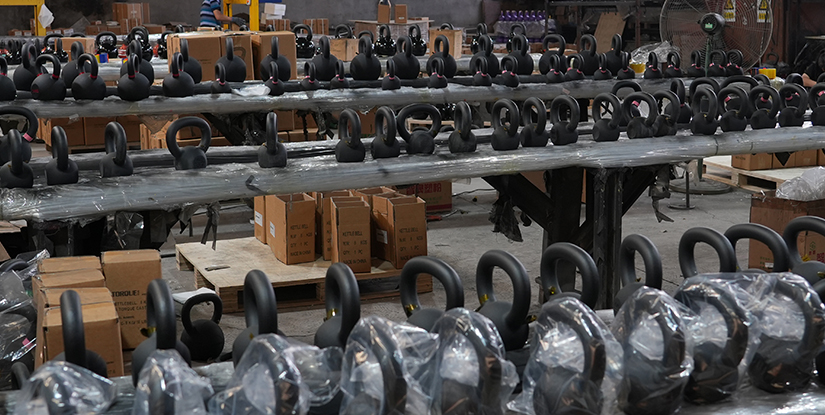
When evaluating your next batch, it is essential to distinguish between low-tier consumer products and professional-grade equipment. For high-volume distributors, the difference in manufacturing precision directly impacts long-term product turnover and brand reputation. The following table illustrates the technical discrepancies between standard retail-grade production and our professional custom branded kettlebells manufacturing standards.
| Technical Specification | Standard Consumer-Grade Production | Professional Commercial Standard |
|---|---|---|
| Weight Accuracy | High variance; often inconsistent between units | Strict precision; minimal deviation per unit |
| Handle Surface | Rough or irregular casting; potential grip issues | Precision-smoothed for seamless ergonomic grip |
| Coating Durability | Thin paint; prone to chipping and oxidation | Industrial-grade powder coating; impact resistant |
| Structural Integrity | Basic casting; inconsistent density | Reinforced cast iron for high-frequency use |
| Export Packaging | Single-wall corrugated boxes; low protection | Reinforced multi-layer cartons with palletization |
Choosing a reliable supplier who understands these technical nuances is vital for reducing the total cost of ownership for your clients. Whether you are sourcing for a single boutique studio or a global retail chain, ensuring that your kettlebell for strength meets these commercial benchmarks will protect your margins and ensure product longevity in high-traffic environments.
Logistics and Global Fulfillment Capabilities
Efficient logistics management is a critical component of successful international sourcing. For distributors managing high-volume inventories, understanding the nuances of wholesale strength training equipment fulfillment—from the initial production run to final container loading—is essential for maintaining a predictable supply chain. Our China factory operates with a deep understanding of international shipping requirements to ensure that large-scale orders arrive on schedule and in optimal condition.
We provide comprehensive support for complex procurement needs, including specialized export packaging and sea freight optimization. To maximize container utilization and reduce the landed cost per unit, we utilize reinforced, multi-layer corrugated cartons and professional palletization techniques. This method protects the integrity of each kettlebell for strength during long-distance maritime transit, preventing the structural damage or box crushing often seen with inferior packaging solutions. By optimizing the volume-to-weight ratio, we help our partners achieve better shipping efficiency and lower freight expenses.
Beyond standard inventory, we specialize in high-level ODM and OEM services to support your brand expansion. Whether you require specific color variations, unique handle textures, or full-scale custom branded kettlebells, our production lines are designed for scalability. We work closely with procurement leads to define the exact MOQ and lead time required for your specific market demands, ensuring that your custom product launches are backed by a reliable manufacturing partner. We invite professional buyers to contact us to request a detailed spec sheet, confirm current MOQ levels, or schedule a factory audit to verify our production capabilities firsthand.
Strategic Sourcing: Managing MOQ and Lead Times for Global Distribution
Optimizing your supply chain requires a precise balance between inventory depth and capital liquidity. When sourcing kettlebell for strength equipment, distributors must navigate the relationship between order volume and the variety of weight increments available. A high MOQ often allows for better economies of scale, but it can also increase the risk of dead stock if the weight distribution does not align with local market demand.
Effective inventory management depends on understanding how a China factory structures its production runs. For instance, requesting a highly specialized range of weight increments may extend your lead time or require a higher minimum order compared to standard industry-standard weights. To maintain high turnover and healthy margins, professional buyers should coordinate closely with their supplier to align production schedules with seasonal demand shifts and shipping windows.
| Sourcing Model | Typical MOQ Impact | Inventory Strategy | Primary Advantage |
|---|---|---|---|
| Standard Stock Orders | Lower volume requirements | Rapid replenishment | Faster turnover for wholesale strength training equipment |
| Custom OEM Production | Higher volume requirements | Long-term seasonal planning | Full control over custom branded kettlebells and weight specs |
| Small Batch ODM | Moderate volume requirements | Niche market penetration | Rapid testing of new product designs |
To ensure your wholesale strength training equipment procurement remains efficient, we recommend discussing your weight-gradient requirements during the initial sourcing phase. This allows us to provide accurate timelines for both standard and custom branded kettlebells, ensuring your landed cost and warehouse space are optimized for maximum ROI.
Understanding the divergence between standard procurement and specialized manufacturing is critical for maintaining a predictable landed cost. While stock orders provide speed, they often lack the brand differentiation required for premium distributors. Conversely, engaging in commercial kettlebell manufacturing for specialized projects offers significant competitive advantages but requires advanced logistical planning.
Comparing Standard Stock vs. Custom Manufacturing Models
The following comparison outlines how different procurement methods impact your ability to scale and differentiate your product offering. Selecting the right path depends on whether your priority is immediate availability or long-term brand identity.
| Procurement Type | Production Cycle | Branding Capability | Best Use Case |
|---|---|---|---|
| Standard Stock | Short (Ready to Ship) | Generic or Limited | Rapid replenishment of core weights |
| OEM / ODM | Extended (30–60+ Days) | Full Private Labeling | Building a signature product line |
| Custom Branded Kettlebells | Long-term Planning | High-end Customization | Distributor-led premium collections |
For distributors looking to optimize their wholesale strength training equipment portfolio, we suggest a hybrid approach. Maintain a baseline of standard stock for rapid turnover, while utilizing the China factory capabilities for seasonal or high-margin specialized runs. Before finalizing your next purchase, please contact our team to confirm the current MOQ, request a detailed production schedule, or initiate a sample approval process for your custom specifications.
For professional importers, the difference between a profitable season and a logistical bottleneck often lies in the precision of the production schedule. When you engage in commercial kettlebell manufacturing, you are not just buying products; you are managing a complex timeline that includes raw material procurement, casting, finishing, and international freight. Failure to account for a sufficient shipping buffer can lead to stockouts during peak demand periods, directly impacting your distributor margins and client satisfaction.
Mitigating Supply Chain Risks Through Advanced Planning
A reliable supplier does more than fulfill orders; they provide the visibility needed to mitigate global logistics volatility. To maintain high service levels, we recommend that distributors factor in a standard production window plus a contingency buffer for sea freight fluctuations. This proactive approach ensures that your kettlebell for strength inventory arrives in your warehouse well ahead of your seasonal sales cycles, rather than being caught in transit during a critical market window.
By aligning your procurement cycles with our factory output capacity, you can secure more predictable lead times and more stable landed costs. Whether you are ordering standard weight sets or specialized custom branded kettlebells, early communication regarding your annual volume projections allows us to reserve production capacity and prioritize your shipments, ensuring your brand's presence in the market remains uninterrupted.