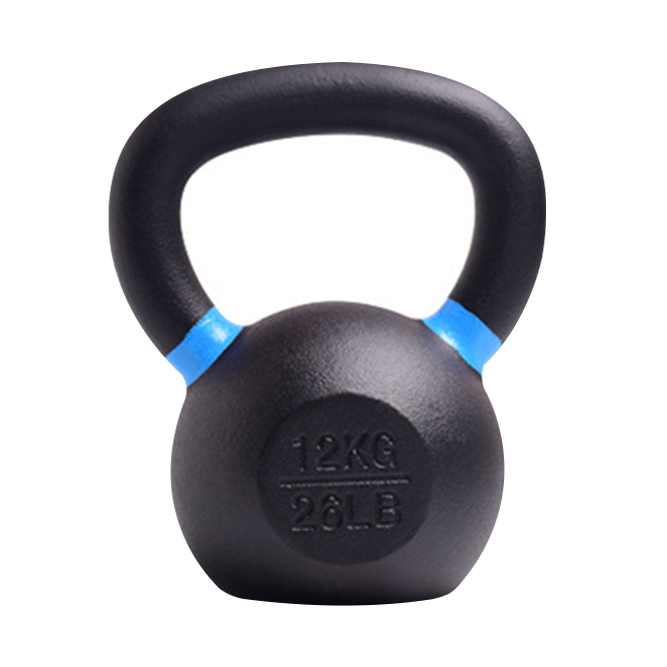
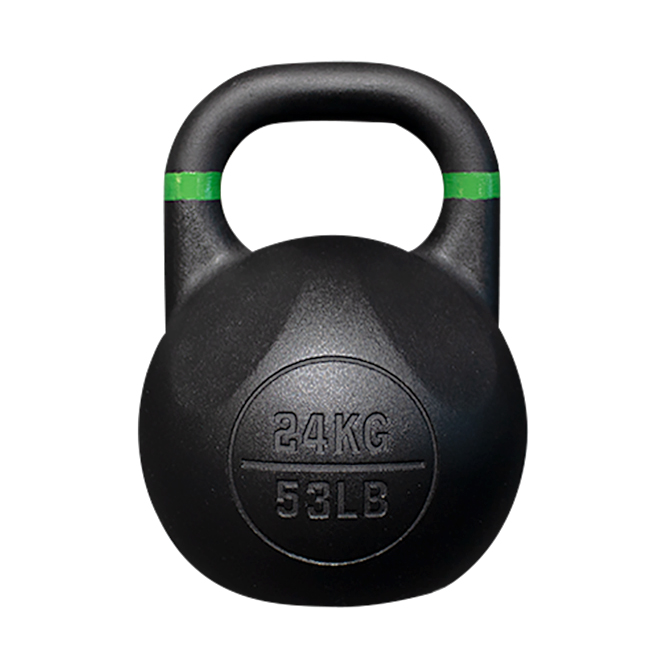
Kettlebell: OEM Contract Manufacturing and Engineering
Kettlebell Engineering and Commercial Deployment Scenarios
For high-volume boutique studios or large-scale commercial gym chains, the selection of a kettlebell is a decision driven by long-term operational efficiency rather than just initial purchase price. In environments where equipment undergoes constant impact and heavy use, the engineering of the weight and the coating becomes a critical factor in determining the replacement cycle. Sourcing directly from a China factory allows distributors to secure high-spec units that meet these rigorous demands while maintaining competitive landed costs.
Standard retail-grade options often fail in professional settings due to poor casting precision or thin coatings that chip under heavy use. For professional procurement, prioritizing a cast iron kettlebell with a uniform, high-density finish is essential to prevent surface degradation. High-traffic facilities require equipment that maintains its structural integrity despite thousands of repetitions, ensuring that the durability of the unit supports a lower Total Cost of Ownership (TCO) over several years of deployment.
When scaling a fitness brand or supplying a large-scale facility, the precision of the weight distribution is non-negotiable. This is especially true for competition kettlebell manufacturing, where strict tolerances are required to ensure consistent handling and professional-grade performance. By working with a specialized supplier, buyers can ensure that every unit in a bulk shipment adheres to the same high-standard engineering specifications, reducing the risk of uneven weight distribution or handle fatigue in a commercial setting.
Deployment Comparison: Commercial vs. Retail Specifications
Understanding the distinction between consumer-grade products and professional-grade equipment is vital for optimizing your inventory and reducing replacement frequency. When managing a large-scale procurement project, the following comparison illustrates why investing in high-spec units from a professional commercial grade kettlebell supplier yields better long-term ROI compared to standard retail alternatives.
| Specification Feature | Standard Retail-Grade Units | Professional Commercial-Grade Units |
|---|---|---|
| Weight Consistency | High tolerance variance; inconsistent weight distribution | Strict precision standards; uniform weight per unit |
| Coating Durability | Thin paint or light powder coating; prone to chipping | Heavy-duty industrial coating; high impact resistance |
| Handle Ergonomics | Basic casting; potential surface irregularities | Smooth, precision-engineered handles for high-repetition use |
| Space Efficiency | Non-standardized shapes; difficult to stack or organize | Optimized geometry for efficient rack integration |
| Procurement Intent | One-off consumer purchases | Bulk orders for gym chains, studios, and distributors |
For distributors and gym owners, the choice between these tiers directly impacts maintenance loads and warehouse stocking efficiency. While retail units may offer lower upfront costs, the lack of standardized dimensions can disrupt professional storage systems and rack layouts. Opting for precision-engineered units ensures that your facility maintains a professional aesthetic and operational flow, even under peak usage volumes. To ensure your specific weight ranges and coating requirements meet your facility standards, we recommend requesting a detailed specification sheet or discussing custom OEM branding options for your next bulk order.
Optimizing floor space and minimizing maintenance downtime requires a strategic approach to equipment geometry and material density. In high-density training environments, the ability to stack, rack, and organize weight sets efficiently is a significant advantage for facility operators. This is why professional buyers often leverage ODM services to customize the physical footprint or handle profiles of their equipment, ensuring a seamless fit within specialized storage solutions or custom-branded racks. A well-engineered weight profile not only enhances the visual professionality of a studio but also optimizes the physical space available for active training sessions.
Beyond spatial optimization, the long-term ROI of a commercial facility is heavily dependent on the reliability of its core strength equipment. When sourcing a kettlebell for large-scale deployment, the focus must remain on the structural integrity of the casting and the resilience of the exterior finish. Substandard manufacturing leads to premature wear, surface rust, or handle deformation, which increases the replacement frequency and disrupts the operational budget. By partnering with a professional manufacturer capable of rigorous QC protocols, importers can mitigate these risks, ensuring that every unit delivered meets the high-performance expectations of professional athletes and commercial gym members alike.
Material Integrity and Casting Precision for High-Traffic Gyms
For distributors and gym operators, the total cost of ownership is driven by how often equipment must be replaced. When sourcing a kettlebell in bulk, the primary concern is whether the unit can withstand the mechanical stress of a high-traffic gym without structural failure or surface degradation.
Standard production often results in inconsistent density or uneven weight distribution. However, professional competition kettlebell manufacturing requires rigorous casting precision to ensure every unit meets exact weight tolerances and maintains a smooth, ergonomic surface. For large-scale procurement, selecting a commercial grade kettlebell supplier that prioritizes material integrity is essential to avoid the high replacement costs associated with substandard cast iron kettlebell batches. A reliable China factory will implement strict QC protocols during the cooling and finishing stages to ensure long-term durability for your clients.
Technical Standards for Long-Term Durability
Procurement officers must evaluate the technical specifications of a cast iron kettlebell beyond basic weight. In high-volume commercial environments, the density of the iron and the uniformity of the casting determine how the equipment performs under repeated impact. Substandard casting can lead to air pockets or structural weaknesses, which increases the risk of cracking and forces premature replacement, negatively impacting your long-term ROI and increasing maintenance overhead.
To minimize the landed cost of long-term operations, it is critical to distinguish between standard retail-grade production and professional competition kettlebell manufacturing. The latter requires high-precision molds and controlled cooling to ensure a consistent surface finish and precise weight distribution. When managing large-scale distribution or gym fit-outs, understanding these technical nuances allows you to select a commercial grade kettlebell supplier that provides equipment capable of surviving years of heavy usage without surface chipping or weight drift.
| Technical Metric | Standard Wholesale Grade | Professional Commercial Grade | Procurement Impact |
|---|---|---|---|
| Casting Density | Variable/Inconsistent | High/Uniform | Reduces structural failure risk |
| Weight Tolerance | +/- 5% Variance | +/- 1% Precision | Critical for professional training |
| Surface Finish | Rough/Irregular | Smooth/Polished | Reduces hand fatigue and wear |
| Material Durability | Standard Iron | Reinforced/High-Density | Lowers long-term replacement rate |
| Typical MOQ | Low/Variable | Tiered Bulk/Custom | Optimizes inventory management |
| Lead Time | Short/Stock-based | Extended/Production-based | Requires early procurement planning |
Before finalizing your bulk order, we recommend requesting a detailed specification sheet and confirming the current MOQ for your specific weight range. To ensure the product meets your brand identity standards, you may also inquire about OEM custom branding options or request a sample evaluation to verify the casting precision and surface texture firsthand.
For distributors and gym operators, the total cost of ownership is driven by how often equipment must be replaced. When sourcing a kettlebell in bulk, the primary concern is whether the unit can withstand the mechanical stress of a high-traffic gym without structural failure or surface degradation.
Standard production often results in inconsistent density or uneven weight distribution. However, professional competition kettlebell manufacturing requires rigorous casting precision to ensure every unit meets exact weight tolerances and maintains a smooth, ergonomic surface. For large-scale procurement, selecting a commercial grade kettlebell supplier that prioritizes material integrity is essential to avoid the high replacement costs associated with substandard cast iron kettlebell batches. A reliable China factory will implement strict QC protocols during the cooling and finishing stages to ensure long-term durability for your clients.
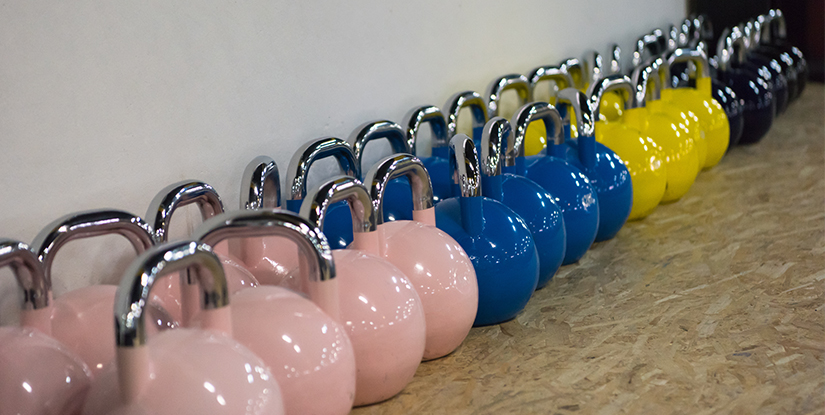
Optimizing Inventory with Cast Iron Kettlebell Specifications
Efficient warehouse management is a critical factor for distributors and large-scale fitness retailers. When sourcing a kettlebell in bulk, the precision of weight increments and the consistency of the casting process directly impact your bottom line. A commercial grade kettlebell supplier must provide standardized dimensions to ensure that your stock fits seamlessly into existing storage racks and shipping containers.
Inconsistent manufacturing leads to high SKU complexity and wasted volume. For instance, if the diameter of a cast iron kettlebell varies significantly between weight classes, your storage density decreases, and your shipping costs per unit increase. By partnering with a professional China factory, importers can ensure that every unit adheres to strict dimensional tolerances, optimizing both shelf space and palletization efficiency.
| Procurement Factor | Standardized Wholesale Units | Custom/Non-Standardized Units |
|---|---|---|
| Weight Increment Precision | Strict, consistent intervals | Variable, higher tolerance |
| Storage Density | High (optimized for stacking) | Low (irregular dimensions) |
| Inventory Turnover | Predictable and stable | Unpredictable SKU management |
| Landed Cost Impact | Minimized via volume optimization | Increased via shipping inefficiencies |
Standardized manufacturing allows for better competition kettlebell manufacturing workflows, where every piece is designed for high-volume distribution. When you manage your wholesale orders through a structured OEM process, you can align your stock replenishment with predictable shipping cycles, reducing the risk of dead stock or excessive warehouse overhead.
Strategic procurement requires a clear understanding of how production models affect your total landed cost and logistics planning. For distributors managing large-scale imports, the choice between standard stock and custom production is rarely about the product alone; it is about the efficiency of the supply chain.
A professional supplier understands that high-volume orders demand optimized packaging to maximize container utilization. While custom dimensions might suit specific niche branding, standardized production ensures that your MOQ requirements are met with maximum shipping volume efficiency. This predictability is essential when calculating the total cost of ownership for a global distribution network.
| Logistics Metric | Standardized Production (Stock/OEM) | Non-Standardized/Custom Production |
|---|---|---|
| Weight Tolerance | Strict and predictable for certification | Variable; requires higher QC scrutiny |
| Packaging Efficiency | High; optimized for standard pallets | Lower; custom dimensions increase volume |
| Shipping Volume | Maximized per 40HQ container | Reduced due to irregular dimensions |
| Landed Cost | Lowered through scale and density | Higher due to specialized logistics |
| Lead Time | Short; reliable for rapid replenishment | Extended; depends on custom tooling |
To avoid the hidden costs of irregular dimensions, we recommend aligning your procurement strategy with industry-standard specifications. Before finalizing your next bulk order, please contact us to request a technical spec sheet, confirm the current MOQ for your target weight classes, or discuss specific OEM packaging requirements for your market.
To avoid the hidden costs of irregular dimensions, we recommend aligning your procurement strategy with industry-standard specifications. Before finalizing your next bulk order, please contact us to request a technical spec sheet, confirm the current MOQ for your target weight classes, or discuss specific OEM packaging requirements for your market.
Standardizing Competition Kettlebell Manufacturing for Global Export
Ensuring high-performance standards in competition kettlebell manufacturing requires rigorous control over material density and surface finish. For distributors and gym equipment importers, sourcing from a professional China factory ensures that every unit meets the strict weight tolerances required for sanctioned events and high-intensity training environments.
Durability in commercial settings is not accidental; it is the result of precise engineering. A high-quality cast iron kettlebell must withstand high-volume usage without structural degradation or surface cracking. This necessitates a focus on material integrity, ensuring the iron is free from impurities that could lead to brittle failure under impact. When sourcing through a commercial grade kettlebell supplier, procurement professionals must prioritize manufacturers who implement a comprehensive factory QC process to verify structural density and handle coating adhesion.
Failure to verify these technical specifications during the sourcing stage can lead to increased maintenance loads and higher total cost of ownership for the end-user. By selecting a partner capable of meeting strict kettlebell engineering standards, buyers secure long-term reliability and protect their distributor margins against premature product returns.
Technical Comparison of Manufacturing Standards and Procurement Metrics
To optimize your total cost of ownership, it is essential to differentiate between standard production and high-performance engineering. Professional buyers should evaluate potential partners based on their ability to maintain strict technical tolerances and surface consistency across large-scale orders. The following table provides a comparison of manufacturing tiers to assist in your selection process.
| Specification Metric | Standard Production Tier | Professional Competition Tier |
|---|---|---|
| Casting Precision | Variable surface irregularities | High-precision mold consistency |
| Surface Finish | Basic powder coating | Smooth, high-adhesion matte/gloss finish |
| Weight Tolerance | +/- 3% to 5% deviation | Strict +/- 1% or less deviation |
| Primary Use Case | General fitness/Home use | Professional training/Sanctioned events |
| Typical MOQ | Low to moderate | High volume/Custom branding requirements |
| Sourcing Advantage | Lower initial unit cost | High durability and long-term reliability |
When negotiating wholesale contracts, consider how these technical variances impact your long-term landed cost. A kettlebell produced with inferior casting precision may suffer from uneven weight distribution, leading to increased client dissatisfaction and higher replacement rates. For distributors managing large-scale inventories, prioritizing a partner that offers high-precision kettlebell manufacturing ensures that your brand identity remains associated with premium quality and structural integrity.
Optimizing Logistics Through Rigorous Pre-Shipment Inspection
For high-volume importers, the transition from production to global distribution represents a critical risk point. Even with a reliable supplier, the complexity of shipping heavy, dense iron goods requires a specialized approach to logistics and quality assurance. A robust pre-shipment inspection is the most effective tool for mitigating the risk of receiving damaged or non-compliant stock, which can drastically inflate your landed cost and disrupt your supply chain.
The physical density and weight of a kettlebell demand more than just standard shipping protocols. Professional procurement teams should mandate a multi-stage verification process that includes random weight sampling, surface coating adhesion tests, and structural integrity checks before any unit is loaded. This ensures that the kettlebell units arriving at your warehouse perfectly match the approved samples, protecting your reputation and client satisfaction.
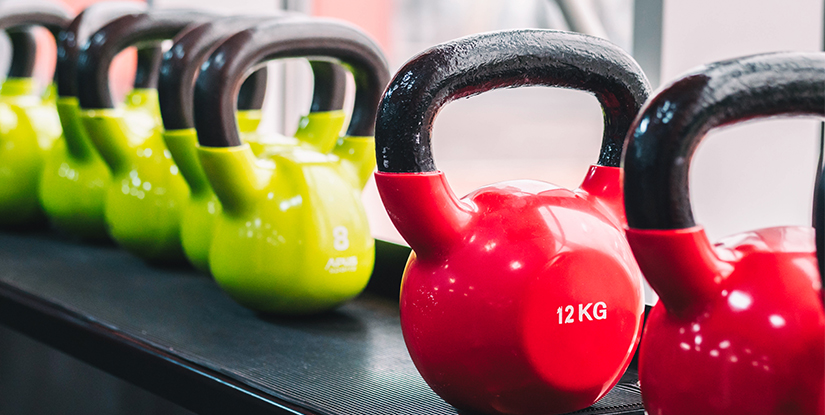
Beyond the product itself, the reliability of your export packaging is vital for long-distance transit. High-quality bulk orders must be secured in reinforced, heavy-duty cartons and palletized according to international shipping standards to prevent shifting or impact damage within a container. By coordinating directly with a China factory that understands the specific requirements of heavy-duty fitness equipment, you ensure that your inventory arrives in a retail-ready state, ready for immediate distribution to your end-users.
Custom Branding and OEM/ODM Capabilities for Distributors
Distributors and gym equipment importers often face the challenge of limited product differentiation when sourcing standard stock items. Utilizing professional kettlebell OEM and ODM services allows you to move beyond generic white-label products to build a distinct brand identity. By leveraging a China factory, you can transform standard weight implements into proprietary assets that command higher margins in your local market.
Advanced custom branding goes beyond simple logo integration on the handle or base. For professional distributors, true value lies in the ability to control material specifications and technical dimensions. This includes defining specific weight increments to meet regional competition standards or specialized training requirements. High-tier private label manufacturing ensures that your brand's reputation for quality is built into every unit, from the casting precision of the cast iron kettlebell to the consistency of the powder coating.
Whether you require a specific texture for grip or a unique color scheme to align with your studio's aesthetic, a specialized supplier can manage these technical variables. This level of competition kettlebell manufacturing control ensures that your bulk orders meet the rigorous durability expectations of commercial facilities while maintaining a cohesive brand look across your entire product line.
Comparison: Standard Stock Sourcing vs. Professional OEM/ODM Manufacturing
Deciding between purchasing ready-to-ship inventory and initiating a custom production run depends on your specific scale and branding objectives. For distributors looking to maximize long-term margins, understanding the technical and logistical differences between a standard commercial grade kettlebell supplier providing stock and a full-service kettlebell manufacturing partner is essential for efficient procurement.
| Procurement Dimension | Standard Stock Purchasing | Professional OEM/ODM Manufacturing |
|---|---|---|
| Customization Depth | Limited to standard colors or basic logo printing | Full control over weight increments, handle texture, and dimensions |
| Branding Options | Generic or basic logo application | Complete private label integration and proprietary design control |
| Typical MOQ | Lower thresholds for small-batch orders | Higher requirements for custom tooling and specialized molds |
| Lead Time | Short; depends on existing factory inventory | Extended; includes design, tooling, and production cycles |
| Product Differentiation | Low; products are identical to other importers | High; creates a unique market position for your brand |
| Cost Structure | Predictable per-unit price for immediate shipping | Optimized for high-volume, long-term landed cost efficiency |
While stock purchasing offers speed for immediate inventory needs, a dedicated competition kettlebell manufacturing process allows for superior technical precision. For professional importers, the ability to dictate casting standards and surface finishes ensures that the final product aligns perfectly with the expectations of high-end commercial clients.
Optimizing Logistics: QC, Export Packaging, and Landed Cost Management
For large-scale importers, the final landed cost is often determined more by shipping efficiency and quality consistency than by the initial unit price. A professional kettlebell production cycle must integrate rigorous quality control to prevent the high cost of returns and replacement logistics. When sourcing from a China factory, ensuring that every batch undergoes strict pre-shipment inspection is vital to maintaining your distributor margins and reputation.
Effective export packaging is a critical component of the procurement process. Because a cast iron kettlebell is a high-density, heavy-duty item, standard packaging is insufficient for long-distance ocean freight. We utilize reinforced, heavy-duty corrugated boxes and optimized palletization techniques to maximize container loading density. This systematic approach to shipping optimization reduces the volume-to-weight ratio inefficiencies, directly lowering your freight-per-unit costs and ensuring that the product arrives at your warehouse without surface damage or structural defects.
Managing lead time and inventory turnover requires transparent communication regarding production schedules and transit windows. Whether you are placing a standard wholesale order or a complex OEM run, understanding the total timeline—from raw material casting to final container departure—allows for better warehouse planning. By partnering with an experienced commercial grade kettlebell supplier, you can mitigate the risks of stockouts and ensure a reliable supply chain that supports your growth and fulfills the demands of your commercial clients.
Quality Control and Export Logistics from China Factory
Maintaining strict standards for every kettlebell is vital for distributors and gym owners to prevent the high costs of batch-wide returns or weight discrepancies. When sourcing directly from a China factory, professional buyers must prioritize standardized testing to ensure every unit meets commercial-grade specifications for both durability and accuracy.
Inconsistent weight distribution or surface defects can damage your brand reputation and increase long-term maintenance loads. A professional commercial grade kettlebell supplier implements multi-stage protocols to ensure batch consistency across large-scale orders. This includes rigorous factory inspection routines that verify the structural integrity of the handle and the precision of the casting process.
Standardizing Weight Tolerance and Surface Precision
For high-volume wholesale orders, even a minor deviation in weight can lead to significant issues in professional training environments. A reliable cast iron kettlebell production line utilizes precision molds to manage weight tolerance within industry-standard limits. This level of control is essential for competition kettlebell manufacturing, where exact weight increments are a non-negotiable requirement for international distributors.
Beyond weight, the pre-shipment phase must include surface texture and coating audits. Professional buyers should verify that the powder coating or paint application is uniform, preventing premature rust or chipping during heavy commercial use. These QC steps directly impact the total cost of ownership and the long-term ROI for the end-user.
| Procurement Factor | Standard Stock Sourcing | Custom OEM Production |
|---|---|---|
| Weight Accuracy | Standardized tolerances | Highly customized precision |
| Branding Options | Limited or no branding | Full private label capability |
| Initial MOQ | Lower volume requirements | Higher volume requirements |
| Landed Cost Efficiency | Faster lead time | Optimized for large-scale scale |
To ensure seamless logistics, we recommend that importers confirm the MOQ and request a detailed technical spec sheet before finalizing any sourcing contract. We also invite professional buyers to schedule a factory audit or a sample approval process to verify our quality control standards firsthand.
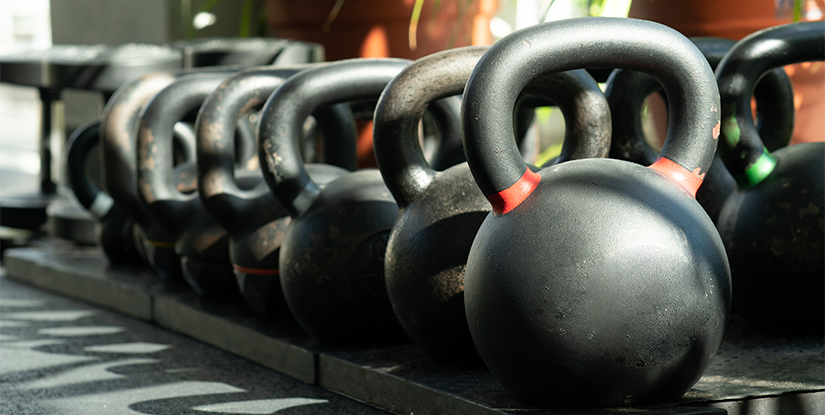
Optimizing Container Loading and Landed Cost
For large-scale distributors, the true cost of a shipment is not just the unit price, but the total landed cost. Efficiently managing volume is critical when importing heavy steel goods. Because high-density items like the kettlebell occupy significant weight-to-volume ratios, improper packing can lead to wasted container space and increased freight expenses per unit. A professional supplier optimizes the loading process to ensure every cubic meter of a sea freight container is utilized effectively.
To mitigate the risks of transit damage and ensure professional presentation upon arrival, we implement specialized export packaging protocols. This involves heavy-duty corrugated boxes and reinforced palletizing to stabilize the load during long-distance sea freight transit. For high-end clients, this may include custom branding on the packaging to strengthen your market presence. We recommend discussing your specific volume requirements early in the procurement process to align container loading plans with your inventory needs and budget.
Managing Logistics and Total Cost of Ownership
For distributors and large-scale importers, the procurement cycle does not end at the factory gate. A sophisticated understanding of how weight-to-volume ratios affect the final landed cost is essential for maintaining competitive margins. Because a kettlebell is a high-density item, the primary logistical challenge is managing the weight-heavy nature of the cargo within the volumetric constraints of a standard shipping container. An experienced supplier provides optimized loading plans to ensure that weight limits are respected while maximizing the capacity of every unit shipped.
To prevent damage during long-distance transit, we utilize reinforced export packaging protocols designed for heavy-duty movement. This includes high-strength corrugated outer boxes and standardized palletizing to ensure stability during sea freight. For professional buyers looking to build a premium market presence, we also offer custom branding on the outer packaging. We recommend that clients confirm their specific MOQ and volume requirements early in the discussion to align the production schedule with an efficient container loading plan, thereby reducing the freight cost per unit and improving overall ROI.
Strategic Sourcing and Procurement Next Steps
Optimizing your procurement strategy requires moving beyond the initial unit price to evaluate the long-term kettlebell lifecycle. For distributors and gym operators, the true value lies in the relationship between a commercial grade kettlebell supplier and the total cost of ownership (TCO). High-quality casting and professional finishing reduce the frequency of replacement and the labor overhead associated with constant maintenance.
Sourcing a cast iron kettlebell with precision engineering ensures that the weight remains consistent and the surface integrity holds up under heavy high-traffic use. This durability directly impacts your long-term ROI by protecting your capital expenditure and reducing the need for unscheduled re-ordering. When you partner with a reliable factory, you are investing in a predictable asset rather than a recurring expense.
To move forward with your bulk procurement, we recommend the following steps to ensure your specifications meet your regional market standards:
- Request a detailed technical specification sheet for current weight ranges.
- Confirm the MOQ for customized OEM branding projects.
- Arrange for a sample evaluation to verify casting smoothness and handle ergonomics.
- Inquire about lead times for large-scale wholesale container shipments.
Evaluating the distinction between direct manufacturing and third-party sourcing is critical for protecting your distributor margins. Choosing the correct supply model directly affects your landed cost, customization capabilities, and ability to scale your inventory during peak seasons. A professional procurement team must weigh the immediate benefits of speed against the long-term advantages of high-volume precision and brand control.
Sourcing Model Comparison: Direct Factory vs. Trading Company
| Procurement Dimension | Direct Factory-Direct Model | Trading Company / Agency Model |
|---|---|---|
| Pricing Structure | Lowest landed cost via direct wholesale | Higher unit cost due to intermediary margins |
| Customization Potential | High capability for competition kettlebell manufacturing | Limited to existing stock or standard catalogs |
| Quality Control | Direct oversight of factory production and QC | Dependent on third-party inspection reports |
| MOQ Requirements | Higher minimums for OEM and private label | Lower thresholds for small-batch orders |
| Supply Chain Transparency | Full visibility into material and lead time | Limited visibility into actual production status |
| Shipping Efficiency | Optimized for full container load (FCL) logistics | Often optimized for LCL or smaller shipments |
For distributors aiming to establish a premium brand identity, engaging directly in competition kettlebell manufacturing provides the necessary control over weight tolerances and handle ergonomics. While trading companies may offer lower MOQ entry points, the factory-direct approach eliminates the middleman, allowing for more aggressive pricing strategies and the ability to implement custom branding or specialized coatings across your entire product line.
Ultimately, your choice should be dictated by your long-term growth trajectory. If your business model relies on high-volume distribution and the development of a proprietary product line, establishing a direct relationship with a specialized supplier ensures that your quality standards and shipping schedules remain consistent as you scale.
Finalizing your procurement plan requires a structured approach to risk mitigation and quality assurance. To ensure your project aligns with both budgetary constraints and rigorous commercial performance standards, we invite you to initiate a formal consultation. Whether you are developing a private label line or refreshing a large-scale facility inventory, professional transparency regarding production capacity is essential for a successful launch.
Please contact our procurement team to proceed with the following professional evaluation steps:
- Request a formal RFQ to receive optimized bulk pricing for your specific weight configurations.
- Schedule a sample evaluation to inspect casting precision, weight tolerance, and finish durability.
- Request documentation for a factory audit to verify our production standards and facility capabilities.
- Consult with our logistics specialists to confirm logistics solutions and lead times for international container shipments.
By engaging directly with a specialized supplier, you gain the ability to tailor every aspect of your order—from custom branding to specific packaging requirements—ensuring your final landed cost and product quality support a high-margin business model.