Competition Kettlebells vs Cast Iron: Procurement Guide
Vetting Manufacturers for Precision Casting and Molding Standards
When sourcing heavy iron, procurement officers must navigate the tension between initial unit costs and long-term operational risk, technical specification accuracy, and international shipping logistics. A failure to vet the manufacturing process often results in inconsistent weight distribution that compromises the professional integrity of a high-end facility. To avoid these pitfalls, buyers must look beyond basic aesthetics and scrutinize the fundamental manufacturing consistency of the production line to ensure every piece meets strict commercial kettlebell specifications.
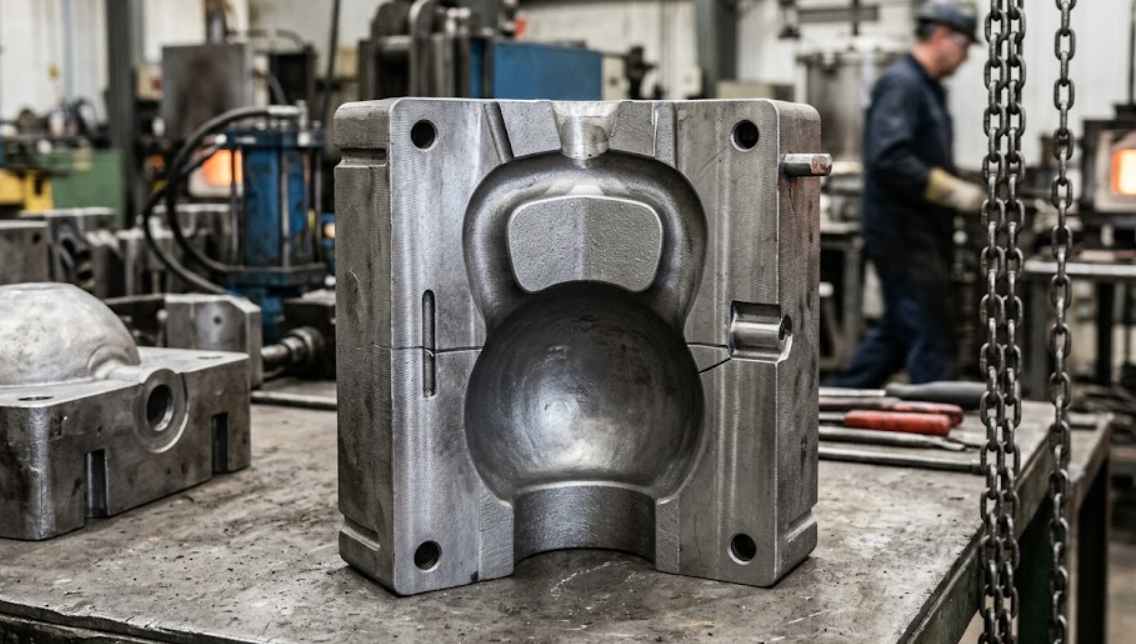
The technical divide in competition kettlebells vs cast iron standards lies in the degree of precision casting employed during the molding phase. While standard high-density cast iron weights are sufficient for basic strength training, they often suffer from surface irregularities and weight fluctuations. In contrast, competition grade fitness equipment requires rigorous dimensional tolerance control to ensure that the handle diameter and overall circumference remain identical across all weight increments. For distributors and wholesale buyers, selecting a factory that prioritizes these tight tolerances is essential for maintaining high quality control standards and justifying the premium price point to end-users.
To mitigate procurement risks, we recommend evaluating potential suppliers against a standardized technical benchmark. A reliable factory must demonstrate advanced QC protocols that address both structural integrity and dimensional accuracy. The following comparison outlines the critical commercial kettlebell specifications required to differentiate high-tier production from budget-grade alternatives.
| Technical Metric | Standard Cast Iron Weights | Competition Grade Fitness Equipment |
|---|---|---|
| Molding Precision | Variable/Rough | High-Precision CNC/Sand Casting |
| Surface Finish | Textured/Irregular | Smooth/Uniform Powder Coating |
| Weight Deviation Limits | ±5% to 10% | ±1% (Strict Tolerance) |
| Handle Uniformity | Inconsistent Diameter | Consistent Diameter/Grip |
When weighing competition kettlebells vs cast iron performance, ensure your supplier provides documentation regarding their molding precision and weight deviation limits. High-volume distributors should prioritize manufacturers that utilize high-density cast iron weights with automated QC protocols to ensure long-term durability and client satisfaction.
Mitigating Long-Term Operational Risk Through Structural Integrity
For procurement managers, the true cost of ownership is dictated by durability and long-term maintenance requirements rather than the initial purchase price. When sourcing competition grade fitness equipment, the primary risk involves micro-fractures or uneven density that can lead to premature failure under heavy usage. A high-tier factory capability must include rigorous stress testing to ensure the structural integrity of the cast, especially when dealing with the high-impact environments of commercial gyms.
To optimize facility ROI, buyers should negotiate terms that account for high-density cast iron weights produced under controlled thermal cooling processes. This prevents the brittleness often found in low-cost alternatives. Furthermore, when discussing MOQ (Minimum Order Quantity) with overseas suppliers, ensure that volume discounts do not come at the expense of quality control. A robust factory capability provides the assurance that even at high volumes, every unit adheres to the same strict commercial kettlebell specifications, reducing the frequency of replacements and protecting your long-term capital investment.
Quality Control Protocols for High-Density Cast Iron Weights
When sourcing at scale, the primary risk in the competition kettlebells vs cast iron debate is structural integrity. Low-grade foundry outputs often suffer from internal voids, leading to premature cracking under heavy use. To ensure long-term facility ROI, procurement officers must demand strict commercial kettlebell specifications regarding density consistency. High-quality high-density cast iron weights require rigorous porosity testing during the cooling phase to eliminate air pockets that compromise the weight's center of gravity.
Reliable manufacturers maintain tight manufacturing tolerances to ensure every unit in a bulk shipment matches the precision of competition grade fitness equipment. Without these technical benchmarks, distributors face high return rates due to uneven weight distribution or surface structural failures. Prioritize factories that utilize automated precision molding to guarantee uniformity across high-volume orders.
| Material Type | Structural Durability | Maintenance Profile | Procurement Risk |
|---|---|---|---|
| High-Density Cast Iron | High (Impact Resistant) | Low (Minimal Care) | Moderate (Density Variance) |
| Competition Grade | Extreme (Precision Built) | Very Low | Low (Strict Standards) |
Operational Longevity and Upkeep Requirements
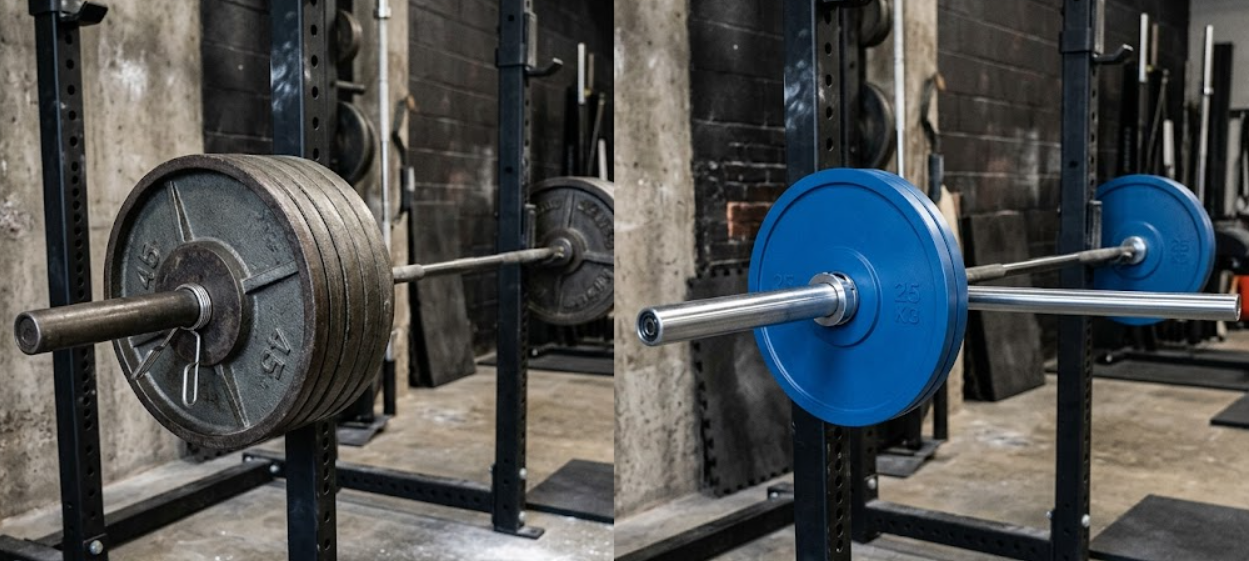
Evaluating the competition kettlebells vs cast iron distinction requires looking beyond initial purchase price to total cost of ownership. For high-traffic facilities, surface finish durability is a critical variable. While competition grade fitness equipment often features specialized coatings to prevent scratches, standard high-density cast iron weights rely on the inherent oxidation resistance of the metal or basic powder coating.
From a procurement standpoint, long-term maintenance costs differ based on the environment. Cast iron is exceptionally rugged for heavy-duty training but may require periodic cleaning to manage surface oxidation. Conversely, premium competition models offer superior commercial gym durability through advanced finishes that protect against sweat and environmental wear. When negotiating with wholesale suppliers, verify the thickness of the coating to ensure the equipment withstands high-volume turnover without degrading.
| Maintenance Factor | Cast Iron Models | Competition Grade Models |
|---|---|---|
| Surface Finish Durability | High (Resilient to impact) | Extreme (Precision coatings) |
| Oxidation Resistance | Moderate (Requires monitoring) | High (Advanced protection) |
| Long-term Maintenance Costs | Low (Basic upkeep) | Minimal (Highly stable) |
| Commercial Gym Durability | Heavy-duty/Rugged | High-performance/Precision |
Logistics, MOQ, and Global Shipping Reliability
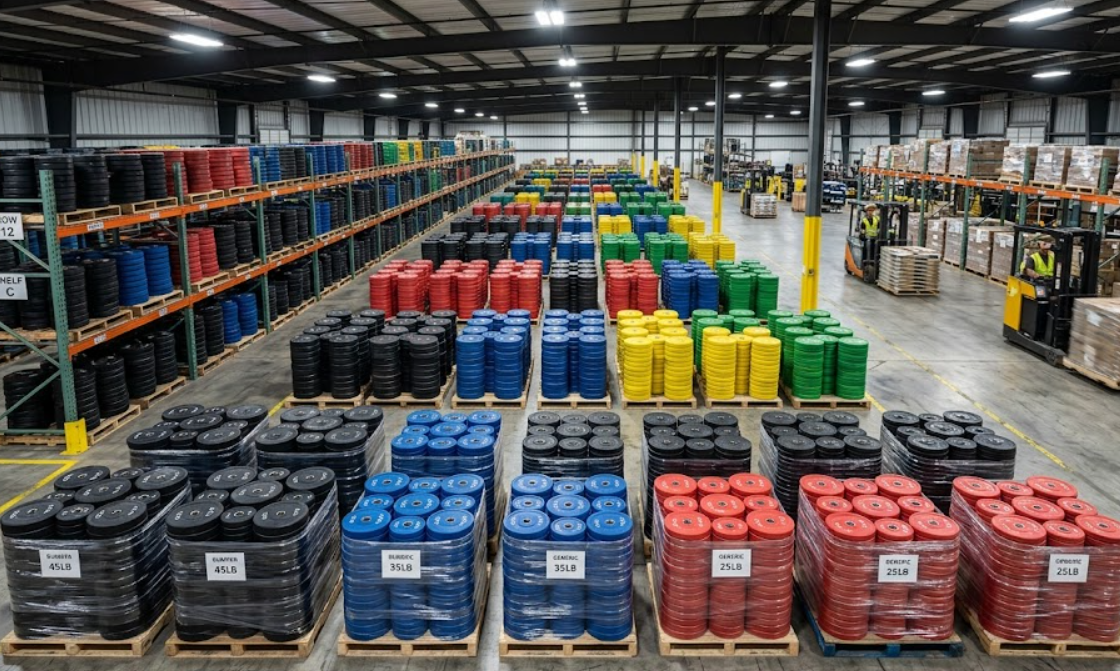
Scaling your inventory requires more than just selecting the right weight; it demands a partner with sophisticated factory QC protocols. When managing large-scale procurement, the distinction between competition kettlebells vs cast iron extends into how goods are palletized and protected during transit. For B2B buyers, shipment stability is non-negotiable to prevent metal-on-metal friction and coating damage during long-haul sea freight.
Professional distributors should vet suppliers based on their bulk inspection standards and ability to meet specific MOQ requirements without compromising quality. A top-tier manufacturer does not merely ship products; they implement rigorous pre-shipment audits to ensure every unit meets competition grade fitness equipment benchmarks. Ensure your supplier utilizes reinforced packaging and standardized palletization to mitigate transit risks. By verifying these factory-level quality assurance steps during the negotiation phase, you safeguard your facility’s ROI and ensure that high-volume deliveries arrive in showroom condition, ready for immediate deployment.
Technical Specifications for Competition Grade Fitness Equipment
Analyzing Capital Expenditure and Procurement Scaling
When calculating the initial investment for a new facility, procurement officers must weigh immediate savings against long-term precision. The primary tension in competition kettlebells vs cast iron models lies in the upfront cost per unit. High-density cast iron weights offer a highly cost-effective solution for general strength training areas, allowing buyers to scale their inventory rapidly without exhausting the budget. Because the manufacturing process for traditional iron is streamlined, wholesale pricing for these units remains significantly lower than specialized equipment.
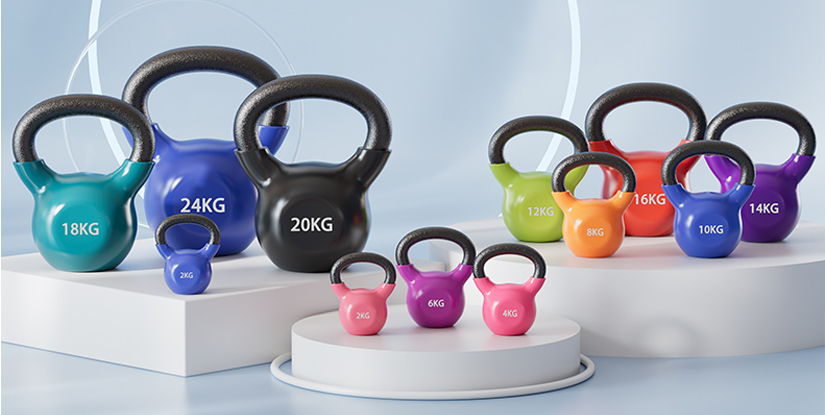
Conversely, sourcing competition grade fitness equipment requires a higher initial investment due to tighter tolerances and specialized coatings. While the MOQ (Minimum Order Quantity) for standard iron sets is often more flexible for distributors, competition-spec models are typically ordered in larger bulk volumes to offset production complexities. For high-end commercial gyms, the decision hinges on whether the budget prioritizes high-volume quantity or the precision required for sanctioned training environments.
To optimize long-term ROI, procurement departments should evaluate the cost-per-use rather than just the unit price. While high-density cast iron weights provide superior durability for high-traffic commercial environments, they lack the strict precision tolerance required for professional competition. This technical gap creates a distinct divergence in the value proposition for different facility types.
The following data structure assists distributors and facility managers in evaluating the commercial kettlebell specifications against their specific operational needs and budget constraints:
| Metric | Standard Cast Iron | Competition Grade |
|---|---|---|
| Precision Tolerance | ± 3-5% Variance | ± 1% or Less |
| Surface Texture | Textured/Rough | Smooth/Consistent |
| Primary Value | Low Initial CapEx | High Precision/Longevity |
| Best Use Case | General Commercial Gyms | Sanctioned Training/Elite Gyms |
When evaluating competition kettlebells vs cast iron, remember that higher-spec equipment often carries a premium due to rigorous quality control and advanced manufacturing standards. For large-scale facility rollouts, sourcing a mix of both can balance high-volume durability with specialized performance needs.
Total Cost of Ownership and Logistics Optimization
Beyond the unit price, professional buyers must account for the total cost of ownership (TCO) and long-term maintenance costs. When sourcing competition grade fitness equipment, the complexity of the factory capability often impacts both shipping efficiency and the replacement frequency. High-spec models require stringent QC standards to ensure weight consistency, which can influence logistics planning and container utilization during bulk wholesale shipments.
While high-density cast iron weights are virtually indestructible, they may require periodic surface treatment to prevent oxidation in humid environments. In contrast, premium competition models often feature advanced coatings that reduce long-term upkeep. For a commercial gym ROI, the strategic choice depends on your facility's lifecycle. If your business model relies on high-turnover general training, the low replacement frequency and minimal maintenance costs of iron provide a predictable margin. However, for elite centers, investing in precision-engineered equipment minimizes the risk of frequent inventory updates due to wear or tolerance drift.
Managing Warranty Claims and Material Defect Disputes
When evaluating competition kettlebells vs cast iron for large-scale facility rollouts, procurement managers must distinguish between two distinct failure modes: material degradation and precision deviation. For distributors sourcing high-density cast iron weights, most warranty disputes stem from surface imperfections or structural flaws inherent to the casting process. These issues often involve oxidation or hairline fractures caused by poor cooling protocols, which compromise the long-term structural integrity of the unit.
In contrast, claims regarding competition grade fitness equipment rarely involve surface rust, but rather strict manufacturing tolerances. High-end competition models are subject to rigorous quality control to ensure weight uniformity and dimensional consistency. While cast iron may suffer from material fatigue or casting voids under heavy usage, competition models are more likely to face scrutiny regarding their calibration accuracy. Understanding these technical nuances allows wholesale buyers to set realistic expectations with end-users and refine their quality assurance protocols during the sourcing phase.
To mitigate financial risk during high-volume procurement, buyers must audit a vendor's QC protocols and factory capability before finalizing any purchase order. When sourcing competition kettlebells vs cast iron, the definition of a "defect" changes based on the product tier. For standard cast iron, procurement officers should prioritize inspections for surface imperfections, such as pitting or uneven coating, which can lead to premature wear in commercial environments. Conversely, for competition grade fitness equipment, the focus shifts to dimensional accuracy and strict weight deviation thresholds.
A reliable manufacturer must demonstrate that their commercial kettlebell specifications include calibrated testing to ensure weight variance remains within a negligible margin (typically +/- 1% or less). If a supplier cannot provide documented weight deviation thresholds or proof of consistent dimensional accuracy, the risk of high return rates and dissatisfied gym owners increases. By verifying these technical standards upfront, distributors can differentiate between budget-grade casting and high-precision engineering, ensuring long-term facility ROI and minimizing costly warranty disputes.
To safeguard your commercial gym ROI, procurement strategies must extend beyond initial pricing to include rigorous contract management. When negotiating MOQ (Minimum Order Quantity) requirements, ensure that warranty terms explicitly cover both material flaws and calibration drift. For bulk shipments of competition grade fitness equipment, a lack of batch consistency can lead to mass returns if the weight variance exceeds acceptable commercial kettlebell specifications.
Furthermore, logistics management is a critical component of the dispute resolution process. High-volume orders of high-density cast iron weights are susceptible to logistics damage, such as impact-induced hairline fractures during sea freight. We advise distributors to mandate third-party inspections at the factory level and require photographic evidence of palletization standards. By establishing clear protocols for logistics damage and batch consistency before the shipment leaves the port, you insulate your business from the high costs of international freight disputes and ensure a seamless rollout for your clients.
Optimizing Commercial Kettlebell Specifications for Bulk Orders
When scaling a fitness facility, the decision between competition kettlebells vs cast iron models is not merely a matter of aesthetics; it is a strategic calculation of long-term asset depreciation. For distributors and gym owners, procurement logic must balance initial unit costs against the total lifecycle value of the equipment.
High-density cast iron weights offer an incredibly robust solution for high-traffic strength zones where extreme durability is the primary requirement. These units are resilient against heavy impact, making them a cost-effective staple for general strength training. However, for premium training environments or specialized strength academies, investing in competition grade fitness equipment provides a superior precision vs durability advantage. While the initial outlay for precision-engineered units may be higher, their consistent commercial kettlebell specifications—such as uniform sizing and balance—ensure higher user retention and long-term utility. For bulk wholesale buyers, selecting the right mix of these two profiles is essential to optimizing facility ROI and minimizing replacement cycles.
To facilitate informed procurement, buyers must analyze the financial trade-offs between these two distinct product categories. The following data structure assists sourcing agents in evaluating the long-term cost-per-use and the impact of competition kettlebells vs cast iron on total facility expenditure.
| Metric | Competition Grade Fitness Equipment | High-Density Cast Iron Weights |
|---|---|---|
| Weight Precision | High (±1% Tolerance) | Moderate (±3-5% Tolerance) |
| Surface Durability | Premium (Polyurethane/Rubberized) | High (Industrial Cast Iron) |
| Replacement Frequency | Low (Long-term Precision) | Low (High Impact Resistance) |
| Initial CapEx | Higher Per Unit | Lower Per Unit |
When negotiating with a factory or global distributor, remember that commercial kettlebell specifications dictate the long-term value. While cast iron provides a lower entry price point for mass volume, competition-grade models offer a more stable asset profile for high-end commercial environments.
Maximizing ROI during global procurement requires more than just comparing unit prices; it demands rigorous oversight of manufacturing standards and logistics. When sourcing competition grade fitness equipment at scale, distributors must mandate strict QC protocols to ensure every unit meets international standards. A critical differentiator in the competition kettlebells vs cast iron debate is the factory weight tolerance. While standard cast iron may allow for wider deviations, high-end competition models must adhere to a strict ±1% margin to remain viable for professional use. Failure to enforce these tolerances during the production phase can lead to significant inventory discrepancies and client dissatisfaction.
Beyond manufacturing, logistical efficiency is paramount for bulk orders. Sourcing agents should prioritize suppliers who demonstrate advanced bulk shipping stability, ensuring that heavy, high-density shipments are palletized to prevent structural damage during transit. Furthermore, when evaluating MOQ considerations, buyers should negotiate packages that allow for a strategic mix of both product types. This hybrid approach—combining the ruggedness of iron with the precision of competition models—optimizes the supply chain, reduces shipping overhead, and ensures the facility is equipped with a diverse, high-performance asset base.
Packaging Engineering and Landed Cost Optimization
When evaluating competition kettlebells vs cast iron, the primary friction point for procurement managers is the divergence in unit cost versus long-term utility. High-density cast iron weights offer a lower entry barrier, making them ideal for high-volume, budget-conscious facility build-outs. However, the precision engineering required for competition grade fitness equipment often commands a higher wholesale pricing premium due to stricter tolerance standards and specialized coating processes.
For distributors, the decision hinges on the MOQ (Minimum Order Quantity) and the ability to leverage factory direct sourcing to offset shipping overhead. While cast iron units are more cost-effective for bulk weight-per-dollar ratios, competition models offer better longevity in premium environments, reducing the frequency of replacement cycles. To optimize your landed cost, consider the volumetric weight and packaging durability during international transit.
| Procurement Metric | Standard Cast Iron | Competition Grade |
|---|---|---|
| Unit Cost | Low/Budget-Friendly | Premium/High |
| MOQ Requirements | Flexible/Low | Higher/Volume-Based |
| TCO (Total Cost of Ownership) | Moderate (Higher Replacement) | Low (High Durability) |
| Shipping Efficiency | Standard Bulk | Precision Packaged |
Strategically balancing these commercial kettlebell specifications allows your facility to scale efficiently without compromising the quality of the training experience.
Optimizing the landed cost requires a deep dive into shipping volume and dimensional weight management. While competition kettlebells vs cast iron may seem similar in weight, the specialized protective packaging required for precision-coated competition models can increase the overall footprint. For high-volume distributors, failure to account for these commercial kettlebell specifications leads to unexpected surcharges during international freight transit.
To maximize freight optimization, we recommend a tiered approach to packaging engineering. Standard cast iron units can often be palletized in dense, high-volume configurations to minimize empty space. Conversely, competition grade fitness equipment demands reinforced, custom-fit boxing to ensure breakage prevention and surface protection. By prioritizing factory direct sourcing with a vendor that understands high-density cast iron weights and precision coatings, procurement officers can mitigate the risks of transit damage. This attention to detail ensures that your wholesale order arrives meeting strict quality control standards, protecting your ROI from the moment it leaves the warehouse.
Calculating Total Cost of Ownership (TCO) and ROI
A superficial glance at competition kettlebells vs cast iron often leads to a "cheap is better" fallacy. For B2B buyers, the true cost is not the invoice price, but the lifecycle utility. While high-density cast iron weights present a lower initial capital expenditure, they often lack the dimensional consistency required for high-end training, leading to faster depreciation in premium settings. Conversely, investing in competition grade fitness equipment minimizes the frequency of replacement cycles and maintenance interventions.
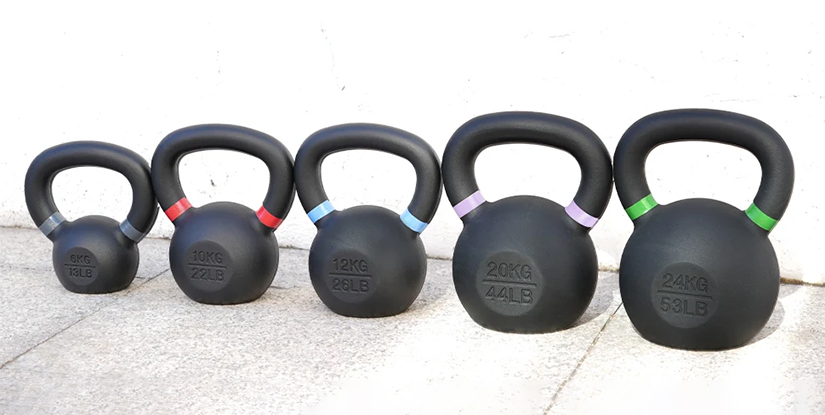
To assist in your procurement modeling, the following data compares the long-term financial impact. When sourcing at scale, the precision of your commercial kettlebell specifications directly influences your facility's long-term operational efficiency and asset longevity.
| Financial & Performance Metric | Standard Cast Iron | Competition Grade |
|---|---|---|
| Initial Investment | Low (High Volume/Low Margin) | Moderate to High (Premium) |
| Precision Tolerances | Variable/Low | Strict/High Precision |
| Durability & Lifespan | Moderate (Subject to Wear) | Exceptional (Long-term Asset) |
| Maintenance Costs | Higher (Frequent Replacement) | Minimal (High Resilience) |
| Long-term ROI | Optimized for Budget Build-outs | Optimized for Premium Longevity |
By leveraging factory direct sourcing, distributors can bridge the gap between these two tiers, securing high-spec equipment at a wholesale price point that stabilizes the total cost of ownership across multi-year facility cycles.
Ensuring Manufacturing Precision and Supply Chain Stability
Beyond the initial purchase price, the reliability of your competition kettlebells vs cast iron procurement depends entirely on the manufacturer's QC standards. For high-volume distributors, the risk of receiving non-compliant inventory is a significant threat to supply chain stability. Standard cast iron often suffers from inconsistent weight tolerance, which can lead to discrepancies in bulk shipments and logistical headaches. In contrast, competition grade fitness equipment requires rigorous manufacturing precision to ensure every unit matches the specified weight within a negligible margin of error.
To mitigate these risks, professional buyers must vet a partner's factory capability regarding automated casting and precision calibration. A reliable supplier should demonstrate a robust quality control process that monitors both dimensional accuracy and coating integrity. When managing bulk order reliability, ensuring that your vendor utilizes advanced testing protocols prevents the costly downtime associated with defective or underweight shipments. Choosing a manufacturer with high-tier commercial kettlebell specifications ensures that your wholesale orders remain consistent, protecting your reputation and your bottom line.
Lifecycle maintenance planning for busy facilities
For procurement managers, the decision between competition kettlebells vs cast iron models often hinges on the total cost of ownership rather than the initial invoice. While high-density cast iron weights offer an incredibly low entry price, their long-term wear resistance can be inconsistent depending on the coating quality provided by the manufacturer. In high-traffic commercial environments, standard iron may suffer from surface oxidation or chipping, which can increase replacement frequency if the foundry's quality control is subpar.
Conversely, investing in competition grade fitness equipment typically requires a higher upfront CAPEX, but the long-term ROI is often superior. These precision-engineered units are designed for extreme durability and consistent dimensional accuracy, reducing the need for frequent inventory updates. When sourcing from a reliable factory, ensure that the commercial kettlebell specifications include high-grade finishes to prevent rust. For distributors and large-scale gym operators, choosing the right balance between competition kettlebells vs cast iron ensures that your facility remains functional without the constant logistical burden of reordering replacement stock.
Maintaining a premium facility requires a strict protocol for oxidation prevention and surface care to protect your capital investment. When evaluating competition kettlebells vs cast iron, procurement teams must account for the labor hours required to keep equipment in showroom condition. Standard high-density cast iron weights often require more frequent inspection for rust, especially in high-humidity environments or poorly ventilated training zones. In contrast, competition grade fitness equipment generally features advanced coatings that preserve surface coating integrity under heavy use, though they still require standardized cleaning to maintain grip standards.
To streamline your facility operations, use the following maintenance frequency table to establish baseline SOPs for your staff:
| Maintenance Task | Cast Iron Protocol | Competition Grade Protocol |
|---|---|---|
| Surface Cleaning | Monthly (Check for rust) | Weekly (Wipe down) |
| Oxidation Check | Quarterly Inspection | Bi-Annual Inspection |
| Coating Integrity | High Vigilance Required | Minimal Maintenance |
When reviewing commercial kettlebell specifications during the RFQ process, always confirm the chemical composition of the anti-rust layers. This ensures that your bulk shipment meets the durability standards necessary for high-volume commercial turnover.
Beyond daily upkeep, successful procurement hinges on the factory capability to manage logistics and wholesale procurement stability. When placing large-scale orders, the risk of transit damage or structural compromise during long-term storage requirements can impact your bottom line. A professional manufacturer must demonstrate rigorous QC standards that extend beyond the production line and into the packaging phase. Whether you are sourcing competition kettlebells vs cast iron, the structural integrity of the shipment is paramount to preventing costly returns or unusable inventory upon arrival.
For global distributors, bulk shipping durability is a non-negotiable metric. High-quality competition grade fitness equipment requires specialized crating to protect precision-engineered surfaces, whereas high-density cast iron weights demand reinforced palletization to manage heavy weight distributions without shifting. Always verify that your supplier utilizes export-grade packaging and provides detailed commercial kettlebell specifications regarding load-bearing stability. Selecting a partner with a proven track record in high-volume international shipping ensures that your MOQ fulfillment arrives in showroom condition, minimizing the logistical headaches of damaged goods and ensuring a seamless expansion of your facility's inventory.