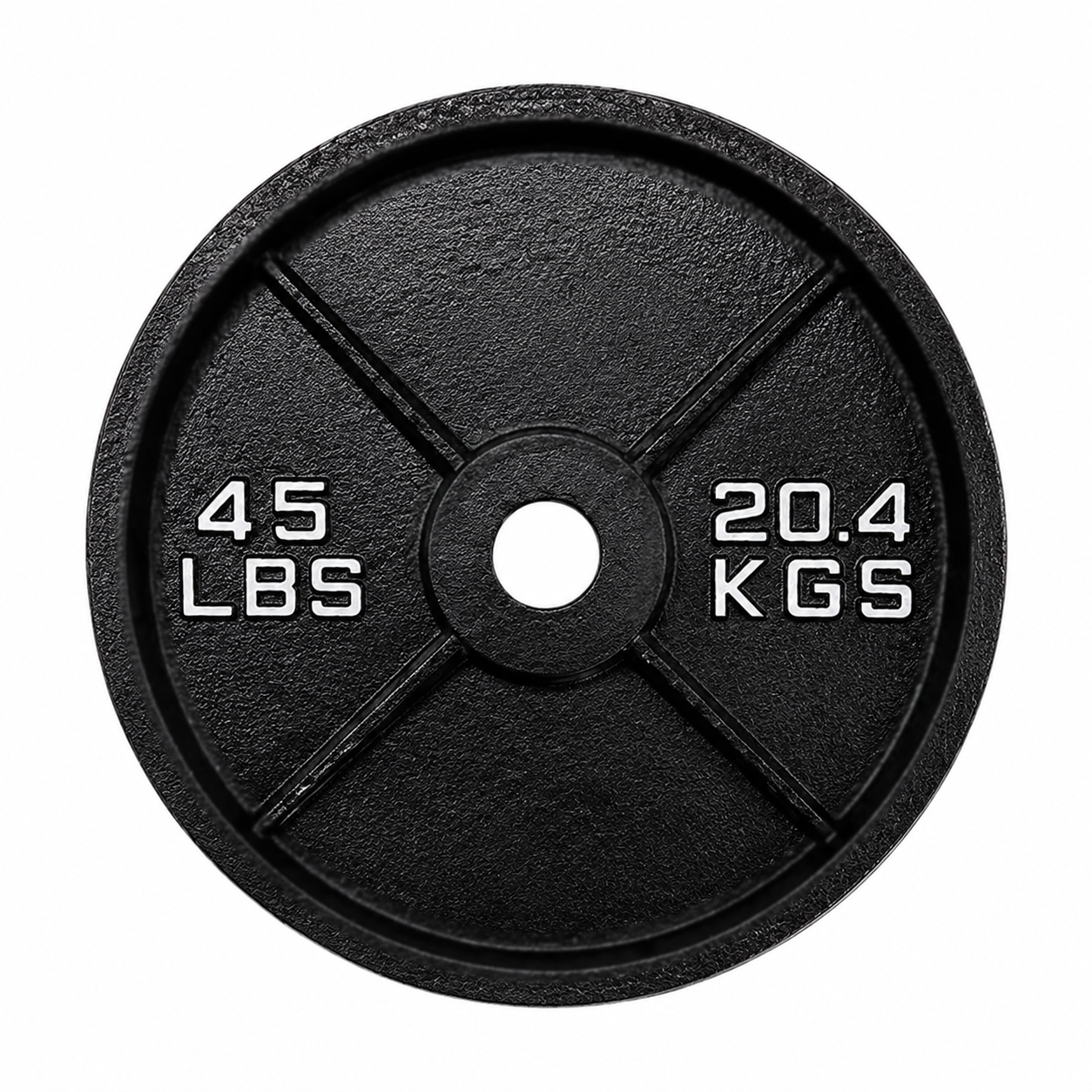
Durable Metal Weight Plates for Commercial Gym Procurement
Strategic Procurement Framework for High-Volume Weight Plate Sourcing
For a multi-location commercial gym franchise, the difference between a successful CAPEX cycle and a budget deficit often lies in the microscopic details of unit durability. While a boutique studio might prioritize aesthetic variety, high-traffic facilities must focus on the durability vs. initial cost equation. Choosing low-grade alternatives may seem attractive during the initial RFQ process, but the true expense manifests through accelerated replacement cycles and increased labor costs for inventory updates. Investing in premium metal weight plates ensures that your facility remains operational without the constant friction of equipment turnover.
To optimize your procurement strategy, you must look beyond the invoice price and calculate the long-term ROI. High-quality industrial strength iron plates are engineered to withstand the rigors of heavy daily use, maintaining structural integrity and precision weight standards over many years. This stability protects your bottom line by reducing the frequency of re-ordering and shipping logistics.
| Procurement Factor | Standard Grade Plates | Industrial Strength Iron Plates |
|---|---|---|
| Initial CAPEX | Lower | Moderate |
| Replacement Frequency | High | Very Low |
| Maintenance/Labor | Frequent | Minimal |
| Long-term ROI | Diminishing | Optimized |
Optimizing Procurement Models: Wholesale vs. Retail
Understanding the fiscal impact of your sourcing model is critical for large-scale facility management. When procuring bulk gym weight sets, the distinction between retail purchasing and direct factory-level wholesale is substantial. Retail models often lead to fragmented shipments and higher per-unit costs, whereas direct wholesale procurement leverages economies of scale to maximize budget efficiency.
To assist in your financial modeling, the following comparison table outlines the primary cost drivers. A significant unit price reduction is typically achieved when meeting a higher MOQ (Minimum Order Quantity), as this allows manufacturers to optimize production runs and streamline shipping/logistics overhead. For international distributors, consolidating orders into full container loads (FCL) rather than less-than-container loads (LCL) is the most effective way to mitigate the rising costs of international freight and customs handling.
| Metric | Retail/Small-Scale Sourcing | Wholesale/Factory Direct |
|---|---|---|
| Unit Price | Higher (Premium for Convenience) | Optimized (Volume-Driven) |
| MOQ Requirement | Low/None | High (Scalable for Large Projects) |
| Logistics Control | Limited | Comprehensive (Full Container Load) |
| Cost Predictability | Variable | Stable (Long-term Contract Pricing) |
For procurement officers seeking commercial grade barbell weights, prioritizing the wholesale model ensures that your capital is spent on high-density metal weight plates that offer a lower total cost of ownership over the equipment's lifecycle.
Mitigating Hidden Expenses via Quality Control and Logistics
Unseen discrepancies in manufacturing can derail even the most efficient procurement cycles. To protect your margins, sourcing must prioritize factory-direct sourcing models that grant you oversight of the production line. Relying on suppliers with rigorous QC inspection standards is non-negotiable; without precise tolerance testing and material verification, you risk receiving commercial grade barbell weights that fail to meet international weight standards, leading to costly returns and client dissatisfaction.
Furthermore, true cost-mitigation extends to the transit phase. High-density metal weight plates are heavy and prone to surface damage if handled improperly. Implementing strict shipping damage prevention protocols—such as reinforced palletization and optimized container loading—is essential for maintaining supply chain reliability. By addressing these technical variables upfront, procurement managers avoid the "hidden tax" of damaged goods and logistical delays, ensuring that bulk gym weight sets arrive at the facility ready for immediate deployment.
Technical Specifications of Industrial Strength Iron Plates
When sourcing for high-traffic facilities, the primary concern for procurement officers is the structural longevity of the equipment. Low-quality cast iron often fails under constant use, leading to premature replacement costs. To optimize your CAPEX, you must prioritize industrial strength iron plates engineered with high density and precision-calibrated weight tolerances. High-density compositions ensure that the metal weight plates maintain their shape and structural integrity even under extreme mechanical stress.
Furthermore, durability extends beyond physical impact. In high-volume commercial environments, moisture and humidity can lead to rapid degradation. Our manufacturing process emphasizes advanced oxidation resistance through specialized coatings and heat treatments. This ensures that your commercial grade barbell weights withstand rigorous daily use without surface decay or structural fatigue. By selecting bulk gym weight sets that meet these stringent metallurgical standards, distributors and gym owners can guarantee long-term reliability and lower total cost of ownership.
Material Integrity and Tolerance Standards
To ensure precision in professional strength training, procurement teams must vet the metallurgical standards and finishing techniques of their suppliers. High-performance metal weight plates must adhere to strict manufacturing tolerances to prevent uneven loading during heavy sets. Below is a technical comparison designed for facility managers evaluating factory capabilities and quality control protocols.
| Specification Metric | Standard Industrial Grade | Premium Commercial Grade |
|---|---|---|
| Weight Tolerance | ±2% Deviation | ±1% Precision |
| Density Profile | Standard Cast Iron | High-Density Compacted Alloy |
| Primary Coating | Basic Electroplating | Industrial Powder Coating |
| Surface Finish | Standard Gloss | Anti-Corrosive Matte/Textured |
When ordering bulk gym weight sets, we recommend prioritizing the premium tier. While electroplating offers basic moisture protection, high-grade powder coating provides superior impact resistance and long-term durability for commercial grade barbell weights in high-humidity environments.
Manufacturing Rigor and Global Compliance
Reliability in large-scale procurement depends on more than just material thickness; it requires a verified manufacturing ecosystem. For distributors managing high-volume orders, verifying ISO certification is non-negotiable to ensure consistency across every unit. Our production facility maintains rigorous QC protocols, including automated weight verification and ultrasonic flaw detection, to eliminate structural inconsistencies before shipment. This level of oversight ensures that every batch of metal weight plates meets the exact specifications required for professional strength training.
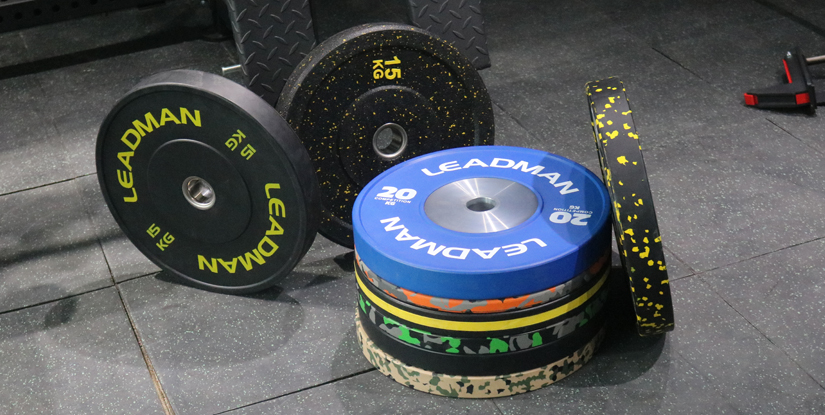
Scalability is another critical factor for facility expansions. We maintain high factory capacity to support large-scale global distribution without compromising lead times. Whether you are sourcing single specialized units or massive bulk gym weight sets, our systems are optimized for MOQ compliance and logistical precision. Furthermore, we prioritize shipment stability by utilizing reinforced, moisture-controlled packaging protocols. This minimizes transit damage and ensures that your commercial grade barbell weights arrive in optimal condition, ready for immediate deployment in any high-traffic fitness environment.
Standardizing Bulk Gym Weight Sets for Global Export Compliance
For high-volume distributors and gym developers, the primary risk in international procurement is material inconsistency. Relying on substandard industrial strength iron plates can lead to significant CAPEX losses due to uneven wear or non-compliance with international trade regulations. To mitigate these risks, a factory must implement rigorous quality control (QC) standards that go beyond basic aesthetics.
Reliable manufacturing requires strict adherence to ISO certification protocols to ensure every shipment meets global structural requirements. Precision is critical; even a minor deviation in dimensional tolerance can prevent metal weight plates from fitting correctly on standard Olympic barbells, leading to client dissatisfaction and high return rates. Furthermore, our production processes prioritize uniformity in weight distribution across bulk gym weight sets. This ensures that every plate in a shipment—regardless of the origin—maintains a consistent center of gravity and weight accuracy, providing the long-term durability required for high-traffic commercial grade barbell weights.
Beyond structural precision, long-term ROI is dictated by the surface engineering of your inventory. For facilities facing extreme turnover, the high-traffic wear resistance of your equipment determines the frequency of replacement cycles. We prioritize advanced powder coating durability to ensure that the exterior finish remains intact even under heavy mechanical stress. This robust finish provides essential corrosion resistance, protecting the core iron from oxidation in humid or high-use environments, which is a critical factor for international shipping and long-term storage stability.
Optimizing your facility's lifecycle management also requires minimal preventative maintenance. By sourcing metal weight plates with superior surface integrity, procurement officers can reduce labor costs associated with cleaning and rust remediation. Investing in high-spec commercial grade barbell weights ensures that the equipment maintains its professional aesthetic and functional utility for years, effectively lowering the total cost of ownership (TCO) for global distributors and large-scale fitness operators alike.
To facilitate informed decision-making, procurement officers must evaluate the intersection of material science and operational overhead. Selecting the correct finish is not merely an aesthetic choice; it is a strategic decision regarding the logistics/shipping durability and the long-term maintenance lifecycle of your bulk gym weight sets. Below is a technical comparison designed to assist in your CAPEX planning and inventory management.
| Finish Type | Maintenance Frequency | Durability Rating | Primary Use Case |
|---|---|---|---|
| Cast Iron (Powder Coated) | Moderate (Annual Inspection) | High | Standard Commercial Gyms |
| Rubber-Coated | Low (Routine Cleaning) | Very High | High-Impact/Drop Zones |
| Stainless Steel | Minimal (Occasional Wipe) | Extreme | Premium/Outdoor/High-Humidity |
When sourcing metal weight plates at scale, consider how the finish affects shipping stability. While cast iron offers excellent industrial strength iron plates stability, rubber-coated options provide enhanced shock absorption, reducing the risk of surface chipping during transit. Choosing the correct specification ensures your commercial grade barbell weights remain a high-performing asset rather than a maintenance liability.
Optimizing Material Integrity in Commercial Grade Barbell Weights
For facility managers and international distributors, the long-term ROI of a fitness build-out hinges on the selection of high-density components. Standard retail options often fail under the rigors of constant use, leading to premature replacement cycles and increased maintenance costs. To mitigate these risks, procurement specialists should prioritize industrial strength iron plates engineered for maximum structural integrity.
High-quality metal weight plates are defined by their material density and resistance to deformation. In high-volume training environments, equipment undergoes extreme mechanical stress; therefore, sourcing commercial grade barbell weights with precision-milled edges and reinforced casting is essential. By investing in superior high-traffic durability, distributors can ensure their inventory withstands the heavy-duty demands of professional strength clubs, ultimately protecting the client's CAPEX through extended product lifecycles and reduced turnover rates.
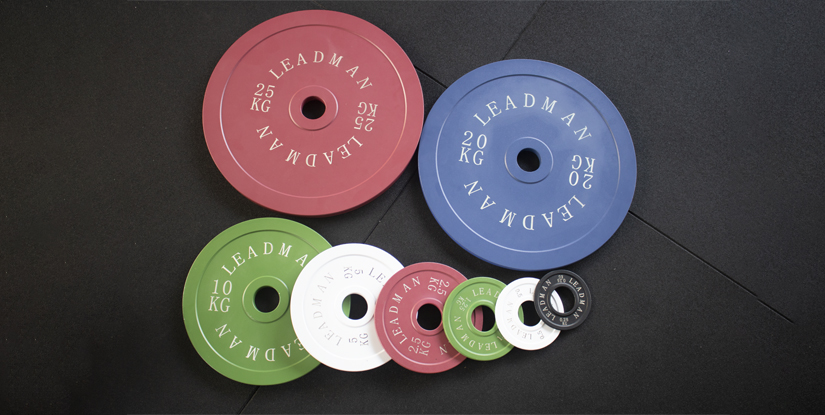
To ensure long-term reliability, procurement officers must evaluate the specific metallurgical standards applied during the manufacturing process. Low-tier imitations often utilize recycled scrap with inconsistent impurities, leading to uneven weight distribution and structural failure. In contrast, premium metal weight plates undergo rigorous QC protocols, including ultrasonic testing and precision calibration, to guarantee weight accuracy within a strict tolerance margin. Furthermore, superior corrosion resistance is achieved through advanced powder coating or high-grade galvanization, preventing oxidation in humid or high-use environments.
The following table assists buyers in differentiating between standard and high-performance specifications when sourcing bulk gym weight sets:
| Feature | Standard Cast Iron | Premium Industrial Strength Iron Plates |
|---|---|---|
| Material Composition | Mixed Recycled Scrap | High-Density Virgin Iron/Steel |
| Surface Treatment | Basic Paint/Zinc | Advanced Anti-Corrosion Coating |
| Tolerance Level | ± 3% to 5% | ± 0.5% to 1% (Precision Milled) |
| Durability Profile | High Replacement Rate | Optimized for High-Traffic Longevity |
Selecting commercial grade barbell weights with these technical benchmarks ensures your facility or distribution network remains competitive by minimizing the total cost of ownership.
Beyond technical specifications, successful procurement requires a robust logistical strategy centered on factory-direct sourcing. For large-scale gym builds or international distributors, relying on fragmented supply chains introduces unnecessary risk. To maintain predictable long-term replacement cycles, buyers should partner with manufacturers capable of managing high-volume bulk gym weight sets while maintaining strict MOQ (Minimum Order Quantity) flexibility. This direct relationship ensures that quality control remains consistent from the casting floor to the final container load.
Scaling Procurement with Logistical Reliability
Effective scaling depends on more than just product quality; it requires shipping stability and predictable lead times. When ordering metal weight plates in volume, any disruption in the transit pipeline can stall facility openings or disrupt regional distribution. We recommend vetting suppliers based on their ability to provide transparent documentation and standardized packaging that protects industrial strength iron plates during long-haul maritime transport. By securing a direct line to the production source, procurement specialists can better manage inventory turnover and mitigate the volatility often found in secondary wholesale markets.
OEM Customization and Manufacturing Quality Control Protocols
Optimizing your capital expenditure requires a strategic shift from retail-style purchasing to high-volume industrial sourcing. When procuring metal weight plates for large-scale facility rollouts, the most significant lever for unit cost reduction is leveraging economies of scale through direct factory orders. By committing to higher Minimum Order Quantities (MOQ), procurement managers can significantly lower the landed cost per kilogram compared to fragmented, small-batch shipments.
Furthermore, high-volume manufacturing allows for sophisticated custom branding/logos integration, which elevates your facility's brand authority without the premium price tag of boutique fitness brands. Investing in bulk gym weight sets through an OEM partnership ensures that your equipment meets rigorous durability standards while maintaining a competitive edge in your market. Rather than settling for generic stock, sourcing industrial strength iron plates via direct manufacturing channels allows you to dictate both the technical specifications and the long-term ROI of your equipment inventory.
To secure a high long-term ROI, procurement officers must look beyond the initial invoice and scrutinize the manufacturing rigor behind every unit. Low-cost alternatives often fail due to lax QC testing standards, resulting in uneven weight distribution or structural flaws. Our production protocols prioritize material integrity, utilizing high-grade casting processes that ensure every plate meets strict tolerance precision requirements. This level of technical accuracy is vital for high-traffic facilities where slight deviations in weight can disrupt training flow and damage client trust.
By enforcing these stringent manufacturing benchmarks, we focus on preventing premature replacement costs—a common pitfall in low-tier sourcing. Investing in true industrial strength iron plates means your facility avoids the recurring CAPEX cycles caused by cracked edges or oxidized surfaces. For distributors and gym owners, selecting commercial grade barbell weights produced under rigorous oversight is not just a quality preference; it is a fundamental risk-management strategy to ensure equipment longevity and operational stability.
To mitigate procurement risks, buyers must evaluate the technical specifications that differentiate high-performance equipment from substandard alternatives. Relying on a single price point is a mistake; instead, evaluate the manufacturer’s ability to maintain precision across high-volume production runs. The following comparison highlights the technical benchmarks required for professional-grade procurement.
Table: Standard vs. Premium Manufacturing Specs
| Technical Metric | Standard Grade (Retail/Home) | Premium Commercial Grade Barbell Weights |
|---|---|---|
| Weight Tolerance Levels | ± 3% to 5% deviation | ± 0.5% to 1% precision |
| Surface Finish Consistency | Variable/Rough texture | Uniform, smooth-cast finish |
| Coating Durability | Basic powder coat (prone to chipping) | High-adhesion, impact-resistant coating |
| Edge Integrity | Irregular/Sharp edges | Precision-beveled/Smooth edges |
Selecting high-tier metal weight plates with strict weight tolerance levels ensures that your bulk gym weight sets remain balanced and professional. Prioritizing high coating durability and surface finish consistency reduces long-term maintenance overhead, ensuring your facility's assets remain functional and aesthetically consistent under heavy usage.
Logistics Management and Container Optimization for Heavy Metal Shipments
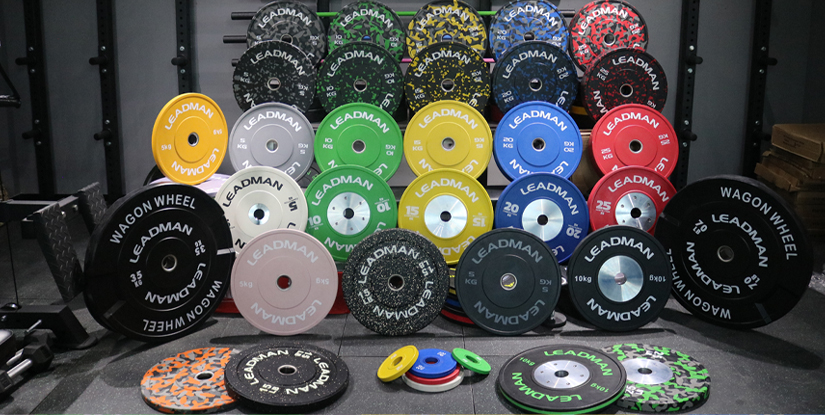
Procuring bulk gym weight sets involves more than just selecting high-quality iron; it requires mastering the physics of high-density logistics. Because metal weight plates possess extreme mass-to-volume ratios, improper shipping configurations can lead to catastrophic freight overhead or damaged shipments. For international distributors and gym owners, the primary challenge lies in balancing weight limits with volumetric capacity to ensure high-density cargo management remains efficient during transit.
To protect your CAPEX, our factory implements rigorous container optimization protocols. By utilizing specialized palletizing techniques and reinforced crating, we maximize the payload of every 20ft or 40ft container. This precision is vital for freight cost reduction, ensuring you aren't paying for empty air while simultaneously avoiding the heavy surcharges associated with overweight containers. Efficient loading strategies ensure your commercial grade barbell weights arrive in optimal condition, ready for immediate deployment in high-traffic facilities.
| Storage & Shipping Method | Density Management | Freight Efficiency | Risk Level |
|---|---|---|---|
| Standard Palletization | Moderate | Medium | Low |
| Optimized High-Density Loading | Maximum | High | Medium |
| Loose Cargo (Bulk) | Extreme | Very High | High |
Advanced Protective Packaging and Transit Integrity
Beyond density management, the physical integrity of your industrial strength iron plates depends on rigorous wholesale shipping protocols. High-density metal is susceptible to surface oxidation and edge deformation if exposed to moisture or excessive friction during sea freight. To mitigate these risks, our facility utilizes a multi-layered protective coating and specialized wrapping systems that act as a barrier against humidity and salt air.
We adhere to strict palletization standards to ensure structural stability. Each unit is secured with heavy-duty strapping and reinforced corner protectors to prevent shifting within the container. This systematic approach to transit damage prevention ensures that your metal weight plates arrive at your facility without cosmetic flaws or structural compromises. By prioritizing these technical packaging requirements, we reduce the likelihood of costly returns and ensure your procurement cycle remains seamless and cost-effective.
Technical Specifications for Container Payload Planning
Effective procurement of commercial grade barbell weights requires precise calculation of weight-to-volume ratios to avoid port surcharges or underutilized shipping lanes. For distributors, the bottleneck is rarely volume, but rather the maximum payload capacity of the vessel. To assist in your inventory forecasting and wholesale shipping planning, we have provided a technical breakdown of typical container capacities for metal weight plates.
The following table outlines the theoretical maximums for industrial strength iron plates. Please note that actual loading may vary based on pallet dimensions, reinforced crating requirements, and specific regional road weight limits for final-mile delivery.
| Container Type | Estimated Weight Capacity (Metric Tons) | Volume Utilization Strategy | Best Use Case |
|---|---|---|---|
| 20ft Standard Container | 25 – 28 MT | High-Density / Low Volume | Targeted bulk gym weight sets |
| 40ft High Cube Container | 26 – 29 MT | High-Density / Low Volume | Large-Scale Facility Replenishment |
| 40ft Container (Mixed Cargo) | 24 – 27 MT | Hybrid Volume/Weight | Mixed Equipment & metal weight plates |
When ordering commercial grade barbell weights, we recommend consulting our logistics department to optimize your MOQ (Minimum Order Quantity) against these capacity limits. This ensures your freight-per-unit ratio remains at the most competitive level for your market.
Evaluating Long-Term ROI through Material Selection and Finish Durability
For facility owners and procurement managers, the initial purchase price of equipment is often secondary to the total cost of ownership. Selecting high-quality metal weight plates is a strategic decision that directly impacts your long-term CAPEX. Low-grade alloys often suffer from inconsistent material density, leading to uneven weight distribution that can compromise barbell balance and user safety over time.
Investing in industrial strength iron plates ensures that your facility can withstand the rigorous wear and tear in high-traffic environments typical of Tier-1 commercial gyms. Beyond structural integrity, the quality of the surface finish is a critical variable. Superior corrosion resistance—achieved through advanced powder coating or specialized plating—prevents oxidation and rust, even in humid or high-use training zones. By sourcing from manufacturers with strict quality control and high-spec production capabilities, distributors can minimize replacement cycles and maintenance costs. Choosing premium commercial grade barbell weights reduces the frequency of re-ordering, ultimately protecting your bottom line through enhanced durability and a longer lifecycle for your gym assets.
Technical Comparison: Surface Finish and Lifecycle Value
When sourcing bulk gym weight sets, the technical distinction between powder coating vs. electroplating determines your long-term maintenance costs. While electroplating offers a sleek, thin layer, powder coating provides a thicker, more resilient barrier against impacts and oxidation. For high-traffic facilities, the surface durability of a premium finish is a vital metric for calculating true ROI, as it prevents the unsightly rust and chipping that devalues equipment in secondary markets.
Procurement officers must weigh the immediate cost savings of basic finishes against the long-term stability of high-spec coatings. Selecting metal weight plates with superior protective layers minimizes the need for frequent asset replacement and reduces labor-intensive cleaning. Below is a technical breakdown to assist in your strategic sourcing decisions.
| Finish Type | Surface Durability | Lifespan Expectancy | Maintenance Level |
|---|---|---|---|
| Standard Electroplating | Moderate | Medium | High (Requires frequent cleaning) |
| Industrial Powder Coating | High | Long-Term | Low (Highly resistant to abrasion) |
| Advanced Chrome Plating | Very High | Extended | Minimal (Optimal for premium tiers) |
Optimizing Sourcing Logistics and Supply Chain Reliability
Maximizing ROI extends beyond the physical product; it requires a sophisticated approach to procurement logistics. When ordering bulk gym weight sets, the risk of receiving inconsistent batches increases without rigorous QC protocols. Discrepancies in weight tolerance or finish quality can lead to costly returns and operational downtime. To mitigate these risks, professional buyers should prioritize factory-direct sourcing. This direct line to the manufacturing source ensures full transparency regarding raw material density and the precision of the casting process.
Furthermore, a reliable partner must offer clear communication regarding MOQ and shipping reliability. For large-scale commercial rollouts, even minor delays in the arrival of commercial grade barbell weights can disrupt facility launch timelines and impact projected revenue. High-tier suppliers provide predictable lead times and robust packaging solutions designed to withstand international transit, ensuring your metal weight plates arrive in factory-spec condition. By integrating strict quality oversight with streamlined logistics, procurement managers can secure high-performance assets while maintaining strict control over their global supply chain expenditures.