Wholesale Commercial Metal Weight Plates | Heavy-Duty Cast Iron Plates
Defining Commercial Metal Weight Plates for High-Traffic Facilities
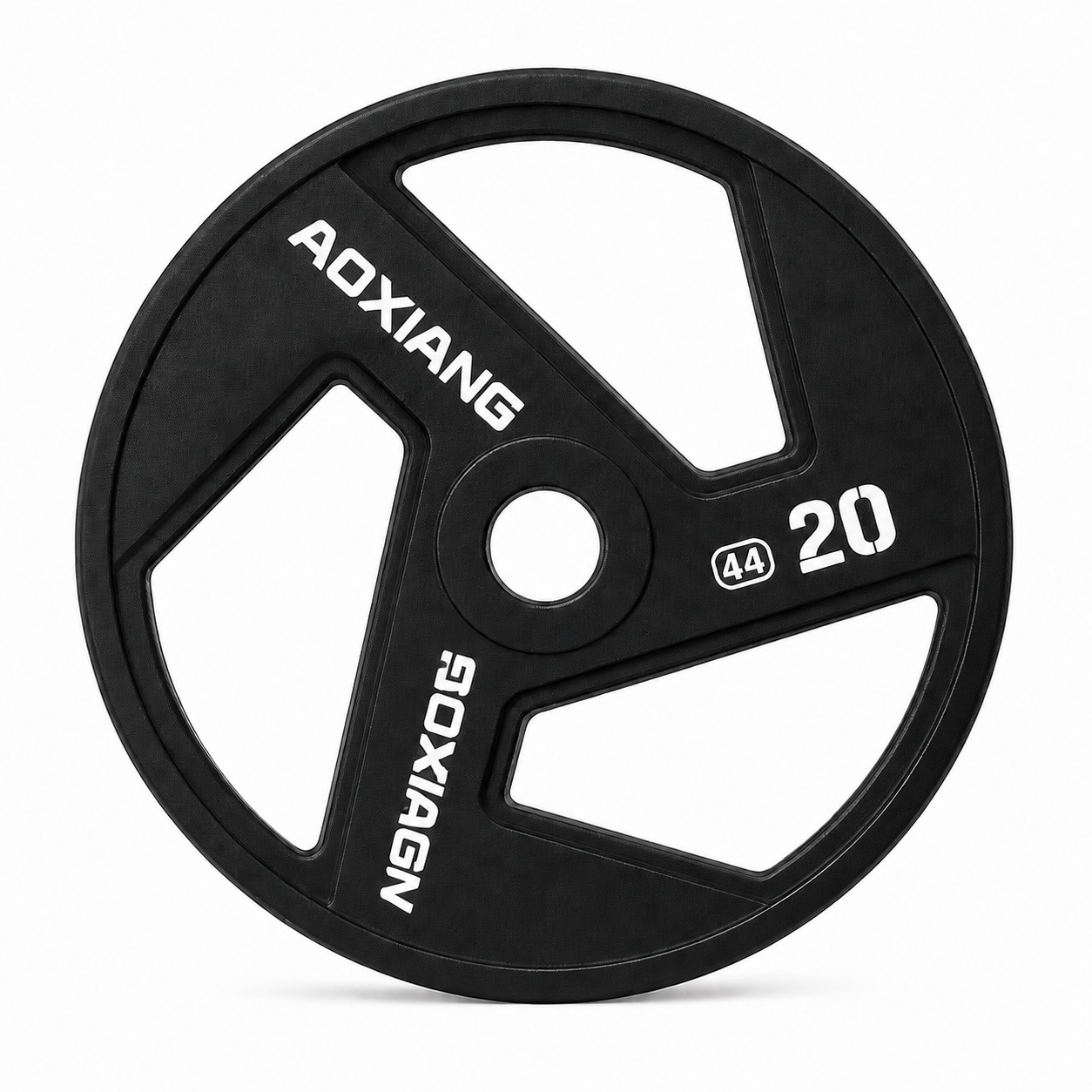
Professional-grade commercial metal weight plates are high-density cast iron plates engineered for extreme durability, weight precision, and space efficiency. Unlike consumer-grade iron, these commercial metal weight plates feature a strict weight tolerance (typically ±1%) and slim profiles to maximize barbell loading capacity and floor space in elite training facilities.
When outfitting a commercial facility, the choice of plate material directly impacts your bottom line. We see many gym owners initially attracted to lower-cost rubber-coated alternatives, only to realize that the long-term ROI of commercial metal weight plates is significantly higher. High-traffic clubs require equipment that withstands 24/7 abuse without cracking, peeling, or losing weight accuracy. For distributors, stocking commercial weight plates in canada or the US market requires a product that meets these industrial standards to avoid high return rates and warranty claims.
The Durability Gap: Why Cast Iron Outperforms Rubber-Coated Plates in ROI
The primary pain point for facility managers is the "replacement cycle." Low-quality rubber-encased plates often suffer from internal ring separation and outer coating degradation within 12 to 18 months of heavy use. This failure doesn't just look unprofessional; it creates a safety liability and requires constant reinvestment of capital. If you are managing multiple locations, the administrative burden of tracking and replacing broken plates can erode your operational margins.
Agitating this issue further is the aesthetic decline. Cracked rubber and peeling urethane make a premium gym look neglected. Members paying for high-end strength training expect equipment that feels "hardcore" and reliable. Commercial metal weight plates solve this by utilizing high-strength gray iron casting. These plates do not have a coating to peel or a shell to crack. A high-quality powder coat or e-coat finish ensures that even after years of clashing on a deadlift platform, the commercial metal weight plates maintain their structural integrity and professional appearance.
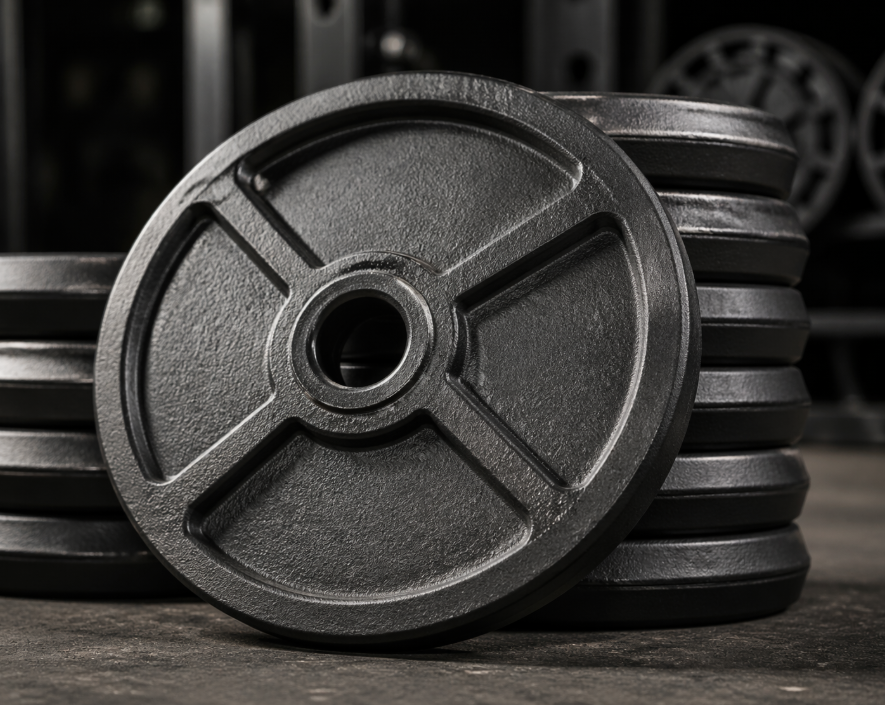
From a procurement perspective, the "Total Cost of Ownership" (TCO) is where metal truly shines. While the upfront cost of commercial weight plates in canada or other major markets might be comparable to mid-range rubber plates, the lifespan of metal is measured in decades, not months. For a 30-unit franchise, switching to commercial metal weight plates can reduce equipment maintenance and replacement costs by up to 40% over a five-year period.
Total Cost of Ownership (TCO) Analysis: Metal vs. Urethane
For a gym owner or a volume distributor, the unit price is only one part of the financial equation. We analyze the Total Cost of Ownership (TCO) by looking at the lifecycle of the equipment. When you purchase commercial metal weight plates, you are investing in an asset that does not depreciate through structural wear. Urethane and rubber-coated plates, while popular, carry a hidden "replacement tax" because the bonding agents eventually fail under the high-impact stress of a commercial environment.
If your facility operates 24/7 or caters to heavy lifters, the agitation of constantly auditing your inventory for cracked plates is a significant time sink. Every broken plate is a "dead asset" that takes up space but cannot be used safely. By shifting your procurement strategy toward commercial metal weight plates, you stabilize your inventory costs. Below is a standard industry comparison of how these materials perform over a 5-year commercial lifecycle.
| Factor | Standard Rubber/Urethane | Commercial Metal Weight Plates |
|---|---|---|
| Average Lifespan | 2–4 Years (High use) | 15+ Years / Lifetime |
| Maintenance Required | Frequent cleaning & inspections | Occasional dusting / wipe down |
| Weight Accuracy | Typically ±3% to 5% | Industry-standard ±1% |
| Resale Value | Low (Degrades over time) | High (Material value remains) |
| 5-Year Replacement Rate | 20% – 30% typically | 0% – 2% typically |
Precision Weight Tolerance: The Engineering Behind Professional Standards
One of the most overlooked aspects of bulk procurement is weight consistency. For a distributor shipping commercial weight plates in canada or across the US, inconsistent weight is the fastest way to damage your brand reputation. If a client buys a 45lb plate that actually weighs 42lbs, it creates an imbalanced load on the barbell, leading to poor training results and potential injury. Professional commercial metal weight plates are manufactured using gravity casting or CNC machining to ensure every unit meets strict tolerance standards.
Our engineering process focuses on a ±1% weight tolerance. In a B2B context, this precision is vital for competitive gyms and powerlifting clubs where every pound matters. We achieve this through rigorous quality assurance protocols at the foundry level. By controlling the purity of the iron and the cooling rate of the molds, we eliminate the air pockets and "hollow spots" common in cheap consumer iron. When you are sourcing commercial metal weight plates, you aren't just buying heavy objects; you are buying calibrated tools that ensure the integrity of your members' training data.
Slim-Profile Design: Maximizing Barbell Loading Capacity and Floor Space
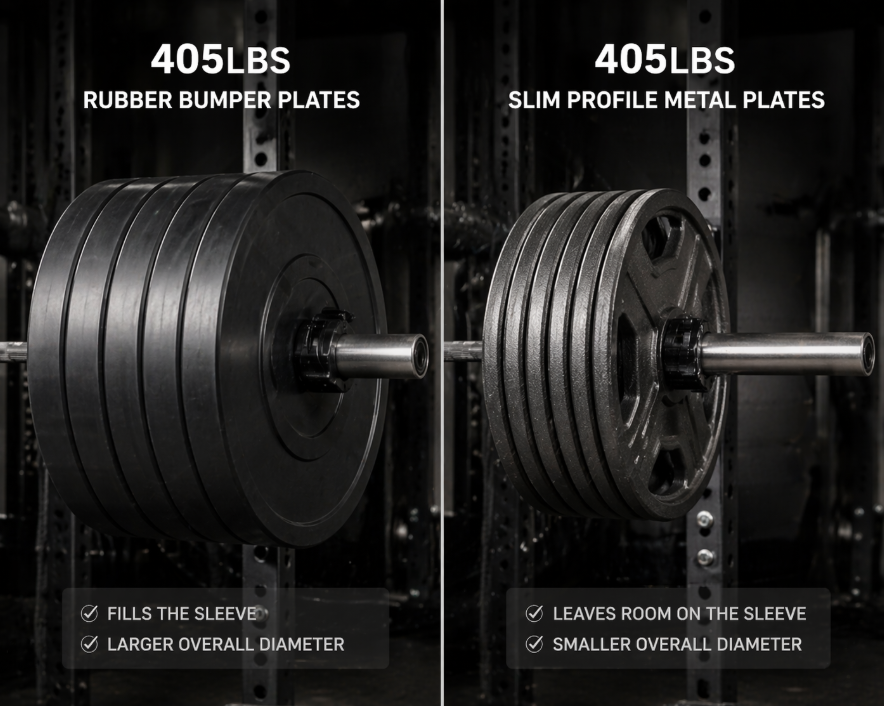
One of the most significant logistical pains for high-performance gym owners is the physical thickness of equipment. Standard rubber bumper plates are notoriously bulky, often allowing only four or five 45lb plates on each side of a barbell. This limitation agitates your strongest members who require higher loading capacities for deadlifts and squats. By switching to commercial metal weight plates, you effectively double the available "real estate" on the barbell sleeve, allowing for loads exceeding 700lbs without specialized long-sleeve bars.
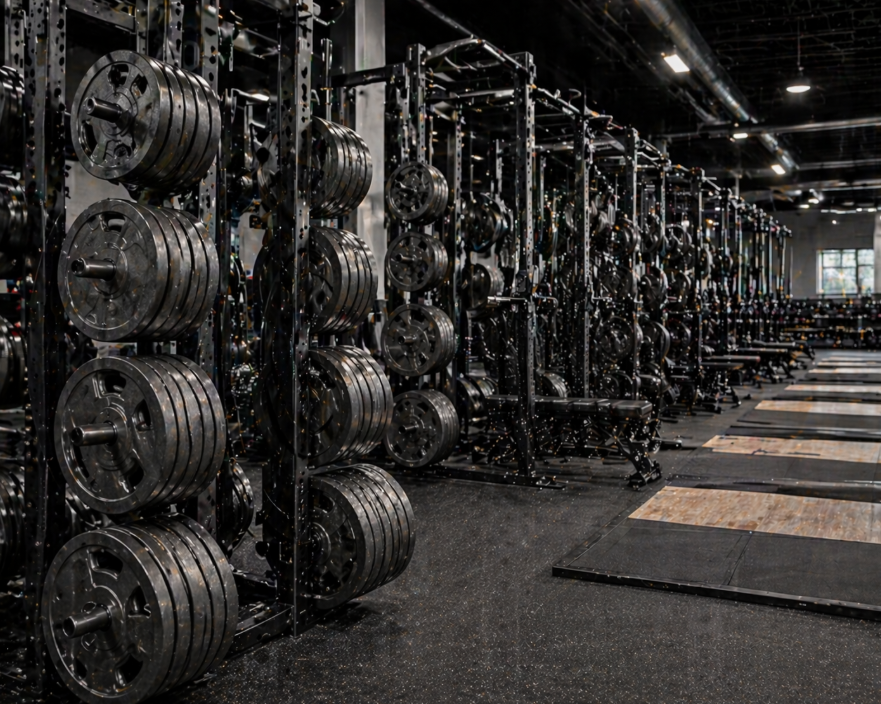
Beyond the barbell, the slim profile of commercial metal weight plates translates directly to better "rent-per-square-foot" efficiency. In a facility with 2,000 square feet, every inch of storage matters. Metal plates allow you to fit more weight onto a single vertical rack, reducing the number of storage trees needed on the floor. For those sourcing commercial weight plates in canada or the US where commercial real estate costs are at a premium, optimizing your storage footprint is a direct way to improve the flow and safety of your training zones.
Anti-Corrosion Finishes: Ensuring Longevity in Commercial Environments
In a high-traffic gym, plates are constantly exposed to sweat, humidity, and high-impact friction. The "cheap iron" plates often found in retail stores use basic spray paint that flakes off within weeks, exposing the raw iron to oxygen and causing rapid oxidation. Rust is a dealbreaker in a professional setting; it stains members' clothes, damages your flooring, and makes a premium facility look like a neglected garage. When we consult on commercial metal weight plates, we focus heavily on the finishing process to prevent these maintenance headaches.
Our commercial metal weight plates utilize advanced powder coating or e-coat (electrostatic) finishes that are chemically bonded to the iron. This isn't just about aesthetics; it’s a protective barrier that resists chipping even during heavy clashing. For distributors stocking commercial weight plates in canada, where temperature fluctuations in warehouses can lead to condensation and rust, these industrial-grade finishes are essential for maintaining "new-in-box" quality during long-term storage. Investing in high-quality finishes means your staff spends less time on maintenance and your facility retains its "day one" professional appearance for years.
Case Study: A 50-Ton Equipment Upgrade for Titan Performance
In 2023, Titan Performance, a rapidly expanding commercial gym chain with 30 locations in North America, faced a critical operational bottleneck. Their existing inventory of rubber-encased plates was failing at an unsustainable rate. The rubber was cracking under the stress of high-frequency use, and the odor from off-gassing was a constant member complaint. They needed a "hardcore" industrial aesthetic that could withstand 24/7 abuse while reinforcing their brand’s premium identity. We stepped in to provide a comprehensive solution involving 50 tons of custom commercial metal weight plates.
Our team managed the transition by designing a custom mold that incorporated Titan’s embossed logo directly into the cast iron, creating a permanent branding element that cannot peel or fade. We implemented a strict ±1% weight tolerance protocol, ensuring that every plate in all 30 facilities provided a consistent training experience. By choosing commercial metal weight plates over rubber alternatives, Titan Performance saw a 40% reduction in equipment maintenance and replacement costs within the first year. The "old school" sound of metal clashing resonated with their serious lifters, significantly enhancing the professional atmosphere of their strength zones.
B2B Logistics: Reducing Landed Costs Through Optimized Palletization
For distributors and large-scale facility managers, the shipping of heavy iron is often the most significant hidden cost. If you are ordering commercial weight plates in canada or the US, the price per pound is heavily influenced by how the cargo is palletized and transported. Poorly packed heavy goods lead to damaged crates and increased labor costs during unloading. Our logistics team focuses on maximizing "pallet density" to ensure you aren't paying to ship air.
By optimizing the stack height and using reinforced industrial pallets, we reduced shipping costs for Titan Performance by 15% through a coordinated sea-rail intermodal strategy. For a B2B buyer, this means a lower landed cost and a higher margin on resale. We also utilize moisture-resistant shrink-wrap and edge-protection to ensure that even during long-haul transit, the finish of your commercial metal weight plates arrives in showroom condition. When evaluating a supplier, always look beyond the unit price and analyze the total logistics efficiency; it is often the difference between a profitable equipment upgrade and a budget overrun.