Wholesale Commercial Kettlebells | Heavy-Duty Cast Iron & Steel
Defining Commercial Kettlebells for Professional Facilities
High-quality commercial kettlebells are precision-engineered strength tools featuring single-piece gravity casting and industrial-grade powder coating. Designed for 24/7 facility use, these commercial grade kettlebells ensure weight accuracy within ±1% and offer standardized handle diameters to maintain consistent training protocols across professional fitness environments.
When outfitting a strength zone, procurement managers often overlook the long-term impact of equipment consistency. Choosing commercial kettlebells over retail-grade alternatives is about more than just weight; it is about reducing the total cost of ownership. Poorly manufactured bells lead to frequent replacements and member dissatisfaction. Professional commercial grade kettlebells provide the structural integrity required to survive the high-impact environment of a busy CrossFit box or global gym franchise.
The "Retail Trap": Why Cheap Kettlebells Are an Operational Liability
I have consulted with numerous facility owners who initially sourced equipment from big-box retail stores to save on upfront capital expenditure. This is almost always a short-sighted strategy that leads to higher operational costs. Retail-grade units typically utilize two-piece construction where the handle is welded to the bell. In a commercial setting, these welds are prone to failure under the stress of high-velocity swings or accidental drops. A handle snapping mid-set is not just an equipment failure; it is a major safety liability that can jeopardize your business.
The pain of inconsistent sizing also creates friction in professional coaching. If the bells in your commercial kettlebell set have varying handle diameters or window sizes across the same weight increments, it disrupts the "muscle memory" of your athletes. This inconsistency agitates members and slows down class transitions. Professional commercial kettlebells utilize standardized molds, ensuring that a 16kg bell feels exactly like an 18kg bell in terms of grip and balance. By investing in commercial grade kettlebells, you eliminate these operational headaches and provide a seamless training experience that supports member retention and safety.
Surface Integrity: Why Powder Coating is the Industry Standard for ROI
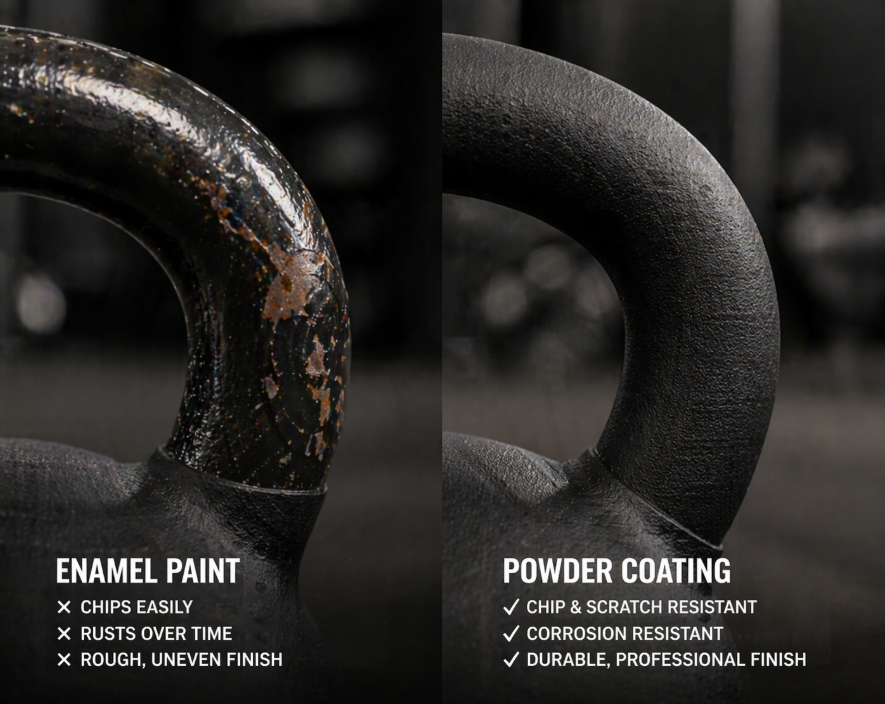
Surface failure is the most common reason a commercial kettlebell set is pulled from the floor. Cheap enamel or vinyl coatings are prone to chipping when bells clatter together on a rack. Once the coating is compromised, the exposed iron begins to oxidize. For a gym owner, this creates a maintenance nightmare: rust stains on the floor, rusty flakes on members' hands, and a facility that looks neglected. Replacing a set because of surface degradation is a preventable expense that eats into your monthly revenue.
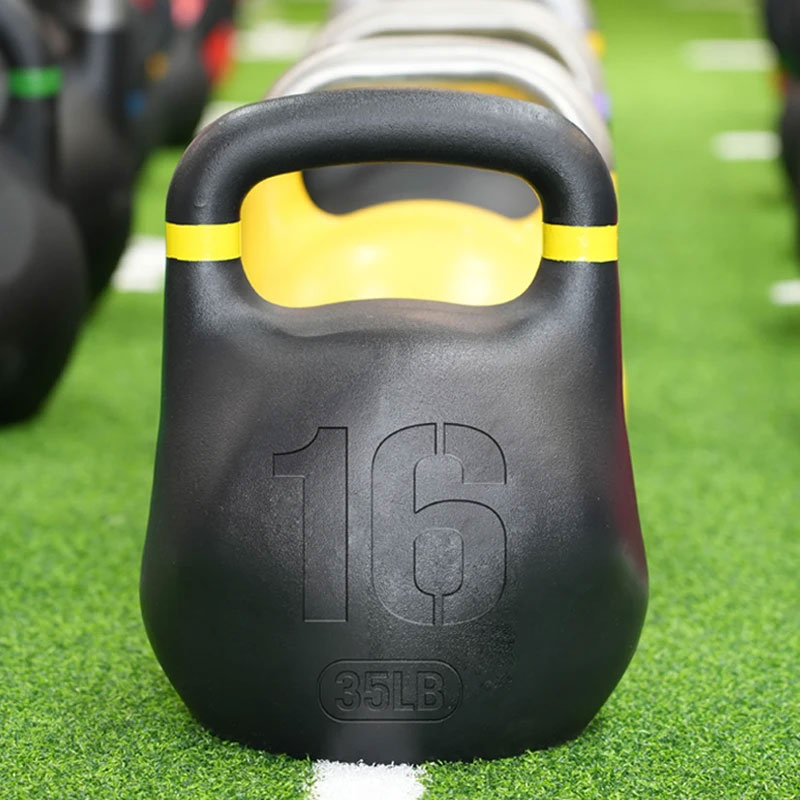
To solve this, professional commercial kettlebells utilize industrial-grade powder coating. This finish is electrostatically applied and cured under heat to create a resilient, textured surface that bonds to the iron. From a B2B perspective, powder coating offers superior ROI because it holds chalk better, reducing the amount of grip-aid your staff has to clean up, and it resists the sweat-induced corrosion typical in high-intensity studios. When you invest in commercial grade kettlebells with this finish, you are buying years of service without the need for sanding or repainting.
Gravity Casting vs. Traditional Sand Casting: Engineering for Longevity
The manufacturing process determines the weight consistency and structural safety of your inventory. Traditional sand casting is commonly used for budget equipment, but it often results in internal air pockets and surface voids. For a distributor stocking a commercial kettlebell set, these voids lead to weight discrepancies that exceed industry standards. If a client buys a 24kg bell that weighs 22.5kg because of a hidden air pocket, your reputation as a reliable supplier is damaged immediately.
We prioritize commercial kettlebells manufactured through gravity casting. This process involves pouring molten iron into a permanent steel mold, which ensures a denser, more uniform structure. The result is a single-piece casting without welds or seams. For the facility owner, this means the handle will never separate from the bell, and the weight tolerance stays within a strict ±1% range. Choosing commercial grade kettlebells built with gravity casting ensures that your training protocols are based on accurate data, which is essential for high-performance coaching and tracking member progress.
Comparing Equipment Standards: Competition Steel vs. Commercial Cast Iron
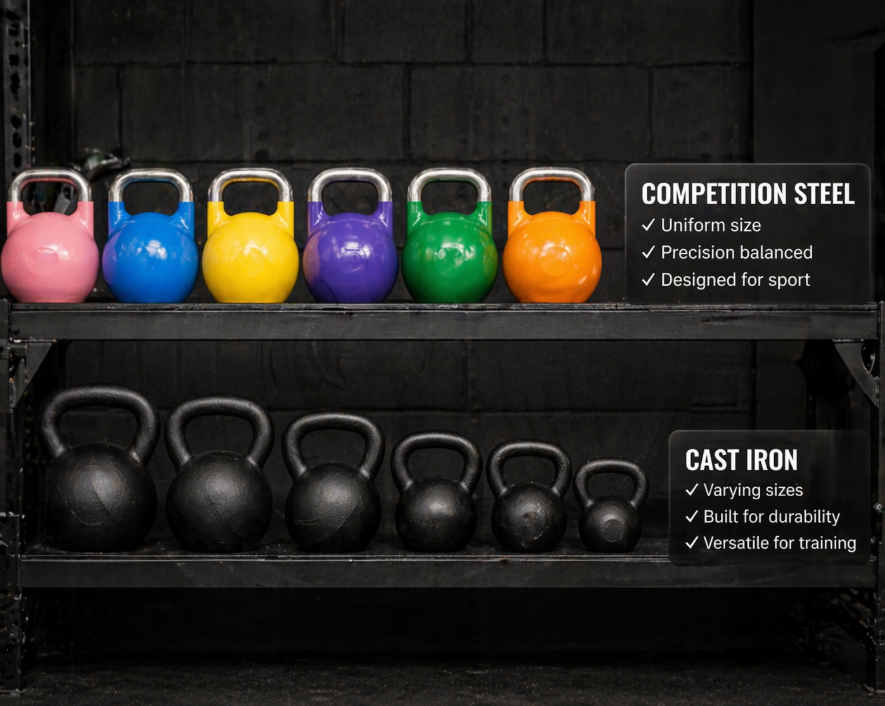
Deciding between cast iron and steel is a fundamental procurement hurdle for most gym owners. Both types have a place in a commercial kettlebell set, but they serve different business models. If you are running a general fitness club or a high-volume functional training zone, cast iron is often the most cost-effective choice. However, if your facility caters to competitive athletes or hosts sanctioned lifting events, high-grade steel competition bells are necessary to maintain the standards expected by that demographic.
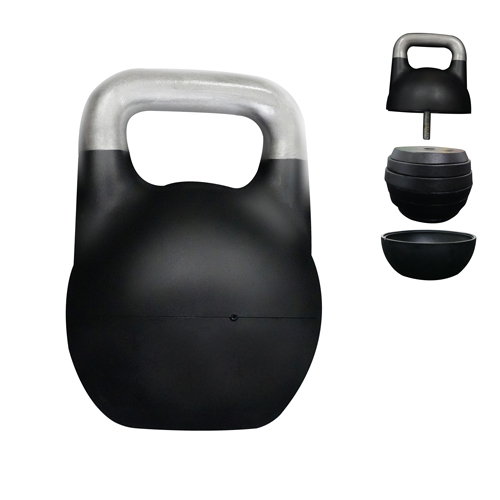
The core difference for a B2B buyer lies in size standardization. In a commercial kettlebell set made of cast iron, the physical size of the bell increases as the weight goes up. In contrast, competition steel bells maintain the same external dimensions regardless of weight. This allows for a consistent lifting technique as the athlete progresses. Below is a comparison to help you determine which commercial kettlebells offer the best fit for your facility's ROI requirements.
| Feature | Commercial Cast Iron | Professional Competition Steel |
|---|---|---|
| Material Structure | Single-piece gravity cast iron | Hollow-core steel shell |
| Dimensions | Scales up with weight | Uniform size for all weights |
| Ideal For | General strength, high-volume use | Technical training, competition |
| Surface Finish | Powder coat (standard) | Bare steel handle / Painted bell |
| Weight Tolerance | ±1% to ±2% | Precision ±100g typically |
| Procurement Cost | Moderate (High ROI) | Premium (Lower margin) |
Ergonomic Precision: The Impact of Handle Diameter on Member Retention
Member retention is often tied to the "feel" of the equipment. A common pain point in budget gyms is the use of kettlebells with inconsistent or overly thick handles. When a handle is too thick, it causes premature forearm fatigue, which prevents the member from completing their workout effectively. This frustration agitates the training experience and can lead to members seeking facilities with better-engineered commercial grade kettlebells. In a professional setting, the ergonomics of the grip are just as critical as the weight itself.
Our commercial kettlebells are designed with standardized handle diameters based on physiological data. We typically implement a 33mm handle for lighter weights (8kg–12kg) to accommodate smaller hands and a 35mm handle for weights 16kg and above. This consistency allows for a secure grip during high-intensity swings and snatches, reducing the risk of the bell slipping due to sweat or poor ergonomics. By providing your members with commercial kettlebells that feel "right" in the hand, you reduce the barrier to entry for beginners and provide the reliability required by advanced lifters, directly supporting the long-term health of your membership base.
Case Study: Standardizing Vanguard Strength’s 15-Location Rollout
In 2022, Vanguard Strength, a high-end boutique fitness chain based in California, faced a major operational bottleneck. Their existing inventory was a patchwork of retail-grade equipment sourced from various vendors. The lack of uniformity in their commercial kettlebell set meant that a 16kg bell in one facility had a significantly different handle thickness than the same weight in another location. Furthermore, the cheap paint on their existing bells was flaking off, causing hand abrasions and creating a "low-rent" aesthetic that clashed with their premium membership pricing.
We implemented a complete standardization project for all 15 Vanguard locations. By supplying a unified range of commercial kettlebells, we ensured that every member experienced the same 33mm to 35mm ergonomic handle diameter regardless of which branch they visited. We utilized our proprietary gravity casting process to eliminate surface burrs and applied a heavy-duty matte powder coat for superior grip and durability. Within the first year, Vanguard reported a 50% reduction in equipment maintenance costs and a measurable increase in member satisfaction scores regarding equipment quality.
B2B Logistics and OEM: Building Your Brand with Private Label Solutions
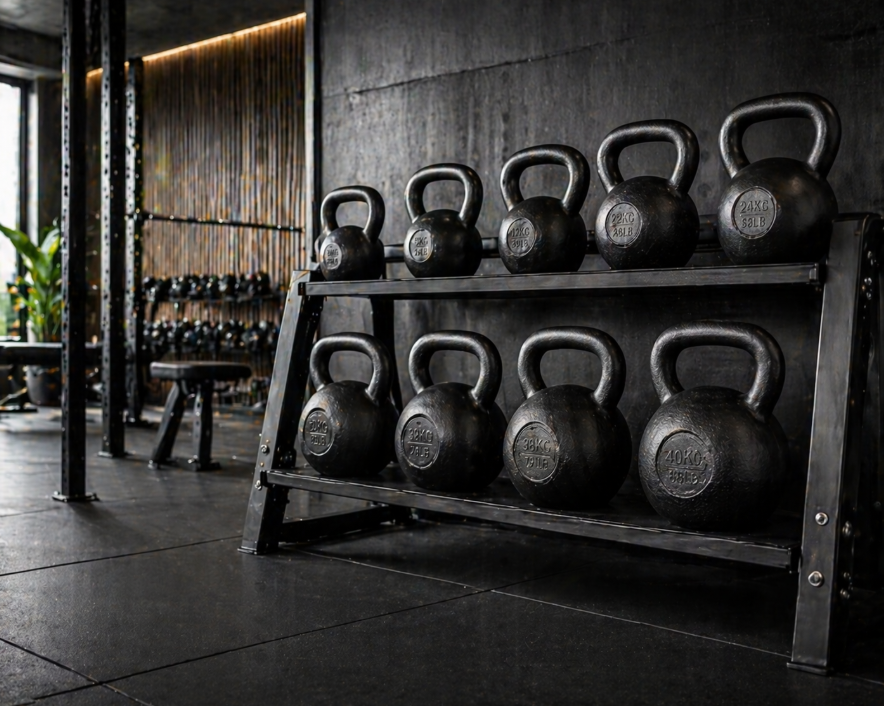
For large-scale distributors and gym franchises, the equipment on the floor is a reflection of the brand's authority. One of the primary pains in B2B procurement is the "generic" look of standard equipment. To solve this, we offer comprehensive OEM and private label services for commercial kettlebells. By incorporating your logo directly into the cast iron mold, we create a permanent branding element that cannot be removed or worn away. This high-level customization transforms a standard commercial grade kettlebells order into a powerful marketing asset for your business.
Logistical efficiency is the final piece of the ROI puzzle. Shipping heavy iron across the globe can be cost-prohibitive if the palletization is not optimized. Our logistics team specializes in high-density loading, which has helped clients save up to 12% on landed costs by reducing wasted container space. Whether you are stocking commercial kettlebells in a national distribution hub or outfitting a single flagship location, our focus on precision packaging ensures that your inventory arrives in showroom condition, ready for immediate deployment without the need for secondary inspections or cleaning.
Material Science: Why Ductile Iron vs. Gray Iron Matters in Procurement
A frequent blind spot for buyers is the actual chemical composition of the iron used in commercial kettlebells. In the B2B sector, you typically choose between gray iron and ductile iron. Gray iron is the standard for most commercial grade kettlebells due to its excellent vibration damping and compressive strength. However, it is inherently brittle. If a heavy bell is dropped from overhead onto a concrete floor, gray iron can crack. This is an agitation point for high-volume CrossFit boxes where equipment is routinely subjected to high-impact drops.
Ductile iron, on the other hand, contains nodular graphite, which provides significantly higher tensile strength and impact resistance. While the procurement cost is higher, the ROI is superior for facilities with extreme usage profiles. When we specify commercial kettlebells for military or high-performance athletic centers, we often recommend ductile iron to ensure the equipment is virtually indestructible. Understanding these metallurgical differences allows you to match the equipment grade to the specific risk profile of your facility, preventing premature asset write-offs.
The Safety Factor: Stress Testing and Quality Assurance Protocols
Safety is the silent partner in equipment ROI. In a commercial setting, a single equipment failure—such as a handle snapping during a high-rep snatch—can lead to catastrophic injury and expensive legal complications. This is why we insist on rigorous quality assurance (QA) protocols that far exceed retail standards. Professional commercial kettlebells undergo batch testing, including drop tests from 1.5 meters and tensile strength verification of the handle-to-bell transition zone.
For a distributor, these QA reports are essential sales tools. When you are bidding on a government or university contract, being able to provide documentation on weight tolerance and material purity separates you from low-cost "importers." Our manufacturing process includes ultrasonic testing on a percentage of every production run to check for internal air pockets. This level of scrutiny ensures that every commercial grade kettlebells unit you sell or install is a stable, safe asset, protecting both your reputation and your clients' physical safety.
| Test Parameter | Retail Grade Standards | Commercial Kettlebells Standards |
|---|---|---|
| Drop Test Height | Not typically tested | 1.5m to 2.0m on rubberized flooring |
| Weight Tolerance | ±5% or more | Strictly ±1% (Standard) |
| Surface Porosity | High (Visible pits) | Minimal (Machined finish) |
| Coating Adhesion | ASTM Class 1B | ASTM Class 4B or 5B (Powder coat) |
Market Trends: Why Private Labeling is the Future for Gym Franchises
The fitness industry is shifting away from generic equipment toward branded environments. For a gym franchise, every piece of equipment is a billboard. Procurement managers are increasingly moving away from branded "off-the-shelf" bells and toward private label commercial kettlebells. By incorporating your logo directly into the casting, you turn a commodity tool into a branded asset. This not only prevents equipment "shrinkage" (theft) but also reinforces the premium nature of your facility.
From a distributor's perspective, offering private label commercial grade kettlebells is a powerful way to lock in long-term contracts. Instead of competing solely on price, you are providing a customized solution that helps the client build their brand equity. We assist our B2B partners in developing custom molds and packaging that are "retail-ready" for their own clients, allowing for a vertical integration that captures more margin throughout the supply chain.
Warehouse Efficiency: Managing SKU Complexity for Distributors
For equipment distributors, the "cost of storage" is a critical metric. Kettlebells are notoriously difficult to warehouse efficiently because of their weight density and variety of sizes. A full commercial kettlebell set can include 10 to 15 different SKUs. If your warehouse management system isn't optimized for this weight density, you can quickly run into racking safety issues and picking inefficiencies. This is where standardized packaging and palletization become vital.
We provide our wholesale partners with optimized pallet layouts that maximize container space and warehouse rack utilization. For instance, our commercial kettlebells are packed in heavy-duty, stackable cartons with clear weight markings and QR codes for rapid inventory tracking. This level of logistical support reduces the "labor-per-pick" and ensures that your warehouse team can move tons of iron safely and quickly. When you source commercial grade kettlebells from a supplier who understands the logistics of heavy goods, you lower your overhead and improve your shipping speed to the end customer.
Optimal Training Zone Layouts: Maximizing Revenue Per Square Foot
In the commercial gym business, your primary product is square footage. How much revenue you can generate per square foot determines your success. A disorganized kettlebell area is a wasted space. When we consult on commercial kettlebell set placement, we focus on high-density storage solutions that integrate with the facility’s workflow. By using vertical, wall-mounted, or multi-tier racks, we can store 2,000 lbs of kettlebells in a 4-square-foot area.
Safety zones are another critical consideration. In high-intensity training, members need a "clearance radius" for movements like swings and cleans. A well-designed commercial kettlebells zone uses floor markings and rack placement to guide member traffic and prevent accidents. For gym owners, this organized approach reduces the risk of injury and allows more people to train simultaneously in the same area, effectively increasing the "throughput" of your peak-hour classes. This isn't just about equipment; it's about optimizing the operational flow of your business.
Maintenance Protocols: Preserving Your Asset Value Over Time
While commercial kettlebells are designed for durability, they are not maintenance-free. For a B2B buyer, an asset's value is preserved through proactive care. We provide our clients with a "Commercial Maintenance Protocol" that extends the life of their investment. This includes daily inspections for surface chips, weekly cleaning with non-corrosive agents to remove salt from sweat, and monthly checks on storage rack stability.
The cost of maintenance is a fraction of the cost of replacement. If a small chip in the powder coating is caught early, it can be touched up to prevent rust from spreading. This proactive approach keeps your commercial grade kettlebells looking brand new for years, which is essential if you ever plan to resell or upgrade your inventory. In the secondary market, well-maintained commercial kettlebells retain up to 60-70% of their original value, whereas rusted, poorly maintained equipment is often sold for scrap. Managing your equipment as a financial asset is what separates professional facility operators from amateurs.