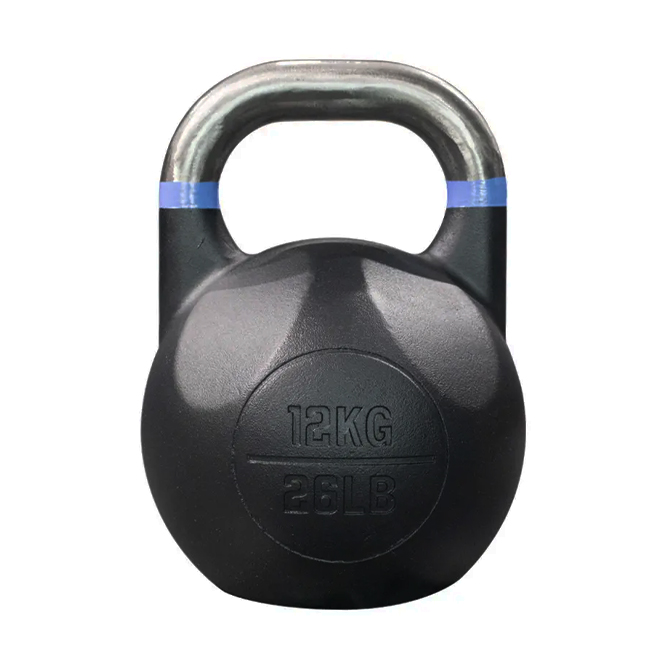
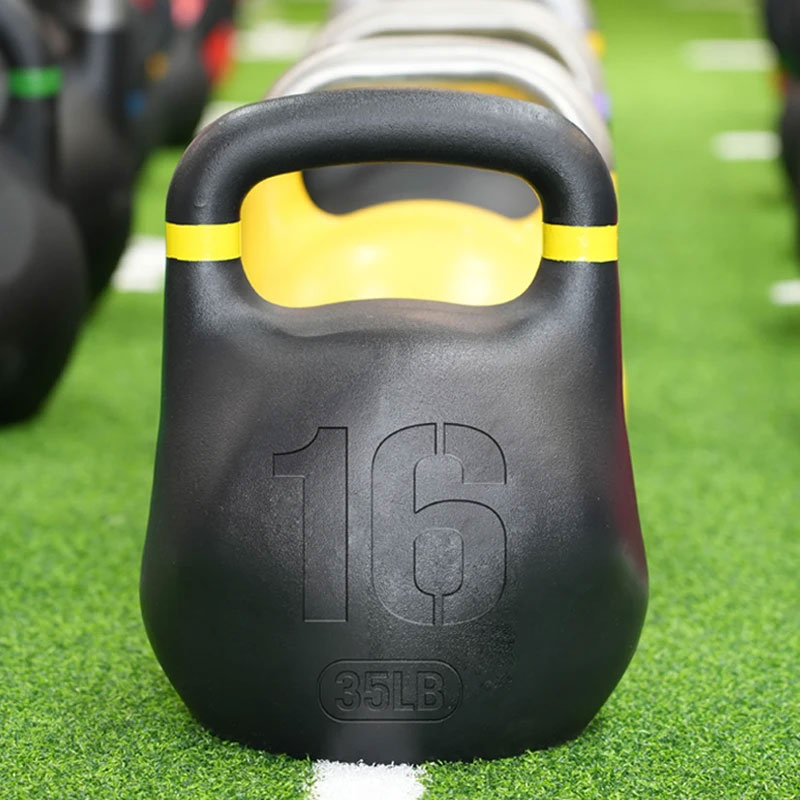
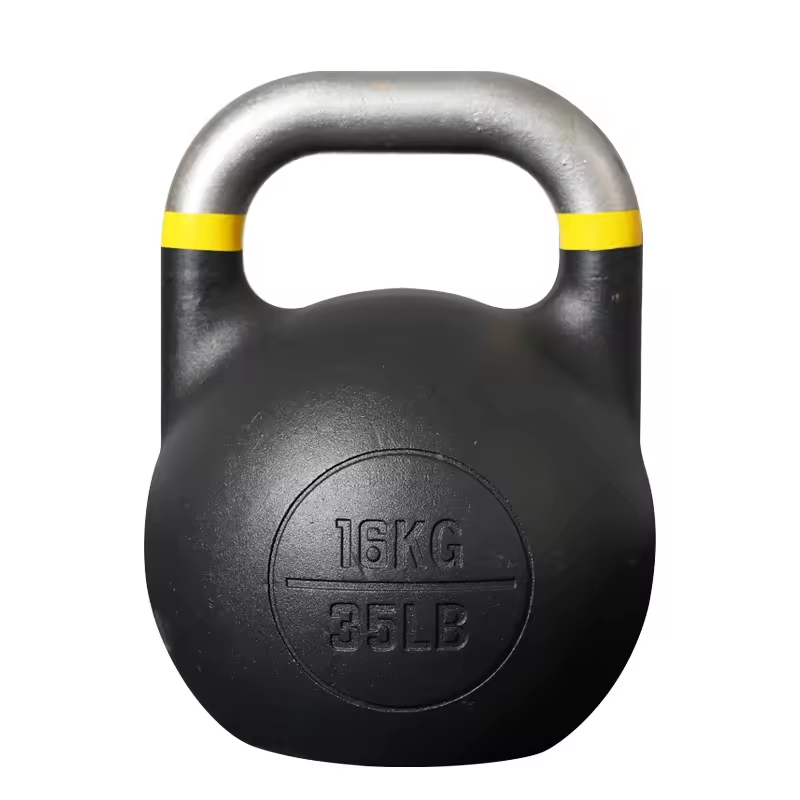
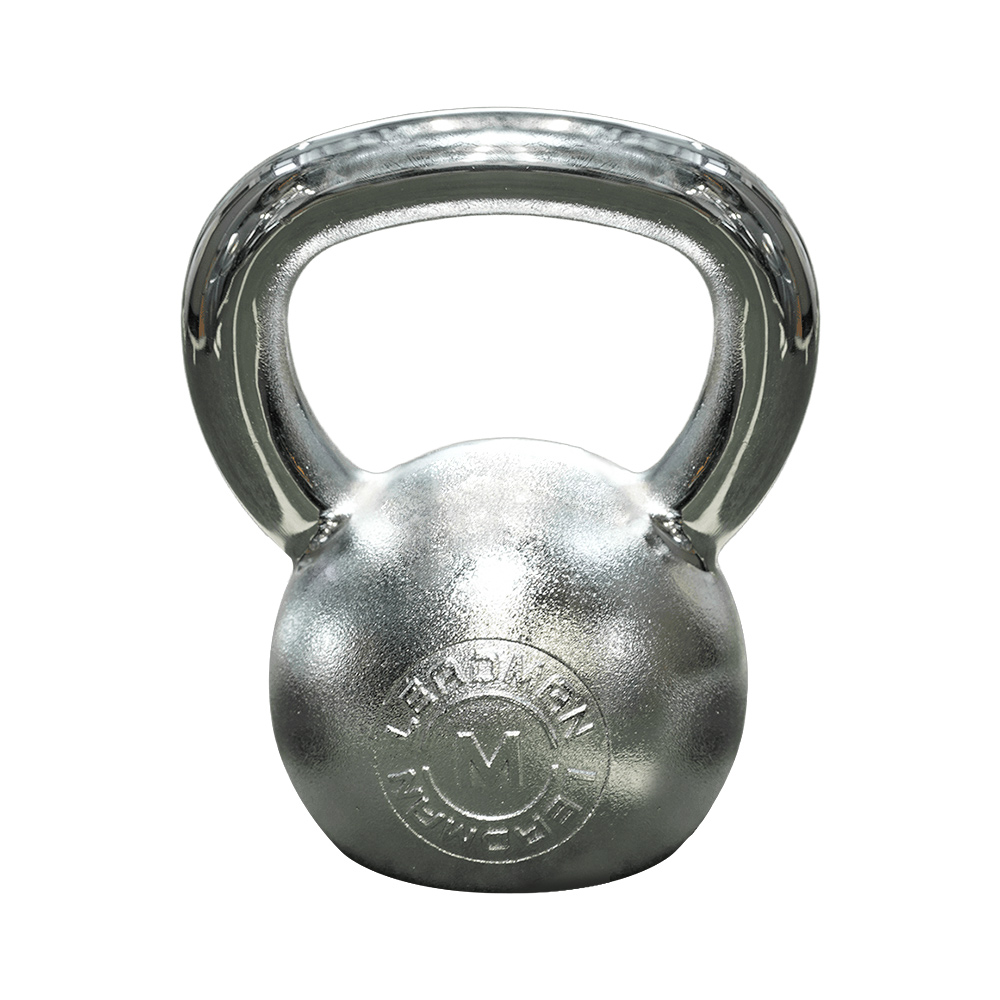
Premium Competition Style Kettlebells for Commercial Gyms
Optimizing SKU Breadth and Margin Retention in Strength Training Imports
Many distributors fall into the trap of over-extending their catalog with low-tier iron, leading to high replacement costs and diminished brand authority. Conversely, over-specializing in a single weight class limits your market reach. The most profitable procurement strategy involves balancing a diverse inventory of professional grade kettlebells that meet international standards. By sourcing competition style kettlebells that offer consistent sizing and high-durability, you mitigate the risk of frequent returns and product failures.
A strategic approach to SKU breadth ensures your facility or distribution network can cater to both recreational users and elite athletes without increasing overhead. Investing in high-quality cast iron competition kettlebells allows for greater margin retention because the longevity of the product justifies a premium price point. Rather than competing on lowest-cost commodity items, focus on high-spec wholesale fitness equipment supply to protect your long-term profitability and build a reputation for reliability in the global strength market.
Maximizing your ROI requires looking beyond the initial unit price and focusing on total cost of ownership. When securing a wholesale fitness equipment supply, the most significant savings come from minimizing replacement cycles and shipping overhead. Sourcing directly from a manufacturer with robust factory capability allows you to leverage economies of scale that mid-tier suppliers cannot match. By negotiating a strategic MOQ, distributors can lower per-unit costs while ensuring a consistent stock of cast iron competition kettlebells that meet rigorous QC standards.
Rigorous quality control is not an elective expense; it is a safeguard against the hidden costs of defective batches and logistical delays. A manufacturer that prioritizes precision in weight distribution and coating durability reduces the frequency of warranty claims and returns. Furthermore, advanced logistics optimization—such as optimized palletization and container loading—ensures that your high-spec competition style kettlebells arrive with minimal transit damage. This systematic approach to procurement protects your margins and ensures your distribution network remains both lean and highly profitable.
To maximize your procurement efficiency, you must evaluate whether the agility of a local distributor outweighs the cost-efficiency of direct factory sourcing. While local distributors offer faster access to stock, they often add significant markups to the base price of professional grade kettlebells. For high-volume orders of competition style kettlebells, direct sourcing remains the gold standard for maintaining competitive edges in the North American market. The following comparison outlines the trade-offs between these two primary procurement models to assist in your strategic decision-making.
| Sourcing Model | Cost per Unit | Lead Time | Quality Assurance | Shipping Complexity |
|---|---|---|---|---|
| Direct Factory Sourcing | Lowest (Volume-based) | Longer (Production + Transit) | Strict (Direct QC Oversight) | High (Direct Import/Logistics) |
| Local Distributor | Higher (Markup-inclusive) | Short (Ready-to-ship) | Moderate (Secondary Inspection) | Low (Domestic Freight) |
When building a robust wholesale fitness equipment supply chain, the decision hinges on your current MOQ requirements and inventory turnover. Direct sourcing provides the highest margin retention for cast iron competition kettlebells, provided your logistics team can manage the complexities of international freight and customs compliance.
Precision Engineering and Material Integrity for Professional Grade Kettlebells
For high-traffic commercial facilities, equipment failure is not an option. The core value of cast iron competition kettlebells lies in their uncompromising material integrity. Unlike lower-tier alternatives that suffer from internal air pockets or inconsistent weight distribution, our manufacturing process utilizes advanced precision casting techniques. This ensures that every unit achieves a uniform density across the entire bell, providing the balanced swing essential for professional athletes.
From a procurement standpoint, investing in professional grade kettlebells with high structural durability reduces long-term replacement costs and minimizes downtime. Our factory-direct quality control protocols guarantee that each piece meets rigorous international standards for weight accuracy and surface finish. For global distributors seeking wholesale fitness equipment supply, our focus on density consistency means your clients receive a product that withstands the rigors of intense, repetitive training without structural degradation.
To maintain a competitive edge in the global market, our factory capability is built upon rigorous QC protocols that exceed standard manufacturing expectations. We understand that for large-scale distributors, batch consistency is the primary metric for success. Therefore, we implement strict tolerance levels during the casting and machining phases to ensure that weight deviations remain negligible across every single order. This level of precision prevents the common issues found in mass-market alternatives, such as uneven weight distribution or surface imperfections.
Our high-volume production lines are engineered to handle large-scale wholesale fitness equipment supply demands without sacrificing the granular detail required for competition style kettlebells. By integrating automated inspection checkpoints, we ensure that every unit delivered to your warehouse meets the exact specifications of your contract. For procurement officers, this translates to a predictable, high-quality inventory stream that protects your reputation and ensures long-term client satisfaction in the high-performance fitness sector.
When evaluating long-term ROI for high-performance facilities, the distinction between standard and competition style kettlebells becomes clear through technical metrics. A standardized, high-quality wholesale fitness equipment supply must demonstrate superior material characteristics to survive the high-impact environment of a commercial gym. The following comparison highlights why our cast iron competition kettlebells are the preferred choice for distributors and gym owners who prioritize durability over low-cost, low-quality alternatives.
Table: Material Specification Comparison
| Feature | Standard Cast Iron | Competition Grade Cast Iron | Benefit for Commercial Gyms |
|---|---|---|---|
| Density Uniformity | Variable/Inconsistent | High/Uniform Density | Prevents weight imbalance during high-speed swings. |
| Surface Smoothness | Rough/Pitted | Precision Polished | Reduces friction and protects user grip stability. |
| Handle Tolerance | Loose/Irregular | Strict Diameter Control | Ensures consistent hand placement for professional athletes. |
| Impact Resistance | Moderate/Brittle | High-Impact Reinforcement | Minimizes cracking risks during heavy floor drops. |
For procurement specialists, these specifications represent more than just technical data; they are a guarantee of professional grade kettlebells longevity. By selecting equipment with these high-tier standards, you mitigate the risk of premature inventory turnover and ensure your wholesale fitness equipment supply remains a premium offering in your catalog.
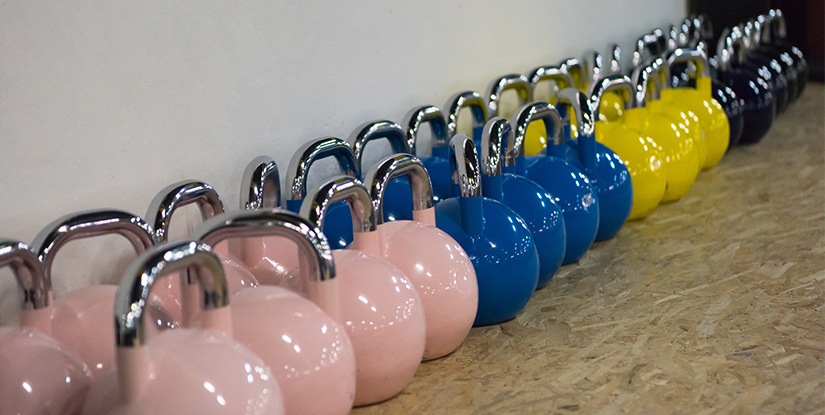
Standardizing Weight Increments for Global Competition Compliance
For international distributors and high-end gym operators, the margin for error in equipment procurement is zero. Relying on unverified professional grade kettlebells often leads to catastrophic failures in facility standardization. Without strict adherence to weight tolerance standards, your inventory cannot support sanctioned training or high-level coaching. To maintain credibility in the global market, sourcing must prioritize competition style kettlebells that undergo rigorous factory calibration to ensure every unit matches its stamped weight precisely.
Global distributors must demand IWF compliance protocols during the manufacturing stage. Inconsistent mass distribution or inaccurate weight increments can disqualify a facility from hosting sanctioned events. When managing a wholesale fitness equipment supply chain, your primary objective is minimizing returns due to non-compliance. Investing in cast iron competition kettlebells that meet strict international tolerances ensures long-term reliability and protects your reputation as a premium supplier.
| Procurement Factor | Standard Cast Iron | Competition Style |
|---|---|---|
| Weight Tolerance | +/- 5% Variance | Strict Compliance |
| Surface Finish | Textured/Rough | Smooth/Precision |
| Stocking Priority | General Training | High-End/Sanctioned |
| Return Risk | Moderate | Minimal |
Manufacturing Precision and Material Integrity
Beyond weight accuracy, the long-term ROI for a Technical Verification: Weight Increment vs. Tolerance Deviation
To mitigate the risk of non-compliant inventory, procurement officers must verify that their to ensure global compliance and material consistency. When auditing a must demonstrate zero volumetric inconsistency to prevent centrifugal imbalance during high-velocity movements. Ensuring these strict tolerances at the factory level reduces the total cost of ownership by eliminating the need for replacement due to weight discrepancies. For global distributors and large-scale gym developers, the hidden cost of procurement lies in the transit phase. When sourcing cast iron competition kettlebells, the primary risk to your bottom line is not the unit price, but the potential for shipping damage and replacement overhead. Standard packaging often fails to account for the immense density and weight distribution inherent in competition style kettlebells, leading to structural flaws or surface degradation during long-haul maritime transport. Our facility prioritizes shipping damage mitigation through advanced engineering. Every unit undergoes a rigorous protective coating process to prevent oxidation, followed by high-density, reinforced packaging designed for bulk transport stability. By utilizing customized palletization and shock-absorbent dividers, we minimize movement within containers. This strategic approach to wholesale fitness equipment supply ensures that your inventory arrives in pristine, retail-ready condition, significantly reducing insurance claims and logistical volatility for your enterprise. Beyond physical protection, true profitability in international procurement is driven by container optimization. Because professional grade kettlebells possess high density but low volumetric volume, standard shipping methods often result in wasted space and inflated freight-per-unit ratios. Our production logic focuses on maximizing volumetric efficiency by standardizing dimensions to fit optimized loading patterns. This precision allows for higher density per 40ft HQ container, ensuring you move more weight per shipment. By streamlining our wholesale fitness equipment supply chain, we enable distributors to meet higher MOQ requirements without a proportional spike in logistics overhead. This systematic approach to loading directly facilitates landed cost reduction, allowing you to maintain competitive retail pricing in your local market while protecting your margins. When you source competition style kettlebells through our optimized export protocols, you are not just buying equipment; you are investing in a scalable, cost-effective supply chain solution. To accurately calculate the landed cost of your competition style kettlebells, procurement officers must weigh initial unit costs against long-term durability and transit risk. Choosing the wrong packaging tier can lead to catastrophic failure during sea freight, resulting in expensive returns and damaged reputation. Our factory provides standardized options to ensure full customs compliance and structural integrity across all maritime routes. We implement strict palletization standards, utilizing heavy-duty shrink wrapping and edge protectors to stabilize professional grade kettlebells during high-seas transit. This high-tier protection ensures that your wholesale fitness equipment supply remains intact, effectively neutralizing the risk of surface abrasion or structural deformation, thereby securing your profit margins against unforeseen logistics volatility. For commercial gym operators and global distributors, maximizing square footage is a critical metric for ROI. Unlike standard cast iron models that vary in diameter, competition style kettlebells adhere to strict, standardized dimensions. This uniformity is a game-changer for floor plan optimization. Because every weight increment occupies the exact same spatial footprint, facility managers can design more efficient, predictable layouts for strength training zones. In high-traffic environments, such as CrossFit boxes or high-performance training centers, the ability to implement high-density training protocols is essential. Utilizing professional grade kettlebells with consistent sizing allows for tighter rack configurations and streamlined movement paths. For wholesale buyers, sourcing equipment with these precise specifications ensures that end-users can maximize their throughput without the clutter of irregular equipment dimensions. When procuring wholesale fitness equipment supply, prioritizing these standardized specifications guarantees a professional, high-capacity environment that meets the rigorous demands of modern commercial fitness facilities. Beyond floor layout, the logistical efficiency of a facility depends heavily on rack compatibility and organized storage. Standardized cast iron competition kettlebells are engineered with consistent handle diameters and body profiles, making them ideal for high-density storage solutions. Whether utilizing vertical towers or specialized weight trees, the uniform dimensions of these units prevent the logistical bottlenecks common with irregular, non-standardized equipment. This precision is vital for large-scale inventory management, as it allows distributors and gym owners to accurately forecast storage volumes and movement-per-square-foot metrics. From a procurement standpoint, sourcing a reliable wholesale fitness equipment supply means prioritizing equipment that integrates seamlessly into existing facility infrastructure. When scaling a global distribution network, the ability to provide equipment that fits perfectly into standardized rack systems reduces the risk of onsite configuration errors. By selecting high-spec professional grade kettlebells, buyers ensure that their clients can maintain a clean, high-capacity training environment that facilitates rapid transitions and maximum facility throughput. To facilitate precise logistical planning, procurement officers must account for the relationship between weight increments and volumetric requirements. Unlike irregular cast iron sets, competition style kettlebells offer predictable scaling, which is essential for calculating global shipping dimensions and container load optimization. The following technical data assists in evaluating bulk procurement needs against available floor space and rack capacity. When negotiating wholesale fitness equipment supply contracts, requesting these specific dimensional tolerances ensures that your facility throughput remains unhindered by equipment mismatch. Accurate data on cast iron competition kettlebells allows for the pre-calculation of shipping volume, reducing overhead during international transit and ensuring seamless integration into high-capacity training zones. For high-volume distributors, the primary risk in sourcing is material failure under heavy usage. Low-quality imitations often suffer from surface pitting or internal voids, but our manufacturing process prioritizes absolute structural integrity. We utilize advanced high-density iron casting techniques to ensure that every unit meets the rigorous demands of high-traffic strength facilities. By refining the cooling process and eliminating air pockets, we produce cast iron competition kettlebells that withstand extreme thermal and mechanical stress without cracking. This technical precision is what defines our professional grade kettlebells. We implement strict quality control protocols to maximize impact resistance, ensuring that even during high-velocity drops, the weight distribution remains consistent and the chassis remains intact. For global buyers and wholesale fitness equipment supply partners, this level of OEM oversight translates to lower replacement rates and higher end-user satisfaction. When you source from our factory, you are investing in equipment engineered for longevity, not just aesthetics. To maintain these standards, our production line follows a multi-stage QC inspection stage protocol designed for total reliability. Every batch of competition style kettlebells undergoes rigorous durability testing, including drop tests and structural stress simulations, to prevent catastrophic failure in commercial environments. We enforce strict weight tolerance standards, ensuring that deviations are virtually non-existent, which is critical for competitive-grade accuracy. Beyond structural strength, we prioritize surface finish consistency through automated sandblasting and uniform powder coating. This ensures that every handle remains ergonomic and non-abrasive through years of heavy use. Our facility operates under strict ISO compliance, guaranteeing that our wholesale fitness equipment supply meets international safety and manufacturing benchmarks. For procurement managers and global distributors, this uncompromising approach to quality control minimizes the risk of returns and ensures that your inventory is export-ready for the most demanding strength and conditioning markets. To assist procurement officers in selecting the appropriate tier for their specific market demands, we provide a technical breakdown of our customization options. Whether you are sourcing for boutique strength studios or large-scale international competition circuits, understanding the distinction between standard and premium specifications is vital for managing your wholesale fitness equipment supply budget and quality expectations. The following table outlines the technical divergence between our standard offerings and our elite-tier competition style kettlebells. This comparison ensures that distributors can accurately match product durability to end-user requirements, from general strength training to high-level athletic performance. Selecting the right professional grade kettlebells based on these technical benchmarks allows for optimized inventory management. By aligning your MOQ requirements with the correct tier, you ensure that your shipment meets the exact performance profiles required by your local fitness distributors and commercial clients. For global distributors and gym procurement managers, the initial purchase price is a deceptive metric. While budget-tier options may offer lower upfront costs, they often fail under the rigors of high-volume usage. Investing in professional grade kettlebells ensures that your facility or retail inventory remains functional without the constant need for reordering. Low-quality casting frequently leads to surface degradation and weight imbalances, which drastically increases replacement frequency and disrupts operational continuity. When sourcing competition style kettlebells, the objective is to minimize the lifecycle cost. A higher initial investment in precision-engineered equipment mitigates the hidden expenses of frequent shipping, restocking fees, and client dissatisfaction. By prioritizing durability and consistent manufacturing standards, buyers achieve a superior return on investment through extended product life and reduced maintenance overhead. Choosing high-spec cast iron competition kettlebells from a reliable wholesale fitness equipment supply partner guarantees that your capital is deployed into assets that withstand the demands of professional training environments. Understanding the total cost of ownership (TCO) requires looking beyond the upfront investment. When procurement teams select lower-tier alternatives, they often encounter hidden costs associated with high maintenance requirements and premature equipment failure. In contrast, sourcing high-specification cast iron competition kettlebells provides a predictable financial model for large-scale distributors and gym operators. True durability metrics are found in the structural integrity of the casting and the precision of the weight distribution. Inferior products often suffer from handle deformation or surface cracking under heavy use, necessitating constant replacement. By securing a reliable wholesale fitness equipment supply, buyers leverage economies of scale to offset the initial cost with long-term reliability. This strategic approach ensures that capital is directed toward high-performance competition style kettlebells that maintain their standard over years of rigorous training, effectively lowering the per-use cost and maximizing the long-term profitability of the inventory or facility. To maximize profitability, distributors must look beyond individual unit costs and focus on the scalability of their bulk procurement strategies. Partnering with a manufacturer that possesses robust factory capability is essential for maintaining consistent margins. A reliable wholesale fitness equipment supply partner provides more than just hardware; they offer a streamlined framework for international growth through optimized MOQ (Minimum Order Quantity) structures that accommodate both specialized orders and massive inventory builds. Scaling a product line of competition style kettlebells requires more than just a quality cast; it demands rigorous quality control (QC) and sophisticated global logistics management. Without stringent quality control protocols at the source, distributors face the catastrophic costs of international returns and damaged reputation. High-tier manufacturers integrate multi-stage inspections to ensure every piece of professional grade kettlebells inventory meets exact weight and finish specifications before leaving the floor. Furthermore, optimizing shipping efficiency is critical for maintaining competitive edge in the North American market. By leveraging advanced container loading techniques and direct-to-port global logistics, buyers can reduce freight-related overhead and ensure a predictable supply chain. Choosing a partner with proven factory capability ensures that your bulk procurement cycles remain uninterrupted, turning complex international sourcing into a predictable, high-margin operation.
Weight Increment (kg)
Max Allowed Deviation (±)
Material Density Standard
Certification Compliance
4kg – 12kg
< 0.1kg
High-Density Cast Iron
IWF Standard Protocol
14kg – 24kg
< 0.2kg
Homogeneous Metal Alloy
International Competition Grade
26kg – 48kg
< 0.3kg
Reinforced Structural Cast
Professional Sanctioned Standard
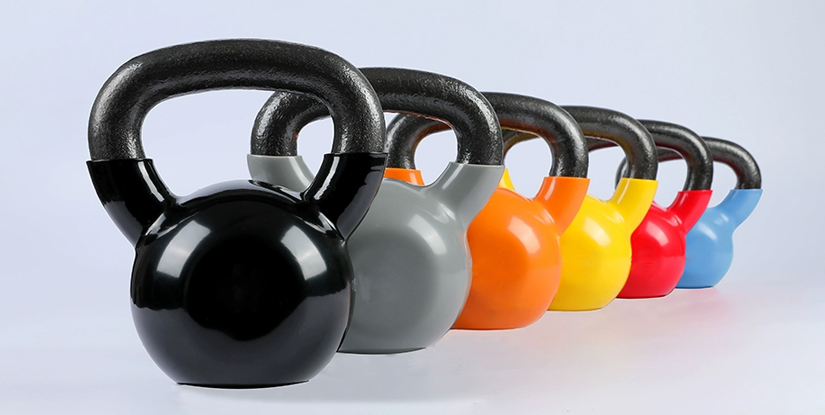
Mitigating Logistics Volatility via Export-Ready Cast Iron Packaging
Maximizing Margins via Volumetric Efficiency
Optimizing Total Cost of Ownership through Packaging Selection
Packaging Type
Protection Level
Cost Impact
Standard Cardboard
Low (Intra-regional)
Minimal Initial Cost
Reinforced Export Box
Medium (Standard Sea Freight)
Moderate Increment
Industrial Palletization
High (Global Long-Haul)
Optimized for Bulk MOQ
High-Throughput Facility Requirements for Competition Style Kettlebells
Weight Class vs. Diameter vs. Storage Footprint
Weight Class (kg)
Body Diameter (mm)
Standardized Profile
Storage Density Factor
8kg – 16kg
~80mm – 100mm
Compact/High-Density
Low Footprint
20kg – 24kg
~110mm – 120mm
Standard Competition
Medium Footprint
28kg – 32kg
~130mm – 140mm
Heavy-Duty Performance
High Footprint
36kg – 48kg+
~150mm+
Elite/Max Capacity
Maximum Footprint
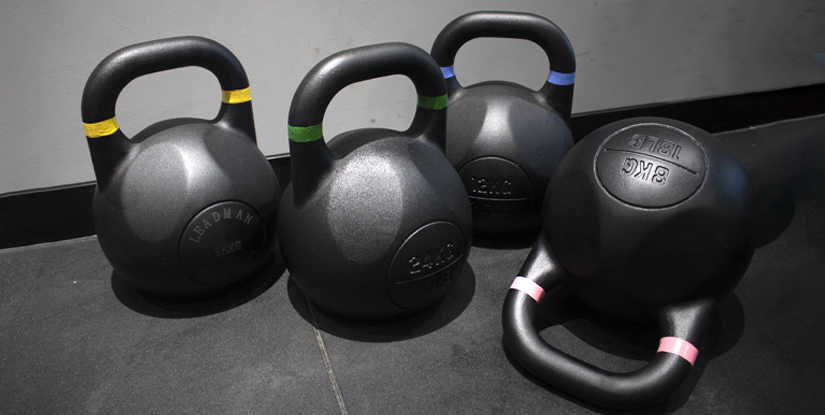
OEM Customization and Quality Control Protocols for Wholesale Fitness Equipment Supply
Customization Tier
Material Grade
Coating Type
Weight Tolerance
Durability Rating
Standard Commercial
High-Density Cast Iron
Textured Powder Coat
±3%
High (Daily Use)
Premium Competition Grade
Precision Forged Iron
Smooth UV-Resistant Finish
±1%
Extreme (Elite/Pro)
Evaluating Total Cost of Ownership in High-Volume Strength Distribution
Procurement Factor
Budget Alternatives
Professional Grade Kettlebells
Replacement Frequency
High (Frequent wear)
Low (Long-term stability)
Lifecycle Cost
Unpredictable/High
Controlled/Optimized
Usage Capacity
Limited/Residential
High-Volume/Commercial
ROI Potential
Low (Short-term gain)
High (Long-term value)
Streamlining Global Distribution and Logistics