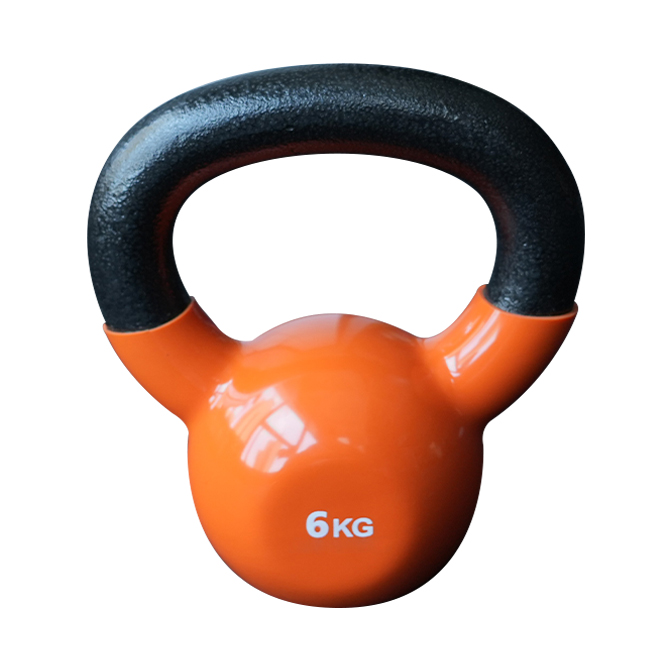
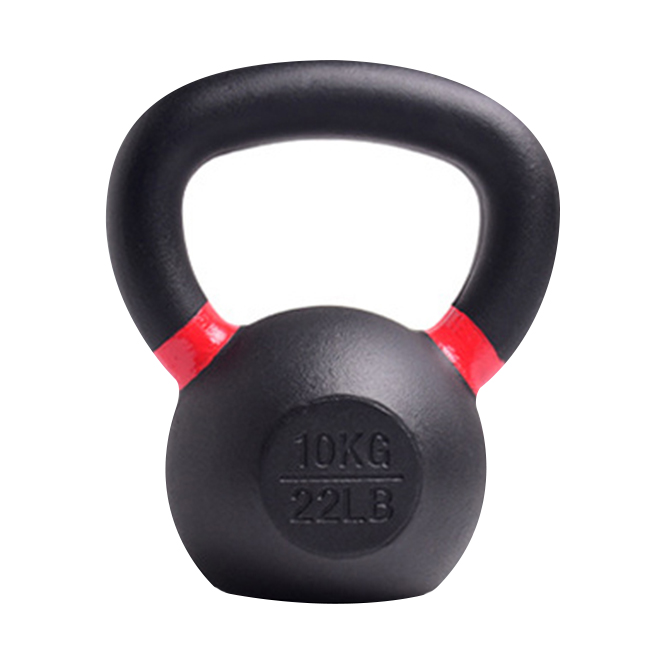
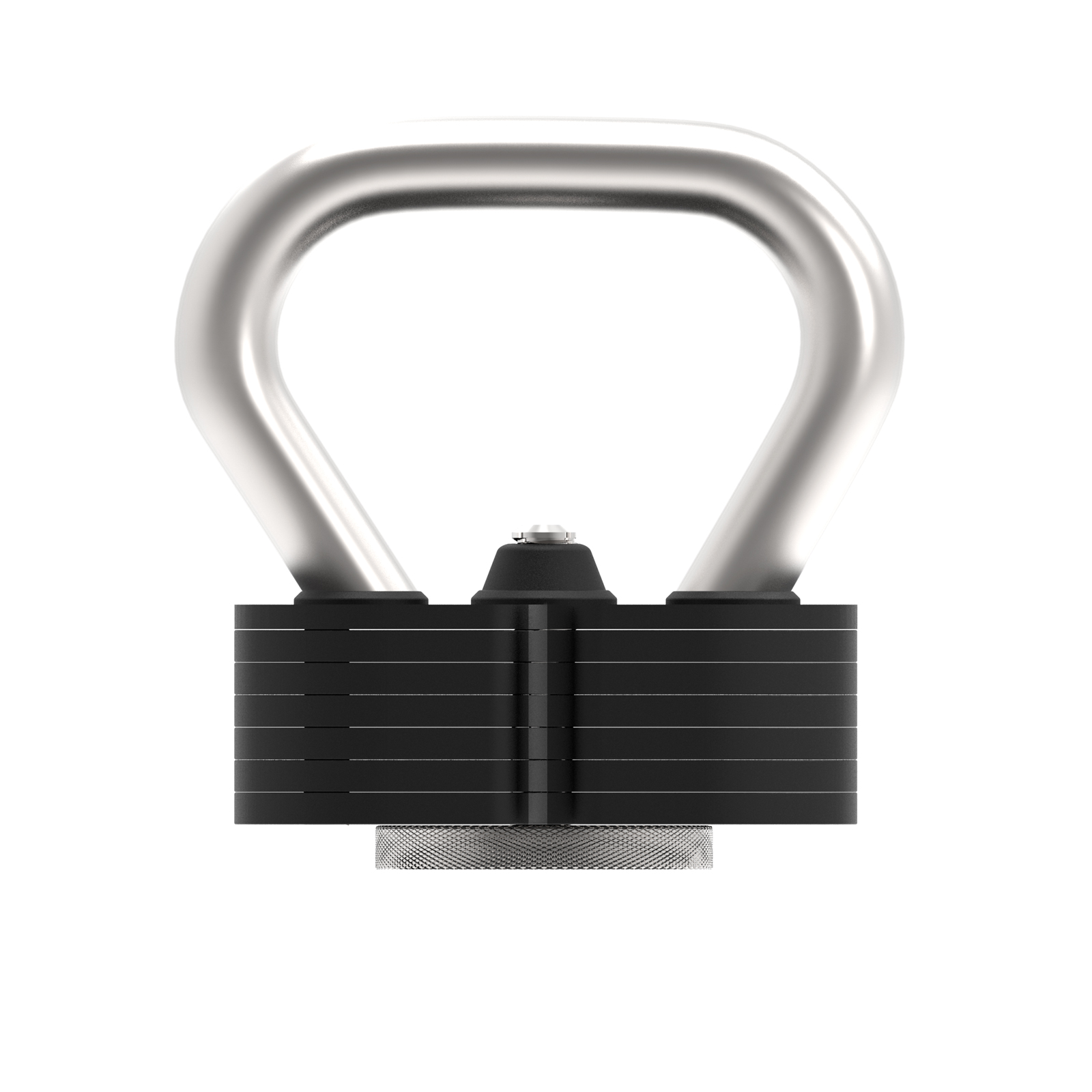
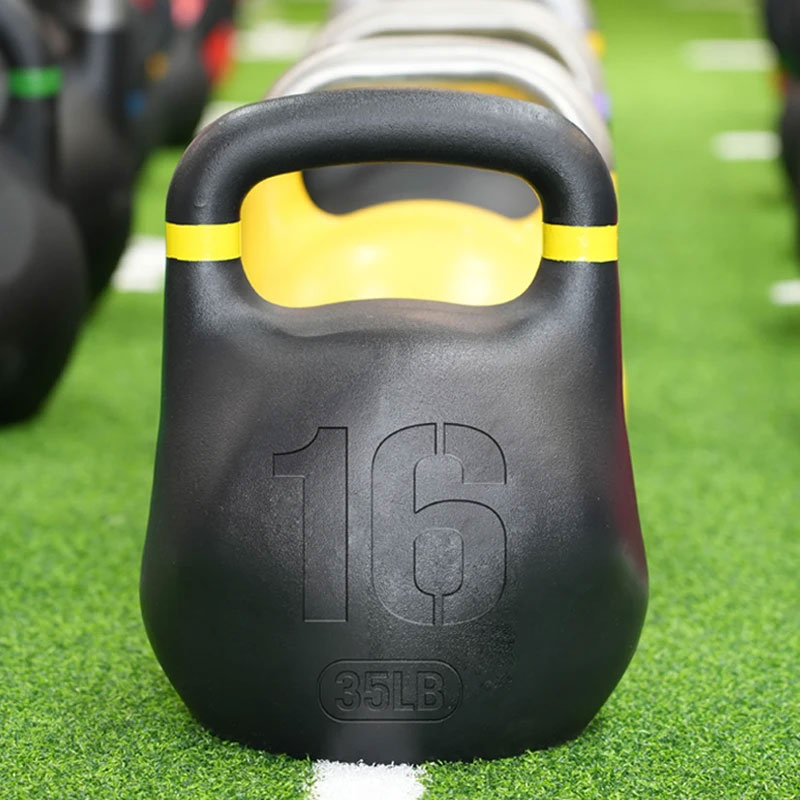
Professional Kettlebells: China Factory OEM Supply
Professional Kettlebells for High-Traffic Commercial Deployment
In high-volume environments such as international fitness chains, large-scale training centers, or hotel wellness facilities, equipment failure leads to immediate operational downtime and increased maintenance costs. For these facilities, sourcing professional kettlebells directly from a specialized China factory ensures that the units can withstand the rigors of constant use. Unlike consumer-grade alternatives, these tools are engineered for heavy-duty commercial use, providing the structural integrity required for a high-traffic gym setting where durability is a non-negotiable procurement standard.
Distributors and large-scale gym operators often face the challenge of maintaining consistent inventory while managing landed costs and product lifecycles. By establishing a direct sourcing relationship with a commercial kettlebell manufacturer, buyers can mitigate the risks associated with lower-quality imports. This approach allows for better control over the total cost of ownership, ensuring that every batch of wholesale gym kettlebells meets the specific density and impact-resistance requirements of a professional facility.
Optimizing your procurement strategy involves more than just finding a low price; it requires finding a reliable bulk kettlebell supplier capable of supporting your scale. Whether you are outfitting a single boutique studio or managing a global distribution network, leveraging factory-direct production helps stabilize your supply chain and ensures that your equipment deployment remains efficient and cost-effective.
Technical Specifications: Commercial-Grade vs. Consumer-Grade
When evaluating procurement options, professional buyers must distinguish between lightweight consumer items and high-density professional tools. Consumer-grade products often feature inconsistent weight distribution and thin coatings that peel under frequent handling. In contrast, a specialized commercial kettlebell manufacturer produces units designed for extreme durability and precision. This distinction is critical for maintaining a high standard of training and reducing the frequency of replacement cycles in professional settings.
The following table outlines the technical disparities that impact the total cost of ownership (TCO) and long-term operational efficiency for high-traffic facilities.
| Feature Specification | Consumer-Grade Standard | Professional-Grade Standard |
|---|---|---|
| Weight Consistency | High tolerance variance | Strict precision standards |
| Surface Coating | Thin paint or basic powder | High-durability cast iron or urethane |
| Impact Resistance | Prone to cracking or chipping | Engineered for heavy drops |
| Handle Ergonomics | Standardized for light use | Optimized for high-volume grip stability |
| Procurement Value | Low initial cost; high replacement rate | Higher initial investment; optimized TCO |
Selecting professional kettlebells with superior weight consistency and robust coating prevents the rapid depreciation of your assets. For distributors and facility managers, investing in high-spec units through a wholesale arrangement minimizes the logistical burden of frequent re-ordering and ensures a professional brand identity for your clients.
Customization and Branding for Global Distributors
For distributors looking to build a recognizable identity, standard off-the-shelf products often limit market differentiation. High-tier procurement strategies frequently involve utilizing OEM or ODM capabilities to align equipment with a specific brand identity. A specialized commercial kettlebell manufacturer can accommodate custom color schemes, handle textures, and laser-etched or embossed logos. This level of customization allows you to move beyond being a mere importer and instead position yourself as a provider of a specialized, branded product line that meets local market demands.
Beyond aesthetics, technical customization is essential for specialized training environments. Whether you require specific weight increments for a boutique strength studio or specialized handle diameters for professional strength athletes, a factory-direct approach provides the necessary engineering flexibility. By engaging in OEM processes, buyers can ensure the product specifications—such as center of gravity and grip ergonomics—align perfectly with their target demographic's requirements, effectively increasing the value proposition of their local inventory.
Managing the complexities of international procurement requires a partner who understands the nuances of large-scale deployment. When negotiating with a bulk kettlebell supplier, it is vital to confirm that their ODM and OEM services include rigorous quality control protocols. This ensures that custom-branded units arrive at your warehouse with the same precision and durability as standard stock, protecting your reputation and ensuring a smooth rollout for your clients' commercial gym setups.
Optimizing Studio Throughput with Specialized Kettlebell Sets
High-performance training environments require equipment that balances footprint with versatility. Sourcing professional kettlebells directly from a China factory allows studio owners and distributors to secure high-density weight variety while maintaining strict control over landed costs. Efficiently managing a commercial floor depends on selecting gear that offers both high durability and high weight-coverage efficiency to maximize your facility's revenue per square foot.
When a facility relies on low-grade equipment, the resulting high maintenance load and frequent replacement cycles can devastate long-term ROI. By engaging a specialized commercial kettlebell manufacturer, procurement leads can implement a more sustainable inventory strategy. This approach ensures that the weight sets provided are engineered for the heavy throughput of a commercial setting, reducing the frequency of replacement and optimizing total cost of ownership (TCO).
Commercial Procurement: Weight Variety vs. Footprint Efficiency
Selecting the right weight increments is a critical decision for distributors and gym operators. A well-planned inventory of wholesale gym kettlebells ensures that trainers can facilitate a wide range of progressive loading without requiring excessive floor space or massive storage footprints. This optimization of space directly impacts the operational efficiency of boutique studios and high-traffic training centers.
| Procurement Factor | Standard Stock Units | Customized OEM Solutions |
|---|---|---|
| Weight Increments | Standardized intervals | Customized density/ranges |
| Space Efficiency | Fixed footprint | Optimized for specific racks |
| Long-term ROI | Moderate replacement rate | High durability/low TCO |
| Branding Potential | Generic/unbranded | Full private label integration |
For large-scale distributors, the ability to source a bulk kettlebell supplier that offers ODM services is a significant competitive advantage. This allows for the creation of unique, branded weight sets that fit specific market niches, ensuring that the investment in equipment serves as a long-term asset rather than a recurring expense. Scaling your inventory through a specialized manufacturing partner ensures that every unit meets the rigorous standards required for professional-grade commercial deployment.
The distinction between high-frequency retail turnover and industrial-scale procurement lies in the long-term management of capital expenditure. For professionals managing large-scale gym deployments or regional distribution, the focus shifts from individual unit aesthetics to the holistic efficiency of the entire supply chain. Selecting the right procurement model can drastically alter your margins and operational stability.
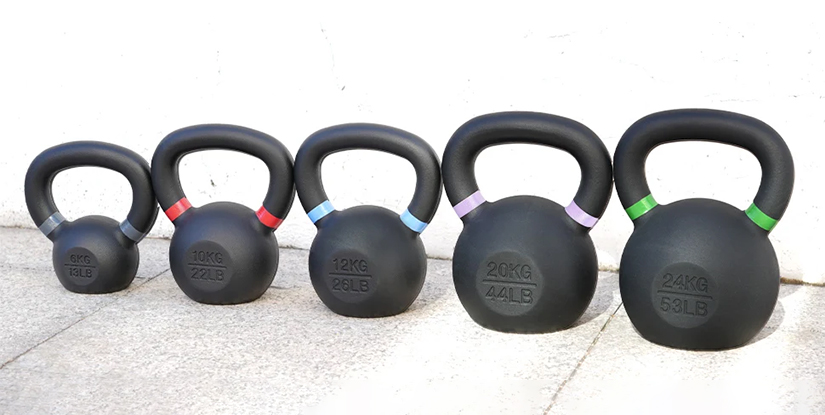
Strategic Sourcing: Comparing Procurement Models
When evaluating your next batch of equipment, it is essential to distinguish between purchasing generic stock and establishing a structured supply partnership. A professional bulk kettlebell supplier offers more than just inventory; they provide the ability to control the variables that drive down the total cost of ownership (TCO) over a five-year equipment lifecycle.
| Sourcing Dimension | Retail-Focused Procurement | Direct Factory/OEM Model |
|---|---|---|
| Primary Objective | Immediate availability | Strategic inventory control |
| Customization | Limited to existing SKUs | Full OEM/ODM capability |
| Cost Structure | High per-unit markup | Optimized landed cost |
| Supply Stability | Subject to retail fluctuations | Predictable lead time & volume |
| Brand Identity | Generic manufacturer branding | Custom private label integration |
To achieve maximum commercial efficiency, procurement leads should prioritize partners capable of managing complex logistics. Whether you require specific weight density configurations or custom branding to enhance your own market position, working with a specialized commercial kettlebell manufacturer allows for precise control over both the product specifications and the shipping timelines. This level of coordination is essential for large-scale rollouts where consistency and reliability are the primary drivers of success.
As you finalize your procurement strategy, we recommend contacting our team to request a detailed spec sheet, confirm current MOQ requirements for your specific weight range, or schedule a factory audit to ensure your quality control standards are met before pre-shipment.
To achieve maximum commercial efficiency, procurement leads should prioritize partners capable of managing complex logistics. Whether you require specific weight density configurations or custom branding to enhance your own market position, working with a specialized commercial kettlebell manufacturer allows for precise control over both the product specifications and the shipping timelines. This level of coordination is essential for large-scale rollouts where consistency and reliability are the primary drivers of success.
As you finalize your procurement strategy, we recommend contacting our team to request a detailed spec sheet, confirm current MOQ requirements for your specific weight range, or schedule a factory audit to ensure your quality control standards are met before pre-shipment.
Sourcing Professional Kettlebells: China Factory OEM and ODM Capabilities
Establishing a distinct market presence requires more than just generic inventory; it requires a specialized commercial kettlebell manufacturer capable of translating your vision into physical assets. For distributors and large-scale gym operators, leveraging OEM and ODM services from a specialized China factory is the most effective way to build long-term equity in a brand identity rather than competing solely on commodity pricing.
Standard stock orders often limit your ability to differentiate in a crowded marketplace. By utilizing professional kettlebells produced through custom manufacturing, you can control specific variables such as handle diameter, grip texture, and weight tolerance. This level of customization ensures that your product line meets the exact requirements of your target demographic, whether they are high-performance strength athletes or boutique studio clients.
The strategic advantage of private label production lies in product differentiation. Instead of selling a generic item that looks identical to every other competitor, you can implement unique colorways, embossed logos, or specialized coatings. This approach transforms a basic piece of iron into a proprietary tool that reinforces your brand identity and justifies a premium position in your local or regional market.
| Sourcing Model | Product Control | Custom Branding | Typical MOQ | Best For |
|---|---|---|---|---|
| Standard Wholesale | Limited to existing SKUs | Minimal or none | Low | Small studios or testing market demand |
| OEM (Original Equipment) | High control over specs | Full logo and color integration | Medium to High | Distributors building a specialized line |
| ODM (Original Design) | Complete design ownership | Full proprietary identity | High | Large-scale manufacturers and global brands |
When evaluating a bulk kettlebell supplier, it is essential to confirm that their China factory possesses the technical infrastructure to support your specific design files. A capable supplier should offer transparent communication regarding material sourcing and manufacturing tolerances to ensure the final product aligns with your quality standards. We recommend requesting a detailed spec sheet and discussing your MOQ requirements early in the process to ensure seamless production and shipping logistics.
Comparing Sourcing Models for Professional Kettlebells
Choosing between rapid inventory replenishment and long-term brand development is a critical decision for any procurement manager. While wholesale gym kettlebells provide immediate availability for retail or gym deployment, they offer very little in the way of market differentiation. For distributors aiming to scale, moving toward a customized manufacturing model is the standard path to increasing profit margins and controlling the end-user experience.
The following table outlines the fundamental differences between standard procurement and customized production to help you determine the best fit for your current business cycle and inventory strategy.
| Procurement Type | Customization Level | Branding Options | Typical MOQ | Lead Time | Primary Business Goal |
|---|---|---|---|---|---|
| Standard Wholesale | Low (Standard SKUs) | Minimal (Sticker or small stamp) | Low | Short (Stock availability) | Rapid stock replenishment |
| professional kettlebells OEM | Moderate (Color/Handle/Texture) | High (Logo/Color/Packaging) | Medium | Moderate (Production cycle) | Brand building and differentiation |
| Full professional kettlebells ODM | Total (Full tool/mold control) | Maximum (Proprietary design) | High | Long (R&D + Production) | Global brand leadership |
For many professional importers, the transition from a simple bulk kettlebell supplier to an OEM partner represents a significant milestone in operational maturity. When you move beyond buying off-the-shelf items, you gain the ability to specify the exact weight tolerances and finish durability required for high-traffic commercial environments. This ensures that the landed cost of your specialized equipment is justified by its long-term performance and brand reliability.
Before finalizing your next order, we recommend conducting a thorough evaluation of the factory capabilities. This should include a review of their technical ability to handle custom molds, their existing quality control protocols, and their capacity for specialized export packaging. To ensure your customized specifications are met, please contact us to request a detailed spec sheet, confirm the current MOQ for your desired customization level, or schedule a factory audit.
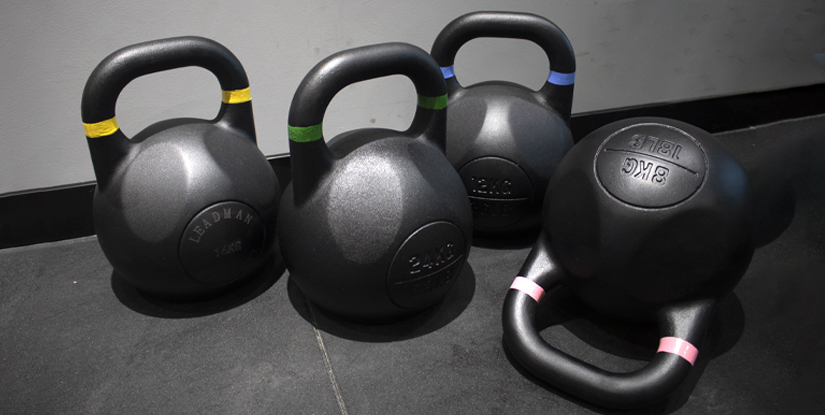
Technical Precision in Mold Development and Quality Control
The transition from a concept to a high-performance physical asset requires rigorous technical oversight. For a commercial kettlebell manufacturer, the complexity begins with material selection and the precision of mold development. High-grade cast iron or specialized steel must be paired with high-accuracy molds to ensure that weight tolerances remain within industry-standard commercial specs. Without this level of control, your shipment may suffer from inconsistent weight distribution, which increases the risk of product returns and diminishes your distributor margins.
To maintain consistent standards during mass production, a robust quality control framework is non-negotiable. This process must integrate technical specifications at every stage: from the initial raw material vetting to the final surface coating application. For large-scale procurement, relying on a factory that implements strict internal testing protocols ensures that every unit meets the structural integrity required for high-traffic commercial environments. This level of oversight reduces the total cost of ownership and protects your reputation as a reliable provider of premium equipment.
The final layer of a professional procurement strategy is the pre-shipment inspection. Before any container is loaded, a thorough audit of the batch is essential to verify that the final product matches the approved sample and the agreed-upon technical documentation. This step is vital for overseas buyers to mitigate the risks associated with long-distance shipping and to ensure that the landed cost remains optimized through the prevention of defective unit arrivals. We invite professional buyers to request a detailed technical spec sheet, confirm the MOQ for custom orders, or arrange a formal factory audit to validate our production standards.
Standardizing Quality Control and Export Packaging for Bulk Orders
Maintaining consistent standards for professional kettlebells requires more than just a single production pass; it demands a rigorous quality control framework throughout the manufacturing lifecycle. For distributors and gym equipment importers, the primary risk in bulk orders is receiving a shipment with inconsistent weight distributions or surface defects that increase the total cost of ownership. A specialized China factory must implement multi-stage inspection protocols to ensure every unit meets commercial grade specifications before leaving the warehouse.
The procurement process for high-volume fitness equipment often faces the challenge of shipping damage and weight variance. When sourcing from a commercial kettlebell manufacturer, the focus must extend beyond the product itself to the logistics of protection. Discrepancies in weight tolerance can lead to significant friction with end-users, while inadequate protection during sea freight results in damaged coatings or deformed handles. To mitigate these risks, a reliable bulk kettlebell supplier utilizes reinforced export-standard packaging designed specifically for heavy, dense metal goods. This ensures that high-density shipments arrive at your facility in optimal condition, protecting your distributor margins and reducing the need for costly replacement claims.
Optimizing Sea Freight Stability and Landed Cost
Effective logistics management is a core competency for any professional wholesale gym kettlebells distributor. Because kettlebells are high-density, low-volume items, the primary objective during sea freight is maximizing container density without sacrificing structural integrity. A professional commercial kettlebell manufacturer does not simply box products; they engineer a palletization strategy that prevents shifting and crushing under the extreme weight loads typical of heavy metal equipment. For high-volume importers, the difference between standard boxing and specialized export packaging directly impacts the total landed cost and the efficiency of the final mile delivery.
To assist procurement managers in evaluating supplier capabilities, the following table compares standard commercial-grade packaging against optimized industrial export standards. This comparison focuses on how specialized protocols reduce the risk of damage and improve warehouse handling efficiency during the sourcing process.
| Packaging Dimension | Standard Commercial Grade | Industrial Export Standard (Optimized) |
|---|---|---|
| Box Construction | Single-wall corrugated cardboard | Double-wall reinforced heavy-duty carton |
| Internal Protection | Minimal paper or thin foam inserts | Custom fit dividers and protective coating for surface integrity |
| Palletization | Loose stacking or light strapping | Heavy-duty wooden pallets with edge protectors and multi-layer shrink wrap |
| Weight Verification | Basic batch sampling | Individual unit weight accuracy check and batch-level verification |
| Shipping Stability | Standard freight handling | High-density load stabilization for sea freight vibrations |
When managing large-scale procurement, it is essential to confirm that your chosen bulk kettlebell supplier provides detailed specifications for both the product and its shipping configuration. We recommend that buyers request a full packaging specification sheet and confirm the palletization dimensions prior to finalizing any wholesale agreement. This proactive approach ensures that your warehouse receiving team can plan for efficient offloading and that your inventory arrives with the precision required for high-end commercial gym deployments.
Beyond the physical product, the final phase of the procurement cycle involves a formal pre-shipment inspection to verify that the manufactured batch aligns with the approved sample. For professional buyers, this is the most critical stage to prevent the high cost of receiving defective inventory. A reputable China factory should allow for rigorous verification of weight tolerances, handle ergonomics, and coating durability. By coordinating a thorough inspection of the professional kettlebells before they are loaded into a container, importers can ensure that the actual shipment matches the quality standards required for premium commercial gym environments.
The complexity of international logistics requires more than just a standard shipping label; it requires a strategic approach to container loading. High-density weight loads can shift during transit, causing damage to the product or the container itself if not properly secured. When you partner with a specialized bulk kettlebell supplier, you are investing in a logistics chain that understands the nuances of heavy-duty freight. From optimizing the number of units per pallet to ensuring the stability of the load during sea freight, every detail is managed to protect your investment and ensure a predictable arrival at your distribution center.
As you move toward finalizing your next order, we suggest initiating a formal discussion regarding your specific shipping requirements. Whether you need to confirm the exact dimensions for container loading optimization or require customized branding for your wholesale gym kettlebells, our team is ready to provide the necessary documentation. We encourage procurement leads to request a detailed quote that includes comprehensive packaging specs, lead time estimates, and any applicable MOQ tiers to better calculate your total landed cost and plan your inventory deployment effectively.
Managing Lead Times and MOQ for Wholesale Gym Kettlebells
Efficient procurement of professional kettlebells requires a strategic understanding of how order volume directly influences production schedules. When sourcing from a China factory, buyers must balance the MOQ requirements against their specific inventory turnover needs to optimize the total landed cost.
Scaling your order through wholesale gym kettlebells allows for significant economies of scale. Larger batches typically streamline the production cycles, as the factory can run specialized casting and coating lines continuously rather than switching setups for small, fragmented orders. This efficiency reduces the unit price and stabilizes the lead time for your distribution or gym deployment.
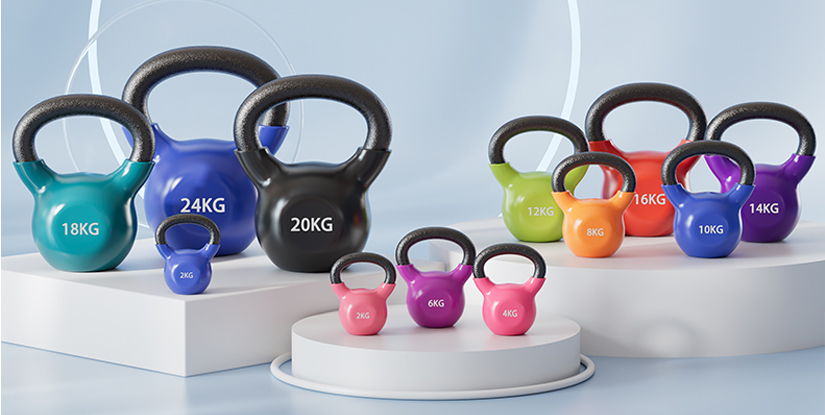
For distributors, managing the relationship between a bulk kettlebell supplier and manufacturing capacity is essential for maintaining consistent stock levels. While higher volumes may require longer initial lead times for production, the long-term result is a more predictable supply chain and improved profit margins compared to small-scale, reactive purchasing.
Comparing Procurement Models: Stock vs. Custom Orders
Distributors and large-scale gym operators must choose between immediate availability and brand exclusivity. A professional commercial kettlebell manufacturer typically offers two distinct pathways: purchasing existing stock or engaging in a custom manufacturing contract. Each model carries different implications for your warehouse management and budget.
| Procurement Model | Typical Lead Time | Customization Capability | Inventory Strategy |
|---|---|---|---|
| Standard Stock Orders | Short (Ready to Ship) | Limited to standard colors/weights | Rapid replenishment for high-demand items |
| OEM Solutions | Long (Production + Transit) | Full branding and custom weight specs | Long-term inventory building for flagship lines |
| ODM Development | Extended (R&D + Production) | Unique structural or ergonomic designs | Product differentiation for premium markets |
When evaluating your next shipment, consider that stock orders are ideal for filling immediate gaps in your inventory, but they offer less control over brand identity. Conversely, choosing an OEM or ODM path allows you to implement private labeling and unique colorways that align with your brand's premium positioning. While custom production requires a higher MOQ and more advanced planning, it ultimately lowers the long-term unit price and strengthens your competitive edge in the commercial market.
To ensure a seamless transition from production to your facility, we recommend a structured approach: confirm your technical specifications, request a formal quote based on your target volume, and schedule a pre-shipment inspection to verify quality before the final shipping process begins.
Strategic Procurement: Selecting a Reliable Bulk Kettlebell Supplier
For global distributors and gym equipment importers, the decision to source professional kettlebells directly from a China factory is driven by the need to maximize distributor margins while ensuring product reliability. Unlike purchasing from mid-tier trading companies, direct sourcing allows procurement leads to bypass unnecessary markups and gain direct access to production schedules and technical specifications.
A specialized commercial kettlebell manufacturer provides more than just hardware; they offer the scalability required for large-scale studio deployments and retail distribution. By working with a wholesale gym kettlebells provider that maintains strict quality control, buyers can better manage their total landed cost and mitigate the risks of inconsistent weight tolerances or substandard finishes that often plague unverified third-party suppliers.
Sourcing Efficiency: Factory-Direct vs. Trading Companies
| Procurement Dimension | Direct Factory-Direct Sourcing | Third-Party Trading Company |
|---|---|---|
| Unit Cost Potential | Highest optimization for bulk orders | Mid-range due to markup layers |
| Customization Capability | Full OEM and ODM support | Limited to existing stock variations |
| Quality Oversight | Direct QC and pre-shipment inspection | Dependent on agent reporting |
| Lead Time Control | Direct alignment with production cycles | Subject to intermediary delays |
| Minimum Order Quantity | Standardized MOQ requirements | Often lower but with higher unit costs |
Selecting the right bulk kettlebell supplier requires a focus on long-term supply chain stability rather than just the lowest initial quote. Professional buyers must evaluate a supplier based on their ability to handle complex export packaging, maintain weight accuracy across high-volume batches, and provide the technical documentation necessary for international commercial compliance.
Effective procurement planning involves assessing how different order models impact your inventory turnover and capital expenditure. When scaling a product line, the ability to toggle between high-volume stock orders and customized technical specifications determines your competitive edge in the local market.
Evaluating Scalability and Customization Models
Distributors often face a trade-off between immediate availability and brand differentiation. A standard stock-based approach offers shorter lead times for rapid replenishment, whereas a specialized bulk kettlebell supplier can facilitate long-term brand identity through custom casting and colorways. Understanding these tiers helps in optimizing warehouse space and managing cash flow during seasonal demand shifts.
To ensure your brand meets the rigorous standards of commercial fitness centers, we recommend a three-step validation process: first, confirm the MOQ for specific weight ranges to align with your budget; second, request a technical spec sheet to verify material density and handle ergonomics; and third, schedule a virtual or third-party factory audit to observe the production line in real-time. This methodical approach reduces the risk of receiving substandard units and ensures your landed cost remains predictable throughout the fiscal year.
Brand Authority Through Customization and Quality Control
For distributors aiming to establish a premium market presence, generic sourcing is often insufficient. Leveraging private label solutions allows you to transition from a mere reseller to a recognized brand owner. A capable China factory can integrate your unique branding—such as laser-etched logos or custom handle textures—directly into the production phase. This level of custom branding transforms a standard commodity into a proprietary product line, significantly increasing your perceived value and market differentiation.
However, brand reputation is only as strong as the final product delivered to the end-user. To mitigate the risk of costly returns or damaged reputation, professional buyers must mandate a strict pre-shipment inspection protocol. This involves verifying weight accuracy, coating thickness, and structural integrity before any unit leaves the facility. Furthermore, robust export packaging is a non-negotiable requirement for international shipping. High-density foam inserts and reinforced corrugated cartons ensure that high-volume shipments arrive at your warehouse without cosmetic defects or structural damage, protecting your profit margins and optimizing your inventory turnover.