Best Weight Plates to Buy for Commercial Gyms: Bulk Pricing & Reviews
The Economics of Iron: Identifying the Best Weight Plates to Buy for Long-Term Value
For facility owners and equipment distributors, the best weight plates to buy are not merely a matter of price per pound, but a calculation of total cost of ownership (TCO). In a high-traffic commercial environment, weight plates are subject to hundreds of drops daily, chemical cleaning agents, and constant friction against barbell sleeves. Selecting the wrong inventory leads to cracked inserts, floor damage, and premature replacement cycles that erode your profit margins.
Professional procurement requires a shift from "retail consumer" thinking to "asset management" logic. Whether you are outfitting a new CrossFit box or scaling a regional distribution network, the best weight plates to buy must balance durability, weight accuracy, and space efficiency. We focus on the engineering behind the iron to ensure your investment maintains its value and safety standards over years of heavy use.
When evaluating best barbell weight plates for bulk orders, we prioritize structural integrity. A plate that fails in a commercial setting is not just a lost asset; it is a liability risk. Our manufacturing process addresses these pain points by focusing on material density and collar-to-insert bonding, reducing the "slop" that typically causes plates to degrade during high-intensity training sessions.
Commercial Grade Standards: Why Material Science Dictates Your ROI
The best weight plates to buy for commercial facilities are those engineered for high-frequency drop cycles, featuring calibrated weight tolerances and industrial-grade bonding. For heavy-duty lifting, best bumper weight plates utilize high-density virgin rubber, while best barbell weight plates in cast iron provide space-saving profiles for high-volume strength training and powerlifting environments.
Understanding the distinction between various materials is critical for any B2B buyer. The industry standard has shifted away from cheap recycled rubber fillers, which often contain volatile organic compounds (VOCs) that produce a strong odor and degrade quickly. Instead, the best bumper weight plates currently on the market utilize virgin rubber or high-grade urethane. These materials offer superior shore durometer ratings, meaning they provide a consistent, "dead" bounce that protects both the barbell and the gym flooring.
Precision is another non-negotiable factor. Standard decorative plates can have weight variances of up to 5-10%, which is unacceptable for professional athletes or competitive environments. The best weight plates to buy for serious facilities are those with a weight tolerance of +/- 1% or less. This level of precision ensures that your clients are lifting exactly what is loaded, which is a key selling point for high-end personal training studios and performance centers.
| Plate Category | Primary Material | Commercial Durability Rating | B2B Procurement Focus |
|---|---|---|---|
| Standard Bumper Plates | Virgin / Recycled Rubber | Medium - High | Cost-effective for CrossFit and functional fitness. |
| Competition Bumpers | High-Density Urethane/Steel Core | Maximum | Precision weight for competitive training and low-width storage. |
| Cast Iron Plates | Machined Gray Iron | High (No Drop) | Highest space efficiency for bodybuilding and powerlifting racks. |
| Urethane Coated Steel | CPU Urethane + Steel Inner | Maximum | 0-odor, no-scuff solutions for premium commercial clubs. |
From a distributor perspective, stocking the best barbell weight plates involves evaluating shipping logistics. High-precision cast iron plates allow for more weight to be packed per pallet, optimizing sea freight costs. Conversely, best bumper weight plates must be evaluated for their insert stability; a loose stainless steel insert is the number one cause of returns in the fitness equipment industry. We solve this through a proprietary gravity casting and vulcanization process that locks the center hub into the rubber permanently.
Bumper Plates vs. Cast Iron: Strategic Selection for Different Facility Zones
Determining the best weight plates to buy often depends on the specific training zones within your facility. For high-impact areas where olympic lifting and functional fitness occur, the best bumper weight plates are a mandatory investment to protect both your equipment and your foundation. Unlike traditional iron, these plates are designed to absorb the kinetic energy of a drop, significantly reducing the vibration transmitted to the building’s structure.
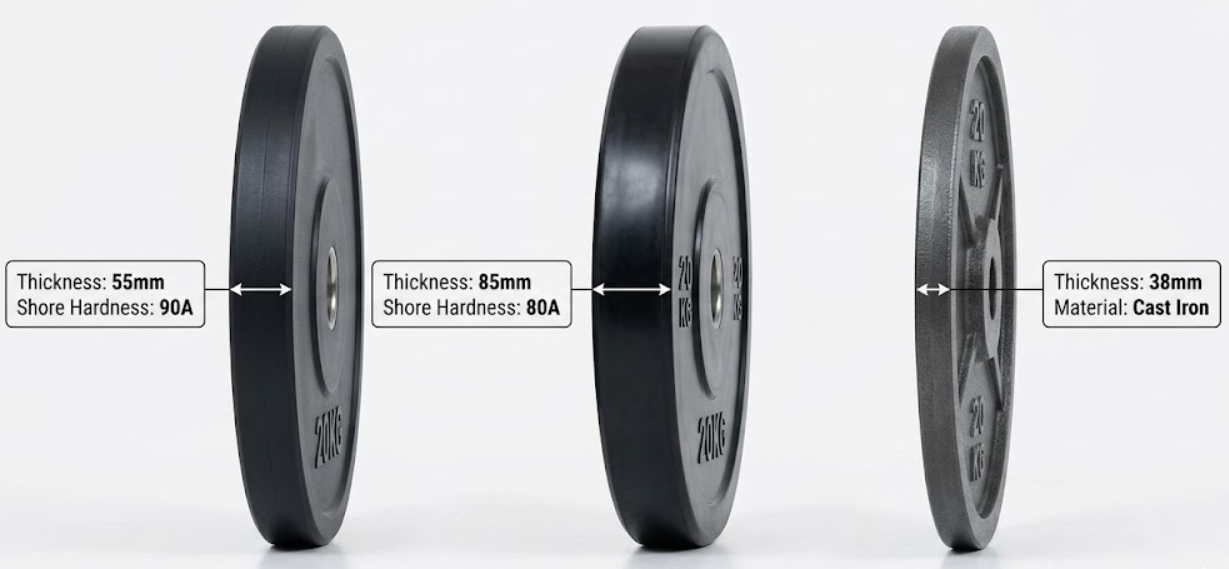
In contrast, for strength machines, power racks, and bodybuilding zones, best barbell weight plates made of machined cast iron are the superior choice for space optimization. Because iron is significantly denser than rubber, these plates are much thinner, allowing a lifter to load more weight onto a single barbell sleeve. For a commercial gym owner, this means your equipment can accommodate a wider range of strength levels without requiring additional, bulky inventory.
From a procurement standpoint, the best weight plates to buy are typically a strategic mix of both. Purchasing in bulk allows you to standardize the aesthetic of your facility while taking advantage of tiered wholesale pricing. We recommend a ratio based on your floor plan: allocate 60% of your budget to best barbell weight plates for general strength areas and 40% to best bumper weight plates for specialized lifting platforms. This balance optimizes your capital expenditure while ensuring the right tool is available for each specific training modality.
Engineering Precision: The Critical Role of Weight Tolerance and Insert Integrity
When evaluating the best weight plates to buy at scale, the engineering of the center insert is the most frequent point of failure. In lower-quality plates, the steel or brass insert is often pressed into the rubber after molding, leading to "popped inserts" under the stress of commercial use. The best bumper weight plates feature a co-molded, anchored hub system where the insert is chemically bonded to the rubber during the vulcanization process, ensuring it remains seated even after thousands of drops.
Weight tolerance is equally vital for B2B buyers who manage professional athletic facilities or distribution channels. Standard retail plates often vary by several pounds, which can lead to uneven barbell loading and potential injury. The best weight plates to buy for commercial use must adhere to strict weight consistency. Our manufacturing protocols typically ensure a tolerance within +/- 1% of the stated weight, a standard that separates professional-grade equipment from budget home-gym alternatives.
For those looking for best barbell weight plates to supply to competitive powerlifting gyms, the internal diameter of the center hole must be precision-machined. A loose fit on the barbell sleeve leads to excessive noise and accelerated wear on the bar’s knurling. We focus on a 50.4mm to 50.6mm tolerance, providing a snug, secure fit that enhances the lifting experience. This attention to detail reduces the maintenance requirements of your barbells, directly impacting your bottom-line ROI by extending the lifespan of your secondary equipment.
| Engineering Feature | Standard Grade Plates | Commercial Grade (Best Buy) | Impact on Business |
|---|---|---|---|
| Weight Tolerance | +/- 5% to 10% | +/- 1% or less | Higher user trust and suitability for competitions. |
| Insert Design | Pressed-in / Friction fit | Anchored / Vulcanized bonding | Eliminates replacement costs due to insert failure. |
| Diameter Precision | Loose / Variable | Calibrated 50.4mm - 50.6mm | Reduces wear on expensive barbells and minimizes noise. |
| Surface Finish | Rough paint / Recycled rubber | Electrostatic coat / Virgin rubber | Resists rust and chemical cleaners; maintains resale value. |
Durability Testing: How 20,000 Drops Protect Your Capital Investment
In a commercial setting, the best weight plates to buy must be viewed as durable assets rather than consumables. The reality of a high-volume facility is that equipment is rarely handled with care. To ensure your investment doesn't crack under pressure, we subject our best bumper weight plates to rigorous drop-testing protocols. Typically, industry-standard premium plates are tested for up to 20,000 drops from a height of 2 meters to verify that the rubber-to-core bond remains intact and the bounce characteristics stay consistent.
For a gym owner, this durability translates directly into a lower Total Cost of Ownership (TCO). When you choose the best weight plates to buy based on these engineering benchmarks, you significantly extend the replacement cycle of your inventory. A plate that lasts five years versus one that fails in eighteen months represents a massive difference in your annual capital expenditure. Furthermore, high-durability plates protect your flooring; low-quality rubber tends to harden and become brittle over time, losing its shock-absorption properties and potentially leading to expensive subfloor damage.
For distributors and OEM partners, sourcing the best barbell weight plates with proven durability is the most effective way to protect your brand reputation. High return rates due to product failure can destroy the thin margins in the wholesale fitness industry. By prioritizing plates that utilize high-grade vulcanized rubber and reinforced steel hubs, you ensure a "zero-complaint" user experience, which is essential for maintaining long-term contracts with commercial gym chains and successfully scaling your presence on competitive retail platforms.
Space Efficiency: Thickness Calibration and Rack Management for High-Traffic Gyms
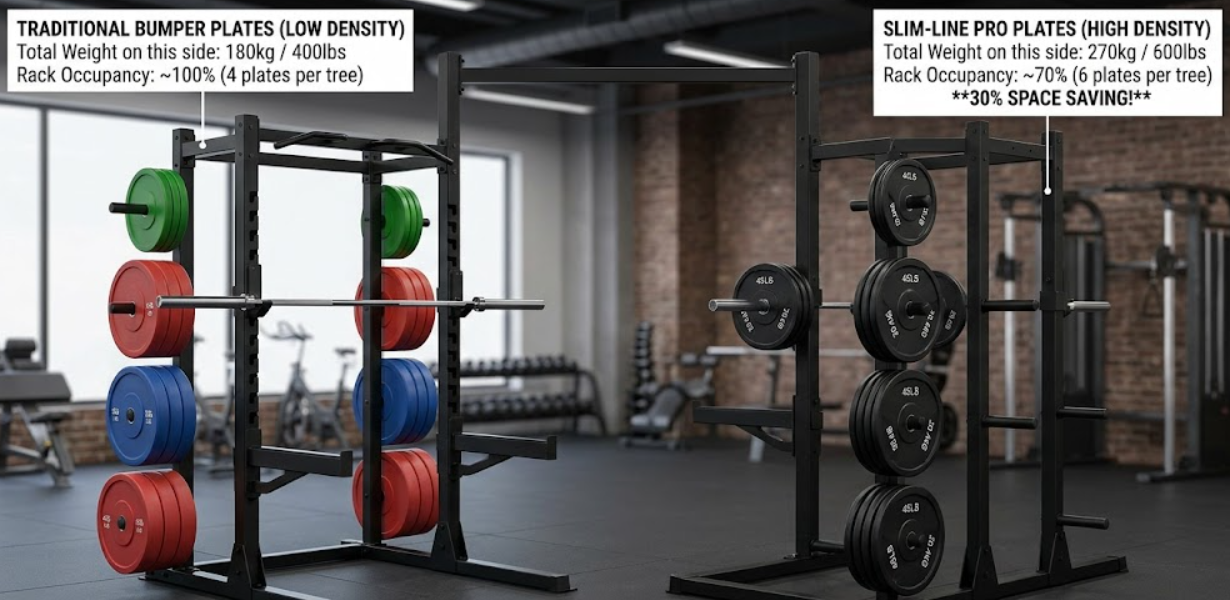
Space is often the most expensive commodity in a commercial gym. The best weight plates to buy are those that allow for maximum weight capacity within the smallest possible footprint. This is where thickness calibration becomes a critical procurement factor. Standard "economy" bumper plates are often excessively thick, limiting the amount of weight a member can load onto a barbell or a plate-loaded machine. The best bumper weight plates for commercial use feature a slim-line profile, allowing for five or six 20kg plates to be loaded on a standard sleeve, compared to just three or four of the cheaper alternatives.
This space efficiency extends to storage. When you buy the best barbell weight plates in bulk, you must consider how they interface with your racking systems. Thinner, calibrated plates allow for more inventory to be stored in a smaller area, keeping your gym floor organized and safe for foot traffic. This is particularly vital for small-boutique studios or personal training spaces where every square foot must generate a specific ROI. By choosing high-density best weight plates to buy, you optimize your gear-to-space ratio, allowing for a more versatile training environment without the clutter.
For large-scale procurement, thickness also impacts logistics and warehousing. The best weight plates to buy for global distribution are those that can be densely packed. Our precision-engineered plates are designed to stack perfectly, reducing the "dead air" in shipping containers and warehouse racks. This optimization can reduce your landed cost per unit by up to 10%, giving you a significant pricing advantage in the competitive wholesale market while ensuring your customers receive a product that feels premium and professional from the moment it is unboxed.
| Efficiency Factor | Low-Density / Economy Plates | High-Density / Commercial Plates | Commercial Benefit |
|---|---|---|---|
| Plate Thickness (20kg) | 80mm - 120mm | 50mm - 65mm | Allows heavier lifts on standard barbell sleeves. |
| Rack Capacity | Limited / Bulky | High / Compact | Maximizes floor space and reduces equipment clutter. |
| Shipping Density | Low (higher freight cost) | High (lower freight cost) | Reduces landed cost per kg for bulk importers. |
| User Experience | Clunky / Difficult to grip | Ergonomic / Easy to handle | Improves gym flow and reduces risk of dropped plates. |
Private Label & OEM Opportunities: Building Brand Equity Through Custom Equipment
For distributors and fitness brands, the best weight plates to buy are those that can be fully customized to reflect a unique brand identity. In a saturated market, offering generic equipment makes you vulnerable to price wars. By utilizing our OEM and private label services, you can transform high-quality hardware into a branded asset. This includes custom mold development for embossed logos, specific color-coding to match brand guidelines, and unique surface textures that differentiate your product line from competitors.
Investing in custom-branded best barbell weight plates is a strategic move for large-scale gym franchises and equipment wholesalers. It creates a cohesive professional look that enhances the perceived value of your facility or product catalog. Our manufacturing process allows for high-precision logo engraving that won't wear off over time, unlike cheap screen-printed alternatives. This level of customization helps build brand equity and fosters customer loyalty, as your brand becomes synonymous with the durability and performance of the equipment.
From a manufacturing perspective, we assist our partners in navigating the complexities of "white label" versus "private label" strategies. Whether you require a standard design with a custom logo or a completely proprietary mold with unique weight increments, we provide the engineering support to bring your vision to market. The best weight plates to buy for your brand are those that meet international safety standards while offering a distinct aesthetic that resonates with your specific target audience, whether they are elite powerlifters or commercial wellness centers.
The Hidden Costs of Low-Quality Plates: Maintenance, Floor Damage, and Replacement Cycles
The primary trap for many procurement officers is focusing solely on the initial purchase price. However, the best weight plates to buy are often the ones that save you the most money over a three-to-five-year period. Sub-standard plates frequently utilize "crumb" rubber or low-grade recycled materials that off-gas toxic odors, creating an unpleasant environment for gym members. More critically, these materials have poor shock absorption, meaning the force of a drop is transferred directly to your expensive rubber flooring and the barbell itself.
When you avoid investing in the best bumper weight plates, you inadvertently increase your maintenance budget. Cracked inserts or warped plates cause friction against barbell sleeves, leading to accelerated wear on the bar's rotation mechanism. In a commercial setting, replacing a fleet of damaged barbells because of poor-quality plates is a significant and unnecessary expense. Furthermore, low-quality plates often have inconsistent diameters; when dropped, the "odd plate out" absorbs the entire impact, leading to a catastrophic failure that can pause gym operations and affect member retention.
By prioritizing the best weight plates to buy from a reputable commercial manufacturer, you mitigate these risks. Our products are designed to survive the "pain points" of a busy gym: constant humidity, heavy-duty cleaning chemicals, and high-velocity impacts. Choosing best barbell weight plates with high-grade finishes like hard chrome or premium urethane prevents rust and oxidation, ensuring your gym looks new and professional for years. This focus on durability is not just about quality—it is about protecting your profit margins from the hidden costs of failure.
| Potential Risk | Low-Quality "Economy" Plates | Commercial-Grade Solutions | Long-Term Financial Impact |
|---|---|---|---|
| Odor & Air Quality | High VOC / Strong toxic smell | Low-odor Virgin Rubber / Urethane | Improves member retention and facility comfort. |
| Impact Absorption | Poor / Brittle rubber | High-energy absorption polymer | Reduces floor repair and barbell replacement costs. |
| Weight Drift | Changes as material sheds | Consistent weight throughout lifespan | Maintains facility reputation and athlete trust. |
| Replacement Cycle | 12 - 18 months | 60+ months | Lowers annual capital expenditure (CAPEX) by 60%. |
Logistics and Scalability: Optimizing Bulk Orders and Global Shipping Efficiency
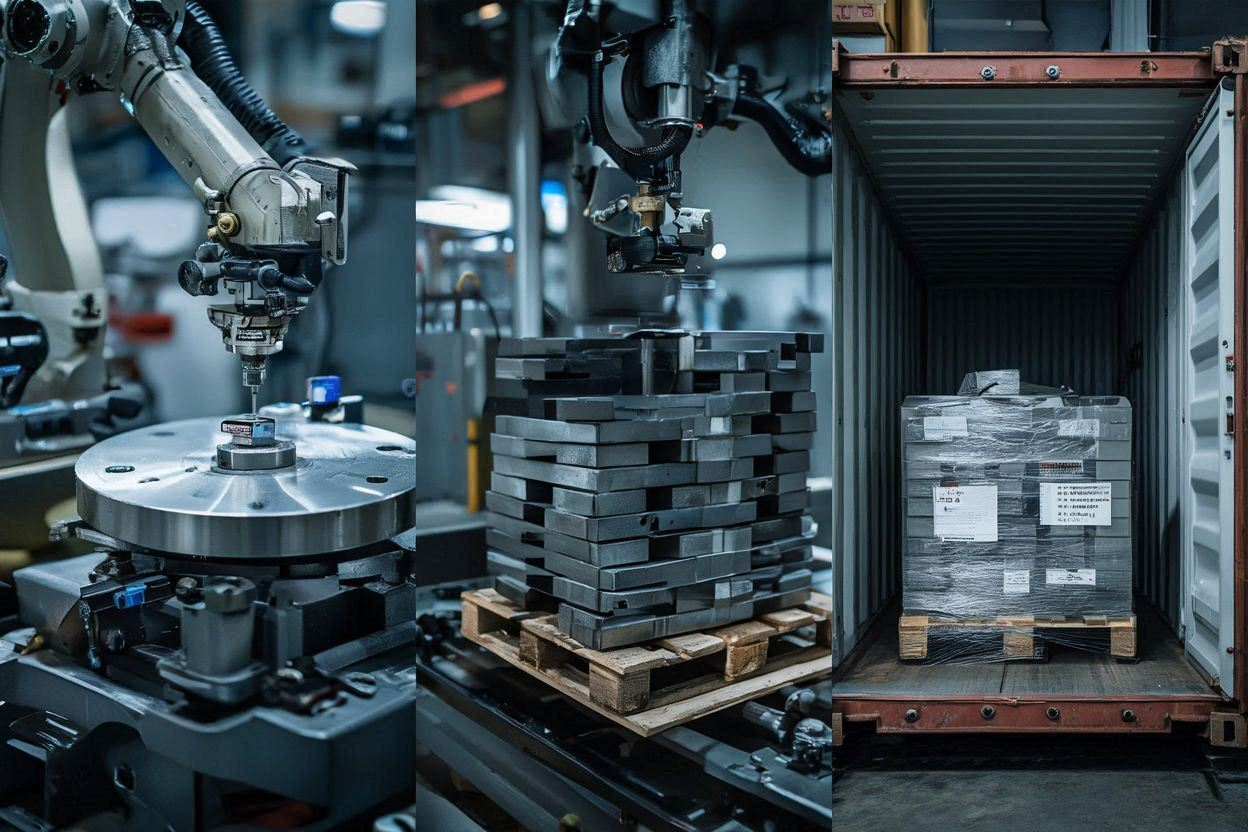
For large-scale distributors and international buyers, the best weight plates to buy are those that optimize the landed cost per unit. Shipping heavy, dense products like weight plates involves complex logistics where packaging efficiency directly correlates with profit margins. Our manufacturing process incorporates palletization strategies that maximize container volume while ensuring the structural safety of the shipment. By reducing the "dead space" within a 20ft or 40ft container, we help our partners lower their freight costs by up to 15%, providing a significant competitive edge in the wholesale market.
Scalability is another critical factor for commercial gym chains and equipment wholesalers. When you identify the best bumper weight plates for your inventory, you need a manufacturing partner that can maintain consistent quality across thousands of units. Our quality assurance protocols ensure that the first plate off the production line is identical to the ten-thousandth. This consistency is vital for gym owners who need to add inventory to existing facilities without the new plates looking or performing differently from the old ones. For OEM partners, our high-volume capacity ensures that we can meet tight production deadlines, reducing your lead times and helping you respond faster to market demand.
Furthermore, we prioritize "retail-ready" or "gym-ready" packaging. The best weight plates to buy for distribution are those that arrive without damage. We use reinforced, moisture-resistant packaging and heavy-duty strapping to prevent shifting during sea transit. This attention to detail minimizes the risk of receiving "scuffed" or damaged goods, ensuring that your inventory is ready for immediate sale or installation upon arrival. By streamlining the supply chain from our factory floor to your warehouse, we provide a seamless procurement experience that supports your business growth.
Procurement Checklist: Questions Every Professional Buyer Should Ask a Manufacturer
To ensure you are securing the best weight plates to buy for your specific commercial needs, you must move beyond the price list and interrogate the manufacturing standards. A low-cost quote often masks compromises in material purity or bonding agents. When discussing terms with a potential supplier, focus on their testing data and warranty structures. Reliable manufacturers will provide documented proof of drop-test results and weight tolerance audits, which are the only real guarantees of product longevity in a commercial environment.
If you are looking for the best barbell weight plates for a professional facility, your checklist should include questions about surface treatment and chemical safety. Ask for certifications regarding REACH or RoHS compliance, especially for rubber and urethane products, to ensure your facility remains free of toxic off-gassing. For distributors, inquire about the Minimum Order Quantity (MOQ) for custom branding and the lead time for mold development. The best weight plates to buy are those backed by a manufacturer who understands your business model and offers flexibility in production to match your seasonal demand cycles.
Finally, always evaluate the warranty for commercial vs. home use. Many retail-grade plates offer a "lifetime warranty" that is voided the moment they are placed in a commercial gym. The best bumper weight plates for B2B buyers come with a clear commercial-use warranty that covers hub separation and structural failure. Securing these terms upfront protects your capital investment and ensures that your facility maintains a high standard of safety and performance without unexpected replacement costs.
| Buyer Checkpoint | Key Question to Ask | Ideal Manufacturer Response |
|---|---|---|
| Durability Verification | "What is your documented drop-test limit for 20kg plates?" | "Tested to 20,000+ drops with zero structural failure." |
| Material Safety | "Do your rubber plates meet REACH/RoHS standards for VOCs?" | "Yes, we use virgin rubber with full chemical compliance certification." |
| Customization (OEM) | "What is the MOQ for a proprietary logo mold?" | "Flexible MOQs starting at 50-100 units depending on design complexity." |
| Weight Accuracy | "What is your guaranteed weight tolerance per plate?" | "Calibrated within +/- 1% or less for all commercial orders." |