Bumper Plate Bulk Buy: Material and Sourcing Comparison
Strategic Advantages of a Bumper Plate Bulk Buy
A bumper plate bulk buy involves the high-volume procurement of impact-resistant weight plates, typically made from high-density rubber or urethane, designed for heavy use in commercial environments. For distributors and gym owners, sourcing directly from a China factory optimizes the landed cost and ensures inventory scalability for large-scale facilities.
Transitioning from retail-style purchasing to wholesale gym weight plates allows professional buyers to secure much higher distributor margin. When managing a single facility, small orders may suffice, but for distributors looking to scale, high-volume sourcing is essential to mitigate the rising costs of individual freight and to maintain a consistent stock of commercial bumper plates across multiple product lines.
The primary challenge in large-scale procurement is balancing the initial capital expenditure against long-term durability. Relying on small-batch suppliers often leads to inconsistent material density and varying bore tolerances, which can damage premium barbell sets. By establishing a direct relationship with a supplier, buyers can implement stricter OEM or ODM specifications to ensure every unit meets the rigorous demands of a high-traffic commercial gym.
Material Performance and TCO Analysis
Selecting the correct material is the most critical decision in a bumper plate bulk buy, as it dictates the long-term Total Cost of Ownership (TCO). While rubber is the industry standard for impact absorption, the specific compound and manufacturing process determine how often a distributor must replace stock due to cracking or de-lamination. A professional rubber bumper plate manufacturer will typically offer different tiers of density to meet various commercial requirements, from standard training to high-impact competition use.
The following comparison outlines how material selection impacts your logistics and long-term maintenance load. For instance, while urethane offers superior durability, its higher unit cost and specific weight-to-volume ratio must be calculated against your landed cost and shipping efficiency.
| Material Tier | Manufacturing Process | Key Component Focus | Commercial Duty | MOQ Impact | Factory QC Point |
|---|---|---|---|---|---|
| Rubber | Vulcanization & Compression Molding | High-density outer shell | Standard Commercial / CrossFit | Standard | Bond line adhesion |
| Urethane | Injection Molding or Polyurethane Casting | Encapsulated core | Premium / High-Traffic Gyms | Higher | Coating thickness & uniformity |
| Steel / Cast Iron | Sand Casting & Machining | Precision-drilled center bore | Strength Training / Traditional | Variable | Bore concentricity & flatness |
When evaluating a rubber bumper plate manufacturer, procurement leads should prioritize the quality of the vulcanization process. In many commercial settings, a common failure mode is the separation of the rubber from the inner hub. Ensuring a high-quality bond line during the molding stage reduces the frequency of replacement, thereby protecting your long-term margins. Additionally, consider how the shipping volume of these materials affects your container loading efficiency; heavier steel plates may hit weight limits before volume limits, whereas rubber plates often maximize container volume, impacting your total logistics cost.
To ensure long-term profitability, professional buyers must move beyond unit price and evaluate the entire procurement lifecycle. Requesting a detailed spec sheet or a sample evaluation is a standard step to confirm that the material density and bore precision align with your specific commercial requirements. Whether you are seeking a custom OEM solution for a private label or looking to optimize your current wholesale inventory, a direct partnership with a factory allows for better control over lead times and quality consistency.
Before finalizing a bumper plate bulk buy, we recommend confirming the specific MOQ for different material grades and requesting a pre-shipment inspection protocol. A thorough audit of the casting and molding stages ensures that your landed cost is not offset by high replacement rates or shipping damages. Contact us today to discuss your bulk pricing requirements or to initiate a custom branding consultation.
Material Selection: Rubber, Urethane, and Steel Comparison
When planning a bumper plate bulk buy, professional buyers must look beyond the initial unit price to evaluate the long-term Total Cost of Ownership (TCO). For distributors and gym operators, selecting the correct material is a strategic decision that impacts floor longevity, equipment replacement cycles, and overall maintenance overhead. Whether you are sourcing from a China factory for a high-volume retail distribution model or a specialized training facility, understanding the material-to-durability ratio is essential for maximizing ROI.
The choice between rubber, urethane, and steel determines how your inventory performs under heavy commercial usage. While rubber offers excellent shock absorption, it may suffer from faster surface wear compared to premium alternatives. Conversely, high-grade urethane provides superior density and resistance to abrasion but requires a higher initial wholesale investment. Steel remains the industry standard for compact, high-density strength training, though it lacks the impact-dampening qualities of coated options. Selecting the right rubber bumper plate manufacturer ensures that the compound used meets commercial-grade standards for density and scent-neutrality, preventing premature cracking or degradation.
| Material Tier | Primary Process | Commercial Duty Profile | TCO Impact | Sourcing Context |
|---|---|---|---|---|
| Rubber | Compression Molding | High Impact / Standard Gyms | Lower Capex / Moderate Replacement | High wholesale availability |
| Urethane | Injection / Polyurethane Coating | Extreme Durability / Premium Studios | Higher Capex / Low Maintenance | Specialized OEM production |
| Steel | Casting & Machining | High Density / Space-Efficient | Low Capex / High Durability | Standard bulk inventory |
For those seeking commercial bumper plates that balance cost and longevity, a rubber bumper plate manufacturer can often provide different grades of rubber—ranging from standard recycled compounds to high-density virgin rubber—to meet specific MOQ requirements and budget constraints. Evaluating these material properties during the sourcing phase prevents the high cost of frequent replacements in high-traffic commercial environments.
Strategic Material Evaluation for Procurement
Selecting the appropriate material grade is a critical component of a successful bumper plate bulk buy. A professional procurement specialist must weigh the immediate landed cost against the long-term operational expenses. While standard rubber-coated options are highly accessible, premium urethane or high-density steel-core alternatives often provide a better return on investment for high-traffic commercial facilities where equipment turnover must be minimized.
When evaluating wholesale gym weight plates, the technical specification of the outer layer—be it vulcanized rubber, polyurethane, or powder-coated steel—directly dictates the maintenance frequency and floor protection requirements. A reliable rubber bumper plate manufacturer will typically offer various material densities to help distributors optimize their product tiers, from entry-level commercial stock to premium, high-impact competition-grade units. This flexibility allows for better margin management across different client segments, from local boutique studios to large-scale training centers.
To ensure your inventory meets professional standards, we recommend requesting a detailed specification sheet from your supplier. This should include details on the molding process and the expected impact resistance of the chosen material. Confirming the MOQ for custom material grades or OEM color branding during the initial sourcing phase will prevent unexpected lead time delays and ensure your product lineup aligns with your brand's durability promises.
Manufacturing Processes and Precision Engineering
Achieving high-performance standards during a bumper plate bulk buy requires a deep understanding of the manufacturing sequence used by a professional rubber bumper plate manufacturer. For distributors and gym owners, the difference between a budget unit and a premium commercial-grade product lies in the precision of the core construction and the secondary molding processes.
Standard commercial bumper plates must undergo a rigorous multi-stage production route to ensure long-term durability and safety. The process typically begins with high-density high-impact rubber or a solid steel core, followed by precision machining to ensure the center bore meets strict concentricity requirements. This mechanical calibration is vital for smooth transitions during high-volume training. After the core is shaped, the rubber encapsulation or high-grade coating is applied through specialized molding or dip processes. A reliable China factory will implement a sequence involving casting, precision machining, and surface finishing to prevent common failure modes such as uneven weight distribution or coating delamination. For large-scale wholesale gym weight plates orders, maintaining a consistent weight tolerance throughout the factory production run is the primary indicator of engineering quality and helps reduce the total cost of ownership for the end-user.
Material Selection and TCO Comparison
When evaluating a bumper plate bulk buy, procurement professionals must weigh initial capital expenditure against long-term maintenance and replacement costs. The choice between rubber, urethane, and steel-core options significantly impacts the total cost of ownership (TCO) and the durability of your facility's inventory. A professional rubber bumper plate manufacturer will offer various material grades to suit different commercial tiers, from high-traffic strength conditioning centers to premium boutique studios.
The following table outlines the technical differences in material and production complexity to assist in your sourcing decision. This comparison focuses on how material properties affect the durability and the eventual wholesale value of the order.
| Material Tier | Primary Process | Core Component | Commercial Duty | MOQ Impact | Factory QC Point |
|---|---|---|---|---|---|
| Standard Rubber | Compression Molding | High-Density Rubber | Budget/High-Volume | Lower | Bond Line Adhesion |
| Premium Urethane | Injection Molding | Polyurethane Compound | Premium/High-End | Moderate | Surface Uniformity |
| Steel-Core Hybrid | Casting & Coating | Steel/Iron Center | Heavy Duty/Durability | Variable | Bore Concentricity |
Selecting the correct material tier ensures that your wholesale gym weight plates do not suffer from premature wear. For example, while standard rubber is cost-effective for large-scale distribution, high-end facilities often prefer the impact resistance and color retention of urethane. Understanding these technical trade-offs allows importers to optimize their sourcing strategy, balancing the factory production complexity with the required commercial longevity of the equipment.
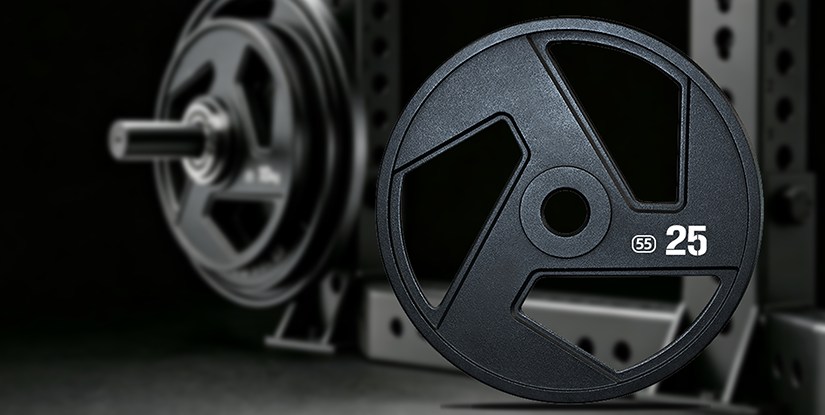
Before finalizing a bumper plate bulk buy, it is essential to verify the specific quality control protocols used by your chosen supplier. High-volume procurement requires more than just a low price; it requires a guarantee that every unit in the shipping container meets the same technical specifications. A professional China factory will provide detailed documentation regarding their production stages, from the initial casting of the core to the final pre-shipment inspection.
When managing large-scale wholesale orders, we recommend requesting a sample evaluation or a factory audit to inspect the following critical points: the precision of the center bore, the adhesion of the outer coating, and the overall flatness of the plate. For commercial bumper plates, ensuring these engineering standards are met at the source will minimize your long-term replacement costs and protect your distributor margins. We invite you to contact us to request a detailed specification sheet, confirm current MOQ tiers, or discuss OEM and ODM customization options for your specific brand requirements.
Critical QC Benchmarks for China Factory Export
Managing a bumper plate bulk buy requires more than just selecting a material; it demands a rigorous verification of the final production output. When sourcing from a China factory, the risk of receiving inconsistent batches increases with volume. Without a structured pre-shipment inspection, distributors often face unexpected landed cost spikes due to defective units, uneven weight distribution, or surface failures that compromise the professional image of a facility.
To maintain high standards for commercial bumper plates, procurement teams must look beyond basic weight checks. A professional rubber bumper plate manufacturer should provide documented evidence of several critical quality control checkpoints. These include verifying weight tolerance through randomized sampling, testing coating adhesion to ensure the rubber does not peel under heavy impact, and auditing the shipping damage prevention protocols, such as reinforced corner protection and heavy-duty palletizing, to ensure the order arrives in export-ready condition.
Technical Inspection Checklist for High-Volume Procurement
A structured inspection protocol is essential when managing a bumper plate bulk buy to ensure that the wholesale gym weight plates received meet professional facility standards. Rather than relying on a single sample, professional buyers should request a technical checklist for the final production phase. This ensures that the rubber bumper plate manufacturer has addressed the specific physical requirements of heavy-use commercial environments.
The following technical benchmarks should be used during a remote audit or a physical third-party inspection to verify product integrity:
- Material Density and Uniformity: Verify that the rubber/urethane compound is consistent throughout the plate. In many commercial settings, uneven density leads to premature cracking or uneven bounce profiles.
- Concentricity and Bore Precision: Inspect the center hole for concentricity. A non-centered bore can cause uneven weight distribution on Olympic bars, increasing wear on expensive barbell sleeves.
- Edge Smoothness and Surface Finish: Ensure all edges are smoothly finished and free of sharp protrusions or molding flash. This is critical for both user safety and the longevity of the floor protection.
- Branding and Logo Integrity: For OEM or ODM orders, confirm that logo embossing or color-coded numbering is deeply integrated and does not peel or fade under high-impact use.
- Packaging Durability: Confirm that the wholesale shipment utilizes heavy-duty, reinforced export-grade packaging. This prevents structural damage during long-distance sea freight and reduces the risk of transit-related claims.
By establishing these requirements during the sourcing phase, importers can effectively manage their long-term TCO and ensure that their inventory arrives ready for immediate commercial deployment.
| Inspection Category | Specific Checkpoint | Commercial Impact | Pass/Fail Criteria |
|---|---|---|---|
| Material Integrity | Rubber/Urethane Compound Uniformity | Reduces long-term replacement costs and cracking risks | Consistent texture and density throughout the plate |
| Weight Accuracy | Randomized Batch Weight Sampling | Protects distributor margins and ensures professional calibration | Weight falls within standard commercial tolerance ranges |
| Structural Precision | Bore Concentricity and Edge Smoothness | Prevents barbell sleeve wear and user injury | Centered hole with no sharp molding flash or protrusions |
| Surface Durability | Coating Adhesion and Finish Stability | Maintains brand identity and prevents unsightly peeling | No separation between the core and the outer layer |
| Export Readiness | Palletization and Corner Protection | Minimizes transit damage and landed cost increases | Reinforced packaging suitable for high-volume sea freight |
Before finalizing your next bumper plate bulk buy, we recommend requesting a detailed spec sheet and a video of the current production run. For large-scale projects, confirming the MOQ and lead time for OEM or ODM customizations is a critical step. We invite professional buyers to contact us directly to discuss bulk pricing, sample approval processes, or to schedule a virtual factory audit to ensure your procurement standards are met.
Optimizing Sourcing via OEM and Private Label Services
For distributors and large-scale gym operators, a bumper plate bulk buy is not merely a transaction for stock; it is a strategic opportunity to build brand equity. By leveraging OEM and ODM capabilities from a professional China factory, buyers can transition from selling generic commodities to managing a proprietary product line. This vertical integration allows for precise control over your brand identity through custom specifications and aesthetics.
Strategic branding through private label manufacturing enables you to differentiate your catalog in a crowded market. Whether you require a custom logo embossed directly into the rubber surface or specific color-coded weight markings to match your studio's aesthetic, a specialized manufacturer can execute these requirements. While standard commercial bumper plates follow general industry patterns, OEM solutions allow you to define the specific thickness, bumper density, or color profiles that meet your regional market's demands.
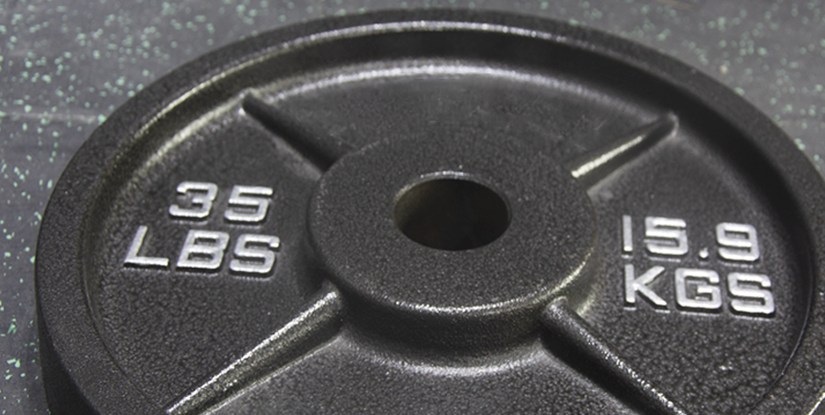
Navigating the sourcing process requires understanding how customization impacts your bottom line. Most high-tier wholesale gym weight plates production runs are subject to a specific MOQ to offset the costs of custom tooling or specialized color pigments. Engaging with a supplier early in the design phase ensures that your custom branding requirements do not inadvertently inflate your landed cost or extend your lead time beyond seasonal windows. For many distributors, the ability to offer a branded, high-durability product line is the primary driver for long-term client retention and higher margins.
Sourcing Models: Stock vs. Custom Manufacturing
Selecting the correct procurement path is essential to balance immediate inventory needs with long-term brand development. When planning a bumper plate bulk buy, procurement leads must weigh the speed of ready-to-ship inventory against the higher margins and market differentiation provided by customized production. Choosing between standardized stock and specialized manufacturing impacts your landed cost, storage requirements, and overall supply chain agility.
The following table outlines the typical differences between standard wholesale procurement and customized OEM/ODM orders to assist in your decision-making process.
| Sourcing Model | Customization Potential | Typical Lead Time | Standard MOQ | Impact on Landed Cost |
|---|---|---|---|---|
| Standard Stock | Minimal (Standard colors/sizes) | Short (Ready-to-ship) | Lower (Pallet-based) | Optimized for speed |
| OEM / ODM | High (Custom logo, color, spec) | Extended (Production cycle) | Higher (Volume-dependent) | Scalable for high-volume |
| Private Label | Full (Branded packaging/specs) | Longest (Tooling + Production) | Highest (Production run) | Driven by brand equity |
For distributors seeking to establish a premium presence, the ODM route offers the ability to request specific material densities or specialized rubber bumper plate manufacturer specifications that are not available in the standard catalog. While a wholesale stock order is ideal for rapid replenishment and testing market demand, a dedicated production run allows you to control the finer details of the product's lifecycle and professional presentation.
Technical QC and Export Readiness
A successful bumper plate bulk buy depends heavily on the rigor of the factory-level quality control protocols. To mitigate the risk of receiving defective or non-compliant units, professional buyers should verify that their rubber bumper plate manufacturer implements a multi-stage inspection process. This is especially critical when sourcing high-volume orders where a single manufacturing deviation can impact the entire shipment's durability and your brand's reputation.
A standard industrial-grade QC sequence for high-end production typically follows this sequence: initial material testing (checking rubber density and compound consistency) → molding and vulcanization → weight calibration check → surface finish inspection → and finally, a pre-shipment inspection. During the pre-shipment phase, a reliable supplier will conduct spot checks on bore concentricity and the adhesion of the outer layer to ensure the plates remain structurally sound under heavy impact. For commercial bumper plates, this ensures the center hole remains consistent and the edges do not show premature degradation.
Logistics and export packaging also play a vital role in protecting your wholesale gym weight plates during long-distance sea freight. To prevent damage to the edges or weight inaccuracies caused by compression, high-tier manufacturers use reinforced, heavy-duty corrugated boxes or custom wooden crates. For large-scale sourcing, we recommend confirming the palletization method and container loading plan early. This allows you to optimize your container utilization and accurately calculate the final landed cost, ensuring that your bulk arrival is both organized and ready for immediate distribution or gym installation.
Logistics and Container Loading Efficiency
Optimizing a bumper plate bulk buy requires a deep understanding of how material density affects your total landed cost. For distributors and gym equipment importers, the relationship between product volume and shipping weight is a critical variable in maintaining healthy profit margins. When sourcing directly from a China factory, the physical dimensions of the plates—specifically the thickness and the diameter of the center bore—dictate how many units can be packed into a standard 20ft or 40ft high cube container.
High-density materials like urethane or high-grade rubber offer excellent durability but possess a different volume-to-weight ratio compared to thinner, steel-core alternatives. If the commercial bumper plates you select are too bulky, you may hit the volume limit of a container before reaching the maximum weight capacity, leading to inefficient shipping container optimization. Conversely, choosing plates with a more compact profile allows for higher density loading, which significantly lowers the per-unit landed cost during international transit.
To mitigate these logistical risks, professional buyers should work with a rubber bumper plate manufacturer that offers specialized export packaging. Effective wholesale strategies often involve requesting specific palletization layouts or nested stacking configurations to ensure that your wholesale gym weight plates utilize every cubic meter of available space, maximizing the ROI of every ocean freight shipment.
Material Comparison for Procurement Optimization
Selecting the right material is not merely a choice of durability, but a strategic decision regarding total cost of ownership and logistics. A bumper plate bulk buy involves balancing the physical footprint of the product against the shipping expenses. For example, while rubber provides superior shock absorption, its volume density can impact how many units fit per pallet compared to more compact steel-core designs. Professional buyers must evaluate these qualitative tiers to ensure their wholesale gym weight plates align with their specific distribution or installation budget.
| Material Type | Primary Manufacturing Process | Key Component/Feature | Commercial Duty Tier | MOQ Impact | Factory QC Point |
|---|---|---|---|---|---|
| Rubber | Compression Molding/Vulcanization | High-density Rubber Shell | Premium/High-Impact | Higher | Coating Adhesion & Surface Uniformity |
| Urethane | Injection Molding | Polyurethane Encapsulation | Elite/High-Durability | Highest | Bond Line Integrity & Edge Smoothness |
| Steel-Core | Casting & Surface Coating | Steel Hub/Internal Core | Standard/Commercial | Lower | Bore Concentricity & Weight Tolerance |
When negotiating with a rubber bumper plate manufacturer, it is essential to confirm how each material affects your container loading plan. A specialized supplier can provide detailed packing lists that account for the thickness of the plates to optimize space. For high-volume orders, understanding these material-driven dimensions helps in calculating the most efficient way to manage your wholesale shipments and reduce the per-unit freight burden.
Export Packaging and Pre-Shipment QC Protocols
For high-volume procurement, the risk of product damage during ocean transit can quickly erode distributor margins. A professional rubber bumper plate manufacturer must prioritize specialized export packaging to prevent deformation and surface abrasions. This typically involves heavy-duty corrugated cartons and reinforced corner protection. To ensure the integrity of a bumper plate bulk buy, we implement strict palletization standards, using heat-treated wooden pallets that are secured with high-tensile shrink wrap to prevent shifting during transit.
Beyond basic packaging, a rigorous pre-shipment QC process is non-negotiable for maintaining commercial standards. Before any container loading, a thorough inspection is conducted to verify bore concentricity, surface smoothness, and weight consistency across the entire batch. This level of scrutiny minimizes the risk of breakage or dimensional errors upon arrival at your warehouse. By coordinating the lead time with precise container loading plans, our factory ensures that your wholesale gym weight plates arrive in optimal condition, reducing the need for costly replacement planning or after-sales claims.