Calibrated Steel Plate Wholesale Supplier: Cast Iron Vs
Calibrated Steel Plate Wholesale Supplier: Material Selection for Commercial Use
For large-scale fitness franchises or high-traffic commercial gym chains, the decision between cast iron and steel-based plates is not merely a matter of aesthetic preference, but a strategic procurement choice involving long-term durability and total cost of ownership. When a calibrated steel plate wholesale supplier provides high-grade units, they are providing more than just weight; they are providing a standardized asset that ensures consistent training environments across multiple locations. Selecting the correct material profile is essential for maintaining professional safety standards and optimizing the lifecycle of your equipment inventory.
A mismatch in material quality during commercial weight plate sourcing can lead to rapid depreciation. For instance, low-grade casting that lacks proper concentricity or surface treatment can result in uneven weight distribution, causing premature wear on barbell sleeves and increasing maintenance overhead. Professional buyers must evaluate how different manufacturing routes—such as sand casting for iron versus precision machining for steel—impact both the immediate durability of the unit and the long-term floor protection requirements of the facility.
Effective gym equipment material comparison involves looking beyond the surface to the engineering-grade specifications. A premium calibrated steel plate wholesale supplier will offer products that undergo rigorous weight calibration and surface finishing to ensure that the weight tolerance remains within acceptable commercial industry standards. This precision is critical for high-performance environments where equipment consistency directly influences user safety and the perceived quality of the facility.
| Material Type | Typical Process | Key Component/Finish | Commercial Duty Tier | Floor Protection Level | Sourcing Advantage |
|---|---|---|---|---|---|
| Cast Iron | Sand Casting & Machining | Powder Coating or Paint | Budget to Standard Commercial | Moderate (Requires Mats) | High Volume/Low MOQ |
| Steel (Solid) | Precision Machining | Chrome or Galvanized | Premium Commercial | High (Impact Resistant) | High Precision/Low Tolerance |
| Rubber-Coated | Steel Core & Injection Molding | High-Density Rubber/PU | Elite/High-Traffic Commercial | Excellent (Impact Absorption) | High Durability/Low Noise |
Technical Specifications and Procurement Logic
When conducting a gym equipment material comparison, professional buyers must prioritize the manufacturing sequence to ensure long-term ROI. For cast iron options, the process typically begins with sand casting, followed by precision machining of the center bore to ensure a perfect Olympic collar fit. This is followed by a surface treatment, such as a phosphate treatment or powder coating, to prevent oxidation. In contrast, high-end steel or rubber-coated units utilize a core-and-shell construction, where a steel center is encapsulated by high-density materials to enhance impact absorption and minimize noise levels during high-volume training sessions.
From a sourcing perspective, understanding these technical layers allows a distributor to better manage their inventory lifecycle. For example, while cast iron plates offer a lower initial landed cost, they require more consistent maintenance of the facility's flooring. Conversely, rubber-coated or specialized steel plates provide superior floor protection and reduced acoustic vibration, which is a critical factor for premium studio operators. When negotiating with a calibrated steel plate wholesale supplier, it is advisable to request specific details regarding the coating adhesion and the precision of the center bore to avoid common issues like uneven loading or premature surface peeling.
To ensure the highest standards of reliability, a reputable China factory will implement a multi-stage factory QC process. This typically includes a weight tolerance spot-check, a concentricity test to ensure the plate remains balanced during rotation, and a visual inspection of the coating or encapsulation layer for any structural flaws. For large-scale wholesale orders, we recommend requesting a sample evaluation or a formal factory audit to verify that the production-line calibration meets your specific commercial-grade requirements before proceeding with a full container shipment.
Comparing Cast Iron and Rubber-Coated Plate Specifications
Selecting the right material profile is a critical decision for any calibrated steel plate wholesale supplier, as it directly influences the long-term maintenance load and the durability of a commercial facility. For importers and distributors, understanding the engineering distinction between raw iron and advanced coatings is essential to calculating the true Total Cost of Ownership (TCO) and ensuring client satisfaction in high-traffic environments.
When managing commercial weight plate sourcing, procurement professionals must balance initial capital expenditure against the frequency of replacement and floor maintenance. While cast iron offers a high-density, cost-effective solution for traditional strength training, rubber-coated options provide superior impact absorption and noise reduction, which is a vital consideration for premium studio operators and multi-use fitness centers.
| Material Type | Primary Process | Commercial Duty Tier | Floor Protection | Maintenance Profile |
|---|---|---|---|---|
| Cast Iron | Sand Casting & Machining | Budget to Mid-Tier | Low (Requires Mats) | Periodic Rust Inspection |
| Rubber-Coated | Molding or Encapsulation | Premium / High-Traffic | High (Impact Absorbing) | Low (Surface Wipe Only) |
| Powder Coated | Surface Coating Line | Standard Commercial | Moderate | Standard Surface Care |
From a gym equipment material comparison perspective, the choice often depends on the intended facility use case. A factory producing these units will typically follow a sequence of casting, machining for concentricity, and then applying either a phosphate treatment for bare iron or a specialized molding process for rubberized versions. For large-scale wholesale orders, verifying the adhesion strength of the coating and the precision of the central bore is a standard part of the pre-shipment QC process to prevent premature failure in commercial settings.
Technical Inspection Points for B2B Procurement
For a professional calibrated steel plate wholesale supplier, quality control is not merely about visual aesthetics but about structural integrity and weight consistency. When managing large-scale commercial weight plate sourcing, buyers should prioritize inspecting the bond line and machining precision. A high-quality factory will implement a rigorous sequence—starting with sand casting, followed by CNC machining for the central bore, and concluding with specialized surface treatments. This ensures the plate maintains its concentricity and professional fit during heavy use.
During a gym equipment material comparison, technical buyers must also evaluate the potential for long-term replacement costs. For example, when inspecting rubber-coated or PU-encapsulated units, the pre-shipment QC should focus on coating adhesion to prevent peeling under high-impact stress. For bare iron or powder-coated versions, the inspection typically centers on the uniformity of the surface finish and the precision of the weight tolerance spot-check. Understanding these technical nuances allows a supplier to provide more accurate landed cost estimates and helps distributors plan their inventory based on the expected durability of the material. Before finalizing a bulk order, we recommend requesting a detailed specification sheet or arranging a sample approval to verify these specific engineering standards against your facility requirements.
Manufacturing Processes and Weight Calibration Standards
For professional importers, understanding the technical divergence between casting methods is essential when selecting a calibrated steel plate wholesale supplier. High-volume procurement requires a clear distinction between standard sand casting and precision-machined units to ensure long-term inventory value and equipment reliability. In many commercial settings, the manufacturing route directly impacts the weight tolerance and the concentricity of the plate, which are critical factors for gym operators managing high-traffic environments.
The production of professional-grade plates typically begins with sand casting to create the foundational shape of the gray iron or steel core. Following the initial casting, high-tier units undergo CNC machining to refine the center bore and the striking surface. This secondary machining process is vital for achieving the precision required to meet strict commercial gym standards. Without these specific mechanical refinements, plates may suffer from uneven thickness or eccentric weight distribution, leading to increased maintenance loads for the end-user.
When conducting commercial weight plate sourcing, buyers should evaluate the secondary finishing stages. A reliable China factory will implement a rigorous calibration sequence, which includes weight spot-checks and surface finishing such as powder coating or phosphate treatment. This ensures that the final product meets the expected weight profile before it reaches the export packaging stage. For distributors, choosing a supplier that prioritizes these machining steps reduces the risk of receiving inconsistent batches that could damage a brand's reputation.
| Material Type | Primary Process | Precision Level | Commercial Duty | Typical QC Point |
|---|---|---|---|---|
| Cast Iron | Sand Casting | Standard | Budget Commercial | Surface Smoothness |
| Steel Plate | CNC Machining | High | Premium Commercial | Bore Concentricity |
| Rubber Coated | Molding/Dip | Moderate | High-Traffic Gyms | Coating Adhesion |
Selecting the correct material profile is a strategic decision that affects both the initial landed cost and the long-term total cost of ownership (TCO). For large-scale distributors, the choice between cast iron and solid steel often hinges on the intended environment of the end-user. While cast iron is a staple for budget-conscious commercial setups, solid steel with advanced finishes offers superior durability for high-performance training facilities. Professional buyers must evaluate these options not just on price, but on how the manufacturing specifications align with their market positioning and gym equipment material comparison requirements.
A professional calibrated steel plate wholesale supplier will typically offer a range of finishing options to suit different commercial tiers. For instance, powder coating is a common industry-standard method used to enhance the aesthetic appeal and provide a basic layer of protection against oxidation. In contrast, rubber coating or polyurethane (PU) application provides a more robust solution for high-impact zones, significantly reducing noise and protecting flooring—a critical factor for minimizing maintenance and operational disruptions in large-scale fitness centers.
When evaluating your next batch, consider the technical advantages of each finish regarding durability and maintenance. A budget-tier cast iron plate with a simple paint finish is highly cost-effective for standard strength rooms, whereas a premium steel plate with a high-grade coating is better suited for professional training environments where equipment turnover is high. We recommend that importers request detailed specifications regarding the coating adhesion and the specific type of steel used to ensure the products meet the durability standards expected by their local markets.
For professional importers, understanding the technical divergence between casting methods is essential when selecting a calibrated steel plate wholesale supplier. High-volume procurement requires a clear distinction between standard sand casting and precision-machined units to ensure long-term inventory value and equipment reliability. In many commercial settings, the manufacturing route directly impacts the weight tolerance and the concentricity of the plate, which are critical factors for gym operators managing high-traffic environments.
The production of professional-grade plates typically begins with sand casting to create the foundational shape of the gray iron or steel core. Following the initial casting, high-tier units undergo CNC machining to refine the center bore and the striking surface. This secondary machining process is vital for achieving the precision required to meet strict commercial gym standards. Without these specific mechanical refinements, plates may suffer from uneven thickness or eccentric weight distribution, leading to increased maintenance loads for the end-user.
When conducting commercial weight plate sourcing, buyers should evaluate the secondary finishing stages. A reliable China factory will implement a rigorous calibration sequence, which includes weight spot-checks and surface finishing such as powder coating or phosphate treatment. This ensures that the final product meets the expected weight profile before it reaches the export packaging stage. For distributors, choosing a supplier that prioritizes these machining steps reduces the risk of receiving inconsistent batches that could damage a brand's reputation.
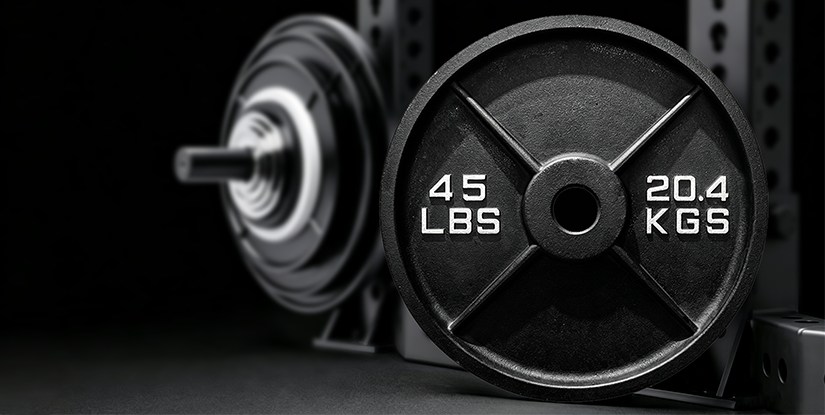
| Material Type | Primary Process | Precision Level | Commercial Duty | Typical QC Point |
|---|---|---|---|---|
| Cast Iron | Sand Casting | Standard | Budget Commercial | Surface Smoothness |
| Steel Plate | CNC Machining | High | Premium Commercial | Bore Concentricity |
| Rubber Coated | Molding/Dip | Moderate | High-Traffic Gyms | Coating Adhesion |
Selecting the correct material profile is a strategic decision that affects both the initial landed cost and the long-term total cost of ownership (TCO). For large-scale distributors, the choice between cast iron and solid steel often hinges on the intended environment of the end-user. While cast iron is a staple for budget-conscious commercial setups, solid steel with advanced finishes offers superior durability for high-performance training facilities. Professional buyers must evaluate these options not just on price, but on how the manufacturing specifications align with their market positioning and gym equipment material comparison requirements.
A professional calibrated steel plate wholesale supplier will typically offer a range of finishing options to suit different commercial tiers. For instance, powder coating is a common industry-standard method used to enhance the aesthetic appeal and provide a basic layer of protection against oxidation. In contrast, rubber coating or polyurethane (PU) application provides a more robust solution for high-impact zones, significantly reducing noise and protecting flooring—a critical factor for minimizing maintenance and operational disruptions in large-scale fitness centers.
When evaluating your next batch, consider the technical advantages of each finish regarding durability and maintenance. A budget-tier cast iron plate with a simple paint finish is highly cost-effective for standard strength rooms, whereas a premium steel plate with a high-grade coating is better suited for professional training environments where equipment turnover is high. We recommend that importers request detailed specifications regarding the coating adhesion and the specific type of steel used to ensure the products meet the durability standards expected by their local markets.
China Factory QC and Export Packaging Protocols
Maintaining precision in weight standards requires a rigorous calibrated steel plate wholesale supplier workflow that extends far beyond the casting stage. For international distributors and gym equipment importers, the risk of receiving non-conforming units—such as plates with uneven weight distribution or damaged surfaces—can significantly increase the landed cost and damage long-term distributor margins. Reliable commercial weight plate sourcing must prioritize a China factory that implements systematic verification at every stage of the production and shipping cycle.
A professional calibrated steel plate wholesale supplier manages quality through a multi-step process: starting with the raw material casting, moving through precision machining to ensure concentricity, and ending with a comprehensive QC protocol. During pre-shipment, technicians perform weight tolerance spot-checks and inspect the coating adhesion of the steel surfaces. This ensures that every unit meets the expected commercial-grade standards before it leaves the facility.
Beyond product precision, the durability of the shipment depends on professional export packaging. To prevent deformation during long-distance ocean freight, high-volume orders are typically secured in reinforced heavy-duty cartons or custom wooden crates. This level of protection is essential for gym equipment material comparison analysis, as it ensures that the structural integrity and surface finish of the steel plates remain intact upon arrival at the destination warehouse, minimizing the need for costly returns or replacements.
Maintaining precision in weight standards requires a rigorous calibrated steel plate wholesale supplier workflow that extends far beyond the casting stage. For international distributors and gym equipment importers, the risk of receiving non-conforming units—such as plates with uneven weight distribution or damaged surfaces—can significantly increase the landed cost and damage long-term distributor margins. Reliable commercial weight plate sourcing must prioritize a China factory that implements systematic verification at every stage of the production and shipping cycle.
A professional calibrated steel plate wholesale supplier manages quality through a multi-step process: starting with the raw material casting, moving through precision machining to ensure concentricity, and ending with a comprehensive QC protocol. During pre-shipment, technicians perform weight tolerance spot-checks and inspect the coating adhesion of the steel surfaces. This ensures that every unit meets the expected commercial-grade standards before it leaves the facility.
Beyond product precision, the durability of the shipment depends on professional export packaging. To prevent deformation during long-distance ocean freight, high-volume orders are typically secured in reinforced heavy-duty cartons or custom wooden crates. This level of protection is essential for gym equipment material comparison analysis, as it ensures that the structural integrity and surface finish of the steel plates remain intact upon arrival at the destination warehouse, minimizing the need for costly returns or replacements.
Standardized Inspection and Loading Protocols
Effective sourcing requires transparency regarding how a supplier handles the final stages of the supply chain. A competent factory does not merely pack boxes; they execute a logistics-driven quality plan designed for the rigors of sea freight. This includes verifying the center-bore diameter for a consistent Olympic collar fit and checking for any surface imperfections that could lead to rust during transit. When managing large wholesale orders, the goal is to ensure that the product arriving at your facility matches the sample approved during the OEM process.
To mitigate the risk of shipping damage, we recommend that buyers confirm the specific palletization methods used for their volume. For high-density steel shipments, this often involves using heat-treated wooden pallets and heavy-duty shrink wrapping to prevent shifting within the container. For distributors looking to optimize their landed cost, understanding these technical requirements—such as how the MOQ affects container load optimization—is vital for maintaining healthy profit margins and ensuring a seamless inventory turnover.
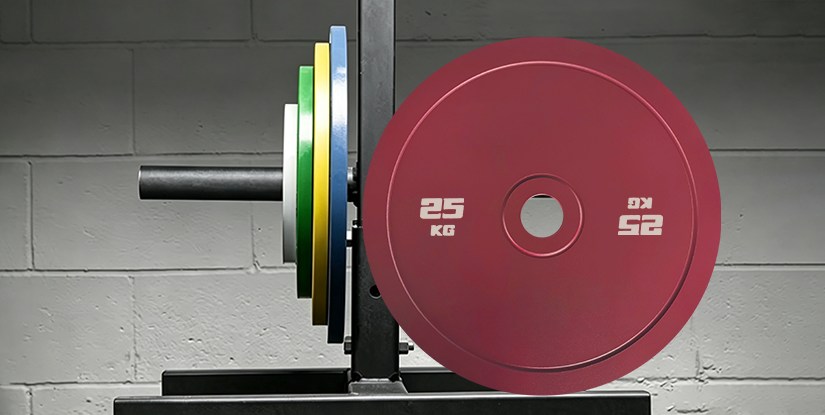
Material and Process Comparison for Commercial Procurement
When conducting a gym equipment material comparison, procurement managers must look beyond basic aesthetics to evaluate the long-term total cost of ownership. Choosing between different material profiles affects not only the initial purchase price but also the maintenance frequency and the durability of the surface finish under heavy commercial use. A professional calibrated steel plate wholesale supplier provides detailed specifications to ensure your selection aligns with your facility's specific operational needs and budget constraints.
| Material | Surface Finish | Primary QC Point | Packaging Requirement | Commercial Use Case |
|---|---|---|---|---|
| Cast Iron | Painted or Powder Coated | Weight Tolerance & Surface Adhesion | Reinforced Heavy-Duty Cartons | Standard Commercial Gyms / Budget-Friendly Sets |
| Steel (Solid) | Chrome or Enamel | Concentricity & Bore Fit | Custom Wooden Crates | High-End Performance Studios / Premium Training |
| Rubber-Coated | Encapsulated Rubber/PU | Bond Line Integrity & Edge Smoothness | Double-Wall Corrugated Boxes | High-Traffic Functional Training / Floor Protection |
For distributors managing large-scale commercial weight plate sourcing projects, the distinction between these tiers is critical for inventory planning. While cast iron options offer a lower entry point for high-volume wholesale orders, premium steel or rubber-encapsulated plates provide higher durability for high-intensity environments. We recommend that buyers request a detailed specification sheet or a physical sample to evaluate the thickness of the coating and the precision of the center-bore before finalizing any MOQ or OEM production agreement.
Sourcing Strategy: MOQ and Lead Time for Bulk Orders
When managing large-scale procurement, professional buyers must align their inventory needs with the production realities of a calibrated steel plate wholesale supplier. Selecting between cast iron and steel-core plates is not merely a choice of durability, but a strategic decision affecting your commercial weight plate sourcing workflow. Because different materials require distinct manufacturing routes—such as sand casting for iron versus CNC machining for steel—the manufacturing lead time and MOQ requirements fluctuate significantly based on the complexity of the build.
A China factory typically manages these variables through tiered production schedules. For instance, standard cast iron plates involve a slower casting and cooling cycle, whereas precision-engineered steel plates require more intensive machining phases. Understanding these production complexity levels allows importers to optimize their material availability planning and avoid stockouts during peak seasonal demand. When coordinating commercial gym equipment material comparison for a new facility, failing to account for these lead time variances can result in delayed facility openings or increased landed costs due to expedited shipping requirements.
Material Specification and Procurement Comparison
Effective commercial weight plate sourcing requires a technical understanding of how material selection dictates the total cost of ownership and logistics. For distributors, the choice between cast iron and steel-core construction influences not only the weight tolerance but also the shipping volume and long-term maintenance load. A calibrated steel plate wholesale supplier will typically offer different tiers of production based on these material characteristics.
To assist in your gym equipment material comparison, the following table outlines the standard technical variances encountered when ordering from a factory. This comparison focuses on the structural and logistical trade-offs essential for high-volume procurement.
| Material | Surface Treatment | Manufacturing Process | Key QC Focus | Sourcing Impact |
|---|---|---|---|---|
| Cast Iron | Powder Coating or Enamel | Sand Casting & Machining | Bore concentricity & Surface finish | Lower MOQ; Higher shipping density |
| Solid Steel | Chrome or Precision Paint | CNC Machining & Calibration | Weight tolerance & Edge smoothness | Higher MOQ; Precision-driven lead time |
| Steel-Core Rubber | Encapsulated PU/Rubber | Molding or Dip Coating | Coating adhesion & Bond line integrity | Complex sourcing; Longer lead times |
When evaluating a calibrated steel plate wholesale supplier, it is standard practice to request a detailed specification sheet or a sample for physical verification. We recommend confirming the specific OEM or ODM branding options early in the process to ensure that custom logo embossing or specialized coating requirements do not extend your baseline lead time. Whether you are prioritizing the high-durability of a steel-core or the cost-efficiency of cast iron, aligning your technical requirements with the factory production cycle is vital for maintaining healthy distributor margins.
When managing large-scale procurement, professional buyers must align their inventory needs with the production realities of a calibrated steel plate wholesale supplier. Selecting between cast iron and steel-core plates is not merely a choice of durability, but a strategic decision affecting your commercial weight plate sourcing workflow. Because different materials require distinct manufacturing routes—such as sand casting for iron versus CNC machining for steel—the production lead time and MOQ requirements fluctuate significantly based on the complexity of the build.
A China factory typically manages these variables through tiered production schedules. For instance, standard cast iron plates involve a slower casting and cooling cycle, whereas precision-engineered steel plates require more intensive machining phases. Understanding these production complexity levels allows importers to optimize their material availability planning and avoid stockouts during peak seasonal demand. When coordinating gym equipment material comparison for a new facility, failing to account for these lead time variances can result in delayed facility openings or increased landed costs due to expedited shipping requirements.
Customization and Private Label Opportunities
For distributors looking to strengthen their brand identity, a professional calibrated steel plate wholesale supplier provides more than just bulk inventory; they offer a foundation for your own product line. High-tier commercial weight plate sourcing requires a partner capable of executing precise customization that meets strict professional standards. Whether you are expanding a boutique studio line or a full-scale commercial facility, the ability to transition from generic stock to a private label product is a significant competitive advantage.
Through specialized OEM/ODM services, a China factory can adapt the physical and visual characteristics of your plates to match your specific branding requirements. This includes advanced surface finishing techniques such as high-durability powder coating in custom colors or the application of high-density rubber/PU coating for a premium tactile feel. To ensure your brand stands out, manufacturers can implement logo embossing directly into the mold during the casting process, ensuring the mark is permanent and cannot be worn away by heavy usage.
When negotiating wholesale contracts, it is essential to align on the MOQ and lead time for these customized runs, as specialized branding often extends the production cycle compared to standard stock. Understanding these variables allows you to accurately calculate your landed cost and maintain healthy distributor margins. We recommend requesting a technical spec sheet for each material option to ensure the factory can meet your exact durability and aesthetic expectations before finalizing a bulk order.
For distributors looking to strengthen their brand identity, a professional calibrated steel plate wholesale supplier provides more than just bulk inventory; they offer a foundation for your own product line. High-tier commercial weight plate sourcing requires a partner capable of executing precise branding that meets strict professional standards. Whether you are expanding a boutique studio line or a full-scale commercial facility, the ability to transition from generic stock to a private label product is a significant competitive advantage.
Through specialized OEM/ODM services, a China factory can adapt the physical and visual characteristics of your plates to match your specific requirements. This includes advanced surface finishing techniques such as high-durability powder coating in custom colors or the application of high-density rubber/PU coating for a premium tactile feel. To ensure your brand stands out, manufacturers can implement logo embossing directly into the mold during the casting process, ensuring the mark is permanent and cannot be worn away by heavy usage.
When negotiating wholesale contracts, it is essential to align on the MOQ and lead time for these customized runs, as specialized branding often extends the production cycle compared to standard stock. Understanding these variables allows you to accurately calculate your landed cost and maintain healthy distributor margins. We recommend requesting a technical spec sheet for each material option to ensure the factory can meet your exact durability and aesthetic expectations before finalizing a bulk order.