Cast Iron Weight Plate Custom Manufacturer: Cast Iron Vs
Cast Iron Weight Plate Custom Manufacturer: Material Selection for Commercial Durability
A professional cast iron weight plate custom manufacturer provides high-density gray iron plates designed for high-volume strength training environments. Professional buyers prioritize these units because they offer a stable, long-term solution for heavy lifting, ensuring high durability and a lower total cost of ownership compared to more fragile alternatives.
When conducting commercial gym equipment sourcing, understanding the distinction between raw casting and finished surface treatments is vital for long-term ROI. For distributors and gym owners, the choice between bare iron, painted, or powder-coated finishes directly impacts the maintenance frequency and the lifespan of the equipment in high-traffic facilities.
Choosing a reliable custom weight plate manufacturer allows for precise control over the manufacturing sequence, from the initial sand casting to the final weight calibration. In a typical China factory setup, this process ensures that the density of the iron remains consistent, which is a critical factor for maintaining the concentricity and balance required for professional-grade lifting. For those looking to move wholesale volumes, selecting a partner capable of managing these technical specifications is the difference between a premium product and a high-maintenance liability.
Material and Coating Comparison for Procurement Decisions
Selecting the appropriate finish is not merely an aesthetic choice; it is a strategic decision regarding the long-term maintenance load and facility upkeep. A professional cast iron weight plate custom manufacturer will offer various surface treatments to meet different budget tiers and functional requirements. For example, while bare iron is cost-effective for certain wholesale orders, powder coating provides a much higher level of resistance against oxidation and surface wear in humid gym environments.
The following table outlines the technical distinctions between standard cast iron and rubberized options to assist in your commercial gym equipment sourcing strategy. This comparison focuses on the utility and durability required for high-traffic commercial settings.
| Material Type | Common Coating | Manufacturing Process | Key Component/Detail | Commercial Duty | MOQ Impact |
|---|---|---|---|---|---|
| Gray Cast Iron | Powder Coating or Paint | Sand Casting & Machining | Bore Precision & Surface Smoothness | High (Heavy Lifting) | Standard/Lower |
| Cast Iron Core | Rubber or PU Encapsulation | Molding or Vulcanization | Edge Thickness & Bond Line | Medium (High Impact) | Higher |
| Steel/Iron Base | Vinyl or Chrome Finish | Die Casting or Plating | Surface Adhesion & Texture | Premium (Specialty) | Variable |
When evaluating a custom weight plate manufacturer, buyers should consider how the coating process affects the landed cost and long-term durability. Rubberized plates offer superior floor protection and noise reduction, making them ideal for boutique studios, whereas high-quality powder-coated cast iron remains the industry standard for traditional strength facilities due to its density and lower production complexity. We recommend requesting a sample to inspect the coating adhesion and the precision of the central bore before proceeding with a full bulk order.
To maintain high standards in wholesale cast iron plates production, a professional cast iron weight plate custom manufacturer follows a strict sequence of technical steps. The process typically begins with precision sand casting to ensure the structural integrity of the iron core. Following the casting stage, each unit undergoes CNC machining to ensure the central bore meets exact diameter requirements for a seamless Olympic collar fit. This level of precision is essential for distributors to avoid high return rates caused by improper fitment or uneven weight distribution.
Once the base shape is finalized, the plates move to the surface treatment phase. A high-quality custom weight plate manufacturer utilizes a professional powder coating line to apply a durable, impact-resistant layer. This step is critical for preventing oxidation and ensuring the plate can withstand the rigors of a high-traffic commercial environment. For large-scale commercial gym equipment sourcing, the uniformity of this coating directly influences the aesthetic longevity and the perceived value of your brand's product line.
Reliability in the supply chain is established through rigorous pre-shipment QC protocols at the factory level. Before any container is loaded, the manufacturer must perform several critical inspections, including weight tolerance spot-checks and coating adhesion tests. We focus on several key areas during the final inspection: the concentricity of the bore, the smoothness of the edges, and the structural integrity of the logo embossment. These steps ensure that every batch meets the expected commercial-grade specifications before arriving at your warehouse.
Finally, to protect your investment during international transit, specialized export packaging is utilized. For bulk orders, this commonly involves heavy-duty cartons and reinforced palletization designed to withstand the stresses of sea freight. A professional China factory will optimize the packing configuration to maximize container loading efficiency, helping you manage the landed cost and shipping volume more effectively. We recommend that buyers confirm the specific export packaging requirements and request a detailed inspection report during the sample approval stage to ensure a smooth procurement process.
Comparing Cast Iron and Rubberized Options for High-Traffic Facilities
When managing commercial gym equipment sourcing, procurement professionals must weigh the immediate landed cost against the long-term maintenance requirements of a facility. Selecting the right material profile is a critical decision for ensuring high-traffic durability and operational efficiency. A professional cast iron weight plate custom manufacturer can provide various surface treatments to meet different budgetary and functional needs, from standard bare iron to advanced polymer-coated solutions.
For distributors looking to maximize margins, understanding the trade-offs between raw material durability and floor protection is essential. While cast iron offers unmatched density and a classic aesthetic, rubberized or PU-coated options serve different roles in high-impact zones. Working directly with a China factory allows importers to customize these specifications based on their specific market positioning, whether they are targeting budget-friendly strength gyms or premium boutique studios.
| Material Type | Primary Process | Surface Finish | Commercial Duty Tier | Maintenance Profile |
|---|---|---|---|---|
| Cast Iron | Sand Casting | Powder Coating or Paint | Standard Commercial | Low (Requires occasional rust inspection) |
| Rubber Coated | Molding/Vulcanization | Encapsulated Rubber | Premium/High-Impact | Minimal (High floor protection) |
| Vinyl/PU Coated | Dip Coating | Polyurethane Layer | Boutique/Studio | Very Low (High aesthetic longevity) |
For those engaged in wholesale cast iron plates procurement, the choice often depends on the intended use case. Cast iron plates are highly efficient for traditional lifting environments where space-saving density is a priority. However, in facilities where noise reduction and floor longevity are key performance indicators, rubberized variants are the industry standard. Engaging a custom weight plate manufacturer ensures that your wholesale order aligns perfectly with these functional requirements and your brand's quality standards.
Choosing between these material profiles requires a deep understanding of the total cost of ownership (TCO) for the end-user. While the initial wholesale price of cast iron is often more competitive, the long-term impact on facility maintenance and flooring depreciation must be factored into the procurement strategy. A professional cast iron weight plate custom manufacturer can help bridge this gap by offering various surface treatments that balance density with protection.
Material and Coating Specifications for Commercial Use
The durability of a weight plate is determined by the synergy between the base material and the applied finish. For high-volume strength centers, the standard is often sand casting followed by a precision machining process to ensure a concentric fit on the barbell. Depending on the target market, a custom weight plate manufacturer can provide different coating depths to enhance either aesthetic longevity or impact resistance.
| Material | Process | Key Component/Detail | Commercial Duty | MOQ Impact | Factory QC Point |
|---|---|---|---|---|---|
| Cast Iron | Sand Casting & Machining | Bore Precision | Budget/Standard | Lower (Standard stock) | Weight Tolerance Spot-check |
| Rubberized | Molding/Vulcanization | Encapsulated Edge | Premium/High-Impact | Higher (Specialized production) | Coating Adhesion/Bond Line |
| PU Coated | Dip Coating | Polyurethane Layer | Boutique/Studio | Medium (Custom color options) | Surface Smoothness/Finish |
When auditing a China factory for these products, procurement leads should focus on the secondary processes. For cast iron, ensure the manufacturer performs a thorough calibration and weight spot-check to prevent discrepancies in bulk shipments. For rubberized or coated options, the critical inspection point is the bond line or the thickness of the coating layer, which directly affects how the plate handles repeated impact and prevents material degradation over time. Evaluating these technical details during the sample approval stage is essential for maintaining high distributor margins and minimizing after-sales replacement costs.
Optimizing Total Cost of Ownership Through Material Selection
A strategic decision in commercial gym equipment sourcing involves looking beyond the initial invoice to the total cost of ownership. While a cast iron weight plate custom manufacturer can offer highly competitive rates for bare or powder-coated iron, the long-term maintenance and floor protection costs must be calculated for the end-user. For example, high-impact zones in commercial facilities often require the added layer of protection provided by rubberized or PU-coated plates to reduce flooring depreciation and noise pollution.
For distributors, the landed cost is only one variable in the profitability equation. If a budget-tier material choice leads to frequent replacement requests or damaged facility floors, the long-term ROI for the gym owner diminishes. Conversely, sourcing premium coated options through a custom weight plate manufacturer allows for a higher retail price point and better brand positioning in the boutique studio market. By understanding these trade-offs in wholesale cast iron plates procurement, buyers can better align their inventory with the specific durability needs of their target clientele.
Manufacturing Processes and Surface Finishing Standards
High-volume procurement requires a deep understanding of how a cast iron weight plate custom manufacturer utilizes industrial-grade casting and machining to ensure product consistency. For distributors and gym equipment importers, the reliability of a wholesale cast iron plates order depends on the precision of the initial sand casting and the subsequent refinement stages. A professional China factory typically follows a structured production sequence to maintain strict weight tolerances and surface uniformity across large bulk shipments.
The manufacturing lifecycle begins with high-quality sand casting, where molten iron is poured into specialized molds to create the basic plate shape. To meet commercial-grade requirements, the raw cast pieces undergo CNC machining, particularly around the center bore, to ensure a perfectly concentric fit for Olympic barbells. This precision is vital for commercial gym equipment sourcing, as uneven bores or off-center weight distribution can lead to increased maintenance costs and user dissatisfaction. Following the machining stage, the plates move to surface treatment lines, such as powder coating or phosphate treatment, to enhance durability and prevent oxidation during transit and long-term gym use.
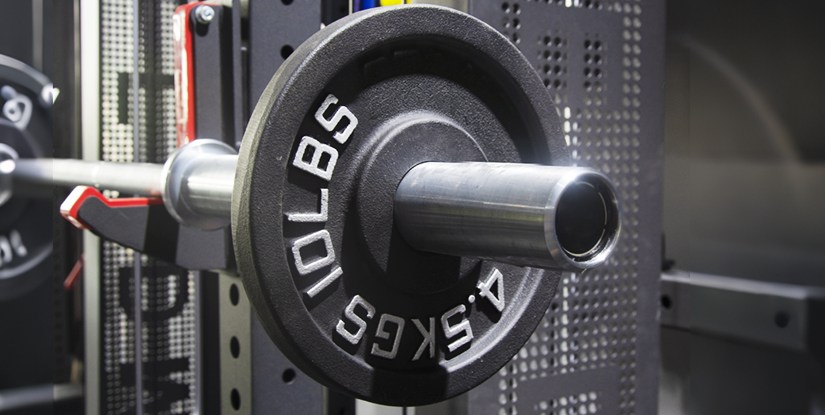
Reliable sourcing strategies prioritize manufacturers that integrate weight calibration directly into the production flow. Rather than relying on post-production adjustments, a top-tier supplier utilizes calibrated molds and precision machining to minimize deviations. This proactive approach to quality control reduces the risk of receiving inconsistent batches, ensuring that every plate in a wholesale container meets the expected specifications for your clients or retail stock.
Surface Finishing Comparison for Commercial Durability
Selecting the appropriate finish is a critical decision in the material selection process, as it directly impacts the long-term maintenance load and the total cost of ownership for a commercial facility. For professional buyers, the choice between a bare, painted, or coated surface involves balancing the initial landed cost against the expected lifespan of the equipment in high-traffic environments. A specialized custom weight plate manufacturer can provide various options to suit different market segments, from budget-friendly strength studios to premium fitness clubs.
| Material Type | Surface Finishing | Typical Process | Commercial Duty Tier | Procurement Advantage |
|---|---|---|---|---|
| Cast Iron | Bare Iron (Phosphate) | Sand casting and oxidation prevention | Budget / Entry-level | Lowest initial cost for bulk orders |
| Cast Iron | Powder Coated | Electrostatic application and heat curing | Standard Commercial | High resistance to scratches and rust |
| Cast Iron | Rubberized / PU Coated | Vulcanization or high-grade dip molding | Premium Commercial | Maximum floor protection and noise reduction |
When evaluating a cast iron weight plate custom manufacturer, it is essential to verify how these finishes are applied. For instance, a high-quality powder coating application ensures that the layer adheres deeply to the cast surface, preventing peeling during heavy usage. Conversely, a professional rubber coating provides a thicker, more resilient layer that is ideal for high-impact environments. For importers, understanding these technical nuances helps in managing expectations regarding product longevity and optimizing the value of a wholesale purchase.
For professional importers, the final stage of the procurement cycle is often the most critical. Even with a reputable cast iron weight plate custom manufacturer, the risk of receiving batches with inconsistent weight or compromised surface integrity remains a primary concern. To mitigate this, a professional China factory must implement a multi-stage pre-shipment inspection protocol that focuses on the specific failure modes common in bulk cast iron shipments.
A rigorous pre-shipment QC process begins with weight tolerance spot-checks. Because casting density can vary, technicians must verify that each plate falls within the industry-standard deviation to ensure your wholesale orders remain consistent for professional strength training applications. Furthermore, testing for coating adhesion is vital; a high-quality supplier will perform basic scratch or impact tests to ensure the powder or rubberized layer does not peel under heavy commercial use, which would otherwise increase your after-sales replacement planning load.
Beyond the product itself, the reliability of commercial gym equipment sourcing depends heavily on the quality of the export packaging. Given the high density and weight of these units, specialized heavy-duty cartons and reinforced palletizing are required to prevent damage during sea freight. A professional factory will ensure that the loading plan optimizes container space while protecting the edges of the plates, directly impacting your final landed cost by reducing breakage and shipping insurance claims. Before finalizing any large-scale sourcing agreement, we recommend requesting a detailed inspection report or arranging a third-party factory audit to confirm these standards are met.
Optimizing Sourcing with a Custom Weight Plate Manufacturer
Selecting a specialized cast iron weight plate custom manufacturer is a strategic decision that directly impacts your long-term landed cost and product durability. For distributors and gym operators, the goal is to balance high-volume capacity with precise material specifications. When engaging in commercial gym equipment sourcing, understanding the production capabilities of a China factory allows you to optimize your inventory for both budget-conscious clients and premium facilities.
The primary challenge in bulk procurement is avoiding the high replacement costs associated with inconsistent casting or poor coating adhesion. By working directly with a supplier that offers wholesale cast iron plates, you can implement rigorous quality control standards at the source. This approach ensures that your MOQ requirements are met without sacrificing the structural integrity of the plates, providing a more reliable solution for high-traffic commercial environments.
Material and Process Comparison for Commercial Use
When conducting commercial gym equipment sourcing, professional buyers must decide between the cost-efficiency of cast iron and the impact-reduction of rubberized alternatives. A specialized cast iron weight plate custom manufacturer provides different production routes depending on your target market segment—whether you are supplying budget-friendly strength zones or premium high-impact areas. The following comparison outlines the technical trade-offs between these two standard commercial options to assist in your procurement planning.
| Material | Coating | Process | Commercial Duty | Floor Protection | Sourcing Advantage |
|---|---|---|---|---|---|
| Cast Iron | Powder Coating or Enamel | Sand Casting and Machining | Budget to Mid-Tier Commercial | Low (Requires Mats) | High Volume / Low Landed Cost |
| Rubberized Steel | Vulcanized Rubber or PU | Steel Hub and Molding | Premium / High-Impact | High (Built-in) | Premium Branding / Specialized Use |
For high-volume distributors, the sand casting and powder coating route remains the industry standard for maximizing margins. This method utilizes a China factory workflow that moves from raw iron casting to precision bore machining, ensuring a consistent Olympic collar fit. During the pre-shipment stage, a standard weight tolerance spot-check is essential to ensure that the finished units meet the weight classes specified in your wholesale purchase order. Choosing the right material profile allows you to manage both the initial MOQ and the long-term maintenance load for your clients.
Factory QC and Export Packaging Protocols for Bulk Orders
When managing large-scale commercial gym equipment sourcing, the primary risk is not the material selection, but the variance in finished product consistency. For distributors and gym chains, a single batch of unevenly weighted or poorly coated plates can lead to significant replacement costs and damaged brand reputation. A professional cast iron weight plate custom manufacturer mitigates these risks by implementing a standardized multi-stage inspection sequence that moves from raw casting to final export-ready packaging.
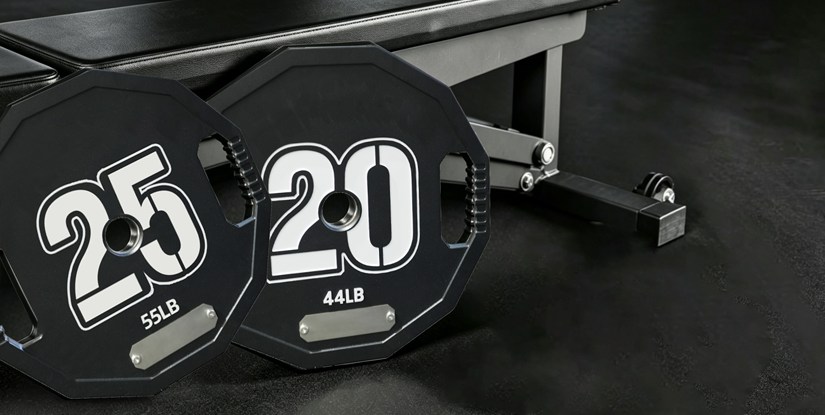
Reliable wholesale cast iron plates must undergo rigorous verification to ensure they meet the structural and aesthetic requirements of high-traffic commercial environments. Relyity depends on a China factory that treats weight accuracy and surface integrity as non-negotiable metrics rather than optional extras. This process ensures that every unit in a bulk shipment maintains the same center of gravity and coating adhesion, reducing the total cost of ownership for the end-user.
Critical Inspection Points for High-Volume Orders
A competent cast iron weight plate custom manufacturer does not rely on random sampling alone. Instead, a comprehensive pre-shipment inspection should focus on three specific technical pillars: dimensional accuracy, surface finish, and structural integrity. In many commercial settings, the most common failure modes occur at the bore interface or within the coating layer, making targeted QC essential for long-term durability.
During the QC process, technicians typically verify the concentricity of the Olympic bore to ensure a smooth fit on standard barbells. Furthermore, the adhesion of the powder coating or paint is tested to prevent premature chipping during heavy use. By addressing these technicalities at the factory level, importers can avoid the logistical nightmare of overseas returns and product replacements.
| Inspection Stage | Focus Area | Standard Commercial Requirement | B2B Impact |
|---|---|---|---|
| Post-Casting | Bore Concentricity | Uniform Olympic fit | Prevents barbell wobble |
| Surface Treatment | Coating Adhesion | Consistent thickness/coverage | Reduces maintenance/rust |
| Final Calibration | Weight Tolerance | Standardized weight deviation | Ensures training accuracy |
| Pre-Shipment | Export Packaging | Reinforced carton/palletization | Minimizes transit damage |
Standardized Export Packaging and Sea Freight Logistics
For professional importers, the technical quality of the product is only half the battle; the other half is ensuring that the shipment arrives at the warehouse without structural or aesthetic compromise. Heavy, high-density items like these require specialized export packaging protocols to withstand the rigors of long-distance sea freight and multiple handling points. A professional custom weight plate manufacturer understands that improper palletization leads to crushed corners, chipped coatings, and wasted container space, all of which directly inflate your landed cost.
To optimize shipping efficiency, we implement strict palletization standards. This typically involves stacking plates in a specific orientation within reinforced corrugated cartons, which are then secured onto heavy-duty pallets. This method prevents shifting during transit and ensures maximum stability. When coordinating large-scale wholesale cast iron plates orders, we work closely with your logistics provider to confirm the optimal mix of volume and weight, ensuring that the container load is maximized without exceeding safety limits. This level of attention to detail is what distinguishes a reliable custom weight plate manufacturer from a standard supplier, protecting your profit margins and ensuring your inventory is ready for immediate commercial distribution upon arrival.
Strategic Procurement: MOQ and Lead Time Considerations
Efficient commercial gym equipment sourcing requires a deep understanding of how production cycles impact your total landed cost and project timelines. When you partner with a professional cast iron weight plate custom manufacturer, the relationship between order volume and logistical efficiency becomes a critical factor in your procurement strategy.
For distributors and large-scale facility developers, managing the MOQ is essential to balancing inventory turnover with capital expenditure. Sourcing directly from a China factory allows for significant economies of scale, especially when implementing wholesale purchasing models for high-density weight sets. However, failing to account for the complexities of international shipping and production scheduling can lead to costly delays in gym openings or product launches.
A typical lead time for custom orders involves several stages, from initial mold approval and casting to final surface treatment and export-standard packaging. For instance, a custom weight plate manufacturer may require additional time for specialized OEM branding or specific weight calibration compared to standard stock items. By optimizing your sourcing schedule to include buffer periods for sea freight and customs clearance, you can ensure a smoother transition from the production floor to your warehouse or client site.
Evaluating Manufacturing Models for Optimized Procurement
Selecting between standardized stock and bespoke production is a pivotal decision for any importer. A professional cast iron weight plate custom manufacturer provides varying levels of customization depending on whether you are purchasing ready-to-ship units or initiating a full production run. Understanding these distinctions helps distributors manage their margins and client expectations more effectively.
When engaging in wholesale cast iron plates procurement, buyers must weigh the speed of stock availability against the long-term brand value of ODM or OEM solutions. While stock orders offer rapid fulfillment, custom manufacturing allows for precise control over the brand identity and product specifications that define a premium commercial line.
| Procurement Model | Customization Depth | Typical Production Cycle | Shipping Efficiency | Ideal For |
|---|---|---|---|---|
| Standard Stock | Low (Standard sizes/finishes) | Short (Ready for immediate export) | High (Easier LCL/FCL consolidation) | Small studios or rapid replenishment |
| OEM Branding | Medium (Logo embossing/specific colors) | Moderate (Includes casting & branding) | Standard (Scheduled container loading) | Distributors building brand identity |
| Full ODM Development | High (Custom molds/unique dimensions) | Long (Includes mold creation & testing) | Strategic (Planned bulk shipments) | Large-scale commercial gym chains |
For those focused on long-term sourcing stability, we recommend coordinating with your supplier at least one quarter in advance of peak seasons. This proactive approach ensures that your custom weight plate manufacturer can allocate sufficient capacity for your specific mold requirements and surface finishing needs, ultimately protecting your landed cost and delivery reliability.
Quality Control and Export Logistics Standards
Maintaining consistent weight tolerances and surface integrity is the primary challenge when managing high-volume wholesale cast iron plates orders. A reliable cast iron weight plate custom manufacturer must implement a rigorous multi-stage inspection process that extends beyond simple visual checks. For professional importers, the goal is to ensure that every unit arriving at the destination matches the approved sample in both physical dimensions and branding precision.
Effective commercial gym equipment sourcing requires a focus on several critical quality checkpoints. During the pre-shipment phase, a professional China factory typically conducts weight calibration spot-checks and inspects the adhesion of the powder coating or paint. This prevents common failure modes such as flaking or uneven surfaces that can diminish the perceived value of your brand. Furthermore, the bore diameter must be consistently checked for concentricity to ensure a smooth fit on standard Olympic barbells, preventing mechanical friction issues in high-traffic commercial environments.
Logistics and export packaging are equally vital to protecting your investment during long-distance transit. For bulk shipments, the supplier should utilize reinforced, heavy-duty carton packaging or specialized wooden crates designed to withstand the stresses of sea freight and container loading. We recommend that a distributor or procurement lead requests a detailed packaging specification and a pre-shipment inspection report. This includes verifying the structural integrity of the pallets and the density of the packing to minimize movement within the container, ultimately reducing the risk of damage and ensuring a predictable landed cost for your commercial project.