Calibrated Steel Plate Bulk Order: Commercial Material Specs
Understanding Calibrated Steel Plate Bulk Order Requirements
A calibrated steel plate bulk order involves the high-volume procurement of precision-machined steel weight plates designed for professional strength training environments. Global distributors and gym operators prioritize these orders to ensure high weight-accuracy, long-term durability, and seamless integration with high-end commercial weightlifting equipment.
In a professional commercial use scenario, even minor deviations in plate thickness or concentricity can lead to uneven barbell loading and increased wear on Olympic bars. For distributors managing large-scale gym installations or equipment retail chains, sourcing from a reliable China factory is essential to mitigate these risks. Relying on standard cast iron often results in inconsistent dimensions, but a calibrated steel plate bulk order provides the precision necessary for high-performance training environments where weight consistency is a non-negotiable standard for professional athletes and serious lifters.
When managing sourcing for large-scale fitness projects, procurement leads must evaluate the weight tolerance levels offered by a supplier. While standard cast iron plates may have wider variance, precision machined steel plates undergo rigorous machining and calibration stages to ensure each unit meets strict commercial-grade specifications. This level of consistency is vital for maintaining the balance of barbell systems and protecting the long-term ROI of the facility's equipment investment.
Technical Comparison of Material and Machining Standards
Selecting the correct specification is critical when placing a calibrated steel plate bulk order for high-end facilities. Professional buyers must distinguish between basic casting and the high-precision machining required for elite competition-grade or premium commercial settings. The following comparison outlines the typical tiering found when working with a professional supplier to ensure your procurement aligns with the intended durability and performance of the facility.
The primary difference lies in the post-casting stages. While standard commercial steel weight plates often rely on surface coating alone, precision machined steel plates undergo additional CNC machining to refine the center bore and outer diameter. This ensures a perfect fit on Olympic barbells and minimizes vibration. For distributors, choosing the right tier impacts not just the initial landed cost, but the long-term maintenance load and customer satisfaction levels.
| Material | Process | Key Component | Commercial Duty | MOQ Impact | Factory QC Point |
|---|---|---|---|---|---|
| Solid Steel | CNC Machining & Calibration | Precision Center Bore | Premium / Competition | Higher | Bore Concentricity |
| Chrome-Manganese Steel | Forging & Surface Polishing | High-Density Core | Elite Commercial | Medium | Surface Uniformity |
| High-Grade Cast Iron | Sand Casting & Finishing | Standard Grip/Texture | Standard Commercial | Lower | Base Flatness |
To ensure the highest quality for your calibrated steel plate bulk order, we recommend requesting a detailed specification sheet during the initial sourcing phase. A professional factory will provide documentation regarding the machining sequence and the calibration methods used to achieve weight accuracy. We suggest confirming the specific requirements for your private label or OEM branding before finalizing the production schedule to ensure all technical and aesthetic standards are met.
Optimizing Logistics and Total Landed Cost
Managing a calibrated steel plate bulk order requires more than just selecting a high-quality material; it requires a sophisticated understanding of international logistics and the total landed cost. For distributors and commercial procurement leads, the complexity of shipping high-density steel means that freight efficiency and volume optimization are critical to maintaining healthy distributor margins. A professional supplier will offer guidance on how weight distribution within a shipping container can minimize empty space and reduce per-unit shipping expenses.
Beyond the initial wholesale price, buyers must account for the lead time and the impact of export packaging on long-term product integrity. High-density commercial steel weight plates are heavy and subject to significant kinetic force during transit. Therefore, a reliable China factory will utilize reinforced export packaging—such as heavy-duty palletizing and edge protectors—to prevent any deformation or surface damage during sea freight. This attention to detail ensures that the precision of the precision machined steel plates is preserved from the factory floor to your local warehouse.
To mitigate procurement risks, we recommend that buyers factor in a realistic lead time that accounts for both the rigorous calibration process and potential pre-shipment QC inspections. When planning your next calibrated steel plate bulk order, please reach out to discuss your specific MOQ requirements, custom branding options, and detailed shipping schedules to ensure your project remains on budget and on time.
Material Precision and Machining for Commercial Steel Weight Plates
For professional distributors and gym equipment importers, the structural integrity of a calibrated steel plate bulk order determines the long-term reliability of the entire strength training line. Precision is not merely a preference; it is a technical requirement for high-end commercial facilities where weight consistency and balance are critical for user safety and equipment longevity.
When sourcing commercial steel weight plates, procurement professionals must account for the strict tolerances required during the machining and calibration stages. A standard China factory utilizes a sequence of casting, CNC machining, and weight calibration to ensure each unit meets the expected profile. If the machining process is inconsistent, it leads to uneven thickness and poor concentricity, which can negatively impact the landed cost through higher defect rates and increased returns. For high-volume wholesale contracts, ensuring the factory employs standardized precision machined steel plates protocols is essential to maintaining high distributor margins and client satisfaction.
In many commercial settings, the difference between budget-grade and professional-grade equipment lies in the precision of the center bore and the surface flatness. A lack of rigorous weight tolerance control during the sourcing process can result in plates that do not sit flush on the barbell, creating uneven loading. This is why experienced buyers prioritize suppliers who provide transparent documentation regarding their machining and calibration workflows.
Technical Specifications and Manufacturing Tiers
Understanding the qualitative differences between production tiers helps in determining the appropriate MOQ and budget allocation for different commercial applications.
| Material Tier | Primary Process | Key Component Focus | Commercial Duty | QC Priority |
|---|---|---|---|---|
| Standard Cast Iron | Sand Casting | Surface Texture | Budget/Home Gym | Casting Uniformity |
| Commercial Steel | CNC Machining | Bore Concentricity | Commercial/Studio | Weight Tolerance |
| Premium Competition | Advanced Machining | Edge Smoothness | Professional/Elite | Precision Calibration |
Refining the Production Sequence for High-Volume Sourcing
A successful calibrated steel plate bulk order relies on a disciplined manufacturing sequence that moves from raw material to a finished, high-performance unit. For a professional supplier, the process typically follows a logical progression: high-grade steel forging or casting, followed by intensive CNC machining to refine the plate profile, and finally, a rigorous weight calibration stage. This sequence is vital for ensuring that the center bore remains perfectly concentric and the plate surface remains flat, preventing the wobbling or uneven loading often seen in lower-tier production.
Beyond the physical shaping, the surface finishing stage is a critical checkpoint for B2B buyers. Whether the requirement is a high-gloss enamel, a durable powder coating, or a specialized protective layer, the adhesion must be flawless to withstand heavy commercial usage. During a pre-shipment QC, experienced procurement agents should verify the quality of the coating and the precision of the bore diameter to avoid any discrepancies in the landed cost due to unusable inventory. For distributors looking to expand their product lines, offering OEM or ODM options that include custom weight markings or specific branding can significantly differentiate their catalog in a competitive market.
When evaluating a potential China factory for your next procurement cycle, it is highly recommended to request a detailed specification sheet or a sample to verify these technical benchmarks. Confirming the MOQ for customized branding and reviewing the factory's standard operating procedures for weight verification will ensure your high-end commercial clients receive only the most reliable equipment.
Comparison of Production Standards and Commercial Duty
When managing a large-scale procurement cycle, distributors must distinguish between standard cast iron products and high-performance calibrated steel plate bulk order options. While standard cast iron is cost-effective for entry-level setups, it often carries hidden costs in maintenance and uneven wear. For premium facility builds, sourcing precision machined steel plates ensures superior dimensional stability and long-term value. Choosing the right commercial steel weight plates depends on balancing initial wholesale expenditure against the total cost of ownership (TCO) and facility longevity.
A professional calibrated steel plate bulk order provides predictable performance that standard casting cannot match. By investing in precision-machined components, gym operators reduce the frequency of plate replacement and minimize the mechanical strain on barbell sleeves. This strategic sourcing decision optimizes the long-term ROI of the equipment budget, especially when scaling high-traffic commercial environments.
| Material Tier | Primary Process | Precision Level | Commercial Duty | TCO Impact |
|---|---|---|---|---|
| Standard Cast Iron | Sand Casting | Low (Variable) | Budget / Basic Gyms | Higher maintenance/replacement frequency |
| Commercial Steel | Machining & Calibration | Medium (Consistent) | Standard Commercial Gyms | Balanced durability and cost-efficiency |
| Premium Precision Steel | CNC Machining & Polishing | High (Strict Tolerance) | Elite Training Facilities | Lowest long-term replacement costs |
For buyers evaluating a China factory for large-scale production, understanding these tiers is vital for accurate landed cost projections. High-tier precision machined steel plates require more advanced production lines and rigorous QC, but they offer the stability required for professional competition and high-density strength training environments.
Navigating the distinction between these tiers is essential for distributors aiming to protect their profit margins while maintaining high product standards. A mismatch in specification can lead to increased after-sales service requests or dissatisfaction from high-end clients. When you initiate a calibrated steel plate bulk order, the production complexity directly influences the final landed cost and the long-term reliability of the inventory in the field.
For those focused on long-term scalability, we recommend reviewing the specific material and process requirements with your supplier. Whether you require standard commercial-grade specifications or advanced precision machining for elite training centers, aligning on these qualitative benchmarks during the initial inquiry phase will streamline your procurement workflow and ensure the final shipment meets your brand identity standards.
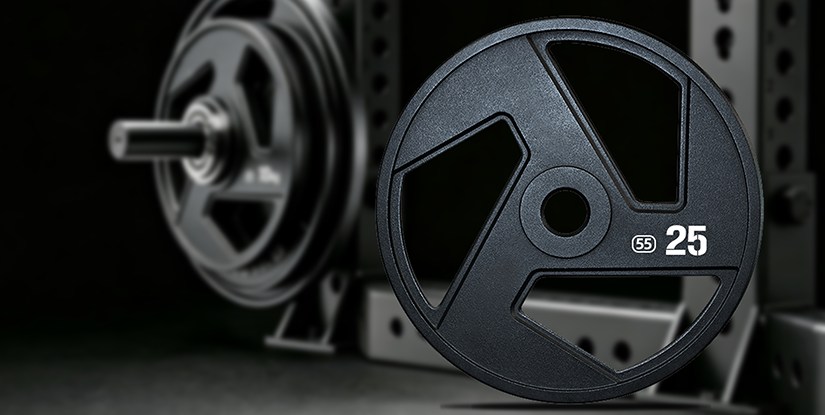
To ensure a successful partnership, we suggest professional buyers request a detailed specification sheet, confirm the specific MOQ for custom branding, and schedule a virtual factory audit or a pre-shipment inspection to verify the calibration consistency of the batch.
For those focused on long-term scalability, we recommend reviewing the specific material and process requirements with your supplier. Whether you require standard commercial-grade specifications or advanced precision machining for elite training centers, aligning on these qualitative benchmarks during the initial inquiry phase will streamline your procurement workflow and ensure the final shipment meets your brand identity standards.
To ensure a successful partnership, we suggest professional buyers request a detailed specification sheet, confirm the specific MOQ for custom branding, and schedule a virtual factory audit or a pre-shipment inspection to verify the calibration consistency of the batch.
China Factory QC Protocols and Pre-Shipment Inspection
For importers and distributors, a calibrated steel plate bulk order requires more than just a low unit price; it demands rigorous verification to ensure long-term commercial reliability. When sourcing directly from a China factory, the primary procurement risk is not the initial cost, but the variance in weight tolerance and material consistency that can degrade your brand reputation. Professional buyers must implement a strict inspection framework to mitigate the risk of receiving non-compliant commercial steel weight plates that fail to meet international standards for concentricity or surface finish.
Effective sourcing strategies prioritize a multi-stage QC process that moves from raw material validation to final weight verification. A reliable supplier will typically conduct inspections at critical transition points, such as after the CNC machining stage and before the final coating application. This ensures that the precision machined steel plates maintain their structural integrity and dimensional accuracy, which is essential for professional gym environments where equipment must perform under heavy, repetitive use.
High-tier wholesale orders should always involve a pre-shipment inspection that focuses on three specific areas: the bore concentricity for a smooth Olympic collar fit, the adhesion of the powder coating or surface finish, and the actual weight deviation against the declared specification. By verifying these technical details at the factory level, distributors can protect their margins and ensure a lower total cost of ownership (TCO) by reducing the frequency of returns and client complaints.
Critical Inspection Points for Precision Machining and Surface Integrity
During a calibrated steel plate bulk order, the most critical technical failure occurs when the bore is not perfectly centered. A high-quality China factory must perform a concentricity check on every batch to ensure the Olympic collar fits without wobbling. If the precision machined steel plates lack proper centering, they can cause uneven wear on barbell sleeves, leading to increased maintenance costs for your end-users and potential liability issues for your brand.
Beyond dimensional accuracy, the surface finish must be rigorously tested for durability. A standard pre-shipment inspection should include a physical test of coating adhesion to ensure the finish does not flake or chip during heavy use. For commercial steel weight plates, this often involves a visual and manual check of the bond between the steel substrate and the protective layer. Failure to verify this during sourcing can result in rusted surfaces and a diminished professional appearance in high-traffic commercial gyms.
Finally, a reliable supplier must implement a weight tolerance spot-check across the entire shipment. Rather than checking just one or two units, a professional wholesale protocol requires random sampling from different production runs to confirm that the weight distribution remains within acceptable industry-standard variances. This level of QC protects the distributor from the high costs of shipping replacement units and ensures that the landed cost remains optimized by avoiding the logistics of returns and faulty stock.
Standardized Inspection Checklist for B2B Procurement
To maintain high standards during a calibrated steel plate bulk order, importers should utilize a structured checklist during their third-party or factory-led audit. This ensures that the commercial steel weight plates arriving at your warehouse meet the exact technical requirements of your clients. A comprehensive inspection checklist should focus on the physical and technical integrity of the product before the export process begins.
| Inspection Category | Critical Focus Point | Standard Commercial Requirement | Impact on Landed Cost |
|---|---|---|---|
| Bore Accuracy | Concentricity & Fit | Smooth Olympic collar interface without wobbling | Reduces barbell sleeve wear and maintenance |
| Weight Verification | Tolerance Deviation | Consistent mass across the wholesale batch | Prevents disputes over unit weight accuracy |
| Surface Quality | Coating Adhesion | Uniform finish with no chipping or unevenness | Lowers replacement frequency and rust risk |
| Packaging Integrity | Container Loading | Reinforced edges and secure palletization | Minimizes transit damage and shipping claims |
A vital but often overlooked component of the pre-shipment process is packaging integrity. For a heavy calibrated steel plate bulk order, standard cardboard is insufficient. Professional sourcing requires that the factory utilizes heavy-duty, reinforced packaging and standardized palletization to withstand the rigors of ocean freight. Improperly secured loads can lead to dented edges or damaged surfaces, significantly increasing your landed cost through insurance claims or unsellable inventory. Always confirm that the export packaging specifications are documented and that the MOQ for custom branded packaging is clearly understood before finalizing the purchase order.
OEM/ODM Customization and Export Packaging Logistics
Distributors and large-scale gym operators often require more than just standard stock to differentiate their market position. A calibrated steel plate bulk order provides the ideal opportunity to integrate custom branding into your product line, allowing you to establish a distinct brand identity. Through OEM and ODM services, a professional China factory can assist in tailoring specifications—ranging from specialized weight increments to unique surface finishes—ensuring the final product aligns perfectly with your target market's premium requirements.
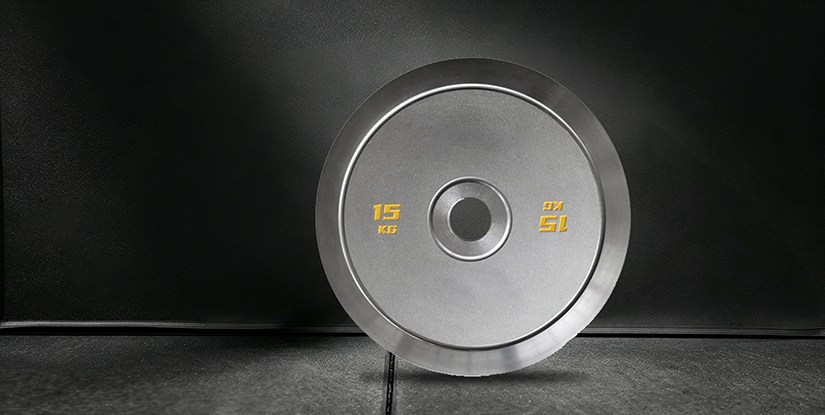
The complexity of managing a calibrated steel plate bulk order extends beyond the manufacturing floor to the logistics stage. For high-volume wholesale importers, the primary concern is minimizing the risk of transit damage and optimizing container utilization. Reliable sourcing requires a partner who understands that precision machined steel plates must be protected by export-grade packaging. This includes reinforced corner protection, moisture-resistant film, and standardized palletization to ensure that commercial steel weight plates arrive at your warehouse in optimal condition, ready for immediate distribution.
To maintain healthy distributor margins, it is essential to evaluate the factory capability regarding both production flexibility and logistics efficiency. High-tier OEM production lines are designed to handle diverse requests while maintaining strict control over the MOQ and lead time. When negotiating your next batch, consider how custom branding and specialized packaging protocols impact your total landed cost and long-term inventory turnover.
Optimizing Sea Freight and Warehouse Efficiency
For professional importers, the logistical execution of a calibrated steel plate bulk order directly dictates the final landed cost and overall profitability. Efficient sea freight planning requires more than just booking a container; it requires a factory that understands volume-to-weight ratios and structural stability. Standardized palletization is critical to prevent shifting during transit, which can lead to damaged edges or uneven weight distribution within the container. By utilizing heavy-duty, reinforced crates and strategic stacking, a reliable supplier ensures that every unit of your commercial steel weight plates shipment is protected against the rigors of long-distance maritime transport.
Warehouse efficiency is another pillar of successful distribution. When your calibrated steel plate bulk order arrives, the ability to quickly unpack, inventory, and move stock is vital for maintaining high turnover. High-quality export packaging—such as moisture-proof shrink wrapping and pallet-ready boxing—allows for seamless integration into your existing fulfillment workflows. This level of preparedness minimizes labor costs and reduces the risk of stock damage upon arrival, ultimately protecting your distributor margin. When evaluating your next sourcing partner, always confirm their specific protocols for pre-shipment inspection and container loading to ensure your inventory reaches your facility in a state of perfect readiness.
Tiered Customization and Procurement Comparison
Selecting the correct specification for a calibrated steel plate bulk order requires a clear understanding of how material choice and customization affect your long-term ROI. A professional supplier will typically offer different tiers of production to accommodate various market segments, from standard commercial gym supplies to high-end competition-grade equipment. When managing your sourcing strategy, it is vital to align the technical specifications with your target distributor margins and the specific durability requirements of your end-users.
The following table outlines the standard industry tiers available through a China factory to assist in your decision-making process for a calibrated steel plate bulk order. These tiers reflect the trade-offs between customization depth, production complexity, and the resulting MOQ requirements.
| Material Tier | Customization Level | Packaging Type | Logistics Suitability | MOQ Impact |
|---|---|---|---|---|
| Standard Cast Iron | Basic Logo Embossing | Standard Export Carton | High Volume / Sea Freight | Low MOQ |
| Commercial Steel Weight Plates | Powder Coating & Silk-Screen | Reinforced Heavy-Duty Box | High Stability / Containerized | Moderate MOQ |
| Precision Machined Steel Plates | Full OEM / ODM Branding | Custom Palletization & Film | Premium / High-Value Transit | High MOQ |
When planning your next procurement cycle, we recommend requesting a detailed specification sheet and confirming the specific pre-shipment inspection protocols for your chosen tier. Whether you are seeking standard stock or a fully branded private label solution, early alignment on weight tolerances and packaging durability will ensure a more predictable landed cost and smoother warehouse integration.
Optimizing Your Sourcing Strategy for High-Volume Orders
Effective procurement for a calibrated steel plate bulk order requires moving beyond simple unit-price comparisons to a comprehensive supply chain strategy. For professional distributors and warehouse operators, the goal is to balance high-precision commercial steel weight plates with a scalable China factory production model that protects distributor margin. Success depends on understanding how MOQ thresholds and lead time variables impact your landed cost and overall inventory turnover.
When managing high-volume inventory, reliance on low-quality precision machined steel plates can lead to increased returns and damaged brand reputation. A strategic sourcing approach prioritizes suppliers capable of consistent OEM production and rigorous pre-shipment inspection. By establishing direct lines with a reliable supplier, importers can better predict seasonal stock requirements and optimize container loading efficiency to reduce per-unit shipping expenses.
Commercial Grade Material and Manufacturing Comparison
To maximize long-term value, procurement teams must distinguish between standard casting and high-precision machining. A calibrated steel plate bulk order involving higher-tier specifications typically requires more intensive post-casting steps to ensure concentricity and dimensional stability. Selecting the correct manufacturing tier allows a distributor to align product quality with specific market segments, whether providing budget-friendly solutions or premium precision machined steel plates for high-end training facilities.
| Material | Coating | Process | Commercial Duty | MOQ Impact | Factory QC Point |
|---|---|---|---|---|---|
| Gray Iron | Paint or Enamel | Sand Casting | Budget/Standard | Lower MOQ | Surface smoothness and weight tolerance spot-check |
| Solid Steel | Powder Coating | Machining & Calibration | Commercial/Premium | Moderate MOQ | Bore concentricity and flatness |
| Chrome-Manganese Steel | Chrome Finish | CNC Machining | High-End/Competition | Higher MOQ | Precision thickness and edge smoothness |
Evaluating these technical tiers ensures that your wholesale procurement aligns with the durability requirements of your clients. We recommend that buyers request a detailed spec sheet and confirm the factory's ability to meet specific calibration standards before finalizing a bulk order. For those pursuing private label opportunities, discussing OEM customization options early in the sourcing process will help ensure that your brand identity is accurately reflected in the final product's finish and marking quality.
Critical Quality Control and Export Standards
Mitigating risk in a calibrated steel plate bulk order requires a rigorous inspection protocol that extends far beyond the initial purchase order. For a professional distributor, the primary concern is the consistency of the commercial steel weight plates arriving at the warehouse. Inconsistent weight distribution or poor coating adhesion can lead to high return rates and increased customer service overhead, ultimately eroding your net profitability.
To ensure high-tier performance, a qualified China factory must demonstrate strict control over the following technical touchpoints during the pre-shipment phase:
- Weight tolerance spot-check: Verifying that each unit falls within the industry-standard deviation to maintain professional calibration standards.
- Coating adhesion: Testing the bond of powder coating or plating to ensure the surface does not chip or peel under heavy commercial use.
- Bore concentricity: Ensuring the center hole is perfectly centered and smooth to prevent uneven wear on Olympic barbells.
- Export packaging: Utilizing reinforced crates or heavy-duty pallets to prevent transit damage and optimize container loading density.
When negotiating wholesale contracts, we advise importers to request a sample approval process that includes a detailed inspection of these specific components. For OEM or ODM partners, confirming the factory's internal QC reports for batch consistency is a vital step in securing a stable, high-margin product line for your market.