Cast Iron Weight Plate Trade Manufacturer: Wholesale
The Strategic Value of a Cast Iron Weight Plate Trade Manufacturer
Many importers mistakenly prioritize the lowest unit price, only to face escalating replacement costs and high maintenance cycles due to poor material density or uneven casting. A professional cast iron weight plate trade manufacturer offers a more sustainable procurement model by providing high-density gray iron that ensures long-term durability and consistent weight calibration. By sourcing directly from a specialized factory, distributors can optimize their total cost of ownership (TCO) through products that withstand high-volume commercial throughput without frequent replacement.
When evaluating commercial weight plate wholesale options, the focus must shift from initial landed cost to long-term ROI. Low-quality plates often suffer from surface cracking or uneven thickness, which leads to premature wear in high-traffic gym environments. Selecting a reliable cast iron weight plate trade manufacturer allows you to secure equipment with standardized manufacturing processes, such as precision machining and high-grade powder coating, which significantly extends the product lifecycle and protects your profit margins.
Optimizing TCO Through Manufacturing Control
The true cost of a bulk order is rarely reflected in the initial invoice. For distributors, the most significant expenses arise from product returns, surface degradation, and high maintenance frequency. A professional cast iron weight plate trade manufacturer mitigates these risks by controlling the entire production sequence—from the initial sand casting phase to the final quality check. High-quality sand casting ensures a dense, consistent iron structure that prevents the structural fragility common in budget-tier units. Furthermore, integrating a standardized powder coating process creates a durable barrier that resists oxidation and chipping, even under heavy usage in commercial settings.
Precision in the manufacturing process directly influences your logistics efficiency and long-term profitability. For example, utilizing CNC machining for the center bore ensures a consistent weight tolerance and concentricity. This level of precision prevents uneven loading and reduces the physical wear on barbell sleeves, a common failure mode in lower-tier equipment. When you source OEM cast iron plates, you are investing in a product where the manufacturing steps—casting, machining, and coating—are calibrated to meet commercial-grade standards. This reliability reduces the need for frequent replacement cycles, ultimately lowering the total landed cost for your clients and protecting your brand reputation as a premium supplier.
Sourcing Comparison: Trading Goods vs. Direct Manufacturing
Distributors must distinguish between generic stock and specialized production to avoid the high costs of product returns. While general traders may offer lower initial prices, they often lack control over the raw material density and surface finish, leading to high replacement rates. For a professional cast iron weight plate trade manufacturer, the focus is on providing a predictable, high-performance product that supports a healthier distributor margin through reduced after-sales issues.
| Sourcing Type | Material Consistency | Surface Finish | Maintenance Requirement | Long-term Value |
|---|---|---|---|---|
| Standard Trading Goods | Variable density; prone to uneven weight distribution | Basic or inconsistent coating; high oxidation risk | High; frequent cleaning and rust prevention needed | Low; high replacement frequency in commercial gyms |
| Direct wholesale Production | Consistent high-density gray iron; calibrated casting | Premium powder coating or phosphate treatment | Low; durable surface resists chipping and wear | High; optimized for long-term TCO and durability |
Choosing to work with a factory that manages the full production cycle—from sand casting to the final pre-shipment inspection—ensures that every unit meets the necessary commercial-grade specifications. This level of control is essential when your business model relies on high-volume throughput and brand reliability. Before finalizing your next bulk order, we recommend requesting a spec sheet or confirming the MOQ to ensure the production capabilities align with your distribution scale and quality requirements.
Material Specifications and Casting Standards for Commercial Use
To ensure high-volume procurement efficiency, a professional cast iron weight plate trade manufacturer must prioritize consistent material grades and standardized production workflows. For distributors sourcing large batches, understanding the distinction between raw casting and precision-finished units is vital for managing landed costs and long-term product durability.
Most high-tier commercial weight plate wholesale orders rely on high-quality gray iron produced through traditional sand casting. This method is the industry standard for creating heavy-duty plates that can withstand the rigorous throughput of commercial gym environments. A reliable cast iron weight plate trade manufacturer will implement a rigorous sequence—moving from initial sand casting to precision machining, followed by weight calibration and surface finishing—to ensure each unit meets strict sourcing standards for professional use.
When managing OEM cast iron plates projects, buyers should evaluate the technical maturity of the factory to ensure weight precision and surface integrity. The following table outlines the typical production tiers found in the industry to assist in your sourcing decisions.
| Material Type | Primary Process | Key Component/Detail | Commercial Duty | QC Focus Point |
|---|---|---|---|---|
| Gray Iron | Sand Casting | Base Flatness | Standard Commercial | Bore Concentricity |
| Cast Iron | Machining & Coating | Surface Texture | Premium Commercial | Coating Adhesion |
| Steel (Alternative) | Forging/Machining | Precision Tolerance | High-Performance | Dimensional Accuracy |
Surface Finishing and Coating Methods for Long-Term Durability
Beyond the core casting, the final surface treatment significantly impacts the long-term maintenance load and the visual identity of your brand. For professional importers, choosing the correct finish is not just about aesthetics; it is a strategic decision regarding the total cost of ownership (TCO) and the durability of the product in high-traffic environments. A specialized cast iron weight plate trade manufacturer will offer several standardized finishing options to suit different commercial budget tiers.
The most common high-volume option is a specialized powder coating application. This process involves applying a dry powder to the cast iron surface, which is then cured under heat to create a durable, uniform layer. This finish is highly effective for preventing oxidation and providing a professional look for commercial weight plate wholesale orders. In more premium OEM cast iron plates production runs, manufacturers may utilize a phosphate treatment or enamel finish to ensure superior coating adhesion and resistance to chipping during heavy use.
When conducting a sourcing audit or reviewing samples, procurement leads should inspect the transition between the casting and the coating. A high-quality factory will ensure that the surface is free of significant casting imperfections that could lead to premature coating failure. We recommend requesting a sample to verify the smoothness of the finish and the consistency of the bore edge, as these factors directly influence how easily the plates can be loaded and unloaded in a professional setting.
Weight Tolerance and Calibration Standards
In professional gym deployments, weight precision is a non-negotiable factor for distributor reputation and end-user satisfaction. A professional cast iron weight plate trade manufacturer must implement standardized calibration protocols during the post-casting phase. While budget-tier units may exhibit wider variances, premium OEM cast iron plates undergo specific machining and calibration steps to ensure the center of gravity remains stable and the weight deviation remains within industry-standard commercial ranges.
During the pre-shipment QC process, a reliable factory will perform spot-checks on bore concentricity and base flatness. This is critical because a poorly centered bore can lead to uneven loading on barbell sleeves, increasing wear on expensive lifting equipment. When managing bulk wholesale orders, we advise importers to confirm the manufacturer's specific calibration method—whether it involves precision machining of the inner diameter or specialized weight-balancing techniques—to ensure the landed cost aligns with the desired quality tier of the facility.
Surface Finishing and Coating Durability Comparison
For distributors and gym owners, the long-term maintenance load of weight plates is a critical factor in total cost of ownership. Choosing the wrong finish can lead to premature oxidation or coating failure, increasing replacement frequency. When sourcing from a cast iron weight plate trade manufacturer, understanding how different treatments affect commercial durability is essential for protecting your margins and ensuring product longevity in high-traffic environments.
Different OEM cast iron plates offer varying levels of protection against moisture and physical abrasion. While bare iron is cost-effective for certain markets, it requires higher maintenance. For professional facility deployment, specialized coatings are typically preferred to extend the lifecycle of the equipment.
| Material / Finish Type | Typical Process | Commercial Durability | Maintenance Requirement | Procurement Context |
|---|---|---|---|---|
| Bare Iron | Sand Casting & Polishing | Low (Subject to oxidation) | High (Regular oiling needed) | Budget-tier / High MOQ |
| Paint / Enamel | Liquid Spray Application | Moderate (Standard use) | Medium (Chip resistant) | Standard Commercial wholesale |
| Powder Coating | Electrostatic Powder Application | High (Heavy-duty use) | Low (Excellent adhesion) | Premium commercial weight plate wholesale |
| PU / Rubber Coating | Polyurethane Dipping | Very High (Impact protection) | Minimal (Floor friendly) | High-end sourcing |
Selecting the appropriate finish depends on your target market and the intended use case. A professional cast iron weight plate trade manufacturer can often provide custom branding or color-coding via the powder coating process to help you build your own brand identity. We recommend evaluating the commercial weight plate wholesale options based on the expected environmental humidity and the rigor of the facility's usage to optimize your landed cost and long-term ROI.
The stability of the surface layer directly influences the long-term maintenance costs for your clients. A reliable cast iron weight plate trade manufacturer utilizes a standardized powder coating line to ensure that the finish can withstand repetitive impact and constant handling without peeling. In many commercial settings, poor coating adhesion leads to unsightly chipping and oxidation, which can diminish the perceived value of a premium gym installation and increase the frequency of replacement orders.
When managing large-scale commercial weight plate wholesale procurement, it is vital to verify the production sequence. A professional factory typically follows a strict workflow: cleaning the cast iron surface to remove impurities, followed by an electrostatic application and controlled curing. This process ensures the coating becomes an integral part of the plate rather than a superficial layer. For distributors looking to minimize post-sale support, prioritizing high-adhesion finishes is a strategic way to reduce the total cost of ownership and improve your reputation for supplying durable, professional-grade equipment.
The quality of the final surface layer is a non-negotiable factor during pre-shipment QC. A professional factory must verify that the coating thickness is consistent across the entire plate surface to prevent premature peeling or uneven wear. During the inspection of OEM cast iron plates, technicians typically check for surface smoothness and the absence of bubbles or cracks in the finish, as these defects often lead to localized oxidation in high-humidity environments. Ensuring these standards are met before the wholesale shipment leaves the facility protects the importer from high return rates and ensures the product meets the high expectations of commercial gym operators.
Furthermore, high-quality export packaging is essential to maintain these surface standards during long-distance transit. For bulk commercial weight plate wholesale orders, the method of palletizing and the use of protective dividers can significantly impact the final landed cost by reducing damage-related claims. A competent cast iron weight plate trade manufacturer understands that even a minor imperfection in the coating or a scratch from improper shipping can lead to a rejection of the entire batch. Therefore, coordinating the lead time impact of rigorous packaging protocols and multi-stage inspections is a vital part of a successful global sourcing strategy for distributors and large-scale equipment importers.
Manufacturing Processes and Precision Calibration
To ensure consistent value for distributors, a professional cast iron weight plate trade manufacturer must follow a disciplined production sequence that transitions from raw molten metal to finished, calibrated units. For high-volume commercial weight plate wholesale, the workflow begins with high-grade sand casting to create the foundational shape of the plate. This method is the industry standard for producing durable, heavy-duty plates that can withstand the rigors of high-traffic commercial gyms. Once the raw casting is complete, the plates undergo CNC machining to refine the center bore and ensure concentricity, which is critical for smooth rotation on barbell sleeves.
After the structural shaping, the plates move to the surface treatment stage, where quality is determined by the adhesion of the coating. A reliable OEM cast iron plates production line will typically include a thorough cleaning process before applying a powder coating or enamel finish. The final, most critical step for any cast iron weight plate trade manufacturer is the weight calibration phase. During this stage, individual plates are checked against standard weights to ensure they meet the required commercial-grade tolerances. This rigorous quality control ensures that when a gym owner receives a bulk shipment, every plate in the set provides a consistent and predictable load, reducing the risk of uneven weight distribution during heavy training sessions.
Comparison of Casting and Coating Specifications
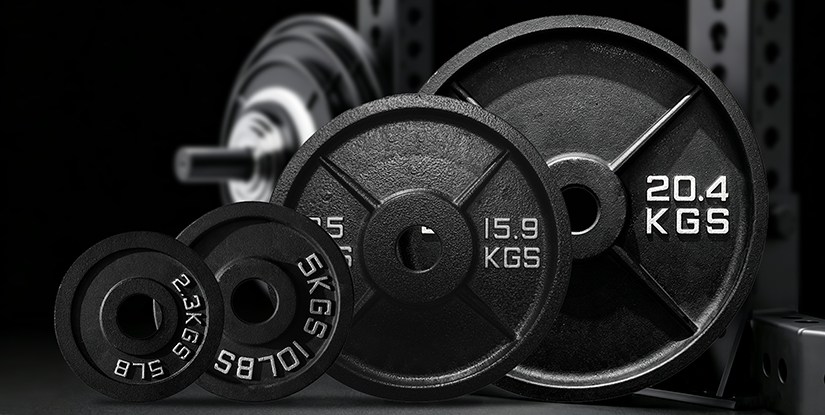
When sourcing at scale, procurement officers must differentiate between production methods to balance landed cost with long-term commercial durability. Selecting the correct specification is vital for maintaining healthy distributor margins and meeting the expectations of high-end fitness facilities. The following table outlines the common distinctions in manufacturing paths used by a professional factory to serve different market segments.
| Material Tier | Primary Process | Surface Treatment | Commercial Duty | Sourcing Profile |
|---|---|---|---|---|
| Standard Gray Iron | Sand Casting | Phosphate Treatment | Budget / High-Traffic | High-volume wholesale |
| Premium Cast Iron | Sand Casting + CNC | Powder Coating | Professional Studio | Standard OEM |
| Precision Grade | Die Casting / Centrifugal | Enamel or PU Coating | Premium / Competition | Low MOQ / Specialized |
Understanding these nuances helps avoid the high costs of replacement or customer dissatisfaction. For instance, while sand casting is the most cost-effective route for a China factory to produce mass-market plates, the addition of a multi-coat powder coating significantly increases the resistance to oxidation and surface chipping. For distributors focusing on high-end boutique studios, specifying a refined surface treatment can justify a higher retail price point and improve the total cost of ownership for the end-user.
Before finalizing a large-scale purchase, we recommend that buyers request a detailed specification sheet or a physical sample to evaluate the coating adhesion and bore concentricity. Confirming your specific MOQ and lead time requirements early in the sourcing process will ensure that your delivery schedule remains intact during peak production seasons.
Pre-Shipment Inspection and Export Readiness
The final stage of the production cycle focuses on logistics reliability and the mitigation of transit-related damage. For any professional cast iron weight plate trade manufacturer, the pre-shipment QC process is not merely a cursory glance but a systematic verification of the entire batch. This includes a rigorous weight tolerance check to ensure every unit aligns with the buyer's requested specification, alongside a visual inspection of the coating adhesion. In high-volume commercial weight plate wholesale, even minor surface chipping or oxidation during the shipping process can diminish the perceived value of your shipment upon arrival.
To protect your margins and ensure the durability of the product during long-distance ocean freight, specialized export packaging is mandatory. A reputable China factory will implement heavy-duty solutions, such as reinforced pallets, corner protectors, and moisture-resistant wrapping, to secure the OEM cast iron plates. This attention to detail minimizes the risk of movement within the container, which is a common cause of damage in bulk sea shipments. We advise all procurement leads to confirm the specific packaging standards and container loading configurations during the initial sourcing phase. This proactive approach allows you to optimize your landed cost by maximizing container volume while ensuring that your inventory arrives in a retail-ready, professional state.
China Factory Sourcing: MOQ, Lead Times, and Export Logistics
Navigating the complexities of international procurement requires a clear understanding of how a cast iron weight plate trade manufacturer manages production cycles and global distribution. For distributors and gym equipment importers, success depends on balancing MOQ requirements with predictable shipping schedules to maintain consistent inventory levels. Managing these variables effectively ensures that your wholesale orders arrive on time, minimizing the risk of stockouts during peak seasonal demand.
When sourcing through a China factory, buyers must account for the transition from raw casting to final export-ready packaging. Unlike small-scale retail purchases, bulk orders of commercial weight plate wholesale units involve structured production cycles that include sand casting, machining, and surface coating. Understanding these timelines allows procurement leads to plan their sourcing strategy with greater precision, ensuring that OEM cast iron plates are ready for deployment according to their specific project timelines.
Understanding Production and Order Frameworks
A professional cast iron weight plate trade manufacturer provides tiered solutions based on order volume. While standard stock items may have a lower MOQ, customized OEM or ODM projects—such as those requiring specific branding or unique diameter specifications—will naturally involve longer lead times due to the initial setup of specialized molds or printing lines. Effective sourcing involves aligning these production realities with your distributor margins and total landed cost calculations.
| Order Type | Typical MOQ | Lead Time Expectation | Primary Sourcing Focus |
|---|---|---|---|
| Standard Wholesale | Medium | Short (Standard Cycle) | Inventory replenishment |
| OEM/Private Label | High | Long (Setup + Production) | Brand identity & differentiation |
| Custom Mold Project | Very High | Extended (Developmental) | Unique product specifications |
Ensuring Consistency via Pre-Shipment Quality Control
To mitigate the risks of receiving substandard inventory, professional buyers should never bypass a structured quality control (QC) protocol. For high-volume commercial weight plate wholesale, the final stages of production are critical. A reliable cast iron weight plate trade manufacturer will typically facilitate a pre-shipment inspection focusing on three key areas: weight tolerance consistency, surface coating adhesion, and dimensional accuracy. These checks ensure that every unit in your bulk order meets the strict requirements of professional fitness facilities, preventing the high cost of returns or client dissatisfaction.
The final step in the sourcing journey is the transition to export packaging. Because cast iron is heavy and prone to surface scratches during transit, industry-standard protection is mandatory. High-grade manufacturers utilize reinforced pallets and heavy-duty corrugated boxes designed for maritime stability. This meticulous approach to export readiness ensures that your OEM cast iron plates arrive at your warehouse in pristine condition, protecting your margins and ensuring your private label products maintain their premium brand identity from the factory to the end-user.
Navigating the complexities of international procurement requires a clear understanding of how a cast iron weight plate trade manufacturer manages production cycles and global distribution. For distributors and gym equipment importers, success depends on balancing MOQ requirements with predictable shipping schedules to maintain consistent inventory levels. Managing these variables effectively ensures that your wholesale orders arrive on time, minimizing the risk of stockouts during peak seasonal demand.
When sourcing through a China factory, buyers must account for the transition from raw casting to final export-ready packaging. Unlike small-scale retail purchases, bulk orders of commercial weight plate wholesale units involve structured production cycles that include sand casting, machining, and surface coating. Understanding these timelines allows procurement leads to plan their sourcing strategy with greater precision, ensuring that OEM cast iron plates are ready for deployment according to their specific project timelines.
Quality Control Protocols and Pre-Shipment Inspection Points
Maintaining consistent product standards is the primary challenge for distributors managing large-scale imports. A professional cast iron weight plate trade manufacturer must implement a rigorous verification sequence to ensure that every batch meets the durability requirements of commercial fitness facilities. Without standardized oversight, bulk orders often suffer from inconsistent weight distribution or surface defects that increase maintenance costs and reduce long-term ROI.
For importers managing commercial weight plate wholesale contracts, the inspection process must move beyond simple visual checks. Reliability in high-volume China factory sourcing depends on verifying specific technical benchmarks before the container is sealed. A comprehensive pre-shipment inspection typically focuses on three critical areas: structural integrity, dimensional accuracy, and surface consistency.
Standardized Inspection Benchmarks for Bulk Orders
A reliable cast iron weight plate trade manufacturer utilizes a multi-stage verification process to mitigate the risk of receiving defective units. During the OEM cast iron plates production cycle, quality control teams focus on the following industry-standard checkpoints to ensure commercial durability and weight tolerance compliance.
- Dimensional Accuracy: Verifying the concentricity of the center bore and the flatness of the plate face to ensure seamless fit on standard Olympic barbells.
- Surface Finish Integrity: Inspecting the powder coating or paint adhesion to prevent chipping during high-frequency commercial use.
- Weight Consistency: Performing spot-checks on mass distribution to ensure the weight tolerance remains within acceptable commercial-grade margins.
- Structural Soundness: Examining the cast iron body for micro-cracks or casting voids that could compromise safety under heavy load.
Technical Inspection Matrix for Procurement Verification
To streamline the sourcing process, procurement managers should utilize a structured checklist when evaluating a cast iron weight plate trade manufacturer. Relying on qualitative assessments alone can lead to unexpected landed costs if the batch arrives with substandard finishes or uneven weight distribution. A professional QC checklist should focus on the technical alignment between the production process and the final commercial utility.
The following table outlines the essential inspection points required for high-volume commercial weight plate wholesale orders. This matrix helps distributors differentiate between budget-tier production and the high-standard OEM cast iron plates required for premium fitness facility deployments.
| Inspection Focus | Technical Parameter | Standard Commercial Requirement | Procurement Impact | Factory QC Point |
|---|---|---|---|---|
| Bore Geometry | Concentricity & Diameter | Smooth, uniform center hole for barbell fit | Prevents bar wobble and wear | Bore diameter spot-check |
| Surface Coating | Adhesion & Texture | High-grade powder coating or enamel | Reduces maintenance and chipping | Coating adhesion test |
| Structural Form | Plate Flatness | Minimal warping of the casting face | Ensures stable stacking in racks | Surface flatness inspection |
| Weight Integrity | Mass Distribution | Consistent weight across the batch | Maintains professional equipment standards | Weight tolerance spot-check |
When coordinating with a China factory, we recommend requesting a sample approval or a formal factory audit before finalizing large-scale shipments. Verification of these specific technical points ensures that your wholesale inventory meets the rigorous demands of commercial gym environments, protecting your distributor margins and long-term brand reputation.
Export Packaging and Container Loading Protocols
Effective export packaging is the final, critical defense against high landed costs caused by transit-related damage. For a cast iron weight plate trade manufacturer, managing a bulk order requires more than just sturdy boxes; it requires a systematic approach to palletization and load stability. Improperly secured shipments often lead to chipped powder coating or structural stress during long-haul ocean freight, which directly impacts your wholesale profit margins upon arrival.
To ensure maximum logistics reliability, professional sourcing protocols must include standardized palletization and heavy-duty protection. High-density cast iron products require specialized handling to prevent movement within the shipping container. A reliable factory will implement multi-layered protection, including corner protectors, industrial-grade stretch wrap, and reinforced wooden pallets to maintain structural integrity throughout the global supply chain.
Standardized loading procedures for commercial weight plate wholesale shipments typically involve:
- Heavy-duty palletization to prevent shifting during sea transit.
- Edge protection for all stackable surfaces to preserve the powder coating finish.
- Strategic container weight distribution to optimize shipping density and reduce freight costs.
- Rigorous pre-loading inspection to confirm the lead time and readiness for dispatch.
When managing your next bulk order, we advise confirming the specific export packaging requirements with your supplier. Requesting detailed photos of the palletized load and the containerized arrangement can provide essential peace of mind, ensuring that your OEM cast iron plates arrive in retail-ready condition, ready for immediate deployment in professional fitness environments.
Customization Capabilities for OEM and Private Label Orders
For distributors and gym chains looking to build a cohesive brand identity, working with a professional cast iron weight plate trade manufacturer provides the necessary infrastructure for high-volume differentiation. Unlike standard off-the-shelf products, OEM cast iron plates allow you to integrate your specific brand aesthetic into the production line, ensuring that every unit shipped meets your unique market positioning.
Successful commercial weight plate wholesale procurement often requires more than just standard sizing; it demands precise control over visual and technical branding elements. Whether you are launching a boutique fitness line or outfitting a large-scale facility, our factory supports various levels of customization to meet strict commercial gym requirements.
Scope of Branding and Technical Customization
Our China factory offers extensive private label solutions that go beyond simple logo application. We understand that for professional importers, the value lies in the ability to offer a specialized product tier that stands out in a crowded distribution market. We provide several layers of customization to ensure your sourcing strategy is both scalable and distinctive.
- Custom Mold Development: We can develop custom molds for unique plate shapes, textures, or specialized thickness profiles to differentiate your product line from generic market offerings.
- Branding and Embossing: High-relief embossing or debossing allows your brand name and weight markings to be integrated directly into the cast iron surface, ensuring permanent visibility that cannot be worn off by heavy use.
- Surface Finishes: Beyond standard paint, we offer various powder coating colors and textures to match your brand's visual language, providing both aesthetic appeal and long-term durability.
- Technical Specifications: We work with your engineering teams to align on bore diameters, concentricity requirements, and weight tolerance bands to ensure compatibility with high-end commercial barbell systems.
To maintain efficient production cycles, most OEM projects are subject to a specific MOQ based on the complexity of the custom mold or the degree of specialized coating required. We recommend discussing your branding and technical needs during the initial consultation to ensure lead times and landed cost projections remain accurate for your seasonal launch or facility deployment.
Technical Specification and Surface Treatment Comparison
Selecting the correct finish is a critical decision for professional buyers, as the surface treatment directly impacts the long-term maintenance load and the durability of the unit in high-traffic environments. For instance, a standard sand casting process may result in a rougher texture, whereas specialized machining can provide a smoother surface for advanced coating applications. When managing a wholesale order, choosing the right tier ensures that your product meets the expected commercial-grade standards of your end-users while remaining within your target landed cost.
The following table outlines the typical technical configurations available through our cast iron weight plate trade manufacturer services, highlighting how different manufacturing routes affect the final product quality and procurement requirements.
| Material Tier | Surface Finish | Manufacturing Process | Primary QC Point | Commercial Duty | MOQ Impact |
|---|---|---|---|---|---|
| Cast Iron | Phosphate Treatment | Sand Casting & Machining | Weight Tolerance | Budget/Standard | Standard |
| Cast Iron | Black Powder Coating | Sand Casting & Polishing | Coating Adhesion | Commercial | Moderate |
| Cast Iron | Premium Color Coating | CNC Machining & Spraying | Bore Concentricity | Premium/Boutique | High |
When evaluating your next batch, please consider that higher-tier finishes, such as specialized powder coating, offer superior protection against oxidation and impact, making them ideal for high-end studio environments. If your sourcing strategy focuses on high-volume, cost-effective distribution, the phosphate treatment remains an industry-standard solution for maintaining a professional appearance. We invite you to request a detailed specification sheet or confirm the MOQ for any specific custom finish to ensure your project timelines remain on track.