Calibrated Weight Plate OEM: OEM Manufacturing for Importers
The Strategic Value of calibrated weight plate OEM for Global Distributors
For large-scale fitness distributors and regional warehouse operators, the difference between a profitable quarter and a high-return nightmare lies in the precision of the inventory. Whether you are supplying a national chain of commercial gyms or a high-end boutique studio network, sourcing inconsistent weight increments can devastate your distributor margin. When a client receives a shipment where the weight variance exceeds industry standards, the resulting return rates and replacement costs erode your bottom line and damage your brand reputation.
Utilizing a professional calibrated weight plate OEM service ensures that every unit meets a strict weight tolerance, providing the consistency required for professional strength training environments. By shifting from generic wholesale gym weight plates to precision-engineered units, importers can offer a more reliable product that justifies premium pricing. This transition from standard commercial weight plate manufacturer offerings to high-precision precision iron plate OEM solutions allows you to build a more authoritative brand presence in the North American market.
Successful sourcing from a China factory requires a deep understanding of how manufacturing precision directly impacts your landed cost and long-term scalability. Selecting a factory-direct partner that prioritizes calibration over high-speed, low-quality casting will ultimately protect your capital and reduce the logistical burden of managing defective stock.
Comparing Sourcing Tiers for Commercial Inventory
To optimize your procurement strategy, it is essential to distinguish between standard casting and high-precision manufacturing. While standard plates are sufficient for basic fitness centers, professional distributors often require higher-grade specifications to satisfy the demands of competitive strength facilities and premium training centers. Choosing the correct tier during the sourcing phase directly affects your long-term client satisfaction and reduces the frequency of quality-related disputes.
The following table outlines the qualitative differences between standard and precision-engineered options to assist in your next bulk procurement decision.
| Sourcing Type | Material/Process | Weight Precision | Commercial Application | Business Value |
|---|---|---|---|---|
| Standard Cast Iron | Sand casting and basic coating | Moderate variance | General fitness and commercial gyms | Lower initial landed cost |
| precision iron plate OEM | Precision machining and calibration | High consistency | Professional strength and training centers | Higher distributor margin and reliability |
| Premium Rubber/PU | Molded or encapsulated steel | Strict tolerance control | High-end boutique and competition use | Premium market positioning |
When evaluating a supplier, consider that the higher investment in a calibrated weight plate OEM model often results in a lower Total Cost of Ownership (TCO). Although the MOQ for precision-machined units may differ from standard stock, the reduction in replacement shipments and the ability to provide high-spec equipment to top-tier clients provides a significant competitive advantage for your private label or distribution business.
Optimizing Logistics and Quality Assurance for Bulk Orders
Reliability in the supply chain is not merely about the weight of the metal, but the integrity of the entire export process. For professional importers, a single faulty batch can disrupt entire distribution networks. This is why a specialized calibrated weight plate OEM partner must integrate rigorous QC processes and pre-shipment inspection into every production cycle. High-tier manufacturers do not simply ship goods; they provide a standardized quality assurance system that includes weight tolerance spot-checks and surface finish verification to ensure your wholesale gym weight plates arrive exactly as specified.
Beyond the product itself, logistics efficiency and export packaging are critical to protecting your margins. High-quality manufacturers utilize heavy-duty, reinforced packaging designed for long-distance maritime transit, preventing damage to the coating or structural integrity during container loading. By securing a reliable commercial weight plate manufacturer that understands the nuances of international shipping, you can scale your business with confidence. Whether you are managing a single warehouse or a global distribution network, professionalized sourcing minimizes the risk of transit-related defects and ensures your long-term partnership with the factory remains profitable and scalable.
Material Engineering and Precision Machining Standards
For professional importers and distributors, sourcing high-precision equipment requires a deep understanding of the technical workflow. A reliable calibrated weight plate OEM must integrate advanced casting techniques with rigorous precision machining to ensure every unit meets strict weight standards. In the commercial fitness sector, even minor deviations can lead to significant issues in professional strength training environments, making the selection of a qualified China factory essential for maintaining product integrity and brand reputation.
The production of professional-grade plates typically follows a structured sequence to ensure durability and accuracy. It begins with high-quality gray iron sand casting to create the base form, followed by extensive machining to refine the center bore and outer edges. This stage is critical for achieving the necessary concentricity required for high-end commercial gym supply. Without precise calibration, plates may exhibit wobbling or uneven weight distribution, which increases the risk of mechanical wear on barbell sleeves and diminishes the long-term value of the shipment. When managing large-scale wholesale orders, verifying these technical specifications during the pre-shipment QC stage is a vital step for any procurement professional to mitigate the risk of weight discrepancies and ensure a consistent weight tolerance across the entire batch.
Casting vs. Machining: Optimizing Precision and Landed Cost
Understanding the distinction between different manufacturing routes allows distributors to balance performance requirements with total procurement budgets. For high-volume wholesale gym weight plates, the choice between standard sand casting and advanced CNC refinement directly impacts the durability and weight accuracy of the final product. While basic casting is cost-effective for general gym use, professional strength facilities often require the higher precision found in specialized production lines.
The following comparison highlights how different manufacturing approaches affect the technical performance and the final landed cost for international importers. A professional commercial weight plate manufacturer will typically offer various tiers to meet different market demands, from budget-friendly training sets to high-end competition-spec equipment.
| Material / Process | Primary Method | Key Component / Detail | Commercial Duty Tier | Procurement Impact |
|---|---|---|---|---|
| Gray Iron Casting | Sand Casting | Base weight form | Budget / Entry-level | Lower MOQ and cost |
| Precision Iron | CNC Machining | Concentricity & Bore accuracy | Standard Commercial | Higher precision, stable weight |
| Premium Calibration | Advanced Machining | Smooth surface & edge finish | High-end / Competition | Maximum durability & TCO |
When sourcing a precision iron plate OEM, it is vital to evaluate the surface finishing stage as well. Whether utilizing a phosphate treatment for rust prevention or a thick powder coating for impact resistance, the quality of the coating adhesion determines the long-term maintenance load for the end-user. We recommend that buyers request a detailed specification sheet and confirm the specific surface finishing method during the initial sourcing phase to ensure the product aligns with the durability requirements of your target market.
Pre-Shipment Inspection and Export Compliance
For distributors and large-scale importers, the final validation stage is the most critical defense against high return rates and customer dissatisfaction. A professional calibrated weight plate OEM must implement a multi-layered inspection protocol that moves beyond simple visual checks. This process ensures that the high-precision standards established during the machining phase are maintained throughout the final assembly and packaging stages, protecting your brand identity and long-term profit margins.
A rigorous pre-shipment QC protocol typically focuses on three technical pillars: mechanical accuracy, surface integrity, and logistical readiness. First, technicians perform a concentricity check to ensure the center bore is perfectly aligned, preventing uneven loading on barbell sleeves. Second, a weight tolerance spot-check is conducted on a randomized sample from the batch to verify that the actual mass aligns with the declared specification. Finally, the coating adhesion is tested to ensure the surface finish can withstand the high-impact environment of a commercial gym without premature peeling or oxidation.
Beyond product specs, the export packaging process is a vital component of the total procurement strategy. To minimize damage during sea freight and reduce the risk of dented edges or surface scratches, high-quality wholesale gym weight plates must be secured in heavy-duty, reinforced cartons or custom-built wooden crates. For large-scale wholesale shipments, we recommend discussing palletization and container loading optimization with your supplier. This attention to detail ensures that your landed cost remains low by reducing breakage and ensuring the shipment arrives in a condition ready for immediate retail or commercial distribution.
Comparing Commercial Weight Plate Manufacturing Tiers
Selecting the right calibrated weight plate OEM partner requires understanding how manufacturing quality directly dictates your long-term Total Cost of Ownership (TCO). For distributors and gym owners, the initial landed cost is only one part of the equation; the actual value is determined by how long the equipment remains in service without replacement or excessive maintenance. When sourcing from a commercial weight plate manufacturer, you must differentiate between tiers to ensure your procurement aligns with your target market's durability requirements.
Choosing a lower-tier product may offer a lower initial wholesale price, but it often results in higher long-term costs due to uneven weight distribution, coating failure, or premature wear. Conversely, investing in premium precision iron plate OEM specifications reduces the frequency of replacement and enhances the reputation of your brand among high-end facility operators.
| Material Tier | Typical Process | Primary Commercial Use | TCO Impact | Sourcing Advantage |
|---|---|---|---|---|
| Standard Cast Iron | Sand casting and basic powder coating | Budget gyms and home studio setups | Higher replacement frequency due to surface wear | Lowest MOQ and initial capital outlay |
| Commercial Grade | Centrifugal casting and multi-coat finish | Standard fitness centers and distributors | Balanced durability and maintenance cycles | Optimal for wholesale volume scaling |
| Premium Calibrated | Precision CNC machining and high-grade PU/Rubber | Professional training facilities and competition | Lowest long-term cost via extreme durability | High margin for premium private label brands |
When evaluating your next batch, consider that the wholesale gym weight plates you supply today define your future service load. A factory that prioritizes concentricity machining and robust surface finishing helps you avoid the common failure modes associated with low-quality casting, such as warping or uneven weight, which can damage both equipment and client trust.
To optimize your procurement strategy, it is essential to evaluate how technical specifications translate into long-term distributor margins. A professional calibrated weight plate OEM service provides more than just a product; it provides a predictable supply chain where the weight tolerance and surface integrity are standardized across every shipment. For a commercial weight plate manufacturer, the goal is to minimize the variance that leads to client dissatisfaction and costly returns.
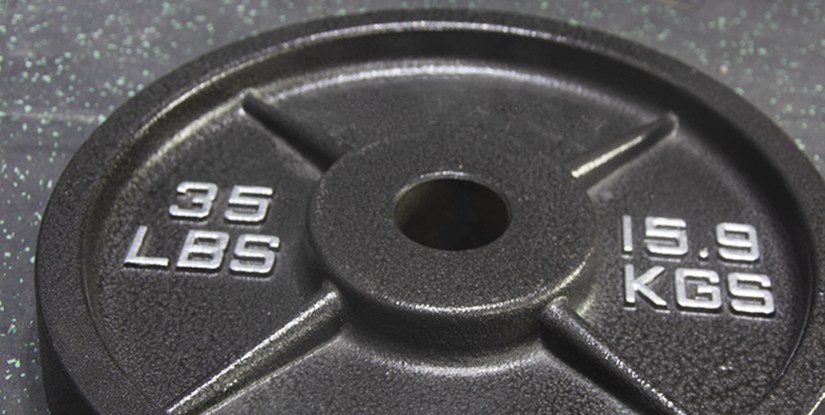
The following table outlines the qualitative differences in production standards to assist in your sourcing decisions. While budget options may lower your initial landed cost, premium tiers are designed to protect your brand reputation through superior mechanical stability and longevity.
| Tier Level | Material & Process | Key Component Focus | Commercial Application | Sourcing & ROI Profile |
|---|---|---|---|---|
| Standard | Gray iron with sand casting | Basic powder coating adhesion | Entry-level fitness clubs | Low MOQ; high volume, low margin |
| Professional | Cast iron with CNC machining | Consistent inner ring diameter | Commercial gym chains | Scalable wholesale distribution |
| Elite/Competition | High-grade steel or precision iron | Advanced PU/Rubber encapsulation | Professional training centers | High-margin precision iron plate OEM |
Ultimately, the decision to source wholesale gym weight plates should be based on the intended lifecycle of the equipment. We recommend that importers request a detailed spec sheet or a sample evaluation to verify the thickness of the coating and the precision of the weight markings before confirming a full production run. This step ensures that your factory-direct orders meet the rigorous standards of your local market.
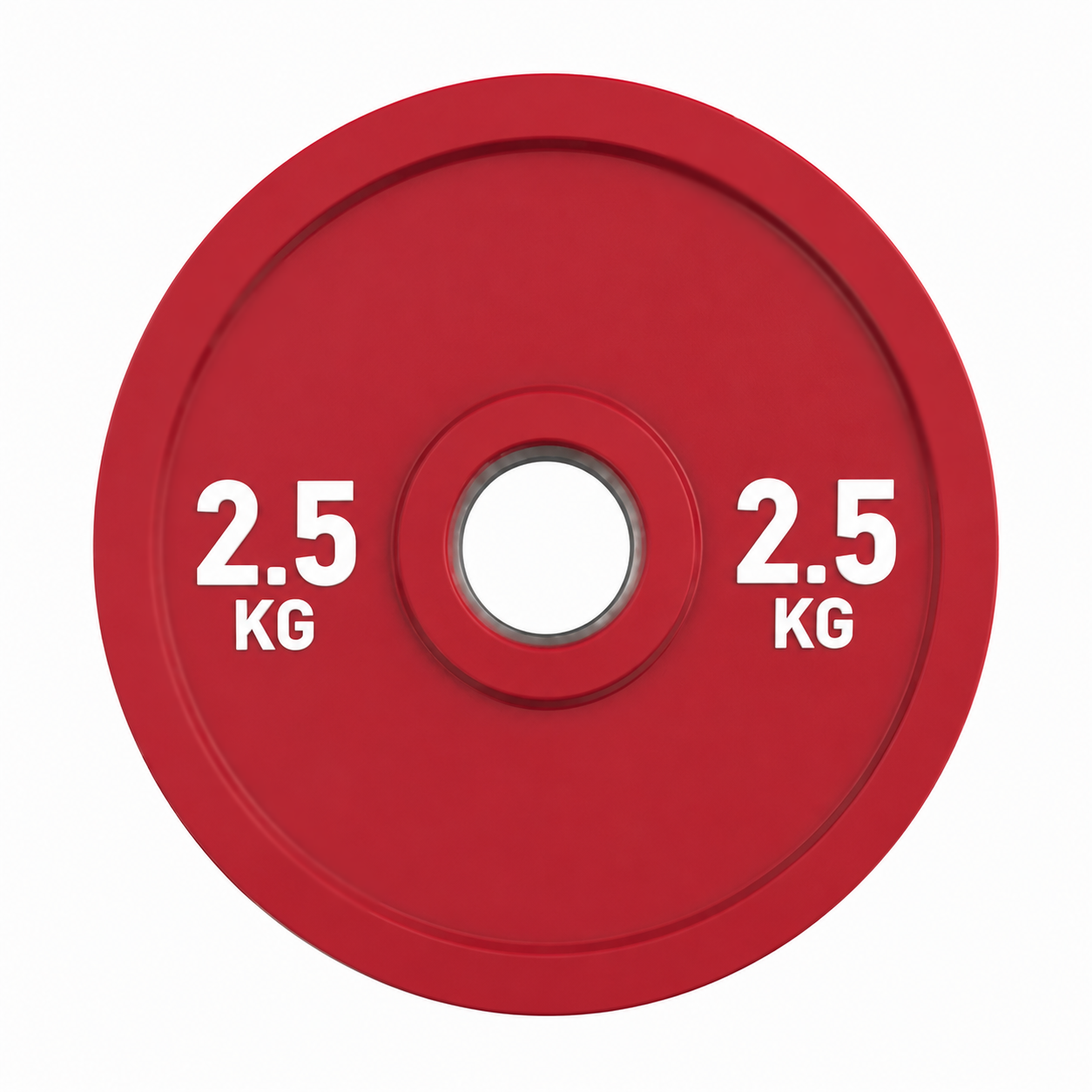
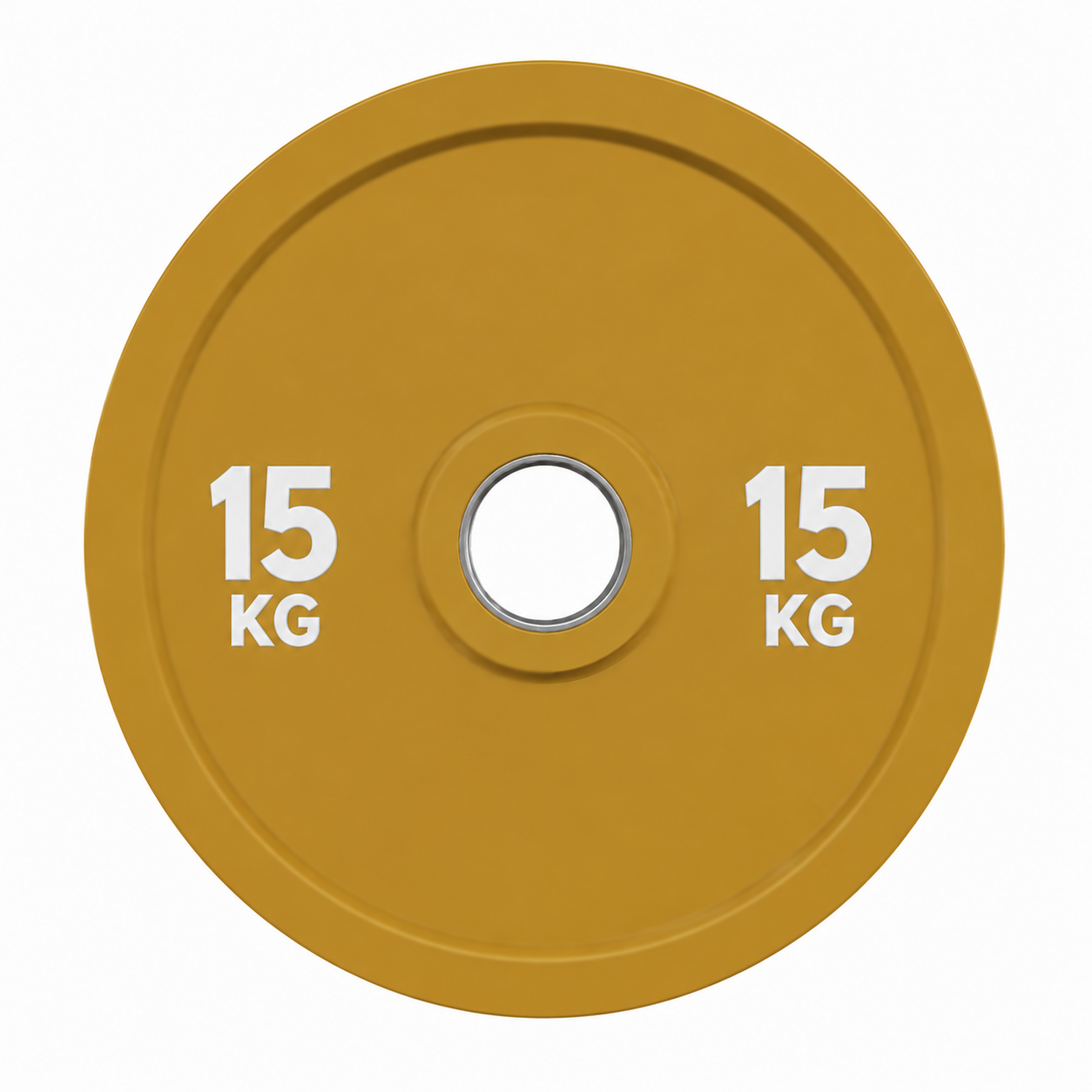
Ultimately, the decision to source wholesale gym weight plates should be based on the intended lifecycle of the equipment. We recommend that importers request a detailed spec sheet or a sample evaluation to verify the thickness of the coating and the precision of the weight markings before confirming a full production run. This step ensures that your factory-direct orders meet the rigorous standards of your local market.
Optimizing the Production Line: From Casting to Calibration
To maintain high standards in calibrated weight plate OEM production, a professional China factory must transition from raw material shaping to high-precision finishing. For importers and distributors, understanding this technical workflow is essential to ensuring that bulk orders meet the strict weight tolerances required for professional strength training environments. A reliable commercial weight plate manufacturer utilizes a multi-stage process to eliminate the common pitfalls of uneven weight distribution and surface imperfections.
The production sequence begins with high-quality sand casting to form the base structure of the iron plate. This traditional method is favored in wholesale gym weight plates manufacturing because it allows for robust, heavy-duty profiles. Once the raw casting is cooled, the plates undergo CNC machining to refine the inner diameter and ensure the concentricity of the central hub. This precision step is critical for preventing wobbling during high-speed movements. Finally, the plates move through a specialized weight calibration phase, where the mass is verified and adjusted to meet the specified weight tolerance. For a precision iron plate OEM, this rigorous sequence ensures that every unit in a large-scale commercial gym supply order performs consistently, protecting the buyer's reputation and reducing long-term replacement costs.
Production Method Comparison for Global Procurement
When sourcing for different market segments, procurement managers must decide between standard casting and high-precision machining. Choosing the correct production route directly impacts your landed cost, the perceived quality of your brand, and the technical requirements for your target clients. For example, a commercial weight plate manufacturer might offer tiered options to help distributors manage their inventory and profit margins effectively.
The following table outlines the qualitative differences between production methods to assist in your sourcing decisions. This comparison focuses on how manufacturing choices influence the commercial utility and the MOQ requirements for various distribution models.
| Material & Process | Primary Use Case | Key Component Focus | Commercial Duty Tier | MOQ Impact |
|---|---|---|---|---|
| Sand Casting & Basic Finishing | Standard Commercial Gyms | Base Flatness & Casting Profile | Budget/Standard | Lower/Standard |
| CNC Machining & Calibration | Professional Training Facilities | Concentricity & Hub Precision | Premium/Professional | Higher/Tiered |
| Precision Iron Plate OEM | Competition & High-End Studios | Tolerance & Surface Uniformity | Elite/Competition | High/Custom |
Selecting a precision iron plate OEM for high-end studio clients ensures that the weight distribution remains consistent across the entire set. Conversely, for large-scale warehouse distribution where volume is the priority, standard wholesale gym weight plates produced via traditional casting may offer a more competitive price point. We recommend requesting a sample evaluation or a detailed spec sheet from your supplier to verify how these specific manufacturing processes align with your target market's expectations and your overall ROI.
Ensuring Durability Through Surface Finishing and QC Protocols
For professional importers, the final quality of a calibrated weight plate OEM order is often determined by the quality of the surface treatment and the rigor of the final inspection. A common failure mode in lower-tier sourcing is poor coating adhesion, which leads to premature rusting or flaking in high-humidity commercial environments. To mitigate this, a leading commercial weight plate manufacturer implements a standardized surface preparation protocol involving degreasing and phosphate treatment before the application of high-grade powder coating. This ensures the finish remains intact despite heavy daily use in professional settings.
Beyond surface aesthetics, the pre-shipment QC process is a critical safeguard for your wholesale procurement. A professional China factory will conduct spot checks on several key metrics: checking for surface imperfections, verifying the integrity of the powder coating, and inspecting the central hub for any signs of warping. Furthermore, specialized export packaging is mandatory to prevent transit damage. High-density dividers and reinforced outer cartons are typically used to protect the edges of the plates, ensuring that the shipment arrives at your warehouse in perfect condition. By prioritizing these technical details during your sourcing phase, you can better manage your long-term landed cost and ensure the product durability meets the expectations of your commercial clients.
China Factory QC Protocols and Export Packaging Standards
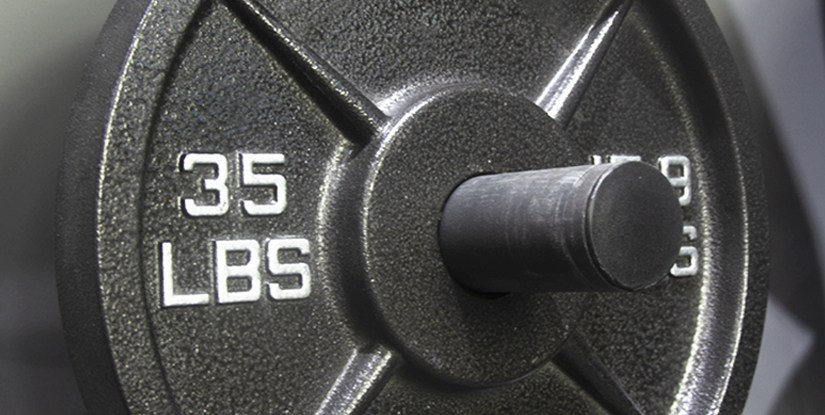
For international distributors and large-scale gym equipment importers, the final stage of the supply chain is often the most volatile. Relying on a calibrated weight plate OEM requires more than just trusting a production line; it requires rigorous oversight of the pre-shipment inspection and container loading processes. Without strict protocols, even a high-quality precision iron plate OEM can suffer from surface oxidation, dimensional warping, or structural damage during long-haul maritime transit, directly impacting your landed cost and distributor margins.
A professional commercial gym supply workflow must transition from mass production to meticulous individual unit validation. In a high-standard China factory, the process moves from weight tolerance verification to specialized protective layering. This ensures that every batch of wholesale gym weight plates arrives at your warehouse with the exact specifications promised, maintaining the integrity of your brand and preventing costly returns or client disputes due to weight inaccuracies or cosmetic defects.
Standardized Inspection and Export Protection Tiers
To mitigate the risks associated with bulk international shipping, we implement a tiered approach to quality control and packaging. This ensures that the weight accuracy achieved during the machining phase is preserved through the final loading stage.
| Packaging Tier | Material/Process | Protection Level | Ideal Sourcing Context | QC Focus Point |
|---|---|---|---|---|
| Standard Bulk | Single layer corrugated carton | Basic protection for short-haul or domestic | Low-margin budget distribution | Outer carton integrity |
| Commercial Export | Reinforced double-wall carton + Palletization | High protection against stacking pressure | wholesale gym equipment distribution | Pallet stability and corner reinforcement |
| Premium/Competition | Custom foam inserts + Moisture-proof shrink wrap | Maximum protection for precision surfaces | High-end OEM or specialized studio orders | Surface finish and moisture prevention |
Effective logistics management is the final pillar of a successful calibrated weight plate OEM partnership. For professional buyers, the concern shifts from individual plate concentricity to the stability of the entire shipment. A failure in sea freight protection can lead to crushed cartons, moisture-induced oxidation, or shifted center-of-gravity during transit, all of which inflate your landed cost and complicate warehouse intake.
A reliable commercial weight plate manufacturer must treat the palletization and container loading phases with the same precision as the initial casting. This involves rigorous checks on the surface finish of the plates to ensure no contact-induced scratching occurs between units, and verifying that the weight distribution across the pallet is balanced. By standardizing these export protocols, a supplier ensures that the high-spec product reaches the end-user in pristine, showroom-ready condition, protecting your reputation and your bottom line.
Final Pre-Shipment Verification and Loading
Before any container is sealed, the final inspection must validate that the physical product matches the technical specifications. This includes a random spot-check of the weight marking clarity and the structural integrity of the packaging. For high-volume wholesale gym weight plates orders, we recommend a formal pre-shipment inspection to confirm that the palletization meets international maritime standards, ensuring the load is secure for long-distance sea freight.
When managing your sourcing strategy, consider how these packaging tiers affect your total procurement budget. While premium moisture-proof wrapping may slightly increase the initial unit cost, it significantly reduces the risk of damaged goods and the administrative burden of processing returns. We invite distributors to contact our team to discuss specific packaging requirements, confirm your MOQ for custom branding, or request a detailed specification sheet for your next bulk order.
For international distributors and large-scale gym equipment importers, the final stage of the supply chain is often the most volatile. Relying on a calibrated weight plate OEM requires more than just trusting a production line; it requires rigorous oversight of the pre-shipment inspection and container loading processes. Without strict protocols, even a high-quality precision iron plate OEM can suffer from surface oxidation, dimensional warping, or structural damage during long-haul maritime transit, directly impacting your landed cost and distributor margins.
A professional commercial gym supply workflow must transition from mass production to meticulous individual unit validation. In a high-standard China factory, the process moves from weight tolerance verification to specialized protective layering. This ensures that every batch of wholesale gym weight plates arrives at your warehouse with the exact specifications promised, maintaining the integrity of your brand and preventing costly returns or client disputes due to weight inaccuracies or cosmetic defects.
Sourcing Logistics: MOQ, Lead Times, and Private Labeling
Navigating the logistical complexities of calibrated weight plate OEM production requires a clear understanding of how order volume impacts production cycles. For professional importers and distributors, managing the relationship between MOQ and manufacturing complexity is essential for maintaining healthy distributor margins and predictable landed costs. When sourcing from a China factory, the scale of your wholesale order directly influences the level of OEM or ODM customization available, from bespoke branding to specific weight tolerance requirements.
Typical production cycles for high-precision commercial gym supply involve several distinct stages: initial sand casting, followed by precision machining to ensure concentricity, and finally, surface treatment. While smaller orders may utilize existing molds to reduce initial costs, large-scale wholesale procurement often involves customized tooling to meet specific brand identities. A professional commercial weight plate manufacturer will provide a tiered structure where higher volumes allow for more intricate precision work and specialized coatings, ultimately improving the long-term durability and value of the precision iron plate OEM products in a commercial environment.
The ability to scale a brand through private label solutions is a critical differentiator for distributors looking to establish market presence. A reliable commercial weight plate manufacturer does not merely produce stock items; they provide a platform for your brand identity through custom logo applications, whether via raised embossing during the casting process or high-durability paint stenciling. For importers, selecting a precision iron plate OEM partner that offers versatile branding options ensures that your product line stands out in competitive commercial gym environments, even when working within specific MOQ constraints.
Effective sourcing strategies must also account for the necessity of rigorous QC protocols and specialized export packaging to mitigate the risks of transit damage. Before any container is loaded, a professional supplier should facilitate a pre-shipment inspection focusing on surface coating adhesion, weight consistency, and the structural integrity of the inner ring. To protect your landed cost and ensure products arrive in retail-ready condition, we implement heavy-duty export packaging designed for sea freight, utilizing reinforced corner protection and moisture-resistant wrapping. We recommend that buyers confirm all technical specifications and request a sample approval or a factory audit to ensure the production output aligns with your commercial-grade standards before finalizing large-scale orders.
Sourcing Model Comparison for Procurement Decision-Making
To optimize your procurement strategy, it is essential to evaluate the trade-offs between speed and customization. Choosing between wholesale gym weight plates from existing stock and a full calibrated weight plate OEM project depends heavily on your current inventory needs and the degree of brand differentiation required for your target market. The following table outlines the standard tiers provided by a professional commercial weight plate manufacturer to assist in your sourcing evaluation.
| Sourcing Model | Customization Level | Typical Branding | Standard Lead Time | Primary Benefit |
|---|---|---|---|---|
| Stock Order | Low (Standard Specs) | None or Generic | Short (Ready to Ship) | Fastest replenishment and lowest landed cost |
| Private Label | Medium (Color/Finish) | Logo Stenciling | Moderate | Builds brand identity with lower MOQ |
| Full OEM | High (Custom Molds) | Embossed/Raised Logo | Long (Production + Tooling) | Maximum market differentiation and exclusivity |
| Full ODM | Very High (Full Spec) | Bespoke Identity | Extended | Complete control over technical dimensions |
When calculating your total landed cost, remember that while a factory-direct wholesale order significantly reduces unit pricing, the lead time for precision iron plate OEM projects will naturally be longer due to the required machining and calibration stages. We advise distributors to balance these factors by maintaining a baseline of stock orders for immediate fulfillment while simultaneously planning OEM cycles for upcoming seasonal product launches.