Olympic Plate Factory: China OEM Production for Dealers
The High Cost of Low-Quality Sourcing: Why Your Olympic Plate Factory Matters
Selecting a reliable olympic plate factory is a decision that dictates your long-term profitability and operational stability. For distributors and large-scale gym operators, the primary risks involve more than just a single shipment; they involve the hidden variables of landed cost and the frequency of replacement cycles. If a commercial weight plate manufacturer utilizes substandard casting methods or inconsistent material density, the resulting weight deviations and structural weaknesses can lead to significant procurement errors. These mistakes often manifest months after delivery, resulting in increased maintenance demands and a damaged reputation for your brand.
When sourcing wholesale olympic plates, professional buyers must look beyond the initial unit price to evaluate the total cost of ownership. A lower upfront cost from an unverified supplier often masks the financial impact of poor durability, such as premature coating failure or uneven weight distribution. By establishing a direct partnership with a professional China factory, importers can mitigate these risks through standardized production protocols. Ensuring that your sourcing strategy prioritizes high-grade materials and rigorous quality control will ultimately protect your distributor margins and ensure the long-term reliability of your commercial inventory.
Technical failures in low-tier production often stem from two critical areas: casting integrity and surface treatment. In many commercial settings, inferior casting processes lead to internal voids or structural inconsistencies, which manifest as unpredictable weight tolerance issues. For a professional buyer, this means receiving a batch where the weight distribution is uneven, potentially affecting the balance of premium barbell setups. Furthermore, poor coating adhesion—often caused by inadequate phosphate treatment or low-quality powder coating lines—leads to premature oxidation and unsightly chipping. These defects are not merely aesthetic; they increase the maintenance costs for gym owners and reduce the resale value of the equipment, directly impacting the total cost of ownership for your clients.
Beyond the physical product, the financial risk extends to the entire supply chain. If a olympic plate factory fails to maintain strict control over the manufacturing sequence—from the initial sand casting to the final weight calibration—the resulting high return rates can devastate a distributor's bottom line. Inconsistent quality across a bulk order forces importers to deal with expensive replacement planning and shipping of defective units. By prioritizing a commercial weight plate manufacturer that utilizes standardized machining and high-grade coating processes, you ensure that your wholesale olympic plates meet the durability requirements of high-traffic environments, securing your reputation and protecting your long-term profit margins.
Sourcing Tiers and Procurement Benchmarks
To optimize your procurement strategy, it is essential to differentiate between the various production tiers available through a olympic plate factory. Choosing the wrong tier can lead to unexpected landed costs through high replacement rates or damaged equipment. Use the following qualitative comparison to align your inventory with your specific market needs, whether you are targeting budget-conscious training centers or high-end commercial facilities.
| Sourcing Tier | Primary Material | Surface Finish | Common QC Issues | Commercial Suitability |
|---|---|---|---|---|
| Budget Commercial | Cast Iron | Paint or Basic Powder Coating | Weight deviation, uneven coating, surface pitting | High-volume retail, budget gym chains |
| Professional Commercial | Ductile Iron or Steel | Premium Powder Coating or Enamel | Bore fit inconsistency, minor oxidation | Standard commercial gyms, fitness studios |
| Premium / Competition | Machined Steel or High-Grade Polyurethane | Advanced PU Coating or High-Gloss Finish | Precision tolerance gaps, edge durability | Professional training centers, elite facilities |
When evaluating a commercial weight plate manufacturer, always request a detailed specification sheet to confirm the manufacturing sequence. A professional supplier will provide clarity on whether the plates undergo CNC machining for the center bore or simple casting, as this directly impacts the fit and longevity of the plate on a barbell. For high-volume wholesale olympic plates, verifying the thickness of the coating and the reliability of the pre-shipment inspection is the most effective way to ensure your bulk orders arrive ready for immediate commercial deployment without the need for costly returns or replacements.
Material Selection and Manufacturing Processes for Commercial Durability
Selecting a reliable olympic plate factory requires a deep understanding of how base materials and production workflows impact long-term replacement costs. For distributors and gym equipment importers, the choice between cast iron and steel is not just about weight, but about the total cost of ownership (TCO) and durability in high-traffic environments. A professional commercial weight plate manufacturer will offer different manufacturing routes depending on whether your target market requires budget-friendly utility or high-end precision.
Most high-volume orders from a China factory focus on sand casting techniques for cast iron plates, which provides a cost-effective solution for commercial strength training facilities. For more premium or competition-grade requirements, CNC machining of solid steel components ensures higher precision and tighter tolerances. Understanding these material paths helps procurement leads manage wholesale budgets effectively while ensuring the product meets the expected commercial-grade standards.
Core Material and Production Comparison
| Material Type | Primary Process | Surface Finish | Commercial Application | Procurement Advantage |
|---|---|---|---|---|
| Cast Iron | Sand Casting | Powder Coating or Paint | Standard Commercial Gyms | Low wholesale cost |
| Steel | Machining & Molding | Rubber or PU Coating | Premium Studios / CrossFit | High durability / Floor protection |
| Solid Steel | CNC Machining | Chrome or Specialized Finish | Competition / Professional | High precision / Low maintenance |
When sourcing wholesale olympic plates, the manufacturing sequence typically follows a standardized path to ensure consistency across large batches. The process begins with the raw material formation—either through sand casting for iron or specialized molding for steel—followed by precision CNC machining to define the center bore. After the structural shaping, the plates undergo surface treatment, such as a powder coating line or a rubber dip process, to prevent oxidation and improve grip. A professional olympic plate factory will conclude with a rigorous quality control phase, including weight tolerance spot-checks and coating adhesion inspections, before the items are cleared for export. For large-scale sourcing projects, verifying these specific production steps is essential to avoid receiving inconsistent batches that can damage your distributor reputation.
Pre-Shipment Inspection and Technical QC Standards
For professional buyers, the final stage of the supply chain is the most critical for protecting profit margins. A reliable olympic plate factory must implement a systematic pre-shipment inspection that goes beyond basic visual checks. When managing large-scale sourcing projects, importers should request specific verification of the manufacturing output to ensure the landed cost is not inflated by high return rates or damaged goods. A high-standard commercial weight plate manufacturer will focus on several key technical checkpoints before any container is loaded.
One of the primary failure modes in bulk shipments is poor coating adhesion or uneven weight distribution. To mitigate this, a professional China factory typically performs a weight tolerance spot-check and a physical inspection of the center bore to ensure concentricity. Furthermore, for rubber-coated or PU-coated units, verifying the integrity of the encapsulation layer is essential to prevent peeling during heavy use. A thorough pre-shipment inspection should also include a check of the logo embossing to ensure brand identity remains sharp and legible, as well as a verification of the export packaging to prevent damage during maritime transit.
Optimizing Logistics and Order Management
Effective procurement of wholesale olympic plates requires balancing the MOQ requirements with shipping efficiency. Because weight is the primary driver of landed cost, distributors often work with an OEM partner to optimize container loading patterns. Whether you are ordering standard cast iron plates or premium steel-core versions, understanding the lead time for different production routes—such as sand casting versus precision machining—is vital for maintaining consistent stock levels for your clients.
For distributors looking to scale, utilizing ODM or private label services allows for greater market differentiation. When you establish a partnership with a specialized supplier, you can customize the surface finish or the thickness of the protective coating to better suit your local market's needs. We recommend requesting a formal spec sheet and a sample approval process for any new production run to confirm that the material, weight, and finish align perfectly with your commercial-grade requirements before the full bulk order is processed.
Precision and Tolerance: The Role of Machining in Weight Accuracy
For professional distributors and gym equipment importers, the difference between a high-margin product and a costly return often lies in the technical precision of the manufacturing process. A professional olympic plate factory must prioritize high-level engineering to ensure that every unit meets strict commercial standards. When sourcing in bulk, understanding how precision machining affects the final product is essential to avoid the pitfalls of uneven weight distribution or inconsistent bore sizing.
In a high-volume commercial weight plate manufacturer setting, the production sequence typically moves from initial sand casting to advanced CNC machining. This stage is critical for achieving the necessary weight accuracy and ensuring the center bore is perfectly concentric. Without this level of technical rigor, a wholesale olympic plates order may suffer from "wobble" during use, leading to increased client complaints and higher replacement costs for your business. For B2B sourcing professionals, verifying that the factory utilizes automated machining for the center hole and surface leveling is a key indicator of long-term product reliability and reduced quality control friction.
Manufacturing Methodologies: Casting vs. Machining
Distributors must differentiate between basic casting and precision-engineered finishes to optimize their landed cost and product tiering. While sand casting provides the foundation for the plate shape, the subsequent machining stage determines the commercial-grade quality of the unit. A reliable olympic plate factory will utilize different production routes depending on whether the target market requires budget-friendly utility or high-performance precision.
For example, standard cast iron plates rely heavily on the quality of the sand casting mold to maintain shape, whereas premium competition-style plates require extensive CNC machining to achieve perfect concentricity. When you are managing large-scale wholesale olympic plates orders, the level of machining directly impacts the thickness consistency and the smoothness of the center bore. High-end wholesale clients typically demand plates that sit perfectly flat and spin without vibration, a specification that can only be met through rigorous weight calibration and surface finishing processes.
| Material Tier | Primary Process | Key Component Detail | Commercial Duty | MOQ Impact | Factory QC Point |
|---|---|---|---|---|---|
| Cast Iron | Sand Casting | Standard Bore Diameter | Budget/General Commercial | Lower | Surface Flatness |
| Machined Steel | CNC Machining | High Concentricity Bore | Premium/Professional Gym | Higher | Weight Calibration |
| Rubber/PU Coated | Molding & Injection | Edge Encapsulation | High-Traffic/Noise Reduction | Moderate | Coating Adhesion |
Before finalizing your next sourcing contract, we recommend requesting a technical spec sheet or a sample to evaluate the bore fit and surface finish. Our factory can also provide details on custom branding options for your private label requirements. Contact us to confirm the current MOQ and lead times for your specific volume requirements.
Ensuring Export Standards via Pre-Shipment Inspection
For a global distributor, the most significant risk in high-volume procurement is the discrepancy between a sample and the actual bulk arrival. A professional olympic plate factory mitigates this through a rigorous pre-shipment QC protocol. This process is not merely a visual check; it is a systematic verification of the technical specifications promised during the sourcing phase. Relying on a China factory that implements standardized weight calibration and bore-fit testing ensures that your wholesale shipments arrive ready for immediate commercial deployment without the need for costly local adjustments or returns.
A robust inspection routine typically includes a weight tolerance spot-check, where a randomized percentage of the bulk orders are measured to ensure they fall within industry-standard deviations. Furthermore, inspectors evaluate the coating adhesion and the smoothness of the center bore to guarantee long-term durability under heavy usage. By verifying these technical checkpoints before the container is sealed, importers can accurately calculate their true landed cost and protect their distributor margins. This level of transparency and control is essential for maintaining a premium brand identity and ensuring high customer satisfaction in the North American market.
Optimizing Your Supply Chain with an Experienced Olympic Plate Factory
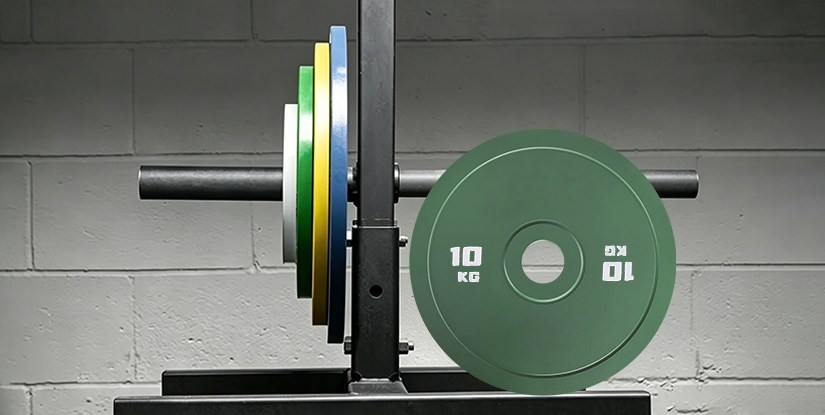
Securing a reliable olympic plate factory is a critical decision for distributors and gym equipment importers looking to stabilize their long-term inventory. When sourcing at scale, procurement professionals must look beyond unit price to evaluate how a commercial weight plate manufacturer manages production cycles and logistics. A professional China factory provides the necessary infrastructure to handle high-volume orders while maintaining the strict tolerances required for professional strength training environments.
Relying on inconsistent wholesale olympic plates from unverified sources often leads to increased landed costs due to weight discrepancies or coating failures. To maximize procurement efficiency, savvy buyers prioritize partners capable of managing complex MOQ requirements and predictable lead time schedules. Whether you are managing a single large-scale facility rollout or a global distribution network, establishing a direct sourcing relationship with a specialized factory ensures better control over your supply chain and product consistency.
Standardizing Production and Quality Control
To maintain high commercial durability, a professional olympic plate factory must implement a standardized production sequence. The process typically begins with high-grade sand casting to ensure the structural integrity of the gray iron core. Following the casting stage, the plates undergo precision machining to ensure the central bore is perfectly concentric, which is vital for smooth loading on Olympic barbells. This is followed by a multi-stage surface finishing process, such as a phosphate treatment or a heavy-duty powder coating line, to prevent oxidation and enhance the aesthetic value of the finished product.
For distributors, the most critical stage of the olympic plate factory workflow is the pre-shipment inspection. Quality control teams must perform regular weight tolerance spot-checks to ensure every unit meets the specified weight class within industry-standard margins. Furthermore, inspecting the coating adhesion and the smoothness of the knurling or edge finish prevents high return rates. Robust export packaging—often involving reinforced cartons and palletization—is essential to protect the goods during long-haul ocean freight, ensuring that the landed cost remains low by minimizing damage-related losses during transit.
| Material Tier | Surface Finish | Primary Process | Commercial Duty | QC Focus Point |
|---|---|---|---|---|
| Cast Iron | Powder Coated | Sand Casting & Machining | Standard Commercial | Weight Tolerance |
| Cast Iron | Black Enamel | Casting & Paint Line | Budget/Entry-Level | Coating Adhesion |
| Solid Steel | Chrome Plated | Precision Machining | Premium/Competition | Bore Concentricity |
| Steel Core | Rubber/PU Coated | Injection/Molding | High-Impact/Studio | Edge Smoothness |
When negotiating your next bulk order, we recommend requesting a detailed specification sheet and confirming the MOQ for custom branding or OEM requests. A transparent factory will provide clear timelines for production and shipping to help you manage your inventory levels effectively. Contact us to discuss your specific requirements, request a sample evaluation, or schedule a virtual factory audit.
Evaluating the technical specifications of a potential olympic plate factory requires a deep dive into the material-to-finish pipeline. For high-volume distributors, the choice between budget-friendly cast iron and high-performance steel or urethane-encapsulated units directly impacts the total cost of ownership (TCO) and long-term maintenance requirements for the end-user. A specialized commercial weight plate manufacturer will provide granular data on their casting methods and coating durability to ensure the product meets the rigorous demands of professional training environments.
To assist in your sourcing decision, the following comparison outlines the standard B2B manufacturing tiers. Selecting the appropriate tier depends on your target market—whether you are supplying budget-conscious commercial gyms or premium, high-impact training studios. Understanding these distinctions helps prevent common procurement errors, such as underestimating the durability of a surface finish or miscalculating the weight tolerance requirements for competition-grade equipment.
| Material Tier | Surface Finish | Primary Process | Commercial Duty | QC Focus Point |
|---|---|---|---|---|
| Cast Iron | Powder Coated | Sand Casting & Machining | Standard Commercial | Weight Tolerance |
| Cast Iron | Black Enamel | Casting & Paint Line | Budget/Entry-Level | Coating Adhesion |
| Solid Steel | Chrome Plated | Precision Machining | Premium/Competition | Bore Concentricity |
| Steel Core | Rubber/PU Coated | Injection/Molding | High-Impact/Studio | Edge Smoothness |
When planning your next inventory replenishment, we suggest reviewing these technical tiers against your distributor margins and client needs. We invite you to request a formal quote for wholesale volumes, confirm specific MOQ thresholds for OEM or ODM branding, and request technical spec sheets to ensure all product dimensions align with your professional standards.
Custom Branding and OEM Capabilities for Global Distributors
For distributors looking to scale their market presence, a professional olympic plate factory offers more than just bulk inventory; it provides the foundation for a unique brand identity. Relying on generic, unbranded stock can limit your ability to command premium pricing in the commercial fitness sector. By leveraging OEM and ODM services, you transition from a mere reseller to a specialized brand owner with a proprietary product line.
A specialized commercial weight plate manufacturer can execute high-precision custom branding to ensure your logo is a permanent fixture on the equipment. This is typically achieved through high-relief logo embossing directly into the cast iron mold or via specialized color customization using industrial-grade powder coating. These methods ensure that your brand remains legible and intact even under the heavy wear and tear of a high-traffic commercial gym environment.
Whether you require private label solutions for a premium boutique studio line or high-volume wholesale olympic plates for large-scale facility rollouts, the factory can adjust production parameters to meet your specific needs. Most China factory partners offer tiered MOQ structures, allowing you to test a custom-branded product line with lower initial capital expenditure before committing to massive bulk shipments. This flexibility is essential for managing sourcing risks and optimizing your landed cost while building long-term equity in your own brand.
Achieving a high-end aesthetic requires precision in the manufacturing workflow. For high-tier orders, the process begins with advanced sand casting to create the base plate structure, followed by rigorous CNC machining to ensure the center bore is perfectly concentric. This precision is critical for professional distributors; a poorly machined bore can lead to uneven weight distribution and increased wear on barbell sleeves. Once the physical dimensions are calibrated, the factory applies specialized surface treatments. For example, a high-quality powder coating application provides a durable, scratch-resistant finish that maintains your brand's visual integrity over years of commercial use.
To ensure every unit meets international standards, a strict pre-shipment QC protocol is essential. This includes a detailed weight tolerance check on a sampling basis to verify that each plate falls within industry-standard deviations. Beyond weight, technicians inspect the logo embossing for clarity and the adhesion of the coating to prevent chipping during transit or heavy use. For importers, these technical checkpoints are the primary defense against high return rates and diminished distributor margins. When managing sourcing for large-scale projects, confirming these specific manufacturing and inspection steps with your supplier will help ensure the final remains optimized without sacrificing product reliability. Customization Tiers and Procurement Options Selecting the right level of customization depends on your business model and target market. A professional olympic plate factory typically offers three distinct levels of service, ranging from standard stock replenishment to full-scale product development. Understanding these tiers helps procurement managers balance the need for a unique brand identity against the constraints of MOQ and lead time.
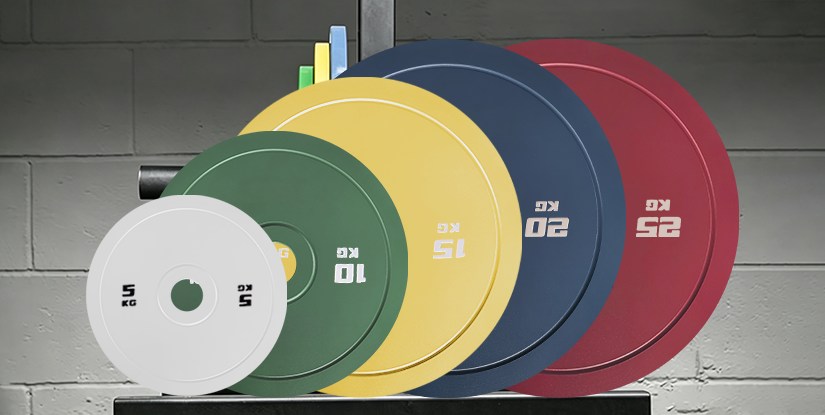
For distributors focused on high-volume, low-cost facility rollouts, standard wholesale olympic plates offer the fastest way to restock. However, for those looking to build a premium brand, moving toward OEM or ODM solutions allows for greater control over the visual and technical specifications of the product.
| Customization Level | Branding Method | Color/Finish | MOQ Impact | Lead Time |
|---|---|---|---|---|
| Standard Wholesale | Generic or No Logo | Standard Black/Gray | Lowest | Shortest |
| Basic Private Label | Pad Printing or Sticker | Standard Colors | Moderate | Standard |
| Premium OEM/ODM | Raised Mold Embossing | Custom Powder Coating | Highest | Longer |
When evaluating your next sourcing project, consider how these variables affect your total landed cost. While a high-end ODM solution involving custom powder coating and molded logos may require a higher MOQ, it significantly increases the perceived value of your product line. We recommend requesting a detailed spec sheet or a sample evaluation from your supplier to confirm that the custom branding meets your quality expectations before proceeding with a full bulk order.
Pre-Shipment Inspection and Export Packaging Standards
For distributors managing high-volume bulk orders, the final stage of the supply chain is often the most volatile. Relying on a commercial weight plate manufacturer that lacks a rigorous quality control (QC) protocol can lead to significant shipping damage and unexpected landed cost increases. A professional olympic plate factory must implement a multi-stage verification process before any container is sealed to ensure the shipment meets international commercial standards.
Standard quality control (QC) at a reputable China factory focuses on three critical areas: weight tolerance, concentricity, and surface integrity. During the pre-shipment inspection (PSI), technicians typically perform a weight tolerance spot-check to ensure each plate aligns with the ordered specifications. Furthermore, the olympic plate factory must verify the bore diameter and center-hole concentricity to prevent uneven loading during use. This level of scrutiny is essential for wholesale olympic plates destined for premium fitness facilities where precision is expected.
Beyond the product itself, the durability of the export packaging determines whether your sourcing mission succeeds or fails upon arrival. High-density cardboard, reinforced corner protectors, and heavy-duty wooden crates or pallets are industry standards for preventing shipping damage during sea freight. Effective export packaging optimizes container space and protects the commercial weight plate manufacturer's output, ultimately protecting your profit margins by reducing the need for replacement claims and minimizing the total landed cost for your wholesale clients.
Optimizing Sea Freight and Container Loading Efficiency
For professional importers, maximizing the volume of every container is a direct lever for reducing the per-unit landed cost. A high-tier olympic plate factory does not merely pack boxes; they engineer a loading strategy designed for the rigors of long-distance sea freight. This involves precise palletization and strategic stacking to ensure that the weight of the upper layers does not crush the bottom units or compromise the structural integrity of the export packaging during transit.
Efficient container loading requires a systematic approach to weight distribution. Professional wholesale olympic plates are typically organized into heavy-duty, reinforced cartons and then secured onto heat-treated pallets. This method prevents shifting during the vessel's movement and facilitates rapid unloading at the destination port. When negotiating with a commercial weight plate manufacturer, always confirm their specific protocols for palletized shipments and ask for a loading plan. This transparency allows you to better calculate your shipping budget and ensure that your sourcing volume aligns with your warehouse space and your MOQ requirements for future bulk replenishment.
Inspection Standards and Quality Verification Matrix
To mitigate the risk of receiving non-conforming goods, professional buyers should demand a standardized inspection report. A reliable olympic plate factory utilizes specific metrics to ensure that every unit in a wholesale shipment maintains structural and aesthetic consistency. The following table outlines the critical benchmarks used by a top-tier commercial weight plate manufacturer to verify product readiness before the final export process begins.
| Inspection Category | Focus Area | Commercial Standard | B2B Sourcing Importance |
|---|---|---|---|
| Dimensional Accuracy | Bore Diameter & Concentricity | Consistent fit for standard Olympic bars | Prevents uneven loading and bar wobble |
| Mass Verification | Weight Tolerance Spot-check | Within industry-standard weight margins | Ensures accurate weight sets for gym owners |
| Surface Integrity | Coating Adhesion & Finish | Uniform paint, powder, or rubber coverage | Reduces maintenance and aesthetic failure |
| Structural Quality | Casting & Edge Smoothness | No sharp edges or surface imperfections | Protects users and prevents equipment wear |
| Packaging Strength | Carton & Pallet Durability | Reinforced corners and heavy-duty stacking | Minimizes shipping damage and landed cost |
When evaluating a potential supplier, do not hesitate to request a sample or a detailed pre-shipment inspection report. Understanding these technical checkpoints allows you to move beyond basic pricing and focus on the long-term reliability of your sourcing strategy. A well-documented QC process is often the best indicator of a factory capable of handling high-volume OEM or ODM requirements for the global market.
Strategic Procurement: Moving Toward Long-Term Partnership
Transitioning from simple transactional buying to a sustainable supply chain requires more than just finding a low price; it requires identifying a reliable olympic plate factory capable of scaling with your market demands. For distributors and large-scale gym operators, the goal is to move beyond one-off orders toward a structured long-term partnership that ensures consistent product specifications and reliable lead times.
A professional commercial weight plate manufacturer offers significant advantages through OEM and ODM capabilities, allowing you to integrate your own brand identity directly into the production line. Whether you require customized branding on the center hub or specific weight increments for a niche market, leveraging a China factory with high-level manufacturing capability ensures your brand remains competitive. Instead of sourcing generic stock, working with a specialized supplier enables you to control the entire lifecycle of your product line, from initial material selection to final export packaging.
Optimizing Your Procurement Workflow
To mitigate risks such as unexpected shipping delays or inconsistent product quality, procurement managers must implement a rigorous evaluation framework. A reliable olympic plate factory should provide transparency across all logistical touchpoints, from the initial purchase order to the final arrival at your warehouse. Effective sourcing involves verifying that the wholesale olympic plates meet your specific commercial durability standards through documented inspection protocols.
Before finalizing a large-scale contract, we recommend following this practical checklist to ensure operational stability:
- Request a comprehensive technical spec sheet to confirm material density and coating thickness.
- Confirm the minimum MOQ for both standard stock items and custom OEM branded runs.
- Verify the standard lead time for production and how it aligns with your seasonal inventory requirements.
- Inquire about export packaging standards, specifically regarding carton durability and palletization for long-distance sea freight.
- Ask for a detailed breakdown of the landed cost, including FOB or CIF terms, to ensure accurate margin calculations.
- Schedule a pre-shipment QC inspection or request a third-party audit to verify weight tolerances and surface finish consistency.
By prioritizing these technical and logistical details, you transition from a reactive buyer to a strategic partner. Engaging with a professional commercial weight plate manufacturer through these structured steps ensures that your inventory remains a high-performing asset for your clients rather than a recurring procurement headache.
Selecting the right production model depends on your specific business scale and the level of market differentiation you intend to provide. To assist in your decision-making, we have outlined the primary procurement paths used when sourcing from a professional olympic plate factory. Choosing between high-volume stock and specialized production will directly impact your margins, lead times, and brand positioning.
Comparison of Production Models for B2B Buyers
| Production Model | Customization Level | Target Market | Typical Use Case | Sourcing Advantage |
|---|---|---|---|---|
| Standard Wholesale | Low (Standard weights/colors) | Budget Gyms & Retailers | Rapid stock replenishment | Lower MOQ & faster shipping |
| Private Label (OEM) | Medium (Logo & custom colors) | Fitness Brands & Distributors | Building brand identity | Higher margins & exclusivity |
| Full Custom (ODM) | High (Specific specs/materials) | Premium Studios & Pro Facilities | Niche market leadership | Complete control over product edge |
When evaluating wholesale olympic plates, consider that the standard model offers the fastest way to maintain inventory levels with minimal upfront risk. However, for distributors looking to build a proprietary product line, moving toward an OEM model with a dedicated China factory allows for greater control over the final presentation and perceived value of your brand. Always align your chosen model with your long-term warehouse capacity and the specific durability requirements of your client base.