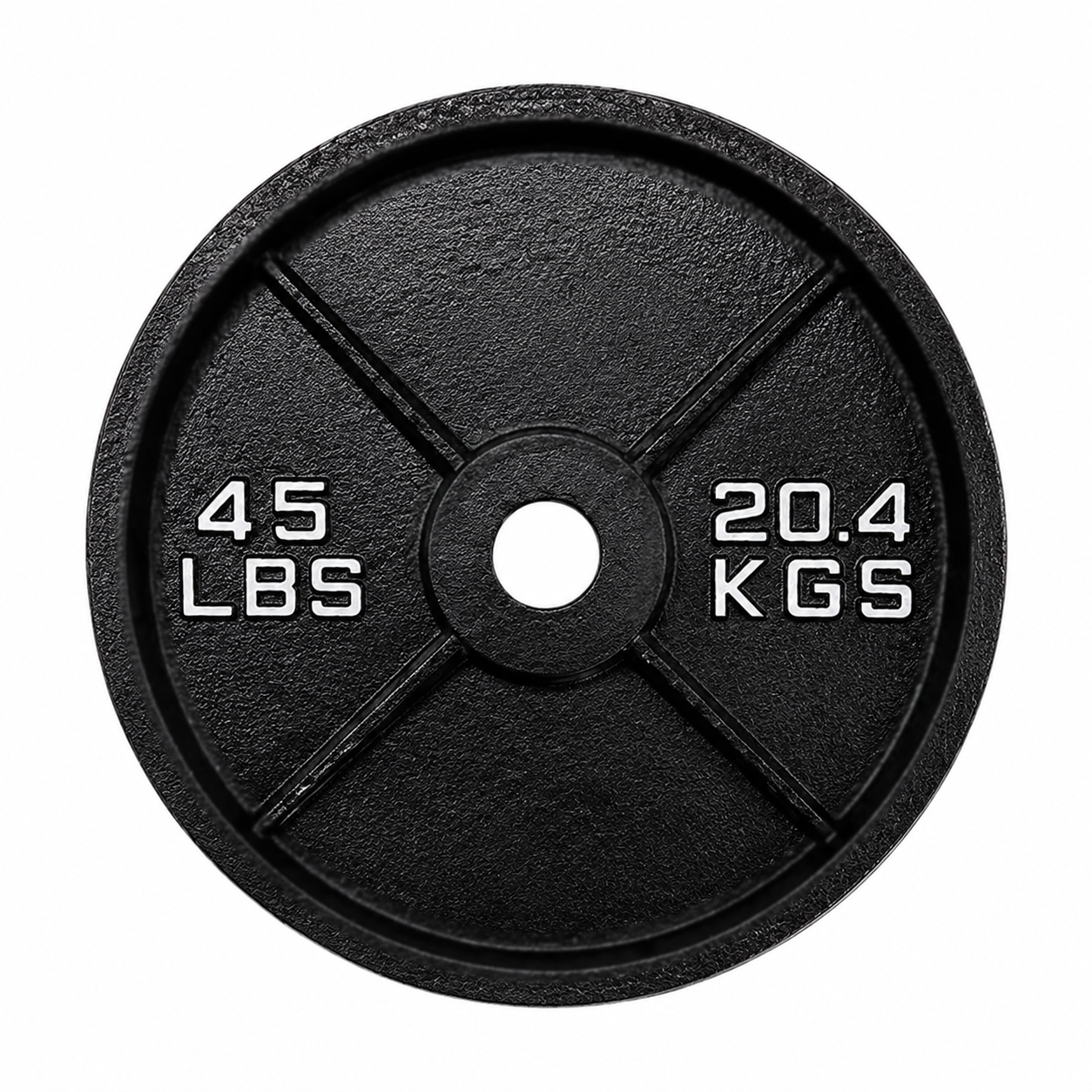
Cast Iron Weight Plate Calibration Explained: China Factory
The Critical Role of Cast Iron Weight Plate Calibration Explained in Commercial Settings
In professional strength training environments, procurement teams often face a binary failure: either accepting substandard weight deviations from low-tier traders or overpaying for premium brands without verifying the underlying technical standards. A sophisticated cast iron weight plate calibration explained approach shifts the focus from mere unit price to long-term asset reliability. For distributors and gym owners, true value is found when sourcing directly from a China factory that treats weight accuracy as a non-negotiable metric rather than an optional feature.
When commercial weight plate accuracy is neglected, the consequences extend far beyond a single mismatched barbell. Inconsistent weights lead to uneven loading, which can compromise athlete safety and increase the risk of injury. For high-end facility operators, these discrepancies damage professional credibility. Furthermore, unreliable wholesale cast iron plates create significant operational headaches, such as frequent replacement cycles and increased maintenance costs, ultimately eroding the initial ROI of the equipment investment.
Maintaining professional gym standards requires more than just aesthetic consistency; it demands rigorous OEM weight plate manufacturing protocols. Without a strict cast iron weight plate calibration explained framework, a single shipment can contain significant weight variances that disrupt training programs and frustrate users. To mitigate these procurement risks, international buyers must prioritize sourcing partners who implement standardized testing at the factory level to ensure every unit meets the specified tolerance levels required for commercial use.
Technical Comparison of Precision Standards and Tolerance Levels
Understanding the distinction between residential-grade casting and professional-grade manufacturing is essential for minimizing total cost of ownership. Most generic suppliers offer products with wide tolerance margins, which may be acceptable for home use but are unsuitable for professional facilities. For serious importers, the goal is to identify a China factory that utilizes precision molding and rigorous testing to ensure weight consistency across an entire shipment.
The following table illustrates how different manufacturing tiers impact your procurement quality and long-term operational efficiency:
| Manufacturing Tier | Typical Weight Tolerance | Primary Use Case | Procurement Profile |
|---|---|---|---|
| Standard Casting | +/- 3% to 5% | Residential/Home Gym | Low-cost/High-variance |
| Professional Grade | +/- 1% to 2% | Commercial Gyms/Studios | High-reliability/Standardized |
| Precision OEM | < +/- 1% | Competition/Elite Training | High-precision/Strict QC |
When evaluating your next bulk order, remember that cast iron weight plate calibration explained through the lens of tolerance levels is about more than just a number; it is about preventing the uneven loading that damages high-end barbell sleeves and disrupts professional training. For distributors, sourcing wholesale cast iron plates with a documented OEM weight plate manufacturing process ensures that your clients receive consistent, reliable equipment that meets the highest commercial weight plate accuracy requirements.
Protecting Distributor Margins Through Precise Sourcing
For professional importers, the true cost of a shipment is rarely found in the initial invoice, but in the hidden expenses of replacement cycles and customer dissatisfaction. When a China factory provides units with inconsistent mass, the resulting unevenness in weight distribution can lead to premature wear on barbell sleeves and high-end lifting accessories. This technical failure directly impacts your landed cost by forcing unplanned re-orders and increasing the frequency of after-sales support. To maintain healthy distributor margin levels, procurement specialists must look beyond the lowest unit price and focus on the reliability of the OEM weight plate manufacturing process.
Investing in high-tier wholesale cast iron plates serves as a hedge against long-term operational volatility. A shipment that meets strict commercial weight plate accuracy standards ensures that your inventory remains a high-value asset rather than a liability. By prioritizing a supplier that integrates a rigorous cast iron weight plate calibration explained protocol into their standard production, you secure better long-term durability for your clients and a more predictable bulk order reliability for your supply chain. This strategic approach to sourcing minimizes the risk of receiving non-compliant goods that fail to meet the professional expectations of high-performance training facilities.
Identifying Procurement Risks: Weight Discrepancies and TCO
For professional distributors and gym equipment importers, understanding cast iron weight plate calibration explained is essential to protecting long-term margins. When sourcing in bulk from a China factory, a failure to verify weight tolerances directly impacts your Total Cost of Ownership (TCO). If a shipment arrives with significant weight deviations, the hidden costs extend far beyond the initial purchase price.
Significant weight discrepancies create a cascade of operational issues. For a commercial facility, inconsistent weights can lead to client dissatisfaction or even liability concerns during high-intensity training. For a distributor, these inaccuracies result in higher replacement costs and damaged brand reputation. Ensuring high commercial weight plate accuracy is not just a quality preference; it is a strategy to minimize the frequency of returns and secondary shipping expenses.
| Procurement Factor | Low-Precision Sourcing | High-Precision Calibration |
|---|---|---|
| Initial Unit Cost | Lower per unit | Slightly higher premium |
| Replacement Frequency | High due to error claims | Minimal due to accuracy |
| Distributor Trust | Decreased by inconsistencies | Increased by reliability |
| Long-term TCO | Higher due to logistics/returns | Lower through stability |
When managing wholesale cast iron plates orders, the goal is to optimize the landed cost while maintaining strict standards. Relying on OEM weight plate manufacturing protocols ensures that every batch meets the specific tolerances required for international commercial standards. By prioritizing calibration during the initial sourcing phase, buyers can avoid the volatile expenses associated with faulty inventory and inconsistent weight sets.
To effectively evaluate your next procurement cycle, you must distinguish between standard production and precision-engineered batches. A technical understanding of cast iron weight plate calibration explained allows a buyer to move from a simple price-per-unit comparison to a sophisticated value-based assessment. In the context of high-volume wholesale cast iron plates procurement, the difference between a generic casting and a calibrated unit is often found in the rigorous QC protocols established at the source.
Comparing Sourcing Tiers and Technical Precision
The following comparison highlights why investing in high-standard OEM weight plate manufacturing is a superior strategy for professional distributors compared to low-cost, uncalibrated alternatives. While the initial invoice may appear lower for uncalibrated units, the long-term operational burden is significantly higher.
| Specification/Risk Factor | Uncalibrated/Low-Cost Sourcing | Precision commercial weight plate accuracy |
|---|---|---|
| Typical Weight Tolerance | +/- 3% to 5% deviation | +/- 1% or stricter industrial standard |
| Production Oversight | Minimal QC/Standard casting | Strict factory calibration protocols |
| Impact on Landed Cost | Low initial cost; high return/claim risk | Optimized TCO through low replacement rates |
| Commercial Suitability | Entry-level/Residential use | Professional/Commercial gym requirements |
| Distributor Margin Protection | Frequent margin erosion via disputes | Stable margins through high reliability |
For importers and large-scale gym operators, the decision to prioritize calibrated production is a decision to protect the supply chain. We recommend that all buyers request a detailed technical specification sheet and confirm the specific weight tolerance levels during the initial inquiry. Before finalizing any bulk order, ensure you can request a sample approval or a third-party inspection to verify that the China factory output aligns perfectly with your brand identity and commercial requirements.
For professional distributors and gym equipment importers, understanding cast iron weight plate calibration explained is essential to protecting long-term margins. When sourcing in bulk from a China factory, a failure to verify weight tolerances directly impacts your Total Cost of Ownership (TCO). If a shipment arrives with significant weight deviations, the hidden costs extend far beyond the initial purchase price.
Significant weight discrepancies create a cascade of operational issues. For a commercial facility, inconsistent weights can lead to client dissatisfaction or even liability concerns during high-intensity training. For a distributor, these inaccuracies result in higher replacement costs and damaged brand reputation. Ensuring high commercial weight plate accuracy is not just a quality preference; it is a strategy to minimize the frequency of returns and secondary shipping expenses.
| Procurement Factor | Low-Precision Sourcing | High-Precision Calibration |
|---|---|---|
| Initial Unit Cost | Lower per unit | Slightly higher premium |
| Replacement Frequency | High due to error claims | Minimal due to accuracy |
| Distributor Trust | Decreased by inconsistencies | Increased by reliability |
| Long-term TCO | Higher due to logistics/returns | Lower through stability |
When managing wholesale cast iron plates orders, the goal is to optimize the landed cost while maintaining strict standards. Relying on OEM weight plate manufacturing protocols ensures that every batch meets the specific tolerances required for international commercial standards. By prioritizing calibration during the initial sourcing phase, buyers can avoid the volatile expenses associated with faulty inventory and inconsistent weight sets.
To effectively evaluate your next procurement cycle, you must distinguish between standard production and precision-engineered batches. A technical understanding of cast iron weight plate calibration explained allows a buyer to move from a simple price-per-unit comparison to a sophisticated value-based assessment. In the context of high-volume procurement, the difference between a generic casting and a calibrated unit is often found in the rigorous QC protocols established at the source.
Technical Standards for Commercial Weight Plate Accuracy
Precision is a non-negotiable requirement for professional strength training environments. For distributors and gym owners managing large-scale inventory, cast iron weight plate calibration explained involves understanding how slight deviations in mass can impact training consistency and equipment longevity. When sourcing wholesale cast iron plates, procurement professionals must verify that the manufacturer adheres to strict tolerances to prevent uneven loading on barbell sleeves and barbell bending.
Inconsistent mass distribution across a single set can lead to structural fatigue in high-end barbell systems, increasing the total cost of ownership for the facility. This is why commercial weight plate accuracy is a primary metric during factory audits. Relying on a specialized China factory that utilizes precision casting and rigorous weight-verification protocols ensures that every unit in a bulk order meets the exact specifications required for professional competition or high-traffic commercial use.
Standard Tolerance Levels and Commercial Impact
Understanding the technical variance between different production tiers is essential for effective sourcing. A high-quality OEM weight plate manufacturing process focuses on minimizing the margin of error to ensure that a 20kg plate is not significantly lighter or heavier than its counterpart. For large-scale distributors, even a minor percentage of deviation across a massive shipment can result in significant inventory discrepancies and customer dissatisfaction.
The following table illustrates how tolerance levels impact the commercial value and reliability of your procurement batch:
| Production Tier | Standard Weight Tolerance | Typical Commercial Application | Procurement Implication |
|---|---|---|---|
| Premium Commercial Grade | ±0.5% to ±1% | Professional training facilities and high-end studios | High reliability; minimizes barbell sleeve wear |
| Standard Wholesale Grade | ±2% to ±3% | General commercial gyms and fitness centers | Cost-effective; acceptable for standard strength training |
| Economy/Bulk Grade | >±5% | Budget-friendly setups or low-traffic environments | Higher risk of uneven loading and replacement costs |
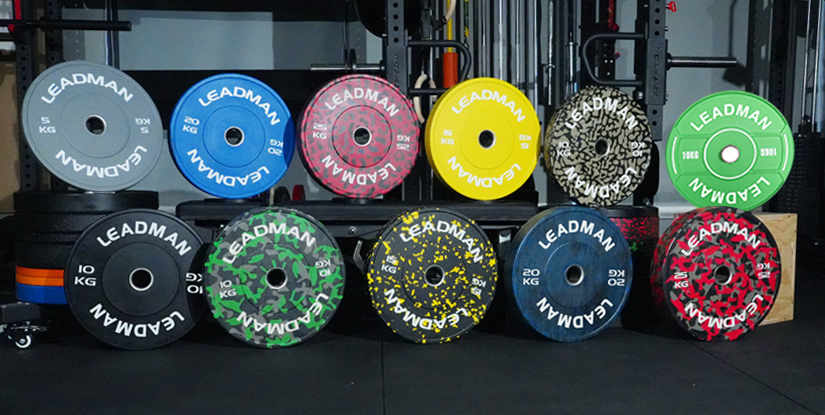
When evaluating your next bulk order, we recommend requesting a technical specification sheet or a sample approval to verify these metrics. A professional supplier should be able to provide documented QC results to prove that their cast iron weight plate calibration explained standards meet your specific facility requirements. To optimize your landed cost and ensure long-term durability, always confirm the exact tolerance threshold during the initial quote phase.
The Role of QC and Mass Production Stability
Maintaining precision during high-volume output requires more than just a single measurement; it requires a systemic approach to quality control. For importers, the risk of receiving a shipment with inconsistent weights is a significant threat to distributor margins. A professional China factory mitigates this by integrating automated weighing stations directly into the production line. This ensures that cast iron weight plate calibration explained is not just a theoretical standard, but a consistent reality for every unit produced during a massive production run.
Effective OEM weight plate manufacturing relies on a multi-stage QC process that begins at the casting stage and continues through final finishing. During large-scale manufacturing, even minor changes in molten metal temperature or mold density can affect the final mass. By implementing rigorous pre-shipment inspections, a reliable supplier ensures that your bulk order maintains high commercial weight plate accuracy, reducing the long-term replacement costs associated with faulty or unevenly weighted equipment. For those managing large-scale procurement, these protocols are essential for guaranteeing the reliability of your inventory and the satisfaction of your end-users.
Optimizing Wholesale Cast Iron Plates via Precision Manufacturing
For professional distributors and gym equipment importers, understanding cast iron weight plate calibration explained is essential for protecting long-term profit margins. When sourcing high-volume orders from a China factory, the discrepancy between labeled weight and actual mass can lead to significant financial leakage. Precision in production ensures that your inventory meets the strict expectations of high-end fitness facilities, thereby securing your reputation as a reliable supplier.
Inconsistent commercial weight plate accuracy creates hidden costs that extend far beyond the initial purchase price. If a batch of wholesale cast iron plates arrives with significant weight deviations, the impact on your ROI is twofold: you face immediate disputes with clients and increased replacement costs due to premature wear or uneven loading on machines. By prioritizing OEM weight plate manufacturing processes that include rigorous calibration, buyers can minimize these operational risks and ensure a stable, predictable supply chain.
The following comparison illustrates the impact of production standards on total cost of ownership and procurement stability. For importers managing large-scale projects, the difference between standard casting and precision-calibrated production determines whether a shipment is a high-margin asset or a liability.
| Procurement Metric | Standard Mass Production | Precision-Calibrated Manufacturing |
|---|---|---|
| Weight Deviation Tolerance | +/- 3% to 5% typical | +/- 0.5% to 1% industry-standard |
| Primary Sourcing Risk | High replacement frequency | Low dispute rate for distributors |
| Long-term ROI | Lower initial cost; higher maintenance | Stable value; higher commercial grade reliability |
| Ideal Sourcing Scenario | Budget-focused retail/home use | Professional gym/commercial facility setup |
When evaluating your next batch, it is vital to confirm whether the manufacturer utilizes automated weighing systems or manual estimation. A professional China factory specializing in high-tier exports will provide detailed calibration reports to ensure every unit matches the specified mass. For those managing complex logistics, a higher level of precision in cast iron weight plate calibration explained directly reduces the risk of shipping weight discrepancies that can inflate your landed cost through unexpected adjustments or client returns. To secure the best terms for your upcoming project, we recommend requesting a technical spec sheet or a sample evaluation to verify these precision standards before finalizing your bulk order.
Beyond technical precision, the value of high-standard production extends to your ability to scale your own brand identity. For distributors looking to transition from a general importer to a specialized brand, leveraging OEM and ODM capabilities is a strategic necessity. A specialized factory can integrate your specific branding requirements—such as custom logos, unique color schemes, or specialized packaging—directly into the manufacturing workflow. This allows you to offer a premium, branded product line that stands out in a crowded commercial market, rather than simply reselling generic, unbranded inventory.
Effective procurement planning also requires a clear understanding of how customization affects your logistics and budget. When negotiating wholesale agreements, it is important to discuss how custom branding and specialized finishing impact the MOQ and the overall lead time. While highly customized orders may require longer production cycles, the ability to provide a unique, high-precision product line significantly increases your long-term market position. We suggest contacting your contact person to confirm specific MOQ tiers and to request a detailed production timeline for any specialized branding requests to ensure your project remains on schedule.
OEM Weight Plate Manufacturing and Custom Branding Capabilities
For professional distributors and gym equipment importers, achieving a unique brand identity requires more than just a logo; it requires precise OEM weight plate manufacturing. When sourcing from a China factory, the ability to integrate custom molds and specific branding elements is a critical factor in building long-term market value and brand recognition.
The technical link between cast iron weight plate calibration explained and custom production lies in maintaining strict precision standards during the casting process. High-quality OEM production ensures that even when a buyer requests a custom shape or a specific embossed logo, the commercial weight plate accuracy remains within industry-standard tolerances. This level of control is essential for wholesale buyers who need to guarantee that every unit in a bulk shipment meets the exact weight specifications promised to their end-users.
Effective ODM services allow suppliers to offer tailored solutions, such as customized center holes or specialized coatings, without compromising the fundamental weight integrity. For large-scale sourcing projects, choosing a supplier capable of managing both aesthetic customization and rigorous weight verification minimizes the risk of high replacement costs and protects your distributor margins.
Evaluating Sourcing Models: Standard Wholesale vs. Custom Branding
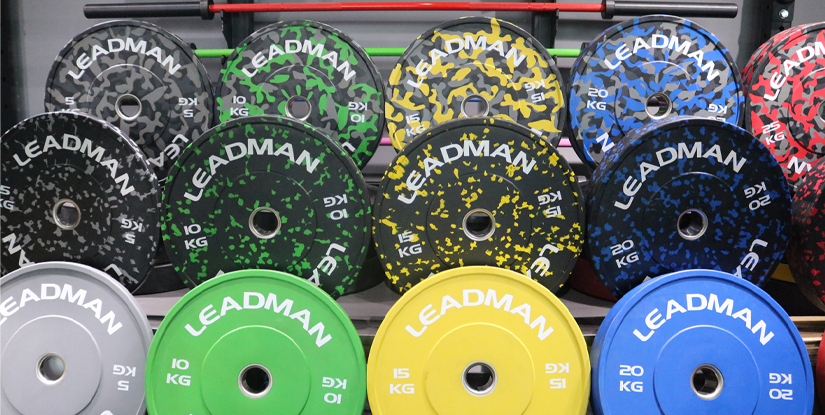
Deciding between standard stock and customized production depends on your specific market positioning and inventory strategy. While standard wholesale cast iron plates offer faster turnaround and lower entry costs, a dedicated OEM approach allows you to build a proprietary product line that stands out in competitive commercial markets. A professional China factory provides both pathways, but the logistical requirements and minimum order quantities differ significantly.
| Feature/Requirement | Standard Wholesale Option | Custom Branding (OEM/ODM) |
|---|---|---|
| Primary Use Case | Quick replenishment/General stock | Brand building/Premium differentiation |
| Branding Methods | Standard factory markings | Embossed logos, painted colors, or custom textures |
| Typical MOQ | Lower/Volume-based | Higher/Project-specific |
| Lead Time | Short (Ready-to-ship) | Extended (Molding and production cycles) |
| Customization Scope | Standard sizes and weights | Custom shapes, colors, and unique center holes |
| Logistics Focus | Standardized export packaging | Customized crate or pallet configuration |
When planning your next procurement cycle, consider how much control you need over the final product's visual identity. For distributors seeking to minimize landed cost and lead time, standard stock is often the most efficient choice. However, if your goal is to provide a high-end, branded experience for premium fitness facilities, investing in the customized production process ensures your brand identity is inseparable from the product quality and weight precision.
To ensure your investment yields the highest return, it is essential to verify how the manufacturer handles the transition from a custom design to a finished, calibrated product. A professional China factory must demonstrate that their OEM weight plate manufacturing process includes rigorous weight verification at every stage of customization. This prevents the common procurement error where aesthetic modifications—such as deep embossing or specialized coatings—unintentionly alter the final weight and compromise commercial weight plate accuracy.
For procurement leads and distributors, the decision to move toward a private label model should be driven by a balance of branding ambition and logistical reality. While wholesale cast iron plates provide a reliable, low-friction way to maintain stock levels, a full ODM partnership allows for deeper market differentiation. Whether you are optimizing for a lower landed cost through high-volume standard orders or building a premium brand through custom-molded units, the foundational requirement remains the same: a supplier that treats weight precision as a non-negotiable standard, regardless of the visual complexity of the order.
Quality Control and Pre-Shipment Inspection Protocols at the China Factory
Maintaining strict commercial weight plate accuracy is a critical requirement for distributors and gym operators who rely on consistent equipment performance. For professional buyers, a single batch of inconsistent weights can damage brand reputation and increase long-term replacement costs. This is why a professional China factory implements multi-stage verification to ensure every unit meets global commercial gym standards.
Effective cast iron weight plate calibration explained for the B2B sector involves rigorous testing of weight tolerance before any product leaves the facility. A reliable supplier utilizes calibrated electronic scales and precision molds to ensure that a 20kg plate is not actually 19.5kg. Without this level of precision, the reliability of a full strength set is compromised, leading to uneven loading and potential safety risks in high-traffic facilities. High-tier OEM weight plate manufacturing integrates these quality control checks into the production line to minimize the risk of faulty shipments and protect the wholesale margins of the importer.
Standardized Inspection Procedures for Bulk Orders
To ensure long-term durability and accuracy, the calibration process must include a systematic density check and material verification. For distributors managing high-volume wholesale cast iron plates, variations in iron density can lead to uneven weight distribution across a single batch. Our factory utilizes precision testing to monitor the structural integrity of the cast iron, ensuring that the density remains uniform throughout the production run. This prevents the common issue of surface imperfections or internal voids that can compromise the physical stability of the plate during heavy use.
The final stage of our quality assurance involves a comprehensive pre-shipment inspection. Every batch undergoes a randomized weight deviation test to confirm that the final product aligns with the requested specifications. This level of detail is essential for OEM weight plate manufacturing, where the goal is to deliver zero-defect shipments to the end client. By maintaining strict control over batch consistency, we help importers reduce the landed cost of returns and ensure that the equipment meets the high-performance expectations of professional strength training environments.
Technical Comparison: Standard vs. High-Precision Calibration
Understanding the technical nuances of cast iron weight plate calibration explained allows procurement officers to differentiate between budget-tier stock and professional-grade equipment. In high-volume wholesale cast iron plates procurement, the primary risk is the hidden cost of weight variance. While standard production focuses on volume, high-precision OEM weight plate manufacturing focuses on minimizing the deviation to protect the end-user experience and the distributor's reputation.
The following table illustrates how calibration precision directly impacts the total cost of ownership and long-term sourcing value for international buyers.
| Specification Metric | Standard Production Tier | High-Precision Commercial Grade | B2B Sourcing Impact |
|---|---|---|---|
| Weight Tolerance (Deviation) | +/- 2% to 3% per unit | +/- 0.5% to 1% per unit | Higher precision reduces client disputes |
| Calibration Method | Manual batch sampling | Automated electronic precision scaling | Ensures batch consistency for wholesale |
| Density Consistency | Variable (potential for voids) | Uniform (controlled casting density) | Reduces replacement frequency |
| Landed Cost vs. Value | Lower initial cost; higher replacement risk | Optimized TCO; higher long-term ROI | Protects distributor margins |
| Ideal Application | Entry-level retail/home use | Professional gym/competition environments | Supports premium brand identity |
For distributors and gym owners, selecting a China factory that prioritizes these precision standards is a strategic decision. While the initial unit price might differ, the reduction in replacement frequency and the ability to provide commercial weight plate accuracy to your clients significantly improves the long-term profitability of your sourcing strategy. We recommend requesting a detailed specification sheet and confirming the specific weight tolerance protocols during your initial MOQ negotiation to ensure alignment with your market requirements.
Sourcing Strategies: MOQ, Lead Times, and Export Logistics
For international distributors and gym equipment importers, understanding cast iron weight plate calibration explained is essential to managing inventory risk and landed costs. When managing large-scale procurement from a China factory, the relationship between weight precision and logistics determines your long-term profitability and customer satisfaction.
Standardizing commercial weight plate accuracy ensures that your bulk shipments meet international strength standards, preventing costly disputes over weight discrepancies upon arrival. Relying on a professional supplier who maintains strict calibration protocols reduces the need for expensive replacement cycles and minimizes the impact of shipping weight fluctuations on your final wholesale pricing.
| Procurement Model | Typical MOQ | Lead Time Impact | Best For |
|---|---|---|---|
| Standard Stock Order | Low | Short (15-30 days) | Rapid restocking and small studio needs |
| Custom OEM Production | High | Long (45-60+ days) | Brand identity and specialized plate sets |
| Direct Factory Sourcing | Medium/High | Variable | Maximizing distributor margins and TCO |
Optimizing your wholesale cast iron plates strategy requires balancing the MOQ requirements against your warehouse capacity and shipping frequency. A high-quality China factory will offer tiered pricing structures based on volume, allowing you to scale your sourcing efforts as your distribution network expands.
Choosing between ready-to-ship inventory and full-scale OEM weight plate manufacturing depends on your specific market positioning and capital availability. While stock orders offer faster turnaround, a dedicated production run allows for deeper integration of your brand identity into the physical product, though it requires a larger commitment to initial MOQ levels.
Effective sourcing from a professional manufacturer also necessitates a clear understanding of how production cycles influence your total landed cost. When planning long-term distribution, procurement managers should evaluate whether the benefits of custom branding and specialized weight tolerances justify the extended lead times associated with custom factory production runs.
Optimizing Export Packaging and Container Loading Efficiency
Once production concludes, the final phase of cast iron weight plate calibration explained involves securing the physical integrity of the shipment. For large-scale importers, the way a factory manages export packaging directly dictates the damage rate and the final landed cost of the cargo. High-density iron products require specialized protection to prevent surface chipping or structural deformation during long-transit ocean freight.
To maximize profitability, professional distributors prioritize suppliers who utilize reinforced palletization and heavy-duty corrugated boxing. Efficiently managing shipping volume is a critical skill in global wholesale procurement; a competent supplier will optimize container loading patterns to ensure that every cubic meter of a 20ft or 40ft HC container is utilized effectively. This precision reduces the cost per unit and ensures that your wholesale cast iron plates arrive in a condition that meets the high standards of commercial fitness facilities.