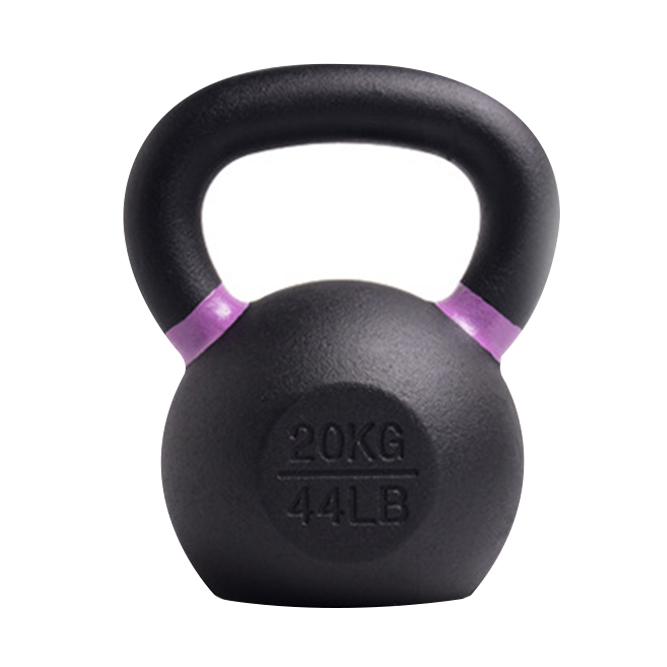
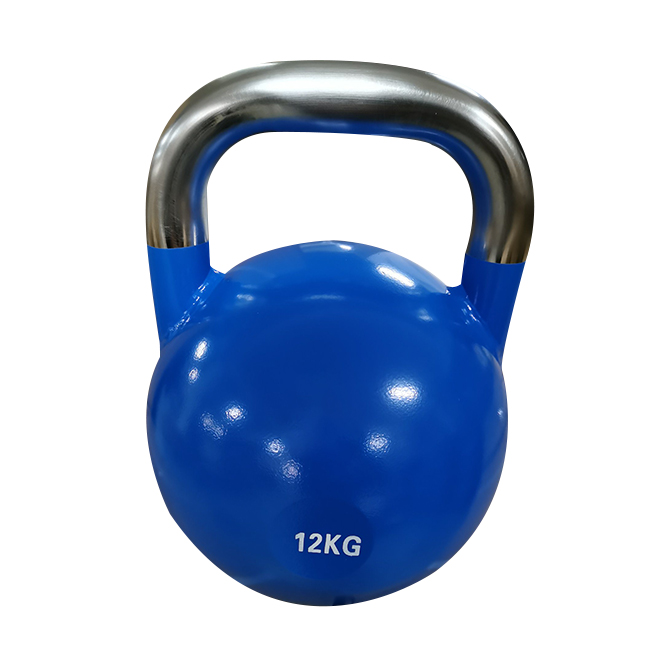
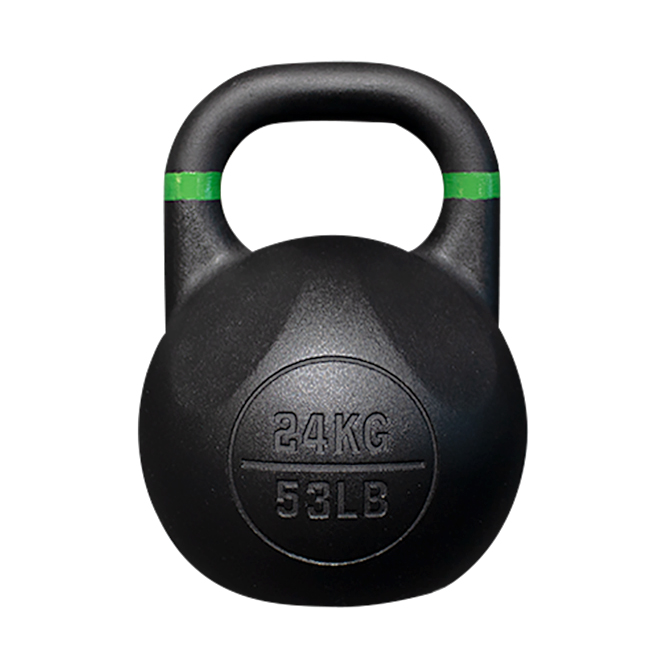
Sand Casting vs Investment Casting Kettlebell: Import OEM
Sand Casting vs Investment Casting Kettlebell Manufacturing Processes
Distributors often face a critical choice between cost-efficiency and precision when evaluating sand casting vs investment casting kettlebell production. A common procurement error is selecting standard sand casting for high-end competition lines, leading to inconsistent weight distribution and surface irregularities. For premium commercial requirements, sourcing from a specialized China factory that offers investment casting ensures superior structural density and a refined finish, protecting your long-term ROI through increased product longevity.
The technical distinction lies in the mold integrity and the resulting surface smoothness. Sand casting relies on granular molds, which are cost-effective for commercial kettlebell manufacturing but can result in a coarser texture and minor dimensional variances. In contrast, investment casting utilizes a ceramic shell process to achieve extreme precision. This method optimizes structural density, ensuring that each unit meets strict weight tolerances required for professional training environments. When managing OEM kettlebell production, understanding these metallurgical nuances allows importers to better align their product tiers with specific market demands, whether for rugged functional fitness or high-precision competition use.
Technical Comparison for Procurement Decision-Making
Selecting the appropriate manufacturing method is essential for managing your landed cost and meeting specific client expectations. A mismatch between the casting method and the intended product tier can lead to high replacement rates and diminished distributor margins. The following table provides a technical breakdown to assist in your cast iron kettlebell supplier evaluation, focusing on the trade-offs between production speed, precision, and total cost of ownership.
| Technical Specification | Sand Casting | Investment Casting |
|---|---|---|
| Surface Finish | Granular and textured | Smooth and refined |
| Dimensional Accuracy | Moderate tolerance | High precision/Tight tolerance |
| Tooling Cost | Lower initial investment | Higher initial investment |
| Production Speed | High volume efficiency | Slower, precision-focused |
| Typical MOQ | Lower for standard lines | Higher for specialized lines |
| Lead Time | Short to moderate | Extended due to shell curing |
| Landed Cost Impact | Optimized for budget tiers | Optimized for premium tiers |
When planning your next bulk order, consider that while sand casting offers a lower entry point for mass-market distribution, investment casting provides the consistency required for professional competition-grade equipment. We recommend requesting a technical spec sheet or a sample evaluation from your supplier to verify that the dimensional accuracy and surface density meet your brand's quality standards before finalizing large-scale OEM contracts.
Engineering Integrity and Quality Control Standards
Reliability in high-volume procurement depends heavily on the rigor of the factory quality control process. When sourcing sand casting vs investment casting kettlebell units for global distribution, the primary risk is weight variance. Inconsistent density can lead to unbalanced handles or uneven weight distribution, which compromises safety in professional settings. To mitigate this, a professional cast iron kettlebell supplier must implement a multi-stage inspection protocol that includes metallurgical testing and precision weighing of every single unit within a batch.
For distributors managing large-scale OEM kettlebell production, a robust quality control (QC) framework is non-negotiable. High-tier production lines should include X-ray or ultrasonic testing to detect internal air bubbles or structural flaws that are common in lower-grade casting. This level of scrutiny ensures that your bulk order reliability remains high, reducing the frequency of defective returns and protecting your reputation in the commercial market. When evaluating a potential partner, always confirm if their quality control protocols include pre-shipment inspections and if they can provide weight-consistency certification for your specific SKU requirements.
Evaluating TCO Through Casting Method Selection
When managing long-term procurement budgets, professional buyers must look beyond the initial unit price to understand the total cost of ownership. Choosing between sand casting vs investment casting kettlebell production methods directly impacts your long-term replacement cycles and maintenance overhead. While sand casting offers a lower entry point for high-volume orders, the precision of investment casting can reduce the frequency of quality-related returns in premium commercial settings.
Distributors and gym operators sourcing from a China factory often face a strategic trade-off between immediate wholesale pricing and long-term product consistency. A lower landed cost per unit through traditional methods may seem attractive for budget-focused projects, but it can lead to higher operational expenses if weight tolerances or surface finishes fail to meet professional standards. Selecting the right commercial kettlebell manufacturing process ensures that your investment aligns with the durability requirements of your specific market segment.
| Procurement Factor | Sand Casting Method | Investment Casting Method |
|---|---|---|
| Initial Unit Cost | Lower / High Volume Efficiency | Higher / Premium Tier |
| Surface Precision | Standard / Rougher Texture | High / Smooth Finish |
| Weight Consistency | Standard Tolerance | Strict Commercial Tolerance |
| Ideal Sourcing Use Case | Mass Market / Budget Gyms | Premium Studios / Competition |
Optimizing your OEM kettlebell production strategy requires a clear understanding of how these manufacturing variables affect your distributor margins. For example, a supplier specializing in high-precision casting can provide units that require less frequent replacement, ultimately improving the ROI for your end-users. We recommend reviewing your specific MOQ requirements and target weight ranges with your sourcing partner to determine which method offers the best balance of cost and commercial longevity.
Strategic Decision Matrix for Bulk Procurement
To finalize your selection, evaluate how technical specifications translate into long-term operational value. The choice between sand casting vs investment casting kettlebell methods should be dictated by your target demographic's expectations for weight accuracy and tactile feel. While sand casting is highly efficient for standard gym setups, investment casting provides the elite-level consistency required for professional competition-grade equipment.
Before finalizing a bulk order, we suggest requesting a detailed specification sheet or a sample evaluation from your cast iron kettlebell supplier. This allows your quality control team to verify surface smoothness and weight deviations firsthand. Once the sample meets your standards, you can proceed to confirm the final MOQ, discuss lead times for container loading, and finalize the OEM branding requirements to ensure your product lineup meets the highest commercial standards.
Commercial Kettlebell Manufacturing and Material Integrity
When sourcing for high-traffic fitness facilities, the choice between sand casting vs investment casting kettlebell production methods directly impacts your long-term replacement cycles and equipment lifecycle costs. For distributors and gym owners, understanding how these processes affect structural integrity is essential for maximizing return on investment during bulk sourcing.
Sand casting is a widely utilized method in commercial kettlebell manufacturing due to its cost-effectiveness for high-volume wholesale orders. This process creates a robust, heavy-duty unit suitable for standard gym environments. However, the resulting density and surface finish are typically coarser than more advanced methods. While this provides excellent durability for general commercial gym usage, the slight irregularities in the surface texture may require more frequent inspection during your QC protocols to ensure consistent weight distribution across a full set.
In contrast, investment casting offers a higher level of precision and material density, which can be a critical factor for premium equipment lines. This method results in a superior surface finish and tighter tolerances, reducing the maintenance load over time. For a China factory specializing in high-end OEM production, offering investment-cast options allows distributors to target the premium market where exact weight specifications and smooth finishes are non-negotiable. While the initial landed cost may be higher, the increased durability and refined aesthetics can lead to a better long-term ROI by extending the functional life of the product in rigorous professional settings.
Technical Comparison of Manufacturing Methods for Procurement
To optimize your procurement strategy, it is necessary to evaluate the technical trade-offs between these two methods. Selecting the correct process depends on whether your priority is minimizing initial unit costs for mass-market distribution or maximizing weight precision for high-end competition-grade equipment. The following table compares the essential manufacturing metrics for sand casting vs investment casting kettlebell production to assist in your decision-making process.
| Technical Metric | Sand Casting Method | Investment Casting Method |
|---|---|---|
| Surface Smoothness | Coarser, textured finish | Ultra-smooth, refined surface |
| Weight Precision | Moderate tolerance | High precision/tight tolerance |
| Structural Density | Standard commercial density | High density, optimized grain structure |
| Manufacturing Cost | Lower per-unit cost | Higher per-unit cost |
| Lead Time | Standard for high-volume orders | Longer due to complex mold cycles |
| Typical MOQ | Lower entry threshold | Higher threshold for premium runs |
| Commercial Durability | High (Standard Gym Use) | Superior (Competition/Premium Use) |
| Best Use Case | General fitness/Bulk wholesale | Professional competition/High-end studios |
When negotiating with a cast iron kettlebell supplier, consider how these technical variations affect your total cost of ownership. While sand casting offers a more competitive price point for large-scale OEM kettlebell production, investment casting provides the consistency required for professional-grade certifications. We recommend requesting a detailed specification sheet and confirming the exact weight tolerances for your specific MOQ before finalizing a bulk purchase order.
| Procurement Dimension | Sand Casting (Volume Focus) | Investment Casting (Precision Focus) |
|---|---|---|
| Primary Target | General fitness & commercial gyms | Professional competition & premium studios |
| Surface Profile | Textured, rugged finish | Smooth, high-grade finish |
| Weight Consistency | Standard industry tolerances | Ultra-tight precision tolerances |
| Initial Unit Cost | Cost-efficient for large scale | Higher premium investment |
| Maintenance Load | Standard commercial care | Minimal due to refined surface |
| Ideal Sourcing Strategy | Mass market distribution | Specialized niche/High-end retail |
Selecting the appropriate manufacturing path is a strategic decision that dictates your product's market positioning. A cast iron kettlebell supplier can often provide both options, but the differentiation in commercial kettlebell manufacturing affects your entire supply chain, from warehouse storage efficiency to end-user satisfaction. If your goal is high-volume turnover with a lower entry price, sand casting is the industry standard. However, if you are building a high-end brand identity through OEM kettlebell production, the precision of investment casting may offer a distinct competitive advantage in the professional market.
Before finalizing your next shipment, we suggest conducting a thorough sample evaluation to verify weight distribution and surface texture. For large-scale bulk orders, it is also prudent to request a pre-shipment inspection report to ensure that the chosen casting method meets your specific commercial durability requirements. Contact our team to confirm current MOQ levels, discuss custom branding options, or request a detailed quote for your upcoming procurement cycle.
China Factory Capabilities for Precision Casting and OEM
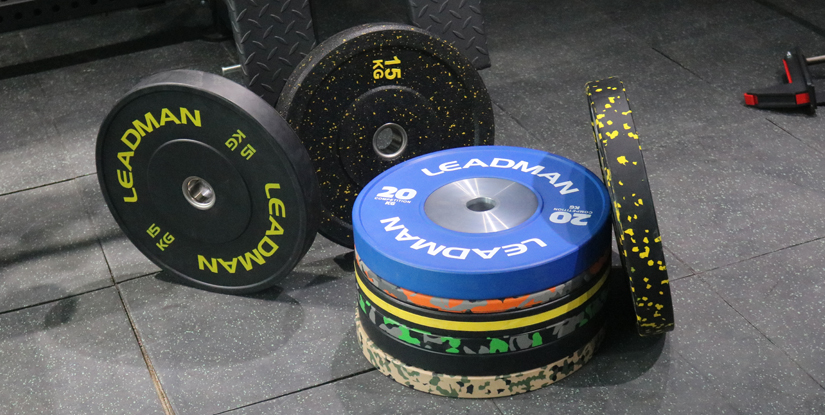
When evaluating sand casting vs investment casting kettlebell manufacturing, procurement professionals must account for how production complexity influences the lead time and MOQ for wholesale shipments. Sourcing directly from a China factory allows distributors to align their inventory cycles with specific casting methods, ensuring that high-precision requirements do not disrupt the supply chain.
Sand casting is a high-volume, cost-effective method typically used for standard commercial weights. Because the process is less complex, a supplier can often offer a lower MOQ and faster turnaround for wholesale orders. This is ideal for distributors focused on high-turnover, standard-spec equipment where cost-efficiency is the primary driver of landed cost.
In contrast, the sand casting vs investment casting kettlebell debate often centers on the technical rigor required for competition-grade units. Investment casting involves more intricate molds and a multi-stage cooling process, which naturally extends the lead time. While this results in superior surface finish and tighter weight tolerances, the increased production complexity usually requires a higher MOQ to maintain a competitive OEM price point. For premium commercial kettlebell manufacturing, the higher initial investment in tooling and labor is a calculated trade-off for achieving elite-tier product consistency.
| Production Metric | Sand Casting Method | Investment Casting Method |
|---|---|---|
| Typical Lead Time | Shorter/Standard | Longer/Extended |
| Standard MOQ | Lower | Higher |
| Surface Precision | Moderate/Textured | High/Smooth |
| Tooling Complexity | Low | High |
| Best Use Case | Standard Gym Inventory | Competition/Premium Grade |
Navigating the technicalities of sand casting vs investment casting kettlebell production requires a clear understanding of how scale impacts your bottom line. For importers and distributors, the choice between these two methods is not just about surface aesthetics, but about balancing the production scale against the total landed cost and inventory turnover requirements of your target market.
When managing OEM kettlebell production, procurement teams must decide whether to prioritize the rapid replenishment cycles offered by sand casting or the high-margin, premium positioning of investment casting. While sand casting supports a more flexible and frequent wholesale replenishment model, investment casting is better suited for long-term, high-volume contracts where consistency and brand identity are the primary competitive advantages. We recommend reviewing your specific volume forecasts and weight-range requirements before finalizing your sourcing strategy to ensure your choice aligns with both your budget and your delivery timelines.
Optimizing your landed cost requires a deep dive into how manufacturing choices affect the entire logistics chain. For professional buyers, the distinction between these two methods extends beyond the mold; it dictates your shipping volume efficiency and how you manage warehouse space. Because investment casting often produces more uniform and compact dimensions, it can lead to more efficient container loading patterns, whereas the slight variances in sand casting may require more robust, specialized export packaging to prevent shifting during transit.
To maximize your ROI during OEM kettlebell production, we suggest aligning your customization requests with the specific capabilities of the casting method. For instance, high-end branding or intricate logo engravings are more reliably executed via investment casting, providing a superior finish for your private label identity. If your goal is rapid market entry with a cost-effective baseline, sand casting offers the most direct path to high-volume wholesale distribution without the extended lead times associated with complex mold setups.
Custom Branding and ODM Solutions for Global Distributors
Selecting the correct manufacturing method—whether evaluating sand casting vs investment casting kettlebell production—directly impacts your ability to position a product within specific market tiers. For distributors and importers, the choice between these two processes determines whether your inventory serves the budget-conscious mass market or the high-end professional studio segment.
Leveraging OEM kettlebell production allows you to move beyond generic stock items and build a proprietary product line. Through custom branding, you can integrate your logo and unique aesthetic requirements directly into the casting process, ensuring your private label products maintain a consistent brand identity across all weight increments. This level of control is essential for achieving market differentiation in competitive regions.
When your business strategy requires a high-margin, premium offering, an ODM partner can provide the technical expertise to refine surface finishes and handle tolerances that standard commercial kettlebell manufacturing might overlook. Conversely, for high-volume, cost-effective wholesale distribution, standardizing on a specific casting method helps stabilize your landed cost and ensures predictable MOQ requirements for your upcoming shipments.
Technical Comparison of Manufacturing Capabilities and Customization
Distributors must evaluate the technical trade-offs between casting methods to determine which process aligns with their specific target market and profit margins. A professional cast iron kettlebell supplier will provide distinct specifications for each method, affecting both the final aesthetics and the production scale.
| Technical Specification | Sand Casting Method | Investment Casting Method |
|---|---|---|
| Surface Texture | Granular, textured finish | Smooth, high-precision finish |
| Dimensional Tolerance | Moderate; standard for commercial use | High; optimized for precision competition |
| Branding Depth | Raised or recessed logos | Highly detailed, crisp embossing |
| Typical MOQ | Lower for standard weight sets | Higher due to mold complexity |
| Production Lead Time | Standard industry timelines | Extended for precision tooling |
| Primary Market Fit | Standard commercial gyms and studios | Premium competition and boutique fitness |
Understanding the nuances of sand casting vs investment casting kettlebell manufacturing is critical when calculating your long-term inventory value. While sand casting offers a robust, cost-effective solution for high-volume wholesale orders, investment casting provides the elite finish required for high-end branding. For importers, deciding between these two paths involves balancing the MOQ requirements against the desired level of product sophistication. Whether you are seeking a simple OEM solution for standard weight increments or a complex ODM project for a specialized product line, your choice of casting method will dictate your final landed cost and market positioning.
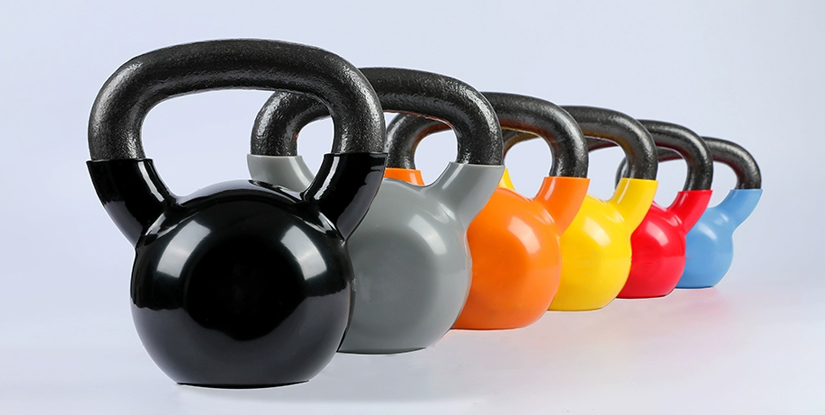
Deciding between sand casting vs investment casting kettlebell processes is not merely a technical choice; it is a strategic procurement decision that affects your entire supply chain. A professional cast iron kettlebell supplier understands that your choice must align with your specific distribution model, whether you are a high-volume importer or a boutique fitness brand. For instance, if your goal is to maximize margins on high-volume wholesale orders for general gym use, the efficiency of sand casting is often the optimal path. However, if your brand identity relies on premium, precision-engineered products, the investment casting route—though often requiring a higher MOQ—provides the superior finish and consistency required for top-tier markets.
Ultimately, your ability to scale depends on selecting the right OEM kettlebell production partner who can manage these complexities. From the initial mold design to the final export packaging, every step must be optimized to control your landed cost. We recommend that importers request a detailed specification sheet and a sample evaluation for both casting methods before committing to a full-scale bulk order. This ensures that your chosen manufacturing process meets your quality standards and provides the necessary durability for professional commercial environments.
Quality Control and Export Packaging Standards
Understanding the technical nuances of sand casting vs investment casting kettlebell production is essential for distributors managing long-term replacement cycles. While sand casting is a cost-effective method for high-volume wholesale orders, it often requires more rigorous quality control to manage surface irregularities. In contrast, investment casting offers superior precision, which is vital for premium product lines where weight consistency and smooth finishes are non-negotiable for high-end studio clients.
A professional China factory must implement strict inspection protocols to mitigate the risk of surface defects and weight deviations. For importers, a lack of standardized commercial kettlebell manufacturing oversight can lead to increased landed costs due to high return rates. We recommend that procurement leads request detailed spec sheets and sample approval before committing to large-scale OEM kettlebell production to ensure the final units meet international commercial durability standards.
To maintain a reliable supply chain, our factory utilizes multi-stage testing, focusing on both structural integrity and dimensional accuracy. Whether you are sourcing standard cast iron or precision-engineered units, verifying the supplier's ability to manage MOQ requirements alongside strict pre-shipment inspections is the most effective way to protect your distributor margins and ensure consistent product quality across every container load.
Beyond individual unit inspection, the final stage of the procurement process involves rigorous export packaging and logistics planning. For distributors handling bulk orders, the primary risk shifts from manufacturing defects to shipping damage during long-haul sea freight. Improperly secured loads can lead to surface scuffing or structural deformation, which directly increases your total landed cost through replacement liabilities and diminished customer satisfaction.
To mitigate these risks, a professional cast iron kettlebell supplier must adhere to high-standard palletization protocols. This includes utilizing heavy-duty reinforced pallets and industrial-grade shrink wrapping to stabilize the load. Each unit should be individually protected—either through specialized dividers or heavy-duty corrugated sleeves—to prevent metal-on-metal friction during container movement. This level of detail in export packaging ensures that high-density iron products arrive at your warehouse in the same condition they left the factory.
Optimizing container loading density is another critical factor for reducing logistics overhead. By coordinating with your OEM kettlebell production partner, you can determine the most efficient stacking configurations for 20ft or 40ft containers. This strategic approach maximizes space utilization and minimizes the per-unit shipping cost, providing a significant advantage for high-volume importers. We advise all procurement leads to confirm specific pallet dimensions and loading requirements during the initial quote stage to ensure seamless integration with your local warehouse receiving processes.
Technical Comparison of QC Checkpoints
To assist procurement managers in evaluating the technical rigor of a potential partner, the following table outlines the critical inspection points when comparing sand casting vs investment casting kettlebell manufacturing. This comparison highlights the different technical requirements for weight tolerance and surface finish that impact your total landed cost and long-term product reliability.
| Inspection Point | Sand Casting Standards | Investment Casting Standards | B2B Procurement Impact |
|---|---|---|---|
| Weight Tolerance | Standard deviation (±3-5%) | High precision (±1-2%) | Critical for competition-grade certification |
| Surface Finish | Textured/Rougher (requires secondary grinding) | Smooth/Fine-grained (ready for coating) | Affects paint adhesion and hand comfort |
| Dimensional Accuracy | Moderate (suitable for bulk training) | High (ideal for premium studio lines) | Directly impacts brand identity and SKU consistency |
| Structural Integrity | High density (standard commercial use) | Superior uniformity (optimized for high-end) | Reduces replacement rates and returns |
| Surface Defects | Potential for sand inclusions or pitting | Minimal surface irregularities | Influences final aesthetic quality and durability |
When managing a wholesale procurement strategy, choosing between these two methods depends on your target market segment. If your focus is on high-volume, budget-conscious commercial gyms, sand casting provides an excellent ROI. However, for high-end boutique studios or premium home-gym brands, the precision of investment casting justifies the higher initial cost. We recommend that all buyers request a sample evaluation and a detailed pre-shipment inspection report to verify that the chosen supplier can consistently meet these technical specifications across all batches.
Strategic Sourcing and Final Procurement Steps
Selecting the correct manufacturing method is a critical decision for importers and distributors looking to optimize their long-term profitability. When evaluating sand casting vs investment casting kettlebell production, the choice directly dictates your total landed cost and the eventual distributor margin for your market. High-volume wholesale buyers often prioritize sand casting for standard weight classes to keep procurement costs low, whereas premium distributors may opt for investment casting to offer superior surface finishes and precision for high-end competition lines.
A professional cast iron kettlebell supplier must provide transparency regarding how these processes impact your ROI. While sand casting is highly cost-effective for massive commercial kettlebell manufacturing orders, investment casting offers a tighter tolerance that reduces secondary machining requirements. Understanding these technical nuances allows a factory to better align with your specific brand positioning, whether you are targeting budget-friendly commercial gyms or elite training centers.
| Procurement Metric | Sand Casting Approach | Investment Casting Approach |
|---|---|---|
| Primary Cost Driver | Lower tooling and material costs | Higher precision and finish quality |
| Surface Texture | Naturally textured/rugged | Smooth and highly consistent |
| Ideal Sourcing Use Case | High-volume budget replenishment | Premium competition-grade lines |
| Typical MOQ Impact | Higher volume for cost efficiency | Variable based on mold complexity |
To ensure your inventory meets international standards, we recommend initiating a sourcing protocol that includes a formal request for technical specification sheets and a detailed OEM capability audit. Before finalizing any bulk order, please contact our team to confirm the current MOQ, discuss custom branding options, and arrange for a sample evaluation to verify surface consistency and weight accuracy.
Navigating the complexities of international procurement requires more than just selecting a method; it requires a partner capable of maintaining rigorous standards throughout the production cycle. For distributors, the ability to scale production while maintaining strict quality control is the difference between a successful product launch and costly inventory returns. When managing large-scale OEM kettlebell production, you must ensure that the chosen casting method aligns with your logistical capabilities and your target market's expectations for durability and finish.
Before committing to a full container load, professional buyers should establish a clear workflow with their cast iron kettlebell supplier. This includes requesting a detailed breakdown of the lead time for both tooling creation and mass production phases. A reliable China factory will provide a transparent timeline, accounting for potential fluctuations in raw material availability and international shipping schedules. By conducting a thorough pre-shipment inspection and validating the weight tolerances of a physical sample, you mitigate the risks associated with bulk overseas sourcing and ensure your landed cost remains within your projected margins.
Rigorous quality management is the final safeguard for your investment. Regardless of whether you choose the rugged texture of sand casting or the precision of investment casting, your OEM kettlebell production workflow must include a strict pre-shipment inspection. A professional factory will provide detailed reports on weight tolerances and surface integrity to ensure every unit meets your commercial-grade specifications. This level of scrutiny prevents the high costs associated with defective inventory and protects your reputation as a reliable distributor.
Furthermore, robust export packaging is essential for long-distance maritime transit. High-quality commercial kettlebell manufacturing requires specialized palletizing and protective wrapping to prevent rust or surface damage during sea freight. We advise all procurement leads to confirm the specific export packaging standards with their supplier before finalizing the order. By aligning on these logistical details early, you ensure that your bulk shipment arrives in optimal condition, ready for immediate distribution to your commercial clients.