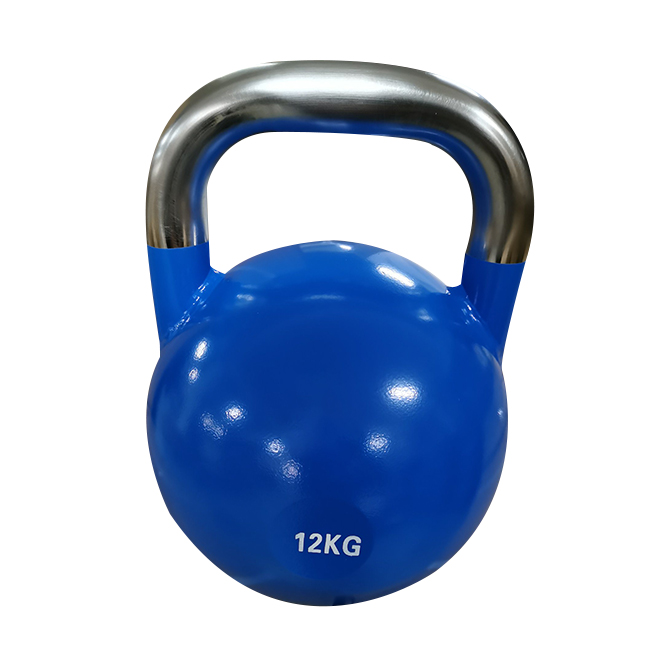
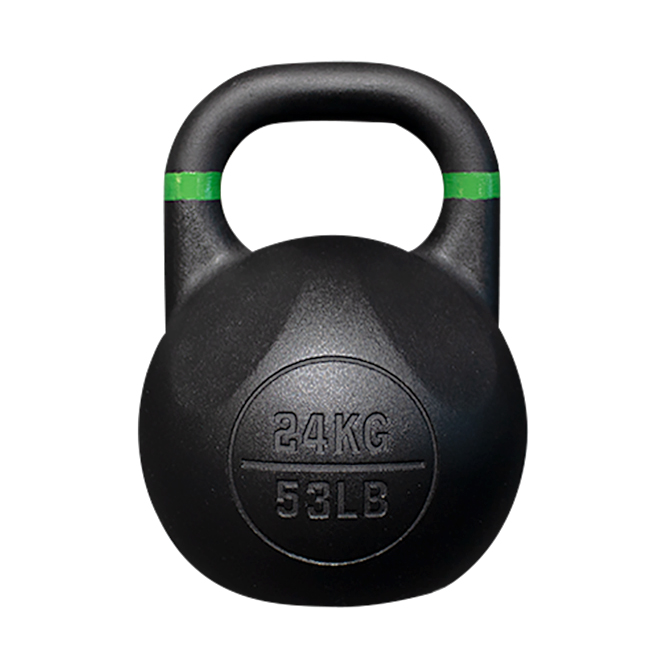
Competition Kettlebell vs Cast Iron Kettlebell: OEM Material
Competition Kettlebell vs Cast Iron Kettlebell: Defining Commercial Utility
Distinguishing between a competition kettlebell vs cast iron kettlebell depends entirely on your facility's core programming and target demographic. For high-end boutique studios or professional strength and conditioning centers focusing on high-performance training, the precision and balance of competition-grade units are essential. Conversely, for large-scale commercial gyms or functional training zones centered on general strength training, the rugged durability and cost-efficiency of cast iron remain the industry standard for high-volume use.
When managing a gym equipment sourcing comparison, procurement leads must align material selection with the intended user experience. High-performance athletes require the standardized dimensions and smooth finish of competition models to ensure technical accuracy. Meanwhile, general fitness facilities often prioritize the high-impact resilience of cast iron to maximize their long-term investment. Understanding these nuances allows for a more calculated procurement strategy when ordering wholesale commercial kettlebells directly from a China factory to optimize your facility's asset lifecycle and operational budget.
Technical Specifications and Sourcing Comparison
Selecting the right model requires a granular understanding of technical tolerances and surface finishes. For distributors managing high-end inventory, the precision of a competition-grade unit is a critical differentiator. For high-volume facility operators, the robust nature of cast iron provides a reliable foundation for heavy-use zones. The following table provides a technical breakdown to assist in your gym equipment sourcing comparison when evaluating bulk orders.
| Feature/Specification | Competition Grade | Cast Iron Grade |
|---|---|---|
| Precision & Tolerance | High (Standardized dimensions/weight) | Moderate (Standard industrial tolerances) |
| Surface Finish | Smooth, powder-coated or plated | Textured, natural iron or painted |
| Durability | Optimized for technical movement | High-impact, rugged durability |
| Weight Increments | Consistent, standardized steps | Variable, standard weight jumps |
| Typical Application | Professional Sport & Competition | Commercial Gyms & Functional Zones |
| Unit Cost Efficiency | Premium (Higher per-unit cost) | Cost-Effective (Ideal for bulk scaling) |
| Shipping Volume | Compact, standardized footprints | Variable depending on casting shape |
When negotiating wholesale commercial kettlebells, consider how these material differences impact your total landed cost. While competition models offer superior precision, cast iron options often provide a more favorable ROI for large-scale facility rollouts due to lower per-unit costs and high durability. We recommend requesting a detailed specification sheet or a sample evaluation to confirm how the surface finish and weight accuracy meet your specific brand standards before finalizing your competition kettlebell vs cast iron kettlebell order.
Operational Impact on Maintenance and Replacement Cycles
The decision between a competition kettlebell vs cast iron kettlebell extends far beyond initial procurement costs; it dictates your long-term operational expenditure (OPEX). In high-traffic commercial environments, the durability of the material directly influences your replacement frequency. Cast iron units are engineered for heavy-duty impact, making them a reliable choice for high-volume strength zones where equipment may face frequent floor contact. This ruggedness minimizes the need for frequent inventory replenishment, stabilizing your long-term maintenance load.
For specialized training centers, the smoother surface and consistent dimensions of competition-grade models reduce wear on both the equipment and the user's grip during technical movements. While the initial investment may be higher, the specialized build quality often results in a more predictable asset lifecycle for premium facilities. When conducting a gym equipment sourcing comparison, professional buyers should evaluate the total cost of ownership (TCO). We suggest contacting our supplier team to discuss specific durability testing results or to request a sample to assess how the coating and finish will hold up under your facility's specific environmental conditions and usage volume.
Technical Divergence and Procurement Impact
Understanding the distinction in competition kettlebell vs cast iron kettlebell specifications is critical for long-term asset management. When sourcing from a China factory, procurement leads must weigh the high manufacturing precision of competition-grade units against the rugged, cost-effective nature of standard iron. For high-traffic commercial facilities, the choice directly dictates your replacement cycles and overall TCO.
While standard cast iron is a reliable staple for general strength training, competition-grade models offer superior surface finish and dimensional consistency. This precision ensures a predictable grip and smoother transitions during high-repetition movements, reducing the likelihood of user error or equipment fatigue in professional settings. Selecting the right wholesale commercial kettlebells depends on whether your facility prioritizes initial capital expenditure or long-term operational stability.
| Procurement Factor | Competition Grade (Precision) | Standard Cast Iron (Traditional) |
|---|---|---|
| Manufacturing Precision | High (Uniform diameter/weight) | Moderate (Variable surface texture) |
| Surface Finish | Smooth/Powder Coated | Rough/Natural Iron |
| Primary Usage | Sport/High-Performance | General Commercial/Strength |
| Long-term TCO | Optimized for high-frequency use | Optimized for low-maintenance bulk |
| Sourcing Strategy | Specialized OEM orders | Standard wholesale stock |
Effective gym equipment sourcing comparison requires looking beyond the unit price to the total landed cost and durability. A competition-style unit, despite a higher initial cost, often provides better value in premium studio environments due to its enhanced durability and consistent performance metrics. Conversely, for large-scale warehouse gyms, high-volume cast iron orders may offer the best ROI through lower initial sourcing costs and high structural resilience.
When evaluating the competition kettlebell vs cast iron kettlebell distinction for large-scale inventory, the decision-making process must transition from simple unit pricing to a comprehensive analysis of operational efficiency. For distributors managing diverse client portfolios, understanding these material nuances is essential to avoid the hidden costs of frequent equipment replacement or client dissatisfaction due to inconsistent weight tolerances.
Professional buyers should consider how different manufacturing processes affect the final landed cost. While standard cast iron is often available for immediate wholesale shipment, specialized competition models typically require advanced OEM or ODM arrangements to ensure the exact dimensional tolerances and surface smoothness required for professional sport standards. This distinction is vital when calculating the long-term ROI for premium fitness centers versus budget-conscious training facilities.
When calculating the total landed cost for high-volume orders, the competition kettlebell vs cast iron kettlebell debate often shifts from material texture to logistical efficiency. For distributors, the choice between a standard casting process and a precision-milled finish affects everything from shipping weight calculations to the final margin. High-precision competition units often demand more rigorous quality control (QC) protocols during the production phase to ensure uniform diameter and weight accuracy, which can impact lead times compared to standard stock items.
A sophisticated procurement strategy must also account for the impact of weight consistency on shipping and storage. While both types are heavy, the dimensional consistency of competition models allows for more predictable container loading and palletization during export. For businesses focused on long-term inventory ROI, investing in higher-specification units through a reliable factory-direct sourcing model can reduce the frequency of replacement due to wear or surface degradation. We recommend that buyers request detailed specification sheets and confirm the MOQ for specialized finishes to ensure the final product aligns with their specific commercial market requirements.
Optimizing Inventory and Floor Layout Efficiency
When managing high-volume procurement, understanding the competition kettlebell vs cast iron kettlebell distinction is vital for long-term facility management. For distributors and gym owners, the physical footprint of each unit dictates how much floor space is required for functional training zones and how much volume is occupied in a warehouse or shipping container. Choosing the correct specification during your gym equipment sourcing comparison can significantly impact your operational density and long-term ROI.
Standard cast iron units typically feature a larger, more irregular diameter, which can complicate organized storage and density in high-end facilities. In contrast, competition-grade models are engineered with a standardized, compact diameter that allows for more efficient nesting in racks and tighter stacking in transit. For professional buyers looking to maximize wholesale commercial kettlebells inventory, selecting the compact dimensions of competition-style units can optimize both the commercial gym layout and the total volume of your China factory sourcing shipments, effectively lowering the landed cost per usable square foot of training space.
Spatial and Volumetric Technical Comparison
For procurement specialists, the physical dimensions of equipment directly influence container utilization and storage density. A technical assessment of the competition kettlebell vs cast iron kettlebell reveals significant differences in diameter and volume-to-weight ratios. While cast iron units are cost-effective for basic setups, their inconsistent sizing can lead to inefficient palletization and higher shipping volumes during bulk transit.
The following table provides a technical breakdown to assist in your gym equipment sourcing comparison, focusing on how material choice affects your logistics and storage footprint.
| Specification Metric | Competition-Grade Standard | Traditional Cast Iron |
|---|---|---|
| Diameter Consistency | Strictly standardized for all weights | Varies by weight increment |
| Volume Efficiency | High (compact profile) | Moderate (larger footprint) |
| Storage Density | Optimized for specialized racks | Requires more spacing |
| Shipping Volume | Lower (higher density per CBM) | Higher (more air space in crates) |
| Landed Cost Factor | Lower shipping cost per unit | Higher shipping cost per unit |
When calculating the total landed cost for a large-scale facility build-out, the compact nature of competition-grade units offers a strategic advantage. By selecting units with a standardized diameter, importers can maximize the number of units per pallet and per container. This efficiency is particularly beneficial when managing a large MOQ from a factory, as it reduces the volumetric weight penalty during sea freight and optimizes the storage capacity of your distribution warehouse.
Beyond simple storage, the choice between these two materials dictates your long-term logistics strategy. For distributors managing large-scale bulk orders, the volumetric efficiency of competition-grade units translates directly into higher container utilization. Because competition models maintain a consistent diameter across the weight spectrum, they allow for much more predictable palletization and stacking. This precision minimizes the wasted air space often found in shipments of irregular cast iron units, effectively optimizing your shipping volume and reducing the total cost of freight per unit.
For professional importers, the ability to maximize container density is a critical lever for controlling the landed cost of high-end functional training equipment. When negotiating with a factory, requesting standardized competition specifications ensures that your shipping containers are loaded with maximum density, rather than empty space. This level of container optimization is a decisive factor in maintaining healthy distributor margins, especially when the competition kettlebell vs cast iron kettlebell decision is viewed through the lens of global logistics and long-term inventory turnover.
China Factory Manufacturing Standards and Material Integrity
When evaluating the competition kettlebell vs cast iron kettlebell distinction, procurement professionals must look beyond surface aesthetics to the fundamental material density and dimensional tolerance. For distributors managing high-end inventory, sourcing from a specialized China factory ensures that competition-grade units meet the rigorous precision required for sanctioned training, whereas standard cast iron remains a cost-effective solution for general strength conditioning.
The technical divergence impacts long-term ROI and replacement cycles. Competition models undergo strict QC standards to ensure uniform weight distribution and a perfectly smooth surface, which is critical for professional athletes. In contrast, standard cast iron may exhibit slight variations in texture and weight precision. For commercial gym procurement, understanding these tolerances allows buyers to balance premium facility offerings with budget-conscious equipment tiers. Selecting the right supplier depends on whether your target end-user demands absolute uniformity or durable, high-volume utility.
Technical Specification Comparison for Bulk Procurement
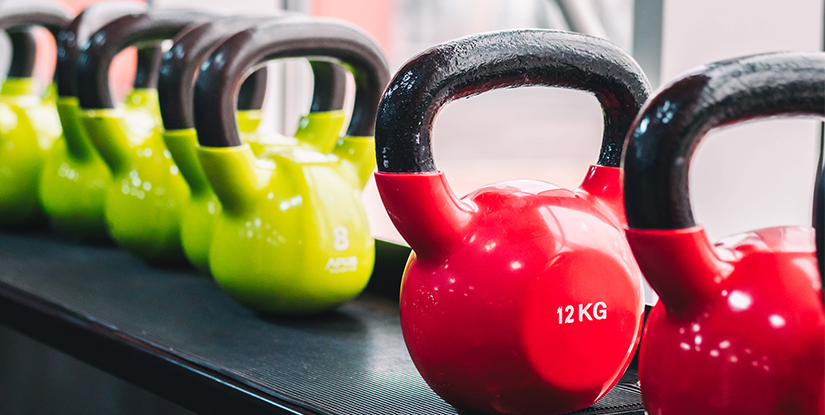
To optimize your gym equipment sourcing comparison, it is essential to analyze how manufacturing complexity translates into long-term value. A high-tier factory will utilize precision molds for competition-grade units to ensure the handle diameter and center of gravity remain consistent across all weight increments. This level of detail is a primary differentiator when calculating the total cost of ownership for professional training centers.
| Technical Attribute | Competition Grade Specification | Standard Cast Iron Specification |
|---|---|---|
| Manufacturing Process | High-precision precision casting and CNC machining | Traditional sand casting or standard iron casting |
| Surface Finish | Smooth, uniform powder coating or high-gloss finish | Natural textured iron or basic paint coating |
| Weight Consistency | Strict tolerance (typically +/- 1% or less) | Standard commercial tolerance (typically +/- 3% to 5%) |
| Handle Ergonomics | Uniform diameter for consistent grip transition | Variable texture and diameter profiles |
| Ideal Procurement Use | Elite training, sanctioned events, and premium studios | General strength training and high-volume commercial gyms |
For buyers looking to scale their product lines, the wholesale commercial kettlebells market offers different entry points. While competition models require higher initial investment due to complex manufacturing process requirements, they provide superior longevity and brand prestige for high-end facilities. Conversely, standard cast iron units offer a lower landed cost and faster turnover for high-traffic environments. We recommend requesting a detailed spec sheet and confirming the weight tolerance standards with your supplier before finalizing any bulk order or OEM agreement.
Effective gym equipment sourcing comparison requires a deep understanding of how manufacturing precision affects your final landed cost and inventory reliability. When managing bulk orders, the technical gap between a competition-grade unit and a standard cast iron model becomes a matter of operational efficiency and client satisfaction. High-performance facilities often require the absolute uniformity provided by specialized OEM production to maintain professional standards across all weight increments.
To mitigate the risk of receiving inconsistent batches, professional importers should prioritize a China factory that implements rigorous pre-shipment protocols. A reliable supplier will not only provide consistent weight distribution but also ensure that the coating adhesion and handle ergonomics meet international commercial standards. We suggest that distributors confirm the specific MOQ and request a sample evaluation to verify that the material density and surface finish align with your brand identity before proceeding with large-scale procurement.
Custom Branding and OEM/ODM Capabilities for Global Distributors
Distributors looking to scale their market presence must decide between high-volume stock items and specialized, branded offerings. When evaluating the competition kettlebell vs cast iron kettlebell landscape, the choice often dictates your long-term brand identity and market positioning. While standard cast iron models serve the mass market, high-end competition models offer a premium entry point for specialized training facilities.
For professional importers, utilizing OEM and ODM services allows for deeper differentiation in a crowded marketplace. Instead of selling generic units, you can offer products that feature your unique logo, specific colorways, or custom weight increments. This strategic approach transforms a simple commodity into a proprietary tool, significantly enhancing your distributor margin and building customer loyalty through perceived exclusivity.
Navigating wholesale commercial kettlebells procurement requires a clear understanding of how much control you want over the final product. A China factory can provide various levels of customization, from simple laser-etched logos on standard handles to full-scale mold development for specialized competition grips. Choosing the right level of custom branding ensures your inventory aligns with your specific target demographic, whether you are supplying budget-friendly commercial gyms or elite strength conditioning centers.
| Procurement Model | Customization Level | Primary Advantage | Inventory Strategy |
|---|---|---|---|
| Standard Wholesale | Low (Logo only) | Rapid fulfillment and low MOQ | High-turnover stock items |
| Private Label | Medium (Colors/Packaging) | Enhanced brand identity | Mid-tier premium positioning |
| Full ODM | High (Mold/Specs) | Maximum market differentiation | Exclusive product lines |
Selecting the appropriate competition kettlebell vs cast iron kettlebell specification via sourcing directly impacts your gym equipment sourcing comparison metrics. High-performance competition units require stricter tolerances and specialized coatings, whereas cast iron is optimized for durability and cost-efficiency. By leveraging wholesale manufacturing capabilities, you can balance these two distinct product tiers to cover both the budget and premium segments of your distribution network.
Successful gym equipment sourcing comparison requires analyzing how customization depth influences your landed cost and brand perception. A professional competition kettlebell vs cast iron kettlebell comparison is not merely about material weight, but about the technical capacity to implement your specific requirements at the factory level.
For high-tier distributors, the technical differentiation between these two product lines is critical for inventory planning. Competition-style units typically demand high-precision molds and specialized powder coating to ensure a smooth, consistent grip, whereas cast iron options focus on rugged durability and cost-effective mass production. Understanding these nuances allows a supplier to better align production with your target market's expectations, whether you are supplying high-performance training centers or high-volume commercial fitness chains.
| Feature Specification | Competition Grade (Premium) | Cast Iron Grade (Standard) |
|---|---|---|
| Surface Texture | Smooth, high-precision powder coating | Natural iron grain or textured finish |
| Logo Application | Laser engraving or precision casting | Standard relief casting or stencil paint |
| Color Customization | Wide range of vibrant, uniform colors | Typically black, dark grey, or raw iron |
| Weight Tolerance | Strict, high-precision standards | Standard commercial weight ranges |
| Primary Use Case | Professional sport and high-end studios | General commercial gym and strength training |
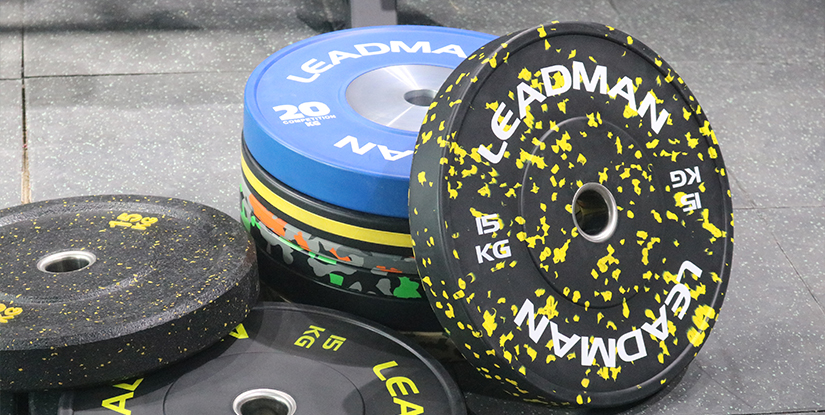
When managing a large-scale wholesale order, procurement officers should request a detailed specification sheet to confirm how color coating and handle texture will be executed. If your business model relies on custom branding, ensure that the China factory can maintain consistency across different weight increments. A well-executed OEM strategy—whether through custom colorways for competition units or specific branding for cast iron sets—will ultimately protect your margins and strengthen your position as a reliable equipment provider.
When managing a large-scale wholesale order, procurement officers should request a detailed specification sheet to confirm how color coating and handle texture will be executed. If your business model relies on custom branding, ensure that the China factory can maintain consistency across different weight increments. A well-executed OEM strategy—whether through custom colorways for competition units or specific branding for cast iron sets—will ultimately protect your margins and strengthen your position as a reliable equipment provider.
Logistics, Export Packaging, and Landed Cost Management
When managing large-scale procurement, the technical distinction between a competition kettlebell vs cast iron kettlebell extends far beyond the training floor into your logistics budget. For distributors and gym owners, understanding how material density affects shipping volume is critical for calculating the true landed cost of a bulk order. While both types are heavy, their physical dimensions vary significantly, directly impacting how many units fit into a standard 20ft or 40ft container.
Cast iron models typically feature a larger, more irregular circumference, which increases the overall shipping volume per unit. This larger footprint can lead to higher dimensional weight charges when shipping via air or LCL (Less than Container Load) services. In contrast, competition-grade units are designed with a standardized, compact diameter. This high density allows for more efficient stacking and tighter packing configurations. For a wholesale commercial kettlebells importer, choosing the more compact design can optimize container utilization, effectively reducing the freight cost per unit and improving your overall gym equipment sourcing comparison metrics.
Optimizing your sourcing strategy requires a clear view of these volumetric differences. A China factory capable of providing high-density, standardized competition models will help you minimize wasted space in export packaging, ensuring your MOQ requirements do not result in inefficient, high-cost shipments.
Container Optimization and Storage Density Comparison
To finalize your procurement decision, you must evaluate how each material type impacts your warehouse footprint and international freight efficiency. The following data highlights the technical differences in spatial requirements when managing bulk shipments from a China factory.
| Technical Metric | Competition Grade (Standardized) | Cast Iron (Traditional) |
|---|---|---|
| Diameter Consistency | High (Uniform across all weights) | Variable (Increases with weight) |
| Volumetric Weight Impact | Low (Optimized for dense packing) | Moderate to High (Irregular shapes) |
| Container Optimization | Superior (Higher units per 40HQ) | Standard (Lower density per m3) |
| Pallet Density | High (Stable, stackable profiles) | Lower (Requires more protective spacing) |
| Ideal Sourcing Use Case | High-end studios / Professional kits | General fitness / Budget-conscious gyms |
When conducting a gym equipment sourcing comparison, the competition kettlebell vs cast iron kettlebell debate often shifts from unit price to total logistics overhead. Competition-grade units offer a distinct advantage in container optimization due to their standardized, compact dimensions. This precision allows for tighter nesting and more efficient palletization, which is essential when trying to maximize the weight-to-volume ratio in a sea container. For a professional wholesale commercial kettlebells buyer, these small gains in volume efficiency translate into significant long-term savings on the landed cost of each shipment. We recommend requesting a detailed packing list and volumetric specifications from your supplier during the initial quote phase to ensure your shipping budget aligns with your actual inventory needs.
Export Packaging and Pre-Shipment Inspection Standards
Reliability in international procurement is determined by what happens after the production line. For a professional importer, the risk of receiving damaged or substandard goods from a China factory can jeopardize distributor margins and client trust. This is why rigorous export packaging and quality control protocols are non-negotiable components of the competition kettlebell vs cast iron kettlebell sourcing process. Whether you are ordering high-density competition models or traditional cast iron units, the packaging must withstand the rigors of sea freight and multiple handling stages.
Standardized export-grade packaging typically involves heavy-duty corrugated boxes, reinforced corner protectors, and industrial-strength palletization to prevent shifting during transit. For high-end competition-grade orders, precise dimensions allow for even more stable stacking, reducing the likelihood of weight-induced crushing. We advise all B2B buyers to mandate a strict factory QC process that includes weight verification, diameter tolerance checks, and surface finish inspections before the shipment is sealed. By confirming these pre-shipment inspection details and securing a detailed packing list, you can effectively mitigate the risks of receiving non-compliant inventory and ensure your wholesale commercial kettlebells arrive ready for immediate commercial distribution.
Strategic Sourcing: Finalizing Your Bulk Order
Deciding between a competition kettlebell vs cast iron kettlebell depends entirely on your target market's specific usage requirements and your long-term inventory ROI. For high-end strength conditioning facilities, the precision of competition models is essential, whereas traditional cast iron remains the standard for high-volume general fitness environments due to its cost-efficiency.
Navigating the gym equipment sourcing comparison requires more than just looking at unit prices; professional buyers must account for the total landed cost, including shipping volume and durability. When you engage in wholesale commercial kettlebells procurement, the technical specifications of the material directly impact your replacement cycles and distributor margins. A mistake in material selection can lead to higher maintenance costs or rapid inventory turnover in high-traffic commercial settings.
To ensure a seamless commercial gym procurement process, we recommend establishing clear parameters for your next shipment. Whether you require OEM customization for brand identity or standard stock units, working directly with a China factory allows for better control over quality and cost. Before finalizing your purchase, please contact our team to request a detailed spec sheet, confirm the MOQ for your specific weight ranges, and discuss the current lead time for international export.
Technical Comparison: Material and Manufacturing Standards
To assist in your procurement decision, the following table outlines the technical deviations between these two standard industry formats. Understanding these nuances is critical for optimizing your inventory based on intended gym environments.
| Technical Feature | Competition Model | Cast Iron Model |
|---|---|---|
| Weight Tolerance | High precision (typically +/- 1%) | Standard commercial tolerance |
| Surface Finish | Smooth, uniform, and ergonomic | Textured or powder-coated finish |
| Durability Profile | High impact resistance for precision use | High durability for rugged environments |
| Primary Use Case | Strength competitions and training | General commercial gym use |
| Cost-Efficiency | Premium pricing per unit | High volume, low cost-per-unit |
When evaluating the competition kettlebell vs cast iron kettlebell, consider the long-term maintenance load of your facility. Competition units offer superior handling for professional athletes but require higher initial capital expenditure. Conversely, cast iron units provide a robust, low-maintenance solution for high-traffic commercial settings where budget-friendly durability is the priority. For large-scale distributors, balancing these two options in a single shipment can maximize market reach and optimize the landed cost of your inventory.
Supply Chain Optimization: Customization and Logistics
Effective procurement involves more than selecting a weight; it requires a deep understanding of how OEM and ODM capabilities can enhance your brand identity. A professional supplier can offer custom branding solutions, such as laser-etched logos or specific powder-coat colors, to help you differentiate your product line in a competitive market. This level of customization ensures that your inventory meets the exact aesthetic and functional standards of your target clientele.
To mitigate risks during the import process, we implement rigorous QC protocols and specialized export packaging. For bulk shipments, ensuring that each unit is secured within reinforced cartons and optimized for container loading is essential to reducing transit damage and minimizing the landed cost. We provide comprehensive documentation and support for shipping logistics, helping you manage the transition from our factory to your warehouse with maximum efficiency. To move forward, please reach out to request a formal quote, discuss your specific MOQ requirements, or schedule a factory audit to verify our production standards.