Fitness Equipment Factory Audit Checklist: OEM Contract
The Strategic Value of a Fitness Equipment Factory Audit Checklist
For a global distributor managing high-volume inventory or a large-scale gym chain planning a multi-location rollout, the cost of a single substandard shipment can be catastrophic. Relying on a generic fitness equipment factory audit checklist ensures that your China factory sourcing strategy moves beyond mere price competition and focuses on long-term stability. By implementing a rigorous fitness equipment factory audit checklist, professional buyers can effectively bridge the gap between initial procurement and sustainable operational success.
The primary objective of a professional fitness equipment factory audit checklist is to protect your TCO (Total Cost of Ownership). While a low initial unit price from a supplier may look attractive on a balance sheet, it often masks hidden expenses related to frequent repairs, premature component failure, and high maintenance labor. Comprehensive OEM manufacturing standards allow you to identify these risks before the wholesale order is finalized, ensuring that your commercial gym equipment sourcing efforts result in high-durability assets rather than constant liabilities.
Effective risk mitigation through a systematic fitness equipment factory audit checklist addresses the volatility of international logistics and manufacturing consistency. Without these protocols, a factory may struggle to maintain quality consistency across different production batches, leading to mismatched finishes or structural variances in a single container. By validating OEM manufacturing standards and production capacity upfront, importers can stabilize their long-term operational costs and protect their brand reputation in the domestic market.
Protecting Profit Margins via Production Stability
A critical component of a professional fitness equipment factory audit checklist is evaluating the manufacturer's ability to manage production stability and scale. For distributors, the risk is not just a single defective unit, but a failure in the production pipeline that disrupts the entire supply chain. A reliable China factory must demonstrate that it can maintain consistent output even when orders scale from small MOQ levels to high-volume wholesale shipments. This stability ensures that your lead time remains predictable, preventing the costly downtime associated with empty showroom floors or delayed gym openings.
Furthermore, a rigorous audit clarifies the nuances of commercial gym equipment sourcing regarding total landed cost. Beyond the FOB price, you must account for how manufacturing efficiency impacts container loading density and shipping volumes. An experienced supplier with optimized OEM packaging protocols helps reduce the volumetric weight of each shipment, directly lowering your freight expenses. By verifying these logistical capabilities through a fitness equipment factory audit checklist, you ensure that your ODM or private label products arrive on schedule and within budget, maximizing your long-term ROI.
Financial Impact: Audited vs. Unverified Sourcing
Understanding the true cost of procurement requires looking beyond the initial invoice. A professional fitness equipment factory audit checklist provides a quantitative advantage by identifying variables that impact your long-term margins. When distributors bypass these checks to save on upfront costs, they often encounter much higher expenses in the form of replacement parts, shipping delays, and diminished brand trust. The following table compares the typical financial outcomes of sourcing via a verified supplier versus an unverified source.
| Evaluation Metric | Audited Factory Sourcing | Unverified Supplier |
|---|---|---|
| Initial Unit Cost | Transparent, market-aligned pricing | Often deceptively low |
| Quality Consistency | High; meets established OEM manufacturing standards | Variable; high risk of batch discrepancies |
| Total Cost of Ownership | Low; predictable maintenance and longevity | High; unexpected repair and replacement costs |
| Logistical Reliability | Optimized for container loading and export efficiency | High risk of shipping errors or volume mismatches |
| Scalability Potential | Stable; capable of meeting increased wholesale demand | Unpredictable; prone to production bottlenecks |
For professional importers, the goal is to move from reactive purchasing to proactive asset management. By prioritizing a fitness equipment factory audit checklist, you transition from chasing the lowest price to securing the best value. This strategic shift ensures that your commercial gym equipment sourcing provides a stable foundation for your business, allowing you to focus on market expansion rather than troubleshooting manufacturing defects.
Evaluating OEM Manufacturing Standards and Technical Compliance
A professional fitness equipment factory audit checklist must prioritize technical validation to protect your long-term ROI. For distributors and large-scale importers, the cost of a single structural failure far outweighs the initial savings of a low-cost supplier. When conducting commercial gym equipment sourcing, technical audits must verify that the China factory maintains rigorous engineering standards to prevent high maintenance loads and liability claims.
Failure to verify OEM manufacturing standards often results in high TCO (Total Cost of Ownership) due to premature component fatigue. A thorough fitness equipment factory audit checklist should mandate inspections of structural integrity through high-stress testing, ensuring every unit can withstand heavy commercial usage cycles without deformation.
Technical Verification Parameters
During the sourcing process, procurement leads should demand specific documentation regarding material grades and fabrication precision. Verifying metal thickness and welding quality is non-negotiable for heavy-duty strength training stations. High-quality China factory production must demonstrate consistent safety compliance to meet international commercial certifications, ensuring that the equipment remains stable under peak mechanical load.
| Procurement Factor | Standard Commercial Grade | Budget/Entry-Level Tier |
|---|---|---|
| Structural Integrity | Reinforced high-gauge steel | Thin-walled lightweight steel |
| Welding Specification | Full penetration/Continuous welds | Spot welding/Partial seams |
| Maintenance Load | Low (High durability components) | High (Frequent part replacement) |
| Long-term Liability | Minimized through rigorous QC | Increased risk of fatigue failure |
| Technical Parameter | Inspection Specification | Commercial Requirement |
|---|---|---|
| Material Grade | High-tensile carbon steel or stainless steel | Consistent gauge thickness across all SKUs |
| Welding Inspection | Full penetration continuous bead | No porosity or slag inclusions |
| Coating Thickness | Electrostatic powder coating (micron depth) | Scratch and oxidation resistance |
| Tolerance Control | Precision machining of pivot points | Strict mechanical alignment limits |
| Load Testing | Dynamic and static weight capacity verification | Compliance with commercial durability benchmarks |
Implementing a rigorous fitness equipment factory audit checklist at the technical level ensures that your bulk orders meet the high-performance expectations of professional gym environments. For a supplier to be considered a top-tier partner, they must demonstrate the ability to control tolerances and coating consistency across large-scale production runs. This precision reduces the landed cost of maintenance and protects your brand identity when offering high-end equipment to your clients. Before finalizing a wholesale contract, always request a detailed specification sheet and, if possible, a sample approval to confirm that the factory-direct output aligns with your specific OEM manufacturing standards.
Linking Engineering Compliance to Total Cost of Ownership
A precise fitness equipment factory audit checklist must look beyond mere assembly to the long-term economic impact of technical compliance. For distributors, the true value of a supplier is measured by the reduction in replacement parts and the stability of the landed cost over several years. High-quality commercial gym equipment sourcing requires a deep dive into how mechanical tolerances affect maintenance frequency and the overall durability of the unit in high-traffic environments.
When evaluating OEM manufacturing standards, procurement professionals must calculate the total cost of ownership (TCO). A unit that lacks structural precision may offer a lower initial wholesale price, but it will inevitably drive up operational expenses through frequent downtime and component failure. A reliable China factory will provide transparent data on material strength and mechanical wear rates, ensuring that your bulk order supports high ROI and long-term supply chain stability rather than becoming a liability for your end-users.
Critical Inspection Points for China Factory Production Lines
A rigorous fitness equipment factory audit checklist must prioritize real-time production line monitoring to mitigate the risk of batch defects. For professional importers, relying solely on final inspections is a high-risk strategy that can jeopardize distributor margins and increase landed costs due to unexpected returns.
When managing commercial gym equipment sourcing, oversight should extend to the raw material stage and the assembly process. Implementing strict quality control (QC) standards during active fabrication ensures that every unit meets the structural requirements of high-traffic environments. Without consistent production line monitoring, subtle deviations in welding integrity or coating thickness can lead to systemic failures across an entire wholesale shipment.
Evaluating a China factory requires more than just reviewing static certificates; it demands a verification of their OEM execution capabilities. A reliable supplier will welcome detailed protocols regarding component testing and mechanical tolerance checks to ensure that the final factory output aligns perfectly with your brand's technical specifications.
Technical Inspection Matrix for On-Site and Remote Audits
To maintain high standards during bulk procurement, use the following structured inspection table. This matrix focuses on the critical technical variables that impact the total cost of ownership and long-term maintenance loads for your clients. A thorough fitness equipment factory audit checklist should be applied to every production batch to ensure that OEM manufacturing standards are met without deviation.
| Inspection Category | Primary Technical Focus | Critical QC Verification Metric | B2B Sourcing Implication |
|---|---|---|---|
| Welding Integrity | Joint penetration and bead consistency | Absence of porosity or slag inclusions in structural joints | Reduces long-term structural failure risks |
| Surface Coating | Powder coating adhesion and thickness | Uniformity of micron levels and resistance to chipping | Protects aesthetic value and prevents corrosion |
| Component Fit | Mechanical tolerance and alignment | Smooth movement of bearings and precise bolt threading | Minimizes maintenance frequency and downtime |
| Material Testing | Steel gauge and density compliance | Validation of tube thickness against technical drawings | Ensures weight capacity and durability compliance |
| Batch Consistency | Standardization across production runs | Identical finish and component specifications per unit | Protects brand identity and distributor reputation |
Utilizing this fitness equipment factory audit checklist during your next procurement cycle helps prevent the common pitfalls of high-volume importing. Whether you are conducting an on-site visit or a remote inspection via a third-party agent, verifying these specific metrics ensures that your wholesale orders arrive with the precision required for premium commercial installation. We recommend requesting a detailed specification sheet and a sample approval protocol before finalizing any large-scale sourcing agreement to confirm all technical tolerances align with your market requirements.
Linking QC Rigor to Supply Chain Stability
Effective commercial gym equipment sourcing extends beyond the assembly line; it is a direct lever for controlling your landed cost and logistical reliability. A failure in the QC process does not merely result in a single defective unit; it creates a domino effect of increased shipping delays, higher replacement costs, and disrupted lead time schedules. For distributors managing high-volume inventory, a single substandard batch can erode an entire season of profit margins.
A professional fitness equipment factory audit checklist must therefore bridge the gap between technical verification and commercial outcomes. By verifying production readiness and component compatibility before the final container loading, you secure predictable lead time performance. This level of oversight ensures that bulk orders are not only structurally sound but also ready for immediate export, preventing costly warehouse bottlenecks and ensuring your clients receive reliable, high-performance equipment on schedule.
Optimizing Lead Times and MOQ for Large-Scale Procurement
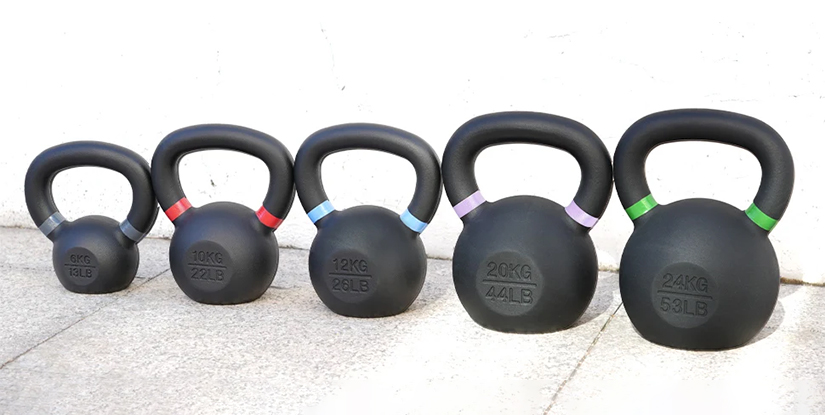
A professional fitness equipment factory audit checklist must prioritize the relationship between production capacity and procurement stability. For distributors and large-scale importers, understanding how a China factory manages MOQ and lead time is critical to maintaining a consistent supply chain and protecting distributor margins.
Unpredictable production schedules or rigid MOQ requirements can disrupt commercial gym equipment sourcing strategies, leading to stockouts or excessive warehousing costs. When managing wholesale orders, you must verify that the supplier possesses the production capacity to scale alongside your business growth without compromising delivery windows.
| Sourcing Model | Typical MOQ | Lead Time Impact | Primary Advantage |
|---|---|---|---|
| Standard Stock Items | Low | Short | Immediate replenishment |
| OEM Customization | High | Extended | Unique brand identity |
| ODM Development | Very High | Long-term | Full product differentiation |
To ensure seamless commercial gym equipment sourcing, request a detailed production timeline and confirm the MOQ for both standard and custom-branded units during your initial factory inquiry. This transparency allows for better inventory planning and more accurate landed cost projections.
Evaluating Production Models and Total Landed Cost
Deciding between purchasing ready-to-ship inventory or initiating a full OEM manufacturing standards workflow directly affects your capital efficiency. While stock models offer rapid turnaround, they lack the differentiation required for premium market positioning. Conversely, dedicated production cycles allow for precise custom branding, ensuring your product line aligns with your specific brand identity and market niche.
When calculating your budget, do not focus solely on the unit price; you must account for the total landed cost, which includes freight, duties, and the potential cost of extended lead time. A well-structured fitness equipment factory audit checklist helps you identify whether a factory can offer tiered MOQ options that balance low upfront risk with long-term scalability. Before finalizing any contract, request a comprehensive breakdown of production cycles and shipping schedules to mitigate the risk of delayed market entry.
Verifying Lead Time Reliability and Supply Chain Resilience
A critical component of a robust fitness equipment factory audit checklist involves auditing the manufacturer's logistics and QC integration. For high-volume distributors, a delay in one production line can cause a massive ripple effect throughout the entire supply chain. You must verify how the factory handles material shortages and whether they maintain a buffer of raw components to protect your delivery windows.
During the audit, observe the coordination between the production floor and the logistics department. A reliable supplier should demonstrate a systematic approach to managing bulk orders, including real-time tracking of production milestones and pre-arranged export packaging protocols. This level of operational maturity ensures that your factory-direct procurement remains predictable, reducing the risk of unexpected capital tie-ups or missed seasonal launch windows.
Custom Branding and Private Label Development Capabilities
Establishing a distinct market presence requires more than just standard inventory; it requires a strategic fitness equipment factory audit checklist to verify a partner's ability to execute complex OEM and ODM requests. For distributors and large-scale importers, the goal is to move beyond generic products toward a specialized private label strategy that strengthens your brand identity and provides true differentiation in a crowded market.
When conducting commercial gym equipment sourcing, you must evaluate if a China factory can handle custom colorways, logo placement, and specialized component integration. A high-tier supplier does not just manufacture existing designs; they provide the technical infrastructure to support your unique specifications, ensuring your wholesale orders align with your premium brand positioning and long-term market goals.
Technical Verification for Customization and Branding
A professional fitness equipment factory audit checklist must include a deep dive into the technical precision of branding execution. Relying on a standard manufacturer is a risk if they cannot guarantee consistency across high-volume orders. To protect your margins and brand reputation, you must audit the factory's ability to manage high-level OEM manufacturing standards, specifically regarding the durability of custom finishes and the precision of technical components.
Evaluate the following technical capacities to ensure your commercial gym equipment sourcing results in high-end, market-ready products:
| Audit Dimension | Technical Requirement | B2B Sourcing Impact |
|---|---|---|
| Branding Precision | Laser etching, silk screening, or high-durability UV printing for logo application | Ensures brand identity remains intact under heavy commercial usage |
| Color Consistency | Pantone matching and powder coating thickness verification | Prevents visual discrepancies across different bulk shipments |
| Engineering Control | Ability to execute complex technical drawings and prototyping | Reduces error rates during the transition from design to mass production |
| Customization Flexibility | Integration of custom components or specialized parts | Allows for unique product differentiation in your local market |
Beyond aesthetics, confirm the manufacturer's protocols for prototyping and technical documentation. A reliable factory should provide detailed specification sheets and undergo rigorous quality control testing on every custom component before it reaches the assembly line. This level of oversight is essential for managing the total cost of ownership and minimizing replacement needs for your end customers. Before finalizing a contract, request a sample approval process that includes a physical test of the custom logo's resistance to abrasion and chemical cleaners.
Comparing Procurement Models: Stock vs. OEM vs. ODM
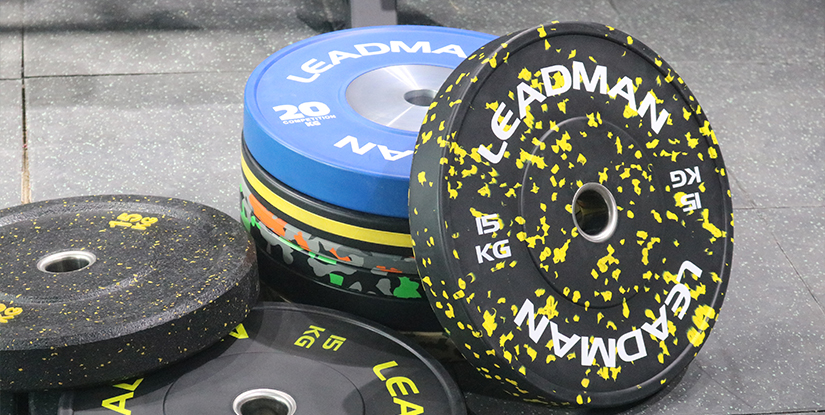
Navigating the complexities of commercial gym equipment sourcing requires a clear understanding of how different manufacturing models impact your capital expenditure and market positioning. Choosing between immediate stock availability and long-term custom development is a fundamental decision in your fitness equipment factory audit checklist. While stock orders offer speed, full customization through an experienced China factory allows for the creation of proprietary product lines that drive higher distributor margins and long-term brand loyalty.
Use the following comparison to determine which model best aligns with your current inventory needs and strategic growth objectives:
| Feature | Standard Stock Order | OEM (Original Equipment Manufacturer) | ODM (Original Design Manufacturer) |
|---|---|---|---|
| Customization Level | Minimal (Logo/Color only) | High (Based on your technical specs) | Full (From concept to final product) |
| Typical MOQ | Low (Standard container/pallet) | Moderate to High | High (Requires R&D investment) |
| Lead Time | Short (Ready-to-ship) | Medium (Production cycle dependent) | Long (Design, prototype, and production) |
| Branding Control | Basic (Standardized identity) | Advanced (Customized brand identity) | Total (Unique product differentiation) |
| Cost Impact | Lowest (Standardized pricing) | Moderate (Customized components) | Highest (Investment in engineering) |
| Market Positioning | General Commercial Use | Specialized/Premium Tier | Proprietary/Exclusive Line |
When evaluating OEM manufacturing standards, remember that higher levels of customization demand more rigorous oversight. For example, an ODM project requires a deeper audit of the manufacturer's engineering department and prototyping capabilities to mitigate risks in the design phase. Whether you prioritize the rapid replenishment of a standard catalog or the development of a unique product line, ensure your contract explicitly defines the requirements for technical documentation, sample approval, and pre-shipment inspection to protect your landed cost and product quality.
Export Packaging and Container Loading Efficiency
A critical component of any professional fitness equipment factory audit checklist involves evaluating how a factory manages volumetric weight and container density. For distributors managing bulk orders, the way a China factory optimizes its export packaging directly dictates the final landed cost of the shipment. Inefficient loading patterns or oversized packaging can lead to significant wasted space, effectively increasing the freight cost per unit and eroding your profit margins.
When sourcing heavy commercial-grade units, the interplay between container utilization and product dimensions is vital. A high-tier supplier will provide detailed packing lists that account for both weight limits and volume constraints to ensure wholesale shipments are as cost-effective as possible. If the volumetric weight is not strictly controlled through nested designs or optimized stacking, your shipping costs will escalate, regardless of the initial unit price.
To mitigate these risks, professional buyers should verify OEM manufacturing standards regarding palletization and crate dimensions during the commercial gym equipment sourcing process. Ensuring the factory utilizes standardized export-grade materials and precise loading software will safeguard your landed cost and ensure the integrity of your bulk orders during long-distance maritime transit.
Packaging and Loading Optimization Standards
To minimize the total landed cost, a professional fitness equipment factory audit checklist must include a technical inspection of the physical protection layers and the mathematical efficiency of the loading plan. High-quality commercial units require more than just standard cardboard; they demand specialized packaging that survives the rigors of maritime transit and multiple handling points at international ports.
During your audit, evaluate the following technical criteria to ensure the OEM manufacturing standards align with your logistical requirements for heavy-duty equipment. A capable China factory should demonstrate mastery over both protective layering and volume-to-weight ratios.
| Audit Criterion | Technical Requirement for commercial gym equipment sourcing | Impact on landed cost & Efficiency |
|---|---|---|
| Protective Layering | Multi-layer corrugated fiberboard, EPE foam, and moisture-resistant film | Reduces damage claims and replacement costs during transit |
| Palletization Standards | Heat-treated (ISPM 15) pallets with reinforced corner protectors | Ensures stability for forklift handling and prevents stack collapse |
| Container Volume Optimization | Nesting capability for frames and optimized stacking of heavy components | Maximizes sea freight efficiency by reducing wasted cubic meters |
| Loading Documentation | Detailed packing lists specifying exact dimensions and volumetric weight | Facilitates accurate freight forwarding and customs clearance |
Failure to verify these standards often results in "air shipping," where you pay for empty space within a container. By insisting on precise palletization and optimized container loading, you ensure that every cubic meter of your wholesale shipment is utilized, protecting your distributor margins and ensuring a predictable supply chain.
The ultimate goal of a rigorous fitness equipment factory audit checklist is to protect your bottom line from the hidden expenses of poor logistics. Beyond the initial purchase price, the true cost of a shipment is determined by how effectively the factory manages damage prevention and volumetric efficiency. For a professional supplier, high-quality packaging is not just a protective measure; it is a strategic tool to reduce replacement costs and safeguard the distributor margin across global supply chains.
When evaluating commercial gym equipment sourcing, you must look beyond the machine's specs to the durability of its transit protection. Inadequate protection leads to high damage rates, which directly increases the total landed cost through expensive returns, freight for replacement parts, and lost time. A reliable China factory will treat packaging as a core part of their OEM manufacturing standards, ensuring that heavy-duty frames and delicate electronic components arrive in perfect condition, thereby maintaining your shipping reliability and operational lead time.
Finalizing Your Sourcing Strategy and Next Steps
A successful fitness equipment factory audit checklist serves as more than a technical verification; it is the foundation of your commercial agreement. For professional importers, the transition from field inspection to contract signing determines the long-term viability of your commercial gym equipment sourcing strategy. The data gathered during the audit directly influences the final terms regarding OEM manufacturing standards, ensuring that the factory can consistently meet your brand's quality benchmarks.
Beyond technical specifications, the audit results dictate the economic framework of your partnership. A transparent fitness equipment factory audit checklist allows you to negotiate more effectively on variables such as the distributor margin and the total landed cost. By verifying production capacity and material grades upfront, you mitigate the risk of unexpected expenses during the procurement decision phase, such as high defect rates or shipping delays. This systematic approach ensures that your wholesale orders remain profitable and that your China factory partner is fully aligned with your distribution requirements.
Strategic Comparison of Sourcing Models
Before finalizing your purchase order, you must evaluate which procurement model best aligns with your current inventory goals and capital availability. Choosing between direct manufacturing and third-party entities involves balancing control over product specifications against the flexibility of order volume. The following comparison outlines how different sourcing structures impact your operational efficiency and final pricing.
| Sourcing Model | Primary Focus | Typical MOQ | Lead Time | Logistics Control | Best For |
|---|---|---|---|---|---|
| Factory-Direct (OEM/ODM) | Customization & Brand Identity | Higher | Longer (Production + Transit) | High (Direct Container Loading) | Large-scale distributors and brand owners |
| Stock Wholesale | Rapid Replenishment | Lower | Short (Ready-to-Ship) | Moderate (Standardized Shipping) | Studio operators and regional retailers |
| Trading Company | SKU Variety & Small Batches | Very Low | Variable | Low (Consolidated Shipping) | Small gyms and boutique fitness startups |
When utilizing a fitness equipment factory audit checklist, your goal is to determine which model offers the best ROI for your specific market. While a factory provides the highest margins through direct control, it requires a more rigorous vetting process to ensure OEM manufacturing standards are met. Conversely, purchasing existing stock through a supplier reduces the immediate lead time but offers less room for private label differentiation. Ultimately, your choice should be driven by whether your priority is building a unique brand identity or maintaining a high-turnover, low-risk inventory of standard commercial gym equipment sourcing assets.
Actionable Next Steps for Procurement Professionals
Once the audit is complete, move immediately toward formalizing the relationship through a structured procurement protocol. Do not rely on verbal agreements; ensure every technical requirement identified in your fitness equipment factory audit checklist is explicitly documented in the final purchase agreement. This includes clearly defined QC protocols, specific material tolerances, and exact packaging requirements to prevent transit damage during long-haul export. A well-defined contract protects your investment and ensures the factory delivers consistent quality across all future bulk orders.
To finalize your strategy, request a formal proforma invoice that clearly outlines the shipping terms, such as FOB or CIF, to calculate your true landed cost accurately. Confirm the final MOQ and lead time for your specific product configurations to prevent inventory gaps in your distribution network. Whether you are pursuing high-margin OEM customization or rapid replenishment of standard units, professionalizing these final steps—from sample approval to pre-shipment inspection scheduling—is the most effective way to secure a reliable, long-term supply chain for your commercial fitness business.