How to Import Kettlebells to USA from China: Export Ready
Understanding the Logistics of How to Import Kettlebells to USA from China
Successfully navigating how to import kettlebells to USA from China requires a professional approach to three critical pillars: risk mitigation, technical specification alignment, and complex freight management. For distributors and gym owners, the process begins with selecting a reliable commercial kettlebell manufacturer capable of meeting North American weight tolerances and durability standards. Beyond the factory floor, buyers must account for the nuances of international shipping, ensuring that the heavy, dense nature of the product does not lead to unexpected surcharges or damage during transit.
Managing the landed cost is often the most significant challenge for procurement leads. This figure encompasses much more than the initial wholesale price paid to the factory; it includes ocean freight, port handling fees, customs duties, and domestic trucking. Without a clear understanding of these variables, a high-margin opportunity can quickly turn into a logistical liability. Professional importers often utilize a specialized freight forwarding partner to consolidate shipments and optimize container utilization, which is essential when moving high-density steel or cast iron equipment.
Effective China fitness equipment export strategies prioritize transparency in the supply chain to avoid delays at the port of entry. A professional supplier will provide detailed packing lists and weight dimensions early in the sourcing process to allow for accurate customs documentation. By accounting for these logistical complexities upfront, commercial buyers can maintain predictable inventory levels and protect their profit margins against fluctuating shipping rates and regulatory requirements.
Evaluating Shipping Modes for TCO Optimization
When calculating the total cost of ownership for high-density iron products, the choice between air and sea transport dictates your final distributor margin. Because kettlebells are characterized by high weight and relatively low volume, the shipping mode significantly impacts the final landed cost. For large-scale gym fit-outs or restocking a distribution center, sea freight remains the industry standard due to its superior cost-efficiency for heavy, dense loads. Conversely, air transport is typically reserved for small-batch wholesale kettlebells USA orders where extreme speed is required to fill a specific inventory gap, despite the much higher freight premium.
To assist in your procurement planning, the following table compares the primary shipping methods used in how to import kettlebells to USA from China. This comparison focuses on the logistical trade-offs between speed, cost, and capacity.
| Shipping Mode | Typical Lead Time | Cost Impact | Best Use Case | Logistical Profile |
|---|---|---|---|---|
| Sea Freight (LCL/FCL) | 30–45 Days | Lowest | Bulk replenishment and large scale distributor orders | High weight capacity; optimized for high-density steel |
| Air Freight | 5–10 Days | Highest | Urgent sample approvals or small specialty SKU restocking | Sensitive to weight-to-volume ratios; high cost per kg |
| Express Courier | 3–7 Days | Extreme | Single unit testing or prototype evaluation | Best for small quantities and rapid prototyping |
For most professional buyers, a hybrid approach works best: utilizing sea freight for the primary wholesale replenishment of core weight sets, while using air freight only for time-sensitive OEM custom color or handle prototypes. When finalizing your sourcing plan, always request the gross weight and CBM (cubic meter) specifications from your factory to ensure your logistics partner can provide an accurate quote for container loading and port-to-warehouse transit.
Ensuring Integrity Through Export Packaging and QC
The density of iron and steel products presents a unique risk profile during transoceanic transit. If a commercial kettlebell manufacturer fails to implement rigorous export packaging protocols, your shipment may arrive with surface oxidation, dented handles, or chipped coatings. For a high-volume distributor, even a 2% damage rate can erode annual profit margins. This is why specialized damage prevention is a non-negotiable requirement during the sourcing phase.
To mitigate these risks, a professional China factory must utilize heavy-duty palletization and reinforced outer cartons. Standard industry practice for how to import kettlebells to USA from China involves securing individual units in protective foam or shrink wrap before placing them into double-walled corrugated boxes. These boxes are then organized onto heat-treated pallets and tightly strapped to prevent shifting within the shipping container. This level of shipping safety ensures that the weight of the product does not lead to structural failure or surface damage during ocean swells or port handling.
Beyond physical protection, a strict pre-shipment QC (Quality Control) process is essential to verify that every unit meets the agreed-upon weight tolerances and finish specifications. We recommend that buyers schedule a third-party inspection or request a detailed pre-shipment report to confirm that the export packaging and container loading density align with your logistics provider's requirements. By prioritizing these technical details, you protect your landed cost and ensure that your inventory arrives in showroom-ready condition.
Comparing Sourcing Models: Factory-Direct vs. Trading Companies
Understanding the nuances of how to import kettlebells to USA from China requires a clear distinction between working with a factory and engaging with a trading company. For high-volume distributors, the choice directly impacts the landed cost and the ability to maintain commercial-grade quality across large batches.
When importers prioritize supply chain transparency, they often look toward a factory-direct model. While trading companies may offer a broader product catalog, a dedicated commercial kettlebell manufacturer provides tighter control over material specifications and production timelines. This distinction is vital for managing wholesale kettlebells USA orders where weight tolerances and coating durability are non-negotiable for commercial gym environments.
| Procurement Factor | Factory-Direct Manufacturer | Trading Company / Agent |
|---|---|---|
| Primary Focus | Specialized production and OEM | Broad product variety |
| Landed Cost | Lower; direct from China factory | Higher due to intermediary margins |
| Quality Control | Direct oversight of QC and materials | Dependent on third-party inspection |
| MOQ Requirements | Strictly tied to production capacity | Often more flexible for smaller batches |
| Custom Branding | High capability for private label | Limited to existing stock options |
Selecting the right supplier involves balancing the need for low MOQ against the long-term stability of your China fitness equipment export strategy. A direct sourcing relationship allows for deeper integration of ODM requests, ensuring your branded equipment meets specific North American commercial standards without the added layers of middleman costs.
To optimize your procurement strategy, professional buyers must evaluate whether their business model favors rapid stock replenishment or deep brand integration. A direct partnership with a commercial kettlebell manufacturer typically offers the highest level of control over technical specifications, whereas third-party agents may simplify logistics for smaller-scale distributors. For those mastering how to import kettlebells to USA from China, the decision often hinges on whether the priority is immediate availability or long-term brand identity through OEM or ODM solutions.
When calculating your total landed cost, consider that while a factory might impose a higher MOQ, the reduction in per-unit pricing and the ability to implement rigorous QC protocols often yield a better return on investment for large-scale distributors. Before finalizing any wholesale agreement, we recommend requesting a detailed technical spec sheet and confirming the specific lead time for your desired weight configurations to ensure your supply chain remains uninterrupted.
To optimize your procurement strategy, professional buyers must evaluate whether their business model favors rapid stock replenishment or deep brand integration. A direct partnership with a commercial kettlebell manufacturer typically offers the highest level of control over technical specifications, whereas third-party agents may simplify logistics for smaller-scale distributors. For those mastering how to import kettlebells to USA from China, the decision often hinges on whether the priority is immediate availability or long-term brand identity through OEM or ODM solutions.
When calculating your total landed cost, consider that while a factory might impose a higher MOQ, the reduction in per-unit pricing and the ability to implement rigorous QC protocols often yield a better return on investment for large-scale distributors. Before finalizing any wholesale agreement, we recommend requesting a detailed technical spec sheet and confirming the specific lead time for your desired weight configurations to ensure your supply chain remains uninterrupted.
Optimizing Product Selection for Commercial Durability and ROI
Understanding how to import kettlebells to USA from China requires a shift from viewing weight as a simple commodity to evaluating it as a long-term capital asset. For distributors and gym owners, the initial purchase price is only one component of the TCO (Total Cost of Ownership). High-quality material selection directly dictates replacement cycles and operational efficiency in high-traffic environments.
Selecting a professional commercial kettlebell manufacturer ensures that your inventory can withstand rigorous daily use without premature degradation. When sourcing wholesale kettlebells USA buyers often overlook the impact of coating quality and handle ergonomics on maintenance costs. A factory that prioritizes high-grade cast iron or premium urethane coatings helps minimize the frequency of equipment replacement, protecting your profit margins over time.
Material Comparison for High-Intensity Commercial Settings
To maximize your return on investment, you must align material specifications with your specific facility usage. A professional China fitness equipment export specialist will typically offer various coating options that differ significantly in impact resistance and long-term maintenance requirements. Choosing the wrong specification can lead to chipped surfaces or rusted handles, increasing your operational overhead.
| Material Type | Surface Coating & Texture | Impact Resistance | Best Commercial Application |
|---|---|---|---|
| Cast Iron | Painted or Powder Coated | High (Standard for heavy use) | Traditional strength training and functional fitness zones |
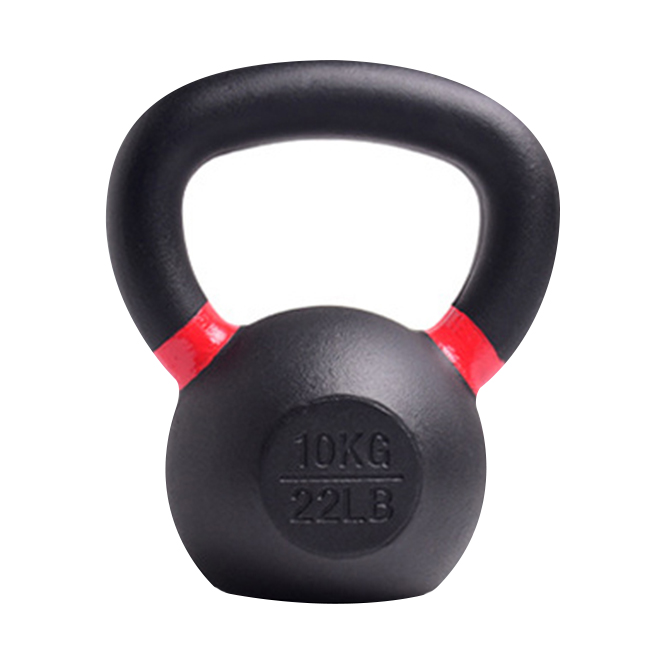
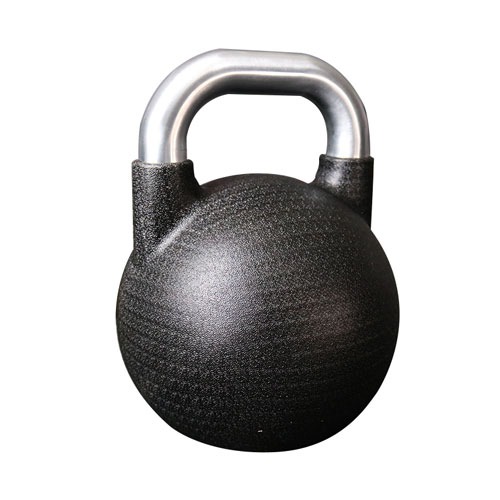
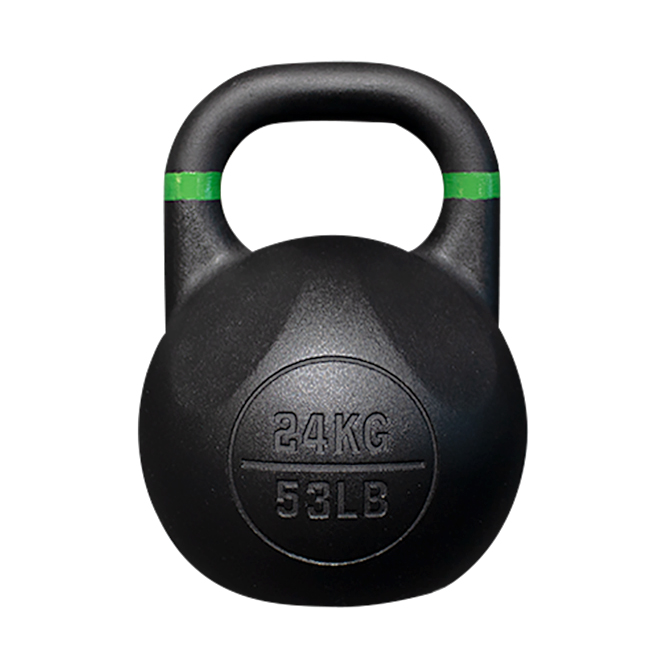
| Competition/Urethane | Smooth Polyurethane Skin | Extreme (Protects flooring/weights) | Premium studios and high-traffic boutique fitness centers |
| Vinyl/Neoprene | Soft Synthetic Layer | Moderate (Prone to tearing) | Lightweight training or wellness-focused studios |
When calculating your landed cost, consider that while urethane-coated units may have a higher initial MOQ or unit price, their durability often results in a lower TCO in high-end environments. We recommend requesting a sample or a detailed specification sheet from your supplier to verify the thickness of the coating and the precision of the weight tolerances before finalizing a bulk order.
Critical Quality Control Standards for Bulk Sourcing
The difference between a low-margin retail product and a professional asset lies in the precision of the manufacturing process. When you evaluate how to import kettlebells to USA from China, you must demand strict adherence to technical specifications. For instance, inconsistent weight distribution or uneven coating thickness can lead to immediate rejection during pre-shipment inspections, causing costly delays in your supply chain. A professional China factory should provide documentation regarding weight consistency across an entire batch to ensure every unit meets industry-standard tolerances.
To protect your brand identity and ensure long-term durability, leverage OEM capabilities to customize essential specifications. This includes specifying the exact coating thickness to prevent chipping and ensuring the handle diameter is optimized for high-volume usage. By working directly with an OEM partner, you can implement a rigorous QC protocol that checks for casting defects, handle smoothness, and surface integrity. This proactive approach to QC reduces the frequency of replacement and lowers the long-term maintenance load for your end-users, ultimately improving the ROI for your distribution or facility management.
Customization Capabilities: OEM and ODM Options
For distributors and large-scale gym operators, relying solely on generic stock often limits market reach. Understanding how to import kettlebells to USA from China through OEM or ODM services allows you to transition from a mere reseller to a legitimate brand owner. By leveraging a specialized commercial kettlebell manufacturer, you can move beyond standard iron or cast models to offer products that align with a specific brand identity.
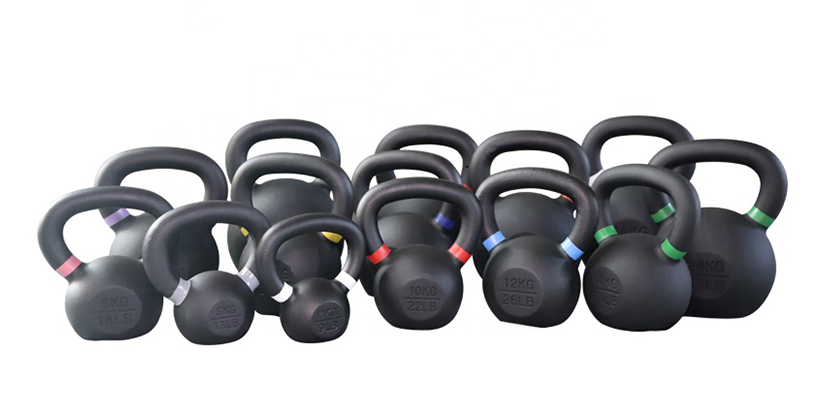
Strategic customization serves as a critical tool for market differentiation. Instead of competing on price alone against low-quality generic imports, you can specify unique attributes such as proprietary color schemes, specialized handle textures for better grip, or custom logo placement. This level of customization ensures your inventory stands out in the premium fitness market, providing a professional aesthetic that justifies higher distributor margins and builds long-term customer loyalty.
Strategic Value of Customization for B2B Buyers
When you engage in wholesale sourcing with a China factory, you are not just buying equipment; you are developing an asset. A professional supplier can assist in tailoring the weight increments, handle diameters, and finish types to meet specific regional or studio-specific demands. This capability is essential for those looking to establish a high-end product line under their own label.
| Feature Dimension | Standard Stock Sourcing | Customized OEM/ODM Sourcing |
|---|---|---|
| Visual Identity | Generic colors and standard shapes | Custom colors, textures, and branding |
| Market Positioning | Low-cost, high-competition commodity | Premium, branded, or niche-specific |
| Product Differentiation | Minimal; high similarity to competitors | High; unique specifications and aesthetics |
| Target Audience | General fitness consumers | Professional studios and premium gyms |
| Inventory Control | Limited to available factory SKUs | Controlled through custom production runs |
Effective sourcing strategy involves evaluating the MOQ required for these custom features. While standard units offer faster lead time, the long-term ROI of a custom-branded product often outweighs the initial setup effort. Before finalizing a bulk order, always request a sample to verify that the custom texture and branding meet your quality standards.
Deciding between standard procurement and advanced customization depends on your long-term business model and capital allocation. For importers focused on rapid turnover, standard stock is efficient. However, for those mastering how to import kettlebells to USA from China with the intent to scale a proprietary brand, the technical depth of OEM and ODM is the differentiator. A professional China fitness equipment export partner will provide a clear framework for these service tiers to help you manage your landed cost and inventory risk effectively.
| Service Tier | Customization Depth | Typical MOQ | Lead Time Impact | Branding Control |
|---|---|---|---|---|
| Standard Wholesale | None; standard factory specs | Low; based on carton units | Short; ready to ship | None; generic or factory logo |
| OEM (Original Equipment Manufacturer) | High; custom colors, logos, and materials | Medium to High; set by production run | Moderate; includes tooling and setup | Full; your brand on the finished product |
| ODM (Original Design Manufacturer) | Very High; complete product design and engineering | High; requires dedicated production lines | Long; includes R&D and prototyping | Total; unique product architecture |
When evaluating your next batch, consider that wholesale kettlebells USA distributors often use OEM to secure better margins through brand exclusivity. While a higher MOQ and longer lead time are standard for custom orders, these requirements are the trade-off for a product that cannot be easily replicated by competitors. We recommend requesting a detailed spec sheet and a physical sample to confirm that the custom branding and technical tolerances align with your commercial-grade requirements before proceeding with a full production cycle.
Quality Control Protocols for Custom Orders
The primary risk in high-volume procurement is the variance between a prototype and a mass-produced batch. When you move beyond standard SKUs, the complexity of maintaining consistency increases. To mitigate this, a professional China factory must implement rigorous QC protocols specifically for custom molds and proprietary finishes. Without these safeguards, even a minor deviation in weight distribution or handle diameter can lead to costly returns and damage to your brand reputation in the North American market.
A robust China fitness equipment export workflow should include multi-stage inspections. For custom orders, this typically involves a first-article inspection where the initial unit from a new mold is verified against your technical drawings. Following this, in-process inspections monitor weight accuracy and coating thickness during production, while a final pre-shipment inspection ensures that the finished products meet the exact specifications of your OEM agreement. This systematic approach is vital for managing your total landed cost and ensuring that every unit delivered to your warehouse meets commercial-grade standards.
Managing MOQ and Lead Times for Bulk Inventory Planning
Understanding the variables of how to import kettlebells to USA from China requires a deep dive into production schedules and minimum requirements. For distributors and gym owners, the relationship between MOQ and lead time is the foundation of a predictable supply chain. When sourcing through a China factory, your inventory cycles must account for both manufacturing speed and global shipping windows to avoid stockouts during peak seasons.
A typical commercial kettlebell manufacturer will set a MOQ based on the complexity of the production run. Standard cast iron models often have lower thresholds, whereas specialized OEM or ODM requests—such as custom color coatings or branded handles—may require higher volumes to justify the setup costs of the production line. Failing to align your wholesale orders with these requirements can lead to unexpected delays or higher unit costs.
Effective inventory planning must also consider production cycles and seasonal demand spikes. For instance, many North American buyers increase bulk orders ahead of Q1 fitness trends. To ensure your wholesale kettlebells USA orders arrive on time, you must factor in the time required for raw material procurement, casting, and quality control, followed by international transit. Proactive sourcing involves communicating with your supplier at least three to four months in advance of your required arrival date.
| Order Type | Typical MOQ | Estimated Lead Time | Best For |
|---|---|---|---|
| Standard Stock Items | Low to Moderate | 30–45 Days | Rapid replenishment and testing market demand |
| Custom Branding (Private Label) | Moderate to High | 60–90 Days | Building long-term brand identity and professional differentiation |
| Full OEM/ODM Specifications | High | 90+ Days | Large-scale distributors and major commercial equipment launches |
To optimize your China fitness equipment export strategy, we recommend a tiered approach: confirm your MOQ for standard weights first, then schedule advanced production windows for your custom-branded lines. Contact our team to request a detailed spec sheet, confirm current MOQ levels, or initiate a sample evaluation for your next shipment.
Navigating the cost-to-speed ratio is essential for maintaining healthy distributor margins. While stock items offer the fastest path to market, high-volume wholesale orders for custom-spec equipment often provide a lower landed cost per unit due to economies of scale. When evaluating your procurement budget, consider how much value your brand identity adds versus the increased lead time required for specialized production.
Comparing Sourcing Models for Commercial Inventory
| Order Model | Production Complexity | Typical MOQ | Impact on Landed Cost | Lead Time Variable |
|---|---|---|---|---|
| Standard Stock Sourcing | Low (Pre-set designs) | Low | Lower upfront, higher per-unit | Short (Standard shipping) |
| Private Label / Custom Branding | Medium (Color/Logo) | Moderate | Optimized for mid-tier volume | Medium (Setup required) |
| Full OEM Customization | High (Weight/Shape) | High | Lowest per-unit at scale | Long (Material & Tooling) |
For professional buyers, the choice between these models depends on your warehouse capacity and market positioning. If you are testing a new product line, stock items allow for rapid iteration. However, for established distributors looking to maximize ROI, the OEM route is the standard for building a proprietary product catalog. Always verify the specific MOQ for your desired weight increments to ensure your order meets the threshold for factory-direct pricing.
Optimizing Landed Cost Through Strategic Procurement
A critical component of how to import kettlebells to USA from China is calculating the total landed cost rather than just the factory price. For high-volume importers, the landed cost includes the unit price, international freight, customs duties, and local warehousing expenses. When negotiating with a commercial kettlebell manufacturer, buyers should recognize that higher volume orders often lead to significant economies of scale, reducing the per-unit impact of shipping and handling fees.
To protect your distributor margins, your procurement strategy must account for fluctuations in ocean freight and container availability. A common pitfall is focusing solely on the lowest unit price while overlooking the logistical costs associated with small, frequent shipments. By optimizing your wholesale order volume to fill standard 20ft or 40ft containers, you can achieve a more efficient landed cost and ensure long-term supply chain stability for your commercial clients.
When planning your next shipment, we recommend requesting a comprehensive quote that includes estimated freight costs and packaging dimensions. This allows for a more accurate assessment of your total investment. Contact our team to request a formal quote, discuss current MOQ tiers for your specific weight requirements, or arrange a sample evaluation to ensure all specifications meet your professional standards.
Quality Control and Export Packaging Standards
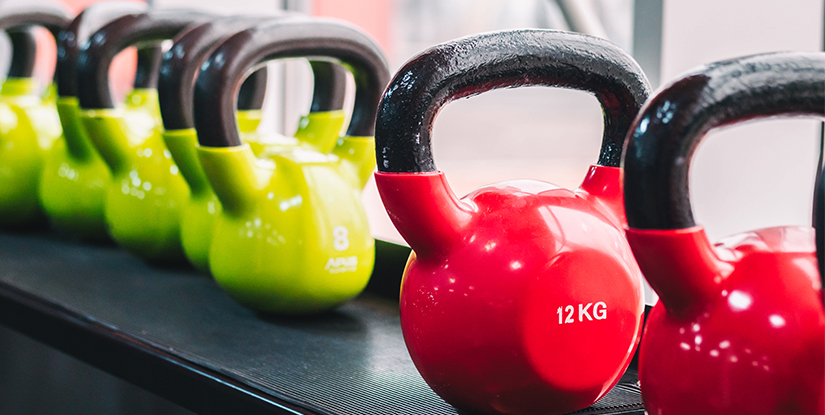
Maintaining strict oversight during the production cycle is the only way to ensure how to import kettlebells to USA from China successfully without facing high replacement costs. For professional distributors, a single batch of inconsistent weights or damaged surface finishes can erode profit margins and damage brand reputation. A reliable commercial kettlebell manufacturer must implement a multi-stage verification process that covers everything from raw iron casting to the final coating application.
A professional factory QC protocol should include rigorous pre-shipment inspection to validate weight consistency and handle ergonomics. For high-volume wholesale kettlebells USA orders, this means verifying that every unit meets the specified tolerance levels and that the surface finish—whether powder-coated or cast iron—is free of defects. Without these checks, the landed cost of your shipment increases due to unusable or rejected inventory upon arrival at your warehouse.
Standardizing Commercial-Grade Quality
When managing China fitness equipment export, the transition from production to sea freight requires specialized protection. Standard retail packaging is insufficient for the heavy, high-density nature of kettlebells. Professional sourcing specialists prioritize suppliers who utilize reinforced export-standard crates and heavy-duty corrugated boxes to prevent impact damage during long-distance transit.
To ensure the highest commercial-grade quality, we recommend the following inspection checklist before finalizing any bulk shipment:
| Inspection Focus | Standard Requirement | B2B Impact |
|---|---|---|
| Weight Accuracy | Strict tolerance within +/- 1-3% | Ensures professional standard compliance |
| Surface Integrity | Uniform coating and no jagged edges | Reduces maintenance and injury risk |
| Handle Ergonomics | Smooth transitions and consistent grip | Maintains high user experience for gyms |
| Packaging Strength | Reinforced crates or palletized stacking | Minimizes transit damage and landed cost |
| Pre-shipment Inspection | Mandatory for all bulk orders | Protects distributor margins |
| OEM Customization | Verified logo and color accuracy | Secures brand identity integrity |
Before finalizing your next container load, always request a detailed specification sheet and confirm the factory inspection report. We suggest arranging a sample approval or a third-party audit to verify that the China factory can meet your specific durability and weight-accuracy requirements for the North American market.
Optimizing Sea Freight and Palletization Strategies
Effective logistics management is a critical component of how to import kettlebells to USA from China without incurring unexpected overhead. Because kettlebells are high-density, heavy-duty items, the way they are palletized directly impacts your container utilization and total landed cost. A professional supplier will offer tiered packaging options designed to balance weight distribution with protection against the moisture resistance challenges common during long-distance sea freight transit.
For large-scale distributors, choosing between standard bulk packing and heavy-duty reinforced palletization can significantly alter your long-term ROI. Standard bulk orders may utilize heavy-duty corrugated boxes, but for high-volume shipments, customized wooden crates or reinforced pallets are preferred to prevent crushing and shifting within the container. Selecting the right method ensures that your inventory arrives in a retail-ready state, minimizing the need for local repacking or handling at your warehouse.
We recommend that buyers request a specific loading plan and weight distribution report from their chosen factory prior to shipment. Confirming the exact dimensions of the export packaging and the level of moisture protection used will allow you to better calculate your final shipping budget and optimize your domestic warehousing efficiency.
Finalizing Your Procurement: Next Steps for Importers
Once you have selected a reliable commercial kettlebell manufacturer, the focus shifts from product selection to the complexities of international trade. Mastering how to import kettlebells to USA from China requires a precise understanding of the transition from the factory floor to your warehouse. This final phase determines your actual profit margins and the total cost of ownership for your inventory.
A professional sourcing workflow must prioritize the calculation of the landed cost. This figure is not merely the unit price from the factory, but the sum of the product cost, wholesale volume discounts, export packaging, ocean freight, insurance, and US customs duties. Failing to account for these variables can erode the margins of a distributor or studio owner before the first unit is even sold.
Essential Logistics and Shipping Terms
To optimize your China fitness equipment export strategy, you must clearly define the shipping terms with your supplier. Most B2B transactions utilize standard Incoterms to allocate risk and cost. For example, choosing FOB (Free On Board) means the China factory is responsible for the goods until they are loaded onto the vessel, while the importer manages the ocean freight and insurance. Alternatively, CIF (Cost, Insurance, and Freight) shifts the responsibility of arranging transit to the manufacturer, which may simplify the process for smaller wholesale kettlebells USA orders, though often at a slight premium.
| Procurement Dimension | FOB (Free On Board) | CIF (Cost, Insurance, and Freight) |
|---|---|---|
| Responsibility for Freight | Importer/Buyer | Manufacturer/Supplier |
| Risk Transfer Point | Once loaded on vessel | Once goods reach destination port |
| Control Over Logistics | High (Buyer selects carrier) | Lower (Supplier selects carrier) |
| Primary Benefit | Better control over landed cost | Lower administrative burden |
Before finalizing the wire transfer, perform a final verification. Confirm the MOQ for any OEM or ODM custom branding requests and ensure the pre-shipment inspection protocols are strictly documented. A thorough audit of the export packaging—ensuring heavy cast iron or steel kettlebells are secured for maritime transit—is essential to prevent damage and unexpected replacement costs upon arrival in the USA.
Comparing Sourcing Models: Factory-Direct vs. Trading Companies
Deciding on the right procurement model is a critical step in learning how to import kettlebells to USA from China. Professional buyers must weigh the benefits of direct access against the convenience of specialized services. While a commercial kettlebell manufacturer offers the highest potential for margin, a trading company may provide more flexibility for smaller volume shipments.
When evaluating your next batch of wholesale kettlebells USA, consider how your specific business model aligns with the following supply-side structures. A direct factory approach is generally optimized for high-volume distributors, whereas a trading partner might better serve boutique studio owners or specialized fitness retailers.
| Sourcing Model | Typical MOQ | Lead Time | Customization (OEM/ODM) | Best For |
|---|---|---|---|---|
| Direct Factory | Higher | Longer (Production cycles) | High (Full control over specs) | Large-scale distributors |
| Trading Company | Lower | Shorter (Existing stock) | Limited (Standardized products) | Boutique studios/Small retailers |
For those seeking to build a unique brand identity, working directly with a commercial kettlebell manufacturer is the most effective way to execute OEM or ODM projects. This direct relationship allows for precise control over material density, handle ergonomics, and custom branding, ensuring your product meets specific commercial-grade standards. Always verify the MOQ for custom colors or logos during the initial inquiry to prevent unexpected cost increases in your sourcing process.
Finalizing Quality Control and Export Readiness
The final stage of how to import kettlebells to USA from China involves rigorous verification to protect your investment. Even with a trusted supplier, professional procurement requires a formal pre-shipment inspection to ensure every unit meets commercial-grade specifications. This step prevents the high cost of returns or damaged inventory once the container reaches your warehouse.
A critical component of this phase is weight tolerance verification. For commercial-grade equipment, weight accuracy is non-negotiable. You must ensure the factory conducts precise calibration to confirm that the actual weight of each kettlebell falls within your agreed-upon tolerance levels. Discrepancies in weight can lead to compliance issues and diminished brand trust among professional users.
Furthermore, robust export packaging is essential for maritime durability. Because kettlebells are high-density, heavy-impact items, the export packaging must be engineered to withstand the rigors of ocean transit and container stacking. Verify that your China fitness equipment export plan includes reinforced cartons, palletization, and secure strapping to minimize movement and prevent structural damage during long-haul shipping.
To finalize your order, we recommend requesting a detailed pre-shipment report or scheduling a third-party inspection. Confirming these final details—including final weight checks, coating consistency, and packaging integrity—ensures that your bulk order arrives ready for immediate commercial distribution.