Kettlebell vs Dumbbell for Gym Equipment: Factory Direct
Kettlebell vs Dumbbell for Gym Equipment: Strategic Deployment
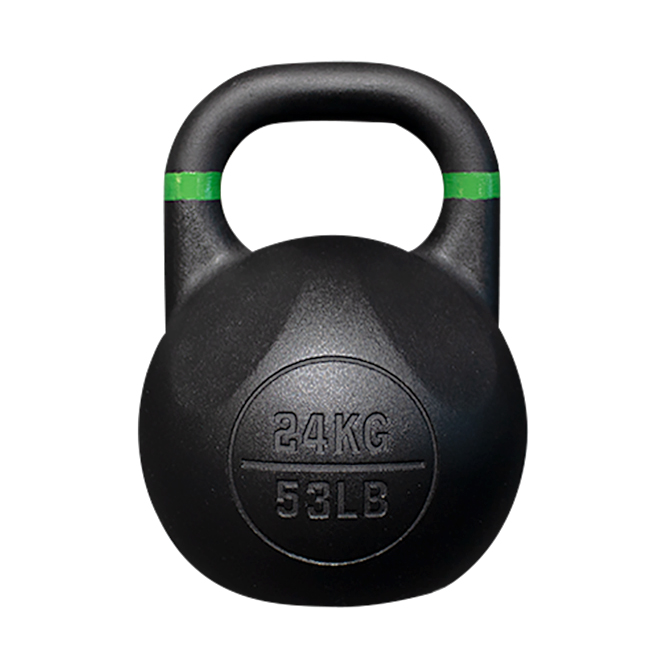
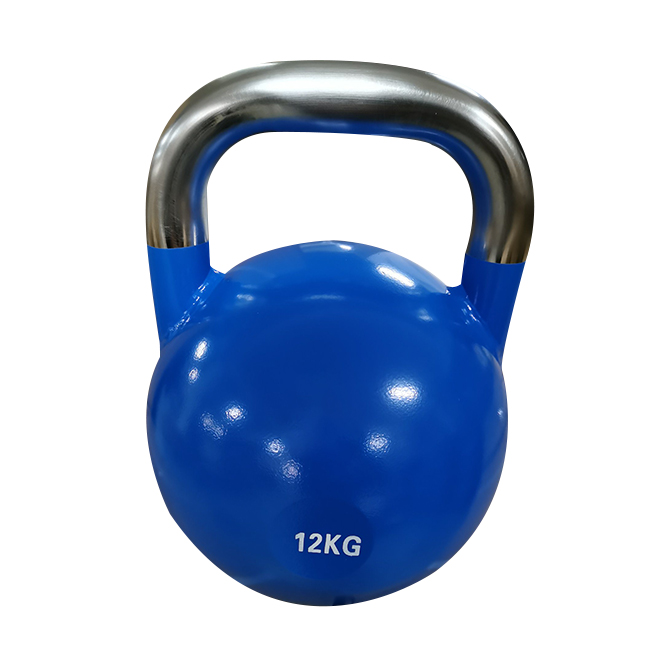
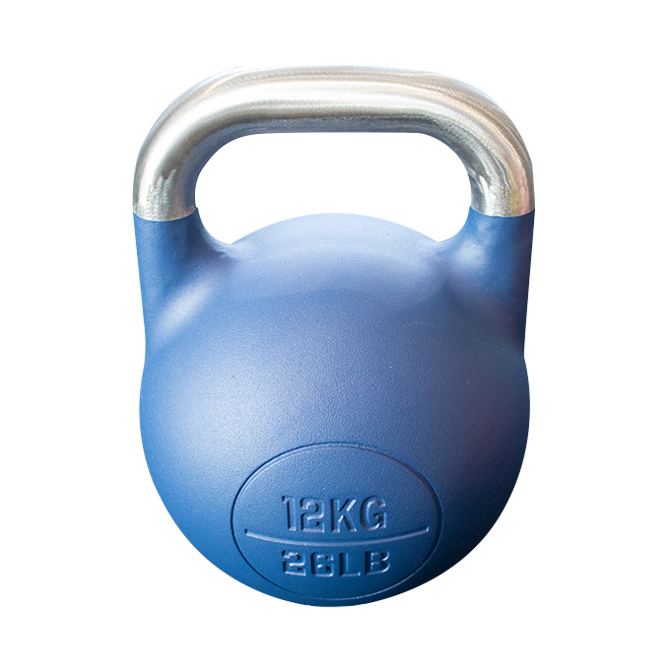
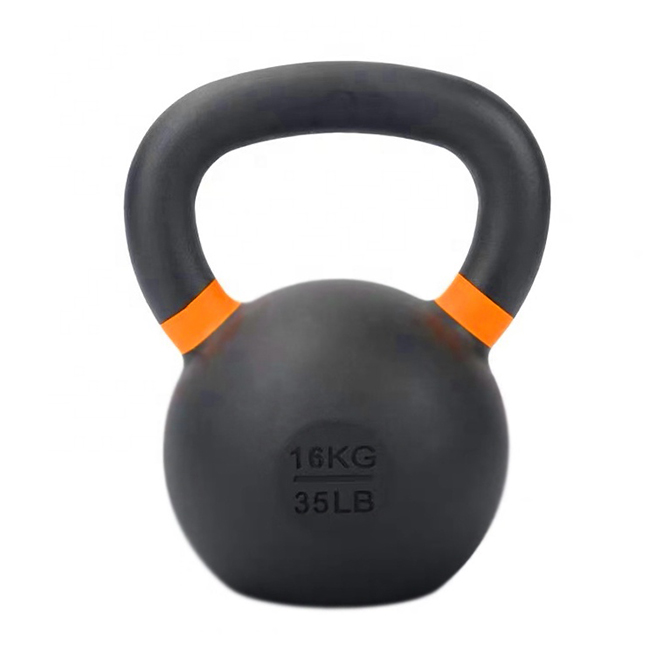
Understanding the kettlebell vs dumbbell for gym equipment distinction is vital for optimizing facility floor plans and maximizing member engagement. While dumbbells support traditional strength training, kettlebells excel in dynamic, multi-planar movements. Professional buyers often utilize commercial kettlebell wholesale channels to diversify their inventory mix and enhance functional training zones.
For facility operators, the choice between these two implements dictates the efficiency of high-traffic areas. Dumbbells are foundational for structured hypertrophy and isolated strength segments, requiring stable, dedicated lifting zones. Conversely, kettlebells drive high-intensity interval training (HIIT) and metabolic conditioning, making them essential for modern functional training zones where movement fluidity is prioritized over static weight increments.
Strategic bulk dumbbell procurement ensures a consistent weight progression available for traditional lifting, whereas a balanced selection of kettlebells allows for more versatile, space-efficient training. When managing a gym equipment manufacturer relationship, procurement leads should prioritize a diverse weight range for both implements to ensure long-term utility and high ROI across different membership demographics.
Commercial Utility and Procurement Comparison
When planning capital expenditures, decision-makers must evaluate how each implement impacts long-term operational efficiency and storage density. Choosing between these two categories involves more than just functional differences; it requires a deep dive into total cost of ownership and logistical management. Sourcing directly from a professional gym equipment manufacturer allows importers to tailor their inventory to specific facility needs while maintaining high margins.
| Comparison Criteria | Kettlebell (Functional Focus) | Dumbbell (Strength Focus) |
|---|---|---|
| Primary Training Mode | Dynamic, explosive, and metabolic | Isolated, controlled, and hypertrophy |
| Durability Requirements | High impact resistance for floor drops | Consistent surface coating for grip |
| Storage Footprint | Compact, often vertical or rack-based | Horizontal rack-heavy, high density |
| Procurement Strategy | commercial kettlebell wholesale | bulk dumbbell procurement |
| Typical ROI Driver | High-intensity/HIIT zone popularity | Core strength/Traditional lifting staple |
The kettlebell vs dumbbell for gym equipment debate ultimately settles on how you allocate your square footage. While dumbbells provide the backbone for traditional strength segments, kettlebells offer a high-utility option for smaller, high-intensity zones. For distributors looking to optimize their wholesale catalog, balancing these two implements ensures a complete solution for both boutique studios and large-scale commercial centers. We recommend reviewing specific weight increments and MOQ tiers during your sourcing process to ensure your facility or retail stock remains competitive and comprehensive.
Optimizing Supply Chain and Customization for Global Distribution
Effective kettlebell vs dumbbell for gym equipment management extends beyond the gym floor and into the logistics of the supply chain. For distributors and large-scale facility owners, the complexity of importing heavy iron or rubber-coated implements requires a partner capable of high-volume precision. Relying on a professional gym equipment manufacturer ensures that your weight increments are standardized and your product durability meets international commercial grades.
To scale your brand identity, leveraging OEM or ODM services is essential. Whether you require a specific powder coating color for your dumbbells or a custom logo cast into the bell of a kettlebell, a direct factory can accommodate these requests. This level of custom branding allows distributors to move away from generic white-label products and build a premium, recognizable brand presence in their local markets.
Managing the lead time and export packaging is equally critical to maintaining healthy distributor margins. Heavy implements require reinforced, high-density packaging to prevent damage during sea freight and to ensure efficient container loading. By working directly with a supplier that specializes in high-volume export, you can optimize your landed cost through better container utilization and streamlined sourcing protocols. We suggest requesting a detailed spec sheet and confirming MOQ requirements early in your procurement cycle to ensure seamless inventory replenishment.
Optimizing Floor Space and Inventory with Kettlebell vs Dumbbell for Gym Equipment
Deciding between kettlebell vs dumbbell for gym equipment requires a strategic assessment of floor density and inventory turnover. For distributors and facility operators, the choice impacts how much square footage is dedicated to free weights versus functional training zones. When sourcing from a China factory to reduce landed cost, procurement leads must balance the versatility of the equipment against the spatial footprint and storage infrastructure required for long-term commercial utility.
Dumbbells typically require extensive vertical or horizontal racking systems, which can increase your initial capital expenditure. In contrast, kettlebells often offer higher inventory density due to their compact, spherical design, allowing for more efficient stacking in high-traffic functional training areas. Understanding these spatial trade-offs is essential for maximizing the ROI of your facility layout.
| Procurement Factor | Dumbbell Inventory Profile | Kettlebell Inventory Profile |
|---|---|---|
| Storage Requirement | Requires multi-tier vertical or horizontal racks | Often compatible with compact floor or tiered stands |
| Footprint Efficiency | High footprint per weight set due to rack length | High density; suitable for smaller functional zones |
| Weight Coverage | Granular increments for precision training | Broader jumps; optimized for dynamic movement |
| Commercial Utility | Standard for strength and hypertrophy focus | Essential for functional and metabolic conditioning |
For large-scale bulk dumbbell procurement, the logistics of shipping and storage are heavily influenced by the footprint of the accompanying storage solutions. If your goal is to optimize a high-density studio, commercial kettlebell wholesale orders may provide a more agile solution for weight distribution. By working directly with a gym equipment manufacturer, you can customize the weight increments and handle dimensions to ensure the most efficient integration into your specific floor plan and shipping containers.
Beyond floor footprint, the long-term total cost of ownership (TCO) is dictated by material durability and the frequency of replacement cycles. High-intensity commercial environments demand equipment that withstands constant impact and oxidation. When evaluating kettlebell vs dumbbell for gym equipment, procurement officers must look past the initial unit price to the durability of the coating and the structural integrity of the handle. Sourcing through a reliable supplier ensures that your inventory remains a high-performing asset rather than a recurring maintenance expense.
Durability and Maintenance Requirements for High-Traffic Facilities
| Technical Dimension | Dumbbell Durability Profile | Kettlebell Durability Profile |
|---|---|---|
| Surface Wear | Urethane or Neoprene coatings prone to tearing under heavy use | Cast iron or steel construction offers superior impact resistance |
| Handle Longevity | Knurling wear is a factor in high-volume strength training | Thicker, ergonomic handles designed for high-velocity swings |
| Maintenance Load | Requires periodic inspection of coating integrity and grip surfaces | Low maintenance; focus on preventing rust through quality coatings |
| Impact Tolerance | Higher risk of surface damage if dropped from height | Engineered for high-impact functional and ballistic movements |
To mitigate the risk of substandard materials in your shipment, we recommend a strict QC protocol during the production phase. Whether you are executing commercial kettlebell wholesale orders or specialized strength training sets, ensuring that the cast iron or rubber encapsulation meets international commercial standards is vital. A professional gym equipment manufacturer should provide detailed material specifications and undergo pre-shipment inspections to guarantee that every unit survives the transit and the rigors of a commercial setting.
If your procurement strategy involves a specific weight range or custom branding, please reach out to discuss your MOQ and potential OEM customization options. We can provide detailed spec sheets and sample approval processes to ensure your inventory meets your exact durability and aesthetic requirements before the container loading phase begins.
Supply Chain and Customization Capabilities
Optimizing the selection between kettlebell vs dumbbell for gym equipment extends beyond the gym floor and into the logistics of your procurement cycle. For distributors managing large-scale inventory, the ability to leverage OEM and ODM services is a critical differentiator. A professional gym equipment manufacturer can adapt product dimensions, handle textures, and coating specifications to align with your brand identity, ensuring that your specialized stock meets the specific demands of your target market while maintaining a competitive landed cost.
Effective bulk dumbbell procurement also requires a clear understanding of how manufacturing scales affect your lead time and shipping efficiency. When managing large-volume orders, working with a direct supplier allows for better coordination of container loading and optimized export packaging. This level of control is essential for maintaining consistent stock levels and avoiding the common pitfalls of fragmented sourcing. By integrating custom specifications at the factory level, you ensure that both your dumbbells and kettlebells arrive in a condition that minimizes the need for future replacement or secondary shipping.
To ensure your next batch of equipment meets rigorous commercial standards, we invite you to contact us for a detailed consultation. We can provide specific information regarding our current MOQ, detailed product spec sheets, and available OEM customization paths. Whether you require a formal factory audit or a sample evaluation to verify material durability, our team is ready to support your sourcing requirements and facilitate a seamless transition from production to final delivery.
Durability and Maintenance Requirements for Commercial Sourcing
When evaluating kettlebell vs dumbbell for gym equipment, procurement professionals must prioritize long-term material integrity to protect capital expenditure. From a commercial kettlebell wholesale perspective, the structural design of the unit dictates its resistance to high-impact fatigue and surface degradation in high-traffic environments. Choosing a reliable gym equipment manufacturer ensures that the weight distribution remains consistent and the exterior finish withstands rigorous daily use.
The primary distinction in durability lies in impact resistance and surface wear. Dumbbells, often featuring rubber or urethane coatings, are designed to minimize floor damage but can suffer from peeling or cracking if the material wear exceeds industrial standards. Conversely, high-quality cast iron kettlebells offer superior structural density, making them ideal for high-intensity functional training where impact is frequent. For distributors, selecting a factory that utilizes advanced powder coating or high-grade urethane encapsulation reduces long-term maintenance costs and extends the product lifecycle.
From a sourcing standpoint, the kettlebell vs dumbbell for gym equipment decision should be driven by the total cost of ownership (TCO). While certain coatings may increase the initial landed cost, they significantly lower the frequency of replacement. When managing bulk dumbbell procurement, verifying the QC standards regarding handle grip durability and weight tolerance is essential to prevent premature inventory turnover. A professional supplier will provide detailed specifications on impact resistance to ensure the equipment meets the demands of professional training facilities.
Material Integrity and Maintenance Comparison
To optimize the total cost of ownership, procurement officers should evaluate the specific material compositions used by their chosen gym equipment manufacturer. The following table provides a technical breakdown of how different material types affect the maintenance frequency and structural lifespan of your inventory.
| Material Type | Typical Application | Impact Resistance | Maintenance Frequency | Longevity Profile |
|---|---|---|---|---|
| Cast Iron (Painted/Powder Coated) | Standard Kettlebells | High (Excellent density) | Low (Occasional cleaning) | Extreme (Decades of use) |
| Rubber Encapsulated | Premium Dumbbells | Medium (High shock absorption) | Moderate (Monitor for peeling) | High (Depends on coating quality) |
| Urethane Coated | High-End Commercial Sets | High (Resistant to tearing) | Very Low (Minimal surface wear) | Very High (Ideal for heavy use) |
| Vinyl/Neoprene Coated | Lightweight/Studio Sets | Low (Prone to punctures) | High (Surface degradation) | Moderate (Short-term lifecycle) |
When managing bulk dumbbell procurement, the selection of urethane or high-density rubber is a strategic decision to reduce operational downtime. While cast iron remains the standard for durability in commercial kettlebell wholesale, the higher initial investment in premium coatings often yields a better ROI by extending the interval between replacement cycles. A professional supplier will offer transparency regarding the thickness of these coatings and the grade of the internal core to ensure your shipment meets the rigorous demands of international commercial standards.
Optimizing Supply Chain Reliability Through Quality Control
To mitigate the risks associated with high-volume imports, professional buyers must look beyond the unit price and focus on the technical oversight provided by the gym equipment manufacturer. For large-scale orders, the difference between a high-performing inventory and a high-maintenance liability lies in the rigor of the QC process. Whether you are navigating the nuances of kettlebell vs dumbbell for gym equipment or building a full-scale facility, ensuring that every unit adheres to strict dimensional tolerances and coating adhesion standards is non-negotiable.
A reliable factory will implement a multi-stage verification system to protect your investment. This includes raw material testing to ensure density consistency, followed by pre-shipment inspection to verify that the finish—whether powder coat or urethane—is free from defects. Furthermore, high-standard export packaging is essential to prevent structural damage or surface scratching during long-distance transit. By prioritizing OEM or ODM partners who provide transparent QC documentation, distributors can successfully optimize their landed cost by reducing the rate of returns and replacement cycles in their local markets.
Custom Branding and OEM/ODM Capabilities for Global Distributors
Distributors and gym equipment importers often face the challenge of product homogenization in a crowded market. When deciding on the kettlebell vs dumbbell for gym equipment inventory mix, relying solely on generic stock limits your ability to build a premium brand presence. Utilizing OEM and ODM services allows you to transition from a simple reseller to a specialized brand owner with high-margin control.
A professional China factory can provide much more than just standard cast iron or urethane weights. Through custom branding, you can integrate your unique logo, specific color schemes, and specialized handle textures into the production line. This level of private label sophistication is essential for market differentiation, ensuring that your clients recognize your specific brand identity whenever they see your equipment in a commercial setting. By leveraging commercial kettlebell wholesale and bulk dumbbell procurement pathways, you secure a consistent supply chain that supports your long-term growth and professional reputation.
Technical Execution of Custom Specifications
Achieving high-end commercial standards requires rigorous attention to material science and finishing precision. When managing bulk dumbbell procurement, the technical differentiation often lies in the durability of the coating and the precision of the casting. A specialized gym equipment manufacturer offers various customization layers, ranging from the core material density to the outer protective finish. For example, selecting high-grade cast iron with a specialized powder coating or high-density urethane ensures the equipment withstands the high-traffic demands of professional training environments.
Beyond basic shapes, advanced kettlebell vs dumbbell for gym equipment customization involves intricate details such as logo engraving and ergonomic handle refinements. We offer precision CNC engraving or high-durability silk-screening to ensure your brand identity remains intact despite heavy use and frequent cleaning. To maintain strict quality control, every batch undergoes a multi-stage inspection process. This includes checking weight tolerances to ensure every unit meets the exact specification, verifying the adhesion of color coatings, and testing the structural integrity of handles. For distributors, this level of factory-direct sourcing minimizes the risk of receiving substandard units that could damage your reputation or increase replacement costs.
Our OEM and ODM processes are designed to integrate seamlessly with your procurement timeline. We provide detailed technical spec sheets for approval before mass production begins, ensuring that your unique material requirements—such as specific color coatings or textured grips—are met with precision. Whether you are looking for specialized weight increments or custom-branded storage solutions, our production capabilities are optimized to support professional scaling and high-volume global distribution.
Comparison of Sourcing Models: Stock vs. Custom Solutions
Selecting the right procurement path depends on your current inventory scale and long-term brand strategy. While standard stock products offer rapid deployment, a dedicated gym equipment manufacturer provides the infrastructure necessary for market-leading differentiation. Below is a comparison of how different sourcing tiers impact your operational efficiency and brand equity.
| Feature/Requirement | Standard Stock Sourcing | Custom OEM/ODM Solutions |
|---|---|---|
| Customization Depth | Standard colors and existing shapes only | Full control over color, texture, and logo |
| Branding Options | Generic or minimal supplier marking | Full private label and brand identity integration |
| Typical MOQ | Lower, based on standard carton units | Higher, based on production line setup |
| Lead Time Impact | Faster; immediate availability for shipping | Longer; includes design and tooling phases |
| Target Market | Quick-turnover retail and small studios | High-end commercial chains and global distributors |
| Profit Margin Potential | Standardized, highly competitive pricing | Premium margins through specialized offerings |
When evaluating the kettlebell vs dumbbell for gym equipment, distributors must decide if they want to compete on price with generic items or build value through specialized equipment. For those prioritizing speed, standard wholesale orders are efficient. However, for long-term scalability, engaging in ODM processes allows you to control the technical specifications and aesthetic standards of your entire product line, effectively insulating your business from generic market fluctuations.
To move forward with your specialized procurement, we recommend requesting a detailed technical spec sheet or a sample evaluation for any custom projects. Our team is available to confirm your specific MOQ requirements and provide a comprehensive quote based on your customized material and branding needs.
Quality Control and Export Standards for Bulk Orders
When managing high-volume procurement, the distinction between kettlebell vs dumbbell for gym equipment often comes down to manufacturing precision and strict quality oversight. For distributors and gym owners, sourcing directly from a China factory ensures that every unit meets international safety benchmarks. Without rigorous factory QC, bulk shipments may arrive with inconsistent weight tolerances or substandard surface finishes, leading to increased commercial liability and diminished client trust.
Reliable commercial kettlebell wholesale requires more than just a low unit price; it demands a standardized production process. A professional gym equipment manufacturer must implement multi-stage inspections to verify the commercial utility of each piece. This includes checking the structural integrity of the handle, the precision of the weight distribution, and the durability of the coating. For those engaged in bulk dumbbell procurement, ensuring that the surface finish is uniform and the weight tolerance remains within strict professional margins is essential for maintaining high standards across your entire inventory.
To mitigate the risks of importing large-scale fitness assets, we recommend a thorough factory-direct oversight approach. This includes requesting technical specification sheets and arranging for pre-shipment inspections to confirm that the kettlebell vs dumbbell for gym equipment batches align with your brand's quality expectations. Successful sourcing strategies always prioritize a supplier who provides transparent documentation regarding their material grade and manufacturing consistency.
Technical QC Checkpoints for Commercial Grade Inventory
To ensure long-term durability and reduce maintenance-related downtime, procurement managers must evaluate specific technical tolerances. The following table outlines the critical inspection points required when comparing the kettlebell vs dumbbell for gym equipment during the pre-shipment phase. Utilizing these benchmarks allows you to verify that your bulk dumbbell procurement and kettlebell orders meet the high-intensity demands of commercial environments.
| Inspection Metric | Kettlebell Technical Standard | Dumbbell Technical Standard | Commercial Impact |
|---|---|---|---|
| Weight Accuracy | Strict +/- 1-3% tolerance for cast iron or steel | Consistent weight distribution across all hex/round heads | Prevents user injury and ensures training integrity |
| Handle Ergonomics | Seamless transition from handle to body; no sharp edges | Uniform grip diameter and non-slip texture consistency | Reduces grip fatigue and enhances user safety |
| Coating Durability | High-adhesion powder coating or thick urethane layer | Impact-resistant coating to prevent chipping during drops | Extends product lifespan and maintains aesthetic value |
| Structural Integrity | Reinforced handle attachment points for high-swing loads | Secure weight-to-handle bonding for high-volume use | Minimizes replacement frequency and TCO |
Standardizing these requirements during your commercial kettlebell wholesale process helps prevent the common pitfalls of low-tier manufacturing. We suggest requesting a sample evaluation or a formal factory audit to confirm that the gym equipment manufacturer adheres to these specific tolerances. A successful sourcing workflow involves verifying that the weight deviation and surface finish meet your specific brand identity and commercial utility standards before the final container loading.
Optimizing Logistics and Lead Time for Global Distribution
Effective sourcing requires a deep understanding of how production cycles and logistics safety impact your total landed cost. When managing a large-scale bulk dumbbell procurement, the complexity of shipping high-density steel or iron products necessitates precise planning. A professional supplier should provide a transparent lead time that accounts for both the manufacturing duration and the window for container loading. This clarity allows distributors to manage their inventory turnover without unexpected stockouts or delayed launches.
Furthermore, a reliable gym equipment manufacturer must prioritize export-grade packaging to protect your investment during long-distance transit. Whether you are importing a diverse selection of the kettlebell vs dumbbell for gym equipment or a single-product line, the durability of the outer packaging is just as vital as the product itself. High-quality pallets, reinforced cartons, and optimized container stacking protocols are essential to prevent damage and ensure that your wholesale order arrives in pristine, retail-ready condition. For those pursuing OEM or ODM partnerships, we recommend discussing customized packaging solutions that align with your specific branding and logistics requirements to maximize your commercial efficiency and protect your margins.
Streamlining Your Sourcing: MOQ and Logistics Planning
Managing the logistical complexity of kettlebell vs dumbbell for gym equipment requires a deep understanding of weight-to-volume ratios to optimize your container utilization. When planning commercial kettlebell wholesale orders, procurement leads must account for the irregular shapes of kettlebells, which often create more dead space compared to the stackable or nested configurations of standard dumbbells. This discrepancy directly impacts your shipping density and total landed cost per unit.
From a bulk dumbbell procurement perspective, the high density of steel or iron allows for efficient palletizing, whereas kettlebell shipments may require specialized crating to prevent movement. For a gym equipment manufacturer, providing precise volumetric data is essential for your freight forwarding calculations. Failure to align your MOQ with optimal container loads can lead to inflated shipping costs and extended lead time delays. We recommend coordinating with your factory during the initial sourcing phase to ensure that your weight distribution strategy maximizes every cubic meter of your export shipment.
Procurement Efficiency and Sourcing Comparison
To effectively manage your inventory turnover and warehouse space, it is necessary to evaluate the physical and financial variables of each equipment type. The following table provides a comparative analysis of how these two items impact your supply chain and storage efficiency during large-scale orders.
| Procurement Factor | Kettlebell Sourcing Profile | Dumbbell Sourcing Profile |
|---|---|---|
| Weight Density | Moderate (Higher volume per kg) | High (Compact steel/iron density) |
| Storage Footprint | Larger; requires specialized racks | Efficient; highly stackable estable |
| Shipping Cost Impact | Higher due to irregular volume | Lower due to optimized palletization |
| Typical MOQ | Often higher for custom colors | Flexible across various weight sets |
| Container Utilization | Complex; requires careful loading | High; optimized for sea freight |
| Custom Branding Ease | High (Ideal for OEM/ODM) | Standardized (Ideal for private label) |
When evaluating kettlebell vs dumbbell for gym equipment, procurement managers should prioritize the total landed cost over simple unit pricing. While dumbbells offer superior density for shipping, high-end kettlebell sets often provide higher margins for distributors due to their specialized market positioning. We suggest requesting a detailed packing list and volumetric weight breakdown from your supplier to finalize your freight budget. Contact us to confirm current MOQ tiers or to request a specification sheet for your upcoming wholesale replenishment.
To ensure long-term supply chain stability, professional buyers must move beyond simple price comparisons and focus on the integration of custom requirements into the production cycle. When your procurement strategy involves OEM or ODM specifications—such as custom handle diameters, specific coating textures, or branded weight markings—the complexity of your order increases. A professional gym equipment manufacturer will typically require a longer production lead time to accommodate these specialized manufacturing stages compared to standard stock orders. Neglecting this variable during the initial planning phase often results in stockouts or missed launch windows for new studio locations.
Effective inventory planning requires a proactive approach to the manufacturing calendar. For instance, a high-volume wholesale order for custom-colored kettlebells may involve additional steps for paint curing and quality testing, which can extend the standard schedule. To mitigate these risks, we recommend establishing a clear communication protocol regarding your expected arrival dates and volume requirements. By aligning your procurement milestones with the factory production cycles, you can better manage your distributor margins and ensure that your product availability matches market demand. Please reach out to our team to discuss your specific customization needs, confirm the current MOQ for specialized orders, or request a detailed production timeline for your next bulk shipment.