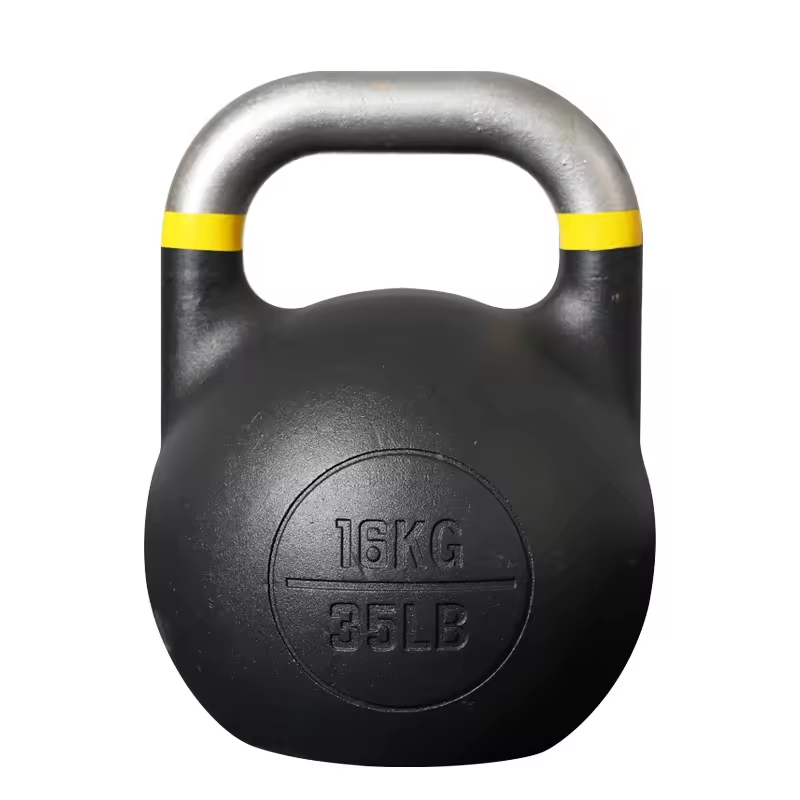
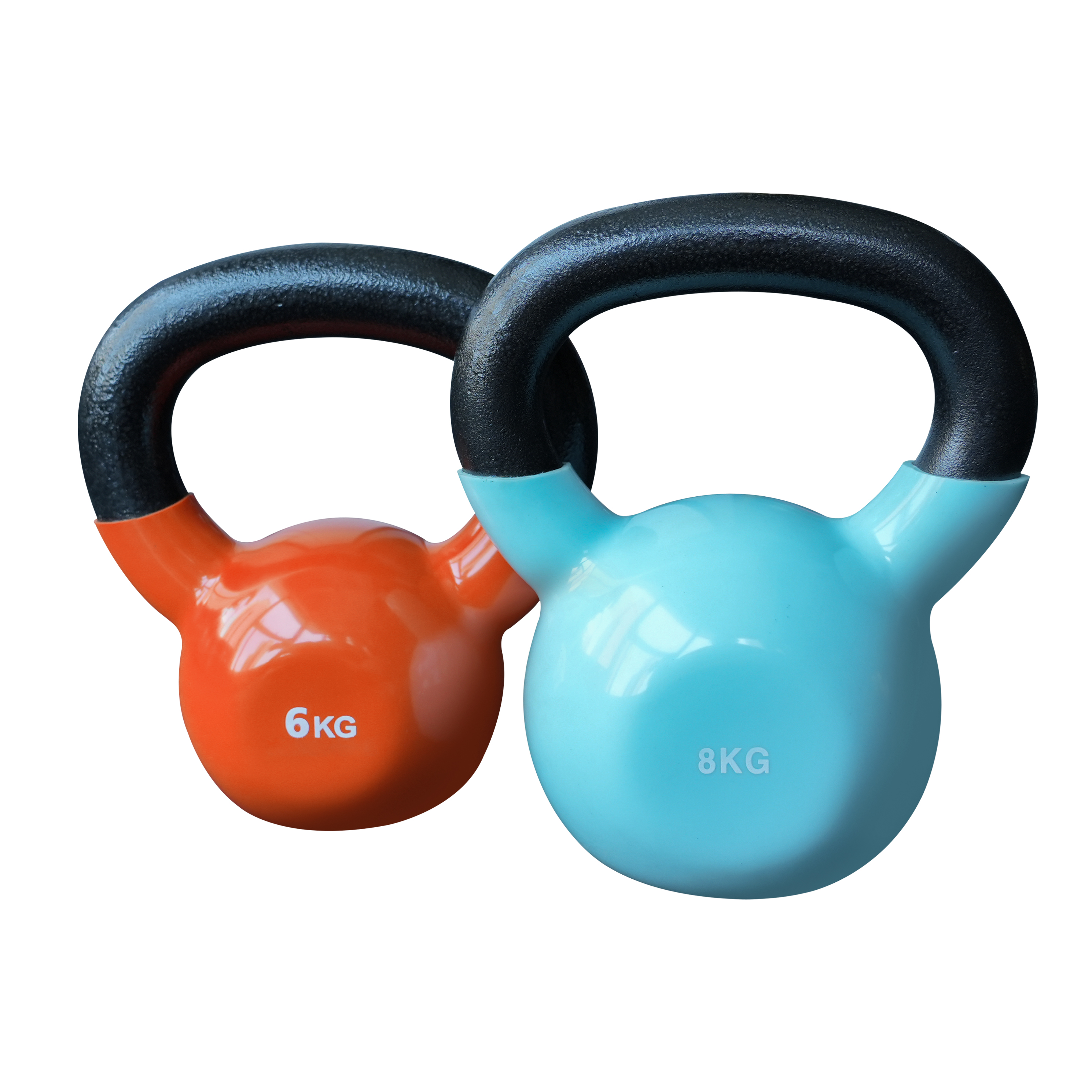
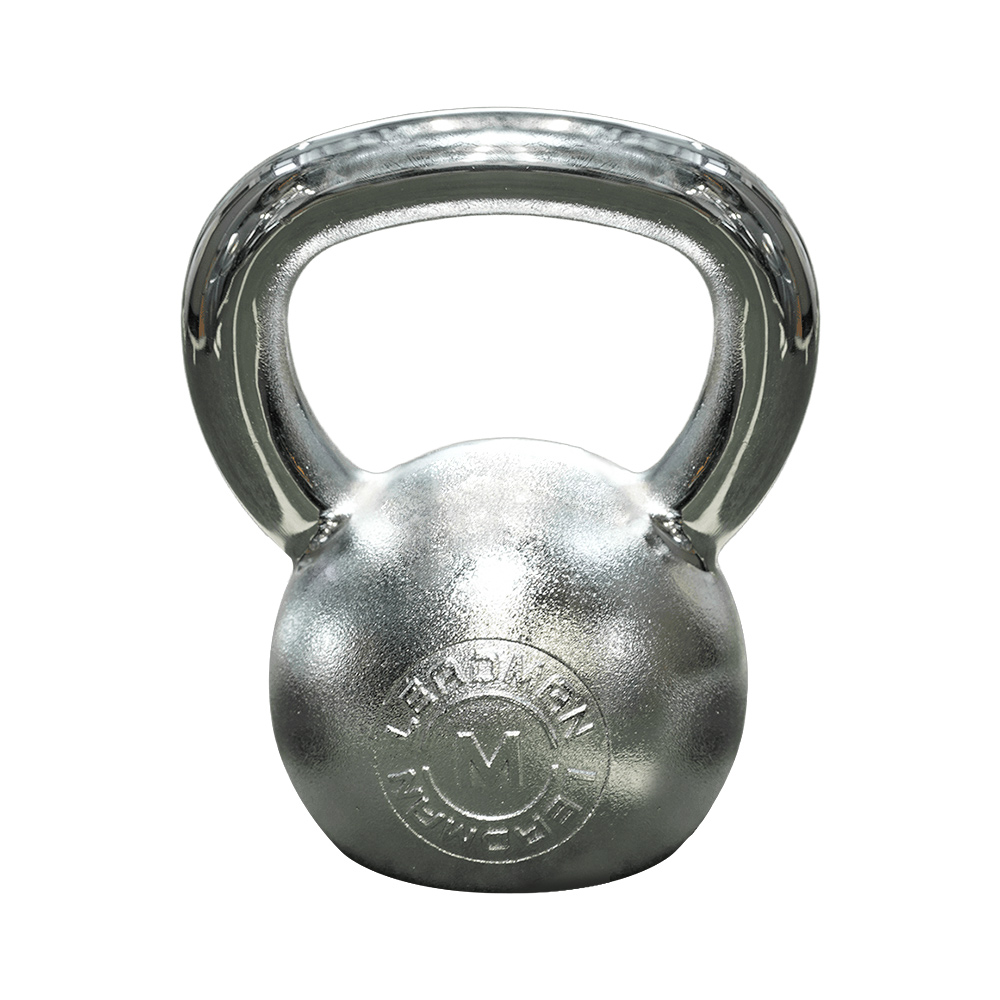
Kettlebell Sizes and Weights Guide: Private Label OEM
Kettlebell Sizes and Weights Guide for Commercial Inventory
For a boutique strength studio or a multi-location fitness franchise, selecting an inefficient weight distribution can lead to rapid inventory gaps and unnecessary replacement costs. A professional kettlebell sizes and weights guide helps procurement managers balance high-demand light weights with specialized heavy sets to maximize floor utility. When sourcing directly from a China factory, distributors can strategically select weight increments that align with their specific market demographics, ensuring higher turnover and better ROI.
Optimizing your inventory requires more than just buying random sets; it requires a calculated approach to space optimization and durability. A professional commercial grade kettlebell supplier provides the ability to customize weight ranges to prevent "dead zones" in your facility where certain weights are perpetually missing or overstocked. By utilizing wholesale kettlebell sets with standardized increments, importers can ensure consistent custom branded kettlebell manufacturing that meets the rigorous demands of high-traffic commercial environments while maintaining a predictable landed cost.
Strategic Weight Distribution for Commercial Inventory Planning
To achieve optimal inventory turnover, procurement professionals must align weight increments with the specific training profiles of their clients. A standard kettlebell sizes and weights guide for commercial settings typically prioritizes a dense concentration of mid-range weights to accommodate the majority of functional training sessions. For example, while heavy weights are essential for strength athletes, the highest volume of usage often occurs in the 8kg to 24kg range. Planning your wholesale kettlebell sets with this volume-centric approach reduces the frequency of restocking and minimizes the impact of weight-specific shortages during peak hours.
The following table outlines a recommended distribution model for distributors and gym owners. This model is designed to assist in calculating volume requirements and estimating the total landed cost when ordering via custom branded kettlebell manufacturing. By selecting a diverse range of weights, you ensure your facility can serve both beginners and advanced practitioners without excessive capital expenditure on niche, low-turnover sizes.
| Weight Category | Typical Weight Range (kg) | Recommended Inventory Ratio (%) | Primary User Demographic |
|---|---|---|---|
| Light / Beginner | 4kg – 12kg | 35% | Aerobics, Beginners, Mobility Training |
| Intermediate / Standard | 14kg – 24kg | 45% | Functional Fitness, General Strength |
| Advanced / Heavy | 26kg – 40kg | 15% | Strength Athletes, Advanced Conditioning |
| Specialized / Ultra-Heavy | 42kg+ | 5% | Professional Strength Training |
When evaluating a commercial grade kettlebell supplier, always confirm the precision of the weight increments. Inconsistent casting can lead to significant discrepancies that affect your brand reputation and long-term maintenance costs. We recommend requesting a technical specification sheet and a sample approval process to ensure that every unit within your kettlebell sizes and weights guide meets your exact tolerances before the full production run begins. This level of scrutiny is vital for maintaining high standards across your entire commercial inventory.
Optimizing Total Cost of Ownership Through Material Selection
The long-term durability of your equipment directly influences the Total Cost of Ownership (TCO). For distributors, the choice between cast iron, competition-grade steel, or coated finishes is not merely an aesthetic decision but a strategic procurement choice. High-traffic facilities often face rapid degradation of handles and surface coatings due to constant friction. When engaging in custom branded kettlebell manufacturing, it is essential to specify material grades that withstand high-volume usage to prevent premature replacement cycles and reduce long-term maintenance expenses.
Investing in high-quality finishes during the initial wholesale kettlebell sets procurement phase can significantly lower your operational expenditure (OPEX). For instance, premium powder coatings or high-grade urethane layers offer superior resistance to chipping and oxidation compared to basic paint. While the initial unit price may be slightly higher, the increased lifespan of the product ensures a much better return on investment for the end-user and a more reliable product line for the distributor. We advise all procurement leads to conduct a rigorous quality control (QC) review of material samples to ensure the durability aligns with the expected commercial environment.
Optimizing Weight Coverage and Inventory Selection
Effective procurement requires a strategic kettlebell sizes and weights guide to balance consumer demand with logistics efficiency. For distributors and gym owners, selecting the right weight increments is not just about fitness variety; it is a critical component of a procurement strategy designed to maximize inventory turnover while minimizing the warehouse footprint. Sourcing through a commercial grade kettlebell supplier allows you to align your stock with high-demand weight classes, ensuring capital is not tied up in slow-moving SKUs.
A common mistake in bulk sourcing is over-investing in niche weights that occupy excessive shelf space without high utilization. By optimizing your wholesale kettlebell sets to focus on high-velocity increments—typically the 8kg to 24kg range for general fitness and 28kg to 40kg for strength training—you improve your facility's ROI and reduce long-term storage costs.
| Inventory Strategy | Weight Increment Type | Warehouse Footprint | Ideal For |
|---|---|---|---|
| Standardized Core Set | Wide (4kg–8kg gaps) | Low/Compact | Commercial Gyms & Studios |
| Specialized Strength Set | Narrow (2kg–4kg gaps) | High/Extensive | Performance Training Centers |
| Custom Branded Set | Variable (Per OEM Spec) | Optimized | Boutique Fitness Brands |
When engaging in custom branded kettlebell manufacturing, you have the opportunity to define your own weight standards. Working directly with a factory allows you to tailor the distribution of weight increments to your specific market needs, ensuring your private label collection remains both cost-effective and highly marketable.
To maximize your market competitiveness, you must evaluate the kettlebell sizes and weights guide through the lens of volume-based procurement. A high-performing inventory is not merely a collection of weights, but a calculated distribution of mass that meets the diverse needs of strength athletes and general fitness enthusiasts alike. By leveraging a commercial grade kettlebell supplier, you can move away from generic, one-size-fits-all stock and toward a precision-engineered inventory that aligns with your brand's specific target demographics.
Standardized Weight Distributions for Global Export
Most successful distributors focus on high-velocity weight classes to ensure rapid turnover. While standard increments are common, the ability to request specific distributions via custom branded kettlebell manufacturing allows you to bypass the inefficiencies of standard retail packaging. Whether you are building a foundational set for a large-scale facility or a specialized collection for a boutique studio, understanding the ratio of light to heavy units is essential for maintaining a healthy landed cost and optimized shipping volume.
| Weight Class Category | Common Weight Increments (kg) | Typical Target Demographic | Procurement Focus |
|---|---|---|---|
| Light/Aerobic | 4, 6, 8, 10 | Beginners, HIIT, Mobility | High Volume / Low MOQ |
| Intermediate/Strength | 12, 14, 16, 18, 20, 24 | General Fitness, CrossFit | Standardized Wholesale Sets |
| Heavy/Performance | 28, 32, 36, 40+ | Strength Athletes, Powerlifters | Durability & Precision |
For buyers looking to differentiate their product line, the kettlebell sizes and weights guide should serve as a blueprint for your next production run. We recommend consulting with your factory to confirm the minimum MOQ for non-standard weight increments. This ensures that your custom orders remain economically viable while providing the unique value proposition required to capture your specific market segment.
Balancing Shipping Volume and Landed Cost
A critical factor in international procurement is the relationship between weight density and shipping volume. When ordering wholesale kettlebell sets, the physical dimensions of the handles and the density of the casting material directly impact your container loading efficiency. A poorly planned weight distribution can lead to excessive "dead space" within a shipping container, effectively increasing your landed cost per unit. To mitigate this, professional buyers should coordinate with their China factory to optimize how units are nested or palletized for export.
To achieve maximum efficiency, consider how your kettlebell sizes and weights guide affects your total freight expense. For example, high-density cast iron models offer better volume-to-weight ratios for sea freight compared to bulky, hollow-core alternatives. By working with a specialized supplier, you can request specific packaging configurations that maximize the number of units per pallet, thereby reducing the logistics overhead and improving your overall distributor margins through better weight-to-volume optimization.
Custom Branded Kettlebell Manufacturing and Private Label Options
For distributors and large-scale fitness retailers, moving beyond generic inventory is a critical step in establishing market authority. Utilizing a professional kettlebell sizes and weights guide allows you to plan a product lineup that meets specific training demands while leveraging custom branded kettlebell manufacturing to build long-term equity. Instead of competing solely on price with unbranded units, implementing a private label strategy through a reliable China factory enables you to control your brand identity and professionalize your catalog.
Transitioning from basic wholesale kettlebell sets to a fully customized solution provides significant differentiation in a crowded market. By working directly with an OEM or ODM partner, you can specify unique handle textures, specialized color palettes, or custom logo engravings that align with your premium brand standards. This level of custom branding ensures that your products are recognizable in both retail environments and high-end commercial facilities, moving your business from a simple importer to a recognized equipment provider.
Technical Comparison of Customization and Sourcing Tiers
When evaluating your procurement strategy, it is essential to distinguish between standard stock orders and high-level customization. A professional kettlebell sizes and weights guide should help you determine whether your market requires off-the-shelf availability or a specialized product line. For many distributors, the choice between purchasing existing wholesale kettlebell sets and commissioning a dedicated production run depends on your target margin and the level of brand differentiation required by your clients.
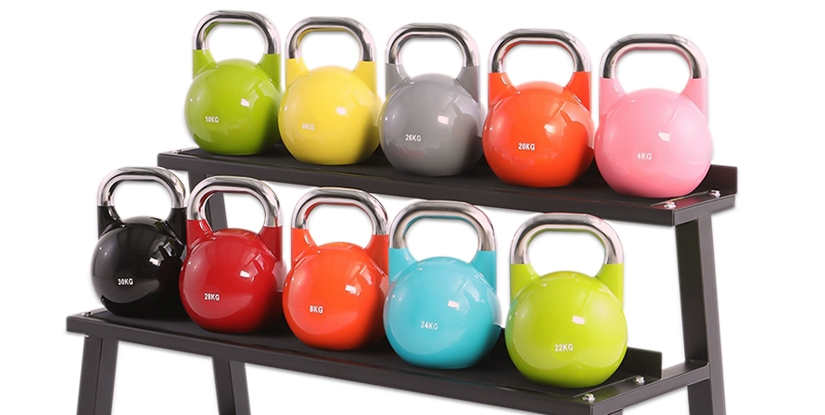
The following table outlines the technical specifications and customization capabilities available when working with a commercial grade kettlebell supplier. This comparison is designed to assist procurement managers in assessing the complexity and potential landed cost of different sourcing models.
| Specification Category | Standard Wholesale / Stock | Full OEM / ODM Solutions |
|---|---|---|
| Material Options | Standard Cast Iron or Competition Steel | Custom Alloy, High-Density Rubber, or Specialized Coatings |
| Weight Precision | Standard Increments (e.g., 2kg or 4kg steps) | Custom Precision Tolerances for Specific Training Sets |
| Branding & Logo | Generic or Minimal Unbranded | Laser Engraving, Embossing, or Custom Color Injection |
| Color & Finish | Industry-Standard Black or Basic Colors | Custom Color Palettes for Brand Alignment |
| Packaging | Standard Export Cartons | Customized Retail-Ready Packaging or Branded Sleeves |
| Minimum Order (MOQ) | Lower Volume / Ready-to-Ship | Higher Volume / Production-Dependent |
Choosing the custom branded kettlebell manufacturing path allows for greater control over the product lifecycle and brand consistency. While an OEM approach typically requires higher volume commitments, it provides the ability to control every detail from the handle ergonomics to the final aesthetic finish. We recommend contacting our sourcing team to request a detailed spec sheet, confirm current MOQ requirements for your specific design, or schedule a factory audit to ensure your quality standards are met before the production cycle begins.
Logistical Requirements and Quality Assurance for Bulk Sourcing
Managing the logistics of high-volume imports requires more than just selecting a weight range; it requires a rigorous approach to supply chain stability. When sourcing through a commercial grade kettlebell supplier, procurement leads must account for the total landed cost, which includes not only the unit price but also the impact of export packaging and container loading efficiency. A failure to align your order volume with optimized shipping dimensions can lead to wasted container space and increased freight-per-unit costs, directly impacting your distributor margins.
To mitigate risk during the procurement process, we implement strict quality control protocols that address the specific durability needs of commercial environments. This includes pre-shipment inspections to verify weight tolerances, handle ergonomics, and coating adhesion. Understanding the typical lead time for both standard and customized production runs is essential for maintaining consistent inventory levels. Whether you are ordering standard wholesale kettlebell sets or specialized custom units, we provide transparent timelines to help you manage your warehouse stock and client delivery expectations effectively. We encourage professional buyers to request a sample approval and a detailed inspection report to ensure all technical specifications meet your facility or retail requirements before the final shipment is dispatched.
Quality Control Standards for High-Volume Kettlebell Sourcing
Maintaining consistency in a kettlebell sizes and weights guide is critical when managing large-scale inventory. For distributors, a single batch of non-compliant units can lead to high return rates and damage your reputation. A professional commercial grade kettlebell supplier must implement rigorous quality control protocols to ensure every piece meets international manufacturing standards.
Precision in weight tolerance is the most vital metric during the sourcing process. Discrepancies in mass can disrupt training programming for professional athletes and high-end studio clients. Beyond weight, the surface finish must be uniform to prevent grip slippage or skin irritation. When you partner with a reliable China factory, you ensure that wholesale kettlebell sets undergo strict pre-shipment inspections, verifying that the casting, handle smoothness, and weight accuracy remain within strict commercial tolerances.
To mitigate the risks of custom branded kettlebell manufacturing, we recommend requesting a formal spec sheet and a sample evaluation before finalizing any bulk order. This allows you to verify the durability and finish quality firsthand, ensuring your private label meets the expectations of your target market.
Technical Inspection Checklist for B2B Procurement
To ensure your inventory meets professional standards, implement a standardized inspection protocol during the pre-shipment phase. A robust kettlebell sizes and weights guide for procurement specialists should include a technical checklist that covers physical dimensions, material integrity, and branding precision. Relying on a professional commercial grade kettlebell supplier means demanding transparency in these specific quality metrics before the cargo leaves the factory.
| Inspection Category | Technical Requirement | B2B Sourcing Priority |
|---|---|---|
| Weight Accuracy | Tolerance within +/- 1% to 3% of nominal mass | Consistent training load for professional users |
| Handle Ergonomics | Smooth surface with zero casting burrs or sharp edges | Safety and grip reliability during high-volume use |
| Casting Integrity | Zero visible cracks, pitting, or structural voids | Long-term durability and reduced replacement costs |
| Branding Precision | Alignment and clarity of logo/weight markings | Brand identity protection for custom branded kettlebell manufacturing |
| Batch Consistency | Uniform color, texture, and coating across all SKUs | Visual professionality for wholesale kettlebell sets |
When managing high-volume orders, the risk of batch variation increases. We advise all distributors to confirm the MOQ and specific lead time for customized runs, as specialized finishes or unique branding can extend production schedules. Always request a pre-shipment inspection report to verify that your wholesale shipment adheres to the approved sample, protecting your landed cost and ensuring long-term distributor margins.
| Inspection Metric | Standard Tolerance | Commercial Requirement | Testing Method |
|---|---|---|---|
| Mass Deviation | +/- 1% to 3% | Uniformity across full set | Calibrated digital scale calibration |
| Handle Diameter | +/- 1mm to 2mm | Ergonomic grip consistency | Vernier caliper measurement |
| Surface Roughness | No sharp edges/burrs | Safe for high-intensity use | Manual tactile inspection |
| Coating Adhesion | Zero peeling/flaking | Durability in high-humidity environments | Cross-cut tape test or friction test |
| Logo/Marking Clarity | High definition/No blur | Premium brand identity integrity | Visual inspection under standard light |
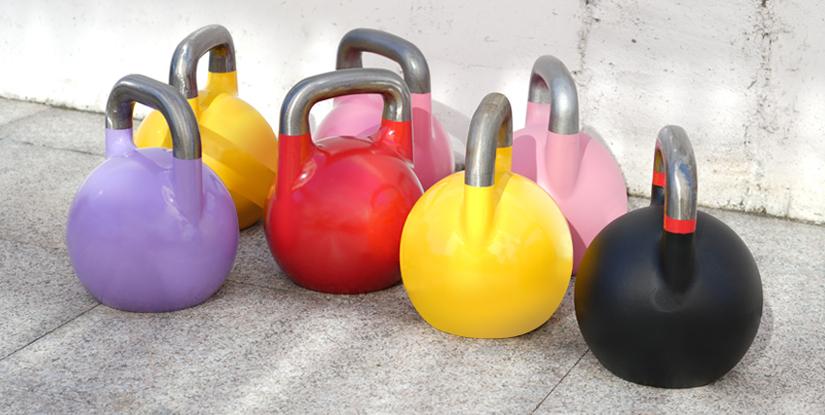
Effective sourcing requires more than just a price comparison; it demands a technical audit of the production line. For distributors managing a kettlebell sizes and weights guide, the cost of a single faulty batch far outweighs the initial savings of a lower-tier provider. By establishing these specific testing methods, you ensure that your wholesale kettlebell sets arrive with the structural integrity required for high-traffic commercial environments.
Before finalizing your next bulk order, we recommend a three-step verification process: first, approve a physical sample that meets these exact tolerances; second, confirm the factory testing protocols for your specific weight range; and third, schedule a pre-shipment inspection to verify the final output against your approved specifications. This proactive approach protects your brand reputation and ensures stable long-term ROI.
Logistics and Export Packaging for Bulk Weight Shipments
Managing the kettlebell sizes and weights guide for your inventory involves more than just selecting weight increments; it requires a deep understanding of how physical dimensions impact your landed cost. For distributors and gym owners, the total price paid at your warehouse is heavily influenced by how efficiently your wholesale kettlebell sets are packed and how they interact with international freight logistics.
When sourcing from a China factory, procurement professionals must account for the relationship between density and volumetric weight. Because kettlebells are high-density items, the primary goal is to maximize the weight-to-volume ratio within a shipping container. Poor container optimization can lead to "shipping air," where you pay for unused space, or conversely, over-weight containers that incur heavy surcharges. High-efficiency shipping efficiency is achieved by using standardized pallet dimensions and nesting smaller weights within larger sets to ensure every cubic meter of a sea freight container is utilized for maximum profit margin.
Optimizing Freight Costs via Packaging Strategy
| Sourcing Method | Packaging Approach | Logistics Impact | Margin Potential |
|---|---|---|---|
| Standard Stock Order | Bulk loose or basic carton | Higher volumetric weight risk | Moderate |
| Custom Branded Kettlebell Manufacturing | Optimized nested sets | Minimized dead space | High |
| Wholesale Kettlebell Sets (Mixed) | Mixed-weight palletization | Maximum container density | Optimized |
To ensure a successful sourcing operation, we recommend requesting a detailed packing list and 3D loading diagram from your supplier during the quotation stage. This allows you to verify the exact dimensions and weight limits before production begins, ensuring your MOQ requirements align with standard shipping container capacities.
Effective export packaging is a critical variable in the total cost of ownership for heavy fitness equipment. For a commercial grade kettlebell supplier, the priority is not just protection, but the structural integrity of the shipment during long-distance transit. Whether you are ordering via sea freight or air, the method of palletization directly dictates your final landed cost and the condition of the goods upon arrival at your distribution center.
Standardizing Export Requirements for Sea Freight
When managing a bulk order, the risk of product damage or container shifting increases with improper weight distribution. We implement industrial-grade palletization protocols to ensure that high-density kettlebells remain stable throughout the voyage. This includes the use of reinforced heavy-duty corrugated cartons and moisture-resistant liners to protect against salt air and humidity during maritime transport. By standardizing the dimensions of these outer boxes, we enable more predictable stacking patterns, which is essential for maximizing the load capacity of a 20ft or 40ft container.
To mitigate procurement risks, we advise distributors to confirm the specific dimensions of the export cartons and the total pallet weight before finalizing the wholesale agreement. This level of technical detail ensures that your warehouse receiving equipment, such as forklifts and pallet jacks, is prepared for the incoming volume and that your shipping budget remains accurate from the initial quote to final delivery.
Effective export packaging is a critical variable in the total cost of ownership for heavy fitness equipment. For a commercial grade kettlebell supplier, the priority is not just protection, but the structural integrity of the shipment during long-distance transit. Whether you are ordering via sea freight or air, the method of palletization directly dictates your final landed cost and the condition of the goods upon arrival at your distribution center.
Strategic Procurement and Supplier Evaluation
Optimizing your inventory begins with a comprehensive kettlebell sizes and weights guide to ensure your facility or retail stock meets diverse training demands. For distributors and gym equipment importers, sourcing directly from a China factory minimizes the landed cost while maximizing product variety. Relying on a professional commercial grade kettlebell supplier allows you to secure standardized weight increments that meet international fitness industry expectations, ensuring long-term durability and client satisfaction.
Effective sourcing requires more than just selecting weight increments; it demands a partnership with a reliable factory that understands the complexities of global logistics. When ordering wholesale, procurement officers must evaluate the MOQ and lead times to maintain a lean, efficient supply chain. By working with an experienced supplier, you can mitigate the risks of inconsistent weight tolerances and substandard finishes, protecting your margins and brand reputation.
Evaluating Sourcing Models for Maximum Margin
Distributors often face a critical decision between purchasing ready-to-ship stock or investing in custom branded kettlebell manufacturing. While stock orders offer faster turnaround, a direct partnership for production allows for deeper integration of your brand identity and specific material requirements. To optimize your procurement strategy, consider how different models impact your total cost of ownership and market positioning.
| Procurement Model | Primary Advantage | Typical MOQ | Customization Potential | Landed Cost Impact |
|---|---|---|---|---|
| Stock Wholesale | Rapid fulfillment and lower initial risk | Low to Medium | Limited to standard colors | Higher per-unit cost due to middleman margins |
| OEM Production | High brand differentiation and control | Medium to High | Full color, logo, and texture options | Lower per-unit cost via direct factory-to-port logistics |
| White Label Sets | Ready-made professional branding | Medium | Standardized branding templates | Balanced cost for rapid market entry |
When building out wholesale kettlebell sets, the goal is to balance variety with logistics efficiency. A professional kettlebell sizes and weights guide should inform whether you focus on a wide range of lightweight SKUs or a concentrated selection of heavy-duty commercial units. To ensure high-quality results, always request a formal specification sheet and confirm the MOQ for any specialized coatings or custom handle designs before finalizing your purchase order.