Warranty for Commercial Kettlebells: Export Ready China
Understanding the Warranty for Commercial Kettlebells in Bulk Sourcing
For a large-scale fitness distributor or a multi-location gym chain, the cost of a single defective unit is negligible, but the cost of systemic failure across a thousand units is catastrophic. When managing high-volume imports, the warranty for commercial kettlebells serves as a critical insurance policy against manufacturing defects that can disrupt your operational stability. Sourcing directly from a China factory allows you to negotiate these terms based on volume, ensuring that your long-term TCO remains low by minimizing unexpected replacement expenses.
A robust warranty for commercial kettlebells protects your margins by addressing issues like casting irregularities, handle integrity, or coating delamination before they become a liability. For professional buyers, a commercial kettlebell supplier must offer more than just a low unit price; they must provide a clear framework for gym equipment replacement planning. This ensures that if a batch fails to meet commercial-grade standards, your capital is protected through structured credit or replacement protocols.
Evaluating the landed cost of your shipment requires looking beyond the initial FOB price. A wholesale order with a comprehensive warranty reduces the risk of high maintenance-related expenses. By establishing clear terms with your commercial kettlebell supplier, you can effectively integrate replacement planning into your annual budget, ensuring that your inventory remains high-performing without constant reinvestment.
Sourcing Models and Total Cost of Ownership
When managing large-scale procurement, the method of sourcing significantly dictates your long-term liability and replacement frequency. For professional buyers, choosing between a direct manufacturer and a trading entity affects both the initial wholesale price and the reliability of your warranty for commercial kettlebells. While a trader may offer convenience, a direct commercial kettlebell supplier provides more transparency regarding the actual production standards and the ability to resolve batch-wide issues through direct factory intervention.
To optimize your gym equipment replacement planning, it is essential to compare how different supply chains impact your operational budget. A direct model typically allows for more rigorous QC oversight and customized terms, whereas a third-party model may obscure the root cause of defects, making it harder to claim a warranty for commercial kettlebells when high-volume failures occur. Below is a comparison of the two most common B2B sourcing structures.
| Sourcing Dimension | Direct Factory-Direct Model | Local/Third-Party Trader Model |
|---|---|---|
| Pricing Structure | Lowest unit cost for high-volume orders | Higher markup due to intermediary margins |
| Customization Capability | Full support for OEM and ODM | Limited to existing stock or standard SKUs |
| Warranty Control | Direct access to factory technical support | Dependent on trader's internal policy |
| Minimum Order Quantity | Strict MOQ requirements for custom runs | Often lower MOQ for smaller batches |
| Lead Time Transparency | Direct control over lead time and production | Subject to trader's procurement cycles |
| Quality Assurance | Direct QC and pre-shipment inspection | Indirect verification through the trader |
For distributors looking to maximize their long-term profitability, the direct model offers a more predictable path for wholesale kettlebell manufacturing. By working with a source that understands the specific requirements of international sourcing, you can mitigate the risks of receiving substandard batches. We recommend that buyers request a detailed spec sheet and confirm the MOQ for any private label or custom-branded projects to ensure the landed cost remains within your projected ROI targets.
The Role of QC and Pre-Shipment Inspection in Warranty Validity
Securing a valid warranty for commercial kettlebells begins long before the goods reach your warehouse; it starts with the technical oversight of the production line. For high-volume importers, relying solely on a manufacturer's word is a high-risk strategy. Instead, professional procurement teams utilize rigorous QC protocols and mandatory pre-shipment inspections to verify that every unit meets the specified weight tolerances and coating durability. Without these documented checkpoints, a commercial kettlebell supplier may be unable to honor a warranty claim if the defect is rooted in a systemic manufacturing error that was not caught at the source.
To protect your investment, ensure your wholesale kettlebell manufacturing agreement includes specific clauses regarding batch testing and inspection rights. A professional China factory will typically welcome a third-party inspection to validate that the casting, handle grip, and weight accuracy align with international commercial standards. This level of scrutiny is essential for successful gym equipment replacement planning, as it shifts the burden of proof from the buyer to the production process. By formalizing these inspection requirements during the sourcing phase, you ensure that your landed cost includes the value of long-term reliability and a verifiable guarantee of quality.
Standardizing Quality Control and Pre-Shipment Inspection Protocols
For professional distributors and gym equipment importers, the warranty for commercial kettlebells is only as reliable as the factory's testing rigor. When sourcing high-volume orders, relying on a China factory that implements strict quality control (QC) protocols is essential to mitigate the risk of structural defects or weight inaccuracies. A failure in manufacturing standards during production directly translates to increased maintenance costs and diminished durability in high-traffic commercial usage environments.
To protect your long-term margins, a professional commercial kettlebell supplier must demonstrate a systematic approach to wholesale kettlebell manufacturing. This includes rigorous material verification, weight tolerance testing, and surface finish inspections. Implementing comprehensive gym equipment replacement planning starts with selecting a partner that treats quality control (QC) as a non-negotiable component of the production cycle, ensuring every unit meets international commercial specifications before export.
Technical Inspection Stages and Quality Assurance
A professional commercial kettlebell supplier must execute a multi-stage verification process to ensure every batch meets the strict requirements of global distributors. This technical oversight begins at the raw material level—verifying iron purity and casting consistency—and extends through the final surface treatment. For importers, a standardized pre-shipment inspection is the most effective way to confirm that weight tolerances and handle ergonomics align with your brand identity and commercial expectations.
The following table outlines the critical inspection checkpoints required to maintain high standards during wholesale kettlebell manufacturing. These benchmarks are designed to minimize the total cost of ownership and support efficient gym equipment replacement planning by preventing premature wear or structural failure.
| Inspection Stage | Technical Focus Area | Commercial Standard Requirement |
|---|---|---|
| Material Verification | Iron Density and Casting Integrity | Zero structural voids or air bubbles within the cast core |
| Weight Calibration | Weight Tolerance Accuracy | Strict adherence to specified weight +/- allowable margin |
| Surface Finish | Coating Thickness and Adhesion | Uniform application to prevent chipping during high-volume use |
| Handle Ergonomics | Grip Texture and Diameter Consistency | Smooth transition zones and standardized grip dimensions |
| Final QC Audit | Dimensional and Visual Uniformity | Full compliance with the approved warranty for commercial kettlebells specs |
To ensure your procurement process is seamless, we recommend requesting a detailed spec sheet or arranging a factory audit before finalizing large-scale orders. Confirming the specific MOQ and lead times for custom OEM or ODM projects will allow you to better manage your inventory and distributor margins.
Effective gym equipment replacement planning depends on the predictability of your supply chain. For high-volume importers, the risk of receiving a bulk order with inconsistent weight tolerances or coating failures can drastically increase landed costs through high return rates and customer dissatisfaction. A reliable commercial kettlebell supplier must provide transparency regarding production timelines and shipment reliability to ensure your inventory turnover remains stable.
When managing international logistics, understanding the relationship between wholesale kettlebell manufacturing and the total cost of ownership is vital. A shorter lead time is only valuable if the output meets the rigorous standards of the warranty for commercial kettlebells. By prioritizing a factory that integrates strict QC with efficient export packaging, distributors can minimize transit damage and ensure that the products arriving at their warehouse are ready for immediate commercial deployment.
Evaluating Commercial Kettlebell Supplier Reliability and Terms
For professional importers, a robust warranty for commercial kettlebells is not merely a safety net; it is a critical component of long-term replacement planning. When you engage a commercial kettlebell supplier, the terms provided directly influence your distributor margin and total cost of ownership. A high-quality China factory understands that providing a clear, enforceable warranty for commercial kettlebells reduces the risk of unexpected replacement costs and protects your brand reputation in the local market.
Sourcing through a wholesale model requires a clear understanding of how product failure impacts your bottom line. If a batch lacks durability, the cost of shipping replacements and the loss of client trust can quickly erode any initial savings gained from low landed cost. Therefore, professional sourcing involves evaluating the manufacturer's ability to meet strict MOQ requirements while maintaining consistent structural integrity.
| Procurement Factor | Standard Wholesale Sourcing | Premium OEM/ODM Partnership |
|---|---|---|
| Primary Goal | Low initial landed cost | High long-term ROI |
| Warranty Scope | Limited to manufacturing defects | Comprehensive structural coverage |
| Replacement Planning | Reactive/Ad-hoc | Proactive/Scheduled |
| Impact on Margin | Variable based on defect rates | Stable and predictable |
To ensure your investment remains profitable, always confirm the specific coverage details with your supplier before finalizing a bulk order. This includes verifying the factory testing protocols and the process for handling defective units under the warranty for commercial kettlebells.
Optimizing Business Risk Through Manufacturing Standards
A professional wholesale kettlebell manufacturing partner does more than just produce weights; they provide a framework for risk mitigation. For distributors, the primary concern is the logistical complexity of handling defective goods. If a shipment arrives with casting flaws or weight inaccuracies, the cost of return shipping and the disruption to your gym equipment replacement planning can be devastating to your profit margins.
A reliable commercial kettlebell supplier mitigates these risks by implementing rigorous quality control (QC) at the source. This includes pre-shipment inspections of casting density, handle grip consistency, and weight tolerances. When sourcing from a professional China factory, you should demand transparency regarding how they handle replacement parts or defective batches. A clear protocol for addressing manufacturing errors ensures that your landed cost remains predictable and that your inventory remains high-performing for the end-user.
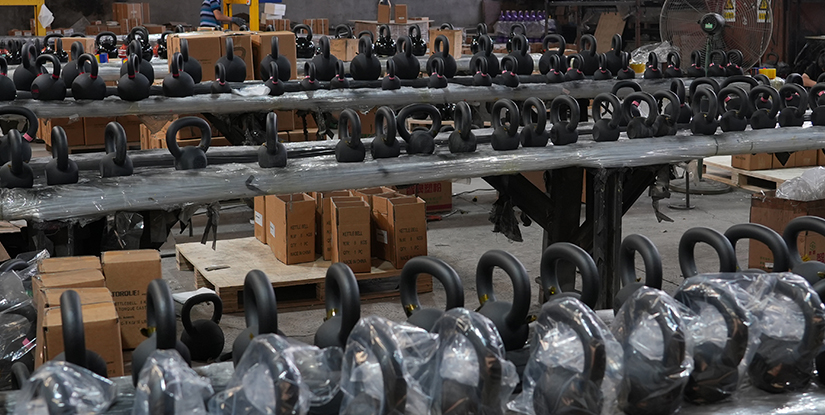
Before finalizing your next bulk order, we recommend requesting a detailed specification sheet and a sample approval process. Confirming the exact lead time and the specific procedures for defect claims will allow you to build a more resilient supply chain for your distribution business.
Managing the logistical overhead of defective units is a core challenge for any high-volume importer. To protect your business, you must ensure that your commercial kettlebell supplier offers a structured approach to after-sales support. This is especially critical when utilizing OEM or ODM services, where custom branding and specific weight tolerances are part of the contract. A professional China factory will provide a documented process for handling discrepancies, ensuring that your wholesale kettlebell manufacturing partnerships are built on accountability rather than just low initial pricing.
Effective gym equipment replacement planning requires more than just a simple promise; it requires a verified inspection protocol. We recommend that all buyers incorporate a formal pre-shipment inspection into their procurement workflow. By verifying the integrity of the casting and the accuracy of the weights before the container is sealed, you drastically reduce the likelihood of a costly warranty claim later. This proactive approach to sourcing ensures that your bulk orders arrive ready for immediate commercial deployment, maintaining your reputation for quality while securing your long-term distributor margins.
Optimizing Wholesale Kettlebell Manufacturing for Long-Term Durability
For professional distributors and gym owners, the warranty for commercial kettlebells is a direct reflection of the production integrity established at the source. When sourcing from a China factory, the distinction between retail-grade and professional-grade equipment lies in the rigorous manufacturing standards applied during the casting and coating processes. High-volume importers must prioritize durability to minimize long-term replacement costs and maintain high service standards for their end-users.
Reliable wholesale kettlebell manufacturing requires a strict focus on material density and structural uniformity. A professional commercial kettlebell supplier ensures that every unit undergoes rigorous QC protocols to verify weight accuracy and handle grip consistency. Without these standardized checks, a factory risks delivering inconsistent batches that lead to higher breakage rates and increased gym equipment replacement planning complexities for the buyer. By establishing high baseline standards for material integrity, importers can secure a more stable TCO (Total Cost of Ownership) for their clients.
Technical Durability Comparison for Procurement Decision-Making
When evaluating the long-term value of a bulk order, procurement leads must differentiate between standard finishes and professional-grade protective layers. The choice between cast iron and steel construction significantly impacts the warranty for commercial kettlebells and the overall lifecycle of the product. While both materials are industry standards, their performance under heavy usage cycles varies based on the manufacturing process and the quality of the applied coating.
For example, high-grade cast iron provides superior density and impact resistance, which is essential for high-traffic training environments. However, the durability of the surface is often determined by the coating durability. A professional commercial kettlebell supplier will typically offer high-quality powder coating or specialized urethane finishes to prevent rust and surface degradation. Understanding these technical nuances is critical for effective gym equipment replacement planning, as it allows distributors to accurately forecast maintenance cycles and potential replacement needs for their clients.
| Technical Factor | Cast Iron (Standard) | Steel/Iron Alloy (Premium) | Impact on TCO |
|---|---|---|---|
| Surface Coating | Basic Powder Coat | High-Density Urethane/Polymer | Reduces long-term rust maintenance |
| Impact Resistance | Moderate | High | Reduces frequency of replacement |
| Weight Consistency | Standard Casting | Precision Machined/Molded | Ensures professional grade reliability |
| Maintenance Load | Regular inspection required | Minimal intervention needed | Optimizes operational efficiency |
To ensure your inventory meets the highest professional standards, we recommend requesting a technical spec sheet or a sample evaluation from your chosen supplier. Confirming the specific coating thickness and material density during the initial sourcing phase will help secure a more predictable TCO for your distribution or gym management business.
Strategic Sourcing for Replacement and Inventory Stability
Effective gym equipment replacement planning extends beyond the initial purchase; it requires a proactive approach to inventory management and lifecycle forecasting. For distributors managing large-scale facility deployments, the ability to predict when a batch might require refreshing is essential for maintaining consistent service levels. When negotiating with a commercial kettlebell supplier, it is vital to align your procurement cycles with the manufacturer's capacity to ensure that replacement stock is available without excessive downtime.
A well-structured wholesale kettlebell manufacturing agreement should clearly define the parameters for both standard orders and expedited replacement needs. To optimize your supply chain, professional buyers should consider the following logistical factors during the initial sourcing phase:
- MOQ and Scale: Establishing a clear MOQ for both initial orders and subsequent replacement batches ensures you can maintain weight set continuity across different production runs.
- Lead Time Management: Understanding the exact lead time from order confirmation to port delivery allows for better forecasting of equipment turnover in high-usage facilities.
- Landed Cost Optimization: Calculating the total landed cost—including freight, duties, and local logistics—is critical when determining the long-term ROI of your premium product lines.
- Maintenance and Longevity: Selecting products with superior coatings reduces the frequency of replacement, thereby lowering the long-term operational burden on the end-user.
By integrating these variables into your procurement strategy, you can secure a more reliable warranty for commercial kettlebells that protects your margins and your reputation. We suggest contacting your partner to discuss bulk pricing tiers, custom branding options, and to confirm the specific MOQ required for your next strategic restock.
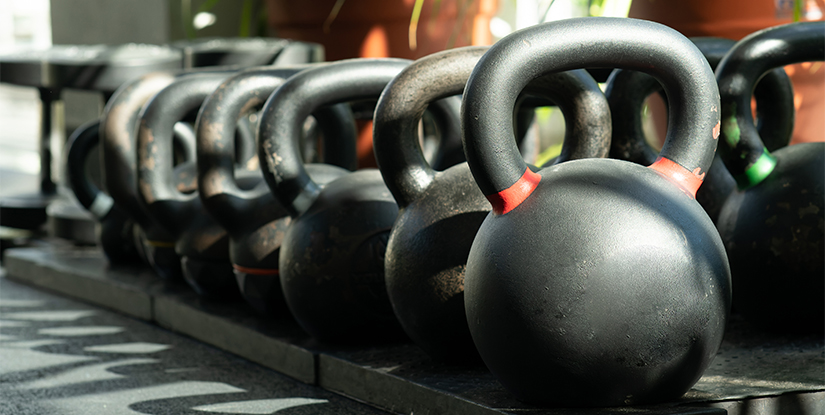
Managing Gym Equipment Replacement Planning via Warranty Assurance
Effective gym equipment replacement planning begins with understanding the lifecycle of your inventory. When sourcing in bulk, a robust warranty for commercial kettlebells serves as more than just a repair policy; it is a critical component of your long-term capital expenditure strategy. For distributors and large-scale facility operators, relying on a reliable commercial kettlebell supplier ensures that your replacement cycles are predictable and that your TCO remains optimized over several years of heavy usage.
A professional China factory provides the necessary transparency regarding material durability and wear patterns. By integrating specific warranty terms into your procurement process, you can better forecast when to trigger new wholesale orders, ensuring your facility maintains a full range of weights without unexpected downtime or sudden budget spikes caused by premature equipment failure.
Evaluating Coverage Types and Replacement Cycles
To optimize your procurement budget, you must distinguish between manufacturing defects and standard operational wear. A professional wholesale kettlebell manufacturing partner will provide clear documentation regarding what is covered under a standard warranty for commercial kettlebells. For example, structural failures such as handle breakage or casting cracks are typically covered, whereas cosmetic surface scuffs from high-frequency use are often classified as standard wear and tear.
The following table assists procurement managers in evaluating the different tiers of coverage and expected lifecycle milestones when sourcing from a commercial kettlebell supplier.
| Coverage Category | Typical Scope | Expected Replacement Frequency | Procurement Focus |
|---|---|---|---|
| Structural Integrity | Casting defects, handle fractures, weight inaccuracies | 5 to 10+ years | Quality control and material density |
| Surface and Coating | Paint chipping, minor scuffs, handle texture wear | 2 to 4 years | Usage volume and environmental factors |
| Standard Wear and Tear | Cosmetic surface scratches, minor oxidation | Ongoing | Maintenance and routine cleaning protocols |
When conducting gym equipment replacement planning, we recommend requesting a detailed specification sheet from your China factory to confirm the exact tolerance levels and coating durability. Understanding these variables allows you to manage your inventory more effectively and maintain stable margins across your distribution or facility management cycles.
Mitigating Logistics and Lead Time Risks via Factory-Direct Communication
For high-volume importers, the primary risk in gym equipment replacement planning is not just the failure of a single unit, but the disruption of the entire supply chain. Relying on a third-party trader often obscures the true lead time and complicates the process of securing replacement parts or new batches. By establishing a direct line with the China factory, procurement leads can synchronize their inventory replenishment with actual production cycles, effectively managing the risk of stockouts during peak seasons.
Strategic buyers should leverage OEM and ODM capabilities to build more resilient stock levels. When you work directly with a supplier, you can negotiate specific MOQ requirements for replacement units or specialized weight sets, ensuring that your landed cost remains predictable even when addressing unexpected equipment turnover. This level of direct communication allows for tighter control over QC protocols and the ability to request customized packaging or shipping configurations that minimize transit damage, ultimately protecting your long-term investment in the warranty for commercial kettlebells.
Streamlining Export Packaging and International Logistics Efficiency
Maintaining a valid warranty for commercial kettlebells requires more than just manufacturing durability; it depends heavily on how the product survives the global supply chain. For distributors and gym owners, the risk of transit damage can lead to unexpected replacement costs and disrupted gym equipment replacement planning. A professional China factory must implement specialized protocols to ensure that the high-density cast iron or powder-coated surfaces arrive in pristine, sellable condition.
Standard domestic packaging is insufficient for international ocean freight. To protect your landed cost and ensure long-term product integrity, high-tier wholesale kettlebell manufacturing utilizes reinforced corrugated boxes, heavy-duty palletization, and moisture-proof liners. This rigorous export packaging prevents structural deformation and surface oxidation during long-duration transit. By prioritizing robust container loading and protective layering, a reliable commercial kettlebell supplier minimizes the frequency of damage-related claims and secures the technical validity of the warranty for commercial kettlebells.
Optimizing Logistics for Bulk Shipments
Navigating the complexities of international freight requires a strategic understanding of how packaging density and protection methods influence your final landed cost. When sourcing through wholesale kettlebell manufacturing, the decision between sea freight and air freight is not merely about speed, but about balancing volume efficiency with structural security. Because kettlebells are high-density, heavy-weight items, the method of consolidation directly impacts your profit margins and the effectiveness of your gym equipment replacement planning.
To mitigate the risk of surface chipping or handle deformation, a professional commercial kettlebell supplier will typically offer two primary logistics configurations. For large-scale distributors, sea freight remains the industry standard due to its cost-effectiveness for heavy iron goods. However, this requires strict adherence to heavy-duty palletization and reinforced cartons to withstand the mechanical stresses of container stacking and ocean transit. For smaller, urgent replenishment orders, air freight provides faster turnaround but significantly higher costs per unit weight.
| Logistics Factor | Sea Freight (Standard Bulk) | Air Freight (Express/Small Batch) |
|---|---|---|
| Typical Use Case | Full container loads (FCL) or LCL for distributors | Small OEM samples or urgent stock replenishment |
| Packaging Requirement | Heavy-duty pallets and moisture-proof reinforced cartons | Standardized export cartons with lightweight protection |
| Cost Impact | Optimized for low landed cost on high-volume orders | Higher cost per kg; impacts distributor margins |
| Transit Risk Management | Requires high-tier export packaging for long-haul stability | Lower mechanical stress due to shorter duration |
Before finalizing your shipment, we recommend requesting a detailed packing list and weight distribution spec sheet. Confirming the exact dimensions of the heavy-duty pallets and the thickness of the reinforced cartons will allow you to calculate precise container utilization, ensuring you maximize every cubic meter of your shipping space. For specialized projects, please contact us to discuss custom palletization or specific branding requirements for your bulk order.
Documentation and Pre-Shipment Verification Protocols
A critical component of long-term gym equipment replacement planning is the verification of goods before they leave the factory. For professional importers, relying solely on post-arrival inspections is a high-risk strategy that can lead to significant delays in your supply chain. To protect the integrity of your warranty for commercial kettlebells, it is standard practice to implement a structured pre-shipment inspection (PSI) protocol. This ensures that the physical weight, handle dimensions, and coating thickness of every unit in your bulk orders match the approved samples and technical specifications provided during the sourcing phase.
Comprehensive documentation serves as the legal and operational backbone of your international trade. A professional commercial kettlebell supplier will provide a complete set of export documents, including a detailed packing list, commercial invoice, and the bill of lading. These documents are essential for smooth customs clearance and for verifying that the shipment contents align with your purchase order. When managing large-scale wholesale kettlebell manufacturing contracts, ensure that your logistics provider receives all electronic and physical copies of the bill of lading promptly to avoid demurrage charges at the port of destination. By aligning these documentation standards with a rigorous inspection process, you minimize the risk of receiving non-compliant units and secure a more predictable landed cost for your entire inventory.