Kettlebell Coating Options Explained: China Factory OEM
Understanding Kettlebell Coating Options Explained for Commercial Use
For a high-traffic boutique studio or a large-scale commercial fitness chain, the choice of surface finish is a critical procurement decision that affects both operational efficiency and long-term asset value. When sourcing in bulk, professional buyers must understand how different kettlebell coating options explained relate to the harsh environments of daily commercial use. Selecting a low-grade finish may reduce initial capital expenditure, but it often leads to higher replacement frequencies and increased maintenance labor.
A professional supplier must provide clarity on how surface textures impact grip stability and equipment longevity. For distributors and gym owners, the goal is to find a balance between aesthetic appeal and ruggedness. Whether you are looking for high-durability cast iron coatings or specialized finishes for specialized training facilities, the kettlebell coating options explained above serve to highlight how material selection directly influences your total cost of ownership. When managing commercial kettlebell manufacturing orders, prioritizing high-quality finishes ensures that your inventory remains in premium condition despite heavy use.
Choosing the right wholesale kettlebell coatings is not just about the look; it is about protecting your investment. A poorly executed coating can chip or peel under heavy use, leading to rust and surface degradation. By working directly with a China factory, importers can specify exact finish requirements to meet strict durability standards, ensuring a higher long-term ROI for the end-user and reducing the frequency of restocking cycles.
| Coating Type | Durability Level | Commercial Suitability | Maintenance Requirement |
|---|---|---|---|
| Powder Coated | High | Excellent for standard gym settings | Low; easy to wipe clean |
| Neoprene Wrapped | Medium | Good for boutique or studio use | Moderate; prone to tearing over time |
| Cast Iron (Uncoated) | Extreme | Ideal for heavy-duty strength zones | High; requires rust prevention care |
| Vinyl/Rubber Dipped | Medium-High | Great for noise reduction | Low; easy to sanitize |
Technical Comparison of Surface Finishes and Landed Cost Factors
When calculating the total cost of ownership, procurement professionals must look beyond the unit price to understand how finish durability affects replacement cycles. A single mistake in material specification can lead to premature chipping or rust, increasing long-term maintenance costs for your clients. Selecting the correct kettlebell coating options explained allows you to align the product's lifespan with the specific intensity of the target environment, whether it is a high-impact CrossFit box or a premium wellness studio.
The following table provides a technical breakdown to assist in your OEM kettlebell supplier evaluation, focusing on the relationship between coating performance and economic value. As a professional supplier, we recommend analyzing these variables against your projected turnover rates and expected equipment lifespan.
| Finish Specification | Grip & Texture | Durability Profile | Impact on Landed Cost | Best Use Case |
|---|---|---|---|---|
| Electrostatic Powder Coating | Consistent, matte texture | High resistance to impact and chipping | Moderate; standard for bulk orders | Commercial strength training facilities |
| Urethane/Vinyl Dipped | Soft, non-slip grip | Moderate; susceptible to punctures | Higher due to secondary dipping process | Boutique studios and wellness centers |
| Raw Cast Iron (Protective Lacquer) | Natural, rugged texture | Highest structural durability | Lowest per unit for high-weight tiers | Heavy-duty strength and conditioning |
| Neoprene Layered | Smooth, ergonomic feel | Lower; coating can peel under friction | Variable based on volume and MOQ | Light commercial or home-gym retail |
For distributors managing complex inventory, understanding these nuances is vital for maintaining high margins and client satisfaction. We suggest requesting a detailed technical spec sheet or a physical sample to verify the coating thickness and adhesion quality before finalizing your bulk order. If you require specific custom branding or a unique texture profile, please contact our team to discuss your ODM requirements and volume-based pricing.
Optimizing Procurement via Factory-Level Quality Control
Ensuring consistent surface quality across large-scale shipments requires more than just a standard manufacturing process; it demands rigorous oversight. For international buyers, the risk of receiving a batch with inconsistent kettlebell coating options explained—such as uneven thickness or poor adhesion—can result in significant losses in distributor margins and damaged brand reputation. To mitigate these risks, a professional China factory implements a multi-stage quality control system that monitors every phase of the coating application, from the initial metal surface preparation to the final curing stage.
A reliable OEM kettlebell supplier will utilize standardized testing protocols to ensure each unit meets commercial-grade specifications. This includes checking for coating elasticity, impact resistance, and moisture protection. For high-volume orders, we recommend a formal pre-shipment inspection to verify that the textures and colors align perfectly with your custom branding requirements. By integrating strict QC procedures at the factory level, importers can secure a more predictable landed cost and reduce the frequency of replacement-related customer complaints. Before finalizing your next bulk procurement, we suggest requesting a sample approval process or a factory audit to confirm that our durability standards match your market's expectations.
Comparing Surface Finishes: Impact on Maintenance and Longevity
When procurement professionals evaluate kettlebell coating options explained, the focus must shift from aesthetic preference to long-term operational expenditure. For distributors and gym owners sourcing in bulk, the initial purchase price is only one variable; the true cost is determined by how the surface performs under heavy usage. Selecting the wrong finish from a supplier can lead to premature peeling, oxidation, or grip degradation, significantly increasing replacement frequency and labor costs in high-traffic environments.
A professional China factory provides various finishes that directly dictate the durability of the unit. For example, high-grade powder coating offers superior resistance to impact and abrasion compared to standard liquid paint, which is essential for maintaining a premium brand identity for your own label. Understanding these technical differences allows for better budget forecasting and more accurate landed cost calculations when managing large-scale inventory.
| Finish Type | Durability Rating | Maintenance Requirement | Ideal Sourcing Context |
|---|---|---|---|
| Cast Iron (Painted) | Moderate | Regular inspection for rust | Budget-conscious retail/home-use |
| Powder Coated | High | Minimal; easy wipe-down | Standard commercial gym distribution |
| Neoprene/Rubberized | High (Surface) | Monitor for tearing/peeling | Premium studios or boutique fitness |
| Urethane/Polyurethane | Maximum | Low; high chemical resistance | High-intensity/High-traffic facilities |
Optimizing commercial gym durability requires a deep dive into wholesale kettlebell coatings to ensure the chosen spec matches the facility's environment. A high-quality OEM kettlebell supplier will provide detailed material specifications so you can assess the TCO accurately. Relying on a factory that maintains strict China factory QC standards ensures that every batch meets the structural and surface integrity required to prevent frequent replacement cycles and protect your profit margins.
Selecting the appropriate finish is a critical component of commercial kettlebell manufacturing, as it dictates the replacement cycle of your inventory. When managing large-scale procurement, the goal is to minimize the frequency of re-ordering due to surface failure. A mismatch between the coating type and the facility environment—such as using standard painted cast iron in a high-humidity or high-impact commercial setting—can result in rapid oxidation or texture degradation, forcing distributors into unplanned restocking cycles and reducing overall ROI.
To ensure long-term value, professional buyers should evaluate how different kettlebell coating options explained above align with their specific target market. For instance, a boutique studio might prioritize the tactile grip of a premium rubberized finish, whereas a large-scale strength facility requires the ruggedness of heavy-duty urethane to withstand constant floor contact. By working with a specialized OEM kettlebell supplier, you can request specific surface textures and thickness specifications to ensure the product meets the rigorous demands of professional athletes and high-volume training environments.
Before finalizing a bulk order, we recommend requesting a detailed technical spec sheet or a sample evaluation from your China factory. This step allows your quality control team to verify the impact resistance and grip consistency of the chosen coating. Whether you are looking for a specific private label finish or standard commercial-grade options, confirming these material properties early in the sourcing process will protect your distributor margins and ensure a lower total cost of ownership for your end clients.
Selecting the appropriate finish is a critical component of commercial kettlebell manufacturing, as it dictates the replacement cycle of your inventory. When managing large-scale procurement, the goal is to minimize the frequency of re-ordering due to surface failure. A mismatch between the coating type and the facility environment—such as using standard painted cast iron in a high-humidity or high-impact commercial setting—can result in rapid oxidation or texture degradation, forcing distributors into unplanned restocking cycles and reducing overall ROI.
To ensure long-term value, professional buyers should evaluate how different kettlebell coating options explained above align with their specific target market. For instance, a boutique studio might prioritize the tactile grip of a premium rubberized finish, whereas a large-scale strength facility requires the ruggedness of heavy-duty urethane to withstand constant floor contact. By working with a specialized OEM kettlebell supplier, you can request specific surface textures and thickness specifications to ensure the product meets the rigorous demands of professional athletes and high-volume training environments.
Before finalizing a bulk order, we recommend requesting a detailed technical spec sheet or a sample evaluation from your China factory. This step allows your quality control team to verify the impact resistance and grip consistency of the chosen coating. Whether you are looking for a specific private label finish or standard commercial-grade options, confirming these material properties early in the sourcing process will protect your distributor margins and ensure a lower total cost of ownership for your end clients.
The Cost of Substandard Coatings in High-Volume Facilities
When sourcing for large-scale distribution or gym franchises, understanding kettlebell coating options explained is critical to protecting your long-term margins. In high-traffic commercial gym environments, the surface finish is not just an aesthetic choice; it is a primary factor in the equipment's lifecycle. Selecting a low-grade finish to save on initial unit costs often leads to rapid surface degradation, which can compromise both safety and professional branding.
For distributors and facility managers, the true risk lies in the hidden expenses of high-volume usage. Poorly applied or low-quality coatings tend to chip, peel, or oxidize under heavy use, leading to premature replacement costs and increased maintenance cycles. When a wholesale order arrives with substandard finishes, the resulting downtime and replacement frequency can significantly damage your ROI. This is why professional sourcing must prioritize a China factory that adheres to strict commercial kettlebell manufacturing protocols and maintains high China factory QC standards to ensure every unit withstands the rigors of a professional training floor.
Evaluating Durability and Total Cost of Ownership
Procurement professionals must look beyond the initial invoice price to calculate the total cost of ownership (TCO). A cheaper coating might lower the immediate landed cost, but it often results in higher operational expenses due to frequent equipment turnover. To assist in your decision-making process, we have provided a breakdown of how different wholesale kettlebell coatings perform under commercial stress compared to their long-term maintenance requirements.
| Coating Type | Durability Rating | Maintenance Frequency | Ideal Sourcing Application |
|---|---|---|---|
| Cast Iron (Natural/Painted) | Moderate | High (Oxidation risk) | Budget-conscious studio setups |
| Powder Coating | High | Low (Standard cleaning) | Standard commercial gym distribution |
| Neoprene/Vinyl Wrap | Variable | Medium (Surface wear) | Boutique fitness or specialized studios |
| Urethane/Rubberized | Very High | Very Low | High-traffic professional training centers |
When evaluating kettlebell coating options explained for your next bulk order, consider how the finish affects the longevity of the iron core. A high-quality OEM kettlebell supplier will offer finishes that prevent rust and impact damage, ensuring that your investment remains intact for years. For distributors, selecting a premium coating option is a strategic move to enhance your brand reputation and reduce the frequency of customer complaints or replacement requests.
To ensure your specifications align with your facility's needs, we recommend requesting a detailed spec sheet or a sample approval from your supplier. If you are looking to develop a custom product line, please contact us to discuss your MOQ and potential OEM branding requirements for your next shipment.
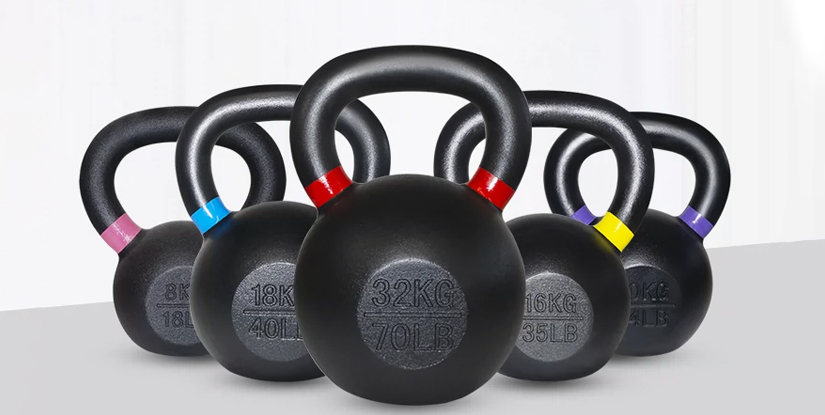
Mitigating Batch Inconsistency and Supply Chain Risk
A significant risk in high-volume procurement is the lack of batch consistency, where one shipment meets specifications while the next suffers from peeling or chipping issues. Such variability is often a symptom of inadequate factory-direct quality control. When managing large-scale inventory, these defects do not just represent a single faulty unit; they represent a systemic failure in the manufacturing process that can lead to costly returns and damaged distributor trust. To mitigate these risks, it is essential to partner with a reliable OEM kettlebell supplier that offers transparent production tracking and standardized application processes.
Effective bulk order risk mitigation begins with rigorous pre-shipment inspection protocols. A professional China factory should provide documentation that confirms the coating thickness and adhesion strength across the entire production run, not just on a single sample. For importers and distributors, verifying these standards before the container leaves the port is the most effective way to protect your landed cost and ensure that your brand identity remains associated with high-tier, durable equipment. We encourage partners to schedule a factory audit or request a formal sample evaluation to confirm that our kettlebell coating options explained align perfectly with your commercial durability requirements.
Custom Branding and OEM Kettlebell Supplier Capabilities
For professional distributors and large-scale gym operators, selecting the right kettlebell coating options explained goes beyond simple surface texture; it is a strategic decision regarding brand identity and market positioning. When sourcing from a China factory, the ability to integrate custom aesthetics with high-performance finishes allows your company to stand out among commercial gym brands. Whether you require a specific matte finish for a premium studio feel or a high-visibility color palette for a functional training zone, the OEM process ensures your product line reflects your unique value proposition.
Leveraging ODM services enables importers to move beyond generic stock items and develop proprietary product lines. By controlling the specification of the coating—such as the thickness of a powder coat or the grip profile of a urethane layer—you can effectively differentiate your catalog in a crowded wholesale market. This level of custom branding is essential for building long-term equity in your own private label, ensuring that your equipment is recognized for both its durability and its high-end aesthetic. A professional supplier can coordinate these technical specifications during the production phase to align perfectly with your brand's visual standards and commercial requirements.
Technical Comparison of Coating Specifications for Procurement
Selecting the correct finish is a critical factor in determining the long-term TCO of your inventory. A mistake in material selection can lead to premature peeling, oxidation, or grip failure, resulting in high replacement costs and diminished distributor margins. To assist your procurement planning, the following table outlines how various wholesale kettlebell coatings perform under heavy commercial use. This comparison focuses on technical durability and maintenance requirements to help you optimize your sourcing decisions.
| Coating Type | Finish & Texture | Durability Profile | Maintenance & Grip | Best Commercial Use Case |
|---|---|---|---|---|
| Cast Iron (Painted/Powder Coated) | Smooth or lightly textured | Moderate; prone to oxidation if coating chips | Standard grip; requires occasional wiping | Standard functional training & boutique studios |
| Urethane Dipped | Soft, matte, and non-slip | High impact resistance; protects against chipping | Excellent grip even with moisture; low maintenance | High-traffic commercial gyms & CrossFit boxes |
| Rubber Encapsulated | Dense, textured surface | Maximum durability; prevents floor damage | Consistent grip; very easy to clean | Multi-purpose training facilities & heavy-use zones |
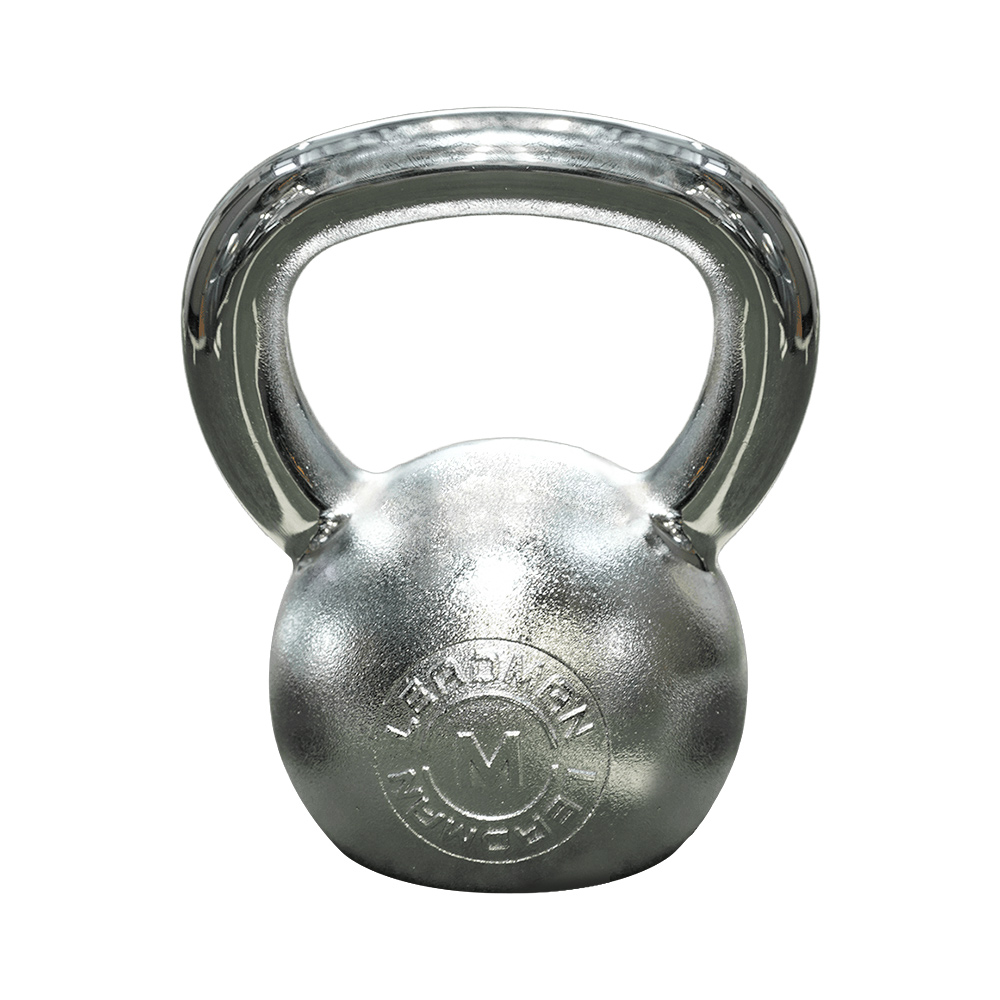
| Competition Grade (Steel/Chrome) | Precision smooth finish | High precision; low surface friction | Strict grip requirements; high maintenance | Professional competition & high-end strength clubs |
When evaluating commercial kettlebell manufacturing, it is essential to confirm how each coating affects your landed cost and shipping weight. For example, while urethane provides superior durability, it may influence your final SKU pricing compared to standard powder-coated iron. We recommend requesting a technical spec sheet or a sample evaluation from your OEM kettlebell supplier to verify the coating thickness and texture profile before finalizing a bulk order. This step ensures that your chosen kettlebell coating options explained above align with your specific market tier and long-term maintenance-free goals.
Optimizing Procurement Through Factory-Direct Sourcing
Effective sourcing requires more than just selecting a finish; it requires a partner capable of managing the complexities of international logistics and production scaling. For distributors, the primary objective is to balance high-quality kettlebell coating options explained with a predictable lead time and reliable export packaging. A professional China factory does not merely manufacture products; they provide a structured framework for bulk order fulfillment that protects your margins and ensures your inventory arrives in a retail-ready state.
To mitigate the risks of damage during long-distance sea freight, we implement rigorous quality control protocols and specialized export packaging standards. This includes heavy-duty, reinforced cartons designed to withstand stacking pressures in shipping containers, ensuring that even high-density items arrive without structural or surface defects. When you manage your sourcing through a direct supplier, you gain greater control over the entire lifecycle—from the initial specification of the coating thickness to the final shipping arrangements, ultimately reducing the total landed cost and improving your overall ROI.
Navigating the nuances of a bulk order requires clear communication regarding MOQ and production timelines. Whether you are launching a new private label line or replenishing existing stock, understanding these variables is essential for maintaining a consistent supply chain. We encourage professional buyers to contact us directly to request a detailed specification sheet, confirm the current MOQ for your desired coating, or arrange for a sample approval process to validate product quality before full-scale production begins.
Quality Control and Export Standards for Wholesale Orders
When managing large-scale procurement, the risk of receiving inconsistent batches is a significant threat to your distributor margins and long-term TCO. Relying on a kettlebell coating options explained framework is insufficient if the China factory does not implement rigorous QC protocols to ensure every unit meets your brand identity. For professional importers, a single failed batch due to peeling or uneven texture can result in costly returns and damaged reputation.
To ensure wholesale order reliability, a professional OEM kettlebell supplier must move beyond basic visual checks. High-standard commercial kettlebell manufacturing requires systematic adhesion testing to verify that coatings remain bonded under high-impact use. Furthermore, thickness consistency must be verified across the entire production run to prevent weight discrepancies or grip irregularities that compromise commercial-grade performance.
Reliable commercial kettlebell manufacturing relies on these specific technical benchmarks to protect your investment:
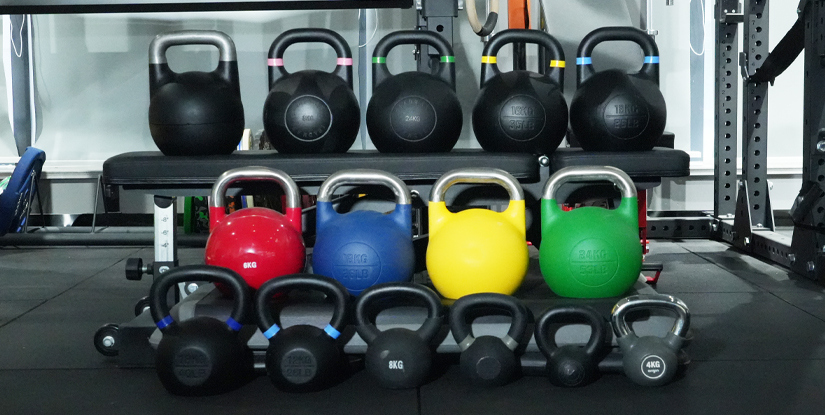
| Testing Parameter | Requirement for Commercial Grade | Procurement Impact |
|---|---|---|
| Adhesion Strength | Cross-hatch test compliance | Prevents peeling and surface failure |
| Coating Thickness | Uniform micron depth across weight tiers | Ensures consistent grip and weight accuracy |
| Batch Uniformity | Color and texture match per wholesale lot | Maintains professional brand presentation |
| Durability Standard | High-abrasion resistance | Reduces replacement frequency and maintenance |
By prioritizing these kettlebell coating options explained standards during your sourcing process, you mitigate the risk of receiving sub-standard inventory. We recommend that buyers request specific QC documentation or a pre-shipment inspection report to confirm that the China factory adheres to these strict industrial requirements before the wholesale shipment departs.
Technical Inspection Checklist for Procurement Managers
A professional OEM kettlebell supplier should provide transparency regarding their testing capabilities to protect your landed cost. Relying on basic visual inspections often leads to high failure rates once the equipment reaches high-traffic commercial facilities. To ensure long-term durability, verify that the production line utilizes standardized protocols such as the salt spray test to evaluate corrosion resistance and the cross-cut adhesion test to ensure coating stability. These metrics are vital when evaluating wholesale kettlebell coatings for high-humidity or high-usage environments.
A rigorous inspection checklist for professional buyers should include the following technical verification steps:
- Surface Roughness Verification: Ensuring consistent texture for grip stability across all weight increments.
- Thickness Tolerance: Confirming coating depth stays within specified micron ranges to avoid weight deviations.
- ASTM/ISO Compliance: Verifying that the commercial kettlebell manufacturing process meets international material and durability standards.
- Adhesion Integrity: Testing the bond strength of the coating to the cast iron base via cross-cut methods.
Before finalizing your next bulk order, we suggest requesting a sample batch to perform your own tactile evaluation of the surface roughness. Confirming these technical specifications with your supplier during the pre-shipment phase is the most effective way to guarantee that your kettlebell coating options explained requirements are met without compromising on quality or consistency.
Export Packaging and Logistics Optimization
The final stage of the procurement cycle is often where the most significant risks to your landed cost occur. Even with perfect commercial kettlebell manufacturing, inadequate export packaging can lead to surface scuffing, dented handles, or coating damage during long-haul sea freight. For distributors managing high-volume wholesale shipments, the cost of replacing damaged inventory far outweighs the initial savings of a lower-tier supplier. To protect your margins, ensure your partner utilizes heavy-duty corrugated boxes and reinforced palletizing to stabilize the load within the shipping container.
Effective bulk order logistics requires a dual focus on protection and space efficiency. We recommend implementing a strict pre-shipment inspection (PSI) that includes a visual check of the final packaging integrity. This step ensures that the kettlebell coating options explained in your technical spec sheet remain pristine from the China factory to your warehouse. By coordinating closely with your OEM partner to optimize container loading patterns, you can reduce shipping volumes and achieve better landed cost optimization for your entire product line.
Sourcing Strategies for Bulk Kettlebell Procurement
When managing large-scale inventory, understanding kettlebell coating options explained is vital for predicting long-term maintenance costs and product turnover. For distributors and gym chains, the choice between powder coating, rubber, or cast iron finishes directly influences the landed cost and the replacement cycle of the equipment. Sourcing directly from a China factory allows for tighter control over these specifications, ensuring that the surface durability matches the expected usage volume of a high-traffic commercial facility.
Selecting the right finish involves more than just aesthetics; it is a strategic decision regarding the total cost of ownership. A wholesale order of high-grade rubber-coated units may require a higher initial investment compared to standard painted steel, but it significantly reduces the frequency of replacement due to chipping or oxidation. Professional buyers must evaluate how each coating interacts with different flooring types and cleaning protocols to maintain a premium facility standard.
MOQ and Customization Tiers for Global Importers
The relationship between specialized finishes and procurement scale is often dictated by the MOQ requirements of the OEM kettlebell supplier. Standardized, stock-ready coatings like basic black powder coating typically offer the lowest barrier to entry for smaller distributors. However, if your business model relies on custom branding or unique color palettes to strengthen your brand identity, you will likely move into specialized production runs.
For commercial kettlebell manufacturing projects involving custom colors or specialized textures, the production complexity increases. A professional OEM partner will provide different pricing tiers based on the complexity of the coating process. While high-end finishes may require higher minimum volumes, they offer the advantage of market differentiation and higher margins for the end-user. We recommend confirming the specific lead time for customized coatings during the initial sourcing phase, as specialized drying and curing processes can extend the standard production schedule.
| Procurement Tier | Coating Type | Typical MOQ | Best Use Case |
|---|---|---|---|
| Standard Wholesale | Basic Powder Coat | Low | General fitness studios and budget-friendly gyms |
| Premium Distribution | Neoprene or Rubber | Medium | High-traffic commercial gyms and boutique studios |
| Custom Private Label | Specialized Colors/Textures | High | Established fitness brands and large-scale distributors |
Technical Comparison of Surface Finishes for Commercial Procurement
To optimize your long-term return on investment, a technical evaluation of wholesale kettlebell coatings is essential. Professional buyers must weigh the initial unit cost against the durability of the surface in high-volume environments. For instance, while cast iron with a standard finish is cost-effective for bulk shipments, it lacks the impact resistance of specialized steel or rubberized alternatives. Understanding these kettlebell coating options explained helps prevent unexpected replacement costs and maintains a high-quality aesthetic for your clients.
| Material & Coating Base | Durability Rating | Grip Performance | Commercial Suitability | Primary Procurement Value |
|---|---|---|---|---|
| Cast Iron (Standard Painted) | Moderate | Standard/Smooth | Standard Gyms & Studios | Lowest initial landed cost |
| Cast Iron (Powder Coated) | High | Enhanced Texture | High-Traffic Commercial Gyms | Balanced TCO & durability |
| Steel (Neoprene/Rubberized) | Very High | Superior/Non-Slip | Boutique & Premium Facilities | Highest brand differentiation |
When negotiating with a supplier, ensure that the technical specifications for the coating thickness and adhesion tests are included in your request for quote. For large-scale distributors, the ability to select specific finishes via ODM processes can provide a significant competitive edge in local markets. Before finalizing a bulk order, we suggest requesting a sample approval or a detailed specification sheet to verify that the coating meets your specific commercial durability standards.
Maintaining consistency across large-scale shipments requires a rigorous QC protocol that extends beyond the initial manufacturing phase. When sourcing specialized finishes, the risk of surface imperfections, uneven thickness, or poor adhesion increases if oversight is not strictly managed. A professional China factory must implement multi-stage inspection points—from raw material verification to final coating curing—to ensure every unit meets international commercial standards. For distributors, a failure in these early stages translates directly into higher replacement rates and diminished brand reputation.
Effective sourcing also demands a deep understanding of how packaging and logistics impact the final landed cost. High-quality wholesale kettlebell coatings, particularly neoprene or soft-touch rubber, require specific handling to prevent compression damage or surface contamination during sea freight. We recommend working with an experienced supplier who utilizes reinforced export packaging and optimized container loading patterns. This ensures that even high-volume, heavy-weight shipments arrive at your facility with the surface integrity intact, ready for immediate commercial deployment.
To mitigate procurement risks, we advise buyers to integrate a formal pre-shipment inspection into their contract. Whether you are pursuing a standard wholesale order or a complex OEM project, verifying the coating's adhesion and color consistency through a third-party audit or factory-direct sample approval is a critical step. Once the technical specifications are locked, confirm the exact lead time and shipping terms (such as FOB or CIF) to ensure your inventory management and distribution schedules remain predictable and cost-efficient.