Kettlebell Handle: China Factory OEM ODM Manufacturing
Kettlebell Handle Specifications for Commercial Sourcing
Procurement teams often face the dilemma of choosing between low-cost, non-standardized units that increase maintenance liability or premium brands with prohibitive landed costs. A superior approach involves direct sourcing from a China factory that prioritizes engineering precision. By focusing on a standardized kettlebell handle, distributors can ensure consistent product performance and higher durability across entire weight sets.
Engineering Standards and Ergonomic Safety
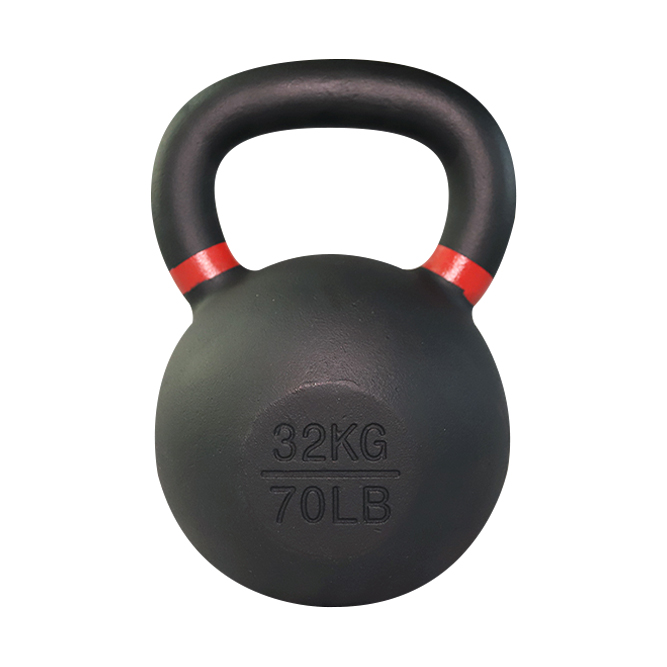
The structural integrity of a cast iron kettlebell handle determines its lifespan in high-traffic commercial environments. A poorly cast handle with uneven thickness leads to structural weak points, increasing the risk of failure during heavy use. To maintain high commercial durability, our factory implements strict casting protocols to ensure the kettlebell handle remains uniform in density and surface texture.
Ergonomic safety is dictated by the kettlebell handle diameter, which must accommodate various grip styles without causing excessive hand fatigue. For professional strength training, an industry-standard custom kettlebell handle design typically maintains a consistent circumference to allow for smooth rotation. When managing wholesale orders, specifying these exact tolerances prevents the common issue of inconsistent grip feel between different weight increments, protecting your brand reputation and reducing replacement frequency.
| Specification Parameter | Standard Wholesale Specification | Custom OEM/ODM Requirement | Commercial Impact |
|---|---|---|---|
| Handle Diameter Range | 32mm to 38mm (Standard) | Variable (Based on user demographic) | Grip ergonomics and fatigue management |
| Surface Texture | Smooth Cast Iron | Textured or Powder Coated | Grip security during high-intensity use |
| Manufacturing Tolerance | +/- 1.5mm | +/- 0.5mm (High Precision) | Consistency across full weight sets |
| Material Consistency | Standard Cast Iron | High-Density Iron / Steel Core | Long-term durability and TCO |
| QC Inspection Level | Visual & Weight Check | Full Dimensional & Stress Test | Reduced replacement and liability risk |
When evaluating a custom kettlebell handle design, procurement leads must verify the manufacturing tolerances and material consistency to avoid high replacement costs. A reliable China factory will provide detailed technical drawings and material certifications during the sourcing process to ensure every unit meets professional standards. For large-scale wholesale distribution, we recommend a strict QC inspection protocol that includes dimensional verification of the kettlebell handle diameter to guarantee uniformity across all weight increments. This level of precision minimizes the landed cost of returns and strengthens your position as a high-tier equipment provider.
Before finalizing your next bulk order, we suggest requesting a full specification sheet or a sample evaluation to confirm that the kettlebell handle dimensions align with your market's specific ergonomic needs. Our factory can also provide documentation regarding our OEM and ODM capabilities to assist with your private label development and long-term inventory planning.
For distributors and large-scale importers, the technical precision of a kettlebell handle directly correlates to the total cost of ownership (TCO). Inconsistent casting or improper diameter variations do more than just affect user comfort; they create significant logistical liabilities. If a wholesale shipment arrives with non-uniform grips, the resulting replacement rates and customer dissatisfaction can quickly erode your profit margins. By partnering with a professional China factory that offers transparent technical documentation, you mitigate the risks associated with substandard batch production and ensure long-term reliability for your commercial clients.
To optimize your procurement strategy, we recommend a detailed review of the technical specifications during the initial sourcing phase. Whether you require a standard cast iron kettlebell handle or a specialized custom kettlebell handle design, verifying the mold precision and material density is essential. Our OEM and ODM services allow for precise control over the kettlebell handle diameter and surface finish, ensuring that every unit in your bulk order meets the rigorous demands of professional training environments. We invite you to contact our team to request a formal spec sheet, confirm your specific MOQ, or arrange for a sample approval to validate our manufacturing quality before full-scale production begins.
Optimizing Grip Ergonomics with Custom Kettlebell Handle Design
For professional distributors and gym equipment importers, the structural integrity of the kettlebell handle dictates the long-term replacement rate and total cost of ownership. High-volume commercial usage demands a design that withstands repetitive stress without deformation. When sourcing from a China factory, ensuring that the handle geometry remains consistent across large wholesale orders is critical to maintaining your brand's reputation for reliability.
Standardized production often fails to address the nuances of ergonomic comfort, which is why a custom kettlebell handle design is essential for premium product lines. Whether you are developing a specialized competition model or a standard training unit, the precision of the kettlebell handle diameter affects both user grip stability and the longevity of the cast iron kettlebell handle. Investing in high-specification OEM manufacturing ensures that the transition from the handle to the body is seamless, reducing the risk of structural failure in high-traffic fitness environments.
Technical Specifications for Grip Consistency
A critical variable in procurement is the precision of the surface texture and diameter. For distributors managing diverse product portfolios, a lack of uniformity in the kettlebell handle diameter can lead to high return rates and diminished client trust. High-quality production requires strict adherence to manufacturing tolerances, ensuring every unit in a bulk shipment meets the exact same specifications. A well-executed custom kettlebell handle design must also account for the specific surface texture required for professional environments—balancing a non-slip grip with a finish that resists corrosion and wear over extended lifecycles.
When evaluating a cast iron kettlebell handle for commercial distribution, technical buyers should demand documentation regarding grip consistency. The texture must remain uniform across the entire circumference to prevent ergonomic fatigue. For an ODM partner, the ability to control these micro-details is what differentiates a standard supplier from a high-tier manufacturer capable of meeting the rigorous demands of global fitness brands. We recommend requesting a physical sample to verify that the surface finish and handle dimensions align with your specific market requirements before proceeding with full-scale production.
The selection of material and coating directly impacts the maintenance load and long-term durability of your inventory. For distributors managing high-traffic commercial facilities, understanding the trade-offs between different finishes is essential to optimizing the total cost of ownership and minimizing replacement frequency. A high-quality kettlebell handle must balance tactile grip performance with environmental resistance to ensure long-term value for the end-user.
| Handle Type | Material Construction | Durability Profile | Maintenance Requirement | Primary Procurement Use Case |
|---|---|---|---|---|
| Uncoated Cast Iron | Solid Cast Iron | High impact resistance; prone to surface oxidation if moisture is present | Low; requires periodic oiling or dry cleaning | Budget-conscious wholesale orders and high-volume training kits |
| Powder Coated | Cast Iron with Polymer Layer | Excellent corrosion resistance; protects against humidity and sweat | Minimal; resistant to chipping and surface rust | Premium commercial gym lines and high-end studio equipment |
| Custom Textured | Precision Molded Iron | Superior grip stability; designed for extreme high-repetition use | Moderate; requires inspection for coating integrity | Specialized competition or professional strength training brands |
From a sourcing perspective, the choice between a standard cast iron kettlebell handle and a premium coated version should be driven by your target market's environment. While uncoated options offer a lower landed cost per unit, powder-coated or specialized finishes provide higher value in humid or high-intensity commercial settings by extending the product's usable lifespan. When negotiating with a factory, confirm whether the coating application is part of the standard OEM process or requires a separate specification to ensure consistency across your entire batch.
To ensure your product line meets international quality standards, we recommend requesting a detailed specification sheet that includes the exact tolerances for the kettlebell handle diameter. Before finalizing a bulk order, ask your partner to provide a sample for a physical audit to verify that the grip texture and coating thickness meet your brand's quality benchmarks. This proactive approach to quality control minimizes the risk of receiving substandard units and protects your distributor margins.
Material Selection: Cast Iron Kettlebell Handle Standards
Selecting a reliable kettlebell handle requires a deep understanding of material integrity to ensure long-term commercial durability. For distributors and gym owners, sourcing from a China factory that prioritizes consistent casting processes is essential to minimize replacement costs and maintenance overhead. A high-quality cast iron kettlebell handle must feature a seamless, ergonomic grip that withstands high-volume usage in professional environments.
The precision of the kettlebell handle diameter directly impacts user comfort and grip stability during high-intensity training. Variations in diameter or surface texture can lead to premature wear or ergonomic inconsistencies, which increases the total cost of ownership for fitness facilities. When managing sourcing for large-scale projects, technical specifications must be standardized to ensure every unit meets commercial-grade expectations.
| Material Specification | Standard Cast Iron | Premium Commercial Grade | Custom OEM Requirement |
|---|---|---|---|
| Handle Surface | Basic Smooth | Textured/Powder Coated | Custom Ergonomic Design |
| Diameter Consistency | +/- 2mm Tolerance | +/- 0.5mm Tolerance | Precision Engineered |
| Durability Rating | Standard Commercial | High-Intensity Professional | Extreme Durability/Specialty |
| Sourcing Focus | General Wholesale | Premium Distribution | Private Label/Brand Identity |
Implementing a custom kettlebell handle design allows brands to differentiate their product lines while maintaining strict quality control standards. By working directly with a supplier capable of OEM production, buyers can specify exact dimensions and finishes that align with their brand identity and target market. This level of control ensures that the final product is optimized for both performance and long-term ROI in demanding commercial settings.
Technical Specifications for Procurement and Compliance
To mitigate the risk of inconsistent batch quality during bulk procurement, professional buyers must verify specific technical parameters. Inconsistent dimensions or poor material composition can lead to higher replacement rates and diminished distributor margins. When managing large-scale wholesale orders, establishing a clear technical baseline with your China factory ensures that every unit delivered meets the necessary safety and durability standards for professional use.
The following table outlines the critical benchmarks for a high-performance kettlebell handle. These specifications are designed to assist procurement officers in evaluating the technical depth of a potential ODM partner. Standardizing these metrics helps in calculating the true landed cost by reducing the likelihood of defective shipments or returns due to non-compliance with commercial-grade requirements.
| Technical Dimension | Standard Specification | Commercial Grade Requirement | Procurement Verification Method |
|---|---|---|---|
| Core Material | Cast Iron | High-Density Gray Iron | Material Certificate/Batch Testing |
| Surface Finish | Smooth Paint | Anti-Rust Powder Coating | Adhesion & Thickness Test |
| Diameter Tolerance | +/- 1.5mm | +/- 0.5mm | Calibrated Vernier Caliper |
| Grip Texture | Standard Smooth | Uniform Micro-Texture | Tactile & Visual Inspection |
| Manufacturing Process | Standard Casting | Precision Molded Casting | QC Pre-shipment Inspection |
Rigorous oversight of these variables is a core component of successful sourcing strategies. We recommend that importers request a detailed specification sheet and a sample for physical evaluation before finalizing any high-volume contract. Confirming the exact manufacturing tolerance and surface finish capabilities will ensure your product line maintains a competitive edge in the global market while optimizing long-term operational efficiency.
Evaluating the long-term TCO of a product line requires looking beyond the initial unit price. For distributors, the true cost is determined by the replacement frequency and the durability of the hardware under continuous commercial use. Selecting a kettlebell handle with substandard casting or inconsistent dimensions may lower initial procurement costs, but it inevitably leads to higher operational expenses through frequent replacements and customer dissatisfaction. By prioritizing high-grade material integrity during the sourcing phase, professional buyers protect their margins and ensure the long-term value of their inventory.
A strategic custom kettlebell handle design allows for a more efficient lifecycle management approach. When a China factory utilizes precision molding, the resulting product offers a more predictable wear pattern, which is vital for large-scale gym installations. This technical precision helps stabilize the landed cost by reducing the need for warranty claims and secondary shipments. To ensure optimal ROI, we suggest requesting a full technical spec sheet and arranging a sample approval process to verify that the manufacturing tolerances meet your specific commercial requirements.

China Factory OEM and ODM Manufacturing Capabilities
Professional distributors and equipment importers require precise engineering to maintain high standards in commercial fitness environments. Our China factory provides comprehensive OEM and ODM solutions designed to meet specific market demands. Whether you are expanding a premium product line or developing a proprietary collection, we offer the technical infrastructure to transform your concepts into market-ready assets.
A specialized custom kettlebell handle design allows brands to differentiate themselves through ergonomic superiority and unique aesthetic identities. We facilitate deep technical integration, allowing you to dictate every variable from the grip texture to the structural weight distribution. This level of customization ensures that your kettlebell handle meets the exact ergonomic requirements of your target demographic, whether for high-intensity functional training or professional strength conditioning.
Standardized manufacturing often fails to address the nuances of professional-grade equipment. For instance, specifying a precise kettlebell handle diameter is critical for maintaining consistent grip performance across different user hand sizes. Our production lines can adjust tolerances to ensure your cast iron kettlebell handle offers the exact tactile feedback and stability required for heavy-duty commercial use. By controlling these specifications at the source, you reduce the risk of product returns and enhance your brand's reputation for quality.
| Feature Dimension | Standard Wholesale Stock | Custom OEM/ODM Service |
|---|---|---|
| Handle Diameter | Fixed industry standards | Fully adjustable per requirement |
| Material Composition | Standard cast iron | Specialized alloys or coatings |
| Branding Options | Generic or logo stencil | Full private label integration |
| Design Complexity | Pre-set molds | Bespoke custom kettlebell handle design |
| Sourcing Efficiency | Fast shipping, low MOQ | Higher MOQ, high customization |
Engaging in ODM processes through a direct supplier allows for better long-term control over your product lifecycle. We recommend that procurement leads submit their technical drawings or sample requirements early in the sourcing cycle to confirm MOQ thresholds and potential impacts on lead times. Once the kettlebell handle specifications are finalized, we move into rigorous quality control to ensure every bulk shipment aligns with your brand's promised excellence.
Selecting between off-the-shelf inventory and bespoke manufacturing is a critical decision for long-term distributor margins. While standard stock provides rapid deployment, a dedicated OEM or ODM partnership offers the structural control necessary to build a proprietary product line. We assist procurement specialists in evaluating these paths based on their specific scale, capital expenditure, and branding objectives.
When your distribution strategy shifts toward premium or specialized segments, relying on generic stock can limit your market positioning. Utilizing a China factory for custom production allows you to control the granular details of the kettlebell handle, from the exact weight distribution to the specific texture of the grip. This ensures that every unit delivered to your warehouse meets the high-performance standards expected by commercial gym operators and professional athletes.
To optimize your procurement workflow, we suggest requesting a detailed specification sheet or a physical sample for any custom kettlebell handle design before committing to a full production run. This step is essential for verifying the kettlebell handle diameter and surface finish in a real-world setting. Once the prototype is approved, our team will provide a finalized quote including the specific MOQ, estimated lead time, and shipping logistics to ensure your landed cost remains within projected budget parameters.
To ensure long-term commercial reliability, every kettlebell handle must undergo a rigorous quality assurance protocol before leaving the facility. Our China factory implements a multi-stage QC process that monitors every critical production point. This includes verifying the structural integrity of the cast iron kettlebell handle, checking for surface imperfections, and confirming that the kettlebell handle diameter adheres strictly to the approved technical drawings. For high-volume wholesale buyers, this meticulous oversight minimizes the risk of defective units reaching the end-user, thereby protecting your distributor margins and brand reputation.
Efficient sourcing extends beyond the production line to the complexities of international logistics. We utilize specialized export packaging designed to withstand the rigors of long-distance maritime shipping and multiple handling points. For bulk orders, we optimize container loading patterns to maximize space efficiency and reduce the overall landed cost per unit. Whether you are managing a small-scale boutique distribution or a large-scale commercial equipment import, our standardized export procedures ensure that your inventory arrives in a stable, ready-to-market condition, minimizing warehouse damage and logistical friction.
Navigating the complexities of international sourcing requires a partner who understands the nuances of professional procurement. We recommend that buyers initiate a formal factory audit or request a pre-shipment inspection to validate our QC standards firsthand. By aligning on export packaging requirements and container loading optimization early in the process, you can achieve greater predictability in your supply chain. Once your bulk orders are finalized, our team provides transparent updates on production status and shipping schedules to help you manage your inventory turnover and capital expenditure effectively.
Managing MOQ and Lead Times for Bulk Imports
When sourcing a professional kettlebell handle, procurement cycles are fundamentally dictated by the complexity of the custom kettlebell handle design requested. For distributors and gym equipment importers, understanding the correlation between order volume and production timelines is essential for maintaining consistent inventory levels and meeting seasonal demand.
A standard China factory typically maintains a baseline MOQ for stock items to ensure efficient production runs. However, when a buyer requests OEM or ODM services—such as specialized coatings, unique handle textures, or specific weight increments—the production cycle naturally extends. This extension accounts for the specialized tooling required to meet precise kettlebell handle diameter specifications and the subsequent quality control phases required for commercial-grade certification.
Scaling orders from small boutique batches to large-scale wholesale distributions requires proactive sourcing strategies. High-volume orders may benefit from longer lead times to optimize the landed cost through sea freight, whereas urgent replenishment of standard units can be managed through faster, more direct production tracks. To ensure a predictable supply chain, we recommend confirming technical drawings and material requirements well in advance of your target launch dates.
Comparison of Sourcing Models and Procurement Timelines
Selecting the appropriate procurement model depends on whether your priority is immediate inventory availability or long-term brand differentiation. For distributors, choosing between stock replenishment and a fully customized production run significantly impacts both the initial MOQ and the total landed cost. A factory-direct approach allows for greater control over the final product specifications, ensuring the cast iron kettlebell handle meets your exact commercial standards.
| Sourcing Model | Typical MOQ | Average Lead Time | Customization Capability | Primary Advantage |
|---|---|---|---|---|
| Standard Stock Order | Lower | Short (3–4 weeks) | Limited to standard specs | Rapid inventory turnover |
| OEM Production | Higher | Moderate (6–10 weeks) | High (branding & texture) | Strong brand identity |
| ODM Development | Highest | Extended (12+ weeks) | Full (unique geometry) | Market differentiation |
When managing a large-scale wholesale distribution, it is prudent to factor in a buffer for shipping and customs clearance. While standard units offer a faster route to market, investing in a specialized kettlebell handle through a dedicated production run provides the customization needed to stand out in the premium commercial fitness sector. We suggest requesting a detailed specification sheet and a formal quote early to finalize your volume-based pricing and delivery schedule.
Quality Control and Export Packaging Protocols
Maintaining strict factory QC protocols is essential for distributors managing high-volume inventory and long-term replacement cycles. When sourcing a kettlebell handle in bulk, technical precision directly impacts the commercial durability and user safety of the finished product. A China factory must implement multi-stage inspections to ensure every unit meets international standards for weight consistency and structural integrity.
Precision in the kettlebell handle diameter is a non-negotiable metric for professional strength training environments. Slight deviations in diameter can lead to grip fatigue or inconsistent handling during high-intensity sessions, increasing the risk of liability for gym operators. Our manufacturing process utilizes high-precision molds to ensure a consistent cast iron kettlebell handle profile, maintaining strict tolerance levels across every production batch. This technical rigor ensures that your custom kettlebell handle design remains uniform, whether you are ordering a standard weight set or a specialized OEM production run.
Beyond dimensional accuracy, we conduct rigorous material testing to verify the density and structural strength of the iron. This prevents internal air pockets or structural weaknesses that could compromise the unit during heavy use. For large-scale wholesale importers, this level of detail reduces the total cost of ownership by minimizing returns and ensuring the product withstands the rigors of high-traffic commercial facilities. We recommend that buyers request a technical spec sheet and a sample approval prior to finalizing any large-scale sourcing contract to verify these quality benchmarks firsthand.
Logistics Optimization and Damage Prevention
Effective export packaging is a critical component of the total landed cost calculation for international distributors. For heavy, high-density items, standard shipping methods often fail to protect against impact damage or surface oxidation during long-distance transit. To mitigate these risks, we utilize heavy-duty corrugated dividers and reinforced outer cartons designed specifically for the weight profiles of commercial iron equipment. This systematic approach to bulk shipping ensures that every unit arrives in a condition that preserves its professional aesthetic and structural integrity.
To maximize container utilization and warehouse efficiency, our logistics team employs standardized palletization protocols. By optimizing the stacking patterns of finished units, we help importers reduce the volume-to-weight ratio, effectively lowering the per-unit shipping cost for sea freight shipments. This high-density loading strategy is particularly beneficial for distributors managing large-scale inventory replenishment, as it allows for more efficient handling within your local distribution center. We coordinate closely with freight forwarders to ensure that the kettlebell handle units are secured with edge protectors and shrink-wrap to prevent shifting during ocean transit.
For procurement leads planning their next inventory cycle, we provide transparent communication regarding MOQ requirements and expected lead time. Whether you are managing a single container shipment or a specialized ODM project, our production scheduling is designed to align with your seasonal demand. We recommend that buyers confirm their shipping specifications and pallet dimensions during the initial quote stage to ensure seamless integration with your local logistics providers and to maintain predictable warehouse throughput.
Strategic Sourcing and Procurement Next Steps
Transitioning from product selection to high-volume sourcing requires a shift in focus toward technical precision and supply chain reliability. For distributors, the difference between a successful product launch and a costly inventory error lies in the ability to verify the exact kettlebell handle specifications before the first container is loaded. Relying on unverified middle-men often leads to inconsistencies in grip texture or weight distribution, which can damage your brand reputation in the commercial market.
To mitigate these risks, professional buyers should prioritize direct communication with a China factory that offers transparent technical documentation. When you establish a relationship with a specialized supplier, you gain control over the entire lifecycle of the order—from the initial custom kettlebell handle design phase to the final pre-shipment inspection. This direct access ensures that your wholesale requirements are met with precision, reducing the total landed cost and improving your long-term margins.
Efficiency in procurement is not just about the lowest price; it is about managing the lead time and ensuring the MOQ aligns with your warehouse capacity and market demand. Whether you are requesting a specific cast iron kettlebell handle finish or standardizing a kettlebell handle diameter across your entire product line, working with an OEM partner allows for much tighter quality control. We recommend requesting a detailed specification sheet and a formal quote to confirm how your specific ODM requirements will impact the production schedule and shipping logistics.
Technical Specification Comparison for Bulk Procurement
Standardizing your inventory requires a clear understanding of how different manufacturing choices impact both product durability and your distributor margins. A mismatch in grip ergonomics or material density can lead to high return rates and diminished brand trust. To streamline your decision-making, we have outlined the primary variations in technical specifications below, focusing on the requirements of high-traffic commercial environments.
| Specification Type | Material / Finish Option | Commercial Application |
|---|---|---|
| Standard Grip Diameter | Smooth Cast Iron | General fitness and standard commercial gym use |
| Ergonomic Grip Diameter | Textured / Powder Coated | High-intensity interval training (HIIT) and professional studios |
| Precision Handle Design | Standard Cast Iron | Bulk wholesale orders for entry-level equipment lines |
| Advanced Handle Design | Customized Casting | Premium private label or specialized strength training brands |
When evaluating a kettlebell handle for large-scale distribution, consider how the kettlebell handle diameter affects user comfort across different demographics. A uniform diameter is essential for maintaining a cohesive product line, especially when managing high-volume wholesale orders. Furthermore, choosing a high-quality cast iron kettlebell handle ensures that the product can withstand the rigorous demands of professional training without structural degradation.
For buyers looking to differentiate their catalog, a custom kettlebell handle design offers a significant competitive advantage. This capability allows you to move beyond generic stock items and develop a unique brand identity through specialized grips or proprietary casting shapes. We invite professional buyers to contact us directly to request a full specification sheet, confirm your specific MOQ, or discuss how our OEM and ODM services can support your next large-scale equipment import.
Finalizing Logistics and Quality Assurance Protocols
Securing a high-performance kettlebell handle requires more than just a successful sample evaluation; it requires a rigorous protocol for final production. For international distributors, the primary risk during the transition from production to shipping is the degradation of quality control standards. Without strict oversight, slight deviations in the kettlebell handle diameter or casting finish can occur, leading to inconsistent batches that fail to meet your commercial-grade standards. To ensure your wholesale shipment arrives as expected, we implement a multi-stage verification process.
Our China factory protocols focus on mitigating the hidden costs of poor quality, such as high return rates or damaged inventory. Every cast iron kettlebell handle undergoes a standardized inspection to verify material density and surface uniformity. Once the production phase is complete, we transition to specialized export packaging designed to withstand long-distance maritime transit. This protects your investment and ensures the landed cost remains predictable by minimizing the risk of transit-related damage or weight discrepancies at the port of entry.
For partners utilizing OEM or ODM services, transparency in the final stages is vital. We provide detailed documentation regarding container loading efficiency to help you optimize your shipping space and reduce per-unit freight costs. Whether you are managing a small boutique order or a large-scale wholesale distribution, our goal is to provide a seamless transition from the manufacturing floor to your warehouse. We encourage all procurement leads to initiate a formal consultation to confirm your MOQ, review final technical drawings for your custom kettlebell handle design, and book a pre-shipment inspection to guarantee total compliance with your brand's quality expectations.