Wholesale Gym Items: Bulk OEM from China Factory Supply
Wholesale Gym Items: Optimizing Facility Footprint and Layout
A boutique fitness studio or a high-end hotel gym faces a constant challenge: maximizing revenue per square foot while maintaining a premium user experience. When professional buyers approach wholesale gym items procurement, the decision is rarely just about the unit price; it is about how equipment dimensions and configurations impact the overall capacity of the facility. Selecting the right equipment density is critical for long-term ROI.
Strategic gym facility layout optimization requires a balance between functional movement zones and equipment footprints. A poorly planned layout leads to congested training areas, which can diminish the perceived value of a premium facility. By working directly with a China factory, importers can source specialized dimensions—such as compact strength machines or modular training systems—that are specifically engineered to enhance space efficiency. This level of precision in commercial gym equipment sourcing ensures that every square meter of the facility contributes to a high-performance environment without unnecessary clutter.
For distributors and large-scale operators, the ability to utilize footprint optimization through OEM or ODM solutions is a significant competitive advantage. Instead of being limited to standard stock sizes, procurement teams can request customized dimensions or integrated multi-functional stations that consolidate several training movements into a single footprint. This adaptability allows for more versatile bulk fitness supplies orders that align perfectly with the specific architectural constraints of the target market.
Sourcing Models: Comparing Stock vs. Custom OEM Procurement
To maximize long-term ROI, procurement professionals must evaluate whether standard stock solutions or customized orders better serve their specific facility requirements. While standard stock items offer faster lead times, they often lack the dimensional precision required for high-density layouts. Conversely, choosing a custom path through a China factory allows for precise control over equipment dimensions and functional integration.
The following comparison highlights how different procurement strategies impact total landed cost and operational efficiency. When evaluating wholesale gym items, buyers should consider the trade-off between immediate availability and the long-term benefits of customized space-saving designs.
| Procurement Factor | Standard Stock Sourcing | Custom OEM/ODM Sourcing |
|---|---|---|
| Footprint Control | Fixed dimensions; limited adaptability | High; customizable to specific layout needs |
| Custom Branding | Standardized factory appearance | Full integration of private label/identity |
| Lead Time | Short; ready for immediate export | Longer; dependent on production cycles |
| Landed Cost | Lower initial unit price | Higher initial cost; better long-term ROI |
| Space Efficiency | Generic; may create dead zones | Optimized for specific floor plans |
For distributors managing large-scale projects, the ability to influence the technical specifications of bulk fitness supplies is indispensable. While the initial sourcing process for custom orders requires more rigorous planning and sample approval, the resulting synergy between the equipment and the facility architecture often leads to a more profitable, high-capacity operation.
Durability and Maintenance: Protecting Your Long-Term Investment
The true cost of a facility is not found in the initial purchase price, but in the total cost of ownership (TCO). For professional buyers, sourcing wholesale gym items involves a critical assessment of how equipment handles high-frequency commercial usage. Low-quality components may offer a lower entry price, but they inevitably lead to increased downtime, frequent repairs, and premature replacement cycles, which erode distributor margins and facility ROI.
Ensuring high durability requires a strict focus on material grade and mechanical integrity. When engaging in commercial gym equipment sourcing, procurement leads should verify the gauge of steel used in frames, the density of high-impact upholstery, and the quality of bearing systems in moving parts. A robust quality control (QC) protocol at the source is non-negotiable. A reliable China factory will provide detailed technical specifications and undergo rigorous pre-shipment testing to ensure every unit can withstand the rigors of a 24/7 commercial environment.
Effective maintenance planning is also a core component of space and operational efficiency. Equipment that requires constant calibration or frequent part replacements creates operational friction and increases labor costs. By prioritizing high-grade bulk fitness supplies that feature standardized, replaceable parts and heavy-duty finishes, operators can significantly reduce their long-term maintenance load. This proactive approach to long-term value ensures that the facility remains a high-performance space with minimal interruptions to the end-user experience.
Before finalizing large-scale orders, we recommend that buyers request a detailed technical spec sheet, confirm the specific MOQ for custom components, and arrange for a factory audit or third-party inspection to validate all durability claims.
Strategic Sourcing: Evaluating China Factory Quality Control and Standards
Procuring wholesale gym items requires a shift in perspective from simple purchasing to long-term asset management. For commercial facility operators, the true cost of equipment is not the initial invoice, but the Total Cost of Ownership (TCO). High-quality commercial gym equipment sourcing ensures that your capital expenditure translates into years of heavy-duty use without the frequent replacement cycles or high maintenance overhead typical of lower-tier units.
When sourcing directly from a China factory, the focus must remain on rigorous QC protocols and material integrity. A failure in the manufacturing stage—such as substandard welding or low-grade steel—directly increases your long-term maintenance and downtime. By implementing strict pre-shipment inspections and verifying the durability of mechanical components, distributors can protect their margins and ensure that every piece of equipment meets international commercial-grade standards.
Optimizing gym facility layout optimization is only effective if the hardware remains functional and structurally sound. Investing in equipment with superior build quality reduces the frequency of mechanical failures, allowing your staff to focus on member experience rather than constant repairs. This strategic approach to bulk fitness supplies procurement stabilizes your operational expenses and maximizes the return on your facility's footprint.
Technical Comparison: Trading Companies vs. Direct Factory-Sourced OEM
Understanding the distinction between a trading company and a direct manufacturer is vital for effective commercial gym equipment sourcing. While traders offer convenience and a wide variety of SKUs, they often lack direct control over the production line, which can lead to inconsistencies in material density, coating thickness, and mechanical tolerances. For professional buyers, this lack of oversight can result in unexpected landed costs due to high defect rates or shipping delays.
In contrast, choosing wholesale gym items through direct OEM or ODM partnerships allows for much tighter control over the technical specifications. When you work with a specialized factory, you are not just buying a finished product; you are investing in a controlled manufacturing process. This direct relationship is essential for maintaining high-volume consistency and ensuring that your custom branding or specific mechanical requirements are met with precision.
| Procurement Dimension | Trading Company Model | Direct Factory-Sourced OEM |
|---|---|---|
| Production Control | Limited to finished SKU selection | Full control over raw materials and specs |
| Customization Capability | Dependent on third-party manufacturers | Direct integration of brand and design |
| Pricing Structure | Added markup for brokerage services | Competitive factory-direct pricing |
| MOQ Requirements | Often lower, but with less specialized stock | Higher, but optimized for large-scale distribution |
| Lead Time Predictability | Variable based on supplier's network | Stable based on direct production cycles |
| Landed Cost Efficiency | Higher due to multiple middle-layers | Optimized for bulk international shipping |
For distributors looking to scale, the wholesale model provided by a direct manufacturer offers a more sustainable path to profitability. By managing the MOQ and technical standards at the source, you reduce the risk of receiving substandard bulk fitness supplies that could damage your reputation. We recommend that buyers request a detailed technical specification sheet, confirm the specific MOQ for custom orders, and schedule a factory audit or a pre-shipment inspection to ensure all quality benchmarks are achieved before the container is loaded.
Customization Capabilities: OEM and ODM for Brand Identity
Establishing a distinct brand identity is a critical strategic move for facility owners looking to move beyond the look of a generic fitness center. By utilizing wholesale gym items through direct China factory channels, distributors and operators can transition from being mere equipment users to becoming a recognized brand. This level of differentiation is achieved through high-level OEM and ODM services that allow for complete control over the visual and functional specifications of your inventory.
The ability to implement custom colors, specific logo placement, and private label solutions ensures that every piece of equipment reinforces your professional presence. Whether you are developing a boutique studio line or a large-scale commercial chain, sourcing through a specialized supplier allows you to align your physical assets with your corporate aesthetic, effectively increasing the perceived value of your facility to end-users.
| Procurement Model | Customization Depth | Brand Impact | Typical TCO Impact |
|---|---|---|---|
| Standard Stock | Minimal/None | Low differentiation | Lowest initial outlay |
| OEM (Custom Branding) | High (Colors/Logo) | Strong professional appearance | Moderate increase via MOQ |
| ODM (Full Specification) | Complete (Design/Function) | Maximum market differentiation | Higher initial R&D/Tooling |
When managing commercial gym equipment sourcing, decision-makers must weigh the upfront costs of customization against long-term brand equity. While stock orders offer faster lead time, a dedicated private label strategy builds a proprietary asset base. For large-scale operators, the goal is to optimize gym facility layout optimization not just through physical dimensions, but through a cohesive visual language that justifies premium membership rates and enhances bulk fitness supplies ROI.
Strategic Selection: OEM vs. ODM for Long-Term ROI
Navigating the complexities of commercial gym equipment sourcing requires a clear understanding of how customization depth affects your total cost of ownership. While standard stock orders provide the fastest lead time for immediate facility needs, they lack the competitive edge required for market leaders. Professional buyers often choose between two primary paths: applying a private label to existing designs or developing proprietary hardware.
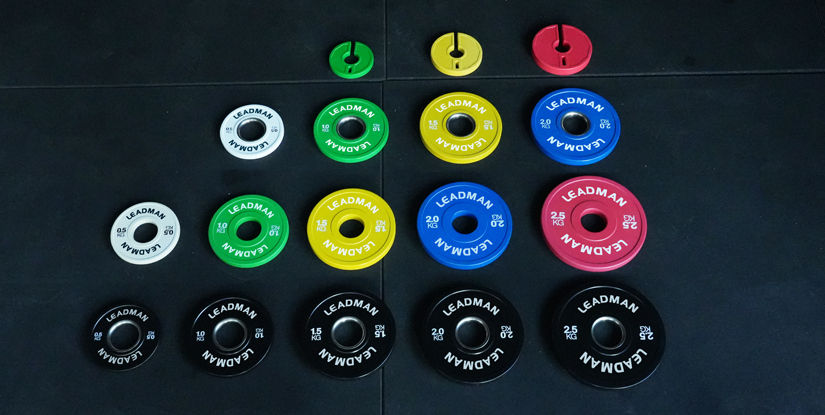
For many distributors, OEM serves as the most efficient way to build a professional presence. This process involves taking a proven structural design from a China factory and applying your specific brand aesthetics, such as custom upholstery, frame colors, and logo engravings. This approach balances a manageable MOQ with a significant increase in perceived value, allowing you to market a consistent and professional product line without the heavy R&D burden.
Conversely, ODM offers the highest level of control, enabling you to modify mechanical functions, ergonomics, or dimensions to meet specific niche requirements. This is essential for advanced gym facility layout optimization, where standard equipment footprints might not align with your facility's unique architectural constraints. While ODM typically requires higher initial investment and more rigorous sourcing oversight, it results in a truly unique product offering that cannot be easily replicated by competitors.
As you evaluate your next procurement cycle, consider whether your goal is rapid deployment or long-term market differentiation. We recommend requesting a detailed specification sheet or a sample approval from your supplier to verify how these customization options impact your final landed cost and long-term maintenance requirements.
Technical Precision in Production and Quality Assurance
Maintaining high-volume consistency is the primary challenge in global bulk fitness supplies procurement. When sourcing large-scale orders, the risk of variance between batches can compromise both your facility's professional aesthetic and its operational reliability. To mitigate this, a professional China factory implements rigorous standardized protocols that move beyond simple visual checks to ensure every unit meets strict commercial-grade tolerances.
Reliable wholesale gym items production relies on a structured production cycle that integrates quality control at every stage. This begins with raw material verification—ensuring steel grades and upholstery densities meet international standards—and continues through precision welding, powder coating, and mechanical assembly. By integrating QC standards directly into the manufacturing workflow, a top-tier supplier ensures that the hundredth unit in a shipment is identical in performance and finish to the first.
Beyond the assembly line, professional sourcing must account for the complexities of international logistics. High-quality export packaging is not merely a shipping requirement; it is a critical component of protecting your investment. This includes heavy-duty reinforced boxing, moisture-proof wrapping for metal components, and optimized palletization designed to withstand the stresses of sea freight. Proper packaging ensures that your wholesale order arrives at your warehouse or facility with zero structural compromise, reducing the need for costly replacements or onsite repairs.
For procurement leads managing large-scale deployments, we recommend scheduling a formal pre-shipment inspection or a factory audit. Verifying the factory's internal testing capabilities and observing the final loading process will provide the necessary assurance that your high-volume shipment aligns perfectly with your technical specifications and long-term durability requirements.
Logistics and Landed Cost: Managing Bulk Shipments and Export Packaging
Calculating the true value of wholesale gym items requires looking beyond the unit price to the total landed cost. For international distributors, the final price at your warehouse is heavily influenced by shipping methods, port fees, and potential damage during transit. A low factory price becomes a liability if the equipment arrives with structural defects or cosmetic damage due to insufficient protection.
Professional export packaging is a non-negotiable requirement when sourcing heavy, high-density steel equipment. A reliable China factory must implement multi-layered protection—such as heavy-duty corrugated boxes, reinforced corner protectors, and moisture-proof film—to ensure stability. Whether you utilize LCL for smaller batches or FCL for full container loads, the packaging must be engineered to withstand the rigors of ocean freight and multiple handling points.
Effective commercial gym equipment sourcing strategies prioritize vendors who master container loading optimization. By strategically stacking items to maximize volume and using specialized pallets, suppliers can reduce the number of containers required, directly lowering your shipping overhead. Investing in high-standard bulk fitness supplies packaging minimizes the risk of costly returns and ensures your facility layout optimization remains on schedule without delays from damaged inventory.
Comparing Shipping Modes and Packaging Standards for Large-Scale Procurement
Deciding between different logistics strategies is a critical step in your commercial gym equipment sourcing workflow. For procurement managers, the choice between Less than Container Load (LCL) and Full Container Load (FCL) directly impacts both the lead time and the final landed cost of the inventory. While LCL offers flexibility for smaller orders, FCL typically provides superior protection and lower per-unit shipping costs for high-volume distributors.
| Shipping Mode | Standard Packaging Type | Typical Lead Time Impact | Cost Efficiency & Risk Profile |
|---|---|---|---|
| LCL (Less than Container Load) | Standard Corrugated Cartons | Higher: Multiple stops and handling points | Lower cost for small batches; higher risk of transit damage |
| FCL (Full Container Load) | Reinforced Wooden Crates / Pallets | Lower: Direct transit from factory to port | High efficiency for bulk orders; maximum protection for heavy steel |
| Air Freight (Express) | Lightweight Protective Boxing | Minimal: Fastest delivery available | Highest cost; reserved for small parts or urgent replacements |
When managing gym facility layout optimization, your arrival schedule must be predictable. A professional supplier will provide detailed packing lists and dimensions early in the process to assist with your warehouse planning. To ensure your wholesale gym items arrive in showroom condition, we recommend confirming the specific crate dimensions and weight limits with your contact to finalize your logistics and storage arrangements before the production phase concludes.
Effective gym facility layout optimization begins long before the equipment reaches your floor; it starts with how that equipment is packed and delivered. For distributors and facility developers, the volumetric efficiency of a shipment dictates both the immediate logistics expense and the long-term utility of your storage space. A high-performing supplier provides more than just hardware; they provide a logistical blueprint that ensures your wholesale gym items arrive ready for immediate installation with minimal downtime.
Optimizing the density of your shipments through advanced volume reduction techniques is essential for maintaining a competitive edge. When you engage in commercial gym equipment sourcing, you should evaluate how a factory handles nested components and modular assembly. For example, equipment designed with high-density, stackable, or easily disassembled parts allows for greater volume reduction during transit. This precision in packing reduces the number of containers needed, effectively lowering the landed cost and maximizing the efficiency of your warehouse storage during the initial receipt of bulk fitness supplies.
To ensure your procurement process remains seamless, we recommend requesting a detailed packing specification and a container loading plan during the initial quote stage. Confirming these details allows you to align your receiving protocols with the actual footprint of the arriving goods, ensuring your facility expansion or inventory replenishment remains on a predictable and profitable schedule.
Maximizing ROI Through High-Efficiency Commercial Equipment Selection
Strategic procurement begins with understanding that wholesale gym items are more than just physical assets; they are long-term investments in facility performance. When managing commercial gym equipment sourcing, decision-makers must look beyond the initial purchase price to evaluate the total impact on operational efficiency and long-term profitability.
Optimizing your facility layout requires a balance between equipment density and user experience. By prioritizing gym facility layout optimization, operators can maximize the revenue-generating potential of every square meter. Sourcing directly from a China factory allows distributors and facility owners to select specialized configurations that improve space efficiency without compromising on professional standards. This approach reduces the TCO by ensuring that the equipment remains functional under heavy usage cycles while maintaining a lower landed cost compared to local retail-focused distributors.
The true value of wholesale procurement lies in the ability to select high-durability units that minimize maintenance downtime. While lower-tier products may offer a lower upfront cost, the long-term expense of repairs and replacement often results in a negative ROI. Professional buyers should focus on the durability vs. initial cost ratio, selecting commercial-grade units that can withstand high-volume environments. By leveraging the factory-direct advantage, you can secure high-spec components and robust steel frames that ensure your facility remains a premium destination for years to come.
Procurement Model Comparison: Impact on Total Cost of Ownership
To achieve professional-grade gym facility layout optimization, buyers must choose a procurement model that aligns with their long-term scalability and budget. Choosing between a traditional trading company and a direct supplier involves balancing immediate availability against long-term margins and customization potential. For large-scale projects, the difference in landed cost and maintenance frequency can significantly alter your projected ROI.
| Procurement Metric | Trading Company / Local Distributor | Direct China factory Sourcing |
|---|---|---|
| Initial Landed Cost | Higher due to multiple markups | Optimized via direct wholesale pricing |
| Customization/OEM Capability | Limited to existing stock catalogs | High; supports custom branding and specs |
| Maintenance Frequency | Variable based on stock quality | Controlled through direct spec selection |
| Supply Chain Control | Indirect; reliant on third-party lead times | Direct oversight of QC and production |
| Bulk Order Flexibility | Standardized product offerings | Scalable through ODM and custom MOQ |
When executing commercial gym equipment sourcing, the ability to implement OEM or ODM services is a critical differentiator. Direct sourcing allows you to integrate your own brand identity into the hardware, fostering professional credibility. Furthermore, managing your own MOQ requirements directly with the manufacturer ensures that your bulk fitness supplies arrive with the specific structural reinforcements required for your unique floor plan, ultimately protecting your capital investment.
Ensuring Long-Term Efficiency Through Rigorous Quality Control and Logistics
The final pillar of successful wholesale gym items procurement is the integration of strict oversight into the supply chain. Even the most optimized floor plan becomes a liability if the equipment fails due to poor manufacturing or shipping damage. To protect your long-term operational efficiency, professional buyers must prioritize partners who maintain rigorous QC standards throughout the production cycle. This oversight ensures that every unit meets the structural requirements necessary for high-traffic commercial environments, reducing the frequency of costly repairs and downtime.
Beyond the factory floor, managing the complexities of international shipping and logistics is essential to maintaining your project timeline. A transparent relationship with your supplier allows for better visibility into lead time and container loading optimization. Whether you are managing a single facility expansion or a multi-site rollout, understanding how export packaging and freight schedules impact your arrival dates is critical. By coordinating directly with the factory, you can better manage your inventory arrival to match your construction or renovation milestones, ensuring a seamless transition from procurement to full facility operation.
Procurement Checklist for Global Distributors and Facility Owners
Optimizing a commercial facility requires more than just selecting equipment; it requires strategic commercial gym equipment sourcing to ensure long-term profitability. Professional buyers must balance space efficiency with high-density equipment layouts to maximize member capacity per square foot. When sourcing wholesale gym items, the objective is to minimize the landed cost while securing high-durability units that reduce future maintenance overhead and improve overall ROI.
A successful procurement strategy involves identifying a reliable China factory that can meet specific technical requirements and volume demands. Beyond the initial purchase price, distributors must evaluate the total cost of ownership, including shipping logistics, assembly requirements, and the ability to scale through OEM or ODM partnerships. High-quality wholesale gym items sourced directly from a supplier allow for better margin control and more predictable facility expansion.
Strategic Sourcing Dimensions for Professional Buyers
| Procurement Dimension | Critical Metric for Buyers | Business Impact |
|---|---|---|
| Space Optimization | Footprint and stacking capability | Increased member density and revenue per square foot |
| Capital Expenditure | Landed cost and freight efficiency | Improved initial budget management and cash flow |
| Operational Durability | Material grade and maintenance frequency | Lowered long-term OPEX and equipment downtime |
| Supply Chain Scalability | MOQ and production lead time | Ability to expand facility offerings without delays |
Effective gym facility layout optimization depends on the synergy between equipment dimensions and the buyer's long-term operational goals. For distributors, the ability to secure bulk fitness supplies that offer both high durability and versatile footprints is essential for maintaining a competitive edge in local markets. When evaluating a potential wholesale gym items order, decision-makers should prioritize suppliers who provide transparent documentation regarding material specifications and structural integrity.
To ensure a seamless transition from procurement to facility launch, professional buyers should verify the following technical and logistical requirements with their chosen partner. This includes confirming the capability for custom branding to strengthen brand identity and ensuring that all wholesale gym items meet international shipping and safety standards. Establishing a clear communication protocol for sample approval and pre-shipment inspections will significantly reduce the risk of unexpected downtime or high maintenance costs.
Finalizing Your Procurement Strategy
Before finalizing a high-volume purchase, we recommend that importers and facility owners execute a formal verification process. This typically includes requesting a detailed product specification sheet, confirming the current MOQ for specific product lines, and requesting a formal quote that includes estimated lead times and FOB or CIF terms. For those seeking to build a unique market presence, engaging in early-stage OEM discussions can help tailor equipment to specific regional demands or niche facility requirements.
Once the technical specifications are validated, buyers should arrange for a factory audit or a third-party pre-shipment inspection to ensure that the quality control standards align with the initial agreement. This proactive approach ensures that your bulk shipment arrives ready for immediate deployment, maximizing your facility's launch efficiency and long-term return on investment.
Finalizing a high-volume purchase requires a structured approach to mitigate international trade risks. Before committing to a large-scale order, professional buyers should request a comprehensive technical spec sheet and a formal quote that clearly outlines the MOQ, production lead time, and shipping terms such as FOB or CIF. For distributors looking to differentiate their product catalog, initiating OEM or ODM discussions during the initial inquiry phase allows for greater control over product differentiation and technical customization.
To ensure long-term operational stability, we recommend that facility owners and importers incorporate a formal validation stage into their procurement workflow. This includes arranging for a factory audit or a third-party pre-shipment inspection to verify that the quality of the wholesale gym items meets all commercial-grade standards. By prioritizing these verification steps, you protect your distributor margin and ensure that your facility layout remains functional and high-performing for years to come.