Adjustable Competition Style Kettlebell | Optimizing Gym
Optimizing SKU Efficiency for Strength Training Distributors
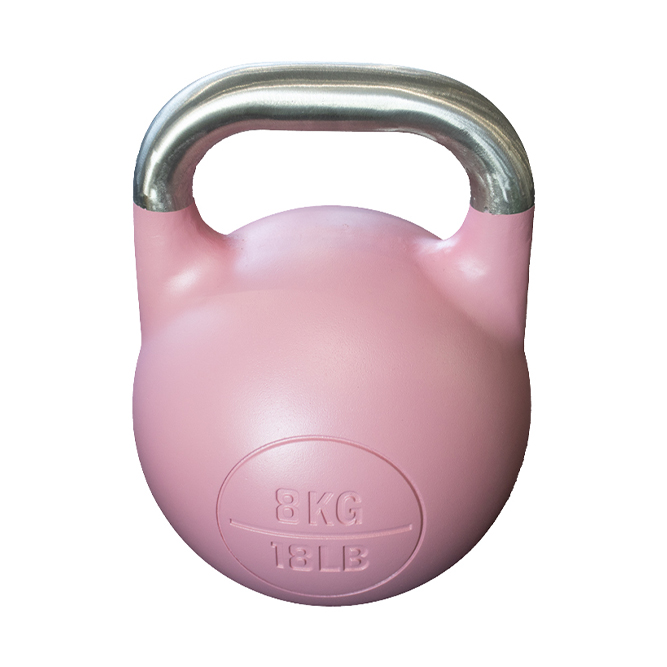
An adjustable competition style kettlebell is a high-grade strength tool designed with interchangeable weight increments to mimic the feel of fixed competition bells. B2B buyers prioritize these models to consolidate weight ranges into a single unit, significantly reducing the footprint required for diverse strength training programs.
Maximizing Capital Expenditure (Capex) and Inventory Turnover
For distributors and large-scale facility owners, transitioning to an adjustable competition style kettlebell model offers a strategic advantage in SKU efficiency. Rather than stocking dozens of individual fixed-weight units, which consumes massive warehouse volume and complicates logistics, a single adjustable system covers a wide spectrum of weight increments. This reduction in total SKUs simplifies order management and lowers the complexity of shipping and storage.
From a procurement standpoint, this approach optimizes capital expenditure (CapEx) by allocating budget toward high-versatility equipment that appeals to a broader client base. By streamlining the product catalog, distributors can achieve higher inventory turnover rates and minimize the risk of dead stock. Investing in these multi-weight solutions ensures that facility owners can offer varied training intensities without the overhead of managing an expansive, single-weight inventory footprint.
Total Cost of Ownership: Fixed vs. Adjustable Systems
Procurement managers must look beyond the initial purchase price to evaluate the long-term ROI of their strength equipment. While traditional cast iron bells may appear more affordable upfront, the hidden costs of floor space and inventory management often tilt the scale toward more versatile solutions. Using an adjustable competition style kettlebell provides space saving fitness solutions that drastically reduce the physical and financial footprint of a strength training area.
| Metric | Traditional Cast Iron Kettlebells | Adjustable Competition Style Kettlebell |
|---|---|---|
| Storage Footprint | High (requires large racks for every weight) | Low (single unit covers multiple increments) |
| SKU Complexity | Extensive (one SKU per weight increment) | Minimal (one unit replaces multiple SKUs) |
| Replacement Frequency | High (as client needs/strength levels evolve) | Low (scales with the user's progression) |
| Long-term ROI | Moderate (limited by static weight options) | High (versatile for diverse training programs) |
When planning versatile gym floor planning, the ability to consolidate weight ranges into a single footprint allows for more revenue-generating square footage. For distributors, this means lower shipping costs per weight-range covered and a much more efficient warehouse utilization rate compared to moving bulk shipments of individual heavy cast iron units.
Logistics and Shipping Density Considerations
Efficient wholesale procurement requires a deep understanding of shipping density and how product dimensions impact total logistics costs. Unlike standard fixed-weight bells that often ship as heavy, low-volume individual items, high-quality compact strength training equipment is designed to maximize container utility. When negotiating MOQs with manufacturers, distributors should prioritize suppliers that offer optimized packaging configurations to reduce the volumetric weight ratio.
Optimizing the shipping volume of an adjustable competition style kettlebell allows for a higher density of units per pallet or sea container. This increased efficiency directly lowers the landed cost per unit, providing a competitive edge in price-sensitive markets. By selecting products that balance durability with smart dimensional design, buyers can mitigate the high costs typically associated with transporting heavy, bulky iron goods across international borders.
Maximizing Usable Square Footage via Compact Strength Training Equipment
Optimizing a commercial gym layout requires a strategic approach to high-density training zones. By integrating an adjustable competition style kettlebell into your procurement strategy, facility managers can consolidate multiple weight increments into a single station. This method significantly reduces the logistical clutter typically associated with traditional kettlebell racks.
Footprint Reduction and Versatile Gym Floor Planning
Traditional fixed-weight sets demand extensive floor real estate and tiered shelving, which can bottleneck traffic in boutique studios or high-traffic training areas. Transitioning to compact strength training equipment allows for more versatile gym floor planning, as a single adjustable unit replaces a dozen individual bells. For distributors and gym owners, this footprint reduction translates to higher ROI per square foot, enabling more functional movement zones without expanding the physical building footprint.
When evaluating equipment density, procurement managers must weigh the initial unit cost against the long-term value of reclaimed square footage. A fixed-set inventory requires significant horizontal and vertical storage, whereas an adjustable competition style kettlebell serves as a high-density alternative that streamlines both floor space and inventory management.
| Metric | Fixed Kettlebell Sets | Adjustable Competition Style |
|---|---|---|
| Storage Footprint | High (Multiple Racks Required) | Minimal (Single Unit/Small Base) |
| Inventory Variety | Limited to Set Increments | High (Broad Weight Range) |
| Space Efficiency | Low (High SKU-to-Space Ratio) | High (Single SKU Replaces Many) |
| Cost-per-Square-Foot | Higher (Increased Real Estate Cost) | Lower (Optimized Training Zones) |
From a sourcing perspective, utilizing these space saving fitness solutions allows distributors to offer more comprehensive training capabilities within a smaller physical footprint. This density optimization is critical when designing premium boutique facilities where every square foot must contribute to a high-end user experience and maximum throughput.
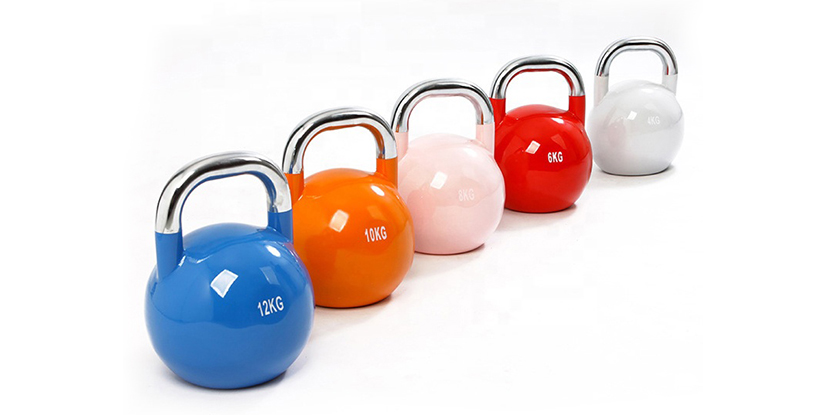
Boutique Studio Optimization and High-Density Training Zones
In premium environments where square footage is at a premium, the procurement decision often hinges on maximizing throughput without crowding the floor. Implementing an adjustable competition style kettlebell provides a strategic advantage for boutique studio optimization, allowing trainers to transition clients through varied strength protocols without the friction of swapping heavy, static weights. This approach turns cramped training corners into high-density training zones that feel expansive rather than cluttered.
For distributors, offering these space saving fitness solutions addresses a critical pain point for modern facility designers. Rather than stocking dozens of individual SKUs that consume massive warehouse and retail floor space, a single high-quality adjustable model serves multiple client needs. This efficiency directly improves the ROI on floor space, ensuring that even the smallest boutique footprints can accommodate a diverse, high-performance training curriculum.
Evaluating Footprint Dynamics for Versatile Gym Floor Planning
Optimizing a commercial gym layout requires a strategic approach to equipment density. Transitioning from traditional fixed-weight sets to an adjustable competition style kettlebell allows operators to reclaim significant floor area. Instead of dedicating vast square footage to multiple heavy weight stations, a single compact unit serves diverse training intensities, facilitating more efficient square footage optimization.
Spatial Efficiency Comparison: Fixed vs. Adjustable Systems
When calculating the ROI of a facility layout, procurement managers must weigh the cost of individual units against the value of usable floor space. Utilizing space saving fitness solutions can drastically alter the capacity of a boutique studio or high-end training zone.
| Storage Configuration | Footprint Requirement | Inventory Complexity | Ideal Use Case |
|---|---|---|---|
| Traditional Fixed Sets | High (Multiple Racks) | Extremely High | Large-scale strength facilities |
| Standard Kettlebell Tree | Moderate (Vertical) | High | Traditional commercial gyms |
| Adjustable Systems | Low (Single Station) | Minimal | Boutique studios & agile layouts |
Implementing versatile gym floor planning through adjustable weight systems reduces the logistical burden on distributors and facility owners alike. By consolidating weight increments into a single footprint, you minimize clutter and enhance the overall flow of member movement within high-traffic training zones.
From a procurement standpoint, the decision to switch to an adjustable system is often driven by the diminishing returns of expanding physical square footage. For small-scale studios or premium hotel gyms where every meter counts, the density advantage of adjustable hardware provides a significant competitive edge in facility management.
Density and ROI Analysis for Commercial Sourcing
Selecting high-density equipment allows operators to maximize the revenue potential of their existing real estate. While the initial unit cost for an adjustable competition style kettlebell may be higher than a single fixed bell, the long-term ROI is realized through reduced inventory overhead and increased floor capacity. Instead of managing a massive SKU list of varying weights, a single high-quality adjustable unit covers a broad spectrum of user needs, streamlining both procurement cycles and on-site organization.
Strategic placement of compact strength training equipment directly impacts the longevity of your facility's layout. To maintain a smooth training flow, avoid placing adjustable units in narrow transit corridors or directly behind high-intensity movement areas. Instead, integrate them into designated functional zones where users can transition between weights without obstructing high-traffic zones. This placement ensures that weight adjustments do not create bottlenecks during peak hours, preserving the premium experience of the gym floor.
For distributors and large-scale buyers, maintenance accessibility is a critical factor in the procurement decision-making process. Ensure that your chosen adjustable units are positioned with enough clearance for staff to inspect mechanisms or perform routine cleaning without moving other heavy equipment. Selecting models that allow for easy access to adjustment points minimizes downtime and long-term labor costs, making them a superior choice for high-volume commercial environments.
Structural Integrity and Weight Transition Reliability in High-Traffic Zones
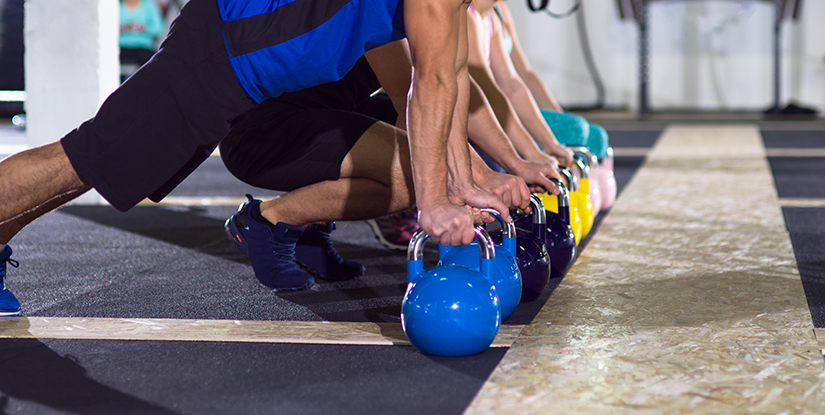
In high-intensity training environments, the mechanical stability of your equipment determines long-term replacement cycles. An adjustable competition style kettlebell must maintain strict structural integrity during rapid weight transitions to prevent mechanical failure under heavy use. For distributors and facility managers, prioritizing robust locking mechanisms is essential for ensuring safety in high-traffic zones where constant weight adjustments occur.
Standard consumer-grade adjustable models often fail to meet commercial gym durability standards due to weak pivot points or imprecise weight increments. Professional-grade units utilize reinforced casting and high-tensile steel components to withstand the rigors of professional strength conditioning. When sourcing for large-scale facilities, verify that the internal weight-adjustment system is engineered for repetitive, high-frequency deployment without loosening or structural deformation.
Evaluating Transition Mechanisms for Long-Term ROI
Choosing between different adjustment architectures directly impacts your total cost of ownership. While plate-loading systems offer familiarity, selectorized mechanisms provide superior space saving fitness solutions by reducing the footprint of loose weight increments. Procurement specialists must weigh the trade-off between manual mechanical simplicity and the speed of automated transitions to optimize member throughput and floor utility.
| Mechanism Type | Weight Transition Reliability | Maintenance Cycle | Ideal Application |
|---|---|---|---|
| Plate-Loading Systems | High (Mechanical Simplicity) | Low (Visual Inspection) | Traditional Strength Zones |
| Selectorized/Dial Systems | Moderate (Requires Precision) | Medium (Moving Parts) | Compact/Boutique Studios |
For distributors focusing on versatile gym floor planning, selectorized models offer high density but require stricter quality control regarding internal gear wear. Conversely, plate-based adjustable options are often more resilient in rugged, high-impact environments where mechanical automation might be exposed to heavy debris or extreme handling.
Optimizing TCO and Facility Layout Efficiency
From a procurement standpoint, the long-term ROI of a strength program depends on how effectively equipment manages square footage. Investing in high-quality compact strength training equipment allows facility managers to condense heavy lifting zones without sacrificing the variety of resistance available to members. This strategic reduction in footprint is a cornerstone of versatile gym floor planning, enabling more profitable use of premium real estate.
A smart procurement decision moves beyond initial unit costs to evaluate the total cost of ownership. While premium adjustable models may carry a higher upfront premium, their ability to replace dozens of individual fixed kettlebells minimizes inventory clutter and reduces long-term replacement frequency. For high-volume distributors, sourcing units with high-grade metallurgical standards ensures that the equipment remains a functional asset rather than a maintenance liability in dense training environments.
Mitigating Long-Term Maintenance Costs with High-Grade Finishes
For facility managers, the durability of an adjustable competition style kettlebell is defined by its ability to withstand high-frequency usage without surface degradation. Investing in premium coatings ensures that the equipment maintains its structural integrity and aesthetic appeal throughout its functional lifespan.
Corrosion Resistance and Surface Integrity
In demanding commercial gym environments, moisture from perspiration and humidity can accelerate oxidation. High-grade finishes, such as advanced powder coating or specialized plating, provide essential corrosion resistance. This protection minimizes the frequency of maintenance cycles, ensuring that the weight adjustment mechanisms remain smooth and free from debris or rust buildup. Selecting equipment with these industrial-standard finishes directly lowers the total cost of ownership by extending the replacement interval and reducing labor costs associated with upkeep.
Evaluating Coating Durability and TCO
Distributors and procurement specialists must weigh initial unit costs against long-term maintenance requirements. The choice between finishes often dictates how frequently a facility must perform surface inspections or replace components due to rust. Below is a technical comparison to assist in your sourcing decision.
| Finish Type | Durability Level | Cost-Effectiveness | Maintenance Requirement |
|---|---|---|---|
| Powder Coating | High (Impact Resistant) | Moderate | Low (Periodic wipe-down) |
| Electroplating | Very High (Corrosion Resistant) | Premium | Minimal (Standard cleaning) |
| Raw Cast Iron | Moderate (Surface Vulnerable) | Economical | High (Requires oiling/rust prevention) |
While raw cast iron offers a lower entry price, it often results in higher long-term labor costs for high-traffic facilities. For specialized training centers focusing on space saving fitness solutions, a high-grade powder coating provides the best balance of visual longevity and resistance to the physical wear typical of heavy-use environments.
Logistics Integrity and Global Shipping Standards
Maintaining the premium finish of compact strength training equipment requires more than just high-quality manufacturing; it demands rigorous logistics oversight. During wholesale procurement, the primary risk to surface integrity is friction-induced damage during transoceanic transit. A strict QC inspection protocol must verify that each unit is protected by heavy-duty, non-abrasive packaging to prevent scuffing and denting.
To ensure shipping durability, distributors should demand reinforced corrugated boxing and individualized padding for every adjustable competition style kettlebell. This attention to detail prevents the micro-abrasions that compromise aesthetics and functionality. By prioritizing high-standard packaging, facilities secure long-term space saving fitness solutions that arrive in showroom condition, reducing the need for costly returns or immediate replacements due to transit-related wear.
Balancing Capital Expenditure and Long-Term ROI
When calculating the total cost of ownership, procurement managers must look beyond the initial unit price of an adjustable competition style kettlebell. While single-unit costs may appear higher than fixed-weight cast iron alternatives, the long-term value lies in the reduction of replacement cycles and equipment density.
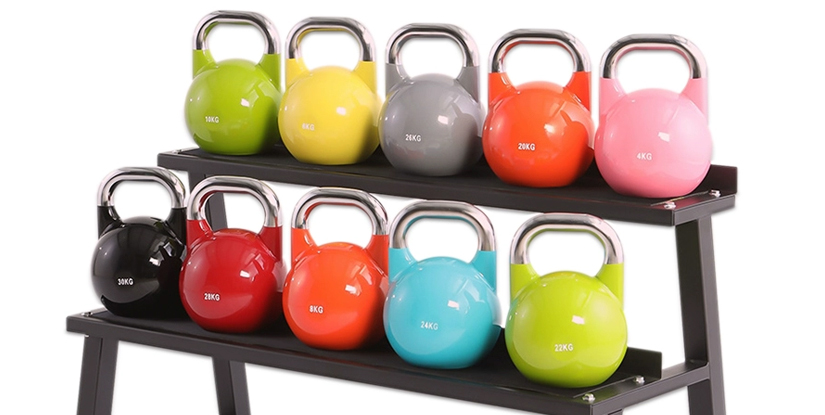
Investing in high-quality adjustable systems optimizes capital expenditure (CAPEX) by consolidating multiple weight increments into a single footprint. This strategy supports versatile gym floor planning, allowing facilities to pivot between strength and metabolic conditioning zones without purchasing new sets. By implementing these space saving fitness solutions, distributors and gym owners can maximize revenue per square foot, effectively turning limited floor area into high-performance training real estate.
Evaluating Sourcing Models: Direct Factory vs. Local Distributor
Choosing the right procurement channel depends on your order volume and required speed to market. For facility owners focused on immediate deployment, local distributors offer speed, while global wholesalers seeking to maximize margins often benefit from direct factory engagement.
| Metric | Direct Factory Sourcing | Local Distributor/Wholesaler |
|---|---|---|
| Unit Cost | Lowest (Bulk pricing) | Moderate (Markup included) |
| Typical MOQ | High (Container/Pallet level) | Low (Case/Set level) |
| Lead Times | Long (Production + Sea freight) | Short (In-stock availability) |
| Quality Control | Direct oversight/Factory inspections | Third-party or distributor standards |
| Shipping Complexity | High (Requires customs/logistics management) | Low (Standard domestic freight) |
For large-scale commercial rollouts or expanding retail inventory, direct sourcing provides the most competitive edge in pricing. However, for boutique studios or smaller gym layouts where rapid replenishment is vital, the convenience of a local distributor often outweighs the savings of direct manufacturing.
Optimizing Logistics and Warehouse Footprint
Efficiently managing high-density orders requires a deep understanding of shipping volume and packaging geometry. Because an adjustable competition style kettlebell incorporates internal weight mechanisms, the physical dimensions of the product and its protective casing dictate your total shipping volume and freight costs. Unlike traditional cast iron, these units often require specialized structural padding to prevent mechanical misalignment during transit.
For distributors, the primary goal is minimizing the warehouse footprint per unit. High-quality compact strength training equipment is designed to be stackable and modular, allowing for more efficient inventory management. When calculating your landed cost, always request the volumetric weight and exact carton dimensions from your supplier. This ensures that your space saving fitness solutions do not become a liability in your storage facility due to oversized, inefficient packaging that inflates your per-unit storage overhead.
Calculating ROI Through Multi-Functional Training Solutions
Maximizing revenue per square foot is a critical metric for commercial gym operators and boutique studio owners. Transitioning from a static inventory of fixed-weight kettlebells to a high-density adjustable competition style kettlebell setup allows facilities to offer a wide range of resistance levels without the physical footprint of dozens of individual bells. This shift directly addresses the high cost of commercial real estate by optimizing usable floor area.
Footprint Reduction and Equipment Density
Traditional kettlebell sets require extensive rack systems and significant floor clearance to prevent tripping hazards. In contrast, integrating compact strength training equipment enables a more fluid training environment. By utilizing a single adjustable competition style kettlebell to cover multiple weight increments, distributors and gym managers can achieve superior square footage optimization. These space saving fitness solutions allow for more versatile gym floor planning, enabling the same area to host both heavy strength sessions and high-intensity metabolic conditioning without the clutter of unused iron.
| Configuration Type | Floor Space Requirement | Inventory Complexity | Long-term Asset Value |
|---|---|---|---|
| Fixed Kettlebell Set (Standard) | High (Requires large racks) | High (Many individual SKUs) | Moderate (Subject to wear) |
| Adjustable Competition Style | Low (Single footprint) | Low (One unit covers many weights) | High (Versatile for all users) |
Beyond initial procurement costs, a professional assessment of Total Cost of Ownership (TCO) reveals the true financial advantage of high-end modular systems. While individual fixed bells may present a lower upfront price point per unit, the long-term overhead associated with purchasing, shipping, and storing an entire progressive weight spectrum often exceeds the cost of a single high-quality adjustable model.
Durability and Maintenance Lifecycle
A primary concern for B2B buyers is the long-term durability of mechanical adjustment components. High-tier adjustable competition style kettlebell units utilize a commercial-grade build, typically featuring reinforced steel housings and precision-engineered locking mechanisms. This robust construction ensures that the unit can withstand high-volume usage in rigorous training environments without mechanical failure.
From a procurement standpoint, the maintenance cycle of a high-quality adjustable model is significantly lower than maintaining a massive, disparate inventory of single-weight bells. While fixed iron bells may suffer from surface oxidation or handle wear, a single high-spec adjustable unit requires minimal upkeep beyond occasional inspection of the adjustment pins. This reliability secures a strong long-term ROI, as it minimizes the need for unplanned capital expenditures and reduces the labor costs associated with frequent equipment replacement and inventory auditing.