Recommended Kettlebell Weight: Private Label OEM Factory
Recommended Kettlebell Weight Selection for Commercial Layouts
Determining the recommended kettlebell weight involves balancing a versatile range of increments to satisfy diverse user demographics while maximizing floor utility. For professional distributors and gym owners, sourcing through a China factory ensures a scalable inventory that meets international commercial standards for durability and weight precision.
Inefficient weight selection leads to significant operational friction. If a facility lacks the middle-range weights, high-traffic training sessions stall, reducing the overall throughput of the functional training zone. Conversely, overstocking excessive heavy units consumes valuable square footage without proportional utility. Professional procurement must focus on a strategic distribution of mass to ensure high space efficiency and a rapid return on investment. By optimizing the SKU mix through wholesale kettlebell supply, operators can maintain a high-density training environment that accommodates both beginners and advanced athletes without expanding the physical footprint.
Optimizing Floor ROI Through Strategic Inventory Mix
The relationship between weight variety and usable floor space is critical for high-end studio operators. A disorganized collection of commercial kettlebell sets often results in cluttered training areas, which increases maintenance labor and lowers the perceived value of the facility. Instead, a structured approach to gym equipment procurement focuses on high-demand weight increments that provide the most utility per square meter. This strategy minimizes the landed cost of unused inventory while maximizing the capacity of the functional training zone.
When managing large-scale facility rollouts, distributors should prioritize a tiered weight structure. This ensures that the most common training weights are always available, preventing bottlenecks during peak hours. By working directly with a supplier to customize the weight increments, buyers can tailor their inventory to the specific demographic of their target market, ensuring every piece of equipment contributes to a higher ROI through increased user engagement and optimized space utilization.
| Facility Type | Primary Weight Focus | Inventory Density Strategy | Procurement Priority |
|---|---|---|---|
| Boutique Studio / HIIT Center | Low to Mid-Range (4kg – 16kg) | High SKU variety with small footprint | Rapid turnover & aesthetic consistency |
| Full-Scale Commercial Gym | Mid to High-Range (12kg – 32kg+) | Deep stock in standard increments | Durability & high-volume availability |
| Specialized Strength Facility | Heavy & Extreme Ranges (20kg – 48kg+) | Specialized heavy-duty storage solutions | Precision weight tolerances & ruggedness |
Selecting the appropriate recommended kettlebell weight distribution is a calculation of both user demand and warehouse logistics. For instance, a boutique studio focusing on high-intensity interval training (HIIT) requires a dense collection of lighter weights to facilitate rapid transitions. In this scenario, sourcing via wholesale channels allows for a more diverse range of lighter SKUs, ensuring the facility can accommodate a large volume of participants without a massive storage footprint.
In contrast, a traditional large-scale fitness center must prioritize the heavy-duty mid-range to prevent equipment shortages during peak training hours. When planning your next gym equipment procurement cycle, consider the landed cost of shipping heavier units; larger volumes of high-mass equipment can significantly impact container utilization and shipping budgets. We recommend requesting a detailed weight increment list from your factory to ensure the distribution aligns with your specific facility's density requirements and long-term maintenance goals.
Logistics Efficiency and Customization via OEM/ODM Capabilities
Beyond the physical selection of weights, professional buyers must account for the complexities of international logistics and product branding. Utilizing OEM or ODM services allows distributors to move beyond generic stock and develop a proprietary product line that reflects their specific market positioning. This level of customization is essential when a brand identity depends on unique aesthetics, specific color schemes, or specialized handle textures that differentiate a premium collection from standard market offerings.
Effective sourcing also requires a deep understanding of how weight increments and packaging impact the total landed cost. For example, high-density weight sets designed for optimal container loading can significantly reduce the per-unit shipping expense. When you partner with a professional factory, you gain access to customized export packaging solutions that protect the equipment during long-distance transit while maximizing shipping volume. This attention to detail ensures that your recommended kettlebell weight distribution arrives with minimal damage and at the most competitive cost-per-unit.
To mitigate procurement risks, we advise all distributors to implement a strict QC protocol during the manufacturing process. High-quality commercial kettlebell sets require rigorous testing for weight tolerance and coating durability to ensure long-term commercial viability. Before finalizing a bulk order, request a pre-shipment inspection report or a sample approval process to verify that the manufacturer's quality control standards align with your facility's or client's expectations. Contact us to discuss your specific MOQ requirements, lead times, or to request a detailed technical specification sheet for your next project.
Optimizing Floor Footprint with Strategic Weight Increments
Selecting the recommended kettlebell weight range is a critical decision for facility managers looking to balance equipment density with user variety. When sourcing from a China factory, distributors must consider how weight increments impact the total physical footprint of commercial kettlebell sets within a training zone. A poorly planned selection leads to excessive storage requirements and inefficient floor usage.
Efficient gym equipment procurement requires a strategic approach to weight gaps. Rather than ordering a continuous, narrow spectrum of weights that consumes massive amounts of rack space, professional buyers focus on high-demand intervals. This method ensures high inventory density and maximizes the utility of every square meter in the facility. By optimizing the wholesale kettlebell supply to include only essential weight jumps, importers can reduce the total footprint while maintaining a professional standard of training-ready options.
| Inventory Strategy | Weight Increment Style | Space Efficiency | Procurement Logic |
|---|---|---|---|
| High Density | Large gaps (e.g., 4kg jumps) | Maximum footprint reduction | Lower SKU count; optimized for small studios |
| Standard Commercial | Moderate gaps (e.g., 2kg jumps) | Balanced floor coverage | Standard for most full-scale fitness centers |
| Premium Full Spectrum | Small gaps (e.g., 1kg jumps) | Higher storage footprint | High-end specialized training environments |
Managing the logistics of a large-scale facility requires a nuanced understanding of how SKU variety affects your landed cost and storage capacity. For professional distributors, the decision to utilize a custom OEM approach allows for the precise calibration of weight increments to match specific market demands or facility dimensions. A high-density inventory strategy reduces the number of individual units to track and store, while a custom-tailored wholesale order ensures you are not over-investing in low-demand weight classes that occupy valuable real estate without providing proportional ROI.
When coordinating with your supplier, it is advisable to request a detailed technical specification sheet for each weight class. This ensures that the diameter of the handles and the overall circumference remains consistent across the different jumps in your recommended kettlebell weight selection. Such consistency is vital for maintaining a professional look and feel for your brand identity. Before finalizing a bulk order, we recommend a sample approval process and a thorough review of the factory's capacity to handle specialized weight increments to ensure your inventory meets the high standards of your local commercial market.
Maximizing the efficiency of international shipments requires a focus on container utilization and the reduction of wasted shipping volume. For professional importers, the recommended kettlebell weight distribution directly influences the landed cost of a shipment. When ordering through a wholesale channel, a selection of weights that are optimized for standard pallet dimensions and carton stacking will significantly lower the per-unit transport expense. Neglecting this aspect of gym equipment procurement often results in paying for "air" within a container, which diminishes your overall profit margins.
To achieve optimal logistics efficiency, buyers should coordinate closely with their supplier regarding the volumetric weight of their commercial kettlebell sets. A strategic order that balances heavy, high-volume units with lighter, high-density SKUs allows for better container loading patterns. This precision is especially important when managing a wholesale kettlebell supply from a China factory, where maximizing every cubic meter of a 20ft or 40ft container is essential for maintaining a competitive edge in the North American market. By aligning your weight increments with standardized export packaging, you can effectively lower your total cost of ownership and optimize your warehouse throughput.
Total Cost of Ownership: Comparing Material and Manufacturing Standards
For professional distributors and gym operators, selecting the correct recommended kettlebell weight involves more than just weight increments; it requires a rigorous assessment of long-term durability. When sourcing in bulk from a China factory, the initial purchase price is only one component of the total landed cost. Low-quality cast iron or substandard coatings lead to high replacement frequency, which erodes your profit margins and disrupts client training schedules.
High-performance commercial kettlebell sets must withstand high-impact environments without surface degradation or structural failure. Investing in premium material standards during the sourcing phase ensures that your inventory remains a durable asset rather than a recurring expense. By choosing a reliable supplier that prioritizes consistent density and impact-resistant finishes, you significantly lower the long-term TCO for your end users.
| Procurement Dimension | Standard Wholesale Option | Premium OEM/ODM Specification |
|---|---|---|
| Material Integrity | Basic cast iron with thin paint | High-density iron with reinforced coating |
| Surface Durability | Prone to chipping and rust | High impact resistance for commercial use |
| Weight Consistency | Variable tolerances | Strict industrial-grade precision |
| Long-term ROI | Frequent replacement required | Extended lifecycle for high-traffic gyms |
The difference between a low-cost trader and a direct wholesale kettlebell supply partner often manifests in the hidden costs of quality control and logistics. While unverified sources may offer lower initial quotes, they frequently lack the infrastructure to manage strict weight tolerances or specialized export packaging. For distributors managing large-scale gym equipment procurement, these discrepancies lead to increased breakage rates and unsatisfactory landed costs upon arrival.
Professional buyers should prioritize partners capable of providing comprehensive technical documentation and standardized production workflows. A dedicated factory-direct approach allows for better oversight of the entire production cycle, ensuring that every unit meets the rigorous demands of high-traffic commercial environments. We recommend conducting a thorough review of a partner's ability to manage bulk orders with precision, rather than focusing solely on the lowest unit price.
Optimizing Your Procurement Strategy
To ensure maximum efficiency, we suggest requesting a detailed specification sheet and confirming the recommended kettlebell weight tolerance levels before finalizing any bulk order. Engaging directly with an experienced manufacturer allows you to discuss customized branding and specific material requirements that align with your market positioning. Always verify the capacity for sample approval and factory audits to mitigate risks during the international shipping process.
The difference between a low-cost trader and a direct wholesale kettlebell supply partner often manifests in the hidden costs of quality control and logistics. While unverified sources may offer lower initial quotes, they frequently lack the infrastructure to manage strict weight tolerances or specialized export packaging. For distributors managing large-scale gym equipment procurement, these discrepancies lead to increased breakage rates and unsatisfactory landed costs upon arrival.
Professional buyers should prioritize partners capable of providing comprehensive technical documentation and standardized production workflows. A dedicated factory-direct approach allows for better oversight of the entire production cycle, ensuring that every unit meets the rigorous demands of high-traffic commercial environments. We recommend conducting a thorough review of a partner's ability to manage bulk orders with precision, rather than focusing solely on the lowest unit price.
China Factory OEM and Private Label Customization Capabilities
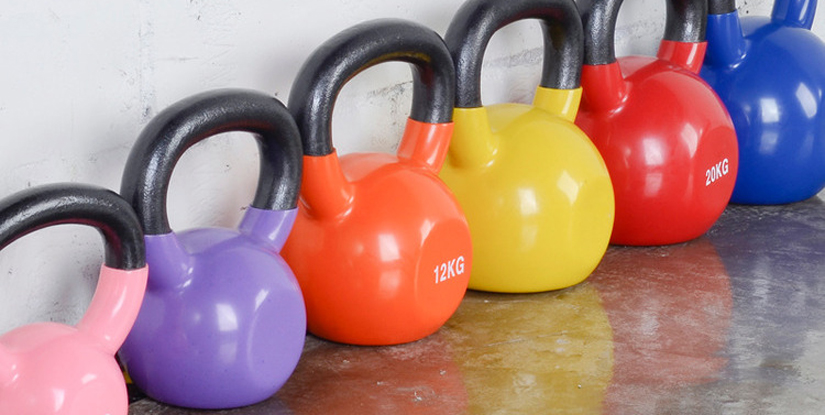
Establishing a professional market presence requires more than just stocking generic items; it requires a strategic recommended kettlebell weight selection that aligns with your specific target demographic. For distributors and large-scale gym operators, leveraging a China factory for OEM and ODM production is the most effective way to scale. Instead of competing on price alone with generic units, you can build a proprietary product line that commands higher margins and fosters long-term client loyalty.
The ability to implement private label solutions allows you to integrate your unique brand identity into every piece of equipment you distribute. Whether you need specific color schemes to match a studio's aesthetic or specialized handle textures for premium grips, customization options provided by a professional supplier ensure your inventory stands out. This level of differentiation is critical when moving from a standard wholesale kettlebell supply model to becoming a recognized name in the commercial fitness sector.
By working directly with a factory, procurement managers can control the granular details of their commercial kettlebell sets, from the precision of the weight increments to the durability of the outer coating. This direct oversight reduces the risk of receiving sub-standard goods and ensures that every unit meets the rigorous demands of high-traffic commercial environments, ultimately protecting your brand reputation and maximizing your ROI.
Strategic Comparison: Standard Wholesale vs. Full OEM/ODM Customization
For procurement professionals, deciding between purchasing off-the-shelf inventory and investing in a customized production run depends heavily on your long-term scaling strategy. While standard wholesale offers speed, a tailored recommended kettlebell weight specification via OEM or ODM provides the competitive edge needed to dominate specific market niches. The following table outlines the technical and logistical differences to assist in your decision-making process.
| Feature/Specification | Standard Wholesale Procurement | Full OEM/ODM Customization |
|---|---|---|
| Weight Increments | Standard industry intervals | Customized/Non-standard intervals |
| Branding & Identity | Generic or unbranded | Full private label integration |
| Material & Color | Limited to factory stock options | Custom coatings and handle textures |
| Design Control | Fixed existing designs | Proprietary shape and ergonomic specs |
| MOQ Requirements | Lower per-SKU volume | Higher volume per custom specification |
| Lead Time | Short (stock availability dependent) | Extended (production & QC cycles) |
When managing your gym equipment procurement, understanding these variables is essential for calculating your total landed cost and projected margins. Standard orders are ideal for immediate stock replenishment, whereas a dedicated wholesale kettlebell supply through a custom manufacturing contract allows for greater control over product uniqueness and brand-aligned aesthetics.
To move forward with your procurement plan, we recommend requesting a detailed specification sheet or a sample evaluation to verify material density and finish quality. For large-scale projects, please contact us to confirm the current MOQ for specific custom colors or to schedule a virtual factory audit to ensure our production standards meet your commercial requirements.
Establishing a professional market presence requires more than just stocking generic items; it requires a strategic recommended kettlebell weight selection that aligns with your specific target demographic. For distributors and large-scale gym operators, leveraging a China factory for OEM and ODM production is the most effective way to scale. Instead of competing on price alone with generic units, you can build a proprietary product line that commands higher margins and fosters long-term client loyalty.
The ability to implement private label solutions allows you to integrate your unique brand identity into every piece of equipment you distribute. Whether you need specific color schemes to match a studio's aesthetic or specialized handle textures for premium grips, customization options provided by a professional supplier ensure your inventory stands out. This level of differentiation is critical when moving from a standard wholesale kettlebell supply model to becoming a recognized name in the commercial fitness sector.
By working directly with a factory, procurement managers can control the granular details of their commercial kettlebell sets, from the precision of the weight increments to the durability of the outer coating. This direct oversight reduces the risk of receiving sub-standard goods and ensures that every unit meets the rigorous demands of high-traffic commercial environments, ultimately protecting your brand reputation and maximizing your ROI.
Standardizing Quality Control and Export Packaging Protocols
Maintaining a consistent recommended kettlebell weight across a full production run is critical for professional distributors. When managing large-scale gym equipment procurement, even minor deviations in mass can lead to significant inventory discrepancies and client dissatisfaction. A professional China factory must implement rigorous quality control (QC) protocols to ensure every unit meets commercial gym standards regarding both physical dimensions and weight accuracy.
Inconsistent weight tolerances pose a direct risk to your brand reputation and long-term profitability. If a 24kg unit arrives weighing only 23.5kg due to poor factory-direct inspection, the resulting loss of trust can be difficult to recover. To mitigate these risks, a reliable supplier utilizes precision calibration and multi-stage verification processes. This ensures that every piece in your commercial kettlebell sets remains within the strict industry-standard tolerance levels required for high-end fitness facilities.
Mitigating Transit Risks and Ensuring Shipment Integrity
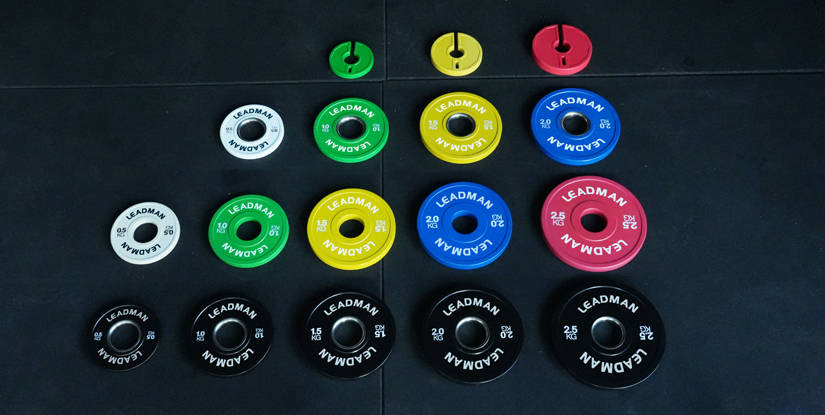
Beyond weight accuracy, shipment damage prevention is a vital component of the wholesale kettlebell supply chain. For international sourcing, the physical durability of the packaging determines the final landed cost and product availability at your warehouse. Standard retail packaging is insufficient for the heavy, high-impact nature of cast iron or rubber-coated kettlebells during sea freight.
Professional export-grade packaging must be engineered to withstand the rigors of container loading and long-distance maritime transport. This includes reinforced corrugated boxes, heavy-duty dividers, and optimized palletization strategies to prevent crushing or surface abrasion. By prioritizing robust packaging and strict QC during the loading process, distributors can reduce the rate of damaged goods, ensuring that the recommended kettlebell weight and physical finish arrive at the destination in pristine, saleable condition.
Technical Comparison: Standard Wholesale vs. Premium OEM Logistics
Understanding the distinction between standard stock availability and customized production is essential for effective inventory management. When a distributor chooses between standard commercial kettlebell sets and a fully customized OEM solution, they are essentially choosing between immediate availability and long-term brand control. A professional factory will provide clear specifications regarding how these two tiers differ in terms of protection and shipping efficiency.
The following table outlines the technical differences in logistics and protection protocols. This comparison helps procurement officers evaluate the total landed cost and the long-term reliability of their wholesale kettlebell supply when planning for large-scale distribution or gym facility launches.
| Logistics Specification | Standard Wholesale/Stock | Premium OEM/ODM Order |
|---|---|---|
| Packaging Type | Standard reinforced corrugated box | Customized branded heavy-duty box |
| Internal Protection | Standard dividers or bulk packing | Customized EVA foam or high-density inserts |
| Palletization Standard | Standardized pallet dimensions | Optimized dimensions for container density |
| Weight Verification | Batch-level sampling | Individual unit precision calibration |
| Export Readiness | General sea freight packaging | High-durability maritime-grade protection |
| Branding Integration | Generic or basic label | Full private label and custom branding |
For high-volume importers, the goal is to minimize the risk of product damage while maximizing container utilization. While standard stock options offer a faster lead time, a dedicated ODM approach allows for superior palletization and customized export packaging. This level of detail ensures that the recommended kettlebell weight remains consistent and the physical integrity of the product is protected against the vibrations and shifts typical of long-distance sea freight.
Before finalizing your procurement plan, we recommend requesting a detailed specification sheet regarding your chosen packaging tier. We invite distributors to confirm their specific MOQ requirements and discuss customized branding or specialized loading protocols to ensure your shipment arrives ready for immediate retail or facility deployment.
Sourcing and Procurement Logistics for Global Distributors
Managing a diverse inventory requires a precise understanding of the recommended kettlebell weight distribution to satisfy both strength and conditioning professionals. For international distributors, the challenge lies in balancing a wide SKU range with efficient shipping volumes. Relying on a single wholesale kettlebell supply source that understands the nuances of weight increments ensures your clients receive consistent, high-quality equipment across all training modalities.
Effective inventory management begins with selecting a factory that can provide standardized increments. When sourcing commercial kettlebell sets, procurement leads must account for the logistical complexity of shipping high-density metal products. Discrepancies in weight tolerances or inconsistent casting can lead to rejected shipments and increased landed costs. By coordinating directly with a China factory, importers can synchronize production cycles with seasonal demand, ensuring that full sets are available when market needs shift.
Managing Lead Time and MOQ for Global Distribution
Optimizing your supply chain requires a clear view of the lead time associated with different production scales. For large-scale distributors, the MOQ for custom-branded or specialized weight ranges is a critical factor in maintaining healthy profit margins. A factory-direct relationship allows for better predictability in the production schedule, especially when transitioning from standard stock items to specialized OEM orders.
Failure to align procurement timelines with shipping schedules often results in stockouts or excessive warehousing costs. Professional buyers should evaluate the lead time not just for production, but for the entire export process, including pre-shipment inspection and container loading. Utilizing a supplier with established export experience minimizes the risk of delays, ensuring that your recommended kettlebell weight selections arrive at your distribution center ready for immediate commercial deployment.
Sourcing Model Comparison: Trader vs. Factory-Direct
To maximize distributor margins, procurement leads must evaluate the total landed cost and customization potential of their sourcing channels. Choosing between a trading company and a direct manufacturer impacts everything from quality control to your ability to scale a private label brand. A strategic gym equipment procurement plan should prioritize models that offer both high-volume efficiency and the flexibility for custom branding.
| Procurement Metric | Trading Company Model | Direct Factory-Direct Model |
|---|---|---|
| Customization Capability | Limited to existing stock items | High potential for OEM and ODM |
| Minimum Order Quantity | Typically lower, suitable for small batches | Higher MOQ required for custom builds |
| Quality Control Oversight | Dependent on third-party inspections | Direct access to factory QC and pre-shipment testing |
| Landed Cost Efficiency | Higher unit cost due to middleman margins | Optimized for bulk wholesale and high-volume export |
| Lead Time Control | Variable based on trader inventory | Predictable via direct production scheduling |
When selecting a recommended kettlebell weight range for a new facility or distribution network, the choice of partner dictates your long-term scalability. While traders may offer ease of entry for small orders, working directly with a factory allows for deeper integration of your brand identity into the product design. This direct approach ensures that every unit meets specific commercial durability standards and that your shipping efficiency remains high through optimized container loading and export-ready packaging.
To secure the most competitive pricing for your next shipment, we recommend requesting a detailed specification sheet and confirming the current MOQ for your desired weight increments. Our team can provide a comprehensive quote including freight estimates to assist with your total landed cost calculations and help you plan your next bulk order with confidence.
Ensuring Product Integrity Through QC and Export Packaging
For professional importers, the risk of transit-related damage or weight discrepancies during long-distance ocean freight can significantly erode distributor margins. A robust gym equipment procurement strategy must look beyond the initial unit price to evaluate the manufacturer's standards for quality control and heavy-duty protection. When ordering commercial kettlebell sets, the density and weight of the products create unique stresses on shipping containers, making specialized packaging a necessity rather than an option.
A reliable China factory must implement a multi-stage QC process that covers everything from raw material casting to final surface finishing. This ensures that every unit in your recommended kettlebell weight selection meets exact weight tolerances and structural integrity standards before leaving the floor. Without strict pre-shipment inspections, even minor casting flaws or paint chipping can lead to high return rates and damaged brand reputation upon arrival at your warehouse.
To mitigate the high costs of shipping damage prevention, our facility utilizes reinforced, industry-standard export packaging designed specifically for high-density iron or cast steel products. For large bulk orders, we employ optimized palletization and heavy-duty corrugated boxing to ensure stability during sea transit. This rigorous approach to container loading protects your investment, ensuring that your full range of weights arrives in pristine, retail-ready condition, ready for immediate commercial deployment in high-traffic gym environments.