Wholesale Weight Training Equipment: OEM Wholesale
Optimizing Inventory with High-Durability Weight Training Equipment
High-quality wholesale weight training equipment consists of heavy-duty, commercial-grade strength tools designed for high-frequency use in professional environments. B2B buyers prioritize these products to ensure long-term reliability, minimize maintenance downtime, and secure a competitive edge in the fitness distribution market.
For a gym equipment distributor, the true cost of a purchase extends far beyond the initial invoice. Selecting low-grade alternatives may lower immediate expenses, but it drastically increases the total cost of ownership through shortened replacement cycles and frequent warranty claims. To maintain healthy margins, professional importers must prioritize high-durability standards that withstand the rigors of 24/7 commercial facility usage.
Sourcing through a direct China factory allows you to bypass unnecessary middleman markups, significantly optimizing your landed cost. By establishing a direct line to the manufacturer, you gain control over material quality and production consistency, ensuring that your bulk weightlifting gear inventory remains a high-performing asset rather than a liability. This strategic approach to commercial strength training procurement ensures that your clients receive equipment that meets global professional standards while you maintain optimal stock turnover and profitability.
``` ```htmlEconomic Comparison: OEM/ODM Customization vs. Standard Stock Sourcing
When managing large-scale inventory, the decision between purchasing standard stock items and investing in OEM/ODM solutions can significantly impact your long-term profitability. While standard stock offers faster lead times for small orders, customized manufacturing provides a superior return on investment (ROI) for large-scale distributors. High-durability specifications reduce the frequency of maintenance requests, which in turn protects your distributor margin by lowering the burden of after-sales service and replacement costs.
The following table illustrates the typical economic differences between sourcing generic stock and professional-grade customized equipment for commercial applications:
| Procurement Metric | Standard Stock Items | Customized OEM/ODM Solutions |
|---|---|---|
| Initial Unit Cost | Lower (Mass Produced) | Moderate (Value-Added) |
| Total Cost of Ownership (TCO) | Higher (Frequent Maintenance) | Lower (High Durability) |
| Brand Differentiation | Limited (Generic Branding) | High (Private Label Capability) |
| Maintenance Frequency | Higher (Standard Materials) | Lower (Optimized Components) |
| Long-term Distributor Margin | Compressed (Price War Driven) | Optimized (Value-Based Pricing) |
For professional importers, prioritizing the TCO (Total Cost of Ownership) rather than the lowest upfront price is a hallmark of successful procurement. By working with a specialized supplier to develop high-spec gear, you mitigate the risks of premature wear and tear, ensuring your clients' satisfaction and your own business stability.
[IMAGE: A high-angle shot of a professional warehouse facility showing organized rows of heavy-duty weight racks and customized strength machines, clean lighting, industrial setting | ALT: organized warehouse storage for commercial strength training equipment] ``` ```json { "title": "Wholesale Weight Training Equipment: OEM Wholesale", "seo_description": "Optimize your inventory with high-durability wholesale weight training equipment. We provide professional OEM and ODM manufacturing solutions for gym dealers.", "seo_keywords": "wholesale weight training equipment, commercial strength training, gym equipment distributor, bulk weightlifting gear", "slug": "wholesale-weight-training-equipment-oem-solutions", "page_faqs": [ "What is the benefit of sourcing wholesale weight training equipment from a China factory?===Sourcing directly from a China factory allows distributors to optimize their landed cost and secure higher profit margins. By working with an OEM/ODM manufacturer, you can ensure high-durability standards and customized branding, which reduces long-term replacement cycles for your end clients.", "Do you offer OEM services for commercial strength training products?===Yes, we specialize in professional OEM and ODM solutions. We can customize equipment specifications, color schemes, and private labeling to meet the specific brand requirements of your gym or distribution business.", "How does equipment durability affect my distributor margins?===High-durability equipment reduces the frequency of maintenance requests and replacement cycles. By investing in premium commercial-grade gear, you build long-term trust with your clients and minimize the cost of warranty claims, ultimately protecting your bottom line." ] } ``` ```htmlLogistics Integrity and Quality Control Standards
The complexity of international procurement requires more than just selecting the right product; it demands a rigorous focus on export packaging and transit reliability. For distributors managing large-scale orders, the risk of receiving damaged goods can instantly erode profit margins and disrupt supply chains. To mitigate this, a professional factory must implement multi-stage QC protocols that extend from the production line to the final container loading process.
Effective shipping damage prevention is a critical component of the total landed cost. We utilize heavy-duty, reinforced packaging designed specifically for bulk weightlifting gear to withstand the mechanical stresses of sea and land freight. This includes specialized corner protection, moisture-resistant wrapping, and optimized palletizing strategies. By prioritizing these structural safeguards, we ensure that your wholesale weight training equipment arrives in pristine, ready-to-install condition, regardless of the distance traveled.
Furthermore, transparent communication regarding lead time and logistics planning is essential for maintaining warehouse efficiency. We provide detailed documentation and scheduling updates to help you align your local inventory arrivals with market demand. For high-volume buyers, understanding the precise timeline from production completion to port departure allows for better resource allocation and more predictable stock turnover. To ensure your specific requirements are met, we encourage you to contact us to request a detailed spec sheet, confirm current MOQ, or schedule a factory audit.
```Engineering Standards for Commercial Strength Training Assets
For distributors and gym operators, the structural integrity of wholesale weight training equipment is the primary determinant of long-term ROI and liability management. Sourcing from a reliable China factory ensures that every unit meets international safety standards, preventing the high replacement costs associated with substandard builds. Unlike residential gear, commercial strength training assets must endure high-frequency, high-impact use without compromising stability or user safety.
A rigorous factory QC protocol is indispensable when managing bulk orders to mitigate the risk of structural fatigue or mechanical failure. Professional gym equipment distributor networks prioritize manufacturers that implement multi-stage inspections—from raw steel quality testing to final weld strength verification—to ensure that the bulk weightlifting gear delivered to the client meets strict commercial-grade specifications.
| Feature/Standard | Standard Commercial Grade | Premium OEM/ODM Specification |
|---|---|---|
| Steel Gauge Thickness | 11-gauge minimum | Custom heavy-duty 7-gauge or 10-gauge |
| Weld Integrity | Standard MIG welding | Full-penetration reinforced welding |
| Bearing/Pulley Durability | Standard nylon bushings | High-load industrial ball bearings |
| Surface Finish | Basic powder coating | Anti-corrosive, scratch-resistant coating |
| Maintenance Load | Moderate/Regular | Low/Minimalized via precision engineering |
Selecting a supplier with advanced engineering capabilities allows for better customization of tolerances and component lifespans. When sourcing at scale, verifying these technical benchmarks through a factory audit or pre-shipment inspection is a critical step in protecting your brand reputation and minimizing total cost of ownership (TCO).
[IMAGE: A close-up, high-angle shot of a heavy-duty steel weld joint on a commercial squat rack, showing clean, uniform beads and smooth finish under bright industrial studio lighting | ALT: Close-up of high-quality welding on commercial strength training equipment]Optimizing TCO Through Professional OEM/ODM Manufacturing
The true cost of procurement extends far beyond the initial invoice. For professional importers, the primary financial risk lies in the hidden expenses of frequent maintenance and premature equipment replacement. By utilizing OEM/ODM services, distributors can specify high-durability components and reinforced structural geometries that significantly reduce the long-term Total Cost of Ownership (TCO). Choosing a manufacturer that offers customized engineering ensures that your inventory can withstand the rigors of high-traffic commercial environments without escalating operational expenses.
A strategic professional sourcing approach involves more than just selecting a product; it requires aligning with a factory that understands the nuances of commercial-grade durability. When you partner with an experienced OEM provider, you gain control over material grades and mechanical tolerances, which directly impacts the landed cost through improved reliability. This control mitigates the risk of liability claims and brand erosion caused by mechanical failure, ensuring that your bulk weightlifting gear remains a high-performing asset for your clients rather than a recurring maintenance burden.
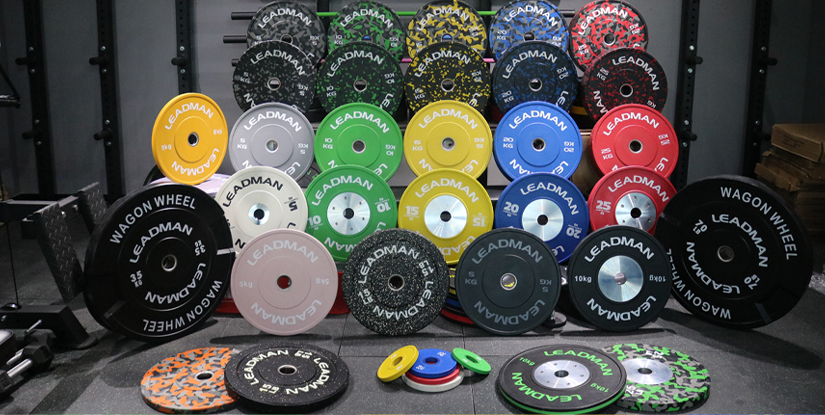
Strategic Sourcing: Navigating China Factory MOQ and Lead Times
Optimizing your inventory starts with understanding how production scales affect your landed cost. When sourcing wholesale weight training equipment, the relationship between order volume and manufacturing complexity is a critical variable for distributor margins. High-volume orders typically allow for greater scale economies, reducing the unit cost of heavy steel components and specialized coatings.
For many importers, the challenge lies in balancing MOQ requirements with cash flow and warehouse capacity. While standard stock items offer shorter lead times, customized OEM/ODM projects—such as specialized plate colors or branded weight benches—require longer production cycles to accommodate tooling and assembly. Choosing the right commercial strength training manufacturing partner means aligning your procurement schedule with these technical realities to avoid stockouts or excessive warehousing overhead.
| Sourcing Model | Typical MOQ | Lead Time Profile | Customization Depth | Best For |
|---|---|---|---|---|
| Standard Stock Order | Low (Per SKU) | Short (2–4 weeks) | Minimal (Logo only) | Small Studios & Quick Restock |
| Bulk Weightlifting Gear (Standard) | Medium (Container Load) | Moderate (4–6 weeks) | Limited (Color options) | Regional Distributors |
| Full OEM/ODM Project | High (Custom Tooling) | Extended (8–12+ weeks) | High (Full Specs) | Global Brands & Large Chains |
To ensure a seamless supply chain, we recommend confirming your technical specifications and factory capacity during the initial RFQ stage. Whether you are requesting a sample for evaluation or planning a full-scale container shipment, early alignment on production timelines ensures your commercial strength training facility remains fully operational without unexpected delays.
Optimizing Logistics and Landed Cost Efficiency
Effective procurement requires a deep understanding of how shipping and logistics impact your final landed cost. When ordering heavy steel components or high-density rubberized gear, the weight-to-volume ratio significantly influences container utilization. A gym equipment distributor must decide between LCL (Less than Container Load) for smaller, diverse inventories or FCL (Full Container Load) to maximize the efficiency of every shipment from a China factory.
For large-scale projects, coordinating with a professional supplier to optimize loading patterns can reduce freight expenses and minimize the risk of transit damage. We advise buyers to evaluate the total cost of ownership, including customs duties and local warehousing, rather than focusing solely on the ex-works price. By synchronizing your order cycles with production milestones, you can ensure that your wholesale weight training equipment arrives in time for seasonal demand shifts without incurring unnecessary expedited shipping fees.
Ensuring Commercial-Grade Reliability via Rigorous QC
The risk of receiving sub-standard equipment from a distant factory can jeopardize your brand reputation and increase long-term maintenance costs. To mitigate this, a professional gym equipment distributor must insist on integrated QC (Quality Control) protocols throughout the manufacturing phase. This is especially critical for heavy-duty items where structural integrity and weld strength are non-negotiable for commercial safety standards.
A robust procurement workflow includes multi-stage inspections: from raw material testing (checking steel gauge and coating thickness) to mid-production checks and a final pre-shipment inspection. We recommend that buyers schedule a third-party audit or request detailed inspection reports once the wholesale weight training equipment reaches the final assembly stage. This ensures that every component—from the precision of the bearing movement to the durability of the upholstery—meets your specific commercial-grade requirements before it leaves the facility.
Beyond product integrity, the final stage of the supply chain focuses on export packaging and container loading efficiency. For high-density items like dumbbells or heavy weight benches, specialized reinforced packaging is essential to withstand the rigors of international maritime transit. Coordinating with your supplier to optimize palletization and bracing within the container not only protects your investment but also reduces the likelihood of damage-related claims upon arrival, ensuring a smoother transition from the port to your local warehouse.
Customization Capabilities: OEM and ODM Solutions for Gym Dealers
For established distributors and gym chains, standard stock catalogs often fail to meet specific market positioning or regional branding requirements. Utilizing professional wholesale weight training equipment through OEM and ODM services allows you to move beyond simple resale toward building a proprietary product line. This strategic shift increases your market defensibility and long-term distributor margins.
The distinction between these two models lies in the depth of the customization scope. OEM (Original Equipment Manufacturing) typically focuses on private label solutions, where you apply your brand identity—such as custom logos, color schemes, and specific upholstery textures—to our existing, proven commercial strength training chassis. This is an efficient way to maintain high wholesale volumes while establishing brand recognition.
Conversely, ODM (Original Design Manufacturing) offers a higher level of technical involvement. This is ideal for gym equipment distributor partners looking to introduce unique mechanical features or proprietary ergonomics to the market. Whether you are refining a weight stack's resistance profile or redesigning a frame geometry, working directly with a China factory ensures that your specialized engineering requirements are integrated at the source, reducing the landed cost of complex, bespoke machinery.
Technical Comparison: OEM vs. ODM Sourcing Models
Selecting the right manufacturing path is a critical decision for procurement managers balancing speed-to-market against product differentiation. While both models leverage our China factory infrastructure, they demand different levels of technical oversight and capital commitment. Understanding these variables is essential for optimizing your bulk weightlifting gear inventory and managing long-term R&D costs.
| Feature / Requirement | OEM (Private Label Focus) | ODM (Full Customization Focus) |
|---|---|---|
| Design Control | High reliance on existing factory blueprints | Full control over mechanical & ergonomic design |
| Customization Depth | Branding, colors, and upholstery textures | Frame geometry, weight stacks, and technical specs |
| Technical Complexity | Low to Moderate | High (Requires engineering alignment) |
| Typical MOQ | Lower (Standardized production runs) | Higher (Due to specialized tooling/molds) |
| Lead Time | Standard production cycles | Extended (Includes R&D and prototyping) |
| Sourcing Complexity | Streamlined & predictable | Intensive (Requires strict QC & spec validation) |
For many partners, the OEM route provides the fastest way to scale a brand with minimal technical risk. However, if your business model relies on offering exclusive, high-end innovations that competitors cannot easily replicate, the ODM path—though requiring more rigorous sourcing and longer lead times—offers the ultimate competitive advantage in the commercial fitness sector.
[IMAGE: A split-screen visual showing a branded weight plate with a custom logo on one side (OEM) and a complex, technical blueprint of a multi-functional strength machine on the other (ODM) | ALT: Comparison of OEM branding and ODM technical design for commercial gym equipment]Rigorous Quality Control and Global Logistics Management
The primary risk in high-volume procurement is the discrepancy between a sample approval and the final container load. For professional importers, a single batch of defective bulk weightlifting gear can devastate quarterly margins and damage long-term distributor reputation. To mitigate this, we implement a multi-stage quality control (QC) protocol that begins at the raw material stage and continues through to the final loading process.
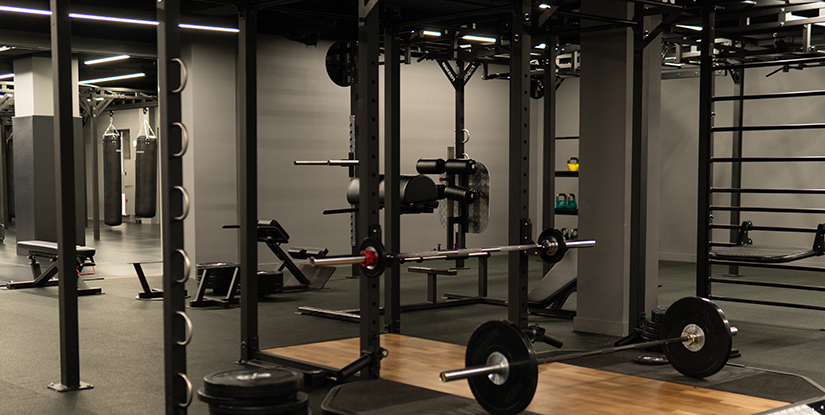
Our factory-direct workflow ensures that every component of your custom order undergoes rigorous stress testing and dimensional verification. We recognize that for a gym equipment distributor, the goal is not just receiving a shipment, but ensuring the total landed cost remains optimized through high reliability. This includes a mandatory pre-shipment inspection where we verify structural integrity, paint finish consistency, and mechanical movement under load before any container is sealed.
Beyond product integrity, we manage the complex logistics requirements inherent in shipping heavy, high-density strength equipment. From optimizing container loading patterns to minimize empty space to ensuring export-grade packaging that withstands maritime transit, our focus is on reducing breakage and unexpected freight overhead. By aligning our production lead time with your inventory replenishment cycles, we help you maintain a lean, high-turnover warehouse without the risk of stockouts or damaged arrivals.
Quality Control Protocols and Pre-Shipment Inspection Standards
For distributors and gym owners, the true cost of equipment is measured by its lifecycle, not just the initial invoice. Sourcing wholesale weight training equipment requires a rigorous vetting process to ensure that every unit meets the high-stress demands of high-traffic environments. Relying on a factory-direct model without strict oversight often leads to catastrophic failures, high replacement costs, and significant liability issues for the end-user.
A professional China factory must implement multi-stage quality control to mitigate these commercial risks. From raw material testing of high-tensile steel to the precision of weld strength and powder coating thickness, every step is critical for commercial strength training durability. Without standardized pre-shipment inspections, a single batch of substandard bulk weightlifting gear can compromise your brand reputation and increase your operational downtime.
We recommend that professional buyers request detailed inspection reports or arrange a third-party factory audit to verify structural integrity before final payment. Ensuring that your sourcing partner adheres to international safety tolerances is the most effective way to protect your long-term ROI and minimize maintenance-related legal exposure.
Technical Inspection Stages and Standards
To ensure the structural integrity of your order, our manufacturing process integrates strict technical checkpoints. We begin with raw material testing, verifying the carbon content and tensile strength of the steel before it enters the fabrication line. Once the frame is formed, we conduct specialized welding integrity checks to ensure that high-stress joints can withstand the repetitive impact common in commercial strength training environments. Finally, a pre-shipment inspection is conducted to verify coating thickness and surface finish, ensuring the equipment is protected against oxidation and heavy usage.
The following table outlines our standard operating procedures for high-tier bulk weightlifting gear production, comparing typical industry standards against our high-performance manufacturing protocols. This ensures that every piece of wholesale weight training equipment delivered to your warehouse meets global commercial specifications.
| Inspection Parameter | Standard Commercial Requirement | Our Factory-Direct Protocol | B2B Value Impact |
|---|---|---|---|
| Steel Grade Verification | Basic structural steel | High-tensile carbon steel testing | Longer equipment lifespan |
| Welding Strength | Standard fillet welds | Full-penetration structural welds | Reduced maintenance/repair costs |
| Coating Thickness | Basic powder coating | High-micron, anti-corrosive finish | Enhanced aesthetic durability |
| Load-Bearing Capacity | Static weight testing | Dynamic stress & impact testing | Lowered liability/safety risk |
| Final Assembly QC | Visual inspection | Mechanical tolerance & pivot check | Smooth operation for end-users |
Before finalizing any wholesale shipment, we provide comprehensive documentation regarding these technical metrics. We encourage all gym equipment distributor partners to review these specifications and request a sample approval or a detailed technical spec sheet. Verifying these benchmarks at the factory level is the most reliable way to ensure your landed cost remains low by avoiding the high price of defective returns.
Beyond technical tolerances, a robust quality management system directly impacts your logistics efficiency and total cost of ownership. For any OEM/ODM project, the complexity of custom specifications requires a highly disciplined approach to prevent costly errors during the production-to-export transition. A failure in quality control does not just result in a defective product; it results in delayed lead time, increased landed cost due to returns, and disrupted supply chains for your clients.
To protect your margins, we prioritize standardized export packaging and container loading protocols. High-density bulk weightlifting gear requires specific palletization and reinforced boxing to withstand the rigors of international sea freight. By implementing strict shipping safety standards—such as moisture-proof wrapping and heavy-duty corner protection—we minimize the risk of transit damage. This meticulous attention to detail ensures that when your wholesale weight training equipment arrives at your warehouse, it is ready for immediate distribution without the need for costly onsite repairs or unscheduled replacements.
We invite professional buyers to engage with our technical team to discuss specific MOQ requirements, custom branding details, or to schedule a remote factory audit. Whether you are refining a private label design or sourcing standard commercial lines, our goal is to provide the transparency needed for confident, long-term procurement.
Logistics Optimization: Export Packaging and Container Loading Efficiency
For international distributors, the true cost of procurement extends far beyond the unit price. Maximizing container loading efficiency is a critical lever in reducing the landed cost of wholesale weight training equipment. When sourcing bulk weightlifting gear, even minor inefficiencies in packaging dimensions can lead to significant wasted space, effectively increasing the freight cost per unit and eroding your distributor margins.
Our China factory utilizes advanced volume optimization strategies to ensure that every cubic meter of a shipping container is utilized effectively. By designing high-durability, stackable export packaging, we minimize the air gaps between heavy steel components. This systematic approach to commercial strength training logistics ensures that your bulk orders arrive with a lower shipping costs-to-weight ratio, directly improving your total cost of ownership and competitive positioning in your local market.
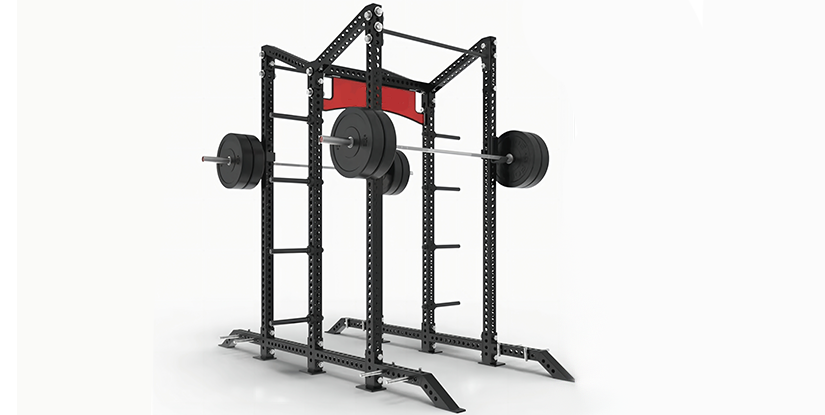
Strategic Packaging Selection for Optimized Freight Costs
A common procurement oversight for a gym equipment distributor is failing to account for the trade-off between protective layering and volumetric weight. While heavy iron plates and steel racks require robust protection, excessive packaging thickness can increase the dimensional weight of a shipment, driving up air freight or sea freight costs. To mitigate this, we offer tiered packaging solutions tailored to the specific fragility and density of each SKU, ensuring a balance between product safety and shipping density.
The following comparison outlines how different export packaging standards impact your logistical overhead and the safety of your wholesale weight training equipment during long-haul transit:
| Packaging Method | Protective Level | Shipping Density | Landed Cost Impact|
|---|---|---|---|
| Standard Corrugated Box | Moderate (Lightweight items) | High (Minimal air gaps) | Lowest |
| Reinforced Double-Wall Carton | High (Medium-duty gear) | Medium (Increased volume) | Moderate |
| Wooden Crate / Palletized (FOB/CIF) | Maximum (Heavy/Bulky items) | Low (High volumetric weight) | Highest |
[IMAGE: A high-angle shot of a shipping container being loaded with palletized, wooden-crated fitness equipment, showing organized, high-density stacking | ALT: professional export packaging for commercial gym equipment]
For large-scale bulk weightlifting gear orders, we recommend palletized shipping with reinforced edge protectors to prevent structural deformation. By optimizing the height and footprint of these units, we help you achieve a higher density of goods per container, effectively lowering the per-unit freight expense. Before finalizing your shipment, we encourage you to request a detailed packing list and dimensional spec sheet to align your warehouse storage capacity with the expected arrival volume.
Beyond physical protection, the structural integrity of your shipment depends on a rigorous factory-direct quality control process. When importing heavy steel structures across oceans, the risk of transit-related damage—such as paint chipping, frame bending, or bolt loosening—can significantly inflate your replacement costs and delay your product launch. A failure in damage prevention during the loading phase often results in higher long-term maintenance loads for the end-user and diminished brand trust for the distributor.
To ensure every piece of commercial-grade equipment reaches your warehouse in pristine condition, we implement strict QC protocols at every stage of the export process. This includes pre-shipment inspections that verify not only the product's mechanical specifications but also the stability of the export-grade packaging. By prioritizing durability and structural reinforcement during the packing phase, we mitigate the stresses caused by long-distance transit, ensuring your inventory remains ready for immediate commercial deployment upon arrival.
Evaluating Total Cost of Ownership for Bulk Weightlifting Gear
For professional gym operators and distributors, the true cost of equipment extends far beyond the initial invoice. When sourcing wholesale weight training equipment, procurement professionals must calculate the Total Cost of Ownership (TCO) to ensure long-term profitability. This metric accounts for the initial capital expenditure (CAPEX) plus the ongoing operational expenses (OPEX) required to keep a facility functional and safe.
A common pitfall in commercial strength training procurement is prioritizing the lowest unit price from a supplier. While a lower upfront cost may seem attractive for meeting tight budget constraints, low-grade materials often lead to premature wear, frequent mechanical failures, and high maintenance costs. For a high-traffic facility, these hidden expenses—such as replacement parts, labor for repairs, and potential downtime—can quickly erode the margins of a gym equipment distributor.
Investing in high-durability bulk weightlifting gear ensures that the initial investment translates into sustained long-term value. High-quality steel gauges, reinforced welding, and industrial-grade upholstery reduce the frequency of maintenance cycles. By selecting products engineered for heavy commercial use, buyers optimize their ROI through extended product lifecycles and reduced replacement frequency, effectively lowering the landed cost per year of service.
Sourcing Comparison: Factory-Direct OEM vs. Low-End Trading Companies
To visualize the long-term financial impact, procurement managers should evaluate the difference between high-spec OEM manufacturing and low-cost, unverified trading options. The following comparison highlights how selecting a factory-direct partner impacts your total expenditure over a 3-to-5-year operational cycle.
| Procurement Metric | Low-End Trading Company (Stock/Generic) | Professional OEM/ODM Manufacturing |
|---|---|---|
| Landed Cost (Initial) | Very Low (Focus on lowest unit price) | Moderate (Reflects quality materials) |
| Quality Control (QC) | Minimal or inconsistent oversight | Strict pre-shipment inspection protocols |
| Material Durability | Lightweight steel; prone to deformation | Heavy-duty gauge steel; industrial grade |
| Maintenance Frequency | High (Frequent part replacement required) | Low (Designed for heavy-use cycles) |
| Long-term TCO | High (Due to rapid depreciation/replacement) | Low (Optimized for extended lifespan) |
| Customization Ability | Limited to existing stock/colors | Full private label and spec control |
Choosing the right wholesale partner involves balancing immediate budget needs with long-term operational efficiency. While the unit price from a generic trader might appear lower on a single invoice, the cumulative expense of repairs and replacement parts often makes the total cost of ownership significantly higher. We recommend that buyers request a detailed specification sheet and confirm the MOQ for custom branding to ensure your procurement strategy aligns with your facility's durability requirements.
Optimizing Landed Cost Through Logistics and QC Excellence
Understanding the final landed cost is critical for distributors managing global inventory. A low factory price becomes irrelevant if unexpected logistics complications or poor shipping efficiency inflate the final budget. To protect your margins, transparency in the sourcing process is mandatory. This includes a clear breakdown of FOB or CIF terms, container loading optimization, and realistic lead time projections to prevent stockouts or warehouse bottlenecks.
Beyond freight, the highest risk to your bottom line is receiving substandard bulk weightlifting gear that fails upon arrival. Rigorous QC (Quality Control) protocols—including pre-shipment inspections and material testing—are not optional extras; they are essential risk-mitigation tools. By partnering with a China factory that implements strict quality management at every production stage, you minimize the risk of costly returns, damaged shipments, and the logistical nightmare of importing faulty equipment. Ensuring high shipping efficiency and verified product compliance allows you to scale your distribution with confidence and predictable overhead.