Commercial Workout Equipment: China Factory OEM Supply
Commercial Workout Equipment: Maximizing Distributor Margins and SKU Breadth
Many distributors fail to scale because they rely on high-markup trading companies, which increases the landed cost and limits product variety. To secure sustainable growth, professional buyers shift toward direct sourcing from a specialized China factory. This strategic move allows you to bypass middleman markups, significantly improving distributor margins while expanding your SKU breadth across different fitness categories.
When you procure commercial workout equipment through direct factory channels, you gain control over the entire supply chain. Instead of being restricted to a limited catalog of pre-made units, you can utilize OEM and ODM capabilities to tailor product specifications to your local market demands. This flexibility ensures your inventory remains competitive and highly relevant to your specific client base.
Expanding your catalog with wholesale fitness equipment requires a balance between high-volume staples and niche specialty items. By working with a reliable supplier, you can manage your inventory more effectively, ensuring that your warehouse contains a diverse range of commercial gym machinery without the prohibitive costs typically associated with traditional import models. This approach optimizes your capital allocation and enhances your market positioning.
| Procurement Model | Cost Structure | Product Customization | Supply Chain Control | Typical Profit Potential |
|---|---|---|---|---|
| Trading Company | Higher landed cost due to middleman markups | Limited to existing stock or standard catalogs | Low; dependent on third-party information | Lower; constrained by fixed wholesale prices |
| Direct Factory Sourcing | Optimized cost through direct manufacturer pricing | High; full access to branding and spec adjustments | High; direct oversight of production and QC | Higher; optimized for scale and volume |
Choosing a direct gym equipment manufacturer over a trading entity directly impacts your ability to compete on price and variety. While trading companies offer convenience, they often mask the true cost of production and lack the technical capacity for deep customization. For distributors looking to build a unique brand identity, the ability to implement OEM specifications is a critical differentiator that a standard trader cannot provide.
The economic advantage of direct procurement extends beyond the initial unit price. By managing your own wholesale orders through a primary source, you gain transparency into the production timeline and quality control processes. This clarity helps in planning long-term inventory cycles and reduces the risk of unexpected delays in your supply chain. To begin optimizing your procurement strategy, we recommend contacting our team to request a detailed spec sheet, confirm current MOQ requirements, or schedule a virtual factory audit.
Strict QC Standards and Export Logistics Management
A common failure point in high-volume procurement is the discrepancy between factory output and actual arrival quality. For distributors handling large-scale bulk orders, a single shipment of damaged or non-compliant commercial workout equipment can devastate quarterly margins and damage client trust. Relying on a factory that lacks rigorous pre-shipment protocols introduces unacceptable risk into your business model.
To mitigate these risks, professional importers must prioritize a supplier that integrates strict QC standards throughout the production cycle. This includes not only component testing and mechanical stress validation but also comprehensive pre-shipment inspections. When your wholesale procurement is backed by standardized quality control, you reduce the frequency of expensive after-sales claims and secondary shipping costs for replacement parts.
Beyond manufacturing precision, the complexity of international logistics requires specialized expertise in export packaging. High-density commercial gym machinery is heavy and subject to significant mechanical stress during sea freight. Utilizing reinforced, sea-worthy packaging and optimized container loading patterns is essential to protect your investment. Proper load optimization ensures that your landed cost remains low by maximizing container volume without compromising the structural integrity of the units during transit.
The High Cost of Procurement Errors in Commercial Gym Machinery
When distributors or facility operators overlook the long-term implications of initial purchase prices, they often face a massive spike in Total Cost of Ownership (TCO). Sourcing commercial workout equipment requires a shift in perspective from simple acquisition to long-term asset management. A lower upfront price from an unverified supplier frequently results in higher maintenance costs and premature equipment failure, which disrupts business operations and reduces overall ROI.
For professional buyers, the true landed cost includes not just the shipping and duties, but the cost of downtime and frequent part replacements. Relying on low-tier commercial gym machinery that lacks robust structural integrity leads to a cycle of constant repairs. By partnering with a specialized China factory that implements rigorous QC standards, importers can mitigate these risks through better durability and predictable service intervals.
| Procurement Metric | Low-Tier Unverified Supplier | Specialized China factory Direct |
|---|---|---|
| Initial Unit Price | Lower initial outlay | Competitive wholesale pricing |
| Maintenance Frequency | High due to component failure | Low due to industrial-grade parts |
| Long-term TCO | Unpredictable and high | Controlled and optimized |
| Operational Downtime | Frequent interruptions | Minimized for maximum uptime |
Effective wholesale fitness equipment procurement involves auditing the production lifecycle to ensure every unit meets international commercial specifications. High-quality gym equipment manufacturer partners focus on high-stress weld points and heavy-duty bearing systems to ensure the equipment survives high-traffic environments. This proactive approach to sourcing protects your margins by reducing the need for emergency replacement orders and minimizing the logistics of shipping heavy spare parts mid-season.
To avoid the pitfalls of substandard procurement, professional buyers must evaluate the long-term financial impact of their supply chain decisions. Choosing between a high-volume trader and a direct gym equipment manufacturer often comes down to the difference between a short-term saving and a long-term deficit. A failure to prioritize structural durability during the initial sourcing phase can lead to a cascading effect of operational expenses that far exceed the original budget.
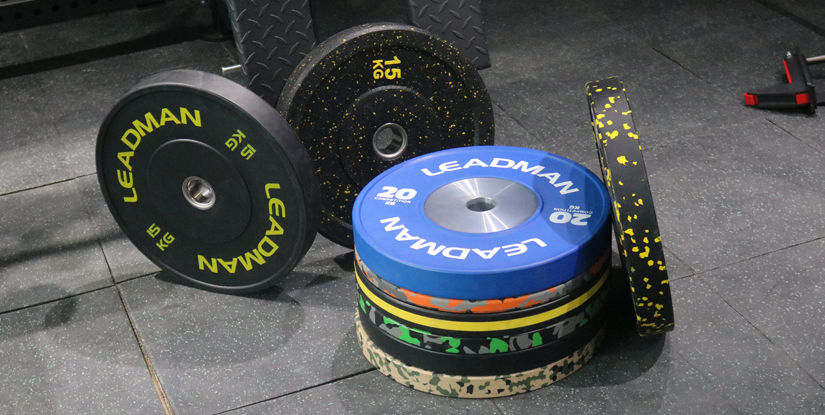
| Financial Impact Factor | Standard Trader / Low-Quality Stock | Direct wholesale Factory Supply |
|---|---|---|
| Initial Capital Expenditure | Lower upfront cost | Optimized for long-term ROI |
| Maintenance Frequency | High/Irregular | Low/Predictable |
| Average Replacement Cycle | Short (18–36 months) | Extended (Industrial-grade lifespan) |
| Secondary Logistics Costs | Frequent/High (Spare parts/Returns) | Minimal (Reliable componentry) |
| Total Cost of Ownership | High (Due to downtime/repairs) | Low (Stable asset management) |
When scaling a facility or expanding a distribution network, the stability of your commercial workout equipment inventory is paramount. Relying on unverified sources often results in "hidden costs," such as the labor required for constant adjustments and the loss of revenue when machines are out of order. By establishing a direct relationship with a specialized China factory, importers can secure higher-grade steel gauges, reinforced upholstery, and precision-engineered bearings that are designed for high-traffic commercial environments. This strategic alignment ensures that your initial investment translates into a durable, high-performing asset rather than a recurring maintenance liability.
Ensuring Long-Term Reliability Through Rigorous Quality Control
To protect your capital investment, the procurement process must extend beyond the initial order and into the final stages of production. For distributors and large-scale facility operators, the reliability of commercial workout equipment is determined by the precision of the manufacturing process. A professional gym equipment manufacturer does not merely assemble parts; they implement a systematic approach to quality assurance that covers every critical component, from structural steel thickness to the smoothness of mechanical movement.
The most effective way to mitigate risk is to mandate a strict pre-shipment inspection protocol. This step ensures that every unit leaving the factory meets international export standards before it enters a shipping container. For bulk importers, this oversight is non-negotiable to ensure bulk order reliability. By verifying load capacities, weld integrity, and upholstery durability on-site, you prevent the high costs associated with receiving substandard commercial gym machinery that fails to meet the demands of a high-traffic commercial environment.
When planning your next procurement cycle, we recommend contacting our team to request detailed technical specification sheets, confirm current MOQ requirements, or discuss custom OEM branding options. Whether you are conducting a factory audit or seeking a reliable supplier for a new distribution territory, professional sourcing begins with verified quality control and transparent production timelines.
Optimizing Wholesale Fitness Equipment Selection via China Factory Direct Sourcing
Professional importers and distributors often face a critical choice between sourcing through middle-tier trading companies or engaging directly with a China factory. While traders offer simplified communication, they often introduce hidden costs and multiple layers of markups that diminish your distributor margins. By contrast, direct sourcing from a specialized manufacturer allows for tighter control over the landed cost and technical specifications of your entire shipment.
When procuring commercial workout equipment, the primary objective is to minimize the Total Cost of Ownership (TCO). A direct relationship with a gym equipment manufacturer provides transparency in the production timeline and ensures that the quality of raw steel and upholstery meets international commercial standards before the container is even sealed. This direct model is essential for scaling a brand through wholesale fitness equipment orders that require specific engineering tolerances.
Comparing Procurement Models: Factory-Direct vs. Trading Company
| Procurement Dimension | Direct Factory Sourcing | Traditional Trading Company |
|---|---|---|
| Price Structure | Lowest possible landed cost | Higher due to intermediary markups |
| Customization Capability | Full OEM and ODM support | Limited to existing stock items |
| Quality Oversight | Direct access to factory QC and inspections | Dependent on third-party reporting |
| Minimum Order Quantity | Negotiable based on MOQ and production lines | Often fixed by trading stock levels |
| Supply Chain Transparency | High; direct control over material origin | Low; multiple tiers of sub-suppliers |
For distributors aiming to build a premium commercial gym machinery catalog, the ability to request a detailed spec sheet or a factory audit is non-negotiable. Moving toward a direct-from-factory model reduces the risk of receiving sub-standard units that increase long-term maintenance burdens. We recommend that buyers confirm the specific MOQ for custom private label projects and request a pre-shipment inspection report to ensure all commercial workout equipment meets the required durability benchmarks for their specific market.
Operational success for high-volume importers relies heavily on the precision of the manufacturing partner. Relying on unverified suppliers often leads to inconsistent commercial gym machinery performance, which eventually erodes your reputation and increases after-sales costs. To maintain a competitive edge, distributors must prioritize partners who offer structured OEM and ODM capabilities, allowing for the integration of unique brand identities and specialized mechanical configurations tailored to specific regional market demands.
Ensuring Reliability via Strict QC and Export Standards
The risk of receiving damaged or non-compliant units during international transit is a significant pain point in large-scale procurement. A professional gym equipment manufacturer mitigates this by implementing rigorous QC standards throughout the production cycle. This includes raw material testing, component stress testing, and final assembly verification. Beyond the product itself, high-tier manufacturers focus on specialized export packaging designed to withstand the rigors of sea freight and multiple handling points, ensuring the shipment arrives in optimal condition.
Effective sourcing strategy also requires a deep understanding of the logistical variables that affect your final inventory. Beyond the initial purchase price, professional buyers must account for the lead time required for custom production runs and the specific MOQ required to trigger significant volume discounts. By aligning your procurement schedule with a factory's production capacity, you can optimize your warehouse turnover and ensure a consistent supply of commercial workout equipment without the volatility often found in the open market. We suggest contacting our team to request a detailed production timeline and verify the current MOQ for your specific product categories.
Operational success for high-volume importers relies heavily on the precision of the manufacturing partner. Relying on unverified suppliers often leads to inconsistent commercial gym machinery performance, which eventually erodes your reputation and increases after-sales costs. To maintain a competitive edge, distributors must prioritize partners who offer structured OEM and ODM capabilities, allowing for the integration of unique brand identities and specialized mechanical configurations tailored to specific regional market demands.
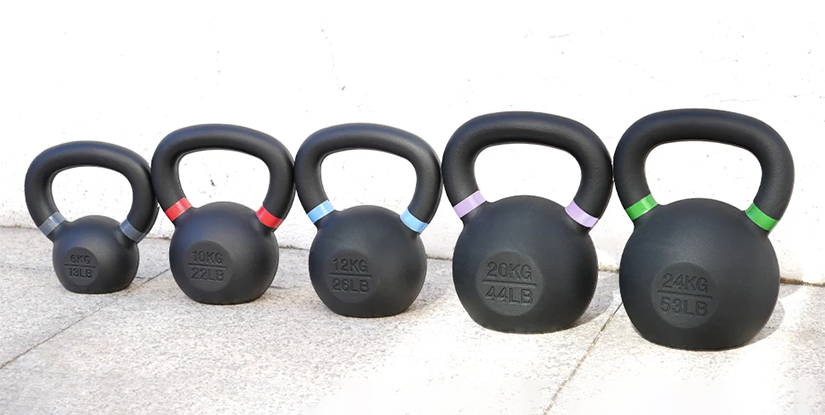
Custom Branding and OEM/ODM Capabilities for Global Gym Equipment Manufacturers
Transitioning from standard sourcing to a specialized private label model allows distributors to move beyond generic product lines. By leveraging a professional China factory, importers can integrate specific design elements that define their unique brand identity, ensuring long-term differentiation in crowded regional markets.
For distributors seeking to scale, utilizing OEM or ODM services provides the ability to control technical specifications and aesthetic finishes. This strategic customization ensures that your commercial workout equipment aligns perfectly with your target market's premium positioning, rather than relying on the standard configurations offered by a general supplier.
Developing a proprietary product line through a direct manufacturer optimizes your market positioning. Instead of competing solely on price for generic commercial gym machinery, you can build equity in a recognized brand that customers trust for specific performance standards and specialized wholesale fitness equipment solutions.
Strategic Comparison of Procurement Models
Choosing between standardized stock procurement and customized manufacturing depends heavily on your business scale, capital availability, and long-term market strategy. While standard wholesale orders offer faster turnaround, advanced customization through an experienced gym equipment manufacturer allows for higher margins and stronger brand loyalty. Professional buyers must weigh the immediate benefits of low MOQ against the long-term value of proprietary technical specifications.
| Procurement Dimension | Standard Wholesale Sourcing | Full OEM/ODM Customization |
|---|---|---|
| Design Control | Standardized factory configurations | Full control over aesthetics and mechanics |
| Branding Depth | Generic or minimal logo placement | Full private label and custom colorways |
| Typical MOQ | Lower, based on existing stock units | Higher, based on production line requirements |
| Lead Time | Short; optimized for rapid shipping | Extended; includes R&D and tooling phases |
| Market Position | High-volume, price-competitive tier | Premium, specialized, or niche-focused |
| Technical Specs | Fixed industry-standard components | Adjustable weights, upholstery, and steel gauge |
For distributors, the decision to move into commercial workout equipment customization is often driven by the need to mitigate the risk of product commoditization. A specialized China factory can facilitate deep technical adjustments—such as customized weight stacks or proprietary upholstery textures—that elevate your catalog above generic imports. When planning your next procurement cycle, evaluate whether your current volume supports the higher MOQ required for specialized production or if rapid, standardized wholesale replenishment better serves your immediate cash flow requirements.
To determine the most efficient path for your next shipment, we recommend requesting a detailed specification sheet or a sample approval process. Our team can provide specific guidance on OEM feasibility, current factory lead times, and customized branding options to ensure your landed cost remains optimized for your regional market.
Precision in Branding and Export-Grade Quality Control
Maintaining brand consistency across global shipments requires more than just a logo; it demands rigorous oversight of every production detail. When sourcing commercial workout equipment, professional buyers must ensure that custom color schemes, upholstery textures, and logo applications remain uniform across entire container loads. A high-tier gym equipment manufacturer integrates these branding requirements into the early production stages to prevent the visual inconsistencies often found in low-quality wholesale fitness equipment.
Beyond aesthetics, the technical integrity of commercial gym machinery depends on strict QC standards and specialized export packaging. To mitigate the risk of transit damage and high replacement costs, a professional China factory utilizes reinforced, high-density packaging designed for long-distance maritime or air freight. This includes precision-engineered crates and protective layering that safeguard sensitive components, ensuring that the product arriving at your warehouse matches the exact technical specifications approved during the sample stage.
Successful large-scale procurement relies on comprehensive production oversight and pre-shipment inspections. We recommend that distributors and procurement leads schedule a formal factory audit or a third-party inspection to verify that all custom specifications—from steel gauge thickness to the durability of the powder coating—meet their internal quality benchmarks. By confirming these details before the final container loading, you secure a more predictable landed cost and protect your long-term distributor margins.
Rigorous Factory QC and Export Packaging Standards for International Shipments
Maintaining a consistent landed cost requires more than just negotiating a low unit price; it demands strict oversight of the entire supply chain. When importing commercial workout equipment, the greatest risk to your distributor margins is not the initial invoice, but the hidden costs of transit damage and failed inspections. A professional gym equipment manufacturer must implement multi-stage verification to ensure that every unit arriving at your warehouse matches the approved sample perfectly.
To protect your investment during long-distance sea freight, a specialized China factory utilizes industrial-grade sea freight protection protocols. This includes heavy-duty reinforced cardboard, high-density foam inserts, and moisture-absorbent desiccants to prevent corrosion. Without these rigorous quality control (QC) protocols, even high-end commercial gym machinery can suffer structural misalignment or surface abrasions during container loading, leading to costly returns and disrupted wholesale fitness equipment distribution schedules. Effective damage prevention is the most direct way to optimize your total landed cost and ensure equipment integrity from the factory to the final installation site.
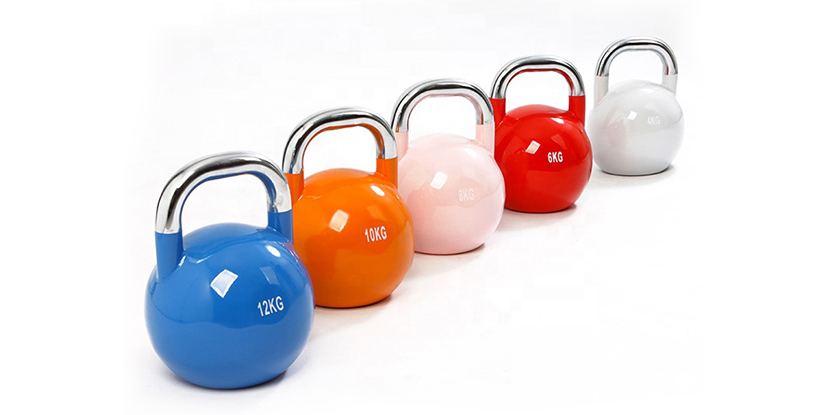
A professional pre-shipment inspection (PSI) acts as the final barrier against procurement errors. Before any wholesale fitness equipment leaves the facility, a thorough technical audit is conducted to verify mechanical tolerances, paint uniformity, and electronic stability. This process ensures that the high-volume orders typical of commercial workout equipment procurement meet international safety standards and your specific brand requirements. For distributors, a successful PSI reduces the risk of receiving defective units that could damage your reputation or increase maintenance-related overhead.
Standardized Container Loading and Logistics Optimization
Efficient logistics management is critical for maximizing your shipping volume and reducing the per-unit landed cost. Our gym equipment manufacturer protocols prioritize container loading optimization, ensuring that heavy-duty components are strategically placed to maintain center-of-gravity stability within the vessel. This involves precise palletizing and the use of specialized bracing to prevent shifting during ocean transit. By optimizing the cubic capacity of each shipment, we help you achieve better economies of scale for your bulk orders.
To ensure maximum shipping durability, every component undergoes a strict packaging verification. This includes the application of moisture protection layers to prevent oxidation of steel frames and high-density foam shielding for sensitive moving parts. For large-scale commercial gym machinery imports, these standardized export procedures ensure that the equipment arrives in a ready-to-install state, minimizing the need for on-site repairs and protecting your long-term ROI. We recommend that buyers request a detailed packaging specification sheet during the initial quote phase to confirm these standards align with their local warehousing capabilities.
Packaging Comparison: Standard vs. Professional Export Grade
Understanding the difference between domestic and international shipping requirements is essential for optimizing your wholesale fitness equipment procurement. While standard packaging may suffice for local transport, it lacks the structural integrity required for long-distance sea freight and containerized transit. A professional gym equipment manufacturer provides tiered packaging options to mitigate the risk of transit damage and ensure a lower total landed cost for your business.
| Feature | Standard Domestic Packaging | Professional Export-Grade Packaging |
|---|---|---|
| Primary Protection | Single-layer corrugated cardboard | Reinforced multi-layer heavy-duty carton |
| Impact Resistance | Lightweight bubble wrap or foam sheets | High-density EPE foam and corner protectors |
| Moisture Control | Minimal or no moisture barriers | Vacuum-sealed plastic and industrial desiccants |
| Structural Stability | Basic palletizing for short transit | Reinforced wooden crates or heavy-duty pallets |
| Transit Suitability | Local or regional road transport | International sea freight and container loading |
Selecting the correct packaging tier allows you to balance shipping costs with equipment safety. For high-volume commercial workout equipment orders, we highly recommend the export-grade standard to prevent the common pitfalls of oxidation and structural misalignment. Before finalizing your bulk order, we invite you to request a detailed packaging specification or a sample box evaluation to ensure your commercial gym machinery arrives in optimal condition for immediate installation.
Streamlining Lead Times and MOQ Requirements for Bulk Orders
Optimizing your procurement strategy requires a deep understanding of how order volume influences production cycles. When sourcing commercial workout equipment, the relationship between your MOQ and lead time is a critical factor in maintaining consistent inventory levels and managing distributor margins.
A high MOQ often allows a factory to implement a greater scale of economy, which can stabilize lead time predictability for large-scale projects. For distributors, balancing these variables is essential to avoid the high costs of air freight or the stock-out risks associated with irregular wholesale shipments. By aligning your sourcing schedule with standard production cycles, you can secure more favorable terms and ensure a steady supply of commercial gym machinery for your market demands.
| Procurement Tier | Typical Order Volume | Production Focus | Lead Time Impact |
|---|---|---|---|
| Standard Stock Order | Low to Moderate | Existing inventory availability | Shortest turnaround |
| Customized OEM Order | High (Specific MOQ) | ODM and custom branding integration | Extended due to tool setup |
| Full Container Load | Bulk wholesale capacity | Optimized production cycles | Highly predictable/optimized |
Understanding the structural differences between a direct manufacturer and a middleman is essential for managing your landed cost and supply chain reliability. When you engage directly with a gym equipment manufacturer, you gain control over the production timeline and specific technical configurations, whereas working through a trading entity may offer smaller quantities but often results in higher markups and less transparency in the commercial gym machinery manufacturing process.
Sourcing Model Comparison: Factory-Direct vs. Trading Company
For professional buyers, the choice between a direct wholesale partner and a trading company depends on whether the priority is immediate stock availability or long-term brand development through OEM or ODM services. While traders can simplify the logistics of small-batch orders, a direct China factory provides the necessary technical depth required for high-performance commercial workout equipment.
| Sourcing Model | Primary Advantage | Typical MOQ | Lead Time Control | Customization Potential |
|---|---|---|---|---|
| Direct factory | Optimized Landed Cost | Higher/Volume-based | High (Direct Oversight) | Full OEM/Customization |
| Trading Company | Low Initial Barrier | Lower/Flexible | Moderate (Indirect) | Limited to Standard Stock |
To mitigate procurement risks, we recommend requesting a detailed specification sheet and a formal quote during your initial sourcing phase. For large-scale distribution or project-based installations, confirm the exact MOQ for custom colorways or branding to ensure your inventory planning aligns with global shipping schedules and container loading windows.
To mitigate procurement risks, we recommend requesting a detailed specification sheet and a formal quote during your initial sourcing phase. For large-scale distribution or project-based installations, confirm the exact MOQ for custom colorways or branding to ensure your inventory planning aligns with global shipping schedules and container loading windows.