Wholesale Gym Weights: China Factory OEM and Bulk MOQ
Standardizing Durability in Commercial Weight Procurement
Many procurement professionals mistakenly prioritize low initial unit costs, only to face skyrocketing replacement cycles and liability risks due to substandard materials. A more sophisticated approach involves sourcing wholesale gym weights directly from a China factory that prioritizes structural engineering over minimal pricing. By focusing on high-density casting and precision tolerances, distributors can ensure long-term asset stability and lower the total cost of ownership for their clients.
In high-traffic environments, the structural integrity of your inventory is non-negotiable. Low-quality casting often leads to hairline fractures or uneven weight distribution, which compromises safety and increases maintenance frequency. When sourcing commercial weight plates, professional buyers must demand rigorous China factory QC protocols to verify material density and coating adhesion. This attention to detail prevents the premature degradation typically seen in budget-grade equipment, ensuring your wholesale gym weights can withstand the rigors of daily commercial use without constant turnover.
Selecting high-durability bulk dumbbell sets or plates is a strategic decision to protect your brand reputation and minimize operational downtime. A failure in product quality often translates to increased replacement costs and potential legal liabilities for gym operators. By vetting a manufacturer that implements standardized testing for impact resistance and material consistency, importers can secure a reliable supply chain that supports consistent, long-term commercial performance.
Engineering Specifications and Material Comparison
To mitigate the risk of uneven weight distribution or surface degradation, procurement officers must evaluate technical specifications beyond simple aesthetics. High-performance equipment requires precise manufacturing tolerances to ensure that every plate or dumbbell in a series matches the target weight within industry-standard margins. Discrepancies in density or casting quality can lead to imbalances that increase the wear on both the equipment and the end-user, ultimately driving up replacement costs for the gym owner.
Furthermore, the longevity of your inventory depends heavily on coating durability. Whether opting for urethane, rubber, or powder-coated steel, the adhesion strength of the outer layer determines how well the product resists chipping and oxidation in high-humidity or high-impact commercial environments. When negotiating OEM/ODM specifications, it is critical to confirm the chemical composition of the coatings and the thickness of the protective layers to ensure they meet the demands of heavy-duty usage.
| Technical Dimension | Standard Commercial Grade | Premium OEM/ODM Specification | Procurement Impact |
|---|---|---|---|
| Weight Tolerance | ± 2% to 3% deviation | Strict ± 1% precision | Consistent loading & user safety |
| Material Density | Standard Cast Iron | High-Density Polyurethane/Rubber | Reduced floor impact & noise |
| Surface Coating | Basic Powder Coating | Multi-Layer Anti-Corrosion | Extended product lifespan (TCO) |
| Casting Quality | Standard Mold | Precision CNC-Machined Edges | Smooth handling & durability |
For distributors looking to establish a premium brand, we recommend requesting a detailed technical spec sheet or a physical sample to verify these benchmarks. Confirming these engineering standards during the initial sourcing phase—rather than after the first shipment arrives—is the most effective way to ensure your landed cost reflects a truly high-value, long-term asset.
[IMAGE: A high-angle, close-up shot of precision-machined commercial weight plates and dumbbells arranged neatly on a dark rubber gym floor, highlighting the texture and clean edges under professional studio lighting | ALT: high-precision commercial weight plates and dumbbells showing manufacturing detail]When evaluating a potential gym equipment manufacturer, the distinction between a generic supplier and a technical partner lies in their control over the production line. For large-scale importers, the ability to audit a China factory's casting and finishing processes is a vital step in securing a competitive advantage. High-tier procurement goes beyond mere volume; it requires a deep understanding of how precision casting and strict weight tolerance standards directly influence the long-term durability of your inventory and the overall landed cost of your shipments.
A well-managed bulk order should be backed by a transparent quality control (QC) framework that covers every stage of the manufacturing cycle. From the initial raw material inspection to the final pre-shipment check, a professional supplier must demonstrate a commitment to consistency. This level of oversight ensures that whether you are importing wholesale gym weights for a boutique studio or a massive commercial chain, the product quality remains uniform across all SKUs, protecting your margins and reducing the need for costly returns or replacements.
Material Integrity and Structural Safety Standards
For distributors and gym operators, sourcing wholesale gym weights requires a focus on long-term asset stability rather than just initial unit costs. When procuring at scale, the primary risk is not the purchase price, but the total cost of ownership (TCO) driven by premature wear or structural failure. High-quality commercial weight plates must maintain dimensional accuracy and surface integrity under heavy usage cycles to prevent frequent replacement cycles.
A reliable China factory must prioritize material density and coating adhesion to mitigate common issues like oxidation, cracking, or weight drift. Selecting products from a manufacturer with rigorous QC standards ensures that your inventory can withstand high-traffic commercial environments without degrading, thereby protecting your profit margins and reputation.
Comparing Material Durability for Commercial Environments
The following table outlines the typical material profiles and durability expectations for different weight types to assist in your sourcing decisions based on facility requirements.
| Material Type | Structural Profile | Commercial Durability | Maintenance Requirement |
|---|---|---|---|
| Cast Iron | High density, rigid structure | Excellent for heavy lifting | Low; requires occasional rust prevention |
| Rubber Coated | Impact-absorbing outer layer | High; reduces floor vibration | Moderate; monitor for coating peeling |
| Urethane Coated | Premium non-porous polymer | Superior; highest impact resistance | Minimal; highly resistant to oils |
| Steel/Bumper | High-elasticity core | Designed for repetitive drops | Low; check for center hole wear |
Choosing the correct specification depends on whether your clients prioritize high-impact durability or cost-effective weight coverage. For high-end studio clients, premium coatings are essential to reduce long-term replacement costs. For large-scale warehouse or budget-friendly gyms, standard cast iron or basic rubber options may offer a better balance of wholesale value and functional longevity.
[IMAGE: A close-up, high-angle shot showing the difference between cast iron, rubber-coated, and urethane-coated weights side-by-side on a gym floor, professional studio lighting | ALT: comparison of commercial weight materials for bulk procurement]Precision and Manufacturing Tolerance Standards
Beyond surface coatings, the structural integrity of bulk dumbbell sets depends on the precision of the core manufacturing process. In commercial-grade production, weight drift—where the actual weight differs significantly from the labeled weight—is a major liability. A professional gym equipment manufacturer must maintain strict tolerance controls, typically within a +/- 1% to 2% margin for high-end commercial specifications. This level of precision is critical for facility owners who require consistent loading across multiple stations to ensure training uniformity and safety.
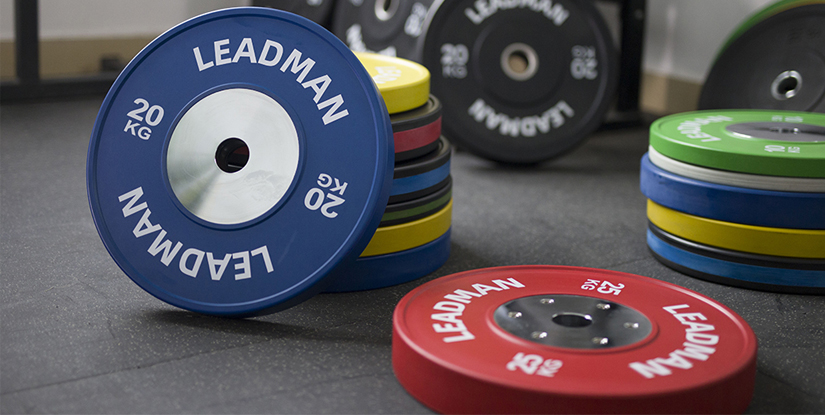
When evaluating a potential partner, it is essential to confirm their ability to manage these technical variables through standardized production. Discrepancies in weight or center-hole diameter can lead to increased maintenance costs and equipment incompatibility. To ensure your inventory meets international standards, we recommend requesting detailed technical spec sheets and confirming that the factory utilizes automated casting or precision machining to minimize human error. Before finalizing a large-scale order, consider requesting a sample evaluation or a factory audit to verify that their production tolerances align with your specific market positioning and quality requirements.
Logistics Reliability and Export-Grade Quality Control
For international distributors, the risk management process extends far beyond the production line and into the logistics chain. A single defective shipment resulting from poor export-grade packaging can significantly increase your landed cost through unexpected returns, replacement fees, and damaged reputation. To mitigate these variables, a professional gym equipment manufacturer must implement a multi-stage verification process that bridges the gap between factory output and final delivery.
Effective risk management in a bulk order begins with a rigorous pre-shipment inspection. This stage is critical for verifying that the structural integrity and weight accuracy of the entire shipment remain consistent with the approved samples. Beyond checking the physical dimensions, the inspection should confirm that the packaging is robust enough to withstand the rigors of ocean freight and multiple handling points. High-density foam inserts, reinforced corrugated boxes, and heavy-duty palletization are standard requirements for ensuring that your wholesale gym weights arrive at your warehouse in a condition that allows for immediate commercial distribution without secondary sorting or damage claims.
When finalizing your procurement strategy, we suggest integrating these quality checkpoints into your standard operating procedure. Rather than relying solely on post-arrival inspections, proactive buyers often request a formal inspection report or a third-party audit before the container is sealed. By aligning your requirements for packaging strength and weight tolerances with the factory’s export protocols, you can ensure a predictable supply chain and a more reliable ROI for your distribution business.
Optimizing China Factory OEM and Private Label Specifications
For distributors and gym equipment brands, relying solely on off-the-shelf products often limits market differentiation. Utilizing professional OEM/ODM services allows you to transition from a simple reseller to a specialized brand owner. By leveraging direct China factory capability, you can control the technical specifications of your wholesale gym weights to meet specific regional or premium market demands.
The scope of customization extends far beyond basic aesthetics; it is a strategic tool for building a cohesive brand identity. Whether you are sourcing commercial weight plates for a high-end fitness franchise or developing a unique line of bulk dumbbell sets, precise control over material density, coating durability, and color consistency is essential for maintaining long-term product reliability and brand reputation.
Customization Scope for Global Brands
Strategic private label manufacturing offers several layers of customization to ensure your inventory stands out in a crowded wholesale market. Most professional suppliers offer tiered options depending on your order volume and technical requirements.
| Customization Layer | Standard Wholesale Option | Advanced OEM/ODM Specification |
|---|---|---|
| Visual Branding | Standard logo stencil | Laser-etched or high-durability color printing |
| Material Finish | Basic black rubber/iron | Custom urethane, color-coded silicone, or textured steel |
| Product Geometry | Standard diameter/thickness | Customized grip textures and ergonomic weight distribution |
| Packaging | Bulk export cartons | Branded retail-ready boxes or specialized crate packaging |
When negotiating with a factory, it is vital to define these parameters during the initial sourcing phase. Clearly communicating your requirements for color-matching (such as Pantone specifications) or specific material densities ensures that the final landed product aligns with your brand's premium positioning and reduces the risk of costly returns or quality disputes.
Deciding between standard stock orders and customized production is a critical lever for managing your inventory turnover and capital expenditure. While stock orders offer speed, high-tier customization through OEM services builds long-term asset value for your distribution business.
Strategic Comparison: Stock Sourcing vs. Custom Production
To optimize your procurement strategy, you must weigh the immediate availability of standard wholesale gym weights against the long-term brand equity gained through customized manufacturing. The following comparison outlines how different order types impact your lead times, costs, and market positioning.
| Procurement Dimension | Standard Stock/Wholesale Order | Custom OEM/ODM Production |
|---|---|---|
| Typical MOQ | Low (Standard pallet/carton units) | Higher (Volume-dependent per SKU) |
| Lead Time | Short (Ready-to-ship/Immediate dispatch) | Extended (Production cycle + QC + Shipping) |
| Customization Depth | Minimal (Standard color/logo only) | High (Material, texture, and geometry) |
| Cost Impact | Lower (Optimized for rapid turnover) | Higher (Initial tooling/mold/setup costs) |
| Market Position | Competitive/Price-driven | Premium/Brand-driven differentiation |
For distributors managing bulk dumbbell sets or specialized training equipment, the choice often depends on your current warehouse capacity and market demand cycles. If your goal is rapid replenishment to maintain low stockouts, standard wholesale orders are highly efficient. However, if you are targeting high-end commercial gyms or boutique studios that require unique aesthetic and ergonomic features, investing in a dedicated production run is necessary to secure a competitive edge.
Before finalizing your next purchase, we recommend requesting a detailed technical spec sheet or discussing your specific MOQ requirements with our technical team. Whether you require a sample approval for a new custom color or a full factory audit to ensure quality control standards, our procurement advisors are available to help you calculate the total landed cost and optimize your sourcing efficiency.
Before finalizing your next purchase, we recommend requesting a detailed technical spec sheet or discussing your specific MOQ requirements with our technical team. Whether you require a sample approval for a new custom color or a full factory audit to ensure quality control standards, our procurement advisors are available to help you calculate the total landed cost and optimize your sourcing efficiency.
Quality Control Protocols and Pre-Shipment Inspection
For distributors and gym operators, the hidden cost of wholesale gym weights is rarely the purchase price, but rather the liability and replacement expenses caused by substandard manufacturing. Inconsistent weight tolerance or compromised material integrity can lead to uneven loading, which poses safety risks and damages professional reputations. A rigorous quality control system is essential to ensure that every unit meets commercial-grade specifications before leaving the China factory.
Our factory-direct inspection process focuses on the critical variables that impact long-term TCO (Total Cost of Ownership). We conduct multi-stage audits to verify the surface finish of commercial weight plates, ensuring coatings are uniform and resistant to oxidation. Furthermore, we implement strict precision testing to maintain tight weight deviation standards, preventing the logistical headaches of receiving non-compliant inventory. By prioritizing these technical benchmarks, we help our partners minimize returns and maintain high service standards for their end-users.
Standardized Inspection Checklist for Bulk Procurement
To mitigate the risks associated with high-volume sourcing, professional buyers should utilize a structured inspection framework. When auditing a gym equipment manufacturer, do not rely solely on visual confirmation. A formal pre-shipment inspection must validate technical specifications against the agreed-upon sample to ensure the landed quality matches the initial purchase order. This prevents the common pitfall of receiving inconsistent batches that disrupt your inventory turnover or client satisfaction.
The following table outlines the critical benchmarks we use to evaluate the production integrity of bulk dumbbell sets and other heavy iron or rubberized products. Use this checklist during your factory audit or when coordinating a third-party inspection service.
| Inspection Category | Technical Requirement & Tolerance | B2B Sourcing Importance |
|---|---|---|
| Weight Accuracy | Standard deviation within ±1% to ±2% | Prevents disputes over unit value and compliance |
| Dimensional Tolerance | Consistent diameter and thickness across batch | Ensures compatibility with commercial racks/bars |
| Coating & Paint | Uniform thickness; no peeling or oxidation | Reduces long-term maintenance and replacement costs |
| Surface Finish | Smooth edges; no sharp burrs or protrusions | Mitigates liability and user injury risks |
| Packaging Strength | Double-wall corrugated boxes or reinforced crates | Protects against transit damage and lowers insurance claims |
| Branding/OEM Clarity | Alignment with approved logo and color specs | Ensures professional brand presentation for distributors |
A systematic approach to wholesale gym weights procurement requires more than just a low unit price; it requires a verifiable quality trail. We recommend that all importers request a formal specification sheet and, where possible, approve a production sample before the full production run begins. This proactive step ensures that your MOQ requirements are met with precision, protecting your margins and your reputation in the commercial fitness market.
Beyond product specifications, the logistical integrity of your shipment determines your final landed cost and warehouse efficiency. For high-density orders, the transition from the factory floor to the shipping container is a critical phase where many procurement errors occur. A lack of standardized export packaging can lead to crushed boxes, surface oxidation, or damaged edges during sea freight, forcing distributors to absorb the cost of damaged goods. To ensure maximum container utilization and safety, we implement a rigorous protocol that bridges the gap between production and final delivery.
Our process begins with heavy-duty export packaging designed specifically for the weight and density of iron and rubberized equipment. We utilize reinforced corrugated cartons and palletization methods that optimize vertical stacking, allowing you to maximize every cubic meter of your shipping container. This precision in loading is vital for reducing shipping costs per unit and ensuring that your wholesale order arrives in a condition that is ready for immediate retail or commercial deployment. By coordinating closely with your logistics provider, we can adjust loading patterns to suit specific container types, whether you are sourcing LCL or FCL shipments.
To provide full transparency and minimize the risks inherent in long-distance sourcing, we support various levels of verification. Whether you choose to conduct a third-party audit through an independent agency or rely on our internal quality reports, our goal is to provide a predictable lead time and a high-reliability supply chain. We recommend that buyers confirm all packaging and loading requirements during the initial quote stage to ensure that the final shipment aligns perfectly with your warehouse storage capabilities and regional distribution needs.
Logistics Efficiency: Export Packaging and Container Loading
For international distributors, the true cost of procurement is not just the unit price, but the total landed cost per unit. When sourcing wholesale gym weights from a China factory, inefficient shipping configurations can quickly erode your profit margins through wasted freight space and excessive breakage. High-density products like iron plates and rubber dumbbells require specialized handling to ensure both safety and fiscal efficiency.
Professional export packaging is a critical variable in optimizing your supply chain. A competent gym equipment manufacturer utilizes heavy-duty, reinforced cartons and standardized pallets designed to withstand the rigors of sea freight. By prioritizing container loading optimization, we ensure that every cubic meter of a 20ft or 40ft HC container is utilized to its maximum volume density. This precision prevents the "air shipping" trap, where you pay for empty space, and significantly reduces the risk of damage to commercial weight plates and bulk dumbbell sets during transit.
Optimizing shipping efficiency through strategic stacking patterns allows importers to maximize the weight-to-volume ratio. This level of logistical expertise ensures that your bulk orders arrive at your warehouse with minimal damage and the lowest possible freight-cost-per-unit, directly supporting your competitive pricing in local markets.
Standard vs. Professional Export-Grade Packaging Comparison
Choosing between standard retail-ready packaging and professional export-grade solutions is a vital decision for any distributor. While standard packaging may seem cost-effective initially, it often fails to protect high-density items during long-haul ocean transit, leading to higher replacement costs and damaged reputations. To help you evaluate your sourcing requirements, the following table compares the two standards used for heavy-duty equipment.
| Feature / Metric | Standard Commercial Packaging | Professional Export-Grade (OEM Standard) |
|---|---|---|
| Protection Level | Single-wall corrugated boxes; basic tape. | Reinforced multi-wall heavy-duty cartons with internal dividers. |
| Weight Capacity | Limited; prone to bottom-crushing under heavy loads. | High-density support for heavy commercial weight plates. |
| Volume Efficiency | Irregular stacking; high risk of "dead space" in containers. | Standardized dimensions for optimized bulk dumbbell sets stacking. |
| Shipping Safety | Moderate risk of surface scuffing or structural denting. | Maximum protection against impact and moisture during sea freight. |
| Landed Cost Impact | Lower upfront cost; higher risk of damage-related losses. | Optimized container density; lower freight-cost-per-unit. |
For large-scale distributors, investing in professional-grade packaging is a strategic move to protect your bottom line. Whether you are managing a single wholesale order or a recurring multi-container shipment, ensuring your factory partner adheres to these export standards will safeguard your inventory integrity and ensure a smoother arrival at your local distribution center.
Mitigating Risk via Factory-Level QC and Pre-Shipment Inspection
The most significant hidden cost in global sourcing is not the initial invoice, but the cost of non-compliance. For distributors managing large-scale bulk orders, a single shipment of defective or damaged goods can disrupt entire seasonal inventory cycles and damage local client trust. Relying solely on basic factory output is insufficient; a professional gym equipment manufacturer must implement a multi-stage quality control (QC) protocol that spans from raw material sourcing to the final sealing of the container.
Rigorous pre-shipment inspection acts as your final line of defense. This process involves verifying weight tolerances, coating thickness, and structural integrity of every unit before it is palletized. Without a strict QC standard, minor deviations in material density or surface finishing can lead to significant discrepancies in your total weight coverage, affecting your catalog's professional credibility. By mandating detailed inspection reports, importers can ensure that the product quality aligns perfectly with the approved samples, mitigating the risk of receiving sub-standard inventory.
Effective breakage prevention also requires technical oversight during the loading phase. Beyond just sturdy boxes, the way products are secured within the container determines their survival. This includes utilizing specialized bracing, moisture-absorbent materials, and precise palletization techniques to prevent shifting during ocean transit. A disciplined approach to container loading ensures that your high-density weights remain stable, effectively protecting your landed cost by eliminating the need for costly returns, replacements, or insurance claims due to transit-related damage.
Strategic Sourcing: Evaluating MOQ and Lead Time
Optimizing your supply chain requires a precise balance between order volume and capital liquidity. When sourcing wholesale gym weights, the relationship between MOQ and inventory turnover directly impacts your distributor margins and warehouse efficiency. A high minimum order quantity might lower your unit cost, but it also ties up significant working capital in stagnant stock.
For distributors managing high-traffic facilities, selecting the right China factory partner means finding a middle ground between bulk savings and agility. Relying on a bulk order of commercial weight plates ensures a lower landed cost per unit, yet excessive stock levels can lead to high storage overheads. We recommend a tiered procurement strategy to maintain a lean, high-turnover inventory while ensuring your facility never faces a shortage of essential equipment.
Sourcing Models: Stock vs. Custom Manufacturing
To optimize your procurement budget, you must choose between immediate availability and brand differentiation. Selecting between off-the-shelf inventory and a custom gym equipment manufacturer production run depends on your current market demand and your long-term branding strategy. While stock orders offer speed, OEM solutions build long-term equity.
The following table outlines the typical procurement parameters when sourcing through a factory-direct model versus standard wholesale distribution. This comparison is designed to help you determine whether your current project requires the speed of ready-to-ship goods or the high-margin potential of customized products.
| Feature | Standard Stock Sourcing | Custom OEM/ODM Production |
|---|---|---|
| Typical MOQ | Lower (Per SKU/Set) | Higher (Total Volume Based) |
| Lead Time | Short (Immediate Shipping) | Extended (Production + QC) |
| Customization | Limited (Standard Colors/Specs) | High (Logo, Color, Material) |
| Unit Cost | Standard Wholesale Price | Optimized via High Volume |
| Best For | Rapid Restocking/Small Projects | Brand Building/Large Distributorships |
When ordering bulk dumbbell sets, we advise procurement leads to evaluate the total landed cost of each model. If you are launching a new private label line, the extended lead time of a custom production run is often offset by the significantly higher distributor margins and brand exclusivity you gain compared to selling generic, off-the-shelf products.
[IMAGE: A side-by-side comparison shot of generic black iron plates versus custom branded weight plates with a high-gloss finish, studio lighting, professional macro photography | ALT: Comparison of standard and custom branded commercial weight plates]Managing Production Cycles and Shipping Logistics
A common pitfall in international procurement is failing to account for the complete production cycle, which can lead to stockouts and lost revenue. When you initiate a custom order for wholesale gym weights, the timeline must include not only the actual manufacturing phase but also a rigorous QC inspection. Skipping or rushing the quality control stage to save time often results in high return rates and damaged brand reputation when non-compliant, unbalanced, or poorly coated weights arrive at your warehouse.
Effective shipping logistics planning requires a buffer that accounts for both factory output and global transit variables. For high-volume distributors, we suggest integrating a minimum 4-to-6-week window for production and pre-shipment verification. This ensures that your supply chain stability remains intact even if there are unforeseen delays in container availability or port congestion. By synchronizing your replenishment orders with these realistic lead times, you can maintain a steady flow of inventory without the high cost of emergency air freight or the risk of empty racks in your commercial clients' facilities.