Wholesale Workout Equipment: Export Quality and Factory
Standardizing Procurement for High-Volume Fitness Imports
High-quality wholesale workout equipment refers to industrial-grade fitness machinery engineered to withstand continuous, heavy-duty usage in commercial environments. Professional buyers prioritize these assets because they offer the structural integrity required for high-traffic facilities, ensuring long-term operational stability and minimizing the frequency of equipment downtime.
The Criticality of Commercial-Grade Durability
For distributors and gym operators, the true cost of a purchase extends far beyond the initial invoice. Sourcing low-grade alternatives may lower upfront capital expenditure, but it often leads to accelerated replacement cycles and increased maintenance labor. In high-volume settings, even minor structural fatigue can trigger a chain reaction of service requests, disrupting facility operations and diminishing user trust.
To effectively manage the Total Cost of Ownership (TCO), procurement professionals must look toward a specialized commercial gym equipment supplier capable of providing heavy-duty steel gauges, reinforced welding, and industrial-grade upholstery. Investing in premium builds reduces the long-term opex associated with parts replacement and technical support. By selecting a gym equipment manufacturer that adheres to rigorous structural standards, importers can mitigate the risks of premature wear, ensuring the equipment remains a functional asset rather than a liability.
| Technical Specification | Standard Consumer-Grade | Export-Quality Commercial Grade | B2B Procurement Impact |
|---|---|---|---|
| Steel Gauge & Structure | Thin-walled tubing (1.5mm - 2.0mm) | Heavy-duty structural steel (3.0mm+) | Higher load-bearing capacity & longevity |
| Welding Standards | Basic spot welding | Full-penetration MIG/TIG welding | Reduced structural fatigue under high use |
| Upholstery & Padding | Standard PU or thin foam | High-density foam & reinforced vinyl | Lower replacement frequency & maintenance |
| Load-Bearing Capacity | Lightweight/Variable use | High-intensity/Constant use | Protects long-term ROI for distributors |
Understanding these technical variances is essential when sourcing bulk fitness equipment. While consumer-grade products may appear cost-effective in a single shipment, the lack of structural reinforcement—such as insufficient steel gauge or substandard welding—often results in a higher landed cost over time due to frequent breakage and service calls. A professional gym equipment manufacturer focuses on these industrial-grade specifications to ensure that every unit can withstand the mechanical stress of a high-traffic commercial facility.
Rigorous QC Protocols and Pre-Shipment Inspection
To protect your margins and ensure a low landed cost, a professional factory-direct sourcing strategy must include strict quality control. When importing at scale, the risk of receiving defective units—which leads to expensive returns and shipping of heavy replacements—is a significant threat to profitability. A reliable China factory mitigates this by implementing multi-stage QC protocols that verify every component before it reaches the container.
A comprehensive pre-shipment inspection should focus on both functional and aesthetic integrity. This includes testing load-bearing stability, checking the smoothness of cable movements, and verifying that the powder coating is uniform and scratch-resistant. For distributors, these protocols are not just about quality; they are about logistics efficiency. Ensuring that every piece of wholesale workout equipment meets export-grade standards before it is loaded into a container prevents costly delays at customs and reduces the likelihood of receiving damaged goods that require immediate, high-cost technical support.
Engineering Integrity and Structural Safety Protocols
For professional importers and gym owners, the risk of structural failure in wholesale workout equipment represents more than just a product defect; it is a significant liability and a threat to long-term ROI. When sourcing bulk fitness equipment, the primary concern shifts from simple aesthetics to the mechanical stability of high-use machines. Relying on a low-tier commercial gym equipment supplier without verified manufacturing standards often leads to premature wear, high maintenance costs, and potential safety incidents that can damage a brand's reputation.
To mitigate these risks, a reputable gym equipment manufacturer must implement rigorous QC protocols that extend beyond visual inspections. True structural safety is achieved through high-grade steel gauge consistency, precision welding, and high-load bearing testing. For B2B buyers, ensuring that a China factory adheres to international structural standards is essential to reducing the Total Cost of Ownership (TCO) and ensuring equipment longevity in high-traffic environments.
Durability and Specification Standards
Understanding the technical differences between various equipment grades helps procurement leads make informed decisions regarding their initial capital expenditure and long-term maintenance budgets. The following table outlines the typical structural variations found when sourcing different tiers of equipment.
| Procurement Tier | Frame Construction | Joint & Weld Quality | Maintenance Load | Typical Use Case |
|---|---|---|---|---|
| Standard Commercial | High-gauge steel tubing | Standardized MIG welding | Moderate/Routine | Boutique Studios |
| Premium/Heavy-Duty | Ultra-thick heavy-duty steel | Precision reinforced welding | Low/Infrequent | High-Traffic Gyms |
| Entry-Level/Light | Thin-wall steel profiles | Basic assembly/Bolted | High/Frequent | Home-Gym/Small Studios |
When evaluating a potential supplier, we recommend requesting specific material certifications and weld strength documentation. A transparent factory will provide detailed technical spec sheets to confirm that the wholesale workout equipment meets the structural requirements of your specific market and usage volume.
Critical Engineering Metrics for B2B Sourcing
Precision in manufacturing is the difference between a durable asset and a recurring maintenance liability. For distributors managing large-scale installations, the technical specifications of the frame and joint assembly are non-negotiable. A high-standard gym equipment manufacturer focuses on three critical pillars: material thickness, welding precision, and load-bearing capacity. While entry-level products may appear identical in photos, the internal structural integrity often varies significantly, impacting the long-term stability of the machine under heavy, repetitive use.
Material thickness, often measured in gauge, dictates the resistance to deformation over years of operation. A professional-grade machine utilizes heavy-duty steel with consistent wall thickness to prevent buckling under stress. Furthermore, the quality of the welding—specifically the precision of the penetration and the smoothness of the joints—determines how well the machine handles lateral and vertical forces. For those sourcing bulk fitness equipment, verifying these engineering standards through a factory audit or by requesting detailed technical drawings is a vital step in protecting your investment and ensuring user safety.
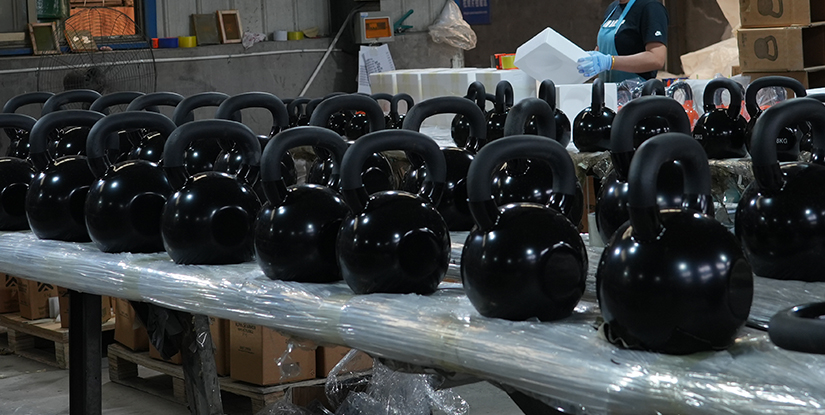
Ultimately, prioritizing these engineering metrics during the procurement process reduces the risk of structural fatigue. By selecting equipment built to rigorous testing standards, importers can ensure a lower total cost of ownership and higher client satisfaction. We suggest that buyers confirm specific load-bearing capacities and material certifications before finalizing any wholesale orders to ensure the products align with the high-performance requirements of their target commercial markets.
Technical Material and Durability Comparison
To assist procurement officers in evaluating technical compliance, it is essential to look beyond the surface. High-performance commercial machines require specific material grades and testing methodologies to ensure they can withstand the high-frequency loading typical of professional environments. The following comparison illustrates the technical standards expected when sourcing high-tier equipment versus lower-grade alternatives.
| Technical Specification | Standard Commercial Grade | Premium Heavy-Duty Grade | Procurement Impact |
|---|---|---|---|
| Steel Material Grade | Standard Carbon Steel | High-Tensile Reinforced Steel | Structural Rigidity |
| Welding Method | Standard MIG Welding | Full-Penetration Robotic Welding | Joint Integrity & Fatigue Resistance |
| Surface Coating | Basic Powder Coating | Electrostatic Multi-Layer Coating | Corrosion & Scratch Resistance |
| Testing Protocol | Visual Inspection | Static Load & Dynamic Stress Testing | Safety Compliance & Liability Reduction |
| Bearing/Bushings | Standard Nylon/Steel | High-Precision Sealed Bearings | Smoothness & Maintenance Interval |
When negotiating bulk fitness equipment contracts, we advise buyers to request specific test reports regarding coating durability and load-bearing limits. A transparent factory will not only provide these specifications but also offer documentation regarding the thickness of the steel gauge used. This level of detail is crucial for calculating the long-term maintenance load and ensuring the equipment meets the rigorous demands of high-traffic commercial facilities.
Before finalizing your wholesale procurement, consider requesting a sample or a detailed technical spec sheet to verify these engineering standards. Confirming these technical benchmarks during the initial inquiry phase helps prevent unexpected landed costs related to premature equipment failure or high replacement rates.
Optimizing Manufacturing Capability and OEM Customization
For established distributors and gym chains, sourcing standard stock is often insufficient for long-term market dominance. Utilizing professional OEM/ODM services allows you to transition from a mere reseller to a brand owner. By leveraging a specialized commercial gym equipment supplier, you can move beyond generic products and implement specific customization options—such as proprietary color schemes, precision logo placement, and specialized mechanical specs—to align with your unique brand identity.
The strategic advantage of wholesale workout equipment customization lies in market differentiation and perceived value. Instead of competing solely on price against generic imports, high-tier bulk fitness equipment orders with custom branding allow you to command premium margins. Whether you require specific upholstery textures or custom frame dimensions to fit unique facility footprints, working directly with a gym equipment manufacturer ensures that your technical requirements are integrated into the production line rather than treated as an afterthought.
Deciding between standard procurement and custom manufacturing requires a clear understanding of how scale affects your technical control and landed cost. While stock orders offer faster turnaround, they lack the differentiation needed for high-end facility branding. For procurement leads, the following comparison highlights the operational trade-offs between purchasing standard inventory and engaging in deep-level manufacturing customization.
| Procurement Dimension | Standard Wholesale Order | Full OEM/ODM Customization |
|---|---|---|
| Customization Depth | Limited (Color or minor logo only) | High (Frame geometry, upholstery, specs) |
| MOQ Requirement | Lower (Standard container/pallet units) | Higher (Specific to custom tooling/parts) |
| Lead Time | Short (Based on existing inventory) | Extended (Includes R&D and tooling phase) |
| Branding Control | Basic (Generic or small sticker/plate) | Complete (Full private label integration) |
| Production Model | Factory-direct Stock Sourcing | Bespoke Manufacturing |
Selecting the right tier of manufacturing is a critical decision for your long-term ROI. A standard order is ideal for rapid inventory replenishment or testing new market segments with low risk. However, for distributors aiming to build a proprietary product line, the OEM route provides the necessary control over commercial-grade specifications. This ensures that every piece of equipment—from the gauge of the steel to the tension of the resistance cables—meets the exact durability standards required by your specific client base.
To mitigate the risks associated with custom production, we recommend a structured approach to the sourcing process. Before committing to large-scale bulk fitness equipment production, professional buyers should request a detailed technical spec sheet, confirm the MOQ for specific components, and schedule a factory audit or sample approval phase to ensure the output matches the engineering intent.
Rigorous QC Protocols and Technical Validation
The primary risk in large-scale wholesale workout equipment procurement is the variance between a theoretical design and the final physical product. To eliminate this, a professional gym equipment manufacturer must integrate strict QC protocols at every stage of the production cycle, rather than waiting for a final inspection. This begins with the conversion of conceptual designs into high-precision technical drawings. During this phase, engineering teams validate tolerances and structural integrity to ensure the equipment can withstand the high-frequency usage typical of commercial environments.
Once the technical foundation is set, the workflow moves into prototype validation. For distributors and importers, this is the most critical step to mitigate the risk of high landed costs due to defective shipments. A physical prototype allows you to test ergonomics, weight-stack smoothness, and material durability before the production scaling phase begins. By approving a physical sample, you effectively bridge the gap between a digital specification and a commercial-grade reality, ensuring that the mass-produced units meet your brand's quality expectations.
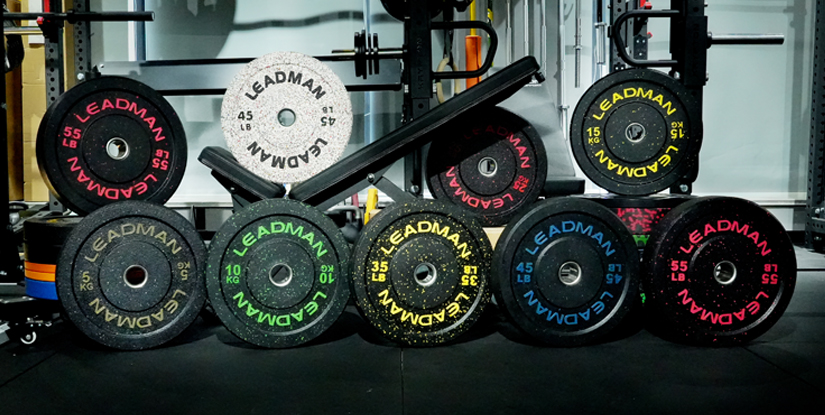
During mass production, quality control is not a single event but a continuous process. This includes raw material testing (such as steel gauge verification and powder coating thickness), mid-process assembly checks, and end-of-line functional testing. For buyers managing high-volume bulk fitness equipment orders, we recommend coordinating a third-party pre-shipment inspection. This final layer of oversight ensures that all units comply with export-grade standards and are ready for container loading without the need for costly on-site repairs or replacements upon arrival at your warehouse.
Quality Control and Pre-Shipment Inspection Standards
For distributors and large-scale gym operators, the hidden cost of procurement is rarely the initial invoice, but rather the expense of defective units and high replacement rates. Securing high-quality wholesale workout equipment requires a rigorous verification process that moves beyond simple visual checks. Without standardized quality control protocols, a single faulty shipment can devast-state your distributor margins and damage your brand reputation in the local market.
A professional commercial gym equipment supplier must implement a multi-stage verification system to ensure every unit meets international commercial standards. This process typically includes raw material testing, mechanical function validation, and structural stress analysis. By prioritizing factory-direct inspection, importers can ensure that high-wear components—such as bearing smoothness, weld integrity, and upholstery durability—are verified before the container is sealed. This systematic risk mitigation is essential for maintaining bulk order reliability and minimizing the total cost of ownership (TCO) for your end clients.
Standardized Inspection Workflow
Reliable bulk fitness equipment procurement relies on a structured inspection hierarchy. Instead of relying on a single end-of-line check, a high-tier gym equipment manufacturer integrates quality checkpoints throughout the production cycle. This ensures that deviations in steel gauge, powder coating thickness, or electronic sensor calibration are caught long before the final packaging stage, protecting your landed cost from unexpected adjustments.
| Inspection Stage | Focus Area | B2B Procurement Value |
|---|---|---|
| Raw Material Audit | Steel grade, cable tensile strength, upholstery density | Ensures long-term commercial durability |
| In-Process QC | Welding consistency, paint thickness, mechanical tolerances | Reduces defect rates in high-volume orders |
| Pre-Shipment Inspection | Full functional test, assembly check, packaging integrity | Guarantees bulk order reliability upon arrival |
| Container Loading Supervision | Weight distribution, moisture protection, stacking limits | Prevents transit damage and lowers replacement costs |
Technical Verification Layers
A professional gym equipment manufacturer does not treat quality as a single event, but as a continuous technical requirement. For importers, the distinction between standard and commercial-grade equipment lies in the precision of the tolerances. During the raw material testing phase, we verify the metallurgical properties of the steel to ensure it can withstand high-intensity usage without structural fatigue. This foundational step is critical for maintaining the long-term ROI of your facility or client's installation.
Following the material audit, the in-process QC phase focuses on the mechanical integrity of each component. This includes verifying the consistency of welding points, the precision of bearing fitment, and the uniformity of the powder coating. These technical checks prevent the common "hidden defects" that often arise when sourcing from lower-tier suppliers. By the time the pre-shipment inspection (PSI) occurs, the focus shifts to full-scale functional verification—testing every resistance level, cable movement, and electronic interface to ensure the unit performs exactly as the technical specification sheet dictates.
For distributors managing high-volume logistics, the final stage of the inspection process is the container loading supervision. This is a vital part of the wholesale workout equipment supply chain, ensuring that heavy-duty frames and delicate electronic components are packed with appropriate moisture protection and weight distribution. Proper loading protocols minimize the risk of transit-related damage, protecting your landed cost and ensuring that your inventory arrives ready for immediate deployment and assembly.
Global Logistics and Export-Grade Packaging
The final phase of the procurement cycle is often where the highest risks to your landed cost occur. Even if the manufacturing quality is flawless, inadequate protection during transit can result in scratched powder coatings, bent frames, or damaged electronic consoles. To mitigate these risks, a professional gym equipment manufacturer must utilize specialized export-grade packaging designed specifically for long-haul maritime transport and multi-modal logistics.
High-standard bulk logistics management involves more than just stacking boxes. It requires a strategic approach to shipping safety, including the use of heavy-duty corrugated cartons, reinforced corner protectors, and moisture-resistant desiccants to prevent oxidation during sea transit. For large-scale orders, we implement strict container loading supervision to ensure optimal weight distribution and prevent shifting. This level of precision in damage prevention ensures that your high-value inventory arrives at your warehouse or client site in showroom condition, ready for immediate assembly and deployment.
Logistics Management: From Container Loading to Landed Cost
For professional importers, the unit price from a wholesale workout equipment provider is only one part of the equation. To protect your margins, you must calculate the total landed cost—the sum of the product price, freight, insurance, and all terminal fees. Miscalculating these variables can quickly erode the competitive advantage gained from sourcing directly from a China factory.
Understanding the distinction between FOB vs CIF is critical for risk management. An FOB (Free On Board) agreement means your commercial gym equipment supplier is responsible for the goods until they are loaded onto the vessel, leaving you to manage freight forwarding and ocean transit. Conversely, a CIF (Cost, Insurance, and Freight) arrangement includes the cost of insurance and freight to your destination port, though it often leaves the buyer with less control over the actual shipping timeline and local handling costs.
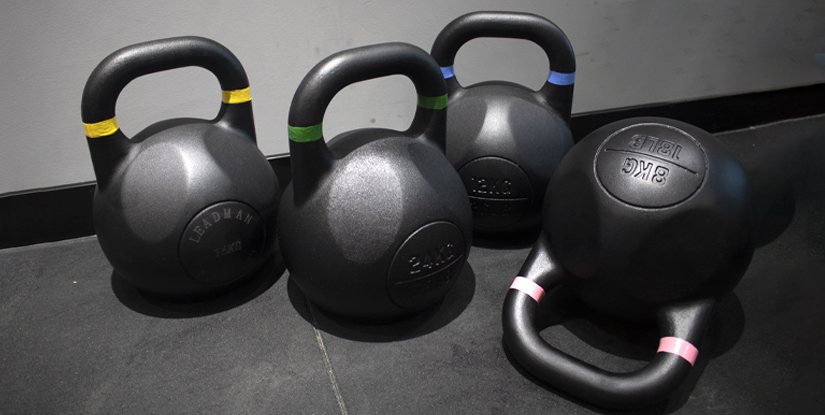
Beyond the ocean transit, professional buyers must account for customs duties and import taxes specific to their region. These regulatory costs, combined with port handling fees and inland drayage, constitute the final layers of your procurement expenditure. A structured approach to bulk fitness equipment logistics ensures that your capital expenditure remains predictable and your distributor margins stay intact.
Breakdown of Total Procurement Expenditure
To ensure accurate budget forecasting, procurement managers should visualize the movement from factory-gate pricing to final warehouse delivery. The following table outlines the typical cost layers encountered when sourcing from a professional gym equipment manufacturer. By accounting for these variables early, you can avoid the common pitfalls of unexpected port surcharges or high inland drayage fees that often plague unoptimized international shipments.
| Cost Component Category | Description & Scope | Impact on Total Landed Cost |
|---|---|---|
| Ex-Works / FOB Price | Base product cost from the China factory to the departure port. | Primary driver of unit margin. |
| Ocean Freight | International shipping via sea container (FCL or LCL). | Highly volatile based on global trade lanes. |
| Port Charges & Terminal Fees | Loading/unloading, THC (Terminal Handling Charges), and documentation. | Fixed per container/shipment. |
| Customs Clearance | Import declarations, brokerage fees, and regulatory compliance. | Dependent on regional trade laws. |
| Import Duties & Taxes | Tariffs and VAT/GST applied at the destination border. | Critical for calculating final ROI. |
| Local Delivery (Drayage) | Transport from the destination port to your warehouse or facility. | Influenced by local fuel surcharges. |
When managing bulk fitness equipment shipments, we recommend coordinating closely with your logistics partner to verify the exact weight and volume (CBM) of each order. This precision allows for optimized container loading patterns, reducing the empty space ratio and lowering your per-unit shipping expense. Before finalizing your next wholesale order, consider requesting a detailed proforma invoice that explicitly separates these logistical layers to ensure full transparency in your procurement planning.
Optimizing Container Loading and Export Packaging
The most common failure in international procurement is not the product quality itself, but the failure of the export packaging to withstand the rigors of ocean transit. For heavy commercial-grade steel and high-precision electronic components, standard cardboard is insufficient. Professional bulk fitness equipment sourcing requires rigorous 5-layer corrugated boxes, reinforced steel corner protectors, and high-density EPE foam to prevent structural shifting during sea swells. Without these protections, the risk of transit damage increases, leading to expensive returns and damaged brand reputation.
To maximize your ROI, you must focus on volumetric efficiency through strategic palletization. A high-tier gym equipment manufacturer does not just pack boxes; they engineer a loading plan. By optimizing the height and density of each pallet, we minimize the volumetric weight—the ratio of package size to actual weight—which is a critical factor in calculating your final freight costs. Effective container loading strategies, such as nesting smaller components within larger frames or utilizing specialized racking, ensure that every cubic meter of a 20ft or 40HQ container is utilized. This precision reduces the number of shipments required for large-scale projects, significantly lowering your overall shipping volume costs and optimizing your total landed cost.
Strategic Sourcing: Evaluating Long-Term Partner Value
Effective procurement of wholesale workout equipment extends far beyond the initial purchase price. For distributors and gym operators, the true metric of success is the Total Cost of Ownership (TCO), which accounts for maintenance cycles, component durability, and equipment uptime. Relying on a low-cost, low-quality commercial gym equipment supplier often results in hidden expenses, such as frequent part replacements and premature decommissioning of assets.
A professional procurement strategy must prioritize reliability over short-term savings. By establishing a direct relationship with a specialized gym equipment manufacturer, buyers can secure factory-direct advantages that mitigate the risks of substandard builds. This approach ensures that every piece of equipment contributes to long-term value through structural integrity and consistent performance under high-traffic commercial use.
| Sourcing Dimension | Trading Company Model | Factory-Direct Partnership |
|---|---|---|
| Primary Focus | Inventory turnover & markup | Product engineering & long-term value |
| Quality Control | Third-party inspection reliance | In-house factory QC protocols |
| Customization | Limited to existing stock | Full OEM/ODM capabilities |
| TCO Impact | Higher maintenance/replacement costs | Optimized durability & lower TCO |
When scaling a fitness brand or expanding a distribution network, the distinction between sourcing from a trader versus a direct manufacturer becomes a critical factor in your profit margins. A trading company often adds an intermediary markup without adding technical value, whereas a dedicated gym equipment manufacturer provides direct access to the production line. This direct connection is essential for managing the complexities of bulk fitness equipment orders, where technical specifications and shipping logistics must be perfectly synchronized to avoid costly delays.
For distributors, the most significant advantage of a direct partnership lies in the ability to control the product lifecycle. While traders may offer a wider variety of unrelated goods, a specialized factory offers depth in engineering and specialized manufacturing processes. This distinction becomes vital when you need to adjust MOQ levels for new product launches or require specific modifications to meet regional safety standards. By bypassing the middleman, you gain a transparent view of your landed cost, ensuring your business model remains competitive in a crowded market.
To optimize your procurement process, we recommend engaging with your partner during the early planning stages. Whether you are looking to confirm OEM/ODM specifications for a private label line or need to verify the lead time for a large-scale container shipment, early communication is key. Contact our team to request a detailed technical spec sheet, discuss your specific MOQ requirements, or schedule a virtual factory audit to ensure our production standards align with your commercial expectations.