Wholesale Weight Lifting Equipment: China Factory OEM
Wholesale Weight Lifting Equipment: Evaluating Total Cost of Ownership
For a regional gym franchise or a large-scale distributor, the procurement decision for wholesale weight lifting equipment extends far beyond the initial invoice. While a lower unit price from a China factory may appear attractive on a balance sheet, professional buyers must calculate the landed cost against the long-term operational expenditure. A failure to account for the durability of steel gauges or the quality of upholstery leads to premature replacement cycles and increased maintenance overhead.
In high-traffic commercial environments, the true value of commercial weight lifting equipment is found in its ability to maintain peak performance without constant intervention. When sourcing bulk strength training gear, the goal is to maximize the long-term ROI by minimizing the frequency of part replacements and labor costs. High-quality wholesale weight lifting equipment serves as a capital asset that preserves its utility, whereas low-grade alternatives become a recurring liability that erodes distributor margins through warranty claims and service calls.
Understanding the TCO Framework in Bulk Procurement
A comprehensive TCO analysis allows importers to compare the actual cost of ownership between different gym equipment manufacturer tiers. This involves weighing the upfront savings of a lower wholesale price against the eventual costs of shipping, customs, and the lifecycle of the product. For instance, a supplier providing heavy-duty, powder-coated steel components will offer a better long-term return than one offering lighter, thinner-walled tubing that may bend under heavy use.
When evaluating your next batch, consider these three pillars of TCO:
- Initial Sourcing and Landed Cost: The sum of the factory price, freight, and import duties.
- Operational Maintenance: The frequency and cost of required lubrication, bolt tightening, or upholstery repair.
- Asset Lifespan: The total number of years the equipment remains in active service before requiring full replacement.
| Procurement Metric | Premium OEM Manufacturing | Low-Cost/Low-Quality Alternatives |
|---|---|---|
| Material Integrity | High-gauge steel and industrial coatings | Thin-walled tubing and light finishes |
| Replacement Frequency | Low (extended lifecycle) | High (premature wear/tear) |
| Maintenance Load | Minimal routine adjustments | Frequent part and upholstery replacement |
| Equipment Downtime | Minimal impact on facility operations | Frequent service interruptions |
| Long-term ROI | High (stable asset value) | Low (recurring capital expenditure) |
Selecting the right wholesale weight lifting equipment requires a strategic focus on these variables to ensure your facility or retail stock remains profitable. A China factory that prioritizes rigorous quality control will significantly reduce the hidden costs of downtime and service labor, ultimately protecting the end-user experience and your brand reputation. Before finalizing your next bulk order, we recommend requesting a detailed specification sheet or arranging a factory audit to verify material standards and manufacturing precision.
Mitigating Logistics Risks Through Export Standards
A significant, often overlooked variable in the landed cost of wholesale weight lifting equipment is the expense associated with shipping damage and inadequate protection. For distributors managing large-scale sea freight, the structural integrity of the product is only as reliable as its transit packaging. Relying on a supplier that utilizes substandard corrugated boxes or thin wraps often results in dented steel frames, scratched powder coatings, or damaged upholstery upon arrival at the warehouse.
These logistical failures do more than just damage the physical goods; they create a cascade of secondary costs. Every unit that arrives damaged requires a complex process of replacement, additional freight charges, and increased labor for returns. To protect your margins, it is essential to source from a gym equipment manufacturer that implements professional export packaging. High-density foam inserts, reinforced corner protectors, and heavy-duty palletizing are not optional luxuries—they are critical components of a successful wholesale procurement strategy that ensures your bulk strength training gear reaches its destination in showroom condition.
Rigorous QC protocols must extend from the production line to the final container loading process. A professional China factory will provide detailed pre-shipment inspection reports and photographic evidence of the container loading to ensure weight distribution is optimized and the cargo is secured against movement. By prioritizing these high-standard export procedures, importers can minimize the frequency of replacement costs and ensure that their capital is invested in high-quality assets rather than logistical troubleshooting.
The Hidden Costs of Low-Quality Sourcing and Procurement Mistakes
When sourcing wholesale weight lifting equipment, many distributors focus exclusively on the initial invoice price. However, professional procurement specialists know that the lowest unit price often masks a much higher Total Cost of Ownership (TCO). Relying on an unverified supplier to save on upfront capital frequently leads to catastrophic long-term expenses that erode distributor margins.
Low-grade commercial weight lifting equipment typically suffers from premature component fatigue, poor weld integrity, and substandard upholstery. These defects trigger frequent maintenance requirements and shorten the natural replacement cycles of your inventory. For a gym equipment manufacturer or a large-scale importer, these issues translate into high after-sales service costs, increased warranty claims, and a damaged reputation in the local market.
The true landed cost of a shipment includes much more than freight and duties; it must account for the operational lifespan of the units. If a China factory lacks rigorous QC protocols, you may face a batch of non-compliant strength gear that requires immediate replacement. Investing in bulk strength training gear with proven structural integrity ensures that your capital expenditure remains a long-term asset rather than a recurring liability.
Comparison of Sourcing TCO: Low-Tier Trader/Factory vs. Professional OEM Manufacturer
To avoid procurement pitfalls, importers must evaluate the long-term financial impact of their sourcing decisions. A low-tier supplier may offer a lower initial quote, but the resulting operational expenses often negate any early savings. High-quality wholesale weight lifting equipment from a verified China factory provides a much higher return on investment through durability and reduced service intervention.
| Cost Metric | Low-tier Trader/Generic Factory | Professional OEM Manufacturer |
|---|---|---|
| Initial Unit Price | Lower upfront cost | Standardized market pricing |
| Maintenance Frequency | High (due to component fatigue) | Low (optimized for heavy usage) |
| Equipment Downtime | Frequent (unreliable parts) | Minimal (stable performance) |
| Long-term ROI | Low (frequent replacement required) | High (extended product lifecycle) |
| After-sales Liability | Significant (warranty/return issues) | Controlled (standardized quality) |
When managing large-scale distribution, choosing a professional OEM partner allows for better control over the total lifecycle of the product. Instead of managing constant returns from substandard commercial weight lifting gear, distributors can focus on scaling their business with reliable, high-performance inventory that meets international commercial standards.
Securing a reliable gym equipment manufacturer involves more than just reviewing a product catalog; it requires verifying the operational protocols that protect your business. A single oversight in the manufacturing chain can lead to significant logistical delays or, worse, the arrival of defective inventory that compromises your brand integrity. To mitigate these risks, professional buyers must prioritize partners who offer transparency in production and rigorous quality oversight.
Mitigating Risk Through Pre-Shipment Inspection and QC
A critical failure point in international sourcing is the lack of a standardized pre-shipment inspection. Without a formal verification process, a buyer may unknowingly accept a container of bulk strength training gear that does not meet the required structural tolerances or finish specifications. High-tier manufacturers implement multi-stage quality control to ensure that every unit—from the frame thickness to the upholstery stitching—aligns with the original purchase order. This level of oversight is essential for maintaining consistent margins and ensuring that the wholesale weight lifting equipment arriving at your warehouse is ready for immediate commercial deployment.
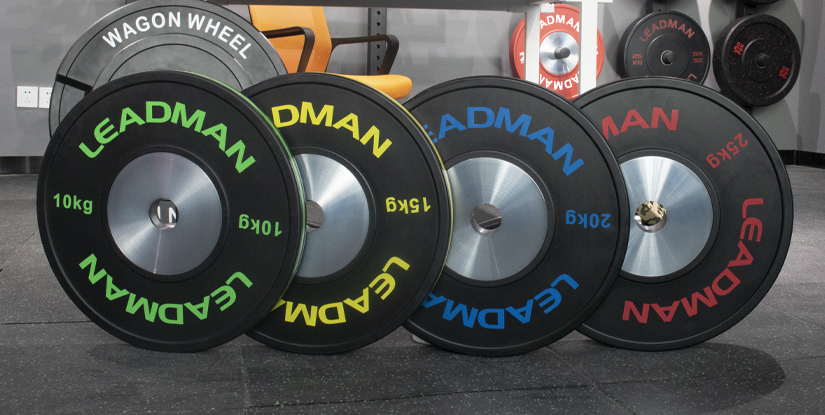
Furthermore, understanding the nuances of MOQ and lead time is vital for effective inventory management. A professional China factory will provide realistic production timelines that account for raw material procurement and assembly stages. Relying on a partner that can clearly communicate these variables allows distributors to plan their seasonal stock levels and marketing campaigns without the fear of sudden supply chain disruptions. By aligning your procurement schedule with a manufacturer's actual capacity, you reduce the risk of stockouts and optimize your warehouse turnover rates.
Optimizing Commercial Weight Lifting Equipment for High-Traffic Facilities
For distributors and gym operators, the total cost of ownership is dictated by how a product performs under heavy use. When sourcing wholesale weight lifting equipment, the initial purchase price is only one variable; the real impact on your margins comes from the frequency of repairs and replacement cycles. High-traffic facilities require gear that maintains structural integrity despite constant mechanical stress.
Sourcing directly from a professional China factory allows importers to select specific material grades that prioritize longevity. Choosing lower-grade components to save on upfront costs often leads to increased maintenance overhead and diminished long-term ROI. By focusing on high-spec commercial weight lifting equipment, you reduce the frequency of downtime and the need for costly on-site technical support.
Maintenance and Durability Comparison: Sourcing Tiers
| Procurement Tier | Material & Build Standard | Maintenance Frequency | Long-term TCO Impact |
|---|---|---|---|
| Standard Retail Grade | Lightweight steel; basic coatings | High; frequent part replacement | High operational expense |
| Professional commercial weight lifting equipment | Heavy-duty steel; industrial powder coating | Low; standard periodic inspection | Optimized for high-traffic ROI |
| Custom OEM Specification | Reinforced alloys; specialized bearings | Minimal; engineered for extreme load | Lowest lifecycle cost per unit |
Selecting the right gym equipment manufacturer involves evaluating more than just the bulk strength training gear aesthetics. A reliable supplier provides documentation regarding the durability of moving parts and the thickness of steel tubing. This transparency ensures that your wholesale orders meet the rigorous demands of professional strength training environments, protecting both your brand reputation and your clients' safety.
Technical specifications such as steel gauge and bearing precision are the primary differentiators in high-volume procurement. When negotiating wholesale weight lifting equipment, buyers must move beyond surface-level descriptions to verify the structural density of the frame. A standard 11-gauge or 12-gauge steel construction provides the necessary rigidity for heavy lifting, whereas thinner materials increase the risk of structural fatigue over time. Furthermore, high-quality industrial powder coating is essential to prevent oxidation and surface degradation in humid or high-use environments, directly affecting the resale value and lifecycle of the equipment.
The precision of bearing systems and mechanical components also dictates the long-term maintenance load. High-tier bulk strength training gear utilizes specialized bearings to ensure smooth, consistent motion, which reduces friction-induced wear. For distributors seeking to offer premium solutions, utilizing OEM or ODM services allows for the integration of these advanced components into a custom product line. This level of customization ensures that every piece of equipment meets specific durability standards, ultimately lowering the Total Cost of Ownership (TCO) for the end-user and reducing the frequency of replacement-related warranty claims for the importer.
Technical specifications such as steel gauge and bearing precision are the primary differentiators in high-volume procurement. When negotiating wholesale weight lifting equipment, buyers must move beyond surface-level descriptions to verify the structural density of the frame. A standard 11-gauge or 12-gauge steel construction provides the necessary rigidity for heavy lifting, whereas thinner materials increase the risk of structural fatigue over time. Furthermore, high-quality industrial powder coating is essential to prevent oxidation and surface degradation in humid or high-use environments, directly affecting the resale value and lifecycle of the equipment.
The precision of bearing systems and mechanical components also dictates the long-term maintenance load. High-tier bulk strength training gear utilizes specialized bearings to ensure smooth, consistent motion, which reduces friction-induced wear. For distributors seeking to offer premium solutions, utilizing OEM or ODM services allows for the integration of these advanced components into a custom product line. This level of customization ensures that every piece of equipment meets specific durability standards, ultimately lowering the Total Cost of Ownership (TCO) for the end-user and reducing the frequency of replacement-related warranty claims for the importer.
China Factory Capabilities: OEM and Private Label Customization
Establishing a distinct market presence requires more than just standard inventory; it requires a strategic approach to wholesale weight lifting equipment sourcing. For distributors looking to scale, leveraging OEM and ODM services allows for the integration of unique specifications that align with local market demands and high-end fitness trends.
A professional gym equipment manufacturer provides the infrastructure necessary to transition from a simple reseller to a specialized brand owner. By utilizing private label solutions, importers can embed their brand identity directly into the hardware, ensuring market differentiation that generic stock cannot provide. This level of customization is essential for maintaining healthy distributor margins in competitive territories.
Strategic Value of Customization for Global Importers
When sourcing commercial weight lifting equipment, the ability to request specific colorways, logo placements, or ergonomic adjustments determines your long-term success. A direct China factory can accommodate these requests, transforming standard strength units into premium, branded assets that command higher price points in the North American and European markets.
| Sourcing Model | Customization Level | Primary Objective | Typical Lead Time Impact |
|---|---|---|---|
| Standard Wholesale | Minimal (Logo only) | Rapid stock replenishment | Low |
| OEM Manufacturing | High (Specs & Colors) | Brand differentiation | Moderate |
| Full ODM Development | Complete (New Design) | Unique product IP | High |
Selecting the right supplier involves balancing the complexity of your design requirements against the MOQ and production timelines. Whether you are looking for bulk strength training gear with standard dimensions or a fully bespoke strength station, clear communication regarding technical tolerances and export-grade finishes is vital to protecting your landed cost and ensuring product durability.
Evaluating the depth of customization is a critical step in the sourcing process. While standard orders focus on speed, specialized manufacturing allows for a deeper integration of your brand's unique value proposition into the physical product. This decision directly impacts your ability to scale a premium product line and manage inventory turnover effectively.
| Feature Category | Standard wholesale weight lifting equipment | Professional OEM / ODM Customization |
|---|---|---|
| Branding Options | Standard logo or no branding | Custom colorways, laser-etched logos, and full brand identity integration |
| Technical Specifications | Fixed dimensions and standard material grades | Adjustable weight stacks, custom upholstery, and specific steel gauges |
| Product Uniqueness | Generic industry-standard models | Proprietary designs tailored to specific market niches |
| Minimum Order Quantity | Lower MOQ for standard stock items | Higher MOQ due to specialized production runs |
| Production Lead Time | Short; optimized for rapid shipping | Extended; includes design validation and custom tooling phases |
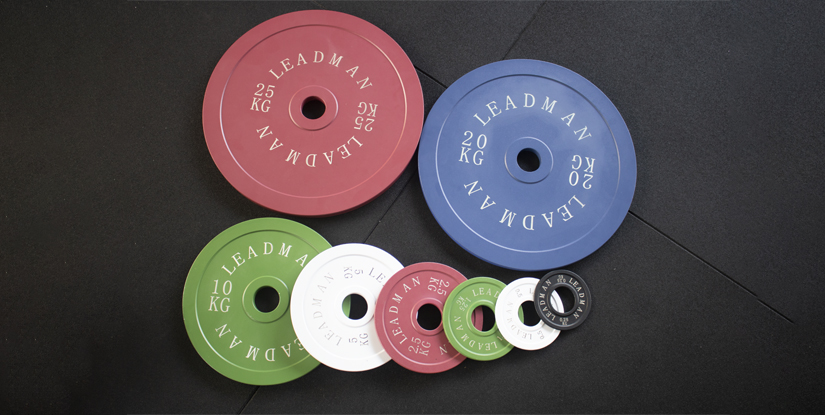
To ensure a seamless transition from design to delivery, we recommend that buyers initiate a formal technical review during the initial inquiry phase. Request a detailed spec sheet to confirm material density, welding strength, and finish durability. For long-term projects involving complex bulk strength training gear, arranging a factory audit or a sample approval process is a necessary step to validate quality standards before full-scale production begins.
Technical Execution and Material Customization
Precise technical execution is the foundation of high-quality wholesale weight lifting equipment. When moving beyond standard stock, a professional China factory utilizes detailed technical drawings to ensure every component meets strict commercial-grade tolerances. This technical rigor prevents the common procurement pitfall of receiving equipment that fails to meet the structural requirements of high-traffic commercial environments.
Customization extends far beyond simple aesthetics; it involves the fundamental engineering of the unit. Buyers can specify steel gauges for increased frame stability, high-density upholstery for long-term durability, and specialized coating types to resist oxidation in diverse climates. By controlling these material specifications, distributors can offer a product that justifies a premium price point while maintaining a predictable total cost of ownership for the end-user.
The process begins with a comprehensive review of the buyer's design intent, followed by the creation of technical blueprints. This phase allows for the precise placement of logos—whether through laser etching, silk screening, or 3D emblem application—to ensure your brand identity remains intact even after years of heavy use. Whether you are ordering bulk strength training gear with a specific color scheme to match a boutique studio's aesthetic or requesting a specialized weight stack configuration, the production capacity of a tier-one supplier is designed to scale with your growth.
Managing MOQ and Lead Times for Bulk Strength Training Gear
Effective procurement planning requires a clear understanding of how order volume influences production cycles. When sourcing wholesale weight lifting equipment, the relationship between your MOQ and the final delivery window is a critical factor in maintaining your inventory turnover and meeting client demand.
A professional gym equipment manufacturer typically operates on tiered production schedules. Small-batch orders may utilize existing stock or semi-finished components, resulting in a shorter lead time. However, for bulk orders involving commercial weight lifting equipment or custom strength training gear, the timeline must account for raw material procurement, specialized OEM fabrication, and rigorous quality testing. Coordinating these cycles with your China factory partner ensures that high-volume shipments arrive according to your distribution or facility launch schedule, rather than being delayed by unmanaged sourcing bottlenecks.
| Procurement Tier | Typical Order Scale | Production Focus | Lead Time Expectation |
|---|---|---|---|
| Standard Stock | Low volume/Single SKU | Rapid fulfillment from existing inventory | Short (1-2 weeks) |
| Tier 1 Wholesale | Medium volume/Mixed SKUs | Standardized assembly and QC protocols | Moderate (4-6 weeks) |
| Custom OEM/Bulk | High volume/Custom Specs | Full production cycle including material sourcing | Extended (8-12+ weeks) |
Optimizing Inventory Strategy Through Customization
Choosing between rapid fulfillment and brand-specific customization is a strategic decision for every importer. While standard stock availability allows for immediate replenishment, utilizing ODM or OEM services allows a distributor to build a unique product identity that differentiates them in a crowded market. This distinction directly impacts your long-term landed cost and the perceived value of your catalog.
For distributors aiming for high-margin growth, moving beyond generic bulk strength training gear toward specialized, branded solutions is often the most effective way to secure long-term contracts with premium fitness centers. When negotiating with your supplier, it is essential to clarify whether a specific specification requires a new production run or if the item can be fulfilled from existing factory capacity. To ensure your procurement aligns with your business goals, we recommend requesting a detailed specification sheet and confirming the exact MOQ for any custom branding requests before finalizing your purchase order.
Ensuring Product Integrity Through Rigorous QC and Export Packaging
The final stage of the procurement cycle is often where the highest risks to distributor margins occur. Even high-quality wholesale weight lifting equipment can suffer from damage or degradation if the logistics and packaging protocols are insufficient. A professional gym equipment manufacturer must treat export-grade preparation as an extension of the production line, ensuring that every unit reaches its destination in factory-new condition.
Standardizing the QC process is essential for mitigating the cost of returns and onsite failures. A reliable China factory will implement multi-stage inspections, ranging from raw material verification to final pre-shipment testing of mechanical components. For commercial weight lifting equipment, this includes stress-testing load-bearing welds and verifying the precision of moving parts. By mandating strict QC protocols, buyers can ensure that the high-performance standards promised during the sourcing phase are actually delivered in the final container load.
Beyond internal quality, the durability of the export packaging determines the total landed cost and reliability of your shipment. Heavy-duty items such as power racks, weight benches, and bulk strength training gear require reinforced, moisture-resistant packaging to withstand the rigors of ocean freight and multiple handling points. Effective container loading strategies—optimizing both weight distribution and spatial efficiency—are vital for reducing shipping costs per unit. We recommend that buyers confirm the specific packaging dimensions and container loading plans with their supplier during the initial quote phase to avoid unexpected logistics expenses or transit-related damage.
Ensuring Quality via Pre-Shipment Inspection and Export Standards
Securing reliable wholesale weight lifting equipment requires more than just comparing price lists; it demands a rigorous verification of manufacturing standards. For distributors and large-scale gym operators, a single shipment of defective commercial weight lifting equipment can devastate distributor margins and damage long-term brand trust. Implementing a strict quality control protocol at the China factory level is the only way to ensure that every unit meets international durability and safety requirements before leaving the port.
Risk mitigation in bulk sourcing involves more than just selecting a reputable supplier. It requires a systematic approach to oversight, including formal pre-shipment inspection (PSI) and detailed technical audits. When importing bulk strength training gear, buyers must verify welding integrity, coating thickness, and mechanical tolerances to prevent high landed cost surprises caused by returns or onsite failures. A professional factory should provide transparent documentation and allow for third-party evaluations to validate that the wholesale order aligns perfectly with the original technical specifications and OEM requirements.
Technical Comparison of Inspection Standards
To differentiate between standard production and professional-grade oversight, procurement managers must evaluate specific technical benchmarks. A high-tier gym equipment manufacturer will provide granular data regarding material density, weld strength, and surface durability. Relying on generic descriptions during the sourcing process often leads to discrepancies between the sample approved and the final container load, increasing the total cost of ownership through premature wear or mechanical failure.
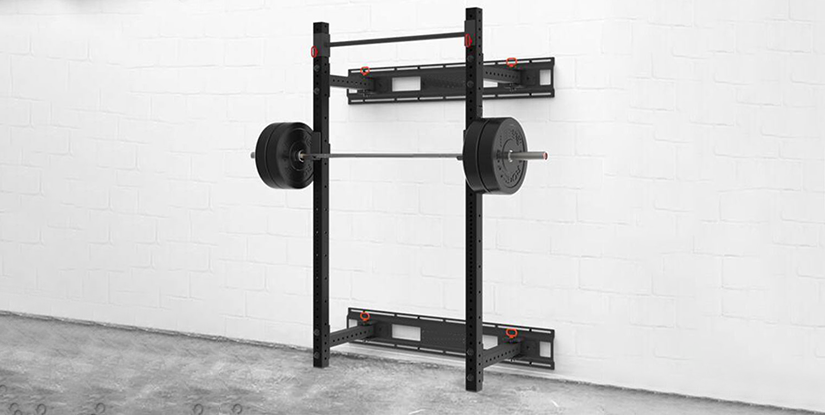
The following table illustrates the critical technical gaps between basic production and professional-grade standards required for high-traffic commercial environments. Use these categories to audit your potential supplier during the pre-shipment stage.
| Inspection Category | Basic Manufacturing Standard | Professional/Commercial Grade Standard |
|---|---|---|
| Material Integrity | Standard gauge steel with variable density | High-density, heavy-gauge steel with consistent wall thickness |
| Welding Quality | Visible gaps or uneven bead structuresFull-penetration, continuous seam welding for high impact resistance | |
| Surface Coating | Standard powder coating (prone to chipping) | Multi-layer, high-micron electrostatic coating for abrasion resistance |
| Mechanical Precision | Standard tolerances (± 3mm or higher)Tight industrial tolerances (± 1mm) for smooth bearing movement |
When negotiating wholesale weight lifting equipment, always request the specific micron thickness for coatings and the grade of steel utilized. A transparent China factory will offer these technical sheets as part of their OEM documentation. Validating these metrics through a third-party inspection ensures that your bulk strength training gear arrives ready for immediate commercial deployment without the risk of structural fatigue or aesthetic degradation.
Optimizing Logistics and Export Packaging for Global Distribution
Even the highest quality wholesale weight lifting equipment can suffer significant value loss if the logistics strategy is inadequate. For professional importers, the primary risk is not just the product quality, but the integrity of the shipment during long-distance sea freight. Improperly secured commercial weight lifting equipment often leads to high damage claims, resulting in broken welds, scratched coatings, or bent structural components upon arrival. To protect your distributor margins, it is essential to verify that the manufacturer utilizes industrial-grade export packaging designed for multi-week maritime transit.
Effective container loading is a critical component of the total landed cost calculation. A professional gym equipment manufacturer will optimize the volumetric efficiency of every shipment, ensuring that heavy steel frames and dense weight plates are positioned to prevent shifting during ocean swells. High-density foam padding, reinforced corner protectors, and heavy-duty corrugated outer cartons are standard requirements for bulk strength training gear destined for international markets. When evaluating a supplier, confirm their specific protocols for palletization and whether they use moisture-absorbent desiccant packs to prevent oxidation during transit.
Managing the complexities of sourcing requires a clear understanding of lead times and shipping logistics. To maintain a consistent inventory flow, procurement teams should align their MOQ requirements with the factory's production cycle and sea freight schedules. A transparent factory will provide a clear timeline from the moment the OEM specifications are finalized to the actual departure of the container. By prioritizing rigorous export packaging and professional container loading, distributors can significantly reduce the risk of shipping damage and ensure their inventory arrives in showroom-ready condition.
Strategic Sourcing: Moving Toward a Direct Factory Partnership
Distributors often struggle with shrinking margins when relying on third-party trading companies. While traders offer convenience, they introduce multiple layers of markup and communication delays. To secure a competitive edge, professional importers are transitioning to direct wholesale weight lifting equipment procurement from a China factory to ensure absolute margin protection.
The primary advantage of direct sourcing is the systematic middleman elimination. By bypassing intermediaries, you directly manage your landed cost and control the entire supply chain. This transition allows you to move from simple purchasing to true OEM partnership, where you can influence product specifications and branding to better serve your local market. Relying on a specialized gym equipment manufacturer provides the transparency required to scale your business without the unpredictable price hikes common in the trading sector.
Supply Chain Efficiency: Factory-Direct vs. Trading Companies
Understanding the structural differences in procurement is essential for long-term profitability. Choosing commercial weight lifting equipment through a direct supplier rather than a general trader impacts your ability to provide high-value solutions to your clients.
| Procurement Dimension | Direct Factory Partnership | Trading Company Model |
|---|---|---|
| Price Structure | Optimized for high-volume wholesale | Includes multiple markup layers |
| Customization Capability | Full OEM and ODM support | Limited to existing stock items |
| Quality Control | Direct oversight of factory QC | Dependent on third-party reports |
| Supply Chain Control | Direct sourcing and lead time management | Indirect communication and higher risk |
| Brand Development | Supports private label expansion | Focuses on generic resale |
When procuring bulk strength training gear, the goal is to stabilize your inventory costs while maintaining premium standards. A direct partnership ensures that your MOQ requirements and custom branding requests are handled by the engineers and production managers responsible for the actual build, rather than a sales agent with limited technical knowledge.
| Procurement Dimension | Direct Factory Partnership | Trading Company Model |
|---|---|---|
| Price Structure | Optimized for high-volume wholesale | Includes multiple markup layers |
| Customization Capability | Full OEM and ODM support | Limited to existing stock items |
| Quality Control | Direct oversight of factory QC | Dependent on third-party reports |
| Supply Chain Control | Direct sourcing and lead time management | Indirect communication and higher risk |
| Brand Development | Supports private label expansion | Focuses on generic resale |
When procuring bulk strength training gear, the goal is to stabilize your inventory costs while maintaining premium standards. A direct partnership ensures that your MOQ requirements and custom branding requests are handled by the engineers and production managers responsible for the actual build, rather than a sales agent with limited technical knowledge.
Protecting Brand Reputation Through Rigorous Quality Control
For distributors, the cost of a single defective batch extends far beyond a simple refund. In the commercial sector, equipment failure can lead to liability issues and permanent damage to your professional reputation. This is why integrating strict quality control into your wholesale weight lifting equipment procurement process is not optional—it is a critical risk management strategy. By working directly with a specialized manufacturer, you ensure that every unit meets the rigorous standards required for high-traffic environments.
A professional China factory implements multi-stage verification to ensure product consistency across every shipment. This includes raw material testing, precision welding inspections, and functional stress tests. When you manage your sourcing through a direct partner, you gain the ability to implement custom protocols that align with your specific brand identity. This level of oversight guarantees that the commercial weight lifting equipment you deliver to your clients maintains the high standards of durability and safety your customers expect.
Effective OEM and ODM workflows allow you to move beyond generic products toward specialized, high-margin solutions. Instead of receiving off-the-shelf items with inconsistent finishes or tolerances, you can work with engineers to refine specifications. This partnership ensures that your custom-branded gear provides long-term reliability, reducing the frequency of after-sales service requests and protecting your long-term distributor margins. Whether you are ordering a standard production run or a customized strength line, direct factory-level quality control is the foundation of a scalable, reputable distribution business.