Gym Machine Suppliers: China Source Factory Partner
Optimizing Facility Throughput with Strategic Equipment Deployment
Many procurement leads fail by prioritizing low initial unit costs over long-term floor utility, often resulting in cluttered layouts that hinder member flow. To maximize revenue-generating capacity, professional buyers should bypass generic traders and work directly with gym machine suppliers that offer specialized, high-density configurations. Sourcing through a China factory allows distributors to select equipment designed specifically for high-traffic throughput and specialized footprints.
Effective space optimization is not merely about fitting more machines into a room; it is about maximizing the utility of every square meter to increase the density of paying members. When selecting a commercial fitness equipment manufacturer, procurement specialists must evaluate the "footprint-to-function" ratio. For instance, choosing multi-functional stations over isolated single-use machines can significantly enhance your facility's capacity without increasing the total square footage.
By implementing high-density layouts through strategic wholesale gym equipment selection, operators can achieve higher ROI per square foot. This is particularly critical for boutique studios or urban commercial gyms where real estate costs are at a premium. Instead of standard retail-grade dimensions, professional fitness equipment sourcing should focus on professional-grade equipment that utilizes vertical space and compact mechanical designs to maintain high throughput and professional aesthetics.
Efficiency Comparison: Standard Wholesale vs. Customized Solutions
For distributors and large-scale operators, the decision between purchasing off-the-shelf stock and investing in customized configurations directly impacts long-term profitability. While standard wholesale gym equipment offers immediate availability, it often lacks the dimensional flexibility required for specialized facility layouts. In contrast, leveraging a China source factory for OEM/ODM services allows you to tailor equipment dimensions and functional density to your specific architectural constraints, ultimately lowering the total cost of ownership through better space utility.
| Procurement Metric | Standard Wholesale (Stock) | Customized OEM/ODM (Factory-Direct) |
|---|---|---|
| Footprint Efficiency | Fixed dimensions; standard spacing requirements. | Optimized for specific facility dimensions and high-density layouts. |
| Landed Cost Structure | Lower initial unit price; higher potential for wasted floor space. | Optimized TCO; higher density per square meter increases revenue capacity. |
| Branding & Identity | Generic branding; limited to existing color schemes. | Full private label capability; custom colors and logo integration. |
| Technical Specification | Standardized mechanical components and dimensions. | Tailored resistance profiles and customized functional ranges. |
| Sourcing Complexity | Fastest lead time; low customization potential. | Requires planning for MOQ and production lead times. |
When evaluating your fitness equipment sourcing strategy, consider that the most cost-effective solution is rarely the one with the lowest single-unit price, but the one that maximizes your facility's revenue-generating potential. We recommend requesting a detailed technical spec sheet or discussing your specific floor plan with our engineering team to confirm how our OEM capabilities can align with your facility's unique throughput requirements.
Managing Logistics and Lead Time for Scalable Growth
For professional distributors and large-scale gym developers, the bottleneck in expansion is rarely the lack of capital, but the volatility of the supply chain. Relying on inconsistent gym machine suppliers can lead to catastrophic project delays, where mismatched lead time expectations result in unfinished facilities and lost revenue. To ensure predictable scalability, professional procurement teams must move beyond transactional buying and establish deep-tier partnerships with a China factory that provides transparent production timelines and rigorous export-ready logistics.
A sophisticated professional procurement workflow accounts for more than just the manufacturing phase. It requires a holistic view of the transit cycle—from the moment the MOQ is met to the final container loading at the port. Effective fitness equipment sourcing must integrate buffer periods for sea freight, customs clearance, and local last-mile delivery. By working with a manufacturer that specializes in export packaging and container optimization, you minimize the risk of transit damage and ensure that your landed cost remains within the projected budget, regardless of global shipping fluctuations.
High-Density Layout Solutions for Boutique Studios and Hotel Gyms
For operators of boutique studios and hotel gyms, square footage is a high-value asset where every meter must generate revenue. Traditional, bulky equipment often leads to wasted space and poor circulation, limiting the number of clients a facility can accommodate. When sourcing equipment, the goal is to maximize throughput without compromising the premium user experience or safety standards.
Working directly with a commercial fitness equipment manufacturer allows you to select specialized, compact-footprint machinery designed specifically for space optimization. Instead of standard heavy-duty rigs that require large clearances, a China factory can provide streamlined, multi-functional stations that offer a high-density layout. This strategic approach to gym machine suppliers selection ensures your facility can host more sessions per hour, directly improving your ROI by increasing the density of high-performing, space-efficient assets.
Evaluating Commercial-Grade Durability and Maintenance Cycles
For professional gym operators and distributors, the initial purchase price is only one part of the equation. Selecting reliable gym machine suppliers requires a deep understanding of how equipment performance impacts long-term operational expenses. When sourcing wholesale gym equipment, the true value lies in the balance between upfront capital expenditure and the long-term maintenance load required to keep a facility running at peak capacity.
Low-quality alternatives often present a deceptive "low cost" that quickly evaporates through frequent repairs and premature replacement. By partnering with a China source factory, buyers can access high-spec components designed for high-traffic environments, effectively lowering the Total Cost of Ownership (TCO) by extending the intervals between service interventions.
The Relationship Between Build Quality and TCO
In a high-volume commercial setting, the frequency of maintenance cycles directly dictates your profitability. A machine that requires weekly adjustments or frequent part replacements creates downtime, frustrates members, and increases labor costs. Investing in commercial-grade durability ensures that your facility maintains high throughput without the constant overhead of unexpected repairs.
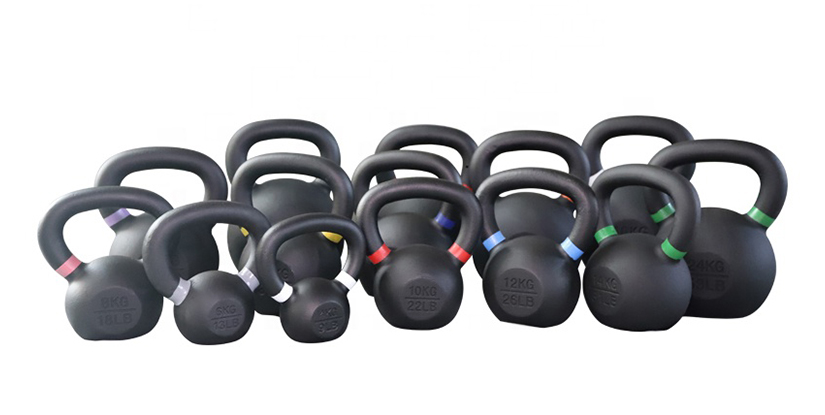
| Procurement Metric | Standard Commercial Grade | Premium Factory-Direct Spec |
|---|---|---|
| Maintenance Frequency | High (Frequent adjustments) | Low (Optimized cycles) |
| Component Lifespan | Moderate usage cycles | Extended heavy-duty usage |
| Long-term TCO | Higher (Increased OPEX) | Lower (Optimized ROI) |
| Sourcing Advantage | Standard wholesale gym equipment | Customized commercial fitness equipment manufacturer specs |
When managing fitness equipment sourcing, decision-makers should prioritize structural integrity and component grade. A direct factory approach allows for better control over the metallurgy of frames and the quality of bearings, both of which are critical in reducing the total landed cost of ownership over a five-to-ten-year lifecycle.
The technical distinction between consumer-grade and commercial-grade hardware is often invisible during a cursory inspection but becomes apparent during high-volume usage. For distributors and large-scale facility managers, the difference in component specifications directly impacts the frequency of service calls and the overall reliability of the product line. A high-tier commercial fitness equipment manufacturer will prioritize industrial-grade materials that withstand the mechanical stress of constant, heavy-duty cycles.
Understanding these technical nuances is vital for effective fitness equipment sourcing. While a consumer-grade bearing might suffice for a home setting, a commercial environment demands precision-engineered components that maintain tolerance under heat and repetitive friction. Choosing a China factory that specializes in high-spec production ensures that your inventory remains functional and profitable, rather than becoming a liability of constant repairs and part shortages.
Technical Specifications Comparison: Commercial vs. Consumer Grade
| Component Feature | Consumer/Entry-Level Grade | Commercial-Grade Specification | Procurement Impact |
|---|---|---|---|
| Frame Construction | Thin-wall tubing; lighter gauge steel | Heavy-duty, thick-wall steel; high-density welding | Increased structural stability and longevity |
| Bearing & Pivot Systems | Standard nylon or light steel bearings | High-precision, heavy-duty ball bearings | Reduced friction and longer replacement cycles |
| Upholstery & Padding | Standard foam; basic synthetic leather | High-density, moisture-resistant, medical-grade vinyl | Lower replacement frequency in high-humidity areas |
| Cable & Pulley Systems | Standard nylon-coated cables | Steel-core, high-tensile, reinforced cables | Higher safety standards and durability |
To optimize your procurement strategy, we recommend requesting detailed specification sheets or even a sample evaluation for critical components before committing to large-scale orders. For distributors looking to scale, we can provide customized OEM/ODM configurations to ensure your specific market demands for durability are met. If you are planning a large-scale deployment, please contact our team to confirm MOQ requirements and discuss how our factory-direct quality control processes can support your long-term ROI.
To optimize your procurement strategy, we recommend requesting detailed specification sheets or even a sample evaluation for critical components before committing to large-scale orders. For distributors looking to scale, we can provide customized OEM/ODM configurations to ensure your specific market demands for durability are met. If you are planning a large-scale deployment, please contact our team to confirm MOQ requirements and discuss how our factory-direct quality control processes can support your long-term ROI.
Direct Sourcing Advantages: Navigating China Factory Procurement
For international distributors and large-scale gym operators, selecting the right gym machine suppliers involves more than just comparing product specifications; it requires a strategic understanding of the supply chain. Sourcing directly from a China factory eliminates the unnecessary layers of the traditional trading model, allowing for more predictable procurement cycles and higher volume efficiency.
When procurement teams rely on intermediaries, they often encounter hidden costs that erode capital efficiency. By establishing a direct relationship with a commercial fitness equipment manufacturer, buyers can bypass the middleman markup that typically inflates the unit price. This direct-to-source approach is essential for optimizing the landed cost of heavy machinery, ensuring that shipping, duties, and base prices are as competitive as possible for high-volume imports.
Comparing Procurement Models: Factory-Direct vs. Trading Companies
Understanding the financial impact of your sourcing strategy is critical for maintaining healthy profit margins. The following comparison outlines how different sourcing methods affect your total investment and control over the product lifecycle.
| Procurement Dimension | Direct Source Factory | Trading Company / Agent |
|---|---|---|
| Unit Pricing | Lowest (Direct Manufacturer Pricing) | Higher (Includes Service Markup) |
| Customization Capability | High (Full OEM/ODM Support) | Limited (Depends on Factory Liaison) |
| Quality Control (QC) | Direct Oversight & Factory Audits | Indirect / Third-Party Dependent |
| Supply Chain Transparency | High (Direct Material Sourcing) | Low (Fragmented Information) |
| Order Complexity | Optimized for wholesale gym equipment | Suitable for Small/Mixed Batches |
For professional buyers, the ability to negotiate wholesale terms directly with the production line provides a significant advantage in scaling operations. Whether you are managing a single studio rollout or a multi-national distribution network, direct fitness equipment sourcing provides the transparency needed to manage long-term CAPEX and depreciation schedules effectively.
The decision to move from a trading-based model to direct manufacturing is often driven by the need for tighter control over the total cost of ownership (TCO). While trading companies offer convenience for small, diverse orders, they cannot match the scalability and cost-efficiency required for professional-grade facility deployments. For businesses focused on high-volume expansion, the primary goal is to secure a reliable gym machine suppliers relationship that prioritizes structural integrity and predictable lead times over mere transactional ease.
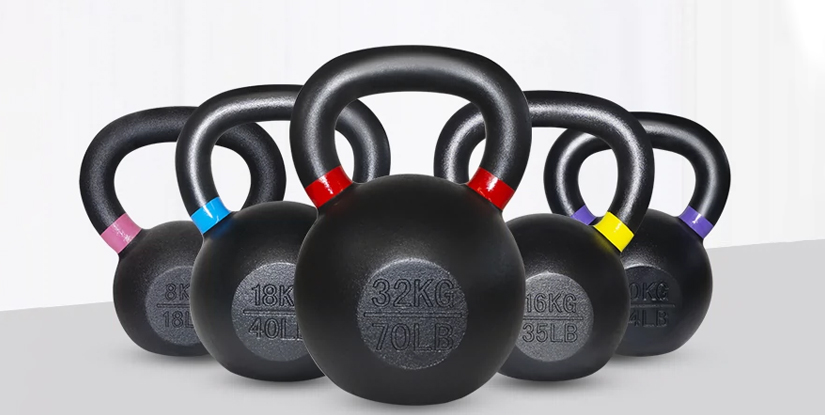
A direct-to-factory approach allows for granular control over the technical specifications of your order. This is particularly vital when managing the landed cost of heavy-duty strength equipment, where weight and volume significantly impact shipping and logistics expenses. By working with a source factory, you gain the ability to optimize container loading patterns and align production schedules with your specific market demand cycles.
Optimizing Logistics and Lead Time Predictability
Effective fitness equipment sourcing requires more than just finding a competitive price; it demands absolute clarity regarding the movement of goods. One of the most significant risks in international procurement is the lack of supply chain visibility. When working through multiple layers of agents, the actual production status of your order often becomes obscured, leading to unexpected delays that can stall facility openings or distribution launches.
By establishing a direct line of communication with the manufacturing facility, procurement leads can monitor the entire lifecycle from raw material allocation to final packaging. This level of direct communication ensures that the lead time provided is a realistic metric rather than a hopeful estimate. For high-volume importers, this transparency is the foundation of reliable inventory management and seasonal planning.
Furthermore, a direct relationship enables advanced shipping optimization. Instead of receiving generic palletized shipments, a source factory can work with your logistics provider to customize export packaging and container loading density. This precision minimizes the risk of transit damage and maximizes the volume-to-weight ratio of every TEU (Twenty-foot Equivalent Unit), directly reducing the per-unit landed cost and improving your overall logistics ROI.
Customization and Brand Identity via OEM/ODM Services
For distributors and large-scale fitness operators, generic equipment often leads to price wars and low margins. To achieve true market positioning, you must move beyond standard catalog items. Leveraging a professional commercial fitness equipment manufacturer for OEM and ODM services allows you to transition from a mere reseller to a specialized brand owner. This strategic shift is essential for long-term brand identity and customer loyalty.
Standard wholesale gym equipment can limit your ability to serve niche markets, such as boutique studios or high-end hotel gyms, that demand specific aesthetics or ergonomic features. By utilizing private label manufacturing, you can integrate your unique branding—from custom upholstery colors to logo-etched steel frames—ensuring your product line stands out in a crowded marketplace. This level of customization transforms a commodity purchase into a proprietary asset, significantly increasing your perceived value and competitive differentiation.
Strategic Value of Customization in Sourcing
When vetting potential gym machine suppliers, it is critical to understand the technical depth of their engineering department. A high-tier China factory does not just print your logo on a machine; they provide functional ODM solutions, such as adjusting weight stack resistance profiles or modifying frame dimensions to fit specific spatial constraints. This capability is vital for optimizing the landed cost versus the premium value of a specialized product line.
| Feature Dimension | Standard Wholesale (Stock) | OEM/ODM (Customized) |
|---|---|---|
| Brand Identity | Generic or minimal branding | Full private label integration |
| Product Differentiation | Low; high competition on price | High; unique technical specs |
| Market Reach | Mass market / Budget segments | Niche / Premium / Specialized segments |
| Design Control | Limited to color/logo only | Full structural and ergonomic control |
| Sourcing Complexity | Low; fast lead times | Moderate; requires technical sourcing |
To ensure your custom specifications meet international safety standards, we recommend a formal factory audit and a detailed review of the MOQ requirements for custom colorways or structural changes. Before finalizing a bulk order, request a technical drawing or a 3D prototype to confirm that your brand identity and functional requirements are perfectly aligned with the factory's production capabilities.
Successful fitness equipment sourcing for premium segments requires a balance between technical precision and brand exclusivity. While stock orders offer speed, customized solutions offer market dominance. To mitigate the risks associated with custom engineering, buyers should prioritize a factory-direct partner that provides comprehensive technical documentation and transparent communication throughout the development cycle. This ensures that your specific design control translates accurately from a digital blueprint to a physical, high-performance machine ready for commercial deployment.
Beyond aesthetic differentiation, high-level customization demands rigorous oversight of the entire production cycle. A professional China factory must demonstrate that they can translate complex technical drawings into high-tolerance physical products without compromising structural integrity. For distributors, the risk of a mismatched specification is not just a rejected shipment, but a significant increase in the total landed cost due to potential returns or field failures. Therefore, a reliable partner must offer transparent documentation at every stage, from initial CAD approval to the final assembly of custom components.
To mitigate procurement risks, your sourcing strategy should mandate a multi-layered QC protocol. This includes strict adherence to pre-shipment inspection standards, where every custom-branded component is tested for both functional performance and visual consistency. Furthermore, because customized equipment often involves non-standard dimensions or specialized weight stacks, custom packaging is non-negotiable. High-durability, export-grade crating ensures that your unique branding and precision-engineered parts arrive at your warehouse without transit damage, protecting your margins and maintaining the professional image of your proprietary brand.
Standardizing Quality Control and Export Logistics
For international distributors and large-scale gym operators, the highest risk in fitness equipment sourcing is not the initial purchase price, but the hidden costs of defective units and shipping damage. A single faulty batch can compromise your brand reputation and drastically increase your total cost of ownership (TCO) through unexpected maintenance or replacement cycles.
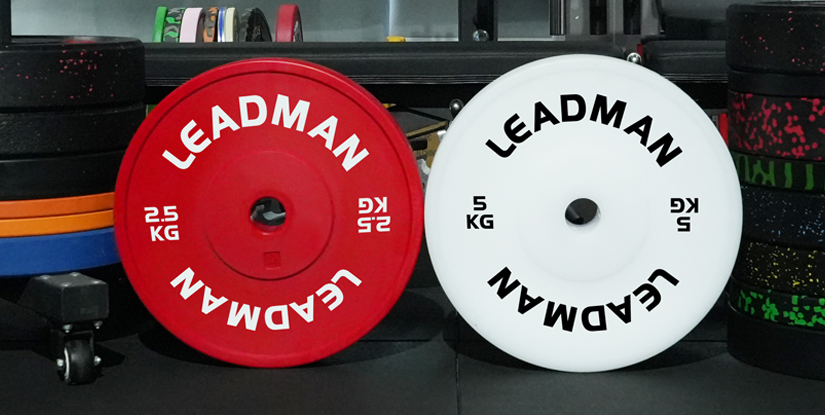
To mitigate these risks, professional gym machine suppliers must implement rigorous quality control (QC) protocols that extend far beyond the assembly line. Relying on a commercial fitness equipment manufacturer that offers standardized pre-shipment inspection ensures that every component—from the weld strength of a power rack to the smoothness of a cable pulley—meets international commercial-grade standards before leaving the China factory.
Effective damage prevention during long-haul maritime transit is equally critical for maintaining healthy distributor margins. This requires specialized export-grade packaging, such as reinforced heavy-duty cartons, corner protection, and optimized container loading plans to prevent shifting during sea freight. By prioritizing these logistics standards, importers can ensure that their bulk orders arrive in showroom condition, protecting their landed cost and ensuring a seamless deployment for their end-users.
Comparison: Factory-Direct Sourcing vs. Trading Company Standards
Understanding the structural differences between working directly with a commercial fitness equipment manufacturer and a general trading company is vital for optimizing your procurement strategy. While traders often provide perceived convenience, they frequently introduce layers of opacity regarding actual product durability and shipping integrity. For high-volume wholesale gym equipment orders, the lack of direct oversight can lead to significant discrepancies in landed cost and product reliability.
| Feature/Standard | Direct China Factory (Source Factory) | General Trading Company |
|---|---|---|
| Inspection Depth | On-site, real-time monitoring of raw materials, assembly, and functional testing. | Periodic or superficial inspections based on third-party reports. |
| Packaging Strength | Customized, export-grade reinforced packaging designed for heavy-duty maritime transit. | Standardized retail or generic packaging, often insufficient for bulk sea freight. |
| Documentation | Direct control over technical spec sheets, OEM/ODM certifications, and COA. | Third-party documentation that may lack specific engineering or material details. |
| Logistics Efficiency | Direct coordination of container loading optimization and port-to-port scheduling. | Relies on external freight forwarders with limited control over loading density. |
| Cost Transparency | Clear breakdown of material, labor, and shipping costs for better TCO management. | Added service margins that obscure the true value of the equipment. |
For distributors looking to scale, choosing a partner that prioritizes these technical-level controls is a strategic advantage. When you manage wholesale gym equipment through a direct factory, you gain the ability to request specific pre-shipment testing or custom branding, ensuring that the final shipment aligns perfectly with your local market's quality expectations.
Optimizing Container Loading and Lead Time Management
Beyond product quality, the logistical complexity of importing heavy-duty strength equipment requires advanced container loading optimization. For procurement leads, the goal is to maximize volumetric efficiency without compromising structural integrity. A sophisticated gym machine suppliers partner will provide detailed packing lists and 3D loading diagrams. This ensures that heavy frames and high-density components are positioned to prevent shifting, reducing the risk of transit damage and ensuring your landed cost reduction goals are met through optimized freight spend.
Furthermore, proactive lead time management is essential for maintaining your project timelines and distributor inventory levels. Unlike small-scale orders, bulk procurement involving wholesale gym equipment requires a deep understanding of production cycles, raw material availability, and seasonal shipping surges. We recommend that buyers confirm production schedules and shipping windows at least 60 to 90 days in advance. By aligning your order with the China factory production calendar, you can mitigate the impact of unforeseen logistics bottlenecks and ensure a predictable arrival for your commercial gym deployment.
Strategic Partnership: Moving from Bulk Orders to Long-Term Distribution
For professional importers, the transition from one-off procurement to a sustainable business model requires more than just finding gym machine suppliers; it requires identifying a partner capable of supporting long-term scalability. Relying on trading companies often limits your ability to control product specifications or maintain consistent margins as market demands shift.
By establishing a direct relationship with a commercial fitness equipment manufacturer, distributors can move beyond the volatility of the spot market. A direct factory advantage allows you to integrate your own brand identity through OEM/ODM services, ensuring that your product lineup remains unique in your local territory. This strategic shift optimizes your distributor margin by eliminating middleman markups and providing direct access to engineering insights for future product development.
Sourcing wholesale gym equipment directly from a China factory also provides better control over the total landed cost and supply chain predictability. Instead of merely reacting to stock availability, professional distributors can participate in proactive fitness equipment sourcing, aligning production cycles with seasonal demand and regional market trends to ensure consistent inventory turnover.
Optimizing Profitability: Sourcing Model Comparison
Understanding the structural differences between various procurement channels is essential for calculating your true ROI. While trading companies offer convenience, they often introduce variables that can erode your competitive edge. A direct-to-factory approach provides the transparency required for high-volume distribution and professional-grade quality assurance.
| Procurement Metric | Trading Company Model | Direct Source Factory Model |
|---|---|---|
| Landed Cost | Higher (includes middleman markup) | Optimized (direct pricing/FOB) |
| QC & Inspection | Indirect (relies on third-party) | Direct (on-site factory QC) |
| Customization (OEM/ODM) | Limited (standardized catalogs) | High (full technical control) |
| Lead Time Stability | Variable (subject to trader schedules) | Consistent (direct production control) |
| Distributor Margins | Compressed by intermediary costs | Maximized via direct sourcing |
| MOQ Flexibility | Strict (based on trader stock) | Negotiable (based on production runs) |
For distributors looking to scale, the ability to control the pre-shipment process and implement custom branding is a critical differentiator. Transitioning to a factory-direct model allows you to mitigate the risks of inconsistent quality and unpredictable lead times, ensuring your inventory remains a reliable asset for your clients.