Gym Machine Factory: OEM Contract Manufacturing Solutions
Optimizing Commercial Footprint with Strategic Sourcing
For boutique studio operators and multi-chain fitness franchises, every square meter of floor space represents potential revenue. Unlike retail-grade equipment, professional-grade machines must balance a compact footprint with high functional density. When sourcing directly from a gym machine factory, procurement leads can specify equipment dimensions that align precisely with their facility's architectural constraints, ensuring that high-traffic zones remain unobstructed while maximizing the number of usable stations.
The challenge for many distributors is that off-the-shelf solutions often lead to "dead space" or premature wear due to inadequate build quality. By partnering with a professional commercial gym equipment manufacturer, buyers can implement a layout strategy focused on space-efficiency. This approach ensures that even high-resistance selectorized machines or heavy-duty plate-loaded stations are integrated into the floor plan without compromising user flow or safety clearances.
Beyond immediate layout concerns, the long-term viability of a facility depends on the durability of the assets purchased. Sourcing high-spec components through wholesale gym machines orders significantly lowers the Total Cost of Ownership (TCO). Instead of frequent replacements or costly mid-cycle upgrades, a strategic China sourcing advantage allows distributors to access heavy-duty steel gauges and industrial-grade bearings that reduce maintenance costs and extend the operational lifespan of the entire facility.
Direct Sourcing vs. Traditional Trading Models
Selecting the right supply chain model is a critical decision for procurement officers. Choosing between a direct fitness equipment OEM relationship and a traditional trading company impacts not only your initial capital expenditure but also your long-term ability to scale. A direct factory-to-buyer model typically offers superior control over customization and landed cost, whereas trading companies may offer more variety at the expense of margin and transparency.
The following comparison outlines the structural differences between sourcing directly from a gym machine factory and working through third-party intermediaries:
| Procurement Metric | Direct Factory/OEM Model | Traditional Trading Model |
|---|---|---|
| Landed Cost | Optimized; minimal middleman markup | Higher; includes multiple service margins |
| Customization | High; direct OEM/ODM capability | Limited; restricted to stock availability |
| MOQ Requirements | Structured tiers based on production | Variable; often higher for small batches |
| Lead Time | Direct control over production schedule | Subject to trader's procurement cycles |
| Quality Control | Direct pre-shipment inspections | Dependent on trader's third-party QC |
For distributors looking to build a proprietary brand, the factory-direct approach is essential. By bypassing the uncertainty of the trading market, you can establish rigorous quality standards and ensure that your wholesale orders meet specific regional certifications and durability requirements. We recommend requesting a detailed specification sheet and confirming the MOQ for custom branding or specialized colorways before finalizing your procurement plan.
The complexity of large-scale facility rollouts requires a supply chain that prioritizes both reliability and logistical precision. When managing multi-unit gym installations or international distribution, the risk of receiving damaged or non-compliant equipment can devastate your project timeline and profitability. A professional gym machine factory mitigates these risks by implementing standardized industrial processes that ensure consistency across every single unit in a bulk order.
To ensure a seamless transition from production to installation, we focus on two critical pillars of international procurement: rigorous quality assurance and specialized export logistics. Whether you are sourcing a single product line or a full-facility package, understanding these supply-side advantages is vital for maintaining your margins and reputation.
Standardizing Quality and Logistics for Global Distribution
High-volume procurement demands more than just a product; it requires a predictable system. A reliable fitness equipment OEM partner provides the technical documentation and quality benchmarks necessary to satisfy commercial-grade expectations. This includes strict adherence to tolerance levels, paint finish durability, and mechanical precision. Without these standardized QC standards, the risk of high maintenance costs or premature mechanical failure increases significantly, directly impacting the long-term ROI of the end-user facility.
Furthermore, efficient international shipping is a cornerstone of successful sourcing. To protect your capital investment during transit, we utilize high-strength export packaging designed specifically for sea freight. This includes reinforced corrugated boxes, heavy-duty corner protectors, and optimized palletization to ensure that every component—from heavy steel frames to delicate electronic consoles—arrives at your warehouse in factory-perfect condition. By optimizing container loading density, we help distributors reduce their per-unit landed cost and maximize shipping efficiency.
Before finalizing your next procurement cycle, we suggest contacting our team to request a detailed product specification sheet, discuss MOQ tiers for customized branding, or schedule a virtual factory audit to verify our production capabilities firsthand.
Maximizing Facility Throughput via Equipment Selection
For facility operators and distributors, every square meter of floor space represents potential revenue. Selecting a specialized gym machine factory as your primary source ensures that your procurement strategy prioritizes both spatial density and long-term operational efficiency. When sourcing in bulk, the goal is to move beyond simple aesthetics and focus on how equipment footprint and mechanical reliability impact your bottom line.
Inefficient layouts or low-grade machinery often lead to high turnover in both floor space and maintenance budgets. By partnering with a professional commercial gym equipment manufacturer, you can implement solutions that balance high-density training with heavy-duty durability. This strategic approach minimizes the disruption caused by frequent repairs and optimizes the movement of members throughout the facility.
Optimizing Layout and Total Cost of Ownership
The true cost of equipment extends far beyond the initial FOB price. A professional fitness equipment OEM partner helps you calculate the TCO (Total Cost of Ownership) by providing machines designed for high-traffic environments. This involves selecting equipment with high space-efficiency to maximize member capacity per square foot, while simultaneously prioritizing maintenance reduction through superior component quality.
| Procurement Metric | Standard Wholesale Option | Premium OEM/ODM Solution |
|---|---|---|
| Space Utilization | Fixed footprint/Standard layout | Customized/Compact dimensions |
| Maintenance Frequency | Higher (Standard parts) | Lower (Industrial-grade components) |
| Long-term ROI | Moderate (Lower initial Capex) | High (Extended lifecycle/Lower Opex) |
| Customization Level | Limited (Stock models only) | High (Tailored to facility needs) |
When planning your next wholesale gym machines order, consider how specialized dimensions and modular designs can increase your facility's throughput. A well-planned procurement cycle—incorporating factory-direct specifications—allows you to build a layout that accommodates more users without increasing your physical footprint or your long-term labor costs.
The distinction between a generic purchase and a strategic procurement plan is most visible in the long-term landed cost and operational efficiency. While standard stock orders may offer lower immediate capital expenditure, they often fail to address the specific spatial constraints or high-traffic demands of a professional facility. This lack of flexibility can result in a lower ROI as the facility reaches capacity sooner than anticipated or faces rising maintenance expenses.
By leveraging a fitness equipment OEM model, distributors and large-scale operators can control variables such as machine dimensions, upholstery thickness, and mechanical resistance profiles. This level of customization ensures that the equipment integrates seamlessly into the facility's unique architectural layout, maximizing the number of active users without sacrificing safety or comfort. Choosing a customized approach allows you to optimize for higher throughput, effectively increasing the revenue-generating potential of every square meter of your facility.
To ensure your procurement strategy aligns with your growth targets, we recommend reviewing technical specification sheets for all custom builds. We invite professional buyers to contact our team to confirm MOQ requirements, discuss specific customization capabilities, or request a formal quote for bulk orders to begin your facility optimization process.
The distinction between a generic purchase and a strategic procurement plan is most visible in the long-term landed cost and operational efficiency. While standard stock orders may offer lower immediate capital expenditure, they often fail to address the specific spatial constraints or high-traffic demands of a professional facility. This lack of flexibility can result in a lower ROI as the facility reaches capacity sooner than anticipated or faces rising maintenance expenses.
By leveraging a fitness equipment OEM model, distributors and large-scale operators can control variables such as machine dimensions, upholstery thickness, and mechanical resistance profiles. This level of customization ensures that the equipment integrates seamlessly into the facility's unique architectural layout, maximizing the number of active users without sacrificing safety or comfort. Choosing a customized approach allows you to optimize for higher throughput, effectively increasing the revenue-generating potential of every square meter of your facility.
To ensure your procurement strategy aligns with your growth targets, we recommend reviewing technical specification sheets for all custom builds. We invite professional buyers to contact our team to confirm MOQ requirements, discuss specific customization capabilities, or request a formal quote for bulk orders to begin your facility optimization process.
Customization Capabilities: From Private Label to OEM/ODM Solutions
Distinguishing between standard procurement and strategic manufacturing is vital for distributors looking to scale. While many importers start by sourcing off-the-shelf products, high-growth brands eventually require a gym machine factory that can accommodate specific technical or aesthetic requirements to protect their market margins.
Private Label vs. Full-Scale Manufacturing
For many distributors, private label services offer the fastest route to brand recognition. This typically involves applying your logo and specific color schemes to existing, proven equipment designs. This method minimizes R&D costs and reduces the impact of MOQ requirements, making it an efficient way to build a professional brand identity without the complexity of structural engineering.
However, if your business model relies on unique market positioning or proprietary movement patterns, seeking a commercial gym equipment manufacturer with advanced ODM capabilities is more effective. Unlike standard labeling, OEM solutions allow you to modify frame dimensions, upholstery density, or weight stack configurations. This level of customization ensures your product line meets specific regional ergonomic standards or unique facility layouts, providing a distinct competitive advantage over competitors selling generic stock.
| Sourcing Model | Customization Depth | Typical MOQ | Best For |
|---|---|---|---|
| Standard Wholesale | Minimal (Logo only) | Low | Small studios and local gyms |
| Private Label | Moderate (Colors/Graphics) | Medium | Expanding distributors |
| OEM/ODM | High (Full Engineering) | High | Global fitness brands and large-scale importers |
Choosing the right fitness equipment OEM path depends on your long-term sourcing strategy. While private labeling offers speed, full OEM/ODM integration allows you to control the technical specifications that drive long-term durability and user experience in high-traffic commercial environments.
Strategic Selection: Wholesale vs. Custom Manufacturing
Deciding between purchasing stock units or investing in a custom production run is a critical decision for procurement managers. The choice directly impacts your landed cost, inventory turnover, and the ability to differentiate your brand in a crowded market. A professional gym machine factory provides two primary pathways: standard wholesale procurement and specialized contract manufacturing.
Standard wholesale is often the most efficient route for rapid facility setups or smaller distribution orders. However, as your volume increases, the ability to leverage wholesale gym machines with slight modifications can significantly improve your ROI by optimizing equipment for specific floor plans or regional ergonomic preferences.
| Procurement Model | Customization Level | Lead Time | Cost Impact | Branding Control |
|---|---|---|---|---|
| Standard Wholesale | Low (Standard Specs) | Short (Stock Availability) | Lower Per-Unit Cost | Minimal (Logo Only) |
| Private Label | Moderate (Color/Upholstery) | Medium (Production Cycle) | Moderate Increase | High (Brand Identity) |
| Full OEM/ODM | High (Technical/Structural) | Long (R&D + Production) | Higher Initial Investment | Total (Proprietary Design) |
When evaluating these options, consider your long-term sourcing objectives. While standard orders offer speed, a dedicated fitness equipment OEM partnership allows you to control technical variables like frame thickness and bearing quality, ensuring your equipment meets the rigorous durability standards required for high-traffic commercial environments.
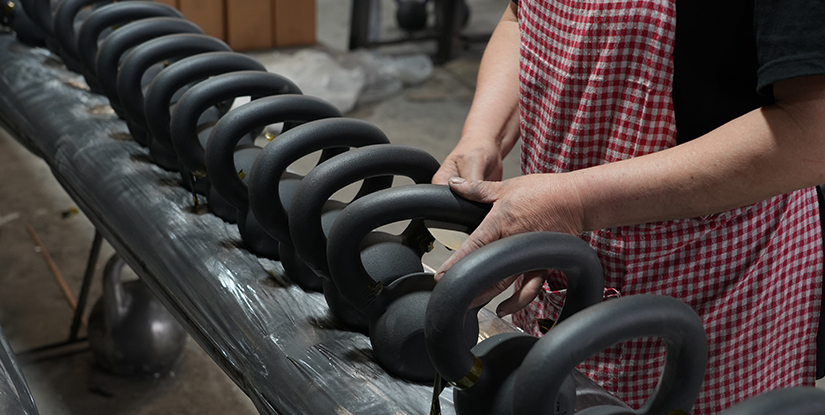
For high-volume importers and professional distributors, the technical specifications of a product are just as important as the initial purchase price. A sophisticated gym machine factory does not merely assemble parts; it manages the complex relationship between material integrity and long-term operational efficiency. When sourcing at scale, the difference between a low-cost unit and a high-performance machine often lies in the unobservable details of the manufacturing process.
Engineering for Durability and Long-Term ROI
The total cost of ownership (TCO) in a commercial setting is heavily influenced by how often a machine requires repair or replacement. To minimize maintenance loads, procurement specialists must look beyond basic aesthetics to the core material specification. This includes the gauge of the steel tubing, the quality of the powder coating for corrosion resistance, and the grade of the bearings used in moving parts. In high-traffic environments, even a minor deviation in material thickness can lead to premature mechanical failure, significantly reducing the overall ROI for the end-user and increasing the service burden for the distributor.
Beyond structural strength, ergonomics and high-grade upholstery are essential for maintaining a premium facility standard. A professional commercial gym equipment manufacturer understands that user comfort directly impacts client retention in a gym setting. Customizing the density of foam padding or the texture of the contact surfaces allows a brand to differentiate its product line, ensuring that the equipment remains functional and visually appealing even after years of continuous, heavy-duty use.
The Critical Role of Quality Control in Bulk Sourcing
The greatest risk in large-scale international sourcing is the inconsistency of quality across multiple shipments. A reliable factory mitigates this risk through rigorous, multi-stage quality control protocols. For distributors, a standardized QC process is the only way to ensure that the hundredth unit shipped matches the precision of the first prototype approved during the sampling phase. This consistency is vital for maintaining brand reputation and minimizing the costs associated with returns, replacements, or warranty claims.
Effective pre-shipment inspections should focus on several key dimensions to protect the buyer's interests:
- Structural Integrity: Verifying weld strength and frame alignment under load.
- Mechanical Smoothness: Testing weight stacks, pulleys, and bearing resistance for seamless movement.
- Aesthetic Consistency: Checking paint finish, upholstery stitching, and branding alignment.
- Packaging Durability: Ensuring export-grade packaging is sufficient to prevent damage during long-distance sea freight.
By prioritizing a partner that integrates these commercial-grade standards into their daily production, buyers can transition from reactive purchasing to proactive brand building. Whether you are looking to refine a specific mechanical component or scale a complete product line, ensuring these technical benchmarks are met is the most effective way to secure long-term profitability in the global fitness market.
Navigating MOQ and Production Lead Times for Global Distribution
For international distributors and large-scale facility developers, understanding the relationship between order volume and manufacturing efficiency is vital for maintaining healthy margins. When sourcing from a professional gym machine factory, the Minimum Order Quantity (MOQ) is not merely a restriction but a strategic lever used to optimize production cycles and reduce the landed cost per unit.
High-volume procurement allows a commercial gym equipment manufacturer to streamline raw material sourcing and assembly line setups. By increasing order quantities, buyers can leverage economies of scale, which significantly lowers the manufacturing overhead per machine. This efficiency is particularly critical when importing wholesale gym machines, as higher volumes often result in more competitive bulk pricing and optimized container loading configurations, ultimately improving your overall ROI and market competitiveness.
Sourcing Models: Stock vs. Custom OEM Comparison
Selecting the right procurement route requires a balance between immediate availability and long-term brand equity. While purchasing existing stock offers rapid deployment, engaging in fitness equipment OEM services allows for deep customization that differentiates your brand in a saturated market. Importers must weigh the lower MOQ of stock orders against the superior landed cost efficiency and brand exclusivity provided by direct manufacturing contracts.
| Procurement Dimension | Standard Stock Sourcing | Custom OEM/ODM Manufacturing |
|---|---|---|
| Lead Time | Short (Ready to ship) | Extended (Production + Transit) |
| Custom Branding | Limited to standard colors | Full private label & logo integration |
| Unit Cost (Landed Cost) | Higher per unit due to lower volume | Optimized through factory-direct scale |
| Product Specifications | Fixed manufacturer standards | Highly customizable to facility needs |
| Shipping Logistics | Often LCL or small container loads | Optimized FCL (Full Container Load) |
For distributors managing complex procurement planning, the choice depends on your inventory turnover strategy. A factory-direct OEM approach requires more advanced forecasting but offers the ability to control every technical specification, ensuring the equipment aligns perfectly with your target market's durability requirements and aesthetic standards.
Rigorous Quality Control and Export Readiness
Even with optimized production schedules, the risk of receiving damaged or substandard equipment remains a significant threat to a distributor's profit margins. A single faulty component in a bulk shipment can lead to high return costs, damaged reputation, and increased maintenance loads for your clients. To mitigate these risks, a reliable gym machine factory must implement a multi-stage quality control (QC) protocol that extends far beyond the assembly line.
Effective pre-shipment inspection is the final safeguard in the global distribution chain. This process typically involves rigorous load testing, structural integrity checks, and aesthetic verification to ensure every unit meets commercial-grade standards. Furthermore, specialized export packaging is essential to protect heavy steel frames and sensitive electronic components from the vibrations and moisture encountered during long-haul sea freight. By prioritizing high-standard supply chain reliability, manufacturers ensure that the landed cost of your shipment remains predictable and that your facility deployment remains on schedule.
To ensure your procurement meets specific technical or branding requirements, we recommend proactive coordination during the production window. Contact our sourcing team to request a detailed spec sheet, confirm current MOQ tiers, or arrange a factory audit to verify our production capabilities firsthand.
Quality Control Protocols and Export-Grade Packaging Standards
For professional importers and distributors, the true cost of equipment is not the purchase price, but the total cost of ownership. A gym machine factory that overlooks rigorous quality control (QC) protocols creates hidden liabilities for your business. Without strict oversight, substandard components lead to premature wear, increasing maintenance frequency and reducing the operational lifespan of the assets. For a commercial gym equipment manufacturer, the goal is to ensure that every unit arriving at your warehouse meets the high durability standards required for high-traffic environments.
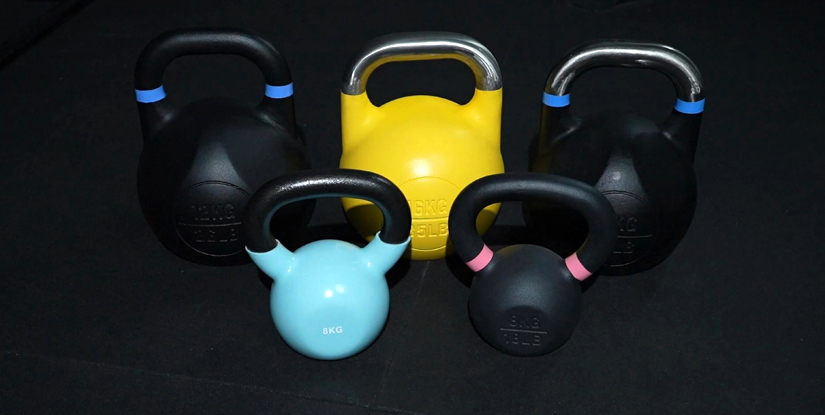
Reliability in the fitness industry depends on a seamless transition from production to final delivery. We implement a multi-stage pre-shipment inspection process to verify structural integrity, weld strength, and mechanical precision before any container is sealed. This proactive approach minimizes the risk of defective units reaching your facility, thereby protecting your landed cost and ensuring a predictable ROI for your end-users. Furthermore, utilizing export-grade packaging and optimized container loading strategies allows wholesale gym machines to arrive in pristine condition, reducing transit-related damage and streamlining your local distribution logistics.
Standardizing Export Packaging for Global Logistics
Long-distance ocean freight presents significant risks, including high humidity, salt spray, and mechanical vibrations. For a professional fitness equipment OEM partner, standard domestic packaging is insufficient. To protect your distributor margin, we utilize specialized export packaging protocols designed to withstand the rigors of sea freight and multi-stage handling. This includes heavy-duty corrugated boxes, reinforced corner protectors, and moisture-absorbent silica gel packets to prevent oxidation during transit.
Effective container loading is a critical component of supply chain efficiency. By optimizing the volumetric footprint of each unit, we maximize space utilization within a 40HQ container, effectively lowering your shipping cost per unit. Our team manages the precise layering of products to prevent shifting, ensuring that heavy steel frames do not crush lighter components. This systematic approach to damage prevention ensures that your bulk orders arrive ready for immediate assembly, minimizing downtime and unboxing friction at your warehouse.
| Packaging Feature | Standard Domestic Packaging | Professional Export-Grade Solution |
|---|---|---|
| Protective Layering | Single-wall cardboard and basic wrap | Multi-layer corrugated boxes with EPE foam padding |
| Moisture Control | Minimal or no protection | Industrial desiccant packs and vacuum-sealed films |
| Structural Reinforcement | Standard tape sealing | Reinforced corner protectors and heavy-duty strapping |
| Logistics Impact | Higher risk of transit damage | Optimized for high-density container loading |
| Business Value | Potential for high replacement costs | Protects landed cost and distributor reputation |
Before finalizing your shipment, we recommend requesting a detailed packaging specification or a sample inspection report. Our technical team can provide specific documentation regarding the protective layering used for your unique SKU mix, ensuring full transparency before the pre-shipment phase is completed.
Effective logistics management is not just about moving goods; it is about maximizing the efficiency of every cubic meter in a shipping container. For high-volume importers, a China factory that understands the relationship between product dimensions and container optimization provides a significant competitive advantage. When sourcing wholesale gym machines, the goal is to achieve the highest possible volume-to-weight ratio to reduce the landed cost per unit. This requires precision engineering of both the equipment and its nested packaging structures.
Poorly managed shipping efficiency can erode even the most attractive wholesale margins. If a gym machine factory fails to account for the volumetric footprint of bulky steel frames, you end up paying for "shipping air," which drives up your per-unit freight expense. By utilizing advanced nesting techniques and modular designs, we ensure that bulk orders are packed with maximum density. This systematic approach to logistics ensures that your 40HQ container is utilized to its full potential, providing a predictable and optimized delivery schedule for your distribution network.
Evaluating Total Landed Cost and Logistics Efficiency
For professional importers and distributors sourcing from a gym machine factory, the initial quotation is only the starting point of the procurement cycle. To protect your margins, you must calculate the Total Landed Cost (TLC)—the comprehensive sum of the product price plus all associated expenses required to move the goods from the factory floor to your warehouse door.
A common pitfall in high-volume sourcing is focusing solely on the unit price vs. logistics ratio. While a lower per-unit cost from a commercial gym equipment manufacturer may seem attractive, it can quickly be offset by unoptimized shipping volumes, high import duties, or unexpected shipping costs. For instance, choosing a fitness equipment OEM that lacks expertise in container load optimization can lead to "shipping air," effectively increasing your cost per unit through wasted volume.
A sophisticated wholesale procurement strategy accounts for these hidden fees, such as port handling, customs clearance, and local inland freight. By partnering with a factory-direct supplier that prioritizes efficient export packaging and high-density loading, you ensure that your sourcing budget is directed toward equipment quality rather than logistical inefficiencies.
Cost Structure Comparison: Factory-Direct vs. Local Distributor
To maximize your ROI, procurement managers must distinguish between the base purchase price and the actual cost of ownership. When sourcing wholesale gym machines, the choice between a direct manufacturer and a domestic middleman significantly alters your capital expenditure and long-term maintenance load. The following table illustrates the typical cost components and value drivers encountered during the sourcing process.
| Cost Component | Factory-Direct (China Sourcing) | Local Distributor (Domestic Middleman) |
|---|---|---|
| Unit Price (Base) | Lowest (Direct from factory) | Higher (Includes markup/margin) |
| Customization (OEM/ODM) | High flexibility & low cost | Limited to existing stock options |
| Freight & Logistics | Controlled via export optimization | Often bundled with higher service fees |
| Customs & Duties | Managed by importer/agent | Included in high retail/wholesale price |
| Warehousing/Inventory | Bulk shipment to your facility | Small batches, higher per-unit cost |
| Maintenance & Parts | Direct access to OEM components | Dependent on distributor availability |
| Long-term ROI | High (Optimized TCO and margins) | Moderate (Higher initial CAPEX) |
Understanding these variables allows you to build a more resilient supply chain. While a local distributor may offer faster delivery for small batches, a gym machine factory provides the scalability and customization necessary for large-scale facility rollouts or brand expansion. We recommend calculating your landed cost based on full container loads (FCL) to truly leverage the benefits of direct manufacturing.
Understanding these variables allows you to build a more resilient supply chain. While a local distributor may offer faster delivery for small batches, a gym machine factory provides the scalability and customization necessary for large-scale facility rollouts or brand expansion. We recommend calculating your landed cost based on full container loads (FCL) to truly leverage the benefits of direct manufacturing.