Gym Weight Manufacturers: Sourcing for Facility Layout & ROI
Establishing Rigorous Standards for Gym Weight Manufacturers
When managing high-volume wholesale orders, professional importers must prioritize material integrity to mitigate long-term replacement costs. Evaluating gym weight manufacturers requires a strict focus on three critical checkpoints: verifying material density to prevent cracking, confirming structural tolerances for consistent weight increments, and ensuring the factory-direct quality meets international safety certifications. Neglecting these technical specifications during the sourcing process can lead to premature equipment degradation and diminished facility ROI.
To ensure long-term durability, procurement specialists should demand detailed material specifications regarding the core and outer casing. High-tier gym weight manufacturers typically utilize premium high-density rubber or high-grade cast iron to withstand heavy impact in commercial environments. It is essential to confirm that the China factory adheres to strict QC standards, including regular pre-shipment inspections, to ensure that every bulk shipment maintains uniform density and structural resilience under heavy usage.
Technical Durability & Material Selection Matrix
Distributors must evaluate the trade-offs between manufacturing complexity and long-term wear resistance when selecting wholesale gym weights. High-impact environments require specific material properties to ensure longevity and reduce the frequency of replacement cycles. When negotiating OEM/ODM specifications, request data on impact resistance and surface hardness to ensure the product survives heavy commercial use without significant degradation.
| Material Type | Durability Profile | Maintenance & Sourcing Logic |
|---|---|---|
| Cast Iron | High impact resistance; prone to oxidation | Low complexity; ideal for basic wholesale volume |
| Rubber Coated | Superior wear resistance; protects flooring | Requires high-quality China factory molding to prevent peeling |
| Urethane | Maximum durability; extreme chemical resistance | High MOQ and complex production; premium tier |
| Vinyl/Neoprene | Moderate durability; aesthetic focus | Lower cost; suitable for light commercial or boutique sourcing |
Before finalizing your order, we recommend that buyers request a full technical spec sheet and confirm the factory's ability to meet specific density tolerances. Always book a pre-shipment inspection to verify that the material's impact resistance matches the agreed-upon sample approval.
Mitigating Risk via Quality Control and Inspection
A single batch of defective products can drastically increase your landed cost through replacement logistics and shipping penalties. During large-scale fitness equipment sourcing, relying solely on factory photos is insufficient. To protect your margins, you must implement rigorous QC protocols that cover everything from raw material purity to final weight accuracy. A professional pre-shipment inspection is a non-negotiable step in the procurement cycle; it allows your team to verify that the manufacturing defects—such as uneven coating or weight deviations—are identified before the container leaves the port.
Furthermore, efficient lead time management depends on a transparent production schedule. When placing a bulk order, ensure your gym weight manufacturers provide a clear timeline that includes buffer periods for testing and inspection. By validating the production quality at the source, you minimize the risk of receiving non-compliant goods, thereby ensuring your facility layout remains optimized and your landed cost optimization goals are met without unexpected overhead.
Optimizing Floor Load and Weight Density for Space ROI
When managing high-volume imports, distributors must calculate the impact of equipment density on facility longevity. Professional gym weight manufacturers provide various material options that directly affect the structural integrity of your client's installation. Selecting the wrong density can lead to subfloor compression or cracking, increasing long-term maintenance costs for the end-user.
High-quality sourcing involves evaluating the volumetric efficiency of each unit. For example, choosing between high-density cast iron vs rubber coated plates determines how much vertical pressure is applied per square meter. A premium China factory will provide precise specifications regarding the weight-to-volume ratio, allowing importers to better advise on floor load limits and prevent structural damage in commercial settings.
| Material Type | Weight Density | Floor Impact | Procurement Advantage |
|---|---|---|---|
| Cast Iron | Very High | Concentrated Load | Low volume/cost |
| Rubber Coated | Moderate | Distributed Load | Reduced vibration |
| Urethane | High | Stable Load | Premium durability |
For large-scale distributors, the relationship between the volume/density ratio and shipping optimization is a critical factor in calculating the final landed cost. When ordering wholesale gym weights, the physical dimensions of the product significantly influence container utilization and freight expenses. A higher density material allows for more weight per cubic meter, effectively lowering the per-unit shipping cost during bulk international transit.
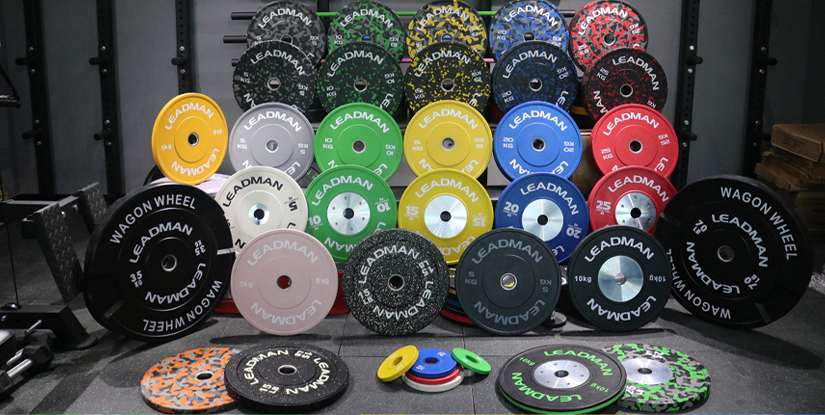
The following comparison helps procurement officers evaluate the trade-offs between spatial footprint and logistics expenditure when selecting different product lines from a gym weight manufacturers catalog:
| Weight Type | Space Efficiency | Landed Cost Impact | Best Use Case |
|---|---|---|---|
| Solid Cast Iron | Excellent | Lowest (High density/Low volume) | High-volume bulk orders |
| Rubber Coated | Good | Moderate (Increased volume) | Standard commercial gyms |
| Bumper Plates | Moderate | Higher (Large diameter/Bulkier) | Crossfit & Functional zones |
Before finalizing your purchase order, please request a detailed spec sheet from your supplier to confirm exact dimensions and container loading capacities. We recommend confirming the MOQ and requesting a pre-shipment inspection to ensure density consistency across all batches.
To maximize container utilization, procurement specialists should prioritize volume optimization strategies during the sourcing phase. Working with a specialized China factory allows for customized packaging configurations that can minimize empty space in 20ft or 40ft containers. When negotiating OEM/ODM specifications, request precise volumetric data to calculate your exact shipping density. This precision ensures that your wholesale orders achieve the highest possible weight-to-volume ratio, effectively reducing the per-unit landed cost and optimizing your total logistics budget.
Verifying Production Quality and Pre-Shipment Inspections
When managing high-volume imports, professional distributors must prioritize rigorous QC protocols to ensure long-term equipment reliability. For bulk orders from a China factory, standard oversight is insufficient; you must verify density consistency across all weight increments to prevent uneven floor wear and layout imbalances.
Ensuring Durability Through Strict Standards
Reliable gym weight manufacturers implement multi-stage testing to guarantee durability under heavy commercial use. Discrepancies in material density can compromise your facility's ROI by causing premature equipment degradation. To mitigate these risks, we recommend a mandatory pre-shipment inspection. This process ensures that every unit meets your exact specifications before leaving the factory-direct facility. By auditing the gym weight manufacturers' internal testing data, importers can confirm that casting precision and coating thickness remain uniform throughout the entire wholesale shipment, protecting your landed cost and brand reputation.
Technical Inspection Checklist for Importers
Before finalizing your wire transfer, utilize a technical inspection checklist to validate the structural integrity of your order. High-quality wholesale gym weights must undergo physical stress tests to confirm that the material thickness of the steel core meets the specified gauge. Furthermore, inspect the coating quality—specifically the bond strength of rubber or urethane—to ensure it does not peel under temperature fluctuations during transit. Verifying these metrics at the source prevents costly returns and protects your landed cost. We suggest requesting a detailed spec sheet to confirm that OEM/ODM customizations, such as custom logo embossing or color-coded weight markings, are consistent across the entire production batch. Always confirm the final lead time and shipping dimensions with your gym weight manufacturers to ensure seamless container loading and warehouse integration.
Tiered Inspection Methodologies for Bulk Procurement
To optimize your sourcing strategy, you must decide between basic oversight and comprehensive technical audits. While standard gym weight manufacturers provide basic visual checks, high-tier distributors often require advanced material validation to ensure long-term facility safety and structural integrity.
| Inspection Type | Focus Area | Factory Capability Requirement | B2B Sourcing Value |
|---|---|---|---|
| Visual Inspection | Surface finish & coating | Standard China factory setup | Basic aesthetic compliance |
| Material Analysis | Steel core density & gauge | Advanced OEM production line | Prevents structural failure |
| Load & Stress Testing | Impact resistance & durability | Specialized wholesale testing lab | Protects long-term ROI |
Before finalizing your bulk order, we recommend requesting a factory audit or a third-party pre-shipment report. Confirming these technical benchmarks ensures your gym weight manufacturers deliver a consistent product that meets international commercial standards.
Customization via OEM and Private Labeling Capabilities
For distributors managing large-scale facility rollouts, standard stock options often fall short of high-end branding requirements. Engaging experienced gym weight manufacturers for OEM or ODM services allows importers to control every variable, from aesthetic identity to long-term operational efficiency. By selecting specific material specifications, such as high-density urethane or specialized rubber coatings, you ensure the equipment meets the durability for high-traffic facilities and reduces long-term replacement costs.
Strategic Brand Identity and Consistency
Utilizing private label solutions goes beyond simple logo placement; it is a strategic tool for brand consistency across global franchises. When you work with a professional China factory, you can standardize the texture, color, and weight tolerance of your entire inventory. This level of customization ensures that your facility's visual identity remains intact while optimizing the landed cost through optimized wholesale volume and specialized sourcing protocols.
Comparison of Sourcing Models: Standard Wholesale vs. Custom Manufacturing
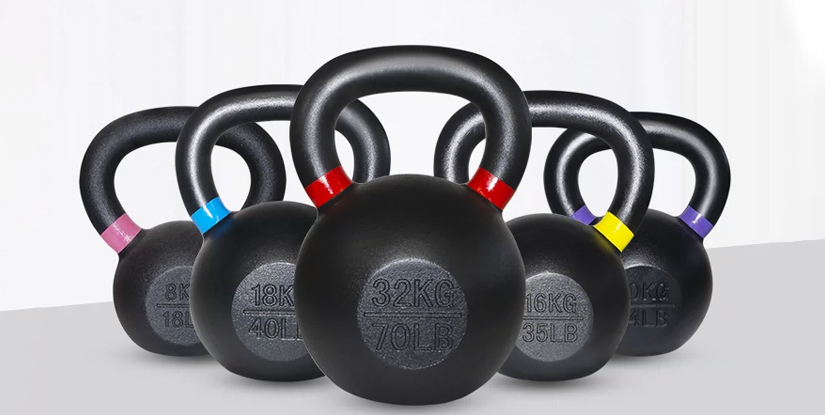
Selecting the right procurement model depends on your inventory scale and branding objectives. While standard wholesale gym weights offer the fastest way to replenish stock, specialized OEM/ODM services provide the control necessary for premium facility branding and unique material requirements.
| Feature | Standard Wholesale (Stock) | Custom OEM/ODM (Private Label) |
|---|---|---|
| Branding | Standard factory logo | Full custom branding/color |
| Material Choice | Pre-set specifications | Highly customizable (Density/Coating) |
| MOQ | Lower, volume-based | Higher, project-specific |
| Lead Time | Short (Ready to ship) | Extended (Production + QC cycles) |
| Landed Cost | Predictable and lower | Variable based on complexity |
Before finalizing your order, we recommend you request a spec sheet to verify weight tolerances and confirm MOQ thresholds for your specific design. For high-volume projects, it is also prudent to book a factory audit to ensure production aligns with your quality standards.
Technical QC Protocols and Maintenance-Friendly Finishes
Maintaining high-end facility standards requires rigorous oversight during the production phase. Reliable gym weight manufacturers implement multi-stage QC protocols to ensure weight accuracy and coating integrity. Before any bulk shipment, a comprehensive pre-shipment inspection should verify that the urethane or rubberized finishes are free from air bubbles, cracks, or uneven textures. These maintenance-friendly specs are critical for long-term durability in high-use environments.
When sourcing from a China factory, buyers must prioritize coating durability to prevent peeling or oxidation. Requesting high-grade, impact-resistant finishes reduces the frequency of equipment replacement and lowers total ownership costs. To ensure your custom orders meet international standards, always request a spec sheet for chemical composition and confirm MOQ requirements for specialized coatings. We also suggest you book a factory audit to validate their technical testing capabilities.
Managing Export Packaging and Container Loading Efficiency
For distributors managing high-volume orders, the landed cost of heavy iron products is heavily dictated by volumetric efficiency. High-quality gym weight manufacturers must prioritize specialized export packaging to prevent damage during sea freight while maximizing every cubic meter of available space. Optimizing container loading efficiency is a critical variable in your procurement math; even minor improvements in how weight plates and dumbbells are nested can significantly reduce the number of containers required for a single shipment.
When sourcing directly from a China factory, your logistics team should verify that the supplier utilizes heavy-duty, reinforced pallets and standardized boxing. Efficient bulk shipping strategies—such as combining different weight increments to fill gaps—ensure that you are not paying to ship air. By focusing on these logistics optimization details, importers can protect their margins and ensure that the heavy equipment arrives at the facility in optimal condition, ready for immediate installation.
Loading Strategies for Optimized Volume and Protection
To balance freight costs with product integrity, procurement managers must decide between high-density loading and high-protection packaging. Choosing the correct method for wholesale gym weights can drastically shift your total landed cost and minimize breakage risks during long-haul transit. Below is a comparison of common industrial loading configurations used by professional gym weight manufacturers to meet different sourcing requirements.
| Packaging Type | Volume Utilization | Protection Level | Cost Impact | Best For |
|---|---|---|---|---|
| Loose Loaded | Maximum (High Density) | Moderate (High Friction) | Lowest Freight Cost | Standard Iron Plates |
| Palletized & Shrink-Wrapped | Standard (Fixed Dimensions) | High (Stability) | Medium Freight Cost | Premium Rubberized Weights |
| Reinforced Crates/Boxes | Lower (Fixed Volume) | Maximum (Impact Resistance) | Higher Freight Cost | Precision Dumbbells/Accessories |
Before finalizing your purchase, we recommend requesting a detailed spec sheet for container load plans. Always confirm the MOQ for customized crate dimensions and ask your supplier to provide photos of a pre-shipment loading test to verify stability and volume density.
Rigorous QC and Damage Prevention Protocols
Reliable fitness equipment sourcing requires more than just selecting a product; it demands a strict pre-shipment inspection protocol to mitigate transit risks. When importing heavy iron or rubberized components, the structural integrity of the packaging is as vital as the product itself. Professional gym weight manufacturers must implement rigorous QC standards that focus on damage prevention specifically for the rigors of sea freight. This includes verifying the puncture resistance of outer cartons and the load-bearing capacity of pallets to prevent crushing or shifting during long-distance maritime transport. Relying on factory-direct expertise ensures that your bulk shipment arrives without surface abrasions or structural deformation, protecting your distributor margins and reducing the cost of returns.
Calculating Total Landed Cost for Bulk Imports
When procurement specialists engage with gym weight manufacturers, focusing solely on the unit price is a common oversight that compromises margins. For high-volume importers and distributors, the true expense is the total landed cost. This figure encompasses the transition from the initial manufacturing costs at the China factory to the final delivery at your facility.
Understanding Exw vs. Fob and Logistics
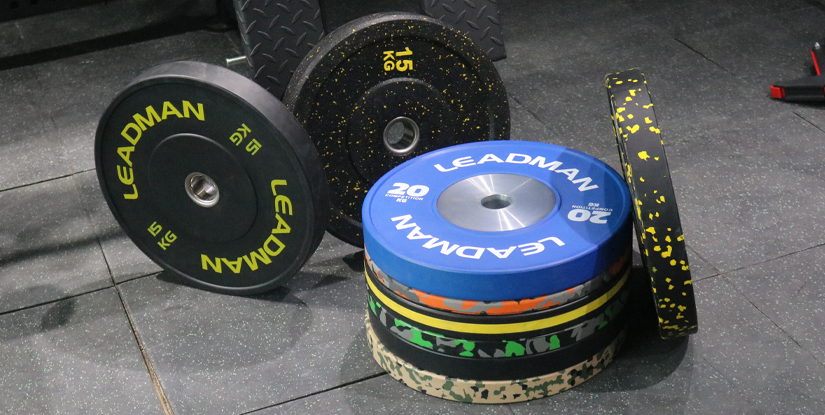
To optimize your fitness equipment sourcing, you must distinguish between Incoterms. An EXW (Ex Works) quote from gym weight manufacturers only covers the cost of production and factory-side handling. Conversely, an FOB (Free On Board) agreement includes the logistics required to get the cargo onto the vessel. Professional buyers must also budget for customs duties, port fees, and inland freight to ensure the wholesale gym weights arrive without unexpected budget overruns.
Breakdown of Import-Related Expenses
Effective procurement planning requires a granular view of the variables that influence the final invoice. Beyond the base unit price, several logistical layers impact your ability to scale and maintain distributor margins.
| Cost Category | Description & Impact | Sourcing Consideration |
|---|---|---|
| Volume Discounts | Reduced unit price through higher order density. | Evaluate MOQ impact on total margin. |
| Freight Forwarding | Costs for ocean freight, container booking, and shipping. | Coordinate with China factory logistics. |
| Port Charges | Loading, unloading, and terminal handling fees. | Essential for wholesale gym weights budgeting. |
| Import Taxes | Customs duties and local tax compliance. | Verify HTS codes during sourcing. |
To mitigate risk, we recommend requesting a detailed proforma invoice that clarifies all ancillary fees. Before finalizing your order, confirm whether the quote includes freight forwarding services or if you must manage third-party logistics independently.
Optimizing Container Utilization and Volumetric Weight
Maximizing ROI requires more than just finding the right gym weight manufacturers; it requires analyzing how product dimensions impact container utilization. High-density items like cast iron plates offer superior volumetric weight efficiency compared to bulky, low-density equipment. When conducting fitness equipment sourcing, ensure your supplier utilizes optimized packaging standards to minimize dead space within a 40HQ container. Efficient palletization and nested configurations reduce the number of shipping containers required per order, directly lowering your per-unit landed cost. Always verify the factory's ability to manage complex loading patterns to prevent damage and ensure the lead time is not extended by logistical inefficiencies during the pre-shipment phase.
Finalizing Your Procurement Strategy and Sourcing Checklist
Before finalizing your purchase, professional importers must calculate the total landed cost to ensure healthy distributor margins. When sourcing wholesale gym weights, the unit price is only one variable; you must account for freight, duties, and logistics complexities. To maximize your ROI, work closely with your China factory to optimize shipping volume optimization, such as nesting dumbbells or using specialized pallet configurations to reduce the cost per unit.
Pre-Shipment Checklist for Bulk Orders
A rigorous procurement process prevents costly errors in facility layout. Ensure your checklist includes the following critical steps:
- Confirm the MOQ for custom colors or private label branding requirements.
- Request a final weight and dimension verification for shipping volume optimization.
- Schedule a pre-shipment inspection to verify material density and coating quality.
- Validate all gym weight manufacturers documentation for customs compliance.
Sourcing Model Comparison: OEM vs. Wholesale
Deciding between stock orders and custom production depends on your branding goals and budget. While standard wholesale gym weights offer lower entry barriers, OEM and ODM services provide the differentiation needed for premium facility branding. Review the table below to align your sourcing strategy with your business scale.
| Feature | Standard Wholesale | Private Label / OEM |
|---|---|---|
| Bulk Pricing | Highly competitive; low unit cost | Higher cost due to customization |
| Branding | Generic or manufacturer logo | Full private label capability |
| Customization | Limited to existing SKU options | High (colors, textures, logos) |
| MOQ Requirements | Lower; suitable for small batches | Higher; specialized for gym weight manufacturers |
| Quality Control | Standard factory-level QC | Customized QC protocols per spec |
To secure the best terms, we recommend you request a spec sheet, confirm the final MOQ for any custom designs, and book a factory audit to ensure your gym weight manufacturers meet your strict durability standards.
To mitigate risks during international transit, verify the export packaging standards with your supplier. High-density weights require reinforced, heavy-duty cartons and palletization to prevent structural damage during sea freight. Always confirm the lead time includes both production cycles and buffer periods for potential port congestion. Once the sample verification is complete and the technical specifications are signed off, proceed by requesting a formal proforma invoice that clearly outlines the sourcing strategy and delivery terms. Finally, formalize your order only after a successful pre-shipment inspection to ensure your facility receives exactly what was engineered for optimal space ROI.