Are Steel Weightlifting Plates Worth the Investment?
High-Traffic Deployment Scenarios for Commercial Facilities
Many procurement managers make the mistake of over-specifying bumper plates for every zone, leading to unnecessary bulk and higher shipping costs. Conversely, under-specifying with low-grade iron results in rapid oxidation and surface degradation. A more strategic approach involves deploying commercial steel weight plates specifically in heavy lifting zones where precision and structural integrity are paramount. This targeted allocation optimizes both the budget and the facility's functional layout.
In high-traffic zones, such as powerlifting platforms or heavy barbell stations, the equipment undergoes constant mechanical stress. Unlike standard rubberized options, high-quality steel offers superior wear resistance against the repetitive impact of heavy lifting. For facility operators, this translates to a long-term investment that maintains its form and dimensional accuracy over years of rigorous use. By selecting steel for these specific high-intensity areas, distributors and gym owners can ensure maximum gym equipment durability while maintaining a compact footprint, allowing for more weight on the bar without the excessive thickness typical of bumper plates.
Beyond durability, the primary advantage of steel lies in its density and the resulting impact on space efficiency. In high-density urban gyms or boutique strength facilities where every square foot carries a premium, the physical footprint of the weight storage system is a critical variable. Because steel plates are significantly thinner than their bumper counterparts, they allow for much higher storage density on vertical racks and barbell sleeves. This compact profile enables a more efficient facility layout, preventing the cluttered appearance often caused by the bulk of thick rubber plates.
When evaluating the steel vs bumper plates ROI, procurement professionals must consider the logistical advantages of barbell loading. The reduced thickness of steel plates allows lifters to fit more weight on a single bar, which is essential for advanced strength training protocols. For distributors and gym owners, this means maximizing the utility of existing equipment without needing to expand the physical floor area. Choosing steel for specialized lifting zones optimizes commercial gym optimization by balancing high-capacity loading with a streamlined, professional aesthetic that preserves valuable floor space.
To assist in your procurement strategy, we have categorized typical deployment scenarios. This comparison helps facility managers determine where the density and longevity of steel provide the highest utility versus where alternative materials might suffice. Use this framework to align your inventory orders with specific zone requirements and long-term maintenance budgets.
| Deployment Scenario | Primary Benefit | Maintenance Frequency | Ideal Facility Type | Steel Weight Plates Utility |
|---|---|---|---|---|
| Heavy Strength/Powerlifting Zones | High loading capacity | Low (Annual inspection) | Performance-focused Gyms | Maximizing bar weight density |
| Compact/Urban Strength Studios | Space efficiency | Moderate (Surface wipe-down) | Boutique/Urban Studios | Optimizing vertical storage footprint |
| Specialized Training Racks | Durability under stress | Low (Minimal intervention) | Commercial Training Centers | Long-term structural stability |
Strategic procurement relies on understanding these nuances. While bumper plates offer impact absorption, the steel vs bumper plates ROI often favors steel in high-density loading environments where floor space is a premium and the goal is to minimize the physical thickness on the barbell sleeve.
Evaluating the Structural Longevity of Commercial Steel Weight Plates
In high-traffic strength training zones, the distinction between equipment that survives and equipment that thrives lies in its structural integrity. While bumper plates are engineered for impact absorption during Olympic lifts, they are prone to compression and surface wear over extended lifecycles. For facility managers prioritizing long-term gym equipment durability, commercial steel weight plates offer a distinct advantage in maintaining consistent dimensions and weight accuracy.
Under conditions of high-frequency usage, rubber-coated or urethane bumper plates can experience deformation or edge chipping. In contrast, high-quality commercial steel weight plates are manufactured to withstand constant mechanical stress without losing their shape. This inherent structural stability ensures that the plates remain perfectly flat and true, which is critical for maintaining balance during heavy compound movements. When evaluating the impact resistance of your inventory, steel provides a rigid, non-compressible surface that resists the physical fatigue often seen in softer materials, making it a reliable asset for professional strength floors.
To determine the true cost-effectiveness of your procurement, you must look beyond the initial unit price and examine the total cost of ownership. While bumper plates offer impact protection, their degradation rate often necessitates replacement cycles that can disrupt facility operations. For distributors and gym owners, calculating the steel vs bumper plates ROI requires a comparison of maintenance windows and structural lifespan. Steel plates generally offer a lower cost-per-year due to their resistance to compression and surface fatigue.
The following technical comparison outlines the typical performance metrics encountered when sourcing these two distinct categories of strength equipment.
| Metric/Feature | Commercial Steel Plates | Standard Bumper Plates |
|---|---|---|
| Thickness & Density | High density; ultra-thin profile | Low density; high thickness |
| Typical Lifespan | Long-term (High resistance to deformation) | Variable (Subject to material fatigue) |
| Maintenance Frequency | Low (Occasional cleaning/coating check) | Moderate (Monitoring for edge wear/cracking) |
| Primary Advantage | Space efficiency & weight precision | Impact absorption for Olympic lifting |
| Estimated Cost-per-Year | Lower (High durability/low replacement) | Higher (Dependent on usage intensity) |
When negotiating with manufacturers, ensure that your specifications for steel plates include high-grade coatings to prevent oxidation, which optimizes the long-term value of your bulk shipment.
Beyond the material density, the long-term value of your inventory depends heavily on manufacturing precision and surface protection. A common concern among procurement officers is whether the initial investment in high-end steel will hold up against environmental factors. To answer the question, are steel weightlifting plates worth it for high-humidity or high-use environments, one must scrutinize the technical specifications of the coating quality and manufacturing tolerances.
Quality Control and Manufacturing Standards
A premium steel plate is only as reliable as its weakest point—often the edge or the center bore. During bulk procurement, it is essential to verify that the factory maintains strict QC inspection protocols. High-quality plates should exhibit minimal deviation in diameter and thickness to ensure they fit seamlessly on standard Olympic bars without wobbling. Tight manufacturing tolerances are a hallmark of professional-grade equipment, preventing the uneven weight distribution that can lead to premature wear on barbells.
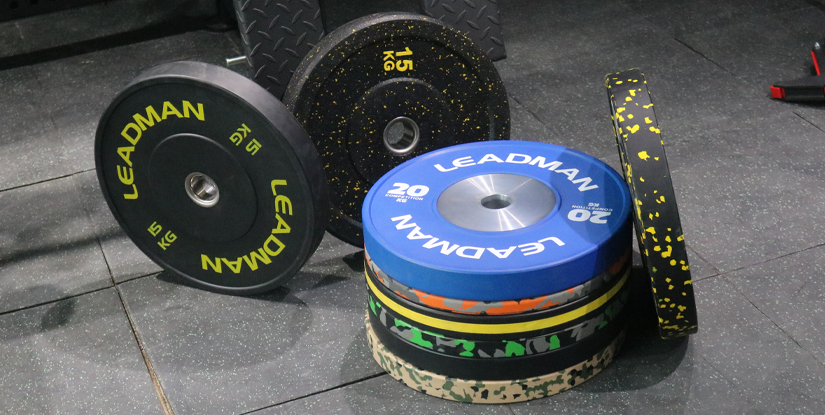
Furthermore, oxidation resistance is a non-negotiable factor for global distributors. Whether you are sourcing for a coastal facility or an indoor warehouse, the coating—be it high-grade powder coating, chrome, or urethane—must be chemically bonded to the steel to prevent rust and surface degradation. When assessing bulk procurement reliability, always request documentation regarding the coating's adhesion strength and thickness. Investing in plates with superior surface protection ensures that your facility maintains a polished, professional appearance without the constant need for refurbishment or replacement due to unsightly oxidation.
Spatial Efficiency and Floor Layout Optimization
In high-density training zones, every square foot of usable floor space directly impacts the revenue potential of a commercial facility. When designing a layout for strength training areas, procurement managers often face a trade-off between equipment variety and movement flow. This is where the physical profile of commercial steel weight plates provides a distinct advantage over their rubberized counterparts. Because steel plates are significantly thinner, they allow for a much higher volume of weight to be loaded onto a single barbell without increasing the total depth of the barbell sleeve.
This inherent footprint reduction is critical for optimizing floor layout optimization in boutique studios or compact weight rooms where barbell depth is restricted. By utilizing steel, distributors and gym owners can maximize the density of their lifting stations, ensuring that heavy barbell setups do not protrude excessively into walking paths or adjacent equipment zones. This spatial efficiency simplifies the management of high-traffic areas and allows for more efficient barbell storage solutions.
| Storage Factor | Steel Plate Profile | Bumper Plate Profile |
|---|---|---|
| Loading Depth | Minimal/Slim | High/Bulky |
| Storage Density | High capacity per rack | Lower capacity per rack |
| Barbell Clearance | Optimized for narrow lanes | Requires wider clearance |
| Ideal Use Case | Compact/High-density gyms | Open-space/Olympic lifting |
When calculating the long-term steel vs bumper plates ROI, procurement specialists must look beyond the initial purchase price and consider the total cost of real estate. In many commercial gym floor plans, the depth of a loaded barbell can become a logistical bottleneck. A single heavy barbell loaded with thick bumper plates can extend significantly beyond the lifting platform, obstructing movement and creating safety hazards in high-traffic zones.
By opting for steel, facilities achieve much higher storage rack density. Because the thickness profiles of steel plates are drastically slimmer, you can fit a greater total tonnage on a standard weight tree or barbell sleeve. For distributors and gym owners managing limited square footage, this means more equipment can be housed in a smaller footprint. This capacity to pack more weight into less horizontal space allows for tighter, more professional layouts, effectively increasing the number of usable training stations without expanding the building's physical boundaries.
Ultimately, the question of are steel weightlifting plates worth it often comes down to the specific operational constraints of your facility. For managers overseeing urban fitness centers or multi-purpose training hubs, the ability to maximize equipment density is a non-negotiable requirement. When weight stacks are too bulky, they create "dead zones" where movement is restricted, effectively lowering the facility throughput by limiting how many members can train simultaneously in a given area.
By integrating steel into your procurement strategy, you secure greater long-term spatial utility. The slim profile of high-quality steel plates ensures that heavy-duty lifting stations remain compact and organized. This level of control over the floor plan allows for more streamlined traffic flow and more efficient use of vertical and horizontal storage. For professional buyers, this translates to a facility that feels more expansive and professional, even when operating within a strictly limited square footage footprint.
Total Cost of Ownership: Steel vs. Bumper Plate ROI
When calculating the long-term economic logic for a commercial facility, the decision often hinges on the distinction between initial CAPEX and total lifecycle value. While bumper plates offer impact absorption, commercial steel weight plates provide a superior return on investment for strength-focused environments where durability is non-negotiable. From a procurement standpoint, the inherent rigidity of high-grade steel ensures that these units maintain their structural integrity and dimensional precision over years of heavy use, significantly reducing the frequency of replacement cycles.
Beyond sheer gym equipment durability, the primary driver for the steel vs bumper plates ROI is spatial efficiency. In high-density gyms or boutique strength studios where floor real estate is a premium, the compact profile of steel plates allows for much higher loading capacities on a single barbell. These space-saving benefits for high-density gyms mean you can offer a wider range of resistance within a smaller footprint, optimizing your facility's revenue-per-square-foot while minimizing the long-term costs associated with equipment turnover and storage logistics.
To assist procurement officers and gym owners in making a data-driven decision, we have outlined the typical performance metrics across different operational scales. This comparison highlights why many distributors prioritize steel for high-volume strength training environments.
| Metric | Commercial Steel Plates | Standard Bumper Plates |
|---|---|---|
| Expected Lifespan | Extremely High (Decades) | Moderate (Subject to wear/tear) |
| Replacement Frequency | Low; highly resistant to deformation | Higher; potential for cracking or compression |
| Storage Footprint | Compact; ideal for dense storage | Bulky; requires more rack depth |
| Maintenance Needs | Minimal (Occasional surface cleaning) | Moderate (Checking for material degradation) |
| Long-term ROI | High (Optimized for heavy-duty use) | Variable (Optimized for high-impact) |
For wholesale buyers, the decision often settles on the total cost of ownership. While bumper plates are essential for Olympic lifting, the longevity and density of steel plates ensure that your inventory remains a stable, long-term asset rather than a recurring expense.
Beyond the lifecycle comparison, professional buyers must scrutinize the technical specifications that prevent premature depreciation. A common pitfall in low-cost sourcing is overlooking weight tolerance standards; high-quality commercial steel plates should maintain strict precision to ensure even loading across bars, preventing uneven wear on expensive barbell sleeves. Furthermore, the quality of the finish is a critical indicator of long-term value. We recommend prioritizing powder coating over standard paint, as industrial-grade powder coating offers superior resistance to oxidation and chipping, preserving the aesthetic and structural integrity of the equipment under heavy usage.
From a supply chain perspective, the question of are steel weightlifting plates worth it also depends on optimizing your landed cost. Because steel plates are significantly more compact than their rubberized counterparts, they offer vastly improved shipping density and logistics efficiency. For distributors and large-scale gym developers, this high density means you can transport more mass per container, effectively lowering the freight cost per unit. When balancing volume, MOQ, and shipping overhead, the ability to maximize container utilization makes steel a strategically sound choice for global procurement and inventory management.
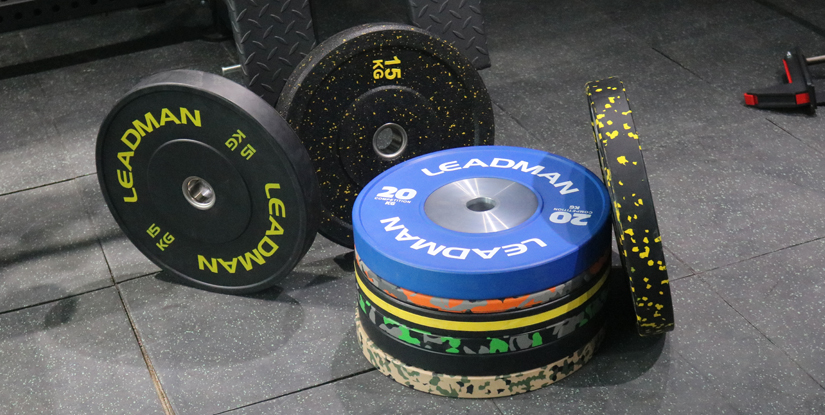
Sourcing Standards and Quality Control for Bulk Procurement
When scaling a facility, the hidden cost of steel weightlifting plates rarely lies in the initial purchase price, but in the long-term maintenance cycles. For distributors and gym owners, the true ROI is dictated by how well the equipment survives high-frequency use without requiring constant intervention. Substandard manufacturing often leads to uneven weight distribution or premature oxidation, both of which drive up operational overhead.
To mitigate these risks during bulk procurement, it is essential to verify that your supplier adheres to strict quality control standards regarding manufacturing tolerances. Precision in the center hole diameter and plate thickness ensures smooth loading and prevents barbell wear. Furthermore, a critical inspection point is the surface coating integrity; high-quality commercial steel weight plates must feature a resilient finish—whether powder coating or specialized paint—to prevent chipping and rust in humid gym environments. Prioritizing these technical specifications during the sourcing phase ensures that your inventory remains a durable asset rather than a recurring maintenance liability.
Selecting the appropriate finish is a strategic decision that directly influences your facility's long-term operational expenditure. While different coatings offer various aesthetic and protective benefits, the choice must be driven by your specific gym environment—such as humidity levels and the intensity of client usage. A mismatch between the plate finish and the facility's climate can lead to rapid oxidation, necessitating premature replacement and impacting your total cost of ownership.
The following table provides a technical comparison to assist procurement officers in evaluating the maintenance requirements and durability profiles of common steel plate finishes.
| Finish Type | Corrosion Resistance | Maintenance Frequency | Ideal Use Case |
|---|---|---|---|
| Chrome Plated | High | Low (Occasional wiping) | Premium commercial gyms and high-end boutique studios |
| Powder Coated | Moderate to High | Low (Resistant to chipping) | Standard commercial fitness centers and high-traffic training facilities |
| Raw / Painted | Low | High (Requires regular oiling/prevention) | Budget-conscious setups or controlled, low-humidity environments |
When negotiating with manufacturers, we recommend requesting spec sheets that detail the micron thickness of the coating. For high-volume distributors, prioritizing powder-coated options often yields the best balance between upfront cost and long-term durability, ensuring the equipment maintains its professional appearance under heavy use.
Beyond surface finishes, the most critical technical hurdle for procurement managers is verifying weight accuracy across large-scale shipments. A common concern in the industry is whether are steel weightlifting plates worth it when the risk of inconsistent density or improper calibration exists. If a shipment arrives with significant deviations, it can compromise training integrity and damage your reputation as a reliable provider.
Verifying Precision and Logistics Reliability
To ensure high-performance standards, your inspection protocols must move beyond visual checks. Before finalizing a large-scale order, confirm that the manufacturer guarantees a strict weight tolerance, typically within a +/- 1% margin. This level of precision is non-negotiable for professional-grade equipment, as it ensures batch consistency across different production runs. Without this, a 20kg plate from one batch may not match a 20kg plate from another, leading to uneven barbell loading.
Furthermore, robust shipping durability is a vital component of the procurement process. Steel plates are dense and heavy; therefore, the packaging must be engineered to withstand the mechanical stresses of international transit. Request details on palletization methods and crate reinforcement to prevent denting or structural warping during sea freight. By implementing these rigorous inspection protocols for bulk orders—including random weight sampling and coating thickness verification—you can confidently determine that your investment in commercial steel weight plates will yield a predictable and durable return.
Logistics and Inventory Management for Wholesale Orders
For facility managers and distributors, the decision to invest in steel weightlifting plates often comes down to the physical reality of the warehouse or gym floor. Unlike bumper plates, which are significantly thicker to absorb impact, commercial steel weight plates offer a much higher storage density. This characteristic is vital for high-volume procurement where maximizing every square foot of premium real estate is a priority.
When calculating the long-term value, buyers must consider the footprint reduction provided by steel. The slim profile allows for more weight to be stored per linear meter on weight trees or racks, directly improving space efficiency in both transit containers and on-site storage. This density makes steel an ideal choice for facilities looking to expand their heavy lifting sections without requiring massive structural expansions.
| Storage Factor | Steel Plate Profile | Bumper Plate Profile | Procurement Impact |
|---|---|---|---|
| Thickness Ratio | Ultra-slim/Compact | High/Wide | Steel allows more SKUs per rack |
| Storage Density | Maximum | Moderate | Lower footprint per kg of weight |
| Shipping Volume | Optimized | High Volume | Lower freight costs per unit weight |
Optimizing your inventory through high-density steel options ensures that your high-volume orders remain cost-effective during international shipping. By reducing the volumetric footprint, distributors can achieve better container utilization, effectively lowering the landed cost per unit.
To assist procurement teams in precise freight forecasting, the following comparison outlines the logistical differences between the two materials. While bumper plates are more forgiving during drops, their high volume often leads to increased dimensional weight charges. In contrast, the compact nature of steel plates optimizes the shipping weight density, making them a superior option for maximizing container load capacity.
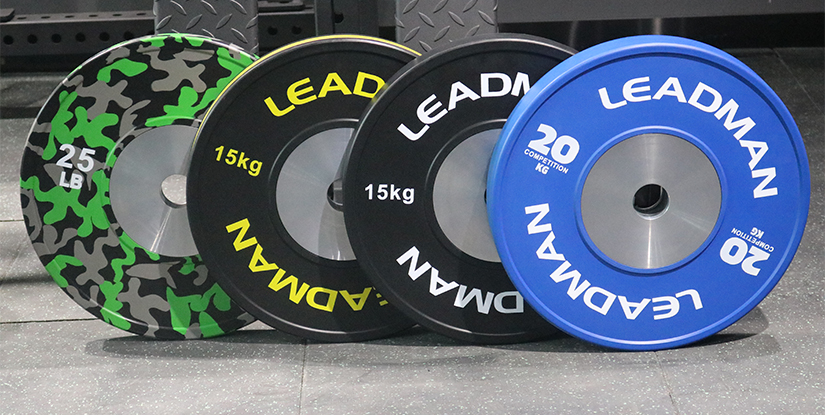
| Logistics Metric | Steel Weight Plates | Bumper Plates | Business Implication |
|---|---|---|---|
| Volume per Unit | Low (Compact) | High (Bulky) | Steel reduces volumetric weight |
| Stacking Height | High Density | Limited by Thickness | Better vertical storage utilization |
| Shipping Weight Density | Very High | Moderate | Lower freight cost per kg |
| Storage Footprint | Minimal | Substantial | More weight per square meter |
When evaluating steel vs bumper plates ROI, the efficiency of the supply chain must be factored into the total cost of ownership. For distributors managing large-scale inventory, the ability to ship more mass in less volume translates to a significant reduction in long-term logistics overhead and improved warehouse throughput.
Beyond physical dimensions, professional buyers must look deeper into the procurement cycle to ensure long-term gym equipment durability. A common pitfall in large-scale sourcing is overlooking the rigorous requirements of wholesale order management, specifically regarding production consistency and transit resilience. Because steel plates are dense and heavy, the risk of structural deformation or coating damage during long-haul maritime transit is a valid concern for any procurement officer.
Ensuring Quality Through Rigorous QC and Sourcing Standards
To answer the fundamental question of are steel weightlifting plates worth it for a commercial rollout, one must evaluate the manufacturer's ability to maintain strict QC standards. High-quality steel plates should undergo precision calibration to ensure weight tolerances remain within professional specifications. During the production phase, checking the integrity of the powder coating or plating is essential; a substandard finish will lead to premature oxidation, undermining the perceived gym equipment durability and increasing maintenance costs for the end-user.
Furthermore, seasoned distributors should negotiate clear terms regarding MOQ (Minimum Order Quantity) and shipping stability. A reliable factory partner does more than just fulfill a quantity; they implement specialized packaging protocols—such as reinforced palletizing and moisture-resistant wrapping—to protect the shipment's center of gravity. This level of detail in wholesale order management ensures that when the container arrives at your facility, the product remains in pristine, professional condition, ready for immediate deployment in high-traffic commercial environments.
Strategic Selection for Specialized Training Zones
For facility managers overseeing high-density training zones, the decision between plate types often comes down to footprint optimization and long-term overhead. While bumper plates are essential for Olympic lifting, commercial steel weight plates offer a distinct economic advantage in strength and conditioning areas where barbell sleeve capacity is at a premium. Because steel plates are significantly thinner than their rubber-coated counterparts, they allow for a higher density of weight on a single bar without increasing the total length of the barbell.
This space-saving benefit is critical for high-traffic areas where floor real estate is limited. By utilizing steel, distributors and gym owners can maximize the utility of every rack, accommodating heavier loading increments in a smaller physical profile. From a procurement perspective, the long-term ROI is driven by the reduced need for frequent replacement. High-grade steel construction provides superior durability compared to many bumper plate variations, resisting the compression and degradation often seen in high-use rubber. For B2B buyers looking to optimize their Total Cost of Ownership (TCO), the combination of compact dimensions and structural longevity makes steel the logical choice for specialized strength zones.
To make an informed purchasing decision, procurement officers must categorize gym zones by training style. The choice between materials directly impacts both the equipment lifespan and the operational flow of the facility. For instance, while CrossFit and Olympic lifting environments require the impact absorption of rubber, traditional powerlifting and heavy strength zones benefit from the precision and density of steel.
The following framework helps evaluate the steel vs bumper plates ROI based on specific operational requirements and zone utility:
| Material | Thickness | Durability | Best Use Case | Maintenance |
|---|---|---|---|---|
| Commercial Steel | Ultra-Thin | Extreme (High) | Powerlifting, Heavy Strength, Compact Racks | Low (Rust prevention coating) |
| Bumper Plate | Thick | Moderate | CrossFit, Olympic Lifting, High-Impact Drills | Moderate (Rubber wear/scuffing) |
When sourcing for a high-performance powerlifting zone, steel is the standard. Its ability to hold more weight on a single barbell allows athletes to reach peak loads without the barbell becoming unbalanced or hitting the collars prematurely. Conversely, for high-intensity functional training zones where barbell drops are frequent, the investment should shift toward bumper plates to protect your flooring and equipment longevity.
Beyond the material benefits, scaling your inventory requires a deep dive into the logistics of procurement. When evaluating are steel weight plates worth it for bulk orders, the focus must shift from individual unit durability to the reliability of the supply chain and manufacturing precision. Unlike standard rubber plates, where minor dimensional variances are often masked by the outer coating, steel plates demand strict adherence to tolerances to ensure a seamless fit on professional barbell sleeves.
Quality Control and Global Logistics
For distributors and large-scale gym developers, the primary risk in high-volume sourcing is inconsistency in weight precision and coating quality. A professional manufacturer must demonstrate rigorous QC standards for coating and precision, specifically regarding the thickness of the powder coating or plating to prevent oxidation. Inconsistent thickness can lead to uneven weight distribution or poor fitment, which undermines the perceived quality of your brand.
Furthermore, logistics considerations for heavy steel shipments are paramount. Because steel is significantly denser than rubber, freight costs and container weight limits are reached much faster. Buyers should prioritize partners with established MOQ and factory capability to handle heavy-duty palletization and optimized container loading. Selecting a supplier that understands how to balance weight-to-volume ratios will minimize shipping surcharges and ensure that your bulk inventory arrives safely, meeting both the dimensional and weight-tolerance expectations of your commercial clients.