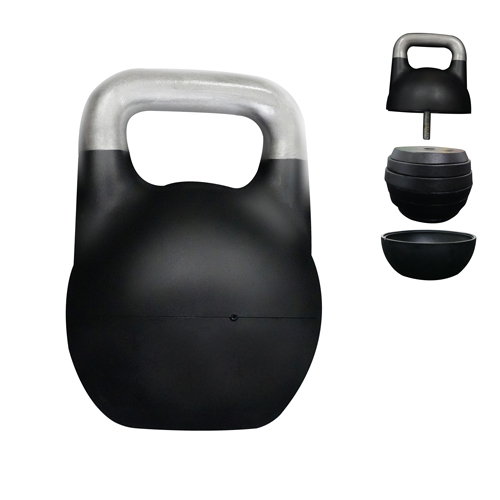
bells of steel adjustable competition style kettlebell
Verifying Manufacturing Standards for Precision Weight Systems
For high-traffic boutique studios or large-scale commercial training facilities, the primary concern with adjustable equipment is not just the weight increment, but the long-term reliability of the locking mechanism. When a facility transitions to a Bells of Steel adjustable competition-style kettlebell, the procurement team must evaluate more than just the aesthetic; they must scrutinize the mechanical integrity of the internal components. In environments characterized by high-frequency usage, even minor deviations in manufacturing tolerances can lead to catastrophic failures or uneven weight distribution during ballistic movements.
Reliable commercial grade adjustable kettlebells require a rigorous quality control process that focuses on weight plate stability and the precision of the adjustment interface. A failure in the locking system does more than just damage the equipment; it creates a significant liability and increases the Total Cost of Ownership (TCO) through frequent replacement cycles. For distributors and facility managers, ensuring that the internal chassis can withstand repetitive impact and rapid weight transitions is essential to maintaining a professional standard of safety and durability.
To mitigate the risk of mechanical fatigue, procurement officers should implement a strict technical inspection protocol during the sourcing or receiving phase. High-quality adjustable kettlebell weight systems must demonstrate consistent performance under stress, which begins with the precision of the internal adjustment interface. We recommend utilizing the following checklist to evaluate the structural integrity and finish quality of your bulk orders.
Technical Inspection Checklist for Procurement
When auditing a shipment or reviewing factory specifications, focus on these three critical durability benchmarks to ensure long-term wear resistance in high-volume environments:
- Tolerance Levels: Verify that the mechanical locking mechanism maintains tight tolerances. Any perceptible "play" or rattling between the weight plates and the outer shell can indicate poor manufacturing precision, leading to uneven weight distribution during dynamic training.
- Powder Coating Thickness: Inspect the surface finish for uniformity. A high-micron powder coating thickness is essential to prevent chipping and oxidation, especially when the equipment is subjected to frequent floor impacts or high-humidity gym environments.
- Structural Integrity of the Grip: Ensure the handle-to-body transition is seamless. The coating must be robust enough to withstand constant friction without degrading, which prevents rust and maintains a professional aesthetic over years of service.
By prioritizing these inspection criteria, facility managers can avoid the hidden costs of premature equipment turnover and ensure that their investment supports the rigorous demands of professional strength training.
Beyond the immediate inspection of a single unit, sophisticated buyers must consider how manufacturing precision dictates long-term maintenance intervals. In the commercial sector, the distinction between a standard adjustable system and a high-performance model lies in the engineering of the internal weight-switching mechanism. Precision engineering ensures that the movement of plates remains smooth and predictable, preventing the mechanical binding that often necessitates costly technician visits or premature disposal.
Investing in superior build quality is a strategic move for gym equipment space optimization. While a single high-quality adjustable unit replaces a dozen fixed-weight kettlebells, its value is only realized if the internal components can endure years of heavy-duty use without degradation. By selecting equipment that adheres to strict durability standards, distributors and gym owners effectively lower their long-term replacement costs. Rather than managing a constant cycle of broken parts and new SKU arrivals, procurement teams can focus on facility growth, knowing their core strength training inventory is built for high-frequency, professional-grade endurance.
Rigorous Quality Control for Adjustable Weight Mechanisms
In high-traffic commercial environments, the longevity of equipment is dictated by the integrity of its moving parts. Unlike static cast iron, adjustable kettlebell weight systems rely on precise mechanical interfaces to transition between increments. For facility managers and distributors, the primary concern is not just the initial purchase price, but the prevention of mechanical wear that can lead to catastrophic failure or operational downtime. If the internal locking mechanisms or weight plates become misaligned due to poor tolerances, the unit becomes a liability rather than an asset.
When sourcing the Bells of Steel adjustable competition-style kettlebell, procurement specialists must prioritize units engineered for commercial-grade durability. High-quality builds focus on minimizing the friction points that typically cause degradation in budget-tier alternatives. Establishing routine maintenance intervals—such as inspecting the adjustment pins and ensuring the housing remains free of debris—is essential to maintaining the structural reliability required for professional strength training. Investing in systems with superior mechanical tolerances ensures that the equipment remains functional and safe throughout its intended lifecycle, protecting the long-term ROI of the facility.
To ensure long-term operational safety, procurement teams should implement a standardized inspection checklist during factory audits or initial receiving. A critical focus must be placed on the precision engineering of the weight-switching mechanism. In many lower-tier commercial grade adjustable kettlebells, loose tolerances can lead to internal shifting, which compromises the center of gravity during high-velocity movements. A reliable unit must demonstrate absolute weight plate stability, where each increment seats perfectly within the housing without any lateral play or rattling.
During the technical vetting process, we recommend testing the locking mechanism under simulated load conditions. The engagement of the locking pins or the plate-seating system should be smooth yet firm, showing no signs of resistance or misalignment. A robust system will feature high-tensile components designed to withstand repeated transitions without losing structural tension. By verifying these mechanical benchmarks before bulk shipment, distributors can mitigate the risk of high return rates and ensure that the equipment meets the rigorous standards of professional training environments.
Beyond mechanical precision, optimizing the total cost of ownership (TCO) requires a proactive approach to facility management. For large-scale distributors and gym owners, the true expense of equipment is rarely the acquisition cost, but rather the long-term replacement costs driven by neglect. Because these units feature complex internal components, minor oversight in upkeep can lead to accelerated depreciation of the asset.
To maximize the lifespan of the Bells of Steel adjustable competition-style kettlebell, we recommend a strict maintenance protocol centered on two pillars: lubrication and environmental control. Periodically applying a thin layer of high-grade lubricant to the adjustment tracks and ensuring the internal mechanism remains free of oxidation will prevent the seizing common in cheaper alternatives. This level of care directly contributes to gym equipment space optimization; by maintaining a single, high-quality adjustable unit rather than managing a sprawling, disorganized rack of static weights, you reduce both the physical footprint and the administrative burden of inventory management. Ultimately, a disciplined maintenance schedule preserves the structural integrity of the device, ensuring your capital expenditure remains a high-performing asset for years to come.
Managing Warranty Claims and Component Longevity
For facility managers and distributors, the long-term value of an investment is determined by more than just the initial purchase price; it is defined by the stability of the mechanical components under heavy use. When sourcing the Bells of Steel adjustable competition-style kettlebell, understanding the maintenance cycle is essential for calculating a realistic Total Cost of Ownership (TCO). Unlike fixed-weight models, these systems involve moving parts that require periodic oversight to maintain peak performance.
To preserve the mechanical integrity of commercial grade adjustable kettlebells, procurement teams should implement a routine inspection schedule focused on two critical areas: weight plate seating and lubrication requirements. Ensuring that plates are correctly seated within the mechanism prevents uneven wear and unexpected shifts during high-intensity training. Furthermore, applying specialized lubricants to the adjustment tracks prevents friction-induced degradation. By prioritizing these minor preventative measures, operators can significantly extend the equipment's lifecycle and reduce the frequency of costly warranty claims or premature replacements.
Effective asset management requires a proactive approach to equipment upkeep. Relying on a strict inspection frequency ensures that minor component wear does not escalate into structural failure, which is particularly vital when managing high-traffic commercial facilities. Integrating these protocols into your standard operational workflows facilitates better gym equipment space optimization, as well-maintained tools remain in peak condition without the need for frequent turnover or replacement.
The following table provides a standardized maintenance framework to assist procurement officers and facility managers in evaluating the service intervals required for these adjustable kettlebell weight systems.
| Inspection Focus | Component/Area | Recommended Frequency | Action Required |
|---|---|---|---|
| Mechanical Stability | Weight Plate Locking Mechanism | Monthly | Verify secure seating and smooth engagement of adjustment pins. |
| Friction Management | Adjustment Tracks/Rails | Quarterly | Inspect for debris and apply light industrial lubricant if necessary. |
| Surface Integrity | Outer Shell and Handle Grip | Bi-Annually | Check for coating abrasions or structural micro-cracks. |
| Structural Alignment | Internal Core/Axle | Annually | Ensure zero lateral play or wobble during standard rotation. |
Pro tip: Documenting these checks in a digital log provides essential data for justifying future capital expenditures and demonstrates high-level quality control to stakeholders.
Beyond routine maintenance, procurement success for bulk orders relies heavily on the rigor of the supply chain's logistics and quality control standards. For distributors and large-scale gym operators, the risk of receiving damaged goods or non-compliant units can disrupt entire facility launches. High-quality manufacturing processes must be paired with specialized shipping damage prevention strategies to ensure that precision-engineered components arrive in optimal condition. This is especially critical for adjustable systems, where even minor impacts during transit can misalign internal tracks or compromise the integrity of the locking mechanisms.
To mitigate these risks, we recommend that buyers request detailed documentation regarding factory-level testing and packaging specifications. A robust sourcing strategy should prioritize suppliers who utilize reinforced, heavy-duty packaging designed for international freight and high-volume distribution. Furthermore, a clear protocol for component replacement should be established before the order is finalized. Having a streamlined process for sourcing individual parts—rather than entire units—ensures long-term facility reliability and prevents unnecessary downtime. By validating these logistical safeguards during the initial RFP or wholesale negotiation phase, procurement officers can protect their capital investments and ensure a seamless transition from the warehouse to the gym floor.
Maximizing Floor Plan Efficiency with Modular Selection
In high-traffic commercial fitness environments, floor real estate is often the most expensive asset. Traditional kettlebell sets require extensive rack systems and significant dedicated square footage to accommodate a full range of weights. This creates a logistical bottleneck, especially in boutique studios or specialized strength zones where movement paths must remain unobstructed. For facility managers and distributors, the challenge lies in balancing a comprehensive weight selection with the need for gym equipment space optimization.
The integration of the Bells of Steel adjustable competition-style kettlebell offers a strategic solution to this spatial dilemma. By replacing a dozen static, single-weight units with a single modular system, facilities can achieve significant footprint reduction. This transition allows operators to reclaim floor space for high-density training zones, such as functional movement areas or HIIT circuits, without sacrificing the progressive loading options required by advanced clients.
| Storage Configuration | Footprint Impact | Organization Level | Best Use Case |
|---|---|---|---|
| Static Kettlebell Racks | High (Extensive linear space) | Standard | Large-scale strength gyms |
| Modular Adjustable Systems | Low (Compact vertical/stackable) | High (Weight-specific) | Boutique studios & small gyms |
| Wall-Mounted Pegs | Minimal (Vertical focus) | Moderate | Tight-space functional zones |
From a procurement standpoint, transitioning to adjustable weight systems is not merely about saving space; it is about increasing the versatility of your inventory. A single unit provides the utility of multiple SKUs, simplifying inventory management and reducing the logistical complexity of shipping and receiving bulky, single-use equipment.
When calculating the long-term ROI of a strength training zone, facility planners must consider the direct correlation between equipment density and usable floor area. Traditional cast iron sets demand extensive linear or tiered shelving, which often interrupts the flow of high-intensity training. In contrast, high-quality adjustable kettlebell weight systems allow for a more concentrated equipment footprint, enabling more members to train simultaneously within a smaller square footage comparison.
The following analysis illustrates the typical square footage requirements when comparing a comprehensive weight range. For distributors and gym owners, choosing commercial grade adjustable kettlebells can mean the difference between a cluttered, cramped training floor and a streamlined, professional environment.
| Weight Range (kg/lb) | Traditional Set Footprint (Est. sq. ft.) | Adjustable System Footprint (Est. sq. ft.) | Space Savings Percentage |
|---|---|---|---|
| 8kg to 32kg (approx. 16lb to 70lb) | ~12 - 15 sq. ft. (Multi-tier Rack) | ~3 - 4 sq. ft. (Single Base/Station) | ~70% - 75% |
| 12kg to 40kg (approx. 26lb to 88lb) | ~18 - 22 sq. ft. (Heavy Duty Rack) | ~4 - 5 sq. ft. (Single Base/Station) | ~75% - 80% |
By prioritizing modularity, procurement officers can optimize the density of their strength sections. This approach ensures that the facility remains scalable; as your client base grows, you can expand your training capacity by adding more functional zones rather than simply adding more bulky, single-weight iron sets that consume valuable real estate.
Beyond the immediate spatial benefits, the transition to a modular selection model provides significant operational advantages for distributors and large-scale equipment suppliers. Managing a diverse catalog of static kettlebells involves high overhead due to the sheer volume of individual SKUs, complex shipping dimensions, and the high cost of long-term warehousing. By shifting focus toward high-quality adjustable systems, buyers can achieve greater inventory versatility without expanding their physical storage capacity.
For distributors, this means a more streamlined approach to order fulfillment and a reduction in the logistical friction typically associated with heavy, single-weight iron. The ability to supply a single, high-performance unit that covers multiple weight increments simplifies the supply chain and reduces the risk of dead stock. Furthermore, the commercial-grade durability inherent in these competition-style designs ensures that the equipment can withstand high-frequency weight adjustments in a professional setting, reducing the need for frequent replacement cycles. Ultimately, a streamlined floor layout powered by modularity allows facility owners to design more fluid, professional training environments that prioritize member movement over equipment storage.
Evaluating Total Cost of Ownership for High-Traffic Facilities
In a high-traffic facility, procurement decisions often fall into the trap of prioritizing low unit costs over long-term utility. Traditional fixed-weight kettlebell sets require a massive physical footprint, necessitating large storage racks and expansive floor space to accommodate a full range of progression. For gym owners and distributors, this translates to higher logistical costs, increased shipping volumes, and a constant struggle with gym equipment space optimization as the membership grows.
By transitioning to the Bells of Steel adjustable competition-style kettlebell, facility managers can pivot from a high-volume/low-utility model to a high-utility/low-footprint strategy. Instead of managing dozens of individual SKUs and heavy steel racks, a single adjustable unit covers a wide spectrum of training increments. This strategic footprint reduction significantly lowers the Total Cost of Ownership (TCO) by minimizing replacement cycles and maximizing the revenue-generating potential of every square foot in the training zone.
When calculating the long-term value of a procurement order, the distinction between upfront capital expenditure and operational efficiency becomes clear. Traditional fixed-weight sets often lead to fragmented training areas and premature replacement cycles as client needs evolve. In contrast, investing in high-quality adjustable kettlebell weight systems allows for a more scalable approach to facility design.
The following comparison illustrates how commercial grade adjustable kettlebells outperform standard inventory models in terms of floor space ROI and logistical simplicity. For distributors and large-scale gym operators, the ability to provide a full range of resistance with a fraction of the physical inventory is a significant competitive advantage.
| Metric | Traditional Fixed-Weight Sets | Bells of Steel Adjustable System |
|---|---|---|
| Physical Footprint | High (Requires multiple racks/large area) | Minimal (Single unit replaces multiple SKUs) |
| Inventory Management | Complex (High SKU count/storage needs) | Streamlined (Single unit covers weight range) |
| Replacement Cycles | Frequent (As client progression outpaces stock) | Extended (Scalable to higher weight increments) |
| Shipping/Logistics | High Volume (Multiple heavy shipments) | Optimized (Compact, high-density shipping) |
From a procurement standpoint, the primary benefit is the reduction in dead space. By utilizing these systems, operators can reclaim valuable square footage for other revenue-generating equipment, effectively increasing the utility of their existing facility footprint.
Mechanical Integrity and Operational Longevity
Beyond space efficiency, a critical factor in any procurement decision is the durability of the internal adjustment mechanism. Lower-tier adjustable options often rely on plastic components or imprecise locking pins that degrade under the stress of high-frequency commercial use. This leads to frequent mechanical failures, necessitating constant technical support or complete unit replacement.
The Bells of Steel design prioritizes commercial-grade durability by utilizing a robust, competition-style mechanism engineered for repetitive load shifts. This structural integrity ensures a much wider maintenance window, allowing facility managers to focus on operations rather than equipment troubleshooting. When sourcing for high-volume training environments, selecting a system with high mechanical longevity prevents the hidden costs of downtime and frequent inventory turnover. For distributors and large-scale facility owners, this reliability translates into a more predictable budget and a superior standard of equipment uptime.
Logistics Optimization and Landed Cost Projections
When calculating the initial procurement budget for a new facility or a functional training expansion, many buyers focus solely on the unit price of fixed iron sets. However, seasoned facility managers know that the true expense lies in the Total Cost of Ownership (TCO). Traditional kettlebell sets require massive, dedicated floor space and significant shipping volumes, which drives up both warehousing costs and freight expenses. By transitioning to the Bells of Steel adjustable competition-style kettlebell, distributors and gym owners can fundamentally shift their spending from high-volume inventory to high-density value.
This model excels in gym equipment space optimization by consolidating multiple weight increments into a single, compact unit. From a procurement standpoint, investing in commercial grade adjustable kettlebells reduces the long-term replacement costs associated with outgrowing fixed weight ranges. Instead of ordering multiple new SKUs as client strength levels increase, you maintain a versatile, high-performance inventory that maximizes your footprint-to-value ratio, ensuring a more efficient capital allocation for your facility.
To visualize the impact on your bottom line, it is essential to compare the logistics of traditional iron sets against modern adjustable kettlebell weight systems. The primary advantage is not just the versatility of the tool, but the drastic reduction in shipping volume and the ability to minimize warehouse overhead. When importing large quantities, the volumetric weight often dictates the final landed cost more than the actual weight of the steel itself.
The following comparison illustrates how switching to a consolidated system improves procurement efficiency and reduces the logistical burden on your distribution center or facility storage.
| Metric | Traditional Fixed Kettlebell Sets | Bells of Steel Adjustable System |
|---|---|---|
| Shipping Volume | High (Large footprint per unit) | Low (Compact, high-density packing) |
| Storage Footprint | Extensive (Requires large racks/shelving) | Minimal (Consolidated inventory) |
| SKU Complexity | High (Multiple individual weights) | Low (Single unit, multiple increments) |
| Procurement Logic | Frequent, incremental re-orders | Single, versatile high-value order |
By optimizing the ratio of weight-to-volume, procurement officers can secure more functional utility per cubic meter of freight. This strategic shift ensures that capital is spent on high-performance equipment rather than paying for the logistics of shipping "empty space" inherent in bulky, fixed-weight configurations.
Beyond simple unit counts, the transition to high-density modular systems directly impacts logistics optimization during large-scale procurement cycles. For distributors managing commercial facility scaling, the ability to consolidate various weight increments into a single SKU significantly streamlines inventory management. Instead of tracking dozens of individual weight classes, which complicates both stock audits and reorder points, a single adjustable system allows for a more predictable and agile supply chain.
Furthermore, the reduction in volumetric weight leads to a tangible decrease in freight costs during international transit. When shipping via sea freight, maximizing the utility of every container is critical to maintaining competitive margins. By selecting a system that prioritizes density over bulk, buyers can reduce the frequency of shipments and lower the overhead associated with complex, multi-SKU logistics. This approach transforms the procurement process from a repetitive task of managing numerous individual items into a strategic, high-efficiency acquisition of versatile, high-value assets.
Strategic Sourcing for Long-Term Inventory Stability
When scaling a fitness facility or managing a multi-site distribution network, procurement professionals often fall into the trap of evaluating equipment based solely on the initial purchase price. However, for high-traffic strength training zones, the true metric of success is the Total Cost of Ownership (TCO). Traditional fixed-weight kettlebells present a mounting challenge for facility managers: as client demographics evolve and strength requirements shift, a static inventory necessitates frequent, costly updates to the weight floor.
By integrating the Bells of Steel adjustable competition-style kettlebell into your procurement strategy, you transition from a model of constant replacement to one of versatile utility. Unlike standard iron bells, these commercial grade adjustable kettlebells allow a single unit to serve multiple strength levels, effectively decoupling your inventory growth from your square footage. Investing in high-quality adjustable kettlebell weight systems significantly reduces long-term replacement costs and mitigates the frequency of new capital expenditure (CapEx) cycles. For distributors and gym owners, this means a more predictable budget and a streamlined approach to managing equipment lifecycles without the logistical burden of constant restocking.
The primary economic advantage of this system lies in gym equipment space optimization. In many metropolitan fitness hubs, square footage is the most expensive commodity. A traditional kettlebell set requires a massive storage footprint and expansive floor space to accommodate a full range of weights. In contrast, a single adjustable unit provides a wide spectrum of weight increments, allowing a facility to offer a comprehensive training experience within a fraction of the physical area. This footprint reduction directly translates to higher revenue-per-square-foot, as more functional training zones can be established in the same footprint.
From a procurement efficiency standpoint, sourcing these versatile systems enhances inventory stability. Instead of managing dozens of individual SKUs and tracking the depreciation of varied fixed-weight models, buyers can consolidate their orders into a streamlined selection of high-durability adjustable units. This simplification reduces the administrative overhead associated with shipping, receiving, and catalog management. For wholesalers and large-scale distributors, this means lower logistics complexity and a more agile response to market demand, ensuring that facility upgrades are driven by functional necessity rather than the logistical limitations of a static inventory.
Beyond the immediate benefits of space and SKU consolidation, the long-term viability of your investment hinges on the mechanical durability of the adjustment mechanism. For commercial operators, the greatest hidden cost is not the initial purchase, but the premature failure of moving parts under high-frequency use. A poorly engineered weight system can lead to frequent maintenance cycles and service downtime, which undermines the stability of your capital expenditure.
The Bells of Steel adjustable competition-style kettlebell is engineered to meet these rigorous industrial standards. The core focus during the manufacturing process is maintaining structural integrity through high-grade materials and precision-engineered locking components. This commercial-grade build ensures that the internal mechanisms can withstand the repetitive stress of rapid weight transitions without losing calibration. By prioritizing mechanical reliability, facility managers can extend the lifecycle of their strength equipment, ensuring that the transition between weight increments remains smooth and secure for years. For large-scale buyers and distributors, selecting a product with a proven track-record of long-term reliability means fewer replacement orders and a more predictable maintenance schedule, ultimately protecting the bottom line.