Optimizing Gym Floor Layout with Bar Bell and Weight Plates
Vetting Manufacturers for High-Tolerance Barbell and Plate Production
Many procurement managers fall into the trap of prioritizing low unit costs, only to face skyrocketing long-term maintenance expenses caused by equipment misalignment. A common mistake is sourcing commercial barbell sets based solely on aesthetic finish rather than technical specifications. In a high-traffic commercial environment, a slight deviation in manufacturing can lead to uneven weight distribution and premature wear on knurling or sleeves. A more sophisticated sourcing approach focuses on the precision of the production process to ensure long-term operational stability.
To mitigate total cost of ownership (TCO), distributors must verify that their suppliers utilize high-tolerance manufacturing. Precision engineering is non-negotiable when selecting a bar bell with weight plates for professional strength zones. Specifically, buyers should demand strict weight plate thickness consistency; even millimeter-level variances can cause the bar to tilt during heavy lifts, creating safety risks and uneven friction. By prioritizing factories that emphasize rigorous quality control and tight manufacturing tolerances, you ensure that your inventory remains functional and high-performing under heavy daily usage.
When evaluating a factory's capability to produce a high-performance bar bell with weight plates, the technical checklist must extend beyond simple weight accuracy. Professional buyers should request documentation regarding the specific steel grade used for both the barbell shaft and the weight plate cores. High-tensile steel is essential for preventing permanent deformation under heavy loads, a common failure point in lower-tier manufacturing. Additionally, verify the coating durability of the equipment; whether it is a chrome, zinc, or polyurethane finish, the coating must withstand constant friction and oxidation to prevent unsightly rust and structural degradation.
A robust procurement strategy requires verifying the supplier's inspection protocols and manufacturing standards. Ask potential partners to demonstrate their quality control (QC) workflow, specifically how they test for sleeve rotation smoothness and knurling depth consistency. A reliable manufacturer should implement multi-stage testing—from raw material verification to final weight calibration—ensuring that every unit meets international commercial fitness benchmarks. Prioritizing these technical rigor levels helps distributors minimize returns and build a reputation for reliability in the North American market.
To assist in your technical audit, the following comparison highlights the fundamental differences between retail-grade equipment and professional-grade production. For large-scale gym equipment spatial planning, relying on low-tolerance sets often leads to disorganized weight plate storage solutions and increased floor wear due to uneven loading.
| Technical Specification | Standard Retail-Grade | High-Tolerance Commercial-Grade |
|---|---|---|
| Weight Tolerance | ± 3% to 5% variance | ± 0.5% to 1% (Strict calibration) |
| Coating/Finish Type | Basic Zinc or Paint | Polyurethane, Chrome, or High-Grade Rubber |
| Sleeve/Bearing Precision | Bushings (High friction) | Precision Bearings (Smooth rotation) |
| Expected Lifespan | 1–2 years (High maintenance) | 5–10+ years (Low maintenance) |
From a procurement perspective, investing in high-tolerance manufacturing significantly reduces the long-term TCO. While the initial MOQ or unit price for premium bar bell with weight plates may be higher, the reduction in replacement frequency and maintenance labor provides a much higher return on investment for facility operators and distributors.
Standardizing Quality Control for Commercial Barbell Sets
For facility managers and distributors, the true cost of a procurement cycle is rarely found in the initial invoice, but rather in the long-term Total Cost of Ownership (TCO). When sourcing high-volume commercial barbell sets, overlooking rigorous quality control protocols can lead to premature mechanical failure and increased operational overhead. A bar bell with weight plates that lacks consistent structural integrity often results in uneven weight distribution or knurling degradation, necessitating more frequent replacement cycles.
To protect your margins, it is essential to evaluate suppliers based on their adherence to strict durability standards. High-quality manufacturing ensures that the shaft maintains its whip and straightness under heavy loads, while the plates remain resistant to chipping or oxidation. By prioritizing components with high-grade steel and robust coatings, buyers can extend the maintenance frequency and ensure the equipment remains a reliable asset rather than a recurring expense in the facility's budget.
When conducting onsite inspections or reviewing factory test reports, procurement specialists must move beyond visual aesthetics to verify technical specifications. A high-performance bar bell with weight plates requires precision in both rotational mechanics and surface durability to withstand high-frequency commercial use. Failure to verify these metrics during the sourcing phase often results in increased maintenance requests and diminished user satisfaction.
Use the following technical comparison to evaluate whether a supplier’s production capability meets the requirements for professional-grade environments. Pay close attention to the bearing smoothness and coating thickness, as these factors directly influence the equipment's operational lifespan.
| Inspection Criteria | Commercial-Grade Specification | Lower-Tier/Residential Standard |
|---|---|---|
| Bearing Smoothness | Precision needle or roller bearings for seamless rotation | Basic bushings with high friction or uneven spin |
| Coating Thickness | Heavy-duty chrome or high-micron electroplating | Thin, inconsistent plating prone to chipping |
| Plate Uniformity | Calibrated weight tolerances (±1% or less) | Variable weight deviations (±3-5%) |
| Storage Integration | Compatible with heavy-duty weight plate storage solutions | Non-standard sizing; difficult to organize |
Pro tip for distributors: Always request a sample to test the knurling depth and the sleeve rotation speed. Ensuring that your bar bell with weight plates meets these benchmarks prevents the logistical headache of processing returns due to mechanical stiffness or surface degradation.
Logistics Stability and Bulk Shipping Protocols
Beyond technical specifications, the logistical integrity of your order is a critical variable in gym equipment spatial planning. When importing high-density cargo, such as a full bar bell with weight plates, the weight-to-volume ratio demands specialized handling to prevent transit damage. A single oversight in packaging can lead to bent shafts or cracked plate edges, which disrupts your installation timeline and complicates inventory management.
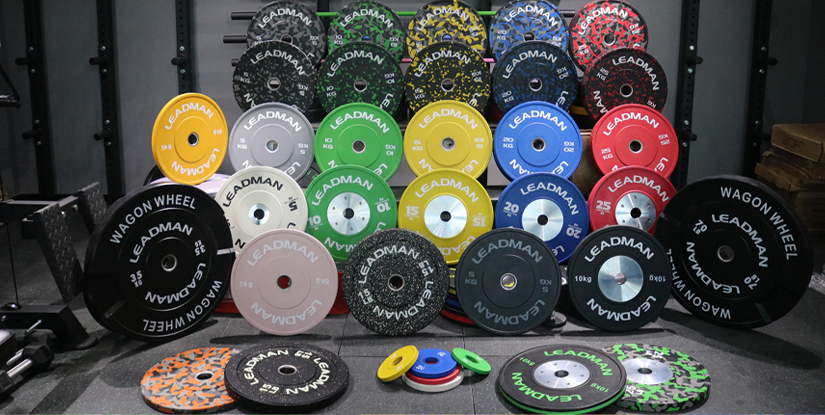
To mitigate these risks, ensure your manufacturer utilizes reinforced, heavy-duty packaging integrity standards specifically designed for overseas bulk shipping. This includes utilizing high-density foam padding for bar sleeves and heavy-duty corrugated outer boxes to prevent crushing during stacking. Most importantly, demand a rigorous factory QC process that includes a pre-loading inspection; this ensures that every set is secured within its crate to maintain logistics stability throughout the long-haul transit. A well-protected shipment arrives ready for immediate deployment, saving your team from the costly labor of sorting through damaged or disorganized stock upon arrival.
Managing Warranty Claims and Component Replacement Cycles
When calculating the long-term value of your procurement, the initial purchase price is often secondary to the Total Cost of Ownership (TCO). In high-traffic commercial environments, the frequency of replacement for a bar bell with weight plates is a direct result of the equipment's build quality. Relying on low-cost, non-specialized sets often leads to accelerated wear and tear, forcing facility managers into unplanned capital expenditures much sooner than anticipated.
High-use scenarios, such as heavy compound lifting or high-volume strength training circuits, place immense stress on the knurling of commercial barbell sets and the structural integrity of weight plate sleeves. To protect your ROI, it is essential to evaluate the durability vs. replacement frequency ratio during the sourcing stage. High-quality components reduce the need for frequent maintenance windows, ensuring that your facility remains operational without the constant disruption of replacing damaged or worn-out gear.
To effectively forecast your replacement cycles, you must differentiate between materials based on their impact on both the floor and the equipment's structural longevity. For instance, iron plates offer high density and a smaller footprint, but they lack the shock-absorption capabilities required for high-impact zones. Conversely, rubber bumper plates are designed to withstand drops, which preserves the integrity of your barbell sleeves and reduces the wear on your flooring systems.
The following comparison helps procurement managers determine which material profile aligns with their facility's usage intensity and spatial planning requirements:
| Material Type | Typical Lifespan (High-Use) | Spatial & Maintenance Impact | Best Use Case |
|---|---|---|---|
| Cast Iron Plates | Long-term (High durability) | Requires heavy-duty flooring; higher impact noise. | Traditional strength training; static lifting. |
| Rubber Bumper Plates | Moderate (Surface wear over time) | Protects floor and bar; better for high-volume zones. | CrossFit; Olympic lifting; high-traffic areas. |
| Vinyl/Coated Plates | Short-to-Moderate | Easier to clean; protects against oxidation. | Commercial fitness studios; boutique gyms. |
Strategic sourcing involves weighing these variables against your facility's turnover rate. While rubberized options may have a higher upfront cost, their ability to mitigate vibration and protect the bar bell with weight plates during heavy use often results in a much lower long-term replacement cost.
Beyond material selection, operational efficiency depends heavily on your supplier's ability to manage component-level replacement. In a professional setting, a single damaged barbell sleeve or a cracked weight plate should not necessitate the replacement of an entire set. For distributors and facility owners, sourcing from manufacturers that offer modular parts is a critical safeguard. This ensures that you can address specific wear points without disrupting the entire training zone or overhauling your equipment layout.
Effective logistics for spare parts is a non-negotiable factor in minimizing operational downtime. When a single component fails, the ability to rapidly secure a replacement prevents "dead zones" in your gym floor plan—areas where equipment sits idle due to minor defects. Furthermore, integrating high-capacity weight plate storage solutions into your initial order can streamline maintenance. By organizing spares and specialized components within dedicated storage, you reduce the time staff spends on inventory management and ensure that the floor remains optimized for member use at all times.
Optimizing Floor Footprints with Integrated Weight Plate Storage Solutions
In high-traffic zones, the mismanagement of a bar bell with weight plates can quickly lead to operational bottlenecks. For facility managers and distributors, the challenge is rarely about the quantity of iron, but rather the spatial efficiency of the training area. Loose plates scattered on the floor or disorganized stacks create significant trip hazards and disrupt the natural flow of movement, effectively shrinking your usable square footage. Effective gym equipment spatial planning requires moving away from haphazard placement toward structured, high-density storage models.
When sourcing commercial barbell sets for large-scale installations, procurement professionals must evaluate how different storage configurations impact the long-term floor footprint optimization. Transitioning from standalone racks to integrated systems can reclaim vital floor space, ensuring that heavy lifting zones remain accessible and safe even during peak hours.
| Storage Configuration | Space Efficiency | Mobility & Workflow | Procurement Suitability |
|---|---|---|---|
| Standalone Plate Trees | Moderate | High (Portable) | Small boutique studios |
| Integrated Rack Pegs | High (Compact) | Low (Stationary) | High-volume strength zones |
| Wall-Mounted Systems | Maximum | Fixed | Limited footprint facilities |
Selecting the right configuration depends heavily on your facility's specific turnover rate and structural constraints. For instance, vertical plate trees offer excellent portability, making them ideal for studios that frequently reconfigure training zones, though they occupy a dedicated footprint that cannot be shared with other equipment. Conversely, horizontal barbell racks and integrated peg systems are engineered for maximum footprint efficiency in permanent strength areas. By utilizing the structure of the rack itself to hold the bar bell with weight plates, you eliminate the need for secondary storage units, effectively consolidating your equipment footprint.
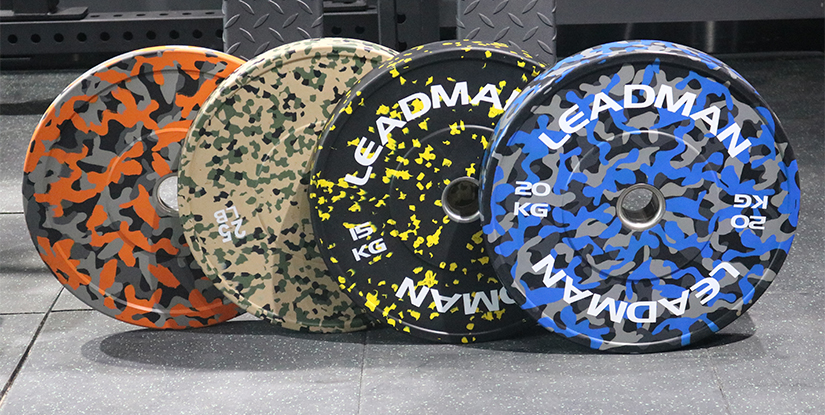
From a durability standpoint, B2B buyers should prioritize weight plate storage solutions constructed from high-gauge, commercial-grade steel. Integrated storage that relies on the weight-bearing capacity of the rack must undergo rigorous stress testing to prevent structural fatigue over time. When negotiating bulk orders or managing large-scale shipments, ensure that your supplier provides detailed specifications regarding the steel thickness and welding quality, as these factors directly influence the long-term total cost of ownership and the safety of your members.
Beyond simple spatial geometry, the logistical reality of managing a bar bell with weight plates involves complex considerations of assembly and long-term maintenance. When executing bulk procurement for multi-site rollouts or large-scale commercial expansions, the assembly complexity of your storage systems becomes a critical variable in your deployment timeline. Highly integrated or modular systems may offer superior space savings, but they often require more intensive onsite setup and specialized tools. It is essential to verify with your manufacturer whether the units arrive pre-assembled or as components, as this directly affects your logistics efficiency and labor costs during the installation phase.
Furthermore, a sophisticated procurement strategy must account for the structural integrity of the storage interface. A storage peg or rack that lacks sufficient weight capacity will inevitably suffer from mechanical deformation under constant heavy loading. This degradation does not just present a safety risk; it expands your maintenance window by requiring more frequent inspections and repairs. To minimize the total cost of ownership, professional buyers should demand documentation regarding the load-bearing tolerances of all integrated pegs and sleeves. Selecting equipment that maintains its structural rigidity under maximum load ensures that your strength training zones remain a high-performance asset rather than a recurring maintenance liability.
Spatial Planning for Heavy Lifting Zones and Traffic Flow
Efficient spatial planning goes beyond simply placing equipment on a floor; it requires a precise understanding of the dynamic footprint required during high-intensity training. When sourcing a bar bell with weight plates for a commercial facility, procurement managers must account for the "active radius" of the athlete. This includes not only the static length of the barbell but also the lateral movement of the lifter and the necessary clearance for loading and unloading heavy plates.
In high-traffic commercial gym layouts, failing to define these zones leads to congestion and increased liability. We recommend establishing strict clearance requirements that include a minimum safety buffer around each lifting station. This buffer should accommodate the full extension of the barbell, the movement of the lifter’s arms, and a dedicated perimeter for weight plate storage and transition. By calculating these zones during the initial facility design phase, distributors and gym owners can prevent bottlenecks and ensure that heavy lifting zones do not infringe upon general circulation paths or lighter functional training areas.
To facilitate accurate facility blueprints and logistics coordination, procurement teams should utilize standardized dimensional benchmarks. The following reference table outlines the typical footprint requirements for various commercial barbell sets. When calculating total square footage for a lifting zone, do not merely account for the equipment itself; you must include the "loading zone" to ensure seamless operation without obstructing neighboring equipment or walkways.
| Equipment Type | Static Bar Length | Loading Clearance (Per Side) | Recommended Total Zone Width |
|---|---|---|---|
| Standard Olympic Barbell | 2.2m (approx. 7.2ft) | 0.5m - 0.7m | 3.2m - 3.6m |
| Long/Heavy Duty Barbell | 2.4m (approx. 7.9ft) | 0.6m - 0.8m | 3.6m - 4.0m |
| Compact/Training Barbell | 1.8m (approx. 6.0ft) | 0.4m - 0.5m | 2.6m - 3.0m |
When sourcing weight plate storage solutions, such as vertical trees or horizontal racks, ensure these are positioned outside the active loading clearance. Effective equipment spatial planning requires a buffer between the plate's edge and the storage unit to prevent collisions during high-frequency training sessions. For large-scale distributors, verifying these dimensions against local building codes and safety standards is a critical step in the pre-shipment verification process.
Beyond the immediate lifting footprint, true floor space optimization depends on how you manage the logistics of moving heavy steel and rubber. In high-volume facilities, a common oversight is the placement of weight plate storage solutions too far from the active lifting station, which creates unnecessary clutter in high-traffic zones. We advise integrating storage units directly into the perimeter of the lifting zone or utilizing integrated rack systems that keep the center aisles clear for unobstructed movement.
From a procurement standpoint, managing bulk procurement logistics for heavy iron and bumper plates requires a proactive approach to facility maintenance and site accessibility. Heavy shipments of bar bell with weight plates sets can strain internal workflows if the loading dock-to-gym transition is not planned. Ensure your facility layout includes wide, reinforced pathways that can handle the weight of heavy-duty carts. By coordinating the arrival of large-scale orders with a clear internal transport plan, distributors can minimize equipment wear and prevent structural fatigue on flooring, ultimately lowering the total cost of ownership through better facility maintenance management.
Logistics Strategies for Bulk Barbell and Plate Shipments
For distributors and facility managers, the true cost of a bar bell with weight plates extends far beyond the unit price. When scaling a strength training zone, the logistical overhead of transporting high-density steel components can quickly erode profit margins if not managed through strategic procurement. Optimizing your landed cost requires a shift in focus from individual item pricing to total freight efficiency.
To achieve maximum cost-efficiency, procurement professionals should prioritize volume-based pricing models that leverage the inherent density of commercial barbell sets. Because weight plates and barbells are heavy yet compact, the primary goal is to maximize shipping density within each container. By coordinating the procurement of various denominations of plates alongside bars, buyers can utilize freight optimization techniques—such as nesting plates or utilizing specific pallet configurations—to reduce the volumetric weight ratio. Working with a supplier that understands how to balance the weight-to-volume ratio ensures that you are not paying to ship empty air, effectively lowering the per-unit landed cost through smarter container utilization.
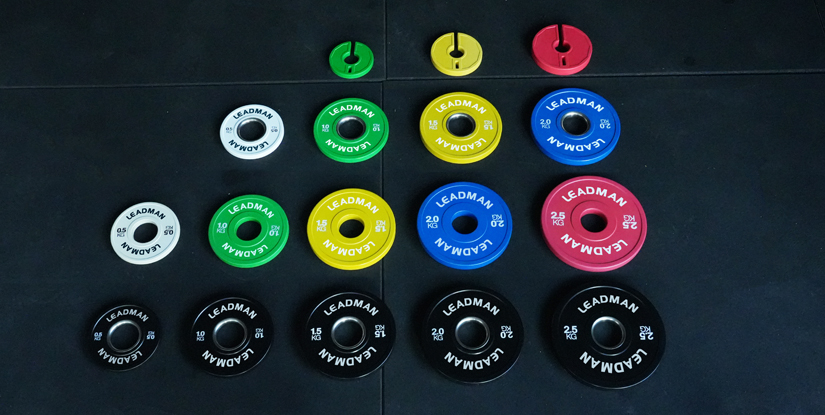
Understanding the relationship between packaging density and shipping methods is critical for calculating the Total Cost of Ownership (TCO). When sourcing a bar bell with weight plates, the configuration of weight plate storage solutions and palletization directly impacts your freight bill. For instance, loose-packed plates may offer higher density but increase handling risks, whereas palletized shipments provide better protection and faster unloading efficiency in commercial settings.
Buyers must evaluate the trade-offs between sea freight and air freight based on volumetric weight versus actual mass. While sea freight remains the standard for bulk commercial barbell sets due to lower costs, optimized palletization can prevent damage and reduce long-term replacement expenses. A strategic procurement approach involves analyzing how different packaging dimensions affect container loadability, ensuring that every cubic meter contributes to your bottom line rather than increasing logistical overhead.
Beyond freight rates, the hidden costs of bulk procurement often stem from inadequate quality control during the final stages of the supply chain. Even a perfectly planned layout for gym equipment spatial planning can be compromised if the arriving inventory is damaged or fails to meet dimensional specifications. To mitigate these risks, professional buyers must insist on a rigorous pre-shipment inspection protocol that goes beyond simple piece counts.
Loading supervision is a non-negotiable step when managing large-scale orders of heavy steel components. Ensure your factory partner implements strict packaging durability standards, specifically testing the structural integrity of crates and pallets designed for high-density weight. A failure in bulk order compliance—such as improperly secured barbells or unprotected plate edges—can lead to metal deformation or surface coating scratches during transit. By mandating a final inspection of the loading process, you ensure that the weight-to-volume ratios optimized during planning are not undone by poor handling, protecting your investment from the moment it leaves the warehouse.
Calculating Total Landed Cost for Global Gym Outfitting
When sourcing heavy iron, focusing solely on the unit price of a bar bell with weight plates is a common procurement oversight. For high-volume distributors and gym developers, the true expense lies in the Total Landed Cost (TLC). Because these items are exceptionally dense yet occupy significant volume, the interplay between actual weight and volumetric weight can drastically alter your margins. A shipment of high-quality commercial barbell sets might appear cost-effective on a per-unit basis, but without optimizing shipping container density, the logistics overhead can erode your projected ROI.
Effective spatial planning begins at the factory level, not just on your gym floor. To minimize the impact of freight costs, buyers must evaluate how weight plate nesting and barbell packaging affect container utilization. A failure to account for these variables often leads to "shipping air," where you pay for volume that does not contribute to your inventory density.
| Procurement Factor | Standard Bulk Sourcing | Optimized Container Loading |
|---|---|---|
| Logistics Focus | Basic palletization | High-density nesting & stacking |
| Weight Ratio | High volumetric weight impact | Balanced actual vs. volumetric weight |
| TLC Impact | Higher freight cost per unit | Lowered landed cost through density |
| Risk Level | Variable shipping overhead | Predictable, optimized freight spend |
Strategic sourcing requires a deep understanding of how weight plate storage solutions and barbell configurations influence shipping container optimization. By prioritizing suppliers who offer specialized packing configurations, you ensure that your landed cost remains competitive regardless of global freight volatility.
To finalize your budget, you must choose between the speed of local procurement and the margin-driven benefits of direct manufacturing. While local distributors offer immediate availability, they often pass on the overhead of domestic warehousing and higher markup. Conversely, direct factory sourcing provides significant bulk procurement advantages, particularly when ordering full sets of commercial barbell sets and integrated storage systems, but requires a more rigorous approach to quality control and international logistics management.
Comparison of Sourcing Models
| Component | Direct Factory Sourcing | Local Distributor Model |
|---|---|---|
| Unit Price | Lower (Manufacturer direct) | Higher (Markup included) |
| Freight/CBM | Complex (Requires container optimization) | Simplified (LTL or local delivery) |
| Customs/Duties | Buyer manages import compliance | Included in local invoice |
| Lead Time | Longer (Production + Ocean freight) | Short (Immediate/Local stock) |
| Quality Control | Requires rigorous factory inspection | Relies on distributor's vetting |
When integrating these components into your gym equipment spatial planning, consider the long-term cost of ownership. While direct sourcing lowers the initial capital expenditure for a bar bell with weight plates, it demands more sophisticated oversight of shipping schedules and customs documentation. For large-scale facility rollouts, the ability to negotiate volume-based discounts on weight plate storage solutions directly with a manufacturer remains the most effective way to protect your bottom line.
Prioritizing Durability and Long-Term ROI
Beyond the initial procurement and shipping logistics, the true economic impact of your selection is determined by the durability of commercial barbell sets under heavy use. In high-traffic commercial environments, the frequency of weight transitions and impact levels can rapidly degrade lower-grade equipment. When calculating your long-term ROI, you must account for the inevitable wear and tear that occurs with standard training cycles. Choosing equipment with superior metallurgical properties and high-grade coatings is not just a quality preference; it is a strategy to extend the maintenance window.
Furthermore, the integration of high-quality weight plate storage solutions directly influences the lifespan of your inventory. Improperly stored plates—such as those left on the floor or stacked in unsecured, unstable racks—are prone to surface oxidation, structural deformation, and knurling damage on the bars. By investing in specialized storage that protects the metal surfaces and ensures proper weight distribution, facility managers can significantly reduce the frequency of replacement cycles. A well-planned layout that prioritizes organized storage minimizes the operational costs associated with equipment depreciation and premature turnover.