Weight Plates vs Bumpers: Selecting for Facility Longevity
Strategic Procurement Framework for Weight Selection
When evaluating the long-term viability of a facility, procurement officers must look beyond the initial purchase order to understand the total cost of ownership. A successful acquisition requires balancing three critical checkpoints: mitigating the risk of premature equipment degradation, ensuring technical specifications meet user demands, and optimizing logistics for bulk deliveries. Choosing between weight plates vs bumpers is rarely a matter of simple preference; it is a decision that dictates your future maintenance cycles and operational overhead.
While standard iron plates often present a lower initial investment, they frequently incur hidden costs in high-traffic gym environments. The rigid nature of iron can lead to accelerated wear on both the plates and the surrounding flooring, necessitating more frequent replacement cycles. In contrast, high-quality bumper plates offer superior durability and shock absorption. By investing in rubberized surfaces, facility managers can reduce the frequency of equipment turnover and protect the structural integrity of the gym floor, ultimately stabilizing the long-term budget through improved asset longevity.
To assist in your financial modeling, we have categorized the primary economic variables that differentiate these two product types. Effective commercial gym equipment procurement requires a shift from looking at unit price to analyzing the cost-per-use ratio over a five-year operational window.
| Economic Metric | Standard Iron Plates | High-Density Bumper Plates |
|---|---|---|
| Initial Capital Outlay | Lower; optimized for budget-conscious setups | Higher; premium for material density |
| Replacement Frequency | Moderate; prone to chipping or rust if neglected | Low; engineered for high-impact durability |
| Ancillary Maintenance | Higher; potential for floor damage and noise | Minimal; provides natural gym floor protection |
| Asset Lifespan | Variable; dependent on coating quality | Extended; maintains structural integrity under load |
When sourcing at scale, consider that the savings gained from lower unit costs in iron plates are often offset by the increased replacement frequency of flooring underlayment and specialized mats. For high-intensity training facilities, the shock-absorbing properties of bumpers act as a preventative measure against long-term facility depreciation.
Optimizing Large-Scale Sourcing and Quality Control
Scaling your inventory through wholesale sourcing requires a more sophisticated approach than standard retail purchasing. When navigating the decision of weight plates vs bumpers for a large-scale rollout, the primary risk shifts from unit price to material inconsistency. For instance, large orders of bumper plates are susceptible to variations in bounce characteristics and density if the manufacturer lacks rigorous quality control (QC) protocols. A lack of uniformity across a single shipment can lead to uneven weight distribution and unpredictable kinetic energy during high-impact drops, which compromises both user safety and equipment predictability.
To mitigate these risks, procurement specialists should establish strict bulk order specifications before finalizing any contract. It is essential to verify that the supplier can maintain density consistency across all weight increments, ensuring that a 25kg bumper behaves with the same rebound profile as its 10kg counterpart. Furthermore, do not overlook the complexities of shipping logistics; the high volume and weight of these assets can lead to significant freight costs and potential transit damage. We recommend negotiating MOQ (Minimum Order Quantity) levels that allow for optimized container loading, thereby reducing the landed cost per unit while ensuring your facility receives a cohesive, high-performance inventory.
Material Composition and Impact on Gym Floor Protection
When evaluating the long-term cost of ownership, the physical composition of your weight selection dictates your facility's maintenance schedule. Standard iron weight plates are dense and unforgiving; while they offer excellent precision for strength training, they possess virtually zero impact absorption. In high-traffic commercial environments, the kinetic energy from a dropped iron plate transfers directly into the subfloor, significantly increasing the risk of floor degradation and structural cracking over time.
In contrast, high-quality rubber bumper plates are engineered specifically to mitigate these forces. The elastomeric properties of the rubber allow the plate to absorb and dissipate shock upon impact. For procurement professionals, this distinction is critical: while the initial unit cost for rubber may be higher, the reduction in secondary expenses—such as premature flooring replacement and subfloor repairs—often justifies the investment. Choosing the right material is a fundamental step in strategic commercial gym equipment procurement to ensure facility longevity.
| Material Type | Impact Absorption | Floor Wear Risk | Best Use Case |
|---|---|---|---|
| Cast Iron | Minimal/None | High (Requires thick mats) | Standard Strength/Bodybuilding |
| Rubber Bumper | High | Low (Protective) | CrossFit/Olympic Lifting |
| Steel/Hybrid | Moderate | Medium | General Commercial Training |
To assist in your technical assessment, the following data outlines how the choice between weight plates vs bumpers affects your facility's long-term asset management. From a procurement standpoint, evaluating bumper plate durability is not just about the weight itself, but about how that weight interacts with your subfloor and surrounding infrastructure over thousands of repetitions.
The table below provides a standardized framework for assessing the operational impact of different material types on your facility's physical assets. This comparison helps distributors and facility managers project potential maintenance windows and total cost of ownership (TCO) when sourcing large-scale orders.
| Material Type | Impact Force | Floor Protection Level | Typical Maintenance Window |
|---|---|---|---|
| Cast Iron | High/Rigid | Low (Requires heavy padding) | Frequent (Surface chipping/rust) |
| Standard Rubber Bumper | Moderate/Elastic | High (Shock absorbing) | Occasional (Surface wear/scuffs) |
| High-Density Urethane | Low/Dampened | Very High (Optimal) | Minimal (Long-term durability) |
When calculating your bulk shipping and storage requirements, remember that rubber-based products may have different volumetric weights compared to iron. Always confirm the specific density and thickness specifications with your manufacturer to ensure your gym floor protection strategy aligns with your facility's structural limits.
Optimizing your procurement strategy requires a granular understanding of where different equipment types will reside within your floor plan. High-impact zones, such as dedicated lifting platforms or CrossFit areas, demand high-density materials that can withstand repetitive, high-velocity drops without compromising the integrity of the subfloor. In these specialized areas, relying solely on standard weight plates can lead to accelerated structural fatigue and costly remediation of the foundation.
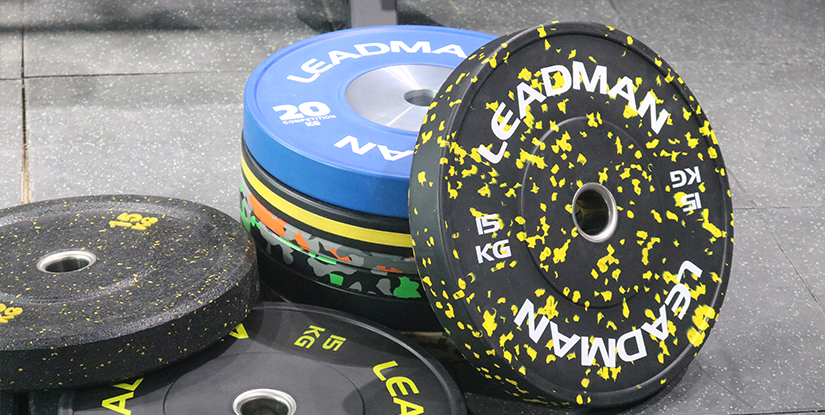
For general strength training zones or bodybuilding areas where precision and density are prioritized over drop-ability, a mix of iron and rubber can be a cost-effective approach. However, a sophisticated commercial gym equipment procurement plan should differentiate between "static" zones and "dynamic" zones. By allocating high-durability bumper plates to high-impact zones and reserving iron plates for stationary lifting, facility managers can effectively balance initial capital expenditure with long-term gym floor protection. This tiered distribution model ensures that your highest-wear areas are protected by the most resilient materials, ultimately lowering the total cost of ownership across the entire facility footprint.
Operational Dynamics: High-Volume Training vs. Standard Strength Training
In high-traffic commercial environments, the distinction between weight plates vs bumpers becomes most apparent during routine facility inspections. Standard iron or steel plates are often subject to surface degradation due to constant contact with metal racks and high-impact handling. Over time, moisture exposure can lead to oxidation, requiring more rigorous cleaning protocols to maintain a professional aesthetic and prevent rust from spreading across the gym floor.
Conversely, premium rubberized options offer superior bumper plate durability, designed specifically to absorb kinetic energy. While these plates are resilient against impact, procurement managers must account for the different maintenance profiles they present. While iron plates require periodic degreasing and rust prevention, high-quality bumpers demand regular checks for edge compression and debris buildup within the center holes. For distributors and facility owners, selecting the right material is not just about the initial purchase, but about balancing the frequency of cleaning against the long-term structural integrity of the equipment in a high-volume setting.
When calculating the Total Cost of Ownership (TCO), procurement professionals must look beyond the initial invoice to the long-term operational expenses. A mismatch between training style and plate material can lead to accelerated replacement cycles and increased labor costs. For instance, a facility utilizing heavy Olympic lifting without adequate gym floor protection will face significantly higher costs in subfloor repair and equipment replacement compared to a traditional strength training center.
To streamline your commercial gym equipment procurement, use the following comparison to evaluate how training intensity dictates your maintenance and replacement budget:
| Metric | Standard Iron/Steel Plates | High-Density Bumper Plates |
|---|---|---|
| Primary Use Case | Bodybuilding, traditional strength training | Olympic lifting, CrossFit, high-impact training |
| Maintenance Frequency | Moderate (Rust prevention, surface cleaning) | Low (Debris removal, edge inspection) |
| Impact Resistance | Low (Risk of cracking or denting) | High (Designed for kinetic energy absorption) |
| Replacement Cycle | Long (If kept in low-moisture environments) | Variable (Dependent on material density/quality) |
| TCO Consideration | Lower upfront cost; higher floor wear risk | Higher upfront cost; lower structural upkeep |
Strategic Sourcing Note: When ordering in bulk, verify the density specifications of rubberized options. High-quality bumpers maintain their shape longer, reducing the frequency of re-ordering and ensuring consistent facility standards over several years.
Structural Integrity and Floor Damage Mitigation
The decision between weight plates vs bumpers extends far beyond the weight stack; it directly dictates your facility's structural upkeep. In high-impact zones, the kinetic energy released during a dropped lift can cause significant subsurface damage if the equipment lacks sufficient impact absorption. While standard iron plates are rigid and unforgiving, high-density bumpers are engineered to dissipate force, acting as a buffer between the weight and the subfloor.
For facility managers, neglecting this distinction often leads to hidden costs. High-volume training environments that rely solely on steel plates without specialized padding face accelerated floor damage mitigation challenges, such as cracked rubber mats or uneven subfloor settling. This structural fatigue can compromise the entire training area's safety profile. When sourcing for large-scale builds, prioritize bumpers that feature high-grade virgin rubber or high-density recycled compounds. This ensures facility longevity by reducing the shockwaves transmitted through the floor, effectively protecting your capital investment in flooring and structural foundations.
Spatial Optimization and Storage Logistics for Wholesale Orders
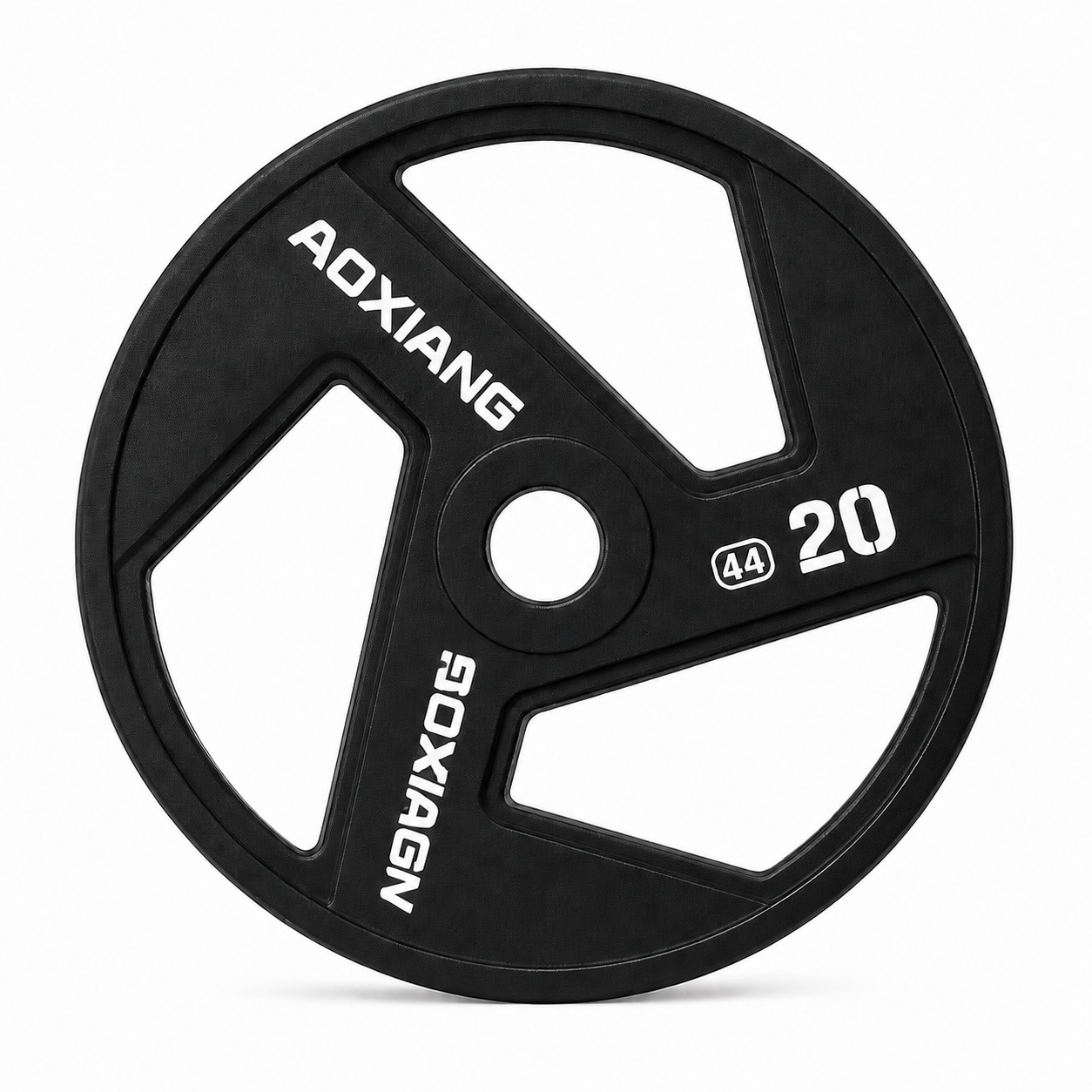
When planning the floor layout for a high-traffic facility, the physical dimensions of your inventory directly impact your operational flow. A critical distinction in weight plates vs bumpers lies in their thickness profiles and how they occupy your footprint. Standard iron plates are typically thinner, allowing for more weight density on a single barbell sleeve. However, high-density rubber bumper plates, while often slightly wider in diameter, can vary significantly in thickness depending on the manufacturing grade. For procurement managers, failing to account for these variations can lead to unexpected bottlenecks in both training zones and storage areas.
Efficient commercial gym equipment procurement requires a strategic look at how these items will be housed when not in use. While iron plates are often managed via vertical weight trees to save floor space, bumper plates frequently demand specialized horizontal storage solutions or heavy-duty vertical racks to accommodate their bulk. Selecting the right configuration ensures that your facility remains organized and that your storage footprint does not infringe upon active training zones.
| Storage Type | Ideal For | Spatial Impact | Procurement Note |
|---|---|---|---|
| Vertical Trees | Standard Iron Plates | Minimal footprint; high density | Check sleeve diameter compatibility |
| Horizontal Racks | Bumper Plates | Larger footprint; easier access | Ensure weight capacity for long rails |
| Wall-Mounted Pegs | Mixed Inventory | Maximum floor clearance | Verify wall load-bearing specs |
Beyond simple organization, the thickness of your chosen inventory dictates your long-term maintenance and shipping logistics. Because bumper plates are generally thicker than iron counterparts, distributors must account for increased volume in both container loading and local warehouse allocation. When managing large-scale orders, the volumetric weight of rubberized products can impact bulk shipping considerations and freight costs more significantly than dense, compact iron sets.
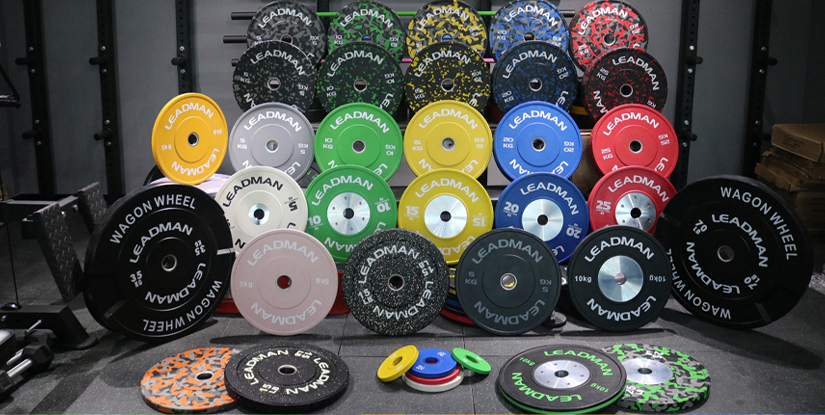
Furthermore, the choice of plate type influences your gym floor protection strategy. While iron plates are rigid and can cause localized impact damage if not properly managed, high-quality bumper plates are designed to absorb kinetic energy. However, the sheer mass and increased diameter of a full set of bumpers require a robust foundation. If your facility layout is tight, prioritize high-density vertical storage racks to keep movement paths clear. For wholesale buyers, balancing the thickness-to-weight ratio is essential to ensuring that your storage density matches your facility's actual square footage and operational throughput.
From a global sourcing perspective, the discrepancy in shipping volume (CBM) between these two categories is a critical factor for total landed cost calculations. While iron plates offer a high weight-to-volume ratio, making them exceptionally dense and cost-effective for sea freight, bumper plates occupy significantly more cubic meters per ton. This increased volume means that a container loaded with high-grade rubberized plates will hit its volumetric limit long before its weight capacity is reached.
For distributors and facility owners, this necessitates a sophisticated approach to wholesale order logistics. When calculating inventory management cycles, you must account for the fact that a larger warehouse footprint is required to house the same amount of nominal weight in bumpers compared to iron. To optimize facility workflow, procurement professionals should coordinate with their factory or supplier to ensure that palletization and crate dimensions are optimized for both transit efficiency and local unloading speed. Neglecting this volumetric distinction can lead to unexpected surcharges and logistical bottlenecks during the final mile of delivery.
Quality Control Benchmarks for International Sourcing
When evaluating weight plates vs bumpers for large-scale facility deployment, the distinction lies far beyond mere aesthetics. For procurement managers, the primary concern is the long-term structural integrity of the inventory. While standard iron plates rely on the density of cast iron to maintain shape, bumper plates demand a sophisticated level of material consistency to ensure they do not crack or deform under repeated high-impact drops.
A critical factor in bumper plate durability is the quality of the vulcanized rubber. High-quality manufacturing processes utilize high-density rubber rather than low-grade recycled compounds, which can lead to uneven weight distribution or premature surface degradation. From a sourcing perspective, you must verify the factory's manufacturing tolerances. Precision in the center hole diameter and consistent weight calibration across a single production batch are essential to prevent equipment mismatch and ensure seamless integration with premium barbell sleeves. Relying on rigorous quality control at the factory level mitigates the risk of receiving inconsistent shipments that could compromise your facility's operational standards.
To streamline your decision-making process, we have synthesized the technical specifications into a comparative framework. This allows for a direct evaluation of how material composition influences long-term maintenance costs and gym floor protection requirements. When conducting commercial gym equipment procurement, use these benchmarks to audit potential supplier technical sheets.
| Specification Feature | Standard Iron Weight Plates | High-Density Bumper Plates |
|---|---|---|
| Material Composition | Cast iron or steel core | Virgin or high-grade vulcanized rubber |
| Impact Resistance | Low; prone to chipping/cracking | High; engineered for repetitive drops |
| Surface Coating | Powder coating or enamel | Integrated rubber or textured finish |
| Edge Durability | High risk of metal oxidation/chipping | High; absorbs shock to protect flooring |
| Primary Use Case | Traditional strength/Bodybuilding | Olympic lifting/High-intensity training |
For distributors and facility owners, the choice between weight plates vs bumpers often hinges on the expected intensity of use. While iron plates offer a cost-effective solution for static lifting, the superior shock absorption of premium bumpers is vital for protecting your subflooring and reducing long-term replacement frequency in high-traffic zones.
Optimizing High-Volume Logistics and Inspection
Managing the logistics of a large-scale order requires more than just selecting a vendor; it demands a rigorous protocol for batch consistency and shipping optimization. When sourcing high-density rubber, the weight of the product significantly impacts your freight costs. Procurement professionals should work with manufacturers to balance MOQ considerations against shipping weight optimization. For instance, choosing high-density bumpers may result in a smaller physical footprint per kilogram, potentially lowering container shipping costs compared to bulky, low-density alternatives.
To prevent the common pitfalls of international trade, implement a standardized inspection checklist before any shipment leaves the factory. Do not rely solely on digital certificates; demand verification of batch-to-batch uniformity. A successful audit should include checking for uniform color saturation, center-hole precision, and the absence of surface imperfections that could compromise gym floor protection. By establishing these strict quality benchmarks during the sourcing phase, distributors can minimize the high costs associated with replacement cycles and ensure that the delivered inventory meets the rigorous demands of a commercial environment.
Scaling Your Inventory: MOQ and Customization Realities
When navigating the complexities of commercial gym equipment procurement, the decision between weight plates vs bumpers often comes down to more than just material preference; it is a strategic calculation of initial investment versus long-term utility. For distributors and facility owners, the financial implications of choosing standard iron plates are often lower in terms of immediate CAPEX, yet they may lack the versatility required for modern high-impact training zones.
From a sourcing perspective, the procurement dilemma intensifies when considering customization and MOQ requirements. While standard iron plates are easier to source in smaller volumes, high-quality high-density rubber bumper plates often require larger orders to satisfy factory production runs. This creates a critical pivot point for buyers: do you prioritize a lower entry cost with standard steel, or do you commit to a higher initial investment to secure specialized, durable equipment that reduces future replacement cycles and protects your flooring infrastructure?
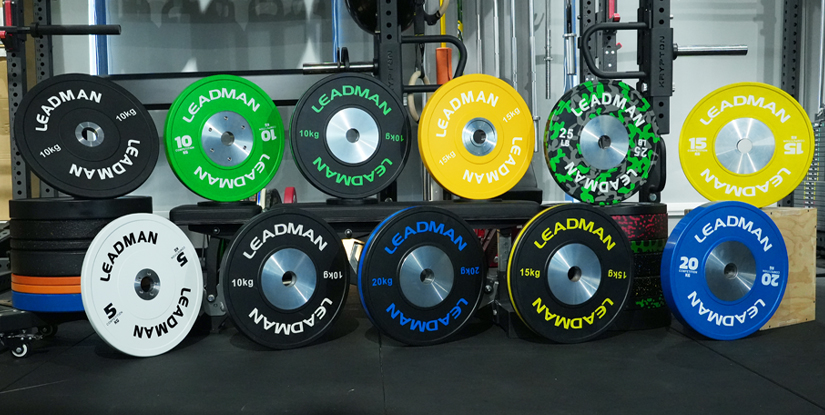
Understanding the cost-to-volume ratio is essential for optimizing your landed cost. While iron plates offer a lower unit price, their high density and weight-to-size ratio can lead to higher shipping costs per unit of weight. Conversely, bumper plates, despite a higher initial manufacturing cost, offer more flexibility for branding and color-coding, which is a significant advantage for premium facility differentiation. However, buyers must weigh these aesthetic benefits against the logistical reality of shipping much larger, lighter volumes.
The following comparison highlights the typical trade-offs encountered during the wholesale procurement process:
| Feature | Standard Iron Plates | Bumper Plates |
|---|---|---|
| Unit Cost | Lower (Economical for basic lifting) | Higher (Premium material investment) |
| Customization Flexibility | Limited (Primarily color/coating) | High (Full color/branding capability) |
| MOQ Requirements | Generally lower/Easier to source | Higher (Due to rubber production runs) |
| Shipping Volume/Weight | Compact/High density | Bulky/Higher volume per shipment |
When evaluating bumper plate durability, consider that the higher initial cost often translates to better gym floor protection and reduced maintenance. From a procurement standpoint, choosing the right specification involves balancing the immediate budget with the long-term logistics efficiency of your inventory management.
Beyond the initial purchase order, sophisticated buyers must prioritize the Total Cost of Ownership (TCO) to ensure facility profitability. While standard iron plates appear more cost-effective on a single-unit basis, their lack of impact absorption often results in accelerated maintenance cycles and unforeseen expenses related to subfloor repairs. In high-traffic environments, the replacement frequency of iron-based equipment—due to chipped paint or structural fatigue from dropped weights—can quickly erode the savings gained from a lower initial price point.
To optimize scaling inventory, we recommend a bulk procurement strategy that aligns with your facility's expansion roadmap. Rather than frequent, small-batch reordering which increases per-unit shipping overhead, sourcing high-durability bumper plates in larger volumes allows for better economies of scale. This approach secures long-term value by stabilizing your equipment specifications and ensuring that your gym floor protection remains consistent as you add new training zones. By treating procurement as a multi-year lifecycle management task rather than a one-off transaction, you mitigate the logistical friction of constant re-sourcing and maintain a premium standard for your end-users.
Final Selection Checklist for Facility Managers
When evaluating the weight plates vs bumpers debate, seasoned procurement professionals look beyond the initial unit price. A common oversight in commercial gym equipment procurement is failing to account for the long-term operational impact of material degradation. While standard iron plates may offer a lower entry cost, the maintenance cycles required to manage rust, chipped coatings, or surface wear can quickly erode your initial savings.
True facility longevity is determined by the Total Cost of Ownership (TCO). This involves assessing how different weight formats interact with your flooring and how frequently your staff will need to intervene for repairs or replacements. For high-impact zones, the long-term durability of high-density rubber bumpers often offsets the higher upfront investment by reducing the frequency of equipment turnover and minimizing damage to gym floor protection systems. Moving from a simple product comparison to a strategic maintenance-led framework ensures your facility remains functional and aesthetically professional without unexpected capital expenditures.
To streamline your decision-making process, we have synthesized the technical requirements into a comparison framework. This table focuses on the physical impact and operational overhead associated with each type, helping you determine which specification aligns with your facility's structural integrity and maintenance budget.
| Evaluation Metric | Standard Iron Plates | High-Density Bumper Plates |
|---|---|---|
| Surface Wear | Prone to rust and coating chips over time | Highly resistant to environmental wear |
| Impact Absorption | Minimal; transmits high kinetic energy | Superior; absorbs shock upon contact |
| Gym Floor Protection | Requires heavy-duty platform layering | Compatible with standard rubber mats |
| Replacement Frequency | Moderate (due to oxidation/cracking) | Low (designed for high-volume use) |
| Maintenance Profile | Requires periodic cleaning/re-coating | Low-touch; high durability |
When sourcing in bulk, prioritize suppliers that provide clear specifications on rubber density and center-hole tolerances. For facilities prioritizing high-intensity training, the bumper plate durability profile significantly reduces the risk of structural damage to your subflooring, ultimately protecting your long-term capital investment.
Before finalizing your purchase order, use this technical checklist to vet manufacturers and ensure your shipment meets professional standards. Effective sourcing requires verifying that your vendor can maintain consistency across large-scale orders, particularly when dealing with high-volume imports.
Vendor Vetting & Quality Control Checklist
- QC Standards & Tolerance: Request documentation regarding material thickness consistency. For both iron and rubber, a variance of more than 1-2% in weight or diameter can disrupt barbell balance and increase wear on equipment.
- Customization & MOQ: If your brand identity requires customized colors or specific logos, clarify the Minimum Order Quantity (MOQ) upfront. High-density rubber production for custom colors often requires higher volumes than standard black profiles.
- Logistics & Shipping Weight: Calculate total shipping weight against your budget. While bumper plates are often more durable, their volume-to-weight ratio can impact container optimization and freight costs differently than compact iron plates.
- Vendor Reliability: Verify the supplier's capacity for large-scale production. Ensure they can provide consistent batches to prevent discrepancies in color or density between different shipments.
Pro Tip: Always request a sample or a detailed specification sheet for the rubber density. This ensures the bumper plate durability meets your facility's specific impact-resistance needs before the full container is dispatched.