dimensions of weight plates | Understanding Weight Plate
Optimizing Facility Footprint Through Precision Loading
For facility managers overseeing high-traffic commercial gyms or boutique strength studios, every square inch of floor space represents a critical asset. A common logistical bottleneck occurs when high-density training sessions outpace the available storage or loading capacity of a barbell. When procurement teams overlook the nuances of dimensions of weight plates, they often face the unexpected reality of "plate overflow," where the physical volume of the equipment exceeds the functional capacity of the bars.
The relationship between bumper plate thickness and your facility's throughput is a direct calculation of spatial efficiency. Thinner, high-density plates allow for more weight to be loaded onto a single bar without prematurely exhausting the barbell sleeve capacity. From a wholesale procurement perspective, sourcing plates with standardized, slim profiles is not just about weight—it is a strategic decision to maximize the number of usable stations in a limited footprint, ensuring your inventory supports heavy lifting without requiring constant reconfiguration of the training area.
Beyond the barbell itself, the physical geometry of your inventory dictates your long-term storage layout design. Standardized weight plate diameter standards, typically 450mm for full-size plates, ensure compatibility across major brands, but the real variation lies in the radial depth and thickness. When planning your weight tree placement or wall-mounted storage racks, you must account for the total depth of the plates to prevent protruding equipment from obstructing member traffic or movement lanes.
A sophisticated procurement strategy involves calculating the total storage footprint required for a full set of plates versus the actual available shelving depth. If your facility relies on vertical storage solutions, selecting a consistent thickness profile across your entire inventory helps maintain a predictable and organized aesthetic. This level of foresight prevents the common issue of uneven weight distribution on racks and ensures that your facility's spatial density remains optimized for both heavy lifting and efficient floor management.
Beyond the immediate loading capacity, the structural integrity of your equipment is heavily influenced by how these dimensions interact with high-volume usage. When sourcing in bulk, it is vital to understand that the durability of your barbell systems is not solely dependent on the steel grade, but also on the precision of the plate fit. Plates that deviate from strict weight plate diameter standards or possess inconsistent thickness profiles can create uneven pressure points on the barbell sleeve. Over time, this mechanical stress can lead to premature wear on the bushings or bearings of high-end bars, increasing your long-term maintenance costs and reducing the total lifecycle of your strength equipment.
For distributors and large-scale gym developers, this technical detail is a key factor in total cost of ownership (TCO). Investing in high-density, precision-molded plates ensures that the barbell sleeve capacity is utilized effectively and safely. By prioritizing suppliers who maintain rigorous quality control over the dimensions of weight plates, you mitigate the risk of equipment failure and ensure that your facility maintains a professional, high-performance standard that can withstand the rigors of commercial-grade training cycles.
Standardizing Diameter and Thickness for High-Traffic Zones
In high-volume commercial environments, the long-term cost of ownership is often determined by how well the equipment handles repetitive impact. When sourcing for large-scale fitness centers or strength training facilities, understanding the relationship between the dimensions of weight plates and structural integrity is vital. Standardized weight plate diameter standards ensure that weight distribution remains predictable, but it is the bumper plate thickness that truly dictates the longevity of your barbell sleeves and the surrounding flooring.
If the thickness is inconsistent or non-standard, it can lead to uneven loading, which places undue stress on the barbell sleeve capacity and accelerates mechanical wear. For distributors and facility managers, prioritizing plates with uniform density and precise dimensions is a strategic move to protect high-traffic zones. Investing in high-quality, standardized specifications reduces the frequency of replacement cycles and prevents the premature degradation of both the bars and the lifting platforms.
To assist in your procurement evaluation, we have outlined the technical differences between standard-grade and professional-grade specifications. While both may adhere to basic weight plate diameter standards, the variance in material density and dimensional precision significantly impacts long-term facility maintenance.
| Specification Metric | Standard Commercial Grade | High-Durability Professional Grade |
|---|---|---|
| Diameter Precision | +/- 2mm tolerance | +/- 0.5mm high-precision tolerance |
| Thickness Consistency | Variable across weight increments | Uniform BPT for optimal loading |
| Material Density | Standard rubber/urethane blend | High-density, impact-resistant polymer |
| Ideal Use Case | Light-duty gyms or boutique studios | Heavy-duty strength and CrossFit facilities |
When negotiating with manufacturers, we recommend requesting technical data sheets that verify these tolerances. A more consistent bumper plate thickness ensures that the barbell remains balanced during high-velocity movements. For wholesalers and large-scale distributors, selecting high-density specifications minimizes the risk of dimensional drift, protecting the barbell sleeve capacity and ensuring a lower total cost of ownership over several years of heavy use.
Beyond the immediate physical performance, procurement professionals must account for the logistical implications of weight plate specifications. The relationship between volume and density directly impacts shipping volume and container utilization. When ordering high-volume quantities, even a slight deviation in the dimensions of weight plates can lead to significant discrepancies in pallet stacking height and overall freight costs. A well-optimized dimension profile allows for denser packing, which is a critical factor for distributors managing international logistics and minimizing landed costs.
Optimizing Storage and Long-Term Logistics
Efficient storage efficiency is a major component of a facility's operational overhead. In many commercial settings, floor space is a premium commodity. Standardized thickness and diameter allow for predictable nesting and stacking on weight trees or specialized storage racks. If the plates are non-standardized, you risk inefficient use of vertical space and potential damage to the equipment during high-speed retrieval.
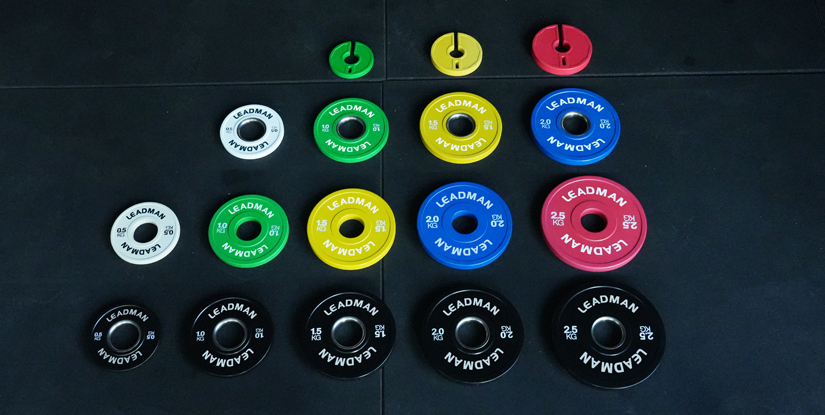
From a long-term investment perspective, prioritizing quality control at the factory level is non-negotiable. We advise buyers to look for suppliers that maintain strict manufacturing tolerances to prevent "dimensional drift"—where plates become slightly thinner or thicker over time due to poor material density. High-quality, precision-engineered plates require less frequent maintenance and replacement, ensuring that your initial procurement remains a durable asset rather than a recurring expense. By verifying these metrics during the sourcing phase, you safeguard your facility's footprint and ensure a more predictable total cost of ownership.
Barbell Sleeve Capacity and Loading Efficiency
For facility managers and gym distributors, the relationship between equipment specifications and operational flow is critical. A common oversight during procurement is failing to account for how bumper plate thickness directly dictates the available barbell sleeve capacity. When sourcing high-density rubberized plates, the physical width of each unit determines how many plates can fit onto a standard barbell before the sleeve is fully occupied.
This interplay is not just about weight—it is about loading efficiency and long-term maintenance. Thicker plates may offer better durability for high-impact drops, but they reduce the number of usable increments available for progressive overload. If your facility's inventory consists primarily of thick-profile plates, athletes may struggle to find the specific weight jumps required for training, leading to a bottleneck in throughput and a suboptimal user experience.
| Plate Profile Type | Loading Capacity | Durability Factor | Procurement Logic |
|---|---|---|---|
| Standard Bumper | High (More plates per sleeve) | Moderate | Best for general commercial gyms |
| Competition/Slim | Low (Fewer plates per sleeve) | High | Ideal for specialized strength facilities |
| Hybrid/Medium | Balanced | High | Versatile for multi-functional training centers |
Optimizing your facility footprint requires a strategic mix of profiles. By balancing thinner, high-density plates with standard bumper options, you ensure that your barbell stations remain functional for a wide range of training intensities without requiring excessive storage space or constant inventory turnover.
When vetting factory specifications, procurement specialists must look beyond basic weight increments to understand the technical nuances of weight plate diameter standards and profile consistency. A mismatch between plate thickness and sleeve dimensions can lead to uneven loading, which increases wear on the barbell bearings and complicates routine maintenance. For high-volume distributors, ensuring that your supplier maintains tight tolerances on both diameter and center-hole precision is essential for long-term reliability.
The following comparison highlights how different dimensional profiles impact the utility of a standard barbell, assisting in your decision-making process for large-scale facility fit-outs:
| Profile Specification | Typical Thickness Impact | Sleeve Utilization | Recommended Use Case |
|---|---|---|---|
| Standard Bumper | Greater thickness; higher impact absorption | Lower number of plates per sleeve | Crossfit and general strength training |
| Competition Grade | Slimmer profile; optimized for precision | Maximum plates per sleeve capacity | Professional strength and powerlifting |
| Cast Iron/Steel | Minimal thickness; high density | Highest density loading | Bodybuilding and specialized weight rooms |
Strategic Sourcing Tip: When negotiating MOQs or bulk shipments, request technical data sheets that specify the tolerance levels for diameter and thickness. Maintaining a consistent profile across your entire inventory prevents uneven weight distribution and extends the service life of your barbell sleeves, ultimately lowering your total cost of ownership.
Beyond immediate loading capacity, procurement professionals must evaluate how dimensional variations influence long-term operational costs. A critical factor in calculating the total cost of ownership (TCO) is the degree of dimensional consistency across a single production batch. Inconsistent thickness or diameter deviations often lead to uneven weight distribution, which places undue stress on the barbell bearings and accelerates sleeve wear. Over time, this mechanical strain necessitates more frequent equipment repairs or premature replacement of high-value barbells.
Effective maintenance strategies in high-traffic commercial environments rely on predictable equipment behavior. When sourcing in bulk, it is vital to verify that the supplier's quality control protocols account for the precision of the center hole and the edge profile. High-quality manufacturing ensures that plates seat smoothly against the sleeve, preventing the micro-vibrations and jarring impacts that degrade barbell bushings. By prioritizing manufacturers with strict tolerance standards, distributors can ensure long-term durability, reducing the frequency of maintenance cycles and protecting the facility's capital investment.
Sourcing Bumper Plate Variations for Diverse Training Modalities
When designing a high-performance training zone, the relationship between equipment specifications and floor plan efficiency is critical. For facility managers and distributors, understanding the dimensions of weight plates extends beyond simple diameter; it is a fundamental calculation of spatial density. A primary concern during procurement is how bumper plate thickness directly influences the total volume of equipment stored on a single barbell.
In high-traffic commercial environments, maximizing barbell sleeve capacity is essential for accommodating heavy lifting without requiring oversized, specialized bars. Thinner, high-density plates allow for more weight per linear inch, which is vital for optimizing the commercial gym layout and ensuring smooth athlete movement. Conversely, selecting the wrong thickness profile can lead to premature sleeve congestion, limiting the training potential of your equipment. From a sourcing perspective, balancing these dimensions is a key component of space optimization, ensuring that your inventory provides maximum utility within your facility's specific footprint.
Selecting between high-density and slim-profile plates is a critical procurement decision that impacts long-term storage efficiency and loading capacity. While standard weight plate diameter standards—typically 450mm for most professional bumper plates—ensure compatibility across global barbell brands, the variation in thickness profiles creates significant differences in facility utility. Slim-profile plates are engineered to maximize the number of plates that can fit on a single barbell, effectively increasing the weight ceiling for strength athletes without requiring specialized long-format bars.
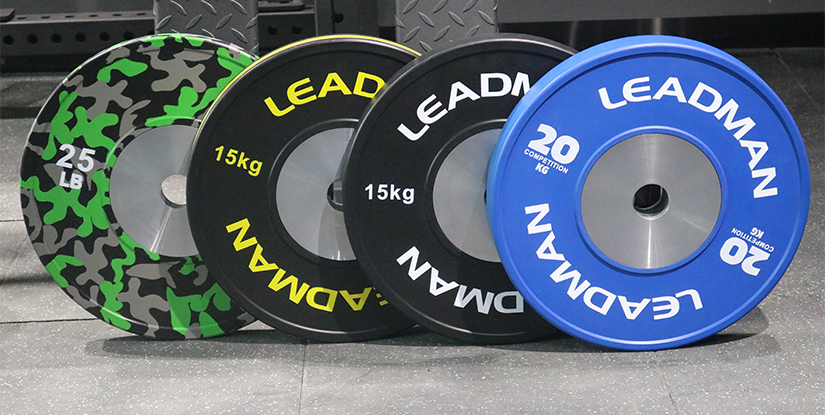
For distributors and facility owners, the choice between these profiles involves weighing immediate costs against spatial density. High-density, thinner plates offer superior space optimization for weight trees and storage racks, allowing for a more compact footprint in crowded training zones. However, procurement officers must also consider the structural integrity of the barbell sleeve. Choosing a thickness profile that is too aggressive for the intended equipment can lead to uneven weight distribution. Ultimately, evaluating these dimensions during the sourcing phase ensures that your inventory supports both high-intensity training and efficient facility management.
Beyond the immediate utility of the barbell, the physical volume of your inventory dictates your long-term logistics strategy. When engaging in bulk sourcing, procurement officers must look past the individual unit and evaluate the cumulative shipping volume and storage requirements. The dimensional footprint of a full shipment of bumper plates significantly impacts container utilization and freight costs, making it a vital variable in your total landed cost calculations.
Efficient facility footprint management also relies heavily on rack compatibility. If your storage solutions—such as vertical plate trees or wall-mounted racks—are not calibrated to the specific thickness of your ordered plates, you may face operational bottlenecks or disorganized training floors. We recommend verifying that your storage hardware can accommodate the maximum thickness of your high-density orders to prevent overcrowding. For large-scale distributors, aligning these dimensional standards during the initial logistics planning phase ensures that equipment arrives ready for immediate, organized deployment within the facility.
Logistics and Bulk Procurement Considerations for Global Distribution
For distributors and facility owners, the true cost of a shipment is rarely determined by the unit price alone. When sourcing high-volume orders, the dimensions of weight plates directly dictate your freight efficiency and total landed cost. Because weight plates are high-density items, shipping logistics often balance a delicate tension between actual weight and the physical space occupied within a container.
A critical factor in cost optimization is understanding how bumper plate thickness affects packaging density. Thinner plates allow for more units per pallet, effectively reducing the shipping volume and minimizing the impact of volumetric weight charges. If your procurement strategy ignores these spatial variables, you risk paying for "empty air" during transit. Whether you are managing a single container or multiple LCL shipments, coordinating the plate dimensions with your container loading plan is essential to maximize your margin and ensure your facility's inventory arrives cost-effectively.
To assist in your procurement planning, the following comparison highlights how different plate specifications impact your inventory density and shipping efficiency. When evaluating orders, consider how the standard weight plate diameter and thickness interact with your barbell sleeve capacity and overall storage footprint.
| Plate Type | Typical Diameter Standard | Relative Thickness | Storage Density | Shipping Efficiency |
|---|---|---|---|---|
| Standard Bumper Plates | 450mm | Medium/Consistent | High (Stackable) | Optimal for high-volume LCL/FCL |
| Precision/Competition | 450mm | Slim/Low Profile | Very High | Best for maximizing barbell sleeve capacity |
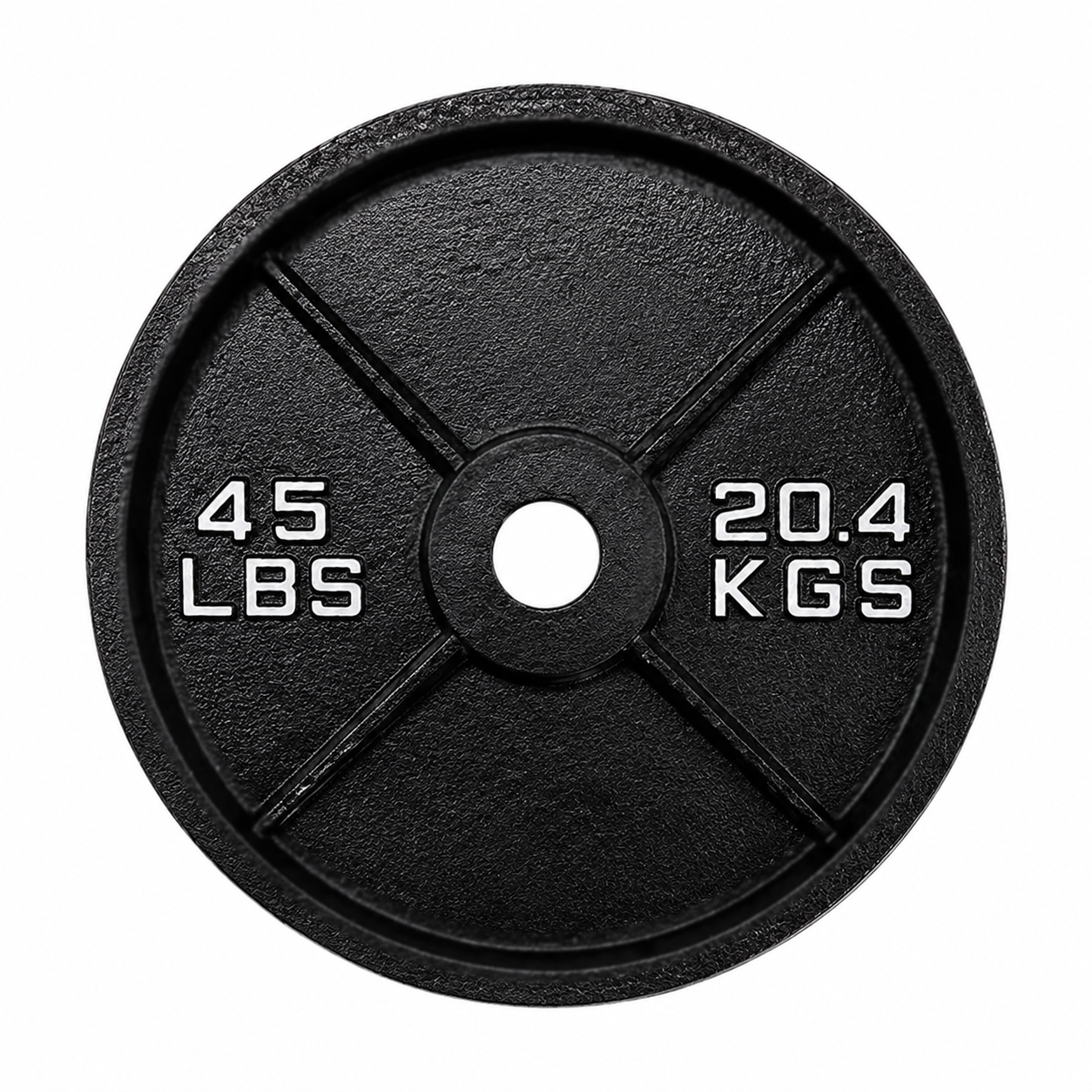
| Cast Iron/Iron Plates | Variable | High/Dense | Moderate | High weight-to-volume ratio |
Strategic Sourcing Tip: When negotiating MOQs with manufacturers, ask for specific dimensional tolerances. For high-end commercial distributors, selecting plates with a more consistent diameter ensures smoother transitions during loading and prevents uneven wear on your barbell sleeves. Maximizing storage density through optimized plate thickness is one of the most effective ways to lower the landed cost per unit in international trade.
Beyond shipping density, professional procurement requires a rigorous focus on quality control regarding manufacturing precision. When negotiating bulk ordering contracts, do not simply settle for nominal weights. A high-tier manufacturer must provide data on dimensional tolerance to ensure that every unit adheres to global weight plate diameter standards. Discrepancies in diameter or thickness can lead to more than just aesthetic inconsistencies; they can cause uneven loading, which places undue stress on the barbell and complicates your inventory management systems.
A common pitfall for distributors is overlooking the relationship between manufacturing precision and long-term reliability. If the diameter varies significantly between plates in a single set, the barbell's balance is compromised, leading to increased client dissatisfaction and higher return rates. We recommend establishing strict QC protocols during the factory inspection phase. By verifying that the thickness and diameter fall within a tight, predictable range, you protect your margins and ensure that your stock remains compatible with high-end commercial barbell sleeves across all future shipments.
Quality Control Benchmarks for Dimensional Accuracy
For facility owners and distributors, the true cost of a weight plate is not found in the initial invoice, but in the long-term maintenance of the barbell system. When sourcing high-volume orders, overlooking manufacturing tolerances can lead to significant downstream expenses. Inconsistent bumper plate thickness is a primary driver of premature equipment failure in high-traffic commercial gyms.
If the dimensional accuracy of the plates deviates from the standard, it creates an uneven interface with the barbell. This discrepancy often leads to increased sleeve friction during high-velocity movements. When plates are not perfectly uniform, they can cause uneven pressure distribution, which accelerates wear and tear on the barbell's internal bearings and bushings. Over time, this instability reduces the effective barbell sleeve capacity and can even compromise the structural integrity of the bar itself.
From a procurement standpoint, prioritizing suppliers who maintain strict quality control over plate thickness is essential. Ensuring that every unit meets precise specifications protects your barbell sleeve capacity and extends the lifecycle of your heavy lifting assets, ultimately lowering the total cost of ownership for your facility.
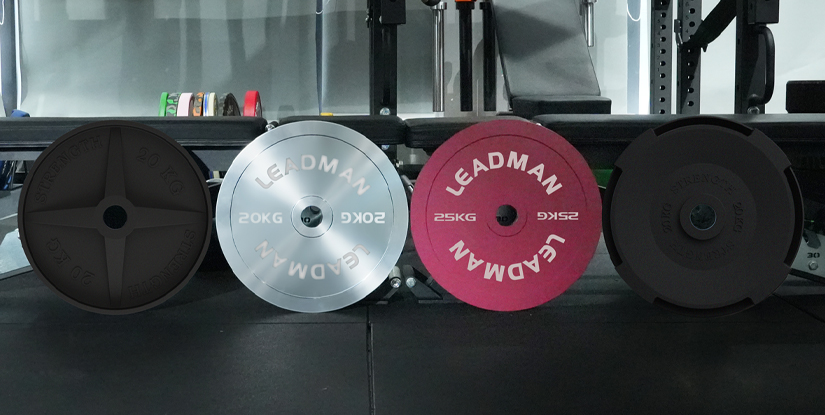
To mitigate these risks during high-volume procurement, buyers should demand technical data sheets that specify acceptable deviation ranges. A standardized production line should not only adhere to weight plate diameter standards but also maintain strict control over the concentricity of the center hole. Deviations in the inner diameter can cause uneven loading, while variations in thickness lead to unbalanced barbell oscillation. Using a rigorous inspection checklist during factory acceptance testing (FAT) ensures that your shipment meets the necessary dimensional integrity before it leaves the warehouse.
Technical Reference: Dimensional Tolerance Standards
The following table provides a benchmark for evaluating factory QC capabilities. Reliable manufacturers will provide these metrics to demonstrate their commitment to lowering the TCO for global distributors.
When reviewing quotes, always confirm if these dimensions of weight plates are verified through automated measurement tools. Consistent precision is the most effective way to prevent the replacement cycles that often plague lower-tier commercial equipment.
Logistics Efficiency and Supply Chain Optimization
Beyond the immediate mechanical impact on the barbell, dimensional non-compliance introduces severe risks to the logistics efficiency of a distribution network. For wholesalers and large-scale distributors, the relationship between product dimensions and shipping volume is a direct driver of landed costs. When weight plate thickness or diameter deviates from established standards, it disrupts the predictability of palletization and container loading patterns.
Inconsistent dimensions can lead to wasted air space within shipping containers, effectively increasing the freight cost per unit. For high-volume bulk ordering, even a minor deviation in the stackability of bumper plates can compromise storage footprint density in a warehouse. If plates are not perfectly uniform, they may not stack flush, creating unstable loads that require additional bracing or result in unusable vertical space.
To achieve true warehouse optimization, procurement professionals must treat dimensional precision as a logistical requirement rather than just a mechanical one. Selecting a manufacturer that prioritizes strict quality control benchmarks ensures that your inventory remains highly stackable and predictable. This level of precision minimizes the risk of damaged goods during transit and maximizes the utility of every cubic meter in your distribution center.
Vendor due diligence and specification guardrails
For facility owners and distributors, the risk of dimensional non-compliance extends far beyond simple aesthetic inconsistencies. When sourcing high-volume orders, failing to verify strict weight plate diameter standards can lead to significant operational headaches. Inconsistent dimensions often result in uneven weight distribution, which places undue stress on the barbell and reduces the overall barbell sleeve capacity. Over time, this mechanical mismatch accelerates wear on the bearings and sleeves of premium bars, increasing maintenance costs and shortening the lifespan of your lifting equipment.
Furthermore, fluctuations in bumper plate thickness present a direct threat to long-term durability. If a shipment contains plates with varying profiles, loading becomes unbalanced, potentially causing the bar to tilt or oscillate during heavy lifts. This instability is not just a performance issue; it is a structural one. To mitigate these procurement risks, it is essential to demand rigorous quality control (QC) protocols from your manufacturer. Reliable suppliers should provide tolerance reports to ensure that every unit adheres to the precise dimensions of weight plates required for professional-grade training environments.
To ensure your procurement specifications align with professional standards, utilize the following technical comparison. This data serves as a benchmark for evaluating vendor capability and assessing the potential impact of dimensional variance on your facility's hardware.
| Specification Metric | Standard Industrial Tolerance | Impact on Equipment Longevity | Typical QC Inspection Point |
|---|---|---|---|
| Diameter Precision | ± 1.0mm to 2.0mm | Prevents uneven loading and bar oscillation | Calibrated diameter gauges |
| Bumper Plate Thickness | ± 2.0mm to 3.0mm | Protects barbell sleeve bearings from uneven friction | Digital calipers per batch sample |
| Center Hole Diameter | ± 0.5mm (Standard 50mm) | Ensures smooth rotation and prevents sleeve snagging | Go/No-Go ring gauges |
| Weight Accuracy | ± 1% to 2% of total mass | Maintains consistent bar balance during heavy sets | High-precision industrial scales |
When negotiating bulk orders or setting MOQs, request that your supplier includes these specific measurement protocols in their pre-shipment inspection (PSI) documentation. Verifying these tolerances prevents the premature degradation of expensive barbell sleeves and ensures a predictable total cost of ownership (TCO) for your distribution or facility management.
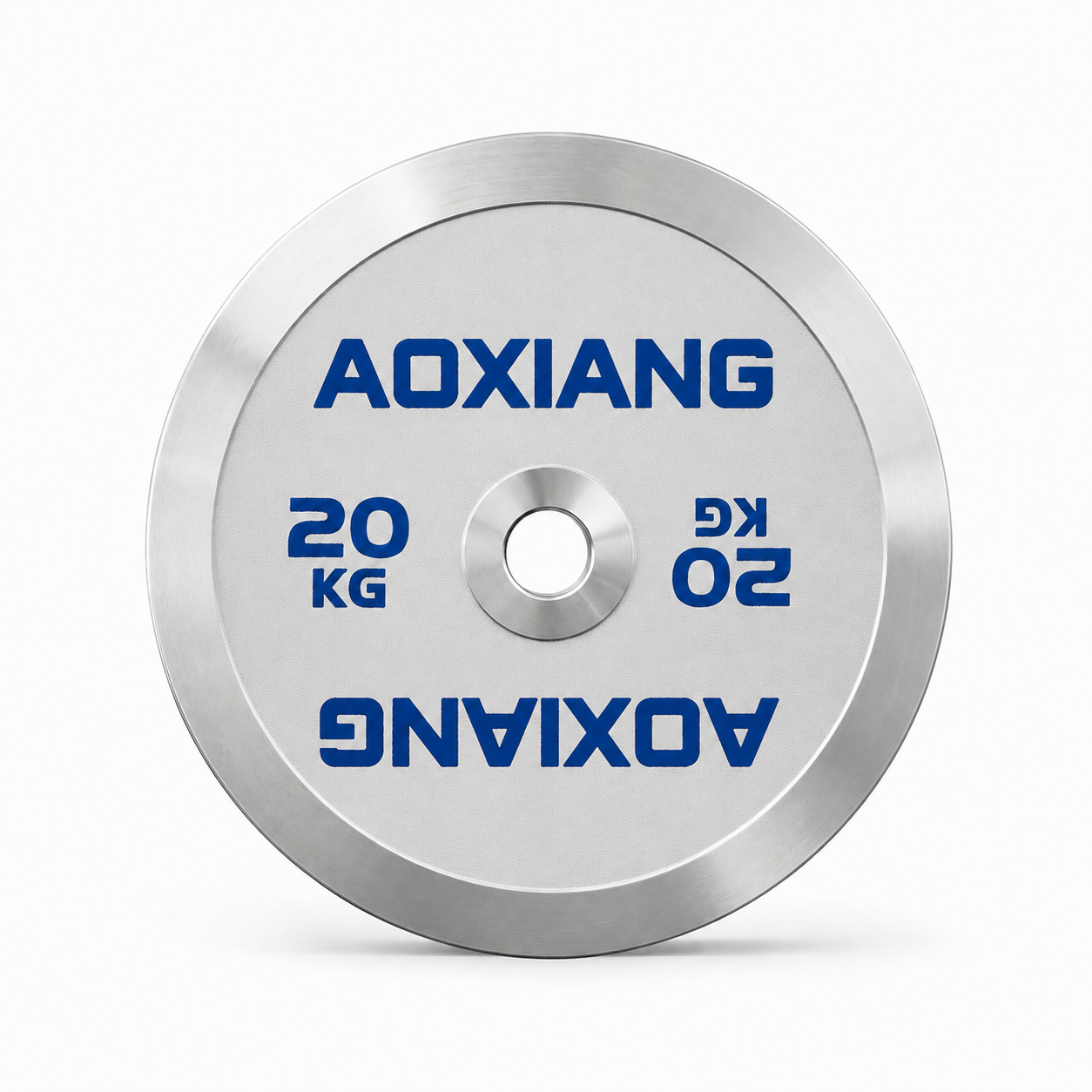
Beyond individual unit tolerances, the logistical challenge for large-scale distributors lies in bulk shipment consistency. A single shipment containing multiple sets of plates must exhibit uniform dimensional profiles to ensure seamless facility integration. If a batch of 20kg plates arrives with varying thicknesses, your staff will struggle with uneven loading and suboptimal storage density. This lack of uniformity complicates the optimization of your facility footprint, as mismatched plate profiles can disrupt organized vertical or horizontal storage systems, often leading to disorganized weight trees and wasted floor space.
To avoid these systemic inefficiencies, rigorous vendor verification must go beyond checking a single sample. We advise procurement managers to request batch-specific measurement logs rather than general product specifications. High-tier manufacturers should demonstrate advanced manufacturing precision by providing documentation that proves consistency across entire production runs. By prioritizing suppliers who treat dimensional uniformity as a core quality metric, you safeguard your inventory against the hidden costs of mismatched equipment and ensure a professional, streamlined experience for your end-users.