types of barbell plates | Selecting Barbell Plate Types for
Vetting Manufacturers and Standardizing Quality Control Protocols
Many distributors make the mistake of prioritizing low unit costs over long-term structural integrity, often resulting in high replacement rates and client dissatisfaction. A more sophisticated sourcing strategy involves evaluating the technical rigor behind the commercial weight plate categories rather than just comparing price per kilogram. When navigating the bumper plate vs iron plate distinction, the procurement focus must shift from simple aesthetics to the underlying manufacturing standards that dictate how a plate handles impact and repeated stress.
Ensuring long-term durability in a high-traffic commercial gym requires strict oversight of material consistency. For rubberized bumper plates, this means verifying the density and elasticity of the high-grade rubber to prevent cracking or uneven wear. For cast iron variants, the focus shifts to the precision of the molding process and the quality of the protective coating. Without standardized quality control protocols, even small deviations in material density or thickness can lead to weight imbalances and premature failure, increasing the total cost of ownership for your end users.
To mitigate the risk of inconsistent shipments, procurement officers should utilize a technical benchmark when vetting factory specifications. The following comparison outlines the critical quality control metrics that differentiate high-performance bumper plates from standard iron plates, focusing on the physical properties that impact long-term utility and client satisfaction.
| Metric | High-Density Bumper Plates | Cast Iron Weight Plates |
|---|---|---|
| Thickness Tolerance | Precision-molded for consistent edge profile | Strict dimensional control to prevent warping |
| Coating Integrity | High-grade UV/abrasion-resistant rubber | Multi-layer powder coating or electroplating |
| Impact Resistance | Designed for high-velocity drop absorption | Optimized for static load and durability |
| Weight Precision | High-density density for strict +/- 1% variance | Standardized molding for minimal deviation |
When negotiating gym equipment wholesale procurement contracts, we recommend requesting specific tolerance data for these metrics. A supplier capable of maintaining tight weight precision and superior coating integrity is significantly more reliable for large-scale distributions where SKU uniformity is non-negotiable.
Beyond technical specifications, a robust gym equipment wholesale procurement strategy must address the logistical vulnerabilities inherent in high-volume international shipping. Even a perfectly manufactured plate can arrive compromised if the manufacturer lacks experience in heavy-duty export packaging. For distributors, the risk is not just a single broken unit, but a systemic failure in batch consistency that can damage a brand's reputation across an entire shipment.
Mitigating Risk Through Factory Audits and Logistics Oversight
Before finalizing any MOQ, we advise conducting a comprehensive factory audit that extends beyond the production line. Verify whether the facility utilizes standardized palletization and reinforced corner protection designed specifically for heavy weight plates. A high-tier manufacturer should demonstrate a clear protocol for shipping damage prevention, such as using moisture-resistant wraps for iron plates and reinforced heavy-duty cartons for bumper plates to withstand the rigors of sea freight.
To ensure long-term reliability, request a pre-shipment inspection report that validates weight tolerances and surface finish across multiple production batches. By vetting the manufacturer's ability to maintain these standards during rapid scaling, you protect your margins from the hidden costs of returns and client disputes.
Evaluating Material Composition: Bumper Plate vs Iron Plate Utility
When optimizing a facility's inventory, the decision between different commercial weight plate categories often hinges on the anticipated mechanical stress of the environment. For high-impact zones like Olympic lifting platforms, the distinction between a bumper plate vs iron plate is not merely a matter of weight, but of long-term asset preservation. Bumper plates, engineered with high-density rubber encasements, are designed for maximum impact resistance. This construction allows them to absorb kinetic energy during heavy drops, significantly reducing the risk of structural deformation and protecting the facility's flooring from damage.
Conversely, cast iron plates offer a rigid, space-efficient solution for strength training where high-velocity drops are infrequent. While iron plates provide excellent density for compact barbell loading, they lack the shock-absorption qualities of rubberized options. For distributors and gym owners, understanding this trade-off is essential for calculating the total cost of ownership. Selecting the correct material ensures that your procurement strategy accounts for both the intensity of user movement and the necessary durability of the surrounding infrastructure.
To streamline your procurement checklist, we have synthesized the technical attributes of the primary plate types into a comparative framework. This data assists distributors in assessing the Total Cost of Ownership (TCO) by weighing initial unit costs against long-term maintenance and replacement cycles.
| Technical Attribute | Rubber Bumper Plates | Cast Iron / Steel Plates |
|---|---|---|
| Material Composition | High-density vulcanized rubber/UHMWPE | Cast iron or solid steel core |
| Impact Absorption | High; dissipates kinetic energy | Low; high vibration/rebound |
| Surface Coating | Protective rubberized skin | Powder coat or electroplating |
| Maintenance Requirements | Low; minimal surface cleaning | Moderate; prone to rust/chipping |
| Long-term Utility | Ideal for high-traffic/Olympic lifting | Optimized for standard strength training |
When evaluating gym equipment wholesale options, remember that while iron plates may offer a lower initial price point, the indirect costs of floor repair and frequent replacement in high-impact settings can quickly erode those savings. A strategic procurement plan should prioritize rubberized bumpers for heavy-use zones to ensure maximum lifecycle longevity.
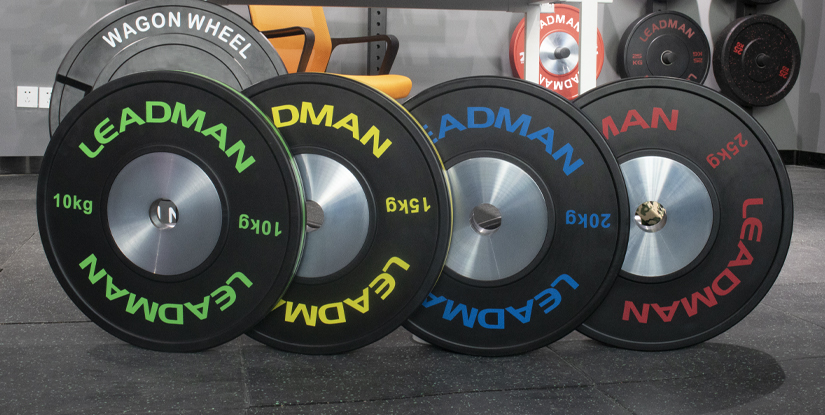
Beyond material utility, savvy buyers must integrate logistics and volume management into their decision-making. A critical factor in gym equipment wholesale procurement is the relationship between material density and shipping weight. Because rubber bumper plates occupy more volume per kilogram than cast iron, they often demand larger shipping footprints and specialized handling. This can impact your logistics budget and storage requirements significantly when scaling orders.
To mitigate these variables, we recommend establishing a strict quality control protocol during the factory inspection phase. High-density rubber must be checked for uniform thickness and structural integrity to prevent uneven weight distribution, which can lead to premature wear. Furthermore, when negotiating MOQ levels with manufacturers, consider the inventory turnover of each SKU. While iron plates may offer higher turnover in standard commercial gyms due to lower price points, bumper plates provide higher long-term value in specialized training facilities. Aligning your stock levels with these specific material profiles ensures a balanced, high-performing inventory that minimizes dead stock and maximizes client satisfaction.
Optimizing SKU Selection Across Commercial Weight Plate Categories
When managing inventory for high-traffic facilities, understanding the long-term cost of ownership is more critical than the initial purchase price. The choice between bumper plate vs iron plate configurations directly dictates your facility's maintenance schedule and the replacement frequency of your stock. While iron plates offer a rigid, traditional feel, they are susceptible to surface degradation if the coating integrity is compromised through heavy impact or improper storage.
Bumper plates, conversely, are engineered for high-impact durability. Their construction allows them to absorb kinetic energy, which protects both the plate and the surrounding flooring. However, distributors must account for the different wear patterns; rubberized surfaces may face edge degradation over years of intense use, whereas cast iron plates often face issues with oxidation or chipped paint. Selecting the right mix of these categories ensures your clients receive equipment that maintains its aesthetic and functional value throughout its lifecycle.
| Plate Category | Primary Use Case | Durability Profile | Maintenance Requirement |
|---|---|---|---|
| Rubber Bumper | Olympic Lifting / CrossFit | High impact absorption | Low; inspect edges/surface |
| Cast Iron | Bodybuilding / Strength Training | High structural rigidity | Moderate; monitor coating/rust |
| Steel/Vinyl Coated | Commercial Gyms / General Fitness | Moderate impact resistance | Low; check for coating peeling |
To streamline your procurement strategy, use the following comparison to align your inventory with the specific demands of your target facility type. A mismatch here often leads to premature replacement cycles and increased operational overhead.
For example, a high-intensity CrossFit box requires a high volume of bumper plates to handle constant drops, whereas a standard commercial strength studio may find better value in iron plates to maximize space efficiency and minimize thickness on the barbell. Selecting the correct commercial weight plate categories based on these variables allows distributors to offer more tailored, cost-effective solutions to their end-users.
| Facility Type | Recommended Plate Type | Maintenance Frequency | Estimated Replacement Cycle |
|---|---|---|---|
| CrossFit / Weightlifting Box | High-Density Bumper | Occasional (Surface/Edge check) | Long-term (High impact resistance) |
| Standard Commercial Gym | Vinyl or Steel Coated | Low (Surface cleaning) | Moderate (Coating longevity) |
| Traditional Bodybuilding Club | Cast Iron / Iron | Moderate (Rust/Paint inspection) | Long-term (Structural stability) |
| Home Gym / Boutique Studio | Standard Bumper or Iron | Minimal | Variable (Based on usage intensity) |
Pro tip for buyers: When negotiating gym equipment wholesale procurement, always ask for the specific density and coating thickness specifications. This data helps predict how well the equipment will withstand the local climate and the specific training styles of the facility's clientele.
Logistics and Quality Control for Bulk Shipments
Effective gym equipment wholesale procurement extends far beyond the initial negotiation; the true test of a supplier's capability lies in their logistics and QC protocols. When importing large volumes of diverse types of barbell plates, the risk of transit-related damage or surface degradation increases significantly. For instance, cast iron components are particularly vulnerable to oxidation prevention failures if the protective coating is compromised during long-haul sea freight. A single scratch in the powder coating can lead to rust issues before the product even reaches the distributor's warehouse.
To safeguard your investment, ensure your supplier utilizes reinforced shipping protection, such as heavy-duty palletizing and moisture-absorbent packaging, to mitigate humidity exposure. Furthermore, specify strict storage conditions for your local inventory; even high-quality bumper plates can suffer from environmental degradation if kept in unconditioned or damp environments. By verifying these logistical standards during the sourcing phase, you minimize the risk of receiving substandard SKUs and ensure long-term product reliability for your clients.
Tolerance Standards and Dimensional Precision for High-Volume Orders
For high-volume gym operators and distributors, the true cost of a barbell plate is not found in the initial invoice, but in the long-term Total Cost of Ownership (TCO). While different commercial weight plate categories serve distinct training purposes, they all share a common vulnerability: the degradation of utility caused by poor manufacturing tolerances.
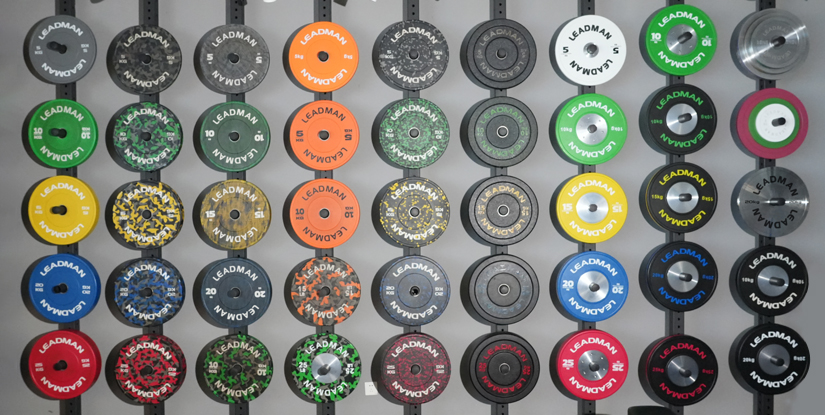
When sourcing at scale, dimensional precision becomes a critical factor in long-term maintenance. If plates within a single set exhibit inconsistent thickness or diameter, they create an unbalanced load on the barbell. This lack of uniformity leads to uneven wear on both the equipment and the lifting surfaces. Over time, these micro-discrepancies can cause structural fatigue in high-end barbells and necessitate more frequent replacement cycles. For procurement professionals, prioritizing suppliers with strict quality control over marginal cost savings is the most effective way to mitigate these operational risks and extend the functional lifespan of the entire strength training ecosystem.
To mitigate these risks, procurement teams must differentiate between the technical requirements of various materials. The bumper plate vs iron plate debate often centers on durability, but from a precision standpoint, the manufacturing standards for each differ significantly. Bumper plates require high shock absorption and consistent diameter for smooth transitions, whereas iron plates demand extreme thickness consistency to prevent wobbling during heavy, static lifts.
The following table provides a technical comparison to assist in your quality control assessment during the vendor vetting process:
| Metric | Bumper Plate Standards | Iron/Cast Iron Standards |
|---|---|---|
| Weight Deviation | Typically ±1% to 2% (Higher tolerance due to rubber density) | Strictly ±0.5% to 1% (Critical for precision lifting) |
| Thickness Consistency | Must remain uniform to prevent "wobble" during high-impact drops | Critical for sleeve fit and bar balance in heavy sets |
| Diameter Precision | High importance for smooth rolling and floor contact | Secondary to weight accuracy and center-hole fit |
| Primary Maintenance Concern | Compression and material deformation over time | Surface oxidation and dimensional shrinkage |
Procurement Checklist: Before finalizing a bulk order, always request the specific tolerance thresholds from your factory. A reliable supplier should provide documentation regarding their weight deviation limits and thickness uniformity standards to ensure your SKU selection meets the rigorous demands of a commercial facility.
Beyond technical specifications, successful gym equipment wholesale procurement relies heavily on the rigor of the supplier's internal auditing. Relying solely on a single sample is a common pitfall in large-scale sourcing; a sample may meet standards, but the actual shipment may suffer from "tolerance creep" during mass production. To prevent logistical headaches and high return rates, distributors must implement strict QC protocols that address the reality of high-volume manufacturing.
Effective bulk order verification should focus on three critical pillars of manufacturing capability. First, demand a pre-shipment inspection report that specifically highlights thickness tolerance across a randomized sample size, rather than just a single unit. Second, verify the supplier's ability to maintain consistent center-hole diameters, as even slight deviations can compromise the fit on premium barbells. Finally, ensure the manufacturer utilizes automated or semi-automated quality checks to minimize human error in weight distribution. By treating quality control as a continuous process rather than a one-time event, distributors can safeguard their reputation and ensure long-term client satisfaction.
Logistics Optimization: Managing Volume, Weight, and Landed Costs
When calculating the total landed cost of a shipment, distributors must look beyond the unit price and account for the physical dimensions of the cargo. A critical factor in this equation is the volume-to-weight ratio, which differs significantly between various commercial weight plate categories. Choosing between a bumper plate vs iron plate configuration is not just a functional decision for the end-user, but a strategic one for your supply chain efficiency.
Iron plates are high-density products with a compact footprint, making them ideal for maximizing shipping density. Because they occupy less physical space per kilogram, you can often achieve higher weight loads within a standard container, optimizing container optimization and reducing the per-unit freight cost. In contrast, rubber-encased bumper plates possess much greater volume. While essential for high-impact environments, their bulkier profile increases the storage footprint in both the shipping container and your local warehouse. For distributors managing tight inventory space or high-volume overseas orders, balancing these two types is essential to prevent paying for "shipping air" and to maintain a lean, cost-effective inventory model.
Beyond initial freight, professional buyers must evaluate the long-term ROI through the lens of durability and maintenance. While iron plates may offer a lower initial landed cost due to their density and material efficiency, the lifecycle cost of bumper plates often proves more competitive in high-traffic commercial settings. This is due to the reduced risk of floor damage and equipment wear, which lowers the indirect costs of facility maintenance.
To assist in your procurement modeling, the following framework compares the primary commercial weight plate categories based on total cost of ownership (TCO) factors:
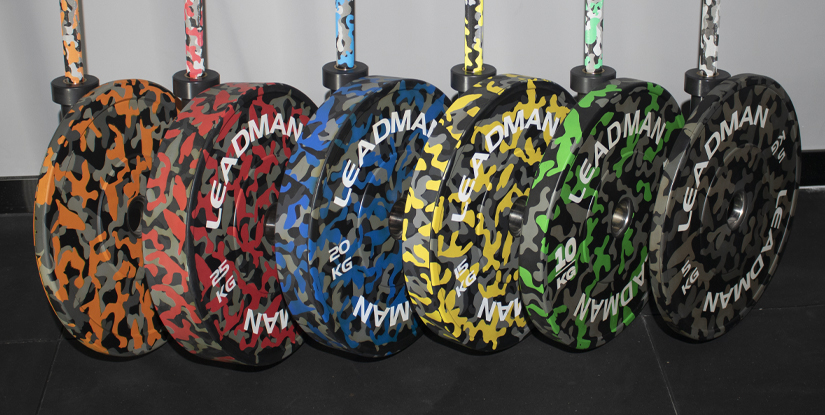
| Metric | Cast Iron / Steel Plates | Rubber Bumper Plates |
|---|---|---|
| Initial Unit Cost | Lower (High density/low volume) | Higher (Material & manufacturing) |
| Shipping Efficiency | Excellent (Maximizes weight-to-volume) | Moderate (High volume/bulkier) |
| Durability Profile | High (Resistant to impact) | Variable (Dependent on rubber grade) |
| Maintenance Needs | Occasional rust/coating checks | Minimal (Protects flooring/equipment) |
| Long-term ROI | Best for traditional strength gyms | Best for high-impact/CF environments |
When negotiating with manufacturers, consider how the specific material properties of your chosen SKU will impact your warehouse turnover and replacement cycles. A lower purchase price is often offset by the higher frequency of replacement or the cost of floor repairs if the wrong material is selected for the facility type.
Scaling your inventory requires a sophisticated approach to gym equipment wholesale procurement, specifically regarding how you manage order volumes against logistics constraints. For large-scale distributors, the relationship between MOQ (Minimum Order Quantity) and shipping efficiency is a decisive factor in maintaining healthy margins. High-volume orders of bumper plates, for instance, may require more advanced freight optimization strategies compared to iron plates due to their larger physical footprint and potential for volumetric weight charges.
To maintain a lean and profitable operation, successful buyers focus on rigorous SKU management. Instead of ordering disparate quantities of every weight increment, consider grouping your procurement to maximize bulk shipping efficiencies. For example, consolidating your most frequently used weight increments into full container loads (FCL) can significantly lower the landed cost per unit compared to multiple Less-than-Container Load (LCL) shipments. By aligning your procurement cycles with the natural density and volume profiles of different plate types, you can mitigate the risks of excessive warehousing costs and ensure your capital is not tied up in inefficiently shipped inventory.
Strategic Inventory Planning for Gym Equipment Wholesale Procurement
When designing a high-performance training facility, the footprint of your equipment dictates the efficiency of the entire layout. For distributors and gym owners, understanding how different commercial weight plate categories impact spatial dynamics is a critical component of facility planning. A common oversight in procurement is failing to account for the "movement radius" required by different training styles, which can lead to congested high-traffic zones and diminished member experience.
The decision between bumper plate vs iron plate configurations often comes down to more than just durability; it is a matter of floor space optimization. Iron plates, being significantly thinner, allow for higher weight loads on a single barbell without increasing the bar's length. This makes them ideal for compact strength zones where vertical space and barbell length are constrained. Conversely, bumper plates are essential for functional training areas where heavy drops occur. While they require more lateral clearance and specialized flooring to mitigate impact, they are indispensable for zones designed for dynamic movement. Selecting the right ratio of these types ensures that your inventory supports both high-density strength training and high-velocity functional movement without compromising the facility's flow.
Beyond the immediate training zone, procurement managers must evaluate the long-term storage density required for a scalable inventory. The physical dimensions of your chosen types of barbell plates directly influence your facility layout planning, specifically regarding the footprint of weight trees, racks, and vertical storage solutions. A high-volume facility must balance the thickness of the plates against the available barbell sleeve capacity and the physical volume of the storage equipment.
For instance, integrating a high ratio of standard-thickness bumper plates requires more substantial storage footprints and deeper shelving units compared to slim-profile cast iron. When sourcing for a facility with limited square footage, prioritizing thinner iron plates for heavy lifting stations can maximize the number of plates per barbell sleeve, effectively reducing the number of separate storage racks needed. However, if the facility focuses on functional cross-training, you must account for the increased diameter and thickness of rubberized plates in your spatial budget. Efficiently calculating the thickness vs diameter ratio during the ordering phase prevents future bottlenecks in both equipment movement and storage accessibility.
Effective SKU optimization requires a deep understanding of how plate thickness dictates the utility of your existing hardware. A critical metric often overlooked during gym equipment wholesale procurement is the relationship between plate profile and barbell sleeve capacity. If a facility relies heavily on high-thickness bumper plates, the limited sleeve length of standard barbells may become a bottleneck, preventing athletes from reaching maximum load capacities. This mismatch necessitates more frequent hardware upgrades or the purchase of specialized long-sleeved bars, increasing the total cost of ownership.
From a logistical standpoint, the thickness of your selected types of barbell plates also dictates the density of your shipping and storage containers. Thinner iron plates allow for more units per pallet, which can significantly lower freight costs per unit when managing large-scale international shipments. However, the long-term operational goal should be long-term facility maintenance and workflow fluidity. A well-balanced inventory—mixing slim-profile iron for heavy strength stations and durable bumpers for functional zones—ensures that your storage racks remain organized and that your barbell sleeves are never prematurely maxed out by unnecessary plate volume.